Understanding Cohousing Communities
Cohousing communities represent a collaborative living arrangement where private homes are interwoven with shared spaces to foster a supportive, social environment. Originating in Denmark, these communities are defined by collective decision-making, shared resources, and a focus on sustainable living. This article delves into the concept of cohousing and its compelling appeal, primarily driven by the sense of community, environmental sustainability, and a sharing economy.

Introduction to Cohousing
Cohousing, a modern housing concept, is a community-focused residential structure where individual households supplement private living with shared spaces and communal activities. Stemmed from ideas espoused in Denmark in the 1960s, cohousing has gained popularity worldwide, merging a traditional sense of community with modern living. The concept is rooted in the belief that living in a community can enhance the quality of life for its members by fostering relationships, providing support systems, and encouraging a more sustainable way of living. As urbanization increases and the fabric of traditional communities continues to fray, cohousing emerges as a solution that aligns with many individuals’ desires for a more interconnected and collaborative lifestyle.
Building a Cohousing Community
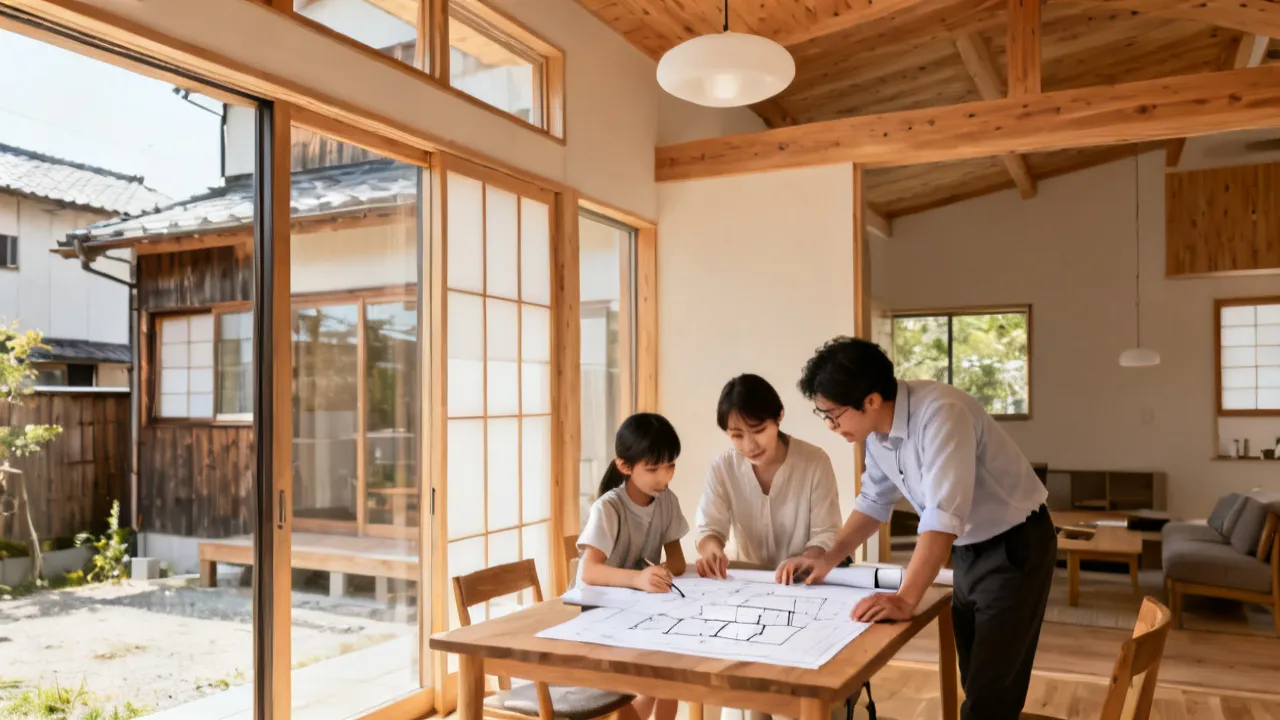
Creating a cohousing community requires significant planning and collaboration. Future residents typically engage from the outset, working together to design the neighborhood to ensure it meets their collective needs. Each household owns its private residence, while shared facilities may include kitchens, gardens, workshops, and recreational areas. In the initial stages, members often participate in workshops and meetings to discuss their visions, preferences, and the specifics of community governance.
The design process is key, often involving professional architects, urban planners, and community organizers specializing in cohousing. Together, they map out the physical layout as well as the social dynamics of the community. The goal is to create an environment where communal living thrives while still offering the privacy individuals desire. Notably, the design often encourages social interaction through features such as parking areas placed away from homes, inviting common spaces near the entrance, and multi-purpose facilities that draw people together.
Furthermore, establishing a clear mission and vision for the community can help guide its development. This shared goal can ease conflicts over time and provide a sense of belonging and purpose amongst members. Cohousing residents also define their own rules and responsibilities, ensuring everyone is invested in the well-being and functionality of their shared environment.
Benefits of Cohousing
The primary allure of cohousing lies in its ability to foster a vibrant community where residents enjoy both private and communal environments. This setup can enhance social connections, provide mutual support, and reduce living costs through shared resources. Similarly, it often encourages sustainable living practices, making it attractive for those committed to reducing their environmental footprint.
One significant benefit is the social aspect—cohousing communities typically cultivate relationships among residents, leading to increased emotional support and collaboration. Families in cohousing settings often find they can rely on their neighbors for childcare, eldercare, or simply for companionship—creating a safety net that can be invaluable in times of need. Seasonal festivals, potlucks, and workdays are common occurrences, promoting a sense of belonging and shared identity.
Additionally, residents frequently partake in decision-making processes that shape their environment, allowing them to feel empowered and connected to their living spaces. This collective approach ensures that the community evolves to suit the changing needs of its members, thereby enhancing satisfaction over time. Moreover, this cooperative dynamic can significantly reduce stress and feeling of isolation that can often accompany modern life.
Cohousing can also provide economic advantages, allowing residents to share a wide range of resources. From tools needed for home repair to communal gardens supplying fresh produce, these shared amenities can lead to decreased individual expenses and a more frugal lifestyle. Group purchasing options for essentials can also help in achieving cost savings, particularly for those living on tight budgets.
Structure and Functionality
The physical layout of cohousing neighborhoods is meticulously designed to promote interaction. Common walking paths, a central communal house, and strategically placed green spaces facilitate chance encounters, leading to deeper social ties. Decision-making processes are typically democratic, with regular community meetings to discuss matters affecting the group, ensuring that everyone has a voice. This democratic structure helps in resolving disputes and making critical community decisions, often fostering a strong sense of ownership and responsibility among residents.
These central gathering spaces, such as a community kitchen or meeting room, become conduits for social interaction, encouraging neighbors to spend time together while preparing meals or attending community events. It is not uncommon for cohousing communities to have a designated communal garden or playground, where adults can engage in conversations while kids play, organically strengthening bonds across generations.
Moreover, physical accessibility is also a key aspect of the design, as many cohousing communities strive to accommodate individuals at different life stages and with varying abilities. This focus on inclusivity allows for diversity within the community and can lead to richer experiences as residents contribute their unique perspectives.
Additionally, many of these communities embrace eco-conscious building practices, employing sustainable materials and technologies. This approach not only supports the environment but can also create a sense of pride among residents who value sustainability and innovation. By pooling resources for renewable energy solutions, such as solar panels, communities can further reduce their carbon footprint while benefiting from lower utility costs.
Challenges in Cohousing
Despite its benefits, cohousing communities face challenges, such as the need for consensus in decision-making, potential interpersonal conflicts, and the financial demands of property development. Successful cohousing initiatives require clear communication, respect for diverse viewpoints, and sometimes, compromise to address these issues effectively.
One major challenge is the potential for conflicting opinions among residents when it comes to decision-making. Because many homes share ownership in common areas, the need for consensus can result in long discussions on various topics—from minor daily operations to significant changes in governance or property management. Communities often benefit from established guidelines on how to facilitate discussions, efficiently resolve conflicts, and move forward even in the face of differing opinions.
Interpersonal dynamics can also become a challenge for some communities. While close quarters can foster friendships, they can also magnify tensions that might slide under the radar in traditional neighborhoods. Recurrent conflicts over noise, use of shared spaces, or differing lifestyles can become sources of stress. Addressing these tensions requires strong communication and conflict-resolution practices, often emphasizing the importance of understanding and respecting the perspectives of others.
Financial obstacles are another important consideration. The initial investment required to develop a cohousing community can be significant, necessitating a combination of private loans, grants, and other financing methods. Members may need to engage in financial planning and even explore innovative funding models to establish their community. Furthermore, maintaining shared facilities and addressing unforeseen repairs calls for ongoing financial contributions from members, which can sometimes be burdensome if not planned prudently.
Additionally, prospective residents must also engage in self-reflection to determine if the community lifestyle aligns with their personal values and priorities. For some, the attributes of community living may feel stifling or overwhelming, as certain norms of interconnectedness may conflict with an individual’s desire for privacy. Thus, ensuring that everyone is on the same page regarding expectations for participation and engagement is essential for long-term success.
Comparative Analysis of Cohousing Dynamics
| Aspect | Traditional Housing | Cohousing Communities |
|---|---|---|
| Privacy | High individual privacy | Balanced with communal interaction |
| Social Connection | Limited to immediate neighbors | Active community involvement |
| Resource Sharing | Individual ownership | Shared among residents |
| Decision Making | Often unilateral or by majority vote | Consensus-based, with collective input |
| Community Events | Rarely organized, spontaneous gatherings | Regularly scheduled events and workshops |
| Sustainability Practices | Varies widely | Integrated into community ethos |
| Maintenance Responsibilities | Individual responsibility | Shared collective responsibility |
| Childcare and Elderly Care | Family-dependent | Community-supported |
FAQ
What is cohousing?
Cohousing is a residential model where private homes are complemented by shared spaces and resources, designed to promote community interaction and collaboration. It combines private living with collective amenities to create a holistic living environment.
How is cohousing different from co-living?
While both focus on community, cohousing involves private ownership of homes with shared areas, whereas co-living often means sharing a singular living space, typically rented and less stable. Cohousing encourages long-term investment in community living, fostering deeper relationships among members.
What are some typical shared resources in a cohousing community?
Shared resources may include communal kitchens, gardens, workshops, recreational areas, and tools. The resources aim to foster a sharing economy while reducing individual costs. For example, a well-equipped workshop allows residents to work on individual or collaborative projects, facilitating creativity and skill-sharing.
What are the environmental benefits?
Cohousing often promotes sustainable living practices, such as resource sharing, reduced energy consumption, and eco-friendly buildings, helping residents minimize their carbon footprint. The community-oriented approach can lead to shared transportation solutions, such as carpooling or bike-sharing programs, further enhancing their sustainability efforts.
How can I get involved or start a cohousing community?
If you are interested in starting a cohousing community, begin by educating yourself about the model and its principles. Connect with local cohousing groups, attend workshops, and participate in discussions to understand what it entails. Assembling a diverse group of like-minded individuals is crucial, as a strong foundational community can propel the initiative forward.
Evaluate potential sites for development, considering aspects like accessibility, zoning regulations, and existing community resources. Financial literacy will be paramount; researching funding options or grants can assist in making the project a reality. Remember to emphasize transparent communication and a shared vision among future residents to ensure cohesive development.
Conclusion
Cohousing offers a compelling alternative to traditional housing, blending personal privacy with a strong community spirit. As more people seek connection and sustainability in their living arrangements, cohousing stands out as a viable and attractive option. It encapsulates the hope of re-establishing community bonds in an increasingly fragmented society while prioritizing ecological and sustainable living practices. Whether you're looking for companionship, support, or simply a more conducive living environment, cohousing can provide a multifaceted solution tailored to the needs of a diverse population.
Ultimately, as we navigate through contemporary challenges such as urban sprawl, loneliness, and environmental degradation, the principles of cohousing offer invaluable lessons in connectivity, support, and shared ownership. By fostering relationships and integrating sustainable practices, cohousing nurtures not only the residents but the surrounding communities and ecosystems as well.
As interest in cohousing continues to grow, communities must embrace innovative practices and remain open to evolving in response to their residents' needs. Ensuring that these communal living spaces develop inclusive practices, remain environmentally conscious, and foster genuine connections will determine their long-term success and viability.