Acid Erosion and Affordable Dental Implants
This guide explains how 산 부식, commonly translated as dental acid erosion, can weaken enamel and complicate tooth loss, while outlining practical ways to compare and reduce dental implant costs. It reviews preventive care, implant planning, clinic evaluation, insurance, dental tourism, language support, and indicative prices across English-, Spanish-, and Portuguese-speaking markets. Prices are historical reference figures and do not replace a personalized clinical quotation.
Key Findings at a Glance
산 부식 refers to the chemical loss of tooth structure caused by acids that are not produced by oral bacteria. In English, the condition is generally called dental erosion or acid erosion. Frequent exposure to acidic drinks, citrus foods, gastric reflux, vomiting, or certain occupational environments can soften enamel. Over time, this may contribute to sensitivity, thinning enamel, shortened-looking teeth, changes in bite, and a greater need for restorative treatment.
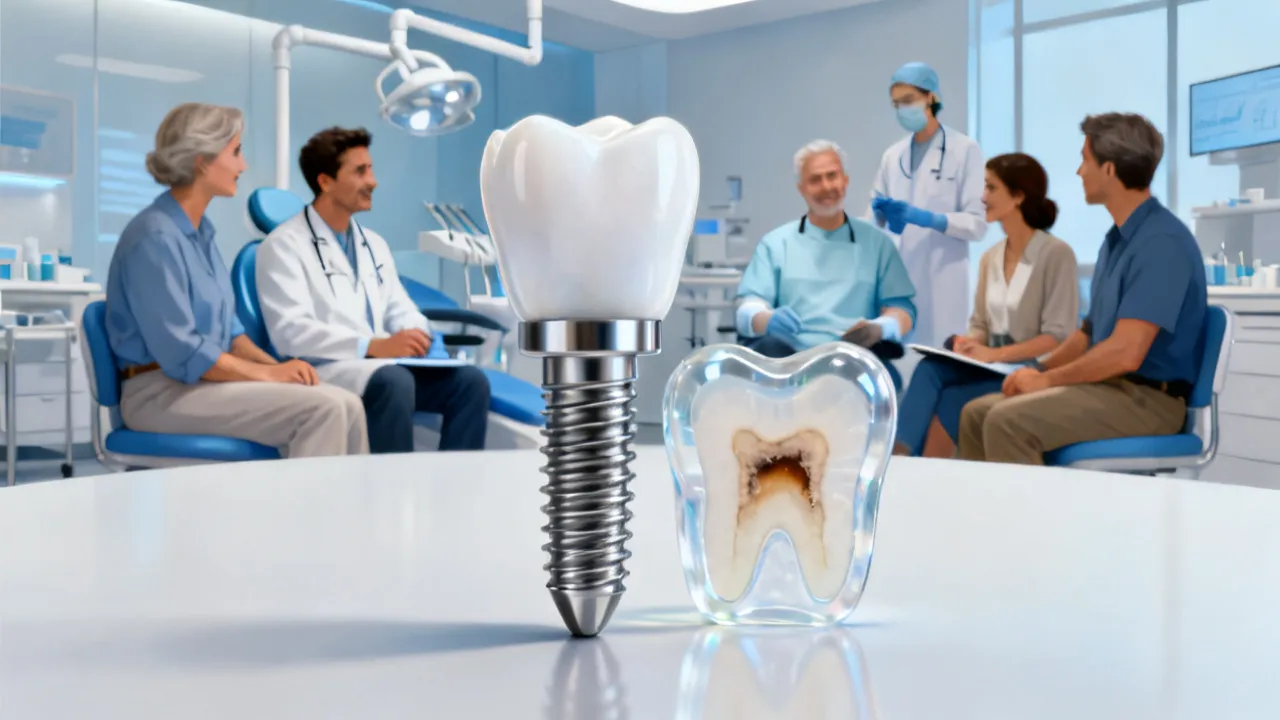
Dental implants do not repair eroded enamel. They replace the root of a missing tooth and support a crown, bridge, or denture. Consequently, a patient considering an implant should have active acid exposure, gum disease, tooth decay, bite forces, and general health assessed before treatment begins. Controlling the underlying cause is important because the natural teeth surrounding an implant still require long-term protection.
The most reliable approach to obtaining an implant at a lower cost is not simply choosing the lowest advertised price. It is to compare the complete treatment plan, confirm what the quotation includes, assess the clinician’s qualifications, verify the implant system, and understand follow-up arrangements. A lower initial fee can become more expensive if bone grafting, temporary teeth, medication, imaging, travel, or revisions are excluded.
Important clinical distinction
Acid erosion is different from bacterial tooth decay, although both can occur together. Erosion is chemical wear; decay involves acid generated by bacteria metabolizing sugars and other carbohydrates. Attrition from tooth-to-tooth contact and abrasion from external friction may also accompany erosion. A dentist should identify the dominant process before recommending treatment.
What Is 산 부식 in Dentistry?
Enamel is the highly mineralized outer layer of a tooth. It is strong, but it can dissolve when the oral environment becomes sufficiently acidic. Saliva normally buffers acids and supplies minerals that support remineralization. When acid attacks are frequent or prolonged, the balance shifts toward mineral loss. The surface may become softer and more vulnerable to brushing, chewing, and mechanical wear.
Acid erosion may affect people who consume soft drinks, sports beverages, energy drinks, wine, vinegar-based foods, sour candies, or large amounts of citrus. It may also be associated with gastroesophageal reflux disease, recurrent vomiting, eating disorders, pregnancy-related nausea, or medications that reduce saliva flow. Swimmers and workers exposed to acidic industrial environments may face additional risks, depending on the conditions and protective measures in place.
Early erosion is not always painful. A person may first notice a silky or rough tooth surface, increased sensitivity to cold foods, or a change in tooth shape. Later signs can include cupping on chewing surfaces, translucent incisal edges, yellowing as dentin becomes more visible, cracks, or difficulty tolerating hot and cold foods. These signs are not diagnostic on their own. Similar symptoms can result from decay, gum recession, cracked teeth, aggressive brushing, or clenching.
Why acid erosion matters when teeth are missing
A missing tooth may be caused by decay, fracture, gum disease, trauma, or a combination of factors. If erosion is active, the clinician should not assume that replacing the missing tooth alone resolves the broader oral-health problem. The remaining teeth may continue to lose structure, and an unstable bite may place excessive force on a new crown or implant-supported restoration.
Implants are made from biocompatible materials, commonly titanium or zirconia. They are not biological enamel and do not dissolve in the same manner as natural tooth surfaces. Nevertheless, the tissues around them can become inflamed. Plaque accumulation, smoking, poor cleaning, uncontrolled diabetes, and a history of periodontal disease can increase the risk of peri-implant disease. The implant crown may also be affected by wear, fracture, or bite-related complications.
It is useful to distinguish the implant body from the restoration placed on top of it. The implant body is inserted into the jawbone, while the abutment connects the implant to the visible crown. Acid does not normally damage these components in the same way that it damages enamel, but the crown, neighboring teeth, gum tissue, and oral environment still need careful management. A patient who continues to sip acidic drinks throughout the day may protect the implant itself while allowing the rest of the dentition to deteriorate.
Symptoms and Risk Factors Requiring Assessment
- Repeated sensitivity to cold, heat, or acidic foods.
- Teeth that appear shorter, flatter, thinner, or more translucent.
- Small depressions or “cupping” on chewing surfaces.
- Frequent consumption of acidic beverages between meals.
- Gastric reflux, persistent vomiting, or a diagnosed digestive disorder.
- Dry mouth related to medication, illness, dehydration, or aging.
- Tooth grinding, clenching, or a forceful bite.
- Bleeding gums, loose teeth, pus, bad breath, or gum recession.
- Unexplained weight loss, restrictive eating, or recurrent nausea.
- Use of highly abrasive toothpastes or vigorous brushing.
- Occupational exposure to acidic vapors, dust, or liquids.
- Frequent sports training accompanied by repeated use of acidic hydration products.
Bleeding, swelling, severe pain, facial swelling, fever, or difficulty swallowing warrants prompt dental or medical attention. These symptoms should not be managed solely through online price comparisons. Sudden facial swelling can indicate an infection requiring urgent treatment, and a loose tooth may reflect advanced periodontal disease or structural damage rather than ordinary erosion.
Risk factors can interact. For example, a person with reflux, dry mouth, and nighttime grinding may experience more severe wear than a person with only occasional acidic food exposure. Similarly, a patient with gum recession may experience sensitivity even when enamel loss is modest because the exposed root surface is less resistant to acid and abrasion. A detailed history helps the clinician decide which factors should be addressed first.
How Dentists Diagnose Acid Erosion
Diagnosis normally combines the patient’s history, an intraoral examination, photographs, bite analysis, and appropriate radiographs. The dentist may ask about beverage habits, meal timing, reflux symptoms, vomiting, sports participation, oral hygiene, and tooth-grinding. A medical referral may be appropriate where reflux, nutritional concerns, or repeated vomiting are suspected.
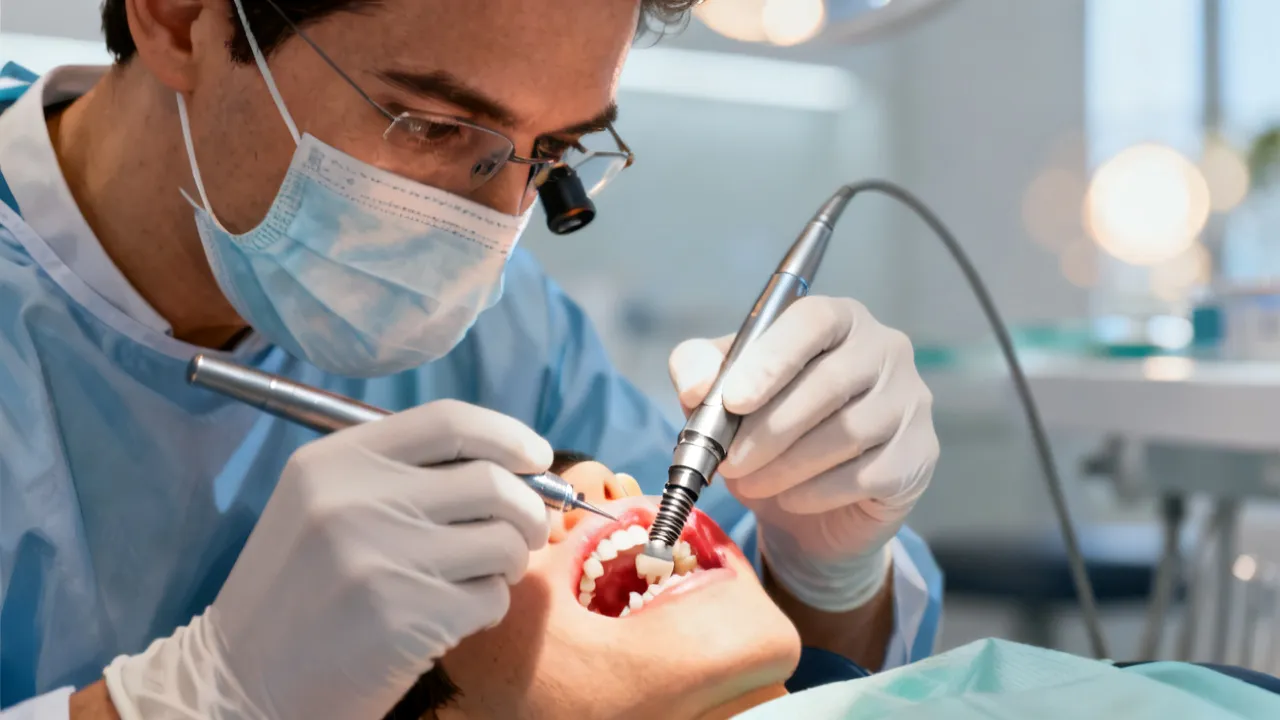
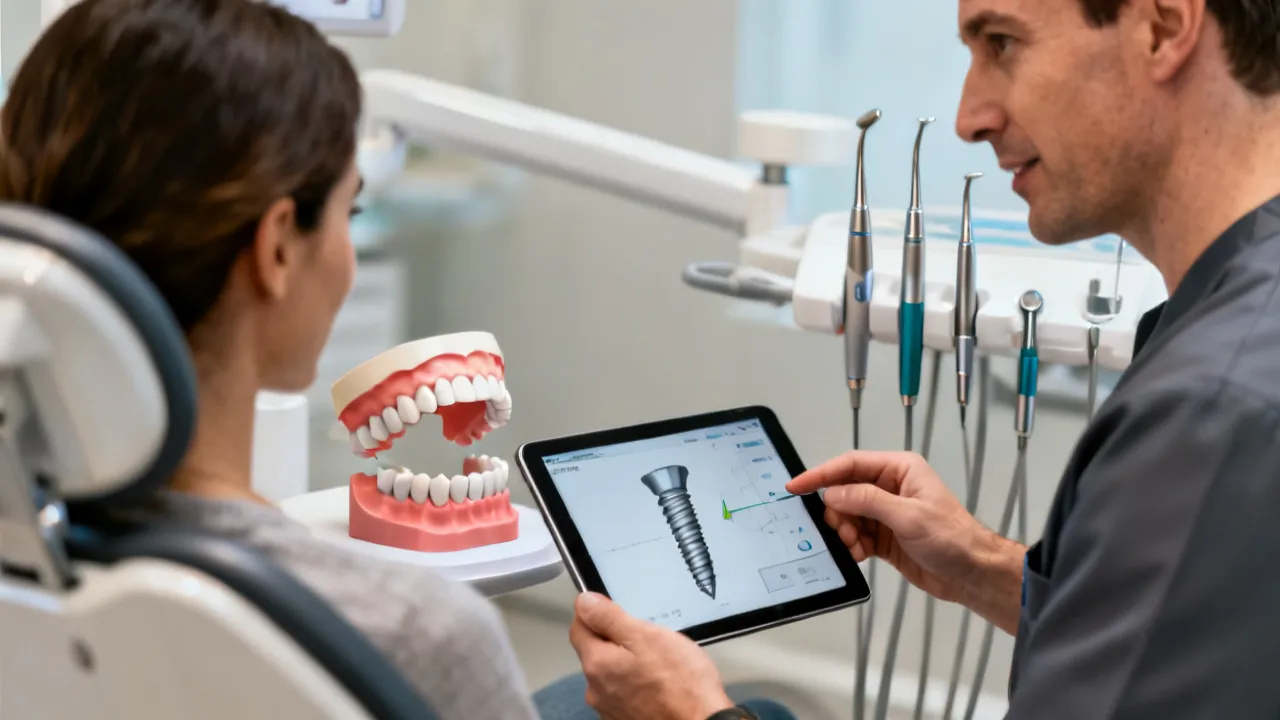
Radiographs are not a direct measurement of early enamel erosion, but they can help evaluate decay, bone levels, root anatomy, hidden infection, and the volume of bone available for implant placement. A three-dimensional scan may be recommended for surgical planning, particularly where the implant site is close to the sinus, nerve canal, or a thin facial bone plate.
Clinical photographs and digital scans can be valuable for monitoring progression. A dentist may record the shape of the incisal edges, the depth of surface defects, the appearance of exposed dentin, and the relationship between the teeth. Follow-up comparisons can show whether preventive measures are slowing the process. A single examination may identify damage but cannot always establish how quickly it is progressing.
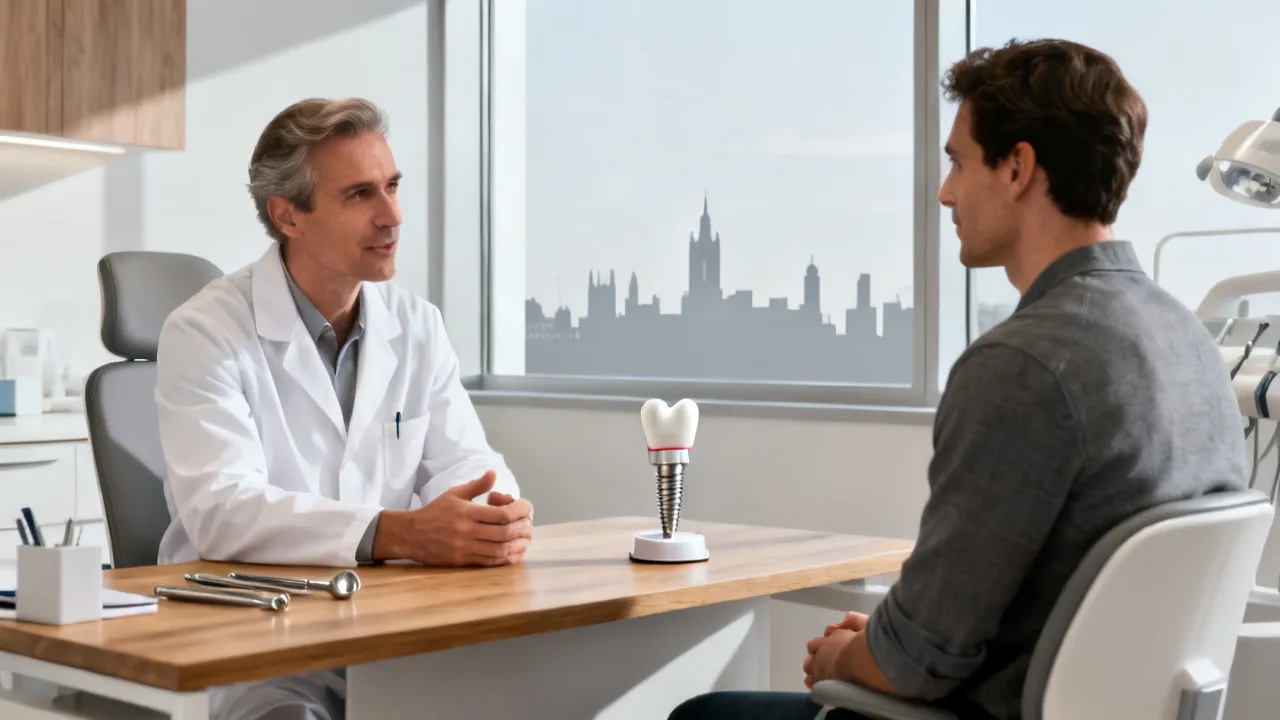
From an industry perspective, a quality consultation should explain both what is known and what remains uncertain. A clinic that promises a fixed implant price before reviewing the mouth, imaging, medical history, and restoration requirements may be presenting a marketing figure rather than a complete treatment estimate.
Reducing Acid Exposure Before Implant Treatment
Preventive measures should be tailored to the cause. Patients should discuss persistent reflux or vomiting with a qualified medical professional rather than relying only on dental products. For dietary exposure, practical strategies may include keeping acidic drinks with meals, reducing sipping over long periods, choosing water between meals, and limiting highly acidic snacks.
Frequency often matters as much as quantity. Drinking one acidic beverage quickly with a meal generally creates a different exposure pattern from carrying the same drink and taking small sips for several hours. The latter repeatedly lowers the pH of the mouth and gives saliva less opportunity to restore a neutral environment. Using a straw may reduce contact with some front tooth surfaces, although it is not a complete solution and should not encourage continued frequent consumption.
After an acidic exposure, rinsing with water may help clear the mouth. Some patients may benefit from a dentist-recommended fluoride toothpaste or topical fluoride treatment. Brushing immediately after an acidic event can be uncomfortable because the surface may be temporarily softened; a dentist or hygienist can advise on suitable timing and technique. A soft brush and gentle pressure are generally preferable to vigorous scrubbing.
Chewing sugar-free gum containing an accepted remineralizing ingredient may stimulate saliva in suitable patients. However, this is not a substitute for diagnosis, dietary modification, fluoride use, or medical treatment of reflux. Patients with jaw pain or severe clenching should seek individualized advice before using chewing gum regularly.
Patients should also be cautious with home whitening products, charcoal powders, and abrasive polishing products. These products may not cause acid erosion directly, but aggressive or abrasive use can remove softened surface structure and increase sensitivity. Any whitening treatment should be discussed with a dentist when erosion, exposed dentin, cracks, or gum recession is present.
Understanding the Components of an Individual Dental Implant
When clinics advertise the cost of “one implant,” they may refer to different parts of treatment. A complete individual implant restoration commonly involves several stages:
- Consultation and diagnosis: medical history, periodontal examination, photographs, and treatment planning.
- Imaging: two-dimensional radiographs or three-dimensional imaging when clinically justified.
- Extraction, if necessary: removal of a damaged tooth and management of the socket.
- Bone preservation or grafting: used when bone volume or contour is insufficient for the planned implant.
- Implant placement: surgical insertion of the implant body into the jawbone.
- Healing and review: a period of biological integration, with timing determined by the site and clinical circumstances.
- Abutment: the connector between the implant and the final restoration.
- Crown or other restoration: the visible tooth-shaped component.
- Maintenance: professional reviews, hygiene visits, and management of risk factors.
A quotation that includes only the implant body is not directly comparable with one that includes surgery, abutment, crown, imaging, and aftercare. Patients should request an itemized written estimate and ask whether taxes, laboratory fees, sedation, temporary teeth, medications, grafting, and emergency visits are included.
Additional procedures that may affect price
Some patients need extraction before implant placement. If infection is present, the socket may require treatment and a period of healing. Bone grafting may be considered when the ridge has resorbed or when the desired implant position requires additional support. In the upper back jaw, a sinus-related procedure may sometimes be discussed. These procedures are not automatically necessary, and a patient should ask why a particular procedure is recommended, what alternatives exist, and how it changes the timeline.
Temporary teeth can also influence the quotation. A visible front tooth may require an interim restoration during healing, while a back tooth may be managed differently depending on the bite and the patient’s preferences. Sedation, surgical guides, custom healing components, specialist referrals, and laboratory-made provisional restorations may be listed separately.
How to Obtain Dental Implants at Lower Cost
The following process can reduce avoidable expense while preserving clinical safeguards. It applies broadly across English-, Spanish-, and Portuguese-speaking markets, although regulations, insurance rules, professional titles, and prices differ by jurisdiction.
1. Establish whether an implant is clinically appropriate
Implants are one option among several. Depending on the location of the missing tooth, adjacent teeth, bone conditions, bite, age, health, and preferences, alternatives may include a conventional bridge or a removable partial denture. A consultation should compare function, maintenance, appearance, durability, surgical requirements, and total cost.
In some cases, delaying treatment briefly while disease is stabilized may be financially sensible. A delayed implant is not necessarily a failed plan. However, leaving a space untreated can allow neighboring teeth to shift, opposing teeth to over-erupt, or bone volume to change. The dentist should explain the consequences of waiting so that the decision is informed rather than driven by fear or sales pressure.
2. Treat active disease first
Untreated gum disease, active infection, uncontrolled decay, or severe acid exposure may compromise the long-term result. Stabilizing the mouth can involve periodontal therapy, fillings, dietary changes, management of reflux, a night guard where appropriate, or improved home care. Addressing these issues before surgery may reduce later complications.
3. Request two or more itemized treatment plans
Seek comparable proposals from licensed dental professionals. Each plan should identify the implant brand or system, the proposed restoration material, the number of visits, imaging, laboratory work, bone procedures, temporary teeth, anesthesia, maintenance, and the policy for complications. A low headline number should not be treated as a final price until exclusions are clear.
When comparing plans, use the same assumptions. A quote for a zirconia crown should not be compared with a quote for a temporary acrylic restoration, and a plan involving a specialist surgeon may not be directly comparable with a general-practice plan. The most useful comparison is the total expected cost for an equivalent clinical outcome, together with the quality and accessibility of follow-up.
4. Ask about treatment sequencing
Some patients can receive an implant soon after extraction, while others need a healing period. Immediate placement is not suitable in every case. The timing may affect the number of visits, temporary restoration, travel requirements, and total expense. An experienced clinician should explain the biological and practical reasons for the selected sequence.
5. Compare materials on a clinical basis
Implant components and crowns vary in design and material. The cheapest component is not automatically the least expensive over time, and the most expensive material is not automatically necessary. Patients should ask how the selected system is supported locally, whether replacement parts are available, and who will provide maintenance if they move or change clinics.
6. Investigate insurance and dental plans carefully
Dental insurance may exclude implants, impose waiting periods, limit annual benefits, or cover only specific stages. Some plans provide discounts rather than comprehensive reimbursement. Before enrolling, ask whether the treating clinician participates, whether major services have a preauthorization process, and whether existing missing teeth or previous treatment affect eligibility.
7. Consider accredited teaching or community clinics
University dental schools and community clinics may offer selected treatments under supervision. Availability, eligibility, appointment times, and case complexity vary. Patients should confirm who performs each stage, who supervises the work, how emergencies are handled, and whether specialist referral is available.
8. Evaluate nearby clinics using objective criteria
A clinic nearby may reduce travel, accommodation, and time away from work. Review professional registration, infection-control policies, diagnostic facilities, transparent consent documents, and follow-up systems. Patient reviews can provide context, but they should not replace verification of clinical qualifications and treatment information.
9. Treat dental tourism as a risk-management decision
Traveling for treatment can reduce the quoted clinical fee in some markets, but the total financial calculation should include flights, accommodation, local transport, companion expenses, exchange-rate changes, travel insurance, additional visits, and treatment if a complication occurs after returning home. Long-distance travel also makes staged care and emergency review more difficult.
10. Obtain records before changing providers
Ask for copies of radiographs, three-dimensional scans where applicable, implant brand and model details, operative notes, restorative specifications, and medication instructions. These records can help another dentist provide maintenance or urgent care. Without component information, a later provider may need additional imaging or may be unable to source a compatible part quickly.
11. Confirm maintenance costs
Implants require ongoing cleaning and professional review. Patients with a history of gum disease, smoking, poor plaque control, or acid erosion may need closer monitoring. The long-term budget should include hygiene appointments, replacement of worn crowns, protective appliances for grinding, and treatment of adjacent teeth.
12. Avoid pressure-based sales tactics
Be cautious when a clinic insists on immediate payment, discourages a second opinion, avoids written estimates, or guarantees a result regardless of bone and gum conditions. Ethical consent includes alternatives, material risks, expected limitations, costs, and the option to take time before deciding.
13. Ask whether staged payment is available
Some clinics divide the fee between diagnosis, surgery, and restoration rather than requiring the entire amount at the first appointment. This may make budgeting easier and may also clarify which services have actually been delivered. Patients should read cancellation and refund terms carefully, especially if treatment must be postponed for medical reasons.
Comparison of Websites Providing Dental Implant Information
The following table summarizes the functions described for selected websites. It is intended as a starting point for research, not an endorsement or a substitute for professional evaluation. Website content, prices, eligibility rules, and service availability can change.
| Website | Primary focus |
|---|---|
| Dental Views | Information about lower-cost dental implants, treatment types, costs, benefits, the implant process, and common questions. |
| Atlantic Dental Group | General dental clinic information, including preventive care, orthodontics, implants, emergency services, locations, and appointments. |
| DentaVacation | Dental tourism information, international treatment comparisons, travel planning, and procedures available in selected destinations. |
| ADHP | Dental plan information, coverage options, enrollment guidance, and ways to manage dental expenses. |
| Rockville Dental Arts | Spanish-language information on implants, whitening, cleaning, orthodontics, and emergency dental care. |
| Union City Mini Dental Implants | Spanish-language information focused on mini dental implants and treatment for selected areas of tooth loss. |
| Cigna | Spanish-language educational material explaining dental implants and major aspects of the treatment process. |
| Rubi Odonto | Portuguese-language clinic information covering orthodontics, whitening, implants, and patient care in Santo André, São Paulo. |
| Odontologia Velasco | Portuguese-language information on implants, prostheses, aesthetic dentistry, and technology-supported treatment in São Paulo. |
| DentalVidas | Portuguese-language dental plans for individuals, families, and companies, with a broad provider network and emergency support. |
Source: www.dentalviews.com
Source: www.atlanticdentalgrp.com
Source: www.dentavacation.com
Source: rockvilledentalarts.com/es
Source: unioncityminidentalimplants.com/es
Source: www.cigna.com/es-us/knowledge-center/guide-to-dental-implants
Source: www.rubiodonto.com.br
Source: odontologiavelasco.com.br
Source: dentalvidas.com.br
Conditions and Requirements Before Choosing a Lower-Cost Provider
- Professional authorization: confirm that the dentist and any surgeon are licensed by the relevant regulatory body.
- Clinical examination: insist on an examination rather than relying only on photographs or an online form.
- Diagnostic imaging: imaging should be selected according to clinical need and explained to the patient.
- Periodontal stability: gum inflammation and active periodontal disease should be managed before or alongside implant planning.
- Medical disclosure: provide accurate information about medications, allergies, diabetes, bone conditions, smoking, and previous surgery.
- Acid exposure control: ongoing reflux, vomiting, acidic beverages, or dry mouth should be addressed as part of preventive planning.
- Written consent: the patient should receive information about alternatives, risks, expected stages, and fees.
- Aftercare plan: identify the provider responsible for reviews, emergencies, and adjustments.
- Component documentation: obtain implant brand, dimensions, and restorative information for future care.
- Travel planning: allow sufficient time for examinations, surgery, healing reviews, and unexpected changes.
Indicative Individual Implant Cost Ranges
The ranges below are supplied reference figures for an individual dental implant in the listed markets. They should not be interpreted as universal current prices or as complete treatment packages. In particular, some quotations may exclude the consultation, imaging, extraction, bone grafting, temporary restoration, abutment, crown, sedation, medication, or maintenance.
| Market | Currency | Indicative price range for one implant |
|---|---|---|
| United States (US) | USD | $3,000–$6,000 |
| United Kingdom (GB) | GBP | £2,000–£2,500 |
| Australia (AU) | AUD | AU$3,500–AU$6,500 |
| Canada (CA) | CAD | CA$3,000–CA$5,500 |
| Spain (ES) | EUR | €1,500–€2,500 |
| Chile (CL) | CLP | CLP$800,000–CLP$1,500,000 |
| Mexico (MX) | MXN | $15,000–$25,000 |
| Colombia (CO) | COP | $2,000,000–$4,000,000 |
| Peru (PE) | PEN | S/ 3,000–S/ 6,000 |
| Argentina (AR) | ARS | $80,000–$150,000 |
| Brazil (BR) | BRL | R$3,000–R$8,000 |
| Portugal (PT) | EUR | €1,000–€2,000 |
| Germany (DE) | EUR | €2,000–€3,500 |
| France (FR) | EUR | €1,500–€2,500 |
| Italy (IT) | EUR | €1,500–€3,000 |
| Japan (JP) | JPY | ¥300,000–¥700,000 |
These figures should be compared only after confirming what “one implant” means in each quotation. In ordinary conversation, a patient may use the term to mean the entire visible replacement tooth. A clinic may use it to mean only the surgically placed implant body. This difference can explain a substantial gap between advertised and final prices.
Currency conversion can also be misleading. Exchange rates change, and a treatment plan priced in a foreign currency may become more expensive before the final visit. Bank charges, taxes, card fees, and transfer costs should be included in the personal budget. A patient should avoid committing funds based on an approximate online conversion alone.
Regional Considerations for English-Speaking Markets
In the United States, treatment fees can differ substantially according to metropolitan location, specialist involvement, laboratory selection, sedation, and the complexity of bone reconstruction. Patients should ask whether the clinic’s estimate includes the abutment and final crown. Insurance plans may have annual limits or exclusions for implants, so a written benefit determination is useful before surgery.
In the United Kingdom, patients may compare private care with available public dental pathways, although eligibility, waiting periods, and treatment scope vary. A private quotation should distinguish examination fees, imaging, surgical fees, restorative fees, and follow-up. Patients should verify professional registration and understand whether the same clinician will provide surgery and restorative care.
In Australia and Canada, regional access and waiting times may affect the total cost. Patients outside major urban centers may need to consider travel for specialist assessment or laboratory appointments. The best comparison is often the total pathway cost, including transport and time away from work, rather than the surgery fee alone.
In all of these markets, patients should ask who owns the digital records and whether copies can be obtained if the clinic closes, changes ownership, or the patient moves. Implant maintenance can continue for many years, so reliable access to records and replacement components is an important practical consideration.
Regional Considerations for Spanish-Speaking Markets
Spain, Chile, Mexico, Colombia, Peru, and Argentina have different regulatory systems, currencies, laboratory markets, and patterns of private dental care. Spanish-language communication can help patients understand consent and aftercare, but language compatibility should be combined with verification of credentials, written documentation, and accessible follow-up.
Patients considering treatment in Mexico or South America may encounter clinic packages that include accommodation or transportation. Such packages should be evaluated separately from the dental service. A travel benefit does not demonstrate clinical quality, and a package may not cover treatment for complications after the patient returns home.
For patients living in or visiting Spain, local follow-up can be an important advantage when compared with traveling farther for a lower initial quote. Similarly, patients in Chile, Colombia, Peru, or Argentina should ask whether the implant system is supported by local distributors and whether replacement parts are available in the area where future maintenance will occur.
Patients should request the treatment plan in a language they fully understand. Technical terms such as implant, abutment, crown, graft, provisional prosthesis, and maintenance may be translated inconsistently in promotional material. If a quote is presented as a package, ask for a separate list of included and excluded services before paying a deposit.
Regional Considerations for Portuguese-Speaking Markets
Brazilian and Portuguese clinics may present prices in different formats and may separate surgical and prosthetic stages. Patients should ask for an itemized estimate in Portuguese or another language they understand fully. The treatment plan should state the implant system, crown material, expected number of appointments, laboratory responsibilities, and aftercare schedule.
Rubi Odonto describes services including orthodontics, whitening, and implants in Santo André, São Paulo. Odontologia Velasco describes implants, prostheses, aesthetic dentistry, and technology-supported care in São Paulo. DentalVidas focuses on dental plans and network access. These descriptions can help a patient identify the type of information offered by each site, but they do not replace an independent clinical assessment.
In Brazil and Portugal, patients should also ask whether quoted amounts are per surgical stage, per tooth, or per prosthetic unit. A plan for multiple missing teeth may use fewer implants to support a bridge or denture, so the number of teeth and the number of implants are not always identical. The clinician should explain the design, cleaning requirements, expected maintenance, and financial implications.
Dental Tourism: A Structured Cost Review
Dental tourism can appear attractive when the clinical quote is lower than a local estimate. The decision becomes more balanced when the patient creates a complete budget:
| Cost category | Questions to ask |
|---|---|
| Clinical treatment | Does the fee include diagnosis, imaging, surgery, abutment, crown, temporary teeth, medications, and follow-up? |
| Travel and accommodation | How many visits are required, and how long must the patient remain locally after surgery? |
| Complication management | Who pays for additional imaging, medication, revision, or an unplanned return visit? |
| Records and continuity | Will the patient receive implant component details and complete clinical records? |
| Time and employment | How many working days may be lost for travel, surgery, healing, and additional appointments? |
| Currency and payment | Are deposits refundable, and what happens if exchange rates or treatment needs change? |
Implant treatment often involves multiple stages. The patient may need an initial assessment, surgery, healing reviews, and a later restorative appointment. If a trip is planned around a short schedule, the clinician must confirm that the proposed timing is biologically and practically realistic. Rushing a decision to fit a travel itinerary may increase risk.
Patients should also check local rules concerning professional complaints, refunds, warranties, medical tourism insurance, and cross-border legal remedies. A written warranty may cover a component but not surgical complications, gum disease, smoking-related failure, poor hygiene, or damage caused by grinding. Read the terms rather than relying on verbal assurances.
Travel after oral surgery may require additional planning. The patient may need access to soft foods, prescribed medicines, assistance during the first day, and a way to contact the clinic outside ordinary hours. If a patient develops swelling or pain after returning home, a local dentist may charge separately for assessment and treatment. These costs should be considered before deciding that an overseas quote is cheaper.
Insurance, Dental Plans, and Payment Questions
Insurance and dental plans are not interchangeable. Insurance may reimburse a percentage of eligible care subject to deductibles, waiting periods, exclusions, and annual or lifetime limits. A dental plan may provide negotiated rates within a network but may not pay the provider directly. Patients should request a written explanation of benefits before assuming that implant treatment is covered.
Useful questions include:
- Is the missing tooth excluded because it was lost before enrollment?
- Are the implant body, abutment, crown, bone graft, and imaging assessed separately?
- Is preauthorization required?
- Does the plan limit treatment to certain materials or providers?
- Are consultations and maintenance visits eligible?
- What happens if treatment is performed outside the network or outside the patient’s jurisdiction?
- Does the policy cover treatment of complications or only the initial procedure?
Financing can spread payments, but it can also increase the total amount paid through interest or administrative charges. Patients should compare the cash price, financed price, cancellation policy, and consequences of delaying or changing treatment.
A patient should not feel compelled to borrow more than is manageable merely because a clinic presents an implant as urgent. Some conditions do require prompt care, particularly infection or severe pain, but the replacement option and financial arrangements can often be discussed after urgent disease has been controlled. A second opinion may help distinguish immediate treatment needs from elective restorative choices.
How Acid Erosion Can Influence the Long-Term Plan
Acid erosion may affect the shape and strength of natural teeth adjacent to an implant. If the bite changes as enamel wears, forces may be redistributed. A dentist may therefore recommend monitoring, preventive fluoride care, dietary adjustments, management of reflux, or a protective appliance. Comprehensive planning can be more economical than replacing a crown repeatedly while the underlying risk continues.
A crown on an implant does not restore the lost enamel of neighboring teeth. Nor does it prevent reflux-related acid from entering the mouth. Patients should continue preventive care after the implant is placed. Brushing around the crown, cleaning beneath the contact points as instructed, and attending periodic reviews help protect both the implant and the remaining dentition.
Where substantial tooth wear is present, a dentist may need to assess the entire bite before replacing one missing tooth. The correct sequence might involve stabilizing disease, treating urgent lesions, restoring selected teeth, and then placing the implant. This is not necessarily an unnecessary expansion of treatment; it may reflect the mechanical and biological conditions needed for a predictable result.
Acid erosion can also make restorative planning more complex. If tooth surfaces are already thin, the clinician may need to consider how much additional preparation is appropriate for a bridge or crown. In some cases, preserving remaining tooth structure is a central reason to discuss an implant. In other cases, an implant may not be suitable until the patient’s oral environment is stable. The appropriate choice depends on the full examination rather than on one symptom or one price.
Postoperative Care and Maintenance
After surgery, follow the treating clinician’s written instructions. Common guidance may include protecting the surgical site, taking prescribed medication as directed, avoiding smoking, maintaining appropriate hygiene, and attending review appointments. The exact instructions depend on the procedure and the patient’s health.
During healing, increasing pain, persistent bleeding, swelling that worsens rather than improves, fever, altered sensation, or mobility of the implant should be reported promptly. After the crown is fitted, patients should seek review if the bite feels high, the crown moves, the gums bleed repeatedly, or cleaning becomes difficult.
Professional maintenance should include evaluation of plaque, gum health, bite forces, crown integrity, and the condition of adjacent teeth. Patients with previous periodontal disease may benefit from a more structured maintenance program. A history of 산 부식 also supports continued dietary and medical review, because new erosion can progress even after successful implant treatment.
Cleaning methods vary according to the restoration. A clinician or hygienist may recommend a small-headed toothbrush, interdental brushes, floss designed for implants, or a water flosser when appropriate. The goal is effective plaque removal without traumatizing the gum or forcing cleaning devices into an unsuitable space. Patients should ask for a demonstration rather than assuming that ordinary flossing technique is sufficient.
Questions to Ask at a Consultation
- What caused the tooth loss, and does that cause remain active?
- Is 산 부식 present, and how extensive is it?
- Do I have gum disease, decay, reflux-related risk, dry mouth, or excessive bite force?
- What alternatives to an implant are suitable for my situation?
- Does the estimate include the implant, abutment, crown, imaging, surgery, and aftercare?
- Will bone grafting or a sinus procedure be required?
- Which implant system and crown material are proposed?
- How many appointments are expected, and what is the anticipated healing period?
- Who will provide care if a problem occurs after treatment?
- What maintenance schedule and long-term costs should I expect?
- What symptoms should lead me to contact the clinic urgently?
- Can I receive copies of my scans, operative notes, and component details?
Industry Expert Perspective: What Makes a Quote Trustworthy?
From an implant-restoration perspective, transparency is more valuable than a dramatic headline price. A trustworthy quotation links the diagnosis to the recommended procedure. It explains why an implant is indicated, identifies alternatives, separates surgical and restorative fees, and describes the expected follow-up. It also acknowledges uncertainty: bone quality, healing, infection, and the response of the surrounding tissues cannot be predicted with absolute precision.
Another important indicator is continuity of care. Implant dentistry is not complete when the surgical appointment ends. The restoration must function with the patient’s bite, remain cleanable, and be monitored over time. A provider who can supply records and coordinate maintenance is often a safer financial choice than a clinic offering a lower initial figure but limited post-treatment support.
Patients should also distinguish marketing claims from evidence. “Advanced technology” may describe useful imaging or guided surgery, but technology does not eliminate the need for diagnosis, experienced clinical judgment, infection control, or maintenance. Similarly, a positive review may describe service quality without providing evidence about long-term implant outcomes.
A responsible provider should explain the difference between a biological complication and a mechanical complication. Infection or bone loss around an implant requires a different response from a chipped crown or loose screw. The quotation and consent documents should clarify whether follow-up is included, how soon the patient can be seen, and whether repairs are covered under a warranty.
Frequently Asked Questions
Is 산 부식 the same as a cavity?
No. 산 부식 generally describes chemical erosion from acids, while a cavity is usually associated with bacterial tooth decay. They can coexist, and both may cause sensitivity or tooth damage. A dentist should determine the cause before treatment.
Can acid erosion prevent someone from receiving an implant?
Not necessarily. The clinician will assess the condition of the gums, bone, remaining teeth, bite, and general health. Active acid exposure should be addressed because the natural teeth and surrounding tissues still need protection after implant placement.
Are dental implants always the best replacement for one missing tooth?
No. A bridge or removable partial denture may be appropriate depending on the patient’s anatomy, health, preferences, budget, and ability to maintain hygiene. A consultation should compare the alternatives rather than assume that an implant is mandatory.
Why do implant prices vary so widely?
Prices reflect geography, clinician experience, facility costs, laboratory charges, implant and crown materials, imaging, anesthesia, bone procedures, taxes, and follow-up. The definition of “one implant” also varies. Always compare itemized treatment plans.
Does a lower price indicate lower quality?
Not automatically. Costs may be lower because of regional operating expenses, clinic structure, negotiated laboratory rates, or treatment complexity. However, a low price deserves careful review of qualifications, materials, infection control, inclusions, and aftercare.
Can I travel abroad for a lower-cost implant?
Some patients do, but the decision requires a full assessment of clinical, travel, financial, and legal risks. Include all visits, accommodation, transport, possible complications, and local follow-up. Obtain complete records before returning home.
Are mini dental implants suitable for everyone?
No. Mini implants have specific indications and limitations. Their suitability depends on bone conditions, the restoration being supported, bite forces, and the clinician’s assessment. They should not be selected solely because the advertised price is lower.
How can I protect teeth affected by 산 부식?
Reduce frequent acid exposure, choose water between meals, discuss reflux or vomiting with a medical professional, use dental products recommended for your needs, and brush gently. A dentist can provide a personalized prevention plan and monitor progression.
Does insurance cover the full cost of an implant?
Coverage varies. Some policies exclude implants or cover only particular components, while others impose waiting periods, deductibles, and annual limits. Obtain a written benefit determination and compare it with the clinic’s itemized quotation.
How long does implant treatment take?
The timeline varies according to extraction, infection, bone volume, healing, implant stability, and restorative planning. Some cases involve several months and multiple visits. The dentist should provide an estimated schedule and explain circumstances that could change it.
What records should I keep?
Keep treatment plans, consent documents, invoices, radiographs, scans, implant brand and model details, operative notes, crown specifications, medication instructions, and maintenance records. These documents are valuable if another provider later needs to service the restoration.
Can erosion be reversed?
Lost enamel cannot grow back naturally. However, progression can often be reduced by controlling acid exposure, improving saliva protection, using appropriate fluoride care, treating medical causes, and avoiding additional mechanical wear. Restorative treatment may repair appearance or function when damage is advanced.
Practical Decision Checklist
Before accepting a quote, confirm that the provider has answered five essential questions: what is the diagnosis, what is included, what risks exist, what alternatives are available, and who will provide follow-up. Then consider whether the plan addresses 산 부식 or any other active risk to the remaining teeth.
A sound cost comparison should include the entire care pathway rather than the surgical fee alone. The patient should be able to understand the currency, payment schedule, cancellation terms, treatment sequence, material details, and maintenance expectations. If the information is unclear, obtain clarification in writing or seek another professional opinion.
- Have I had an in-person examination and appropriate imaging?
- Do I understand why an implant is recommended over other options?
- Have active decay, gum disease, infection, and acid exposure been addressed?
- Does the price include the abutment and final crown?
- Are bone grafting, extraction, sedation, temporary teeth, and medication included?
- Do I know the implant brand and have access to component documentation?
- Can I reach the provider easily for an urgent review?
- Have I included travel, time off work, maintenance, and possible additional treatment?
- Have I had enough time to read the consent and compare alternatives?
Conclusion
산 부식, or dental acid erosion, is a preventable and manageable condition, but it deserves attention when a patient is planning tooth replacement. Acid exposure can weaken the remaining natural teeth and may interact with bite, sensitivity, and restorative needs. Dental implants can provide a durable replacement for selected patients, yet their success depends on diagnosis, healthy supporting tissues, appropriate planning, accurate surgery, well-designed restoration, and long-term maintenance.
Lower-cost treatment is best pursued through transparent comparisons, qualified providers, complete quotations, suitable insurance or dental-plan research, and realistic evaluation of travel-related expenses. The figures in this guide offer a structured starting point across multiple language markets. A personal examination and written treatment plan remain essential before any clinical decision.
References and Links
- Dental Views: Low-Cost Dental Implants
- Atlantic Dental Group
- DentaVacation
- Rockville Dental Arts, Spanish-language site
- Union City Mini Dental Implants, Spanish-language site
- Cigna: Guide to Dental Implants, Spanish-language page
- Rubi Odonto
- Odontologia Velasco
- DentalVidas
Disclaimer: The information above comes from online resources, and the data is as of October 2023. Dental implant prices are for reference only and may vary by region, clinic, and doctor. The content is educational and does not constitute a diagnosis, treatment recommendation, insurance determination, or substitute for consultation with a qualified dental professional.