Acquired Pellicle and Affordable Dental Implants
This guide explains how the acquired pellicle forms, why it matters for natural teeth and dental implants, and how patients can compare implant costs responsibly. The acquired pellicle is a protein-rich film that develops from saliva on oral surfaces within minutes of cleaning. It can support protective mineral balance, but it may also help bacteria attach when oral hygiene is inadequate. The article also reviews treatment planning, regional price ranges, and cost-conscious care options.
Key Findings at a Glance
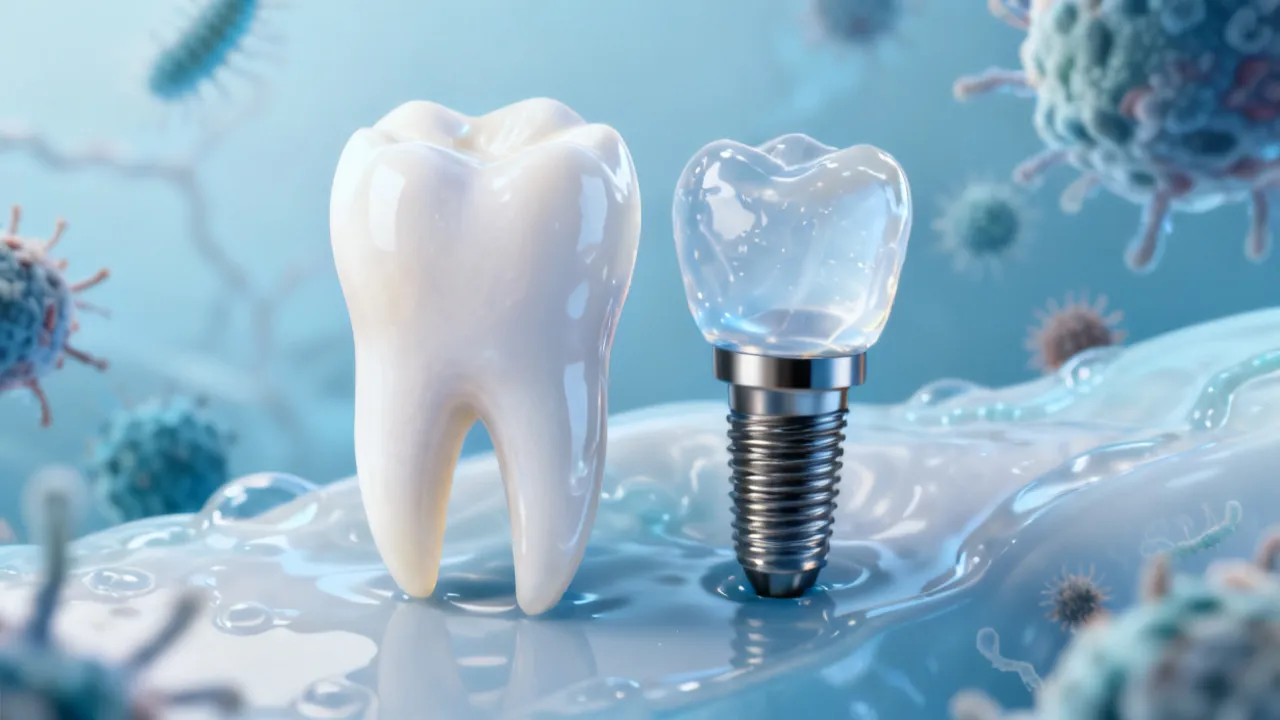
The acquired pellicle—known in Korean as 획득 피막—is a thin, protein-rich biological film that forms naturally when saliva contacts tooth enamel, dentin, oral soft tissues, dental restorations, and implant components. It begins developing rapidly after a surface is exposed to saliva, including after toothbrushing or professional polishing. The pellicle is not the same as plaque, food debris, calculus, or peri-implant disease. It forms first; microorganisms may then attach to it and develop into an organized dental biofilm.
For people considering dental implants, the most important practical points are these:
- The acquired pellicle is a normal biological film and cannot be permanently eliminated.
- It may reduce direct chemical contact between enamel and acids, but it can also provide binding sites for microorganisms.
- An implant restoration is exposed to saliva and oral bacteria, so the pellicle can form on its accessible surfaces just as it forms on natural teeth.
- Implant surfaces, abutments, and crown margins require careful maintenance because inflammation around an implant can threaten the supporting soft tissue and bone.
- The advertised price of an implant may exclude imaging, extraction, bone grafting, sinus augmentation, the abutment, the crown, sedation, laboratory fees, medications, or follow-up care.
- Comparing complete treatment plans, clinician qualifications, implant systems, restoration materials, maintenance arrangements, and travel requirements is more useful than comparing a single headline price.
- Prices below are historical reference ranges compiled from online resources and are not personal treatment quotations.
An industry-informed approach therefore connects biology with economics. Understanding the acquired pellicle helps patients appreciate why daily cleaning and professional maintenance remain important after treatment. Understanding the full implant pathway helps them avoid selecting a clinic solely because it lists the lowest initial figure. The most affordable treatment over time is often the one that is properly planned, clearly documented, realistically scheduled, and supported by accessible follow-up care.
What Is the Acquired Pellicle?
The acquired pellicle is an organic coating that forms on an oral surface when saliva comes into contact with it. Salivary proteins, glycoproteins, lipids, enzymes, immunoglobulins, and other molecules selectively adsorb onto enamel, dentin, mucosa, restorative materials, and implant-related surfaces. This process can begin within minutes after professional polishing or toothbrushing.
Unlike food debris, the pellicle is not simply a visible residue. It is an organized molecular film, often only a fraction of a micrometer thick. Because it is so thin, patients generally cannot see it as a separate layer. Its composition changes according to the surface, the individual’s saliva, oral pH, diet, medication use, hydration, and the surrounding microbial environment.
On natural teeth, the acquired pellicle is often discussed in relation to two opposing functions. First, it can act as a partial diffusion barrier and may reduce direct contact between enamel and acids from foods, beverages, gastric contents, or bacterial metabolism. Some pellicle components also participate in calcium and phosphate exchange, which can influence the balance between mineral loss and mineral repair. Second, its proteins and glycoproteins can provide receptors to which certain oral bacteria attach. If the film is not regularly disrupted by brushing and interdental cleaning, early bacterial colonizers can create a more mature biofilm.
This dual role explains why the acquired pellicle should not be described simply as harmful or beneficial. It is a normal part of oral biology. Clinical outcomes depend largely on what happens after the pellicle forms: whether it remains relatively clean, becomes coated with organized biofilm, or is affected by inflammation and poor plaque control.
How the Pellicle Develops
- Surface exposure: Enamel, dentin, a restoration, an abutment, or another implant component is exposed to saliva.
- Initial molecular adsorption: Salivary molecules attach to the surface through chemical and physical interactions.
- Film organization: Additional proteins and lipids interact with the first layer, producing a more structured conditioning film.
- Microbial contact: Bacteria encounter binding sites on the film. Some are removed by saliva flow, swallowing, chewing, or oral hygiene; others remain attached.
- Early colonization: Initial bacterial species can create conditions that allow additional microorganisms to attach.
- Biofilm maturation: If cleaning is insufficient, microbial communities become more complex and may generate acids, enzymes, or inflammatory products.
Professional cleaning removes deposits and disrupts biofilm, but it does not prevent the pellicle from reforming. That is expected. A realistic goal is not permanent removal of the pellicle; it is regular disruption of harmful biofilm, control of inflammation, and preservation of healthy tooth and implant-supporting tissues.
The rate and composition of pellicle formation can differ between individuals. Saliva from a person with dry mouth, for example, may create a different oral environment from that of a person with normal salivary flow. Medications that reduce saliva, frequent exposure to acidic drinks, a high-sugar diet, and certain systemic conditions may influence the conditions under which biofilm develops. These factors do not make the pellicle abnormal, but they can alter its clinical significance.
Why the Acquired Pellicle Matters for Dental Implants
A dental implant is a biocompatible fixture, commonly made from commercially pure titanium or a titanium alloy, placed into the jawbone to support a restoration. The visible replacement tooth is usually a crown attached through an abutment. Each of these components can interact with saliva and oral microorganisms, although not every part of the implant is equally exposed after treatment.
Once an implant is exposed to the oral environment, salivary molecules can form a pellicle on the abutment, crown, and accessible implant-related surfaces. This conditioning film influences how bacteria approach the surface. Surface roughness, chemical composition, hydrophilicity, crown contours, cement remnants, microscopic gaps, and access for brushing also affect microbial retention.
The clinical concern is not the existence of the pellicle itself. The concern is the development of persistent biofilm and inflammation in tissues surrounding the implant. Peri-implant mucositis refers to inflammation of the soft tissue around an implant without demonstrable progressive supporting-bone loss. If inflammation progresses and bone is lost, the condition may be classified as peri-implantitis.
Symptoms that warrant professional evaluation include bleeding during cleaning, persistent redness, swelling, tenderness, pus, a bad taste, increasing mobility of the restoration, or changes in the way the teeth meet. Many patients do not experience severe pain in the early stages, so maintenance visits are important even when an implant feels comfortable. A lack of pain does not necessarily mean that the tissues around the implant are healthy.
Implant maintenance should be individualized. A dentist or hygienist may recommend a soft toothbrush, an electric toothbrush, an interdental brush selected for the implant contours, implant-safe floss or tape, a water flosser in appropriate cases, and professional instrumentation designed to minimize unnecessary surface damage. Patients should not assume that every metal instrument, abrasive product, or home whitening product is suitable for every implant restoration.
Pellicle, Plaque, Calculus, and Peri-Implant Disease
| Term | Clinical meaning |
|---|---|
| Acquired pellicle | A saliva-derived molecular film that forms on oral and dental surfaces. |
| Dental plaque or biofilm | An organized microbial community attached to a surface and embedded in an extracellular matrix. |
| Calculus | Mineralized dental biofilm that cannot usually be removed effectively with ordinary brushing. |
| Peri-implant mucositis | Inflammation of soft tissue around an implant without confirmed progressive bone loss. |
| Peri-implantitis | Inflammation around an implant associated with progressive loss of supporting bone. |
This distinction is useful when evaluating advertisements. A product or clinic that claims to “remove the pellicle permanently” is not describing a realistic biological outcome. The pellicle reforms after cleaning. Evidence-based care focuses on plaque and calculus control, risk-factor management, appropriate restoration design, and monitoring of the tissues surrounding the implant.
Patients should also understand that the acquired pellicle is not the same as the yellow or brown material sometimes seen on teeth or restorations. Visible discoloration may result from staining, calculus, food pigments, smoking, or changes in the restorative material. A dental professional can determine whether a deposit is soft biofilm, hardened calculus, surface stain, or a problem with the restoration.
What Determines the Cost of an Individual Dental Implant?
Patients often use the word “implant” to describe the complete replacement of a missing tooth. In practice, treatment may involve several separately priced elements:
- Initial examination and consultation
- Two-dimensional or three-dimensional imaging
- Digital scans, impressions, photographs, and surgical planning
- Extraction of a damaged tooth
- Periodontal treatment or infection control
- Bone grafting or sinus augmentation when clinically necessary
- The implant fixture
- The healing abutment or final abutment
- The temporary restoration
- The permanent crown
- Sutures, medications, and review appointments
- Sedation or anesthesia
- Laboratory and milling charges
- Management of complications or replacement components
- Long-term maintenance visits
From a treatment-planning perspective, the most meaningful quotation is a written, itemized estimate for the complete pathway. A low initial figure may represent the fixture only. Another clinic may quote a higher amount but include the crown, imaging, laboratory work, and several reviews. The two prices are not directly comparable until the inclusions are aligned.
Material and design also influence the estimate. A clinician may recommend different implant systems, abutment types, crown materials, or restorative approaches depending on bone volume, bite forces, esthetic expectations, systemic health, and the position of the missing tooth. The least expensive component is not automatically the most suitable choice, and the most expensive component is not automatically superior for every patient.
Location also affects pricing. Clinics in major cities or tourist areas may have higher rent, staffing, laboratory, and technology costs. Rural clinics may advertise lower fees, but transportation and follow-up travel may add expense. Prices can also change because of inflation, exchange-rate fluctuations, imported materials, taxes, laboratory capacity, and local professional regulations.
Reference Cost Ranges by Country
The following table presents the requested reference ranges for one individual dental implant. These figures should not be interpreted as the cost of multiple implants, an implant-supported bridge, an overdenture, or a complete-mouth reconstruction. Currency symbols and local conventions are retained for clarity.
| Country | Currency | Reference range for one individual implant |
|---|---|---|
| United States | USD | $3,000–$6,000 |
| United Kingdom | GBP | £2,000–£2,500 |
| Australia | AUD | AU$3,500–AU$6,500 |
| Canada | CAD | CA$3,000–CA$5,500 |
| Spain | EUR | €1,500–€2,500 |
| Chile | CLP | CLP$800,000–CLP$1,500,000 |
| Mexico | MXN | $15,000–$25,000 MXN |
| Colombia | COP | $2,000,000–$4,000,000 COP |
| Peru | PEN | S/ 3,000–S/ 6,000 |
| Argentina | ARS | $80,000–$150,000 ARS |
| Brazil | BRL | R$3,000–R$8,000 |
| Portugal | EUR | €1,000–€2,000 |
| Germany | EUR | €2,000–€3,500 |
| France | EUR | €1,500–€2,500 |
| Italy | EUR | €1,500–€3,000 |
| Japan | JPY | ¥300,000–¥700,000 |
These ranges are not exchange-rate conversions and should not be compared without considering local wages, laboratory fees, taxes, imaging costs, travel, regulation, and aftercare. In countries where prices fluctuate substantially, especially during periods of currency instability, an older figure may have limited practical value. Patients should request a current quote in the local currency and ask how long the quoted price will remain valid.
A price range also cannot determine clinical quality by itself. A responsible assessment considers the diagnosis, the experience of the treating team, sterilization and emergency procedures, the implant system used, the design of the final crown, the availability of replacement parts, and the arrangements for long-term maintenance.
How to Obtain Dental Implants at Lower Cost in English-Speaking Countries
Cost-conscious treatment in the United States, the United Kingdom, Australia, and Canada begins with a complete diagnosis rather than an online discount. The following sequence can help patients reduce avoidable expenses without treating quality as secondary.
- Confirm that an implant is appropriate. A dentist should assess the missing tooth, adjacent teeth, gum condition, bite, bone volume, smoking status, and relevant medical history. In some cases, a bridge or removable prosthesis may be clinically appropriate, although each option has different maintenance implications.
- Request an itemized estimate. Ask whether the quoted figure includes the implant fixture, abutment, crown, imaging, extraction, grafting, temporary restoration, laboratory charges, and follow-up.
- Compare several licensed providers. Compare the treatment plan, not merely the promotional price. In the United States and Canada, verify professional registration through the relevant state, provincial, or territorial authority. In the United Kingdom, check the General Dental Council. In Australia, check the Australian Health Practitioner Regulation Agency.
- Ask about payment plans and dental benefits. Employer benefits, private dental plans, health savings arrangements, or clinic payment schedules may reduce immediate financial pressure. Coverage varies and many plans have exclusions or waiting periods.
- Address gum disease first. Treating active periodontal disease before implant placement can support long-term maintenance and may prevent the added cost of managing complications later.
- Consider a dental school or teaching clinic. Accredited teaching environments may offer supervised treatment at different fee levels. Treatment may take longer because cases are reviewed and procedures are performed within an educational framework.
- Ask whether staged treatment is safe. When clinically suitable, extraction, healing, implant placement, and final restoration may be staged. Staging does not always reduce total cost, but it can make budgeting clearer.
- Retain records. Obtain implant-system details, radiographs, operative notes, and crown information. These records are especially important if a patient moves or later needs care from another dentist.
In high-cost healthcare markets, a lower-cost pathway often comes from better planning, benefits coordination, treatment at a teaching clinic, or comparing complete quotes. It should not come from omitting necessary imaging, selecting an unlicensed operator, or shortening healing and review schedules without clinical justification.
How to Obtain Dental Implants at Lower Cost in Spanish-Speaking Countries
Spanish-speaking markets include countries with very different currencies, public and private healthcare structures, professional regulations, and regional costs. Spain, Mexico, Colombia, Chile, Peru, and Argentina should not be treated as one uniform market. Prices can differ between capital cities, coastal areas, provincial towns, and tourist districts.
- Use Spanish-language consultations when needed. Clear communication about medical history, medications, allergies, expectations, and consent is essential. Patients may ask for a written treatment plan in Spanish.
- Verify the professional and clinic. Check the local dental registration system or professional college where available. Confirm the clinic’s physical address, sterilization procedures, emergency arrangements, and the identity of the clinician who will place the implant.
- Separate implant surgery from restoration in the quote. Ask whether “implante dental” refers only to the surgical fixture or to the fixture, abutment, and crown together.
- Compare laboratory and implant-system information. A patient should receive the manufacturer and model of the implant system, when appropriate, together with the restorative material and laboratory details.
- Review imaging requirements. A panoramic image may not answer every planning question. Three-dimensional imaging may be indicated in selected cases, particularly when anatomical structures or limited bone are involved.
- Ask about post-operative access. Determine who will manage swelling, infection, loose components, or prosthetic adjustments. This is especially important for patients traveling between regions.
- Check tax and payment conditions. Ask whether the quoted amount includes local taxes, medications, sedation, and follow-up visits. Obtain the estimate in the local currency.
- Consider local care before international travel. A lower surgical price may be offset by transportation, accommodation, translation, missed work, and the cost of returning for a review or complication.
For Spanish-speaking patients, established clinic websites may be useful for learning about services, but a website is not a substitute for an examination. Testimonials can describe individual experiences but cannot establish that a particular treatment is suitable for every patient.
How to Obtain Dental Implants at Lower Cost in Portuguese-Speaking Countries
Brazil and Portugal have different healthcare environments and pricing structures. In Brazil, costs may vary considerably between São Paulo, Rio de Janeiro, other major urban centers, and smaller municipalities. In Portugal, prices may differ between Lisbon, Porto, the Algarve, and inland regions. Language access can help patients understand what is included in a quote.
- Request a written orçamento. The estimate should identify the consultation, imaging, surgery, implant fixture, abutment, crown, laboratory work, medications, and follow-up.
- Confirm professional registration. In Brazil, patients can ask for the dentist’s Conselho Regional de Odontologia registration. In Portugal, they can verify professional standing through the Ordem dos Médicos Dentistas.
- Ask who performs each stage. A clinic may use different professionals for surgery, prosthodontics, imaging, and laboratory work. Patients should know who is responsible for diagnosis and follow-up.
- Compare implant brands and restoration materials. A lower fee may reflect a different implant system or crown material. The relevant question is whether the proposed option is appropriate for the clinical situation and supported by accessible replacement components.
- Investigate dental plans carefully. Some plans provide access to network prices rather than comprehensive reimbursement. Review waiting periods, exclusions, annual limits, and the difference between a plan and insurance.
- Plan transportation and review visits. Patients traveling within Brazil or Portugal should allow time for healing and any required adjustments. A treatment schedule based solely on a short visit may not fit every case.
- Maintain the implant after placement. The acquired pellicle will form on the restoration, and biofilm control remains necessary. Maintenance expenses should be included in the long-term budget.
Comparing Websites That Provide Dental Implant Information
The websites below represent different information models: cost education, clinic services, dental tourism, insurance or benefits information, and multilingual patient education. They should be read as starting points for questions, not as independent confirmation of clinical suitability. The table contains no embedded links so that the comparison remains easy to scan.
| Website or organization | Useful features for implant-cost research |
|---|---|
| Dental Views | Discusses low-cost dental implants, treatment types, benefits, cost considerations, common questions, and the general implant process. |
| Atlantic Dental Group | Clinic-based information covering general dental services, implants, cleaning, orthodontics, emergency care, appointments, and provider information. |
| DentaVacation | Explores dental tourism, international treatment options, cost comparisons, travel arrangements, and questions for patients considering care abroad. |
| American Dental Health Plans | Provides information about dental plan structures, coverage options, applications, and ways benefits may affect dental expenses. |
| Rockville Dental Arts | Spanish-language clinic information covering implants, whitening, cleaning, orthodontics, and emergency dental services. |
| Union City Mini Dental Implants | Spanish-language information focused on mini dental implants and cases involving smaller areas of missing teeth. |
| Cigna | Spanish-language educational material explaining dental implants and the principal stages and considerations of treatment. |
| Rubi Odonto | Portuguese-language clinic information for services such as orthodontics, whitening, implants, and patient care in Santo André, São Paulo. |
| Odontologia Velasco | Portuguese-language information on implants, prostheses, aesthetic dentistry, and technology used by a São Paulo clinic. |
| DentalVidas | Portuguese-language dental-plan information for individuals, families, and companies, including network and emergency-service details. |
Source: www.dentalviews.com/low-cost-dental-implants/
Source: www.atlanticdentalgrp.com/
Source: www.dentavacation.com/
Source: www.rockvilledentalarts.com/es/
Source: www.unioncityminidentalimplants.com/es/
Source: www.cigna.com/es-us/knowledge-center/guide-to-dental-implants
Source: www.rubiodonto.com.br/
Source: www.odontologiavelasco.com.br/
Source: www.dentalvidas.com.br/
How to Evaluate a Low-Cost Implant Offer
A responsible comparison uses a checklist. Patients can ask the following questions before paying a deposit:
- Is the price for the fixture only, or for the complete tooth replacement?
- Does the quotation identify the implant manufacturer and model?
- Is the crown included, and what material will be used?
- Are extraction, grafting, imaging, and temporary teeth included?
- Who will provide emergency care during healing?
- How many follow-up visits are included?
- What happens if the implant fails to integrate or a component loosens?
- Will the clinic provide radiographs, surgical notes, and implant identification records?
- Are the clinician and facility licensed under the applicable local rules?
- Does the proposed schedule allow adequate clinical review?
- What are the cancellation, refund, and complication policies?
- Are laboratory fees, taxes, prescriptions, sedation, and aftercare included?
- Can the clinic explain the alternatives, including a bridge or removable prosthesis?
- Who owns or controls the patient records if the patient later changes providers?
Patients should be cautious when an advertisement uses a single unusually low number without defining the procedure. Pressure to book immediately, reluctance to provide records, unclear clinician credentials, or promises of guaranteed outcomes are additional reasons to seek another opinion. An ethical consultation should explain uncertainty, possible changes to the treatment plan, foreseeable complications, and the patient’s responsibilities for cleaning and review.
Dental Tourism: Potential Savings and Practical Risks
Dental tourism can provide access to different price levels, but the financial calculation must include more than the clinic’s fee. A patient may need flights, accommodation, local transportation, travel insurance, translation, meals, time away from work, and a second trip for the final crown or adjustment. If a complication occurs after returning home, coordination between the overseas clinic and the local dentist may be difficult.
Implant treatment is not always completed in one visit. Depending on the case, the clinician may need to allow time for extraction healing, bone augmentation, implant integration, soft-tissue maturation, and laboratory fabrication. Immediate-loading protocols may be appropriate for selected patients, but they are not a universal shortcut. A temporary tooth placed quickly may not be the same as a definitive restoration.
Before traveling, patients should send relevant medical information securely, ask whether an in-person examination is required before a final quote, and confirm the schedule in writing. They should also understand which clinician will provide care if the implant, temporary restoration, or crown requires attention after the patient returns home.
Travel can also affect recovery. Long journeys shortly after surgery may be uncomfortable, and patients need access to prescribed medications, suitable food, and emergency dental or medical services. A patient who is considering treatment abroad should identify a local dentist willing to provide assessment if needed, while recognizing that the local dentist may not be able to repair or replace a proprietary component immediately.
Conditions and Requirements for Implant Candidacy
Suitability is determined individually. A clinician commonly reviews:
- The location and duration of tooth loss
- Available bone height, width, and density
- Gum health and the presence of periodontal disease
- Oral hygiene and the patient’s ability to clean around the restoration
- Smoking or nicotine exposure
- Diabetes control and other systemic conditions
- Medications affecting bone metabolism, healing, or bleeding
- Parafunction such as severe grinding or clenching
- Expectations about appearance, function, treatment time, and maintenance
- The condition of neighboring teeth and the opposing bite
- The proximity of nerves, sinuses, and other anatomical structures
Medical conditions do not automatically exclude implant treatment. However, they may require coordination with a physician, modification of the treatment sequence, additional monitoring, or discussion of risks. Patients should provide a complete medication list and should not stop prescribed medication without medical advice.
Bone grafting is sometimes recommended when there is insufficient volume for the planned implant. It can increase both cost and treatment time. A second opinion may clarify whether grafting is necessary, whether an alternative implant position is appropriate, or whether another restoration would better fit the patient’s circumstances. Patients should ask what the graft involves, how long healing may take, and whether the grafting fee is separate from the implant fee.
Smoking and nicotine exposure deserve particular attention. Nicotine can affect blood flow and healing, while smoking may increase the risk of complications and make plaque control more difficult. A dental team may recommend stopping or reducing tobacco use before surgery and throughout healing. This is a health and treatment-planning issue, not simply an administrative requirement.
Maintenance and the Acquired Pellicle After Implant Placement
After the crown is delivered, patients should treat implant maintenance as a continuing part of treatment. Saliva will rapidly condition the restoration with an acquired pellicle. Bacteria may interact with this film, especially along the crown margin and beneath contact areas that are difficult to clean.
A typical maintenance plan may include:
- Brushing twice daily with a technique recommended by the dental team.
- Cleaning between teeth and around the implant with an appropriately sized device.
- Following any prescribed antimicrobial or fluoride instructions.
- Attending professional reviews at an interval based on individual risk.
- Reporting bleeding, swelling, suppuration, discomfort, or mobility promptly.
- Managing smoking, diabetes, grinding, and other modifiable risk factors.
- Using a night guard when clinically indicated for clenching or grinding.
- Returning for occlusal and prosthetic checks if the bite feels different.
Professional cleaning should be performed with instruments and powders selected for the implant surface and restoration. Aggressive polishing or inappropriate instrumentation may alter a surface or damage a prosthetic material. The correct approach depends on the implant system, crown design, access, and the type of deposit.
Home care should be demonstrated rather than assumed. An interdental brush that is too small may fail to clean the area, while one that is too large or used forcefully may irritate the tissue. Floss may be useful in some designs but difficult in others. The dental team can show the patient how to pass the cleaning device beneath the contact without cutting the gum or trapping fibers.
Maintenance appointments may include visual examination, probing or tissue assessment when appropriate, evaluation of bleeding, review of radiographs when clinically indicated, and inspection of the crown and connecting components. The frequency depends on the patient’s history of gum disease, hygiene effectiveness, smoking, diabetes, implant position, restoration design, and previous complications.
Common Mistakes That Increase Long-Term Cost
Choosing by headline price alone. An incomplete quotation can lead to unexpected surgical, restorative, or laboratory charges. A patient may pay a low surgical fee and later discover that the crown, abutment, scan, or temporary tooth was excluded.
Ignoring gum disease. Active inflammation can make maintenance more difficult and may affect the tissues intended to support an implant. Treating periodontal disease before placement can add an initial expense but may reduce avoidable biological risk.
Skipping follow-up visits. Early detection of bleeding, prosthetic looseness, or hygiene problems may allow simpler intervention. Delaying care can allow a small mechanical or inflammatory problem to become more difficult to manage.
Accepting an unsuitable restoration design. A crown that is difficult to clean may increase the patient’s maintenance burden, even if the initial price is attractive. The design should balance appearance, function, access for cleaning, and the patient’s bite.
Failing to obtain records. Without the implant manufacturer, model, and restorative information, future care can become more complicated and costly. Patients should request copies of relevant records and keep them with their health information.
Traveling without a contingency plan. A patient should know where to seek help if a temporary crown fractures, sutures open, or swelling persists. A clinic’s warranty or guarantee may not cover travel, local emergency care, or unrelated complications.
Assuming every implant is permanent and maintenance-free. An implant does not decay in the same way as natural enamel, but the surrounding tissues can become inflamed and the crown or connecting components can wear, fracture, loosen, or require replacement.
FAQs
What does 획득 피막 mean in dentistry?
획득 피막 is the Korean term for the acquired pellicle. It refers to the saliva-derived protein and lipid film that forms on oral surfaces, including tooth enamel and dental restorations. It is a normal biological layer rather than a diagnosis.
Is the acquired pellicle the same as plaque?
No. The pellicle is primarily a molecular film derived from saliva. Plaque is an organized microbial biofilm that can develop on or within that conditioning layer. Regular brushing and interdental cleaning target plaque and other deposits, not the permanent prevention of pellicle formation.
Does the pellicle damage dental implants?
The pellicle itself is not automatically damaging. Its importance lies in how it influences bacterial attachment and the formation of biofilm. Persistent biofilm can contribute to soft-tissue inflammation and, in some cases, peri-implant disease. The implant surface, restoration design, oral hygiene, smoking, medical status, and maintenance schedule all matter.
What is the lowest-cost country for an implant?
There is no universally lowest-cost country for every patient. The final expense depends on the complete treatment plan, currency, travel, accommodation, imaging, grafting, crown materials, taxes, and aftercare. A lower local fee may not produce a lower total cost if multiple trips or complication management are required.
Does an advertised implant price include the crown?
Not necessarily. Some advertisements refer only to the implant fixture or surgical stage. Patients should ask specifically whether the abutment, temporary tooth, permanent crown, imaging, extraction, grafting, laboratory work, medications, and reviews are included.
Can a patient have an implant immediately after extraction?
Immediate placement may be suitable in selected cases, but it depends on infection status, socket anatomy, bone stability, soft-tissue conditions, and the planned restoration. It is not appropriate for every extraction site. The clinician should explain the advantages, limitations, alternatives, and risk of changing the treatment plan during surgery.
Are mini dental implants suitable for everyone?
No. Mini dental implants have specific indications and limitations. Their suitability depends on the missing tooth or prosthesis, bone anatomy, biting forces, restoration design, and the clinician’s assessment. A patient should not select them solely because the initial procedure appears less expensive.
How long does implant treatment take?
The timeline ranges from relatively short treatment for selected cases to many months when extraction healing, grafting, or staged restoration is required. Healing schedules should be based on clinical stability and the treatment plan rather than a marketing promise.
Can dental insurance or a dental plan reduce the cost?
It may reduce eligible expenses or provide access to negotiated fees, but coverage varies. Patients should review waiting periods, annual limits, exclusions for missing teeth, implant-specific restrictions, and whether the plan covers the crown as well as the surgery.
What should a patient do if an implant bleeds?
Occasional minor irritation may have several causes, but repeated bleeding, swelling, pus, pain, or bad taste should be evaluated by a dentist. Do not delay care because the implant is not painful. Early assessment can distinguish a hygiene issue, prosthetic irritation, mucositis, or a more serious condition.
Can brushing remove the acquired pellicle permanently?
No. The film reforms naturally after oral surfaces contact saliva. Brushing and interdental cleaning remove plaque and disrupt microbial accumulation. The clinical objective is healthy, clean surfaces and controlled inflammation, not permanent elimination of a normal salivary film.
What records should a patient request after implant treatment?
Patients should request implant identification information, relevant radiographs or scans, surgical notes, details of the abutment and crown, laboratory information, and maintenance recommendations. These records can help another dentist provide care if the patient relocates or the original clinic becomes unavailable.
Is an implant cheaper than a bridge over the long term?
There is no universal answer. An implant may have a higher initial cost but does not require the same preparation of adjacent teeth as a conventional bridge. A bridge may be less expensive initially and may involve a shorter treatment period, but it has its own cleaning requirements and potential future repair or replacement costs. The decision should be based on the patient’s oral condition, preferences, prognosis, and budget.
Professional Perspective on Value and Risk
From an industry perspective, affordability should be defined as the relationship between total cost, clinical appropriateness, expected maintenance, and access to follow-up—not as the smallest initial payment. A carefully selected implant may provide a durable tooth replacement, but its success depends on diagnosis, surgery, restoration, home care, professional maintenance, and management of biological and mechanical risks.
The acquired pellicle illustrates this principle. It is invisible to many patients, yet it affects the environment in which bacteria interact with teeth and implant restorations. Similarly, the abutment, crown margin, and cleaning access may not be prominent in an advertisement, but they can strongly influence day-to-day maintenance. A transparent treatment plan brings these less visible factors into the cost discussion.
Patients should also distinguish between a clinic’s promotional claims and information that can be independently verified. A reputable provider should be willing to explain the diagnosis, alternatives, expected stages, material choices, risks, maintenance requirements, and fees. The patient should have enough time to ask questions and should not feel compelled to proceed before understanding the proposal.
Conclusion
The acquired pellicle, or 획득 피막, is a natural saliva-derived film that forms rapidly on dental surfaces. It may contribute to mineral protection while also providing a foundation for bacterial attachment. For dental implant patients, the practical response is consistent biofilm control, individualized maintenance, and prompt assessment of inflammation.
Patients seeking lower-cost dental implants should compare complete, itemized plans across qualified providers. They should verify credentials, understand what the price includes, account for travel and aftercare, and obtain implant records for future treatment. Regional price ranges can support initial research, but they cannot replace an examination or a personalized quotation.
The safest cost-saving strategy is informed comparison. Patients can reduce unnecessary expense by treating disease early, asking about alternatives, using available benefits, comparing several complete plans, and selecting a restoration that can be cleaned and maintained. They should avoid cost reductions that depend on missing records, unclear credentials, inadequate review, or unrealistic treatment timelines.
Disclaimer
1. The information above comes from online resources, and the data is as of October 2023.
2. Dental implant prices are for reference only and may vary by region, clinic, doctor, treatment complexity, materials, imaging requirements, taxes, and follow-up needs. Currency values and market conditions may change after the stated date.
3. This article is educational and does not replace an examination, diagnosis, or treatment recommendation from a qualified dental professional. Implant candidacy, treatment timing, materials, and maintenance intervals must be determined for each patient individually.
4. Website descriptions and prices may change. Patients should verify current services, credentials, treatment inclusions, refund policies, and aftercare arrangements directly with the relevant provider.