Alginate Pros and Cons in Modern Dentistry
This guide explains 알지네이트 장단점, or the advantages and disadvantages of alginate dental impression material, while comparing its clinical uses with digital scanning and elastomeric impressions. It also outlines practical ways to manage dental implant costs, presents reference price ranges across major language regions, and reviews reputable websites that provide implant-related information. Alginate is affordable and convenient, but its accuracy, dimensional stability, and handling requirements should be assessed for every case.
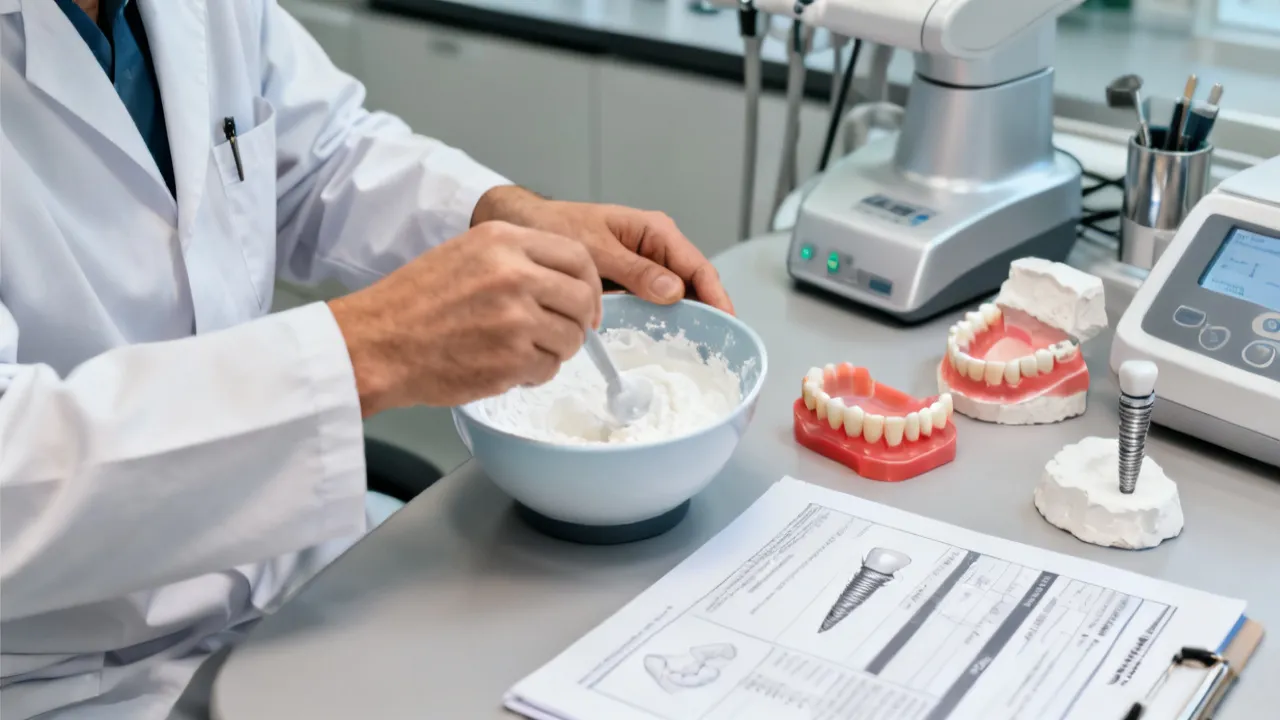
Understanding 알지네이트 장단점 in Dental Care
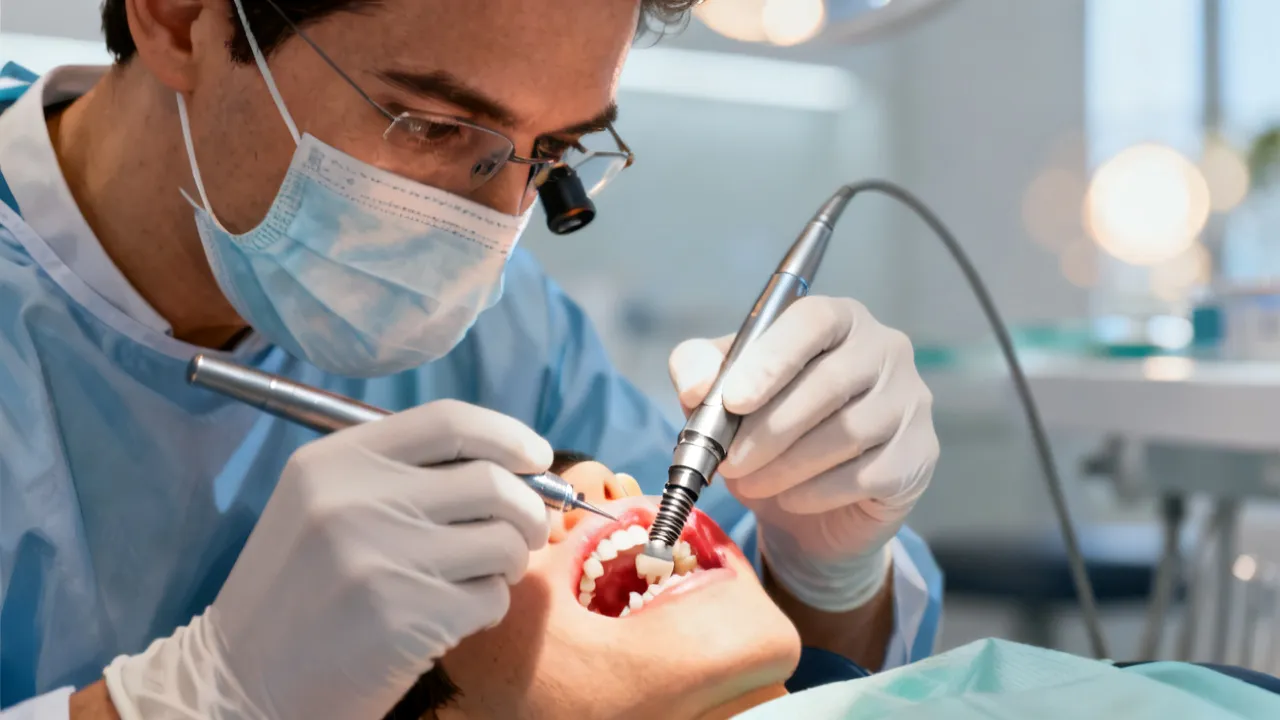
알지네이트 장단점 refers to the advantages and disadvantages of alginate, one of the most commonly used materials for making dental impressions. In English-language dentistry, it is usually called alginate impression material or simply alginate. The material is used to reproduce the general shape of teeth, gums, oral tissues, and dental arches so that a dental team can create study casts, removable appliances, whitening trays, orthodontic records, mouthguards, temporary restorations, and treatment-planning models.
The central clinical point is straightforward: alginate is practical, economical, and relatively easy to use, but it is not automatically the best impression material for every procedure. It generally performs well when a dentist needs a fast, reasonably accurate impression of an entire arch. However, implant-level impressions, highly detailed fixed prosthodontic work, deep preparation margins, and cases requiring long storage may call for a more dimensionally stable material or an intraoral scanner.
Alginate should therefore be judged according to the purpose of the impression rather than by price alone. An impression for an initial orthodontic model has different requirements from an impression used to fabricate a definitive implant-supported crown. An experienced dental team evaluates accuracy, moisture control, patient comfort, time, cost, laboratory workflow, storage requirements, and the consequences of possible distortion before selecting a material.
What Is Alginate Impression Material?
Alginate is an irreversible hydrocolloid. It is supplied as a powder that is mixed with water immediately before use. Once the material sets, it changes into an elastic gel and cannot return to its original powder state. The impression is placed over the dental arch, allowed to set, and then removed carefully. Dental stone or another model material is subsequently poured into the impression to create a physical replica of the patient’s oral structures.
The powder commonly contains a soluble alginate salt, a calcium-reactive component, fillers, setting modifiers, pigments, flavoring agents, and dust-control ingredients. When water is added, a chemical reaction converts the soluble material into an insoluble calcium alginate gel. The clinician must follow the manufacturer’s recommended water-to-powder ratio, mixing time, working time, and setting time. Even modest changes can influence consistency, strength, elasticity, surface detail, and final dimensional accuracy.
Alginate has been used in dentistry for many decades because it combines simple handling with a lower material cost than many elastomeric impression systems. Modern products may include color-changing indicators, fast- or regular-setting options, improved flavoring, reduced dust, and better tear resistance. Nevertheless, its basic limitations remain important. Because alginate contains water and is a hydrocolloid, it can lose water through evaporation or syneresis and can absorb water through imbibition. These changes may alter the size and shape of the impression.
The material is usually placed in a perforated or adhesive-coated tray. A stock tray may be selected for routine impressions, while a custom tray may be used in circumstances requiring more control. The tray must cover the teeth and relevant soft tissues without pressing excessively against the cheeks, lips, palate, or floor of the mouth. Correct tray selection is one of the most important factors in obtaining a clinically useful impression.
The Main Advantages of Alginate
1. Cost-efficient routine impressions
One of the most recognized advantages of alginate is its comparatively economical cost. Dental practices can use it for diagnostic models and preliminary impressions without adding the expense associated with advanced elastomeric systems or digital scanning hardware. This can help make routine examinations, orthodontic records, denture planning, appliance fabrication, and patient education more manageable for both clinics and patients.
Cost efficiency does not mean that a lower-priced material is suitable for every treatment. The material is economical when its accuracy is adequate for the intended purpose. Repeating a distorted impression, delaying laboratory work, or remaking an appliance can eliminate the initial financial advantage. The appropriate question is whether alginate provides sufficient information for the specific clinical decision.
2. Simple preparation and familiar handling
Alginate generally requires a bowl, spatula, water, powder, and a suitable impression tray. Most dental assistants and clinicians are familiar with its preparation. This established workflow can be useful in busy practices, community clinics, teaching environments, and locations where advanced digital equipment is not readily available.
Color-changing alginates can make the process easier by indicating stages such as mixing, tray loading, and placement. A color may change during spatulation and then change again as the material approaches its setting stage. These indicators help coordinate the team, but they are not a substitute for reading the product instructions. Water temperature, room temperature, mixing speed, and the clinician’s technique can alter the working and setting times.
3. Short chairside procedure
Many alginate products set relatively quickly, which can shorten the time that a patient must hold the tray in the mouth. This is particularly useful for preliminary impressions, orthodontic records, and patients who become uncomfortable during extended procedures. A fast-setting product may also improve efficiency when several impressions are required during a single appointment.
Speed must be balanced with control. A clinician who needs more time for tray placement or who is treating a patient with limited mouth opening may prefer a regular-setting formulation. The material should remain workable long enough to position it accurately without creating unnecessary stress for the patient or the clinical team. The clinician should also avoid mixing the material before the tray and patient are ready, because premature setting can result in a poor impression.
4. Generally acceptable patient comfort
Alginate has a soft, flexible texture after setting and is usually more comfortable than rigid impression materials. It is available in different flavors, and some products are designed to reduce dust during mixing. These details can matter for children, patients with a strong gag reflex, and people who are anxious about dental treatment.
Comfort also depends on tray selection and technique. An impression tray that is too small can force material against the tissues, while a tray that is too large may require excessive material and increase the likelihood of gagging. A well-fitting tray, controlled breathing, correct head position, efficient suction, and clear instructions are often as important as the material itself. Patients can be told to breathe slowly through the nose and to avoid attempting to swallow repeatedly while the tray is in place.
5. Useful elasticity for modest undercut areas
Once set, alginate is flexible enough to pass over modest undercuts without fracturing immediately. This makes it useful for many preliminary impressions and for recording general arch anatomy. Its flexibility also allows removal from the mouth with less risk of damaging certain diagnostic models.
Elastic recovery is not perfect, however. If the impression is removed with a rocking motion, compressed unevenly, or left deformed, the final cast may not accurately represent the patient’s anatomy. The clinician should use a controlled, firm removal path and avoid unnecessary manipulation after removal. The impression should be inspected immediately, because a defect is easier to identify before the cast is poured.
6. Useful in patients with sensitive tissues
Alginate normally requires relatively limited pressure to record the general shape of the arch. This can be advantageous for patients with tender mucosa, healing extraction sites, or reduced tolerance for prolonged tray placement, although the dentist must decide whether an impression is appropriate in the first place. The clinician may modify the tray, use wax relief, or select another technique when tissues are particularly sensitive.
7. Broad educational and laboratory use
Dental schools commonly teach alginate impression techniques because the material demonstrates fundamental principles of tray selection, mixing, tissue management, setting chemistry, disinfection, and model pouring. Laboratories also continue to receive alginate impressions for selected appliances and diagnostic work.
Its educational value extends beyond basic procedures. Alginate helps students understand why moisture, timing, pressure, and material thickness influence an impression. Those principles remain relevant even when a practice later adopts digital scanning or higher-precision elastomers. Learning to recognize a flawed impression is also an important clinical skill because it prevents an inaccurate model from being used in treatment planning.
8. Convenient for preliminary communication
A physical alginate cast can help a dentist explain tooth position, crowding, spacing, missing teeth, bite relationships, and potential treatment options. Patients often understand their condition more easily when they can see a three-dimensional model rather than only a mirror image or radiograph. The cast can also assist communication between a general dentist, orthodontist, oral surgeon, prosthodontist, and laboratory.
The Main Disadvantages of Alginate
1. Limited dimensional stability
The most important disadvantage is that alginate can change dimension after setting. Water loss, associated with syneresis and evaporation, may cause shrinkage. Water uptake, known as imbibition, may cause expansion. The rate and extent of change depend on the formulation, environmental conditions, storage method, and time before the cast is poured.
For this reason, alginate impressions are generally poured as soon as practical after disinfection. If immediate pouring is not possible, the dental team must follow the product manufacturer’s storage instructions. Wrapping an impression incorrectly or immersing it in water for too long can create additional distortion rather than preserve the record. A damp paper towel or sealed container may be recommended for limited temporary storage, but the exact method should come from the manufacturer.
2. Lower detail reproduction than definitive materials
Alginate can reproduce clinically useful anatomy, but it typically does not provide the same fine-detail reproduction as addition silicone or polyether. Small margins, narrow grooves, subgingival contours, implant components, and subtle surface features may not be captured with the precision needed for definitive restorative work.
When treatment depends on exact fit, the consequences of inadequate detail can be significant. A crown may require excessive adjustment, a bridge may not seat correctly, a denture may have inaccurate borders, or an appliance may need to be remade. The material choice should reflect the precision required rather than the convenience of the initial impression.
3. Sensitivity to mixing technique
Inconsistent powder measurement, excessive water, insufficient spatulation, or prolonged mixing can reduce strength and accuracy. An overly thin mixture may lack adequate body, while an overly thick mixture may be difficult to load and adapt. Air incorporated during mixing can create voids on the cast and may be mistaken for anatomical defects.
Standardized protocols are therefore important. Practices should use the manufacturer’s scoop and measuring cylinder where supplied, maintain consistent water temperature, and use a clean bowl and spatula. Automated mixing may improve consistency, but it does not eliminate the need for correct powder and water proportions. The bowl should be clean and free from remnants of previously set material, because contamination may alter the setting reaction.
4. Risk of tearing or permanent deformation
Alginate is elastic, but it can tear in thin sections, especially around interdental spaces, deep sulci, sharp undercuts, and distal areas of the arch. If the impression is removed too slowly or at an unfavorable angle, it may stretch and fail to recover its original shape. Thin material at the margins is particularly vulnerable.
A properly selected tray should provide a reasonably even thickness of material. The clinician may use tray adhesive when recommended by the manufacturer, because separation between alginate and tray can cause movement or distortion during removal. The tray should be seated without repeatedly lifting and reseating it. If the impression must be rocked excessively to remove it, the tray design or material may not be suitable for the anatomy.
5. Difficulties with moisture and saliva
Alginate is hydrophilic compared with many elastomeric materials, which can be helpful in a moist oral environment. Still, excessive saliva, blood, pooled water, or uncontrolled soft-tissue movement may interfere with detail. The impression field should be managed carefully, particularly around mobile mucosa and areas where fluid accumulates.
Hydrophilicity should not be confused with unlimited moisture tolerance. A wet field can still produce bubbles, voids, or loss of surface detail. Suction, gentle tissue retraction, patient positioning, and efficient tray placement remain necessary. If blood or exudate is present, the underlying cause should be assessed rather than simply concealed by adding more impression material.
6. Limited storage and transport flexibility
An alginate impression is not an ideal long-term record. A dental office sending an impression to a distant laboratory must consider transport time, temperature, packaging, and humidity. Delays can reduce the reliability of the resulting cast. Digital records or more stable impression materials may be preferable when a case involves complex laboratory coordination or shipment across long distances.
Transport is especially important when an impression is being used to fabricate a device that must fit precisely. A cast poured several hours after impression removal may not represent the same dimensions as a cast poured promptly. If a laboratory receives an impression that appears dry, swollen, torn, or distorted, it should notify the dental office rather than proceeding automatically.
7. Potential for dust and waste
Some conventional powders may create airborne dust during dispensing. Dust-control formulations and careful handling can reduce this issue, but staff should still follow occupational safety procedures. The container should be closed after use, and powder should not be shaken unnecessarily. Used impressions, mixing materials, packaging, and disposable barriers also create clinical waste that must be managed according to local regulations.
8. Limited suitability for long-span edentulous areas
Alginate may be acceptable for selected preliminary denture impressions, but large edentulous areas can present challenges. The material may not provide the border control, tissue displacement, or functional molding needed for a definitive complete denture impression. In such cases, a preliminary alginate impression may be used to create a custom tray, followed by a more controlled definitive impression technique.
Alginate Compared with Other Impression Options
| Option | Typical strengths and limitations |
|---|---|
| Alginate | Economical, quick, comfortable, and suitable for preliminary or diagnostic impressions; limited long-term stability and fine-detail accuracy. |
| Addition silicone | High detail reproduction and strong dimensional stability; generally higher material cost and greater technique sensitivity. |
| Polyether | Good detail and predictable setting; can be relatively rigid and may be less comfortable in pronounced undercuts. |
| Condensation silicone | Useful detail and familiar elastomeric handling, but dimensional changes related to by-products can make prompt pouring important. |
| Intraoral scanning | Digital workflow, immediate electronic transfer, and no physical impression material; requires equipment, training, and effective moisture control. |
From an industry expert’s perspective, the comparison should focus on clinical risk rather than technology preference. Alginate is often appropriate for a study model or a preliminary denture impression. It is less appropriate when the laboratory needs a highly exact record of preparation margins or implant components. Digital scanning can reduce some physical impression problems, but scanning accuracy can also be affected by saliva, blood, reflective surfaces, limited access, software workflow, and operator experience.
Addition silicone, often called polyvinyl siloxane, is frequently selected for definitive crowns, bridges, and some implant impressions because it offers excellent dimensional stability and detail. Polyether can also provide reliable detail, although its relative rigidity may make removal difficult in patients with substantial undercuts or limited opening. No material is ideal in every situation. The dentist must consider the anatomy, restoration, setting time, patient tolerance, and laboratory system.
When Is Alginate Appropriate?
- Initial orthodontic records and study casts.
- Preliminary impressions for removable dentures.
- Models used for treatment discussions and patient education.
- Fabrication of selected mouthguards, whitening trays, and diagnostic appliances.
- Opposing-arch impressions in selected restorative cases.
- Preliminary implant planning when a more precise definitive record will be taken later.
- Educational casts and laboratory communication for non-definitive purposes.
- Some temporary or transitional appliances where extreme precision is not essential.
Suitability depends on the dentist’s assessment. For example, an alginate impression may help a clinician evaluate available space before implant treatment, but it should not automatically be used as the final impression for an implant-supported restoration. Implant dentistry often requires accurate transfer of implant position, emergence profile, occlusal relationships, and soft-tissue contours. These requirements may exceed the practical limits of alginate.
Alginate can also be helpful when the clinician needs a quick opposing cast or a preliminary model before a custom tray is fabricated. In orthodontics, the material may adequately record arch form and tooth alignment for an initial assessment. Nevertheless, a poor impression should not be accepted merely because the procedure is considered routine. Missing teeth, bubbles on occlusal surfaces, torn gingival margins, or tray exposure can make the cast unreliable.
When Should Another Material Be Considered?
A more stable elastomer or a digital workflow may be preferable when a case involves definitive crowns, bridges, implant restorations, multiple prepared teeth, deep margins, extensive undercuts, or delayed laboratory processing. The decision may also change if a patient has a strong gag reflex, limited opening, or a history of unsuccessful conventional impressions.
The choice is not necessarily either alginate or digital scanning. Many modern practices use a hybrid process. An alginate impression may be used for an initial model, while a digital scan or elastomeric impression is taken for the definitive restoration. This approach can preserve efficiency without compromising the accuracy required at the final stage.
Another material may be appropriate when the impression must be stored as part of a legal, research, or long-term treatment record. If an impression is expected to travel to another facility or remain unused for an extended period, the clinician should select a material with better dimensional stability or preserve the anatomy digitally. The required record should remain dependable even if laboratory scheduling changes.
How Dentists Improve Alginate Impression Quality
- Assess the purpose first. Define whether the impression is diagnostic, preliminary, opposing, or definitive.
- Select the correct tray. The tray should cover the dental arch without impinging on the tissues and should allow a reasonably uniform material thickness.
- Check the tray before mixing. The clinician should place or test the tray in advance so that material is not wasted while searching for the correct size.
- Prepare the patient. Explain the procedure, manage saliva, and use positioning that reduces gagging.
- Measure accurately. Use the manufacturer’s recommended powder and water quantities.
- Mix consistently. Follow the recommended spatulation time and avoid incorporating excess air.
- Load efficiently. Fill the tray evenly and smooth the surface where appropriate.
- Seat decisively. Position the tray once, avoid repeated movement, and maintain stable pressure until the material sets.
- Remove correctly. Break the peripheral seal and remove the tray with a controlled, firm movement.
- Inspect immediately. Check for voids, tears, tray show-through, distortion, and missing anatomy.
- Disinfect promptly. Use a compatible procedure and respect the recommended contact time.
- Pour without unnecessary delay. Follow the manufacturer’s directions for storage and cast fabrication.
Tray adhesive is sometimes overlooked. If the material can separate from the tray during removal, the alginate may shift independently and create a distorted cast. Where the product instructions recommend adhesive, it should be applied correctly and allowed to dry before the impression material is loaded. The tray should also be sufficiently rigid; a flexible tray can bend during seating or removal.
Material thickness is another important consideration. Very thin areas may tear or deform, while excessively thick areas may make seating difficult and increase patient discomfort. A balanced thickness provides support without unnecessarily enlarging the tray. The clinician should also avoid overfilling the posterior region, where excess material can flow toward the throat and increase gagging.
Alginate and Dental Implant Planning
Dental implants replace the root portion of a missing tooth with a biocompatible fixture and support a crown, bridge, or denture. Implant treatment normally includes examination, imaging, surgical planning, placement, healing, restoration, and maintenance. Alginate may appear during the diagnostic phase, but it is only one part of the information required.
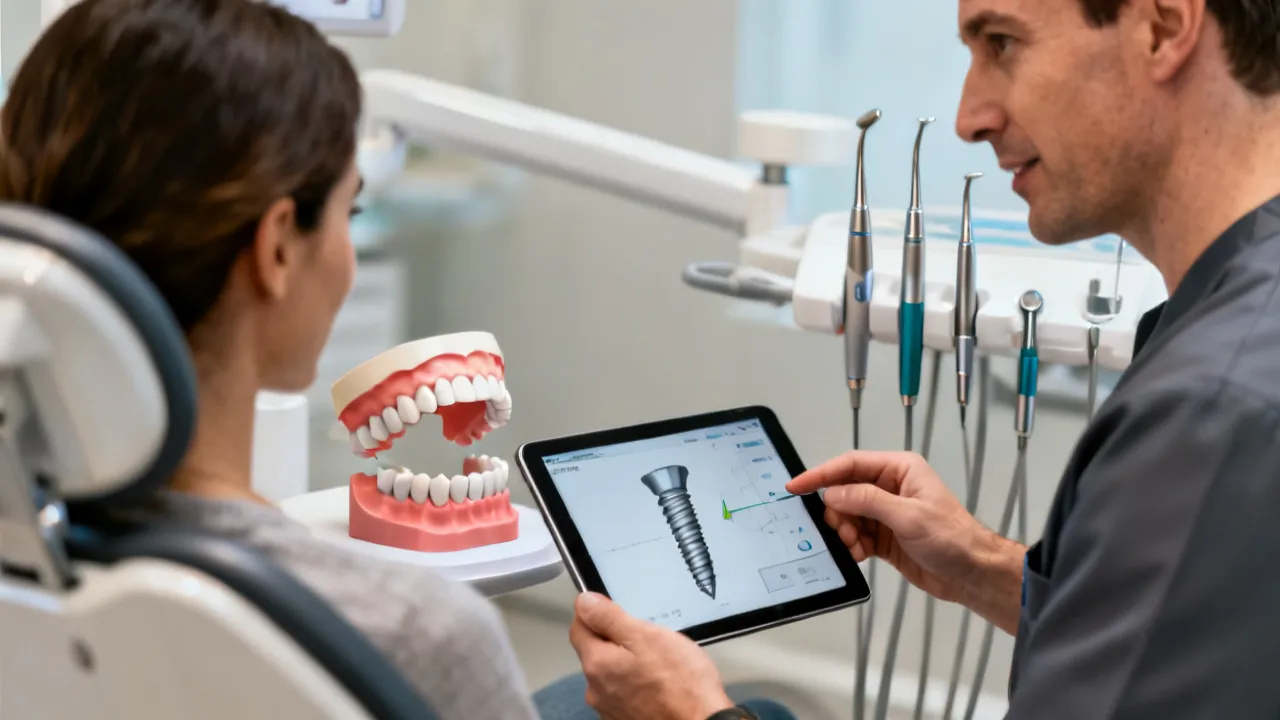
A preliminary alginate model can help show tooth position, arch form, opposing occlusion, and available restorative space. However, implant planning may also require periapical radiographs, panoramic imaging, or three-dimensional imaging when clinically justified. The dentist must evaluate bone volume, anatomical structures, periodontal health, systemic health, smoking status, oral hygiene, and the condition of neighboring teeth.
For the final implant restoration, the clinician may choose an elastomeric impression, an open-tray or closed-tray implant impression technique, or an intraoral scan. The preferred method depends on the number and angulation of implants, the restorative system, soft-tissue anatomy, equipment, and laboratory compatibility. A low-cost preliminary material should not be mistaken for a low-cost substitute for accurate definitive records.
Implant impressions also need accurate occlusal records. If the upper and lower arches are not related correctly, the laboratory may fabricate a restoration that appears acceptable on a cast but produces a premature contact in the patient’s mouth. Bite registration, scan alignment, and verification are therefore important parts of the workflow. Alginate may provide a useful arch model, but it does not by itself guarantee an accurate jaw relationship.
How to Obtain Dental Implants at Lower Cost in English-Speaking Countries
Dental implant fees vary widely because a quotation may include only the implant fixture or may include surgery, abutment, crown, imaging, bone grafting, sedation, temporary teeth, and follow-up care. Patients seeking lower-cost care should compare complete treatment plans rather than choosing the lowest advertised figure.
1. Request an itemized consultation
Ask the clinic to separate the cost of consultation, diagnostic imaging, extraction, implant placement, abutment, crown, bone grafting, temporary restoration, sedation, and maintenance. A written plan makes it easier to identify what is included and what may be billed separately. Patients should also ask whether laboratory fees and post-operative medications are included.
2. Compare qualified providers, not only advertisements
Check the dentist’s registration, training, implant experience, laboratory arrangements, emergency policy, and follow-up process. In the United States, patients can verify professional credentials through relevant state dental boards. In the United Kingdom, registration with the General Dental Council is important. Comparable regulatory bodies operate in Canada and Australia.
3. Ask about teaching hospitals and dental schools
University dental clinics and teaching hospitals may offer lower fees for selected cases because treatment is provided in an educational setting. Appointments can take longer, and eligibility may depend on the complexity of the case. Treatment is generally supervised by licensed faculty, but patients should ask who will perform each stage and how follow-up is organized.
4. Review insurance and employer benefits
Dental insurance may contribute to some portions of implant treatment, although coverage often has annual limits, waiting periods, exclusions, or restrictions on missing teeth that existed before enrollment. Employer plans, health savings arrangements, or flexible spending programs may also affect the overall financial burden, depending on local rules.
5. Ask about staged treatment
Some patients require extraction, periodontal stabilization, bone preservation, healing, implant placement, and restoration at separate stages. A staged plan can make payment easier and may improve clinical predictability. It should not be used to omit a necessary step. The dentist should explain which stages are medically required and which are optional upgrades.
6. Consider accredited community clinics
Community dental centers may provide appropriate implant referrals or related services at more manageable rates. Availability differs by region, and not every center performs implant surgery. Patients should confirm that referrals, imaging, prosthetic treatment, and post-operative care are coordinated.
7. Evaluate dental tourism carefully
Treatment abroad can appear less expensive because labor and operating costs differ between countries. However, travel, accommodation, repeat visits, translation, complications, and warranty limitations must be included in the calculation. Patients should confirm the dentist’s qualifications, implant brand, sterilization procedures, emergency arrangements, and the availability of a local provider after returning home.
8. Avoid reducing costs through unverified shortcuts
Patients should be cautious about clinics that promise immediate results without examining bone health, offer unclear implant brands, or provide a price that excludes the crown and abutment. A lower fee is not beneficial if it leads to infection, implant failure, nerve injury, poor bite function, or expensive corrective treatment.
9. Maintain the result
Regular professional cleaning, daily plaque control, appropriate bite management, and prompt treatment of gum inflammation can reduce the risk of peri-implant disease. Maintenance is part of the financial plan because an implant restoration is not immune to biological or mechanical complications. Patients should ask who will provide maintenance if the implant was placed in another city or country.
Websites Offering Dental Implant Information
The following websites represent different types of information sources, including clinic pages, dental tourism providers, insurance education, and multilingual patient resources. They should be used for general orientation rather than as a replacement for an examination or individualized treatment plan. Website content, prices, services, and availability can change, so patients should verify information directly with the organization.
| Website or organization | Relevant features |
|---|---|
| Dental Views | Discusses lower-cost dental implant options, treatment considerations, procedures, pricing topics, and common patient questions. |
| Atlantic Dental Group | Provides information about general and restorative dental services, including implants, emergency care, appointments, and clinical support. |
| DentaVacation | Explains dental tourism concepts, treatment destinations, cost comparisons, and travel-related considerations. |
| American Dental Health Plans | Provides information about dental insurance plans, coverage options, applications, and ways insurance may reduce eligible treatment expenses. |
| Rockville Dental Arts | Offers Spanish-language information about implants, whitening, cleaning, orthodontics, and emergency dental care. |
| Union City Mini Dental Implants | Describes mini dental implant services and considerations for selected tooth-replacement situations. |
| Cigna | Provides a Spanish-language educational guide explaining dental implants and treatment-related considerations. |
| Rubi Odonto | Brazilian clinic information covering orthodontics, whitening, implants, clinical services, and patient care. |
| Odontologia Velasco | Describes implants, prostheses, aesthetic dentistry, and the use of contemporary dental technology. |
| DentalVidas | Provides information about dental plans, individual and family options, provider networks, and emergency support. |
Source: the websites listed below.
source: www.dentalviews.com/low-cost-dental-implants/
source: www.atlanticdentalgrp.com
source: www.dentavacation.com
source: rockvilledentalarts.com/es
source: unioncityminidentalimplants.com/es
source: www.cigna.com/es-us/knowledge-center/guide-to-dental-implants
source: www.rubiodonto.com.br
source: odontologiavelasco.com.br
source: dentalvidas.com.br
Reference Price Ranges for One Dental Implant
The following figures are reference ranges for an individual dental implant in the specified language regions. They should not be interpreted as universal quotations. In particular, “one implant” may refer to the surgical implant fixture alone in one source and to a broader package in another. Patients should ask whether the price includes the abutment, crown, imaging, extraction, grafting, temporary restoration, and follow-up appointments.
| Country | Currency | Reference price range for one implant |
|---|---|---|
| United States | USD | $3,000–$6,000 |
| United Kingdom | GBP | £2,000–£2,500 |
| Australia | AUD | AU$3,500–AU$6,500 |
| Canada | CAD | CA$3,000–CA$5,500 |
| Spain | EUR | €1,500–€2,500 |
| Chile | CLP | CLP$800,000–CLP$1,500,000 |
| Mexico | MXN | $15,000–$25,000 |
| Colombia | COP | $2,000,000–$4,000,000 |
| Peru | PEN | S/ 3,000–S/ 6,000 |
| Argentina | ARS | $80,000–$150,000 |
| Brazil | BRL | R$3,000–R$8,000 |
| Portugal | EUR | €1,000–€2,000 |
| Germany | EUR | €2,000–€3,500 |
| France | EUR | €1,500–€2,500 |
| Italy | EUR | €1,500–€3,000 |
| Japan | JPY | ¥300,000–¥700,000 |
How to Compare Implant Quotations Responsibly
A useful comparison begins with the treatment objective. If a patient is missing one tooth, the final restoration normally includes more than the fixture placed in bone. The abutment connects the implant to the visible crown, while the crown restores appearance and chewing function. A clinic advertising only the implant fixture may therefore present a substantially lower figure than a clinic quoting the complete tooth.
Ask each provider the following questions:
- Is the examination included?
- Are radiographs or three-dimensional scans included?
- Is tooth extraction included if required?
- Does the quote include bone grafting or membrane materials?
- Does it include the implant fixture, abutment, and final crown?
- Are temporary teeth included?
- Who performs the surgical and restorative stages?
- What implant system and components will be used?
- How many appointments are expected?
- What happens if the implant fails or the crown fractures?
- Are maintenance visits included?
- Will records be provided if treatment is transferred to another dentist?
Currency conversion can also be misleading. Exchange rates change, and a price that appears low after conversion may not include travel or additional clinical services. For patients considering treatment in another country, the total budget should include flights, lodging, local transportation, time away from work, companion expenses, and the cost of managing complications at home.
Patients should also ask about the expected treatment timeline. A conventional implant may require healing between surgery and restoration, while an immediate provisional restoration may be possible only in selected cases. A shorter timeline may involve additional clinical requirements, higher fees, or greater risk if the patient is not an appropriate candidate. The safest plan is the one supported by diagnosis and adequate healing, not necessarily the one with the fewest appointments.
Conditions and Requirements Before Implant Treatment
Patients generally need a comprehensive dental and medical assessment before implant placement. Active gum disease, untreated decay, inadequate bone volume, uncontrolled medical conditions, poor oral hygiene, and heavy tobacco use may affect the timing or predictability of treatment. These factors do not always rule out implants, but they may require stabilization or additional planning.
Bone grafting may be recommended when the available bone is too narrow or too short. This can add treatment time and cost. In selected cases, the dentist may discuss alternatives such as a different implant position, a shorter implant, a removable partial denture, a conventional bridge, or no immediate replacement. The appropriate option depends on oral health, function, appearance, anatomy, preferences, and long-term maintenance.
Patients should provide a complete medical history, including medications, allergies, previous reactions to anesthesia, bleeding disorders, diabetes, osteoporosis treatment, immune conditions, and cardiovascular issues. A dental team may communicate with the patient’s physician when necessary. No online price guide can determine whether implant surgery is safe for an individual.
Smoking deserves particular attention because it can affect wound healing and increase the risk of complications. The dentist may recommend stopping or reducing tobacco use before and after surgery. Likewise, patients with diabetes may benefit from medical coordination to ensure that blood glucose is appropriately controlled. Good oral hygiene and regular periodontal care are important before treatment because implants are placed in a biological environment that remains vulnerable to inflammation.
Alginate, Digital Dentistry, and Patient Communication
Digital dentistry has changed how many clinics record oral anatomy and communicate with laboratories. Intraoral scanners can create electronic files that are transmitted quickly, archived easily, and viewed on a computer. They may improve patient understanding because the dentist can display a three-dimensional model during the consultation.
However, digital scanning does not eliminate the need for clinical judgment. A scanner may struggle with blood, saliva, reflective surfaces, subgingival margins, or a long edentulous span. The operator must maintain a logical scanning path and confirm that the file is complete. The equipment also requires capital investment, software maintenance, staff training, and compatible laboratory systems.
Alginate remains relevant because it is accessible, fast, and sufficient for many non-definitive tasks. A practice may reasonably use alginate for a preliminary model and digital scanning for an implant restoration. The most reliable workflow is the one that matches the material to the purpose and verifies the result before proceeding.
Patients may ask why a clinic uses a physical impression when another office advertises digital scanning. The answer may involve the type of treatment, available equipment, scanning access, laboratory preference, or the need for a preliminary model. The important issue is not whether a procedure appears modern, but whether the selected workflow produces an accurate and clinically useful record.
Infection Control and Safe Handling
Dental impressions can carry saliva, blood, and microorganisms. After removal, the impression should be rinsed according to the clinic’s protocol, disinfected with a product compatible with the material, and handled with appropriate personal protective equipment. Excessive immersion or use of an incompatible disinfectant may alter the impression.
Dental laboratories should receive clear information about the disinfection procedure and the time it was performed. This supports infection-control communication and helps the laboratory select an appropriate workflow. Staff should also consult current local regulations and manufacturer instructions because products differ in their tolerance of disinfectants and storage conditions.
When an impression is disinfected, the dental team should avoid assuming that longer exposure provides better safety. The recommended concentration and contact time are designed to balance microbial control with material preservation. After disinfection, the impression should be packaged securely, labeled clearly, and sent for pouring as soon as possible.
Frequently Asked Questions
Is alginate accurate enough for dental treatment?
Alginate is accurate enough for many diagnostic and preliminary purposes. It may not provide the precision or dimensional stability required for a definitive crown, bridge, or implant-supported restoration. The dentist should choose the material according to the required level of detail and the time before the model is poured.
Can alginate be used for dental implants?
It can be used during preliminary implant planning to create a study model or record the opposing arch in selected situations. The definitive implant impression usually requires a more precise and stable technique, such as an implant-specific elastomeric impression or a validated digital scan.
How long can an alginate impression be stored?
There is no single storage time that applies to every product. Alginate is sensitive to moisture exchange, so it should generally be poured promptly and stored only as directed by the manufacturer. The dental office should not assume that wrapping or refrigeration will preserve accuracy indefinitely.
Why did my alginate impression fail?
Common causes include an unsuitable tray, incorrect water-to-powder ratio, inadequate mixing, delayed seating, tray movement during setting, insufficient material thickness, poor moisture control, or distorted removal. A careful inspection can help identify whether the problem occurred during mixing, placement, setting, removal, disinfection, or pouring.
Is digital scanning better than alginate?
Neither option is universally better. Digital scanning may be advantageous for electronic records, rapid laboratory communication, and selected restorative workflows. Alginate may be more practical for preliminary models and settings without scanning equipment. Accuracy depends on the clinical task, operator skill, moisture control, and verification of the final record.
Does a lower implant price mean lower quality?
Not necessarily. Fees reflect local costs, clinic structure, laboratory charges, implant systems, clinician experience, and what is included in the package. A lower quotation should be examined carefully to confirm the qualifications of the provider, the components used, follow-up arrangements, and the complete scope of treatment.
Can dental insurance cover implants?
Some plans contribute to selected implant-related services, while others exclude implants or apply waiting periods, annual limits, missing-tooth clauses, and preauthorization requirements. Patients should request a written benefits estimate from the insurer and confirm the clinic’s billing assumptions before treatment begins.
What is the least expensive way to replace one missing tooth?
The least expensive option is not always the most appropriate long-term solution. A removable partial denture, conventional bridge, or implant-supported crown may have different initial and maintenance costs. The dentist should compare function, appearance, tooth preparation, bone preservation, expected maintenance, and the patient’s health before making a recommendation.
Should patients travel abroad for lower implant fees?
Dental tourism may reduce the listed clinical fee in some situations, but it introduces travel, communication, continuity-of-care, and complication-management considerations. Patients should verify credentials, treatment standards, implant brands, written warranties, and post-treatment support. A local consultation before travel is advisable.
Can alginate be used to make a night guard?
An alginate impression may be used to fabricate selected mouthguards or appliances, particularly when the appliance does not require highly exact margins. The suitability depends on the product, appliance design, laboratory workflow, and time between impression and fabrication. A dentist should decide whether an elastomeric impression or digital scan is preferable for a specific protective appliance.
Practical Decision Framework
For clinicians, a useful decision framework is to classify the impression as preliminary, intermediate, or definitive. Preliminary records can often use alginate when general anatomy is sufficient. Intermediate records may require greater consistency if they guide appliance fabrication or surgical planning. Definitive records should be selected according to the restoration’s precision requirements and the laboratory’s validated workflow.
For patients, the equivalent framework is to ask what the impression will be used for and whether a remake would affect the final treatment. If the answer involves an implant crown, complex bridge, or precise occlusal rehabilitation, the patient should ask why alginate is being selected and whether a more stable or digital alternative is appropriate.
For cost management, the safest strategy is not simply to reduce every individual line item. It is to prevent avoidable remakes, infections, poor-fitting restorations, and unplanned travel. A clear diagnosis, realistic treatment sequence, qualified provider, complete quotation, and regular maintenance generally provide better financial control than an attractive but incomplete headline price.
A simple clinical checklist can help:
- What information must the impression capture?
- How much detail is clinically necessary?
- How quickly can the impression be poured or scanned?
- Will the record be transported or stored?
- Does the patient have gagging, limited opening, or sensitive tissues?
- Can the laboratory work with the selected material or digital file?
- What is the consequence if the impression is slightly distorted?
- Would a more expensive method reduce a significant clinical risk?
Conclusion
The principal 알지네이트 장단점 are well defined. Alginate is accessible, economical, quick, comfortable for many patients, and useful for diagnostic and preliminary impressions. Its weaknesses include limited dimensional stability, lower fine-detail reproduction, sensitivity to mixing and storage, and a greater risk of distortion when handling is delayed or inconsistent.
In implant dentistry, alginate can support early assessment but should not automatically be treated as the definitive impression solution. The final choice may involve addition silicone, polyether, an implant-specific impression protocol, intraoral scanning, or a combination of methods. Patients comparing implant prices should examine the complete treatment package, provider qualifications, clinical requirements, follow-up arrangements, and travel implications.
Reliable dental care depends on matching the material and treatment plan to the clinical objective. A lower initial price is meaningful only when the service remains safe, accurate, transparent, and sustainable throughout diagnosis, treatment, restoration, and maintenance. The best impression material is not necessarily the newest or least expensive option; it is the one that provides adequate information for the procedure while respecting patient comfort, clinical limitations, and laboratory requirements.
Disclaimer
The information above comes from online resources, and the data is as of October 2023. Dental implant prices are for reference only and may vary by region, clinic, and doctor. The content is educational and does not replace an examination, diagnosis, treatment plan, or advice from a licensed dental professional. Product formulations, infection-control instructions, insurance policies, and treatment fees may change, so current information should be confirmed with the dental office, laboratory, manufacturer, insurer, or relevant regulatory organization.