Understanding Amalgam Headaches
Delve into the connection between dental amalgam fillings and headaches, a topic that has sparked interest among dental health researchers. Dental amalgam has been used for over 150 years, offering a durable and cost-effective solution for tooth restorations. However, some patients report headaches that seem to be linked to these fillings, raising questions about possible health implications.
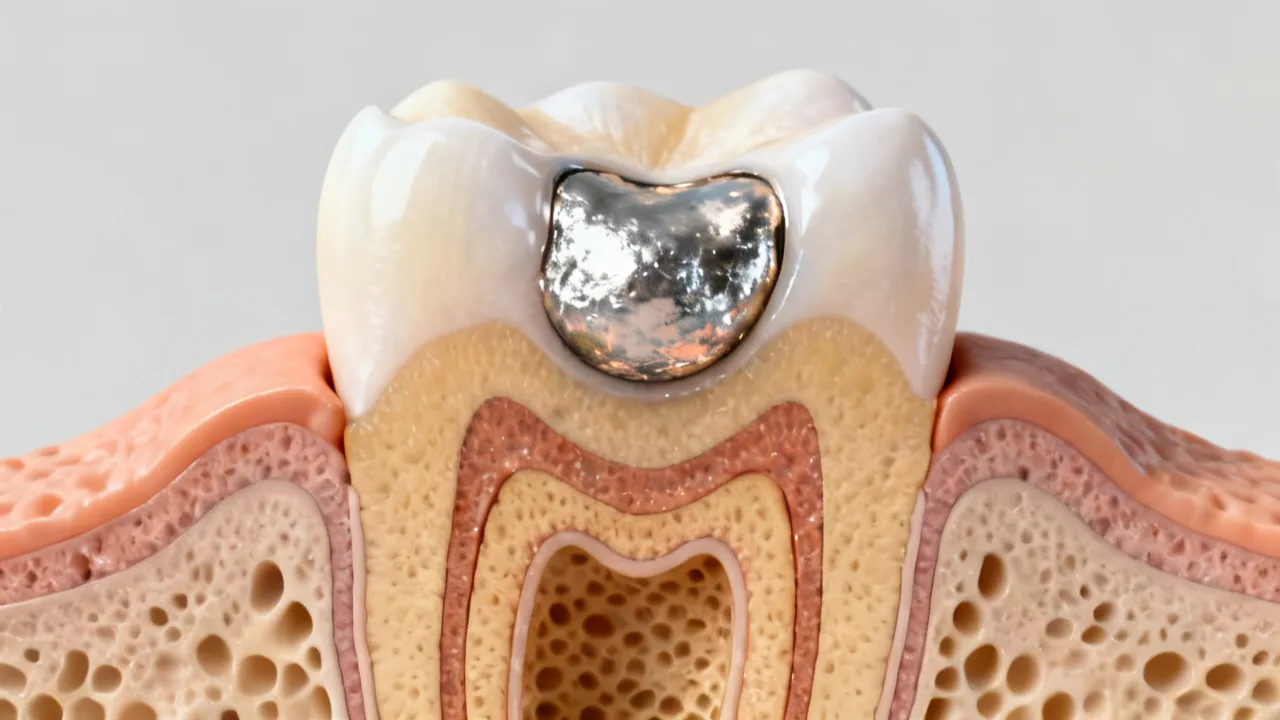
Exploring the Relationship Between Amalgam Fillings and Headaches
Amalgam fillings, commonly referred to as "silver fillings," have been a mainstay in dental practices around the world for over a century. Renowned for their durability and affordability, they consist of a mixture of mercury, silver, tin, and copper. Despite their widespread use, some individuals have reported experiencing headaches, coining the term "아말감 두통" (amalgam headache) to describe this condition. As the debate continues, it is crucial to delve deeper into how these fillings function and their potential link to headaches, alongside the broader implications for dental health.
The Composition of Dental Amalgam
Dental amalgam’s unique composition makes it a favored choice for molar restorations. Mercury, which constitutes approximately 50% of the mixture, plays a crucial role in binding the metals, enabling amalgam to harden quickly and withstand the grinding forces during mastication. The remaining components, including silver, tin, and copper, contribute to the mixture's overall properties. Silver enhances the mechanical strength and corrosion resistance, tin aids in the amalgamation process and increases its flowability, while copper improves the material's hardness and reduces the risk of corrosion.
While the effectiveness of amalgam fillings is widely recognized, mercury has been the subject of ongoing debates and studies, particularly regarding potential health effects. The American Dental Association (ADA), along with numerous organizations around the world, has conducted extensive research to assess the safety of mercury in dental amalgam. They assert that when used appropriately, amalgam is safe for most individuals. Nevertheless, the conversations around safety and health effects continue, especially given the rising public awareness of dental materials.
Potential Causes of Amalgam-Related Headaches
The exact cause of headaches associated with amalgam fillings is not definitively understood, but several hypotheses exist:
- Mercury Exposure: As mercury vapor can be released when chewing or through normal wear, susceptible individuals might experience adverse effects, including headaches. Some studies suggest that individuals with a higher sensitivity to mercury may be more prone to headaches and other symptoms when exposed to these vapors.
- Metal Allergies: Though rare, allergies to the metals within the amalgam could trigger headaches or other symptoms. Allergic reactions may not only lead to discomfort but can also manifest in various neurological symptoms, further complicating the diagnosis.
- Galvanic Reaction: Electrical charges generated from having multiple metal fillings in contact, or with other metals (like orthodontic appliances) in the mouth, could potentially contribute to headache incidence in sensitive individuals. This occurrence is sometimes referred to as a galvanic effect.
- Biomechanical Factors: The presence of dental restorations can alter chewing dynamics and occlusion. Improper alignment caused by fillings might lead to muscle strain in the jaw, resulting in tension headaches or migraines.
Recent Studies and Findings
Research on the effect of amalgam fillings on the human body has produced varying results. While some studies suggest no significant health risks, others indicate a possible link to neurological symptoms in a small subset of patients. A noteworthy study published in the Journal of the American Dental Association found no substantial evidence to support the claims that amalgam fillings lead to systemic health issues. However, some contrary findings indicated that long-term exposure to mercury could correlate with neurological deficits, albeit in rare cases.
A systematic review might provide more clarity on this topic, but as it stands, the debate continues within the scientific community. Further studies are necessary to explore the relationship between amalgam fillings and conditions such as headaches fully, factoring in individual variability in reaction to dental materials. Meanwhile, researchers are exploring better alternatives and innovations in dental materials that may mitigate these concerns.
Managing Amalgam Headaches
Patients experiencing symptoms attributed to amalgam fillings should consult with their dental care providers. Considerations include:
- Comprehensive Evaluation: Before attributing headaches to amalgam, other causes should be ruled out. A thorough examination that includes a complete dental history and diagnostic imaging can help identify other potential sources of discomfort.
- Alternative Materials: Options such as composite resins, ceramics, and gold alloys offer alternatives to amalgam. Your dentist can advise on the best materials based on oral health needs and budgetary concerns. Each material presents different properties, aesthetics, and costs, which should be comprehensively discussed with your dental professional.
- Removal and Replacement: If a strong correlation is established, removal and replacement of amalgam fillings might be considered. However, this comes with its own risks, particularly due to the potential release of mercury vapors during removal. It should only be done by trained professionals employing safe removal techniques to minimize any health risks.
- Monitor Symptoms: Keeping a symptom diary can help both patients and healthcare providers identify patterns in headache occurrences in relation to dental treatments or lifestyle factors. Documenting when, how often, and under what circumstances headaches occur can yield valuable insights.
Comparison Table: Amalgam Fillings vs. Alternatives
| Criterium | Amalgam Fillings | Composite Fillings | Ceramic Fillings | Gold Fillings |
|---|---|---|---|---|
| Durability | High – lasts 10-15 years | Moderate – lasts 5-10 years | High – lasts 10-15+ years | Very High – lasts 15-30 years |
| Aesthetic | Low – lacks esthetic appeal | High – closely matches natural tooth color | Very High – provides excellent esthetics | Moderate – can be gold in color |
| Cost | Low – most affordable option | Moderate – higher than amalgam | High – often more expensive than amalgam | Very High – one of the most costly options |
| Volatility of Material | Possible mercury exposure | None – safe and stable | None – safe and durable | None – safe and long-lasting |
FAQs
- Can amalgam fillings cause headaches?
While some individuals report headaches they attribute to amalgam fillings, definitive scientific proof is limited, and causation is yet to be fully understood. The possible mechanisms involve various individual sensitivities and reactions to dental materials, which necessitate further investigation. - Is it safe to remove amalgam fillings?
Yes, but only under professional supervision due to the risk of mercury exposure during removal. Dentists often utilize specific protocols to ensure patient safety, including the use of proper ventilation and barriers to minimize the risk of mercury inhalation or ingestion during the procedure. - What are the alternatives to amalgam fillings?
Composite resins, ceramic, and gold fillings are popular alternatives, each offering distinct benefits and drawbacks. Composite resins can be aesthetically pleasing but may wear more quickly, while ceramics offer durability and esthetics but at a higher cost. Gold fillings are renowned for their longevity but can be expensive and less discreet. - How can I reduce my risk of headaches related to dental fillings?
Maintaining regular dental check-ups is essential to assess the condition of existing fillings and monitor any potential changes in your health. Consuming a well-balanced diet, managing stress, and practicing good oral hygiene can also contribute to overall health, potentially reducing the incidence of headaches.
Conclusion: Weighing Risks and Benefits
In conclusion, the decision to use or replace amalgam fillings involves careful consideration of potential risks and benefits. While amalgam fillings are generally considered safe and effective, particularly for posterior teeth, it remains essential for patients to collaborate with healthcare professionals to make informed decisions tailored to their health needs and preferences. With ongoing advancements in dental materials and technologies, future developments may continue to enhance the safety and effectiveness of dental restorations while addressing emerging health concerns.
Ultimately, understanding the interactions between dental materials and individual health profiles can help patients navigate their options more effectively. Whether choosing to retain amalgam fillings or explore alternatives, the emphasis should always be on informed decision-making backed by thorough discussions with your dental care provider. Keeping abreast of the latest research and dental innovations can empower patients in protecting their dental health while making choices they feel confident about.