Understanding Amalgam Fillings and Headaches
This guide explores the relationship between amalgam fillings and headaches in dental health. Amalgam fillings, commonly used for dental restorations, have been a subject of debate due to their mercury content. While they are durable and cost-effective, concerns have been raised about potential health impacts, including headaches. This article examines these concerns scientifically and objectively.
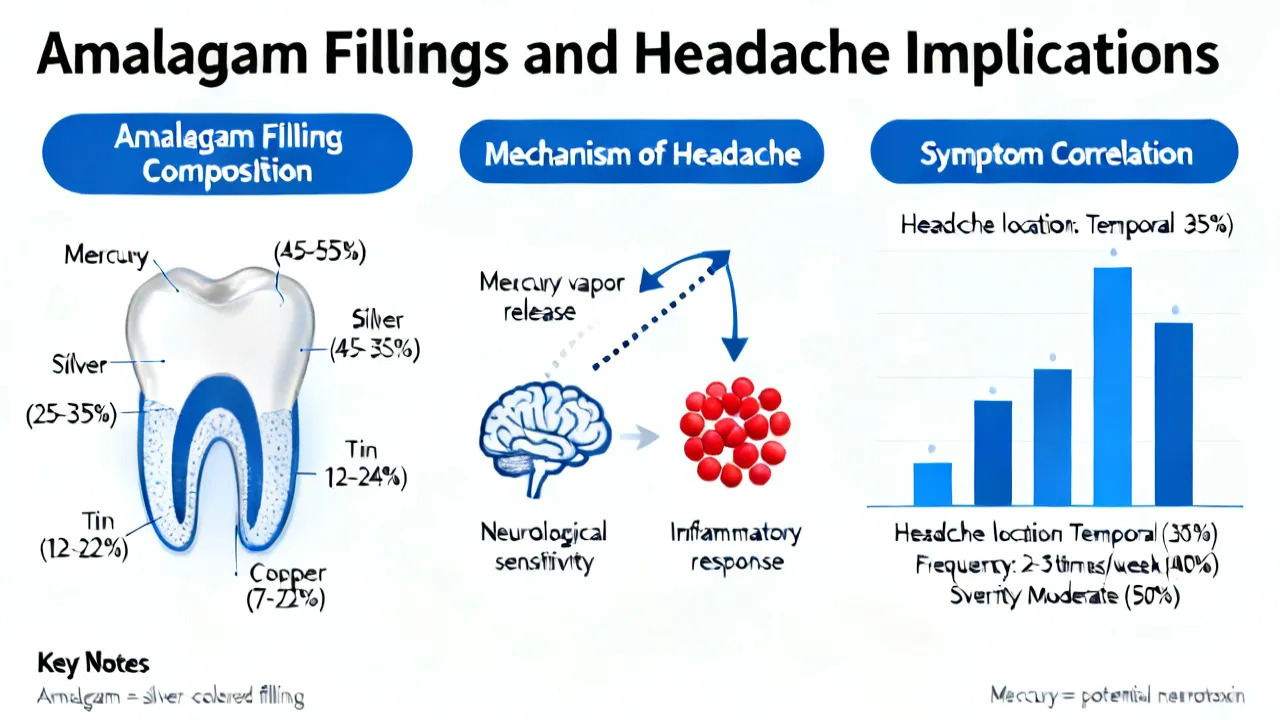
Exploring Amalgam Fillings
Amalgam fillings have been a staple in dentistry for over a century, celebrated for their strength, durability, and cost-effectiveness. Composed primarily of a mixture of metals, including silver, tin, copper, and mercury, these fillings are known for their longevity and ability to withstand the pressures of chewing, making them an ideal choice for posterior teeth. Despite their benefits, there has been ongoing debate within the dental community regarding their mercury content and potential health impacts, such as the occurrences of headaches. In this comprehensive exploration, we will delve deeper into the properties of amalgam fillings and provide a detailed overview of the relevant medical and scientific discussions surrounding their usage, safety, and performance.
The Debate Surrounding Mercury in Amalgam Fillings
The main concern regarding amalgam fillings revolves around mercury, which constitutes about 50% of the compound. This mercury is mixed with other metals, resulting in a stable material, yet the debate persists. Mercury in dental amalgams exists in a different form than mercury found in fish or environmental pollution, which often contributes to health concerns. While these fillings release small amounts of mercury vapor over time, studies indicate that the levels are typically below those deemed harmful by regulatory agencies. However, the scientific community remains divided on the health risks, with researchers acknowledging that prolonged exposure could potentially contribute to adverse symptoms like headaches in sensitive individuals. Concerns around mercury toxicity have prompted many to seek out alternatives, raising questions about the balance of safety and efficacy in dental materials.
Can Amalgam Fillings Cause Headaches?
Headaches may arise due to various factors, making the direct attribution to amalgam fillings complex. Some individuals report headache relief after replacing amalgam fillings with non-metallic alternatives, while others experience no change. The reasons behind headaches correlated with dental fillings are multifaceted. Some studies suggest that potential contributors to headaches from amalgam fillings include sensitivity to metals, allergic reactions, or stress related to dental procedures. Moreover, occlusal issues arising from improper bite alignment due to filling placement may also lead to tension and discomfort, contributing to headache occurrences.
The relationship between amalgam fillings and headaches is an area requiring more in-depth research. An individual's bio-chemistry plays a role, as some patients may be more susceptible to the effects of dental materials than others. The possibility of transferring allergic reactions or experiencing sensitivity to specific metals makes personalized assessment vital for proper diagnostic processes and treatment planning.
Comparative Analysis of Amalgam and Alternative Fillings
| Filling Type | Advantages | Disadvantages |
|---|---|---|
| Amalgam | Durable, cost-effective, long-lasting, withstands heavy chewing, low thermoconductivity | Contains mercury, potential allergy issues, cosmetic disadvantages, expanding and contracting with temperature changes |
| Composite Resin | Aesthetic, mercury-free, bonds well to the tooth structure, can be shaded to match teeth, less invasive | More expensive, less durable than amalgam under heavy chewing, prone to wear and staining over time |
| Gold | Highly durable, does not corrode, excellent tensile strength, comfortable to wear | Very expensive, requires multiple visits for proper fitting and placement, may not blend well with natural teeth |
| Ceramic | Tooth-colored, durable, largely stain-resistant, potential for enhanced aesthetics | Expensive, can wear opposing teeth over time, may require more tooth structure removal |
Scientific Insights on Amalgam-related Headaches
Scientific studies examining the correlation between amalgam fillings and headaches present varied results. A segment of the population with amalgam fillings reports headache improvement upon switching to mercury-free alternatives. However, comprehensive studies have not conclusively verified amalgam as a predominant headache trigger, often attributing occurrences to factors such as dental anxiety, incorrect bite, or environmental stressors.
The inconsistency in findings might also be influenced by the methodologies employed in different studies, including sample sizes, demographic factors, and the subjective nature of headache experiences. There remains a critical need for larger, long-term studies that can provide a more concrete understanding of how amalgam fillings impact headache prevalence, particularly among sensitive populations.
Considerations for Dental Patients
Patients experiencing headaches suspiciously linked to dental amalgams should consult with dental professionals to evaluate their situation comprehensively and explore alternatives. Dentists may suggest removing and replacing amalgams if a specific allergy or sensitivity is detected, while also considering other approaches such as lifestyle adjustments or stress management techniques for headache relief. For those considering the removal of amalgam fillings, it is essential to weigh the benefits and risks associated with the procedure, including potential costs and the materials used as replacements. Engaging in an open dialogue with your dentist is crucial, as they can provide tailored advice that aligns with individual health conditions and personal needs.
Additionally, patients should be informed of the potential risks of amalgam removal. This procedure, if conducted improperly, can lead to further complications, such as additional stress on the teeth or unintentional damage to the tooth structure. Therefore, it becomes necessary to employ best practices during the removal process, ensuring that protective measures are enacted to prevent mercury exposure and minimize the risk of releasing particles into the environment.
FAQs
Q: Are amalgam fillings safe?
A: The FDA states that amalgam fillings are safe for adults and children over six, although individuals with specific sensitivities may experience side effects. Regulatory agencies, including the World Health Organization, have also reviewed the safety of dental amalgam and noted that its use is supported by a long history of safety and effectiveness under normal circumstances.
Q: How do I know if my headaches are from amalgam fillings?
A: To determine if headaches stem from fillings, discuss persistent symptoms with your dentist, who may recommend allergy testing or alternative fillings for assessment. It may also be helpful to track headache patterns concurrently with dental visits or specific triggers to isolate any potential connections.
Q: What are the benefits of choosing alternative fillings?
A: Non-amalgam fillings offer aesthetic benefits, containing no mercury and appealing to those with metal sensitivities. They also bond well to the tooth structure, potentially requiring less tooth preparation and preserving more of the natural tooth. However, it is essential to consider individual lifestyle and dietary habits, as some composition materials may not be suitable for heavy-duty chewing surfaces.
Q: Should I remove my amalgam fillings?
A: Decisions regarding amalgam removal should involve thorough discussion with your dentist, evaluating potential allergy, decay beneath fillings, or personal preference for aesthetics. It is recommended to analyze any implications of removal, including the potential risk of further dental issues if not handled properly.
Q: What alternatives exist for amalgam fillings?
A: Popular alternatives include composite resin, gold, or ceramic fillings, chosen based on individual needs balanced with cost, durability, and aesthetic priorities. Some newer materials, such as glass ionomer, may also be considered for specific scenarios, particularly in pediatric dentistry or for patients with high decay risk.
Conclusion
The link between amalgam fillings and headaches remains complex, necessitating personalized assessment and open communication with dental professionals. Although scientific consensus continues to debate potential risks, understanding individual sensitivities is vital to addressing dental health effectively. Patients are encouraged to stay informed about the materials used in their dental care and work collaboratively with their dentists, ensuring comprehensive and informed decisions benefit both their oral health and overall well-being.
In a rapidly evolving dental industry, the choice of filling material is no longer solely based on cost and durability but also encompasses aesthetic considerations, patient comfort, and long-term health perspectives. As research continues to unfold, new developments and findings regarding dental materials will likely impact recommendations. Staying abreast of advancements in dental technology and materials science can empower patients in making informed decisions regarding their dental health, ensuring that they are equipped with the knowledge necessary to navigate potential treatments and options comprehensively.
Advancements in technology have also led to the development of more biocompatible materials, which may offer a safer alternative to traditional amalgam fillings. Dentists are increasingly using materials that closely mimic the properties of natural tooth tissue, leading to better outcomes for patients. Furthermore, personalized dental care, which factors in individual patient history, genetic predispositions, and lifestyle choices, may pave the way for tailored treatment solutions that optimize both dental function and patient satisfaction.
Overall, the choice of fillings is a critical aspect of dental care that requires thoughtful consideration of multiple factors, including patient health, material properties, and treatment goals. By fostering a collaborative relationship with dental professionals and staying informed, patients can confidently navigate the landscape of dental options, ultimately finding solutions that best fit their needs.