Why Teeth Fall Out and Affordable Implant Options
This guide explains 이가 빠지는 이유, or why teeth fall out, and outlines the clinical steps, prevention strategies, and implant options that may help patients restore function. Tooth loss commonly develops from gum disease, untreated decay, trauma, or age-related changes, although individual causes require professional assessment. It also compares dental-information websites and presents reference price ranges across selected English-, Spanish-, Portuguese-, German-, French-, Italian-, and Japanese-speaking markets.
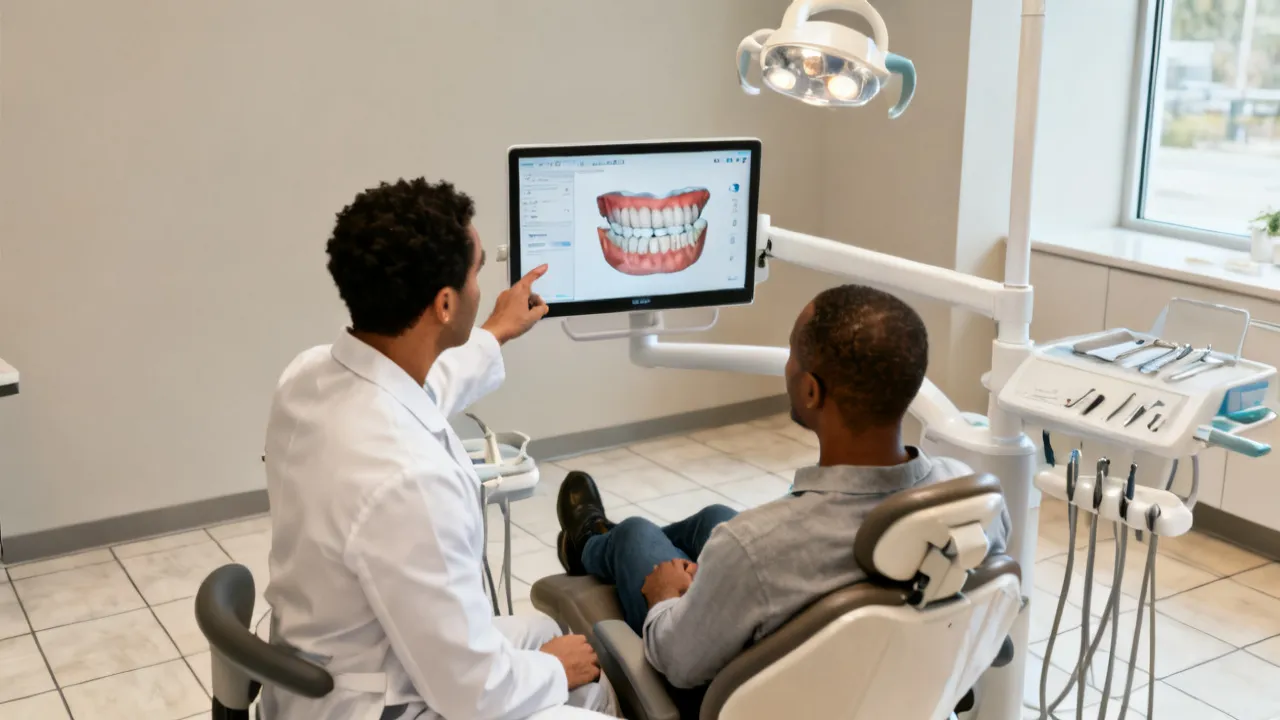
Understanding 이가 빠지는 이유: Why Teeth Fall Out
The Korean phrase 이가 빠지는 이유 means “the reasons teeth fall out.” Tooth loss is not usually caused by one isolated event. In adults, it often reflects a gradual combination of bacterial disease, gum and bone damage, trauma, untreated dental problems, systemic health conditions, or delayed care. Identifying the cause is important because replacing a missing tooth without managing the underlying problem may increase the risk of further tooth loss.
Teeth are held in place by more than the visible gum tissue. Each tooth is supported by a complex structure that includes the periodontal ligament, the surrounding jawbone, and the tissues that attach the gum to the tooth. When these supporting structures are damaged, a tooth may loosen even if the crown appears intact. Conversely, a tooth that looks badly damaged may sometimes be saved with timely treatment. A careful examination is therefore more reliable than appearance alone.
From a dental professional’s perspective, the most urgent priorities are to control pain or infection, preserve the remaining teeth, assess the jawbone, and determine whether a bridge, removable denture, or implant-supported restoration is appropriate. A dental implant can replace the root portion of a missing tooth, but it is not automatically suitable for every patient or every location in the mouth.
Patients should arrange a dental examination promptly if a tooth is loose, has fractured, causes persistent pain, bleeds during brushing, or appears to be separating from the gum. Sudden facial swelling, fever, difficulty swallowing, uncontrolled bleeding, or breathing difficulty requires urgent medical or emergency dental attention.
How Tooth Loss Develops
Tooth loss may happen suddenly, such as after an accident, or gradually over months or years. Gradual loss often begins with a condition that produces few symptoms. Plaque accumulates, the gums become inflamed, or a small cavity enlarges. Because the patient may not experience severe pain at first, professional care is postponed. Over time, the infection or inflammation affects deeper structures, and the tooth becomes harder to restore.
Several factors can interact. For example, a person with gum disease may also grind the teeth at night. A person with dry mouth may develop repeated cavities around old fillings. Someone who loses a tooth after trauma may later experience bone shrinkage at the site. Smoking, uncontrolled diabetes, poor nutrition, limited access to care, and difficulty maintaining oral hygiene can further increase risk. Understanding these connections helps patients focus not only on replacing a tooth but also on preventing another loss.
The Most Common Reasons Teeth Are Lost
1. Periodontal disease
Periodontal disease, commonly called gum disease, is one of the principal causes of tooth loss in adults. It begins when plaque accumulates around the teeth and the gums become inflamed. If the inflammation progresses, the tissues and bone that support the teeth may deteriorate. As support weakens, teeth can become mobile and may eventually require extraction.
Gum disease can be difficult to recognize in its early stages because discomfort may be limited. Warning signs include bleeding during brushing or flossing, swollen or tender gums, persistent bad breath, gum recession, a change in the way the teeth meet, and increasing tooth movement. Some people notice pus near the gums or a new gap between teeth. Others notice only that a partial denture no longer fits comfortably.
Professional periodontal evaluation may include gum measurements, dental X-rays, and an assessment of plaque, tartar, bone levels, and risk factors. Treatment can range from improved home care and professional scaling to more advanced periodontal therapy. In severe cases, a periodontist may assess whether regenerative or surgical treatment could preserve selected teeth.
Patients who have lost teeth because of periodontal disease require particular care before receiving implants. An implant does not eliminate the biological causes of gum inflammation. The tissues around an implant can also become inflamed and lose supporting bone. Stabilizing periodontal disease and establishing a reliable maintenance routine are therefore essential parts of implant planning.
2. Untreated tooth decay
Dental caries can destroy the enamel and deeper tooth structures. A small cavity may initially be managed with a restoration, but untreated decay can reach the pulp, where nerves and blood vessels are located. Root canal treatment and a crown may sometimes preserve the tooth. If the tooth is structurally unsalvageable or the infection cannot be controlled, extraction may become necessary.
Frequent consumption of sugary or acidic foods and drinks, inadequate brushing, reduced saliva, certain medications, and irregular dental examinations can increase the likelihood of decay. The risk is influenced by several factors rather than by a single food or habit. The frequency of sugar exposure can matter because repeated acid attacks give the enamel less time to recover. Sticky snacks, sweetened beverages, and bedtime eating may be particularly problematic when brushing is not performed afterward.
Dry mouth is another important factor. Saliva helps neutralize acids, wash food particles away, and provide minerals that support enamel. Reduced saliva can be associated with medications, dehydration, aging, mouth breathing, radiation therapy, or certain medical conditions. Patients with persistent dry mouth should discuss it with a dentist or physician rather than simply increasing mouthwash use, because some alcohol-containing products may worsen dryness.
3. Trauma and accidents
A fall, sports injury, traffic collision, workplace accident, or blow to the face can loosen, fracture, or completely dislodge a tooth. A permanent tooth that has been knocked out is a dental emergency. The patient should avoid touching the root, keep the tooth moist, and seek immediate professional care. The exact first-aid recommendation may depend on local guidance and the patient’s age, so emergency dental advice should be obtained without delay.
Even when a tooth remains in place after trauma, damage to the pulp or root may become apparent later. Follow-up examinations are therefore important. A fractured tooth may sometimes be restored, while a severe root fracture or extensive loss of tooth structure may require extraction and replacement planning.
Children and teenagers may experience tooth injuries during sports, falls, or play. A damaged primary tooth can affect the developing permanent tooth beneath it, so it should also be evaluated. A custom mouthguard may reduce the severity of some sports-related injuries. Patients who participate in contact sports should ask a dental professional which type of mouthguard is appropriate.
4. Cracks, fractures, and structural weakness
Teeth may fracture because of large fillings, grinding, biting hard objects, weakened enamel, or injury. A crack that extends below the gumline can make predictable restoration difficult. Clenching and nighttime grinding may also overload teeth and dental restorations. A dentist may recommend a protective appliance, bite evaluation, restorative treatment, or referral to a specialist.
Not all cracks are visible on a routine examination. Pain when biting, sensitivity to cold, or pain that appears and disappears may indicate a cracked tooth. Patients should avoid repeatedly testing a painful tooth by biting hard foods. If the crack progresses, bacteria may enter the pulp and surrounding tissues, making treatment more complicated.
People who chew ice, pens, fingernails, hard candies, or other non-food objects place additional stress on their teeth. These habits may not cause immediate damage, but they can contribute to small cracks, chipped enamel, and failure of restorations. Repeated force from bruxism can be equally harmful, particularly when combined with missing teeth that change the bite.
5. Advanced infection
An untreated infection can spread from the tooth into surrounding tissues. Although antibiotics may be prescribed in selected circumstances, they do not remove the source of a dental infection when the tooth itself requires treatment. Definitive care may involve drainage, root canal treatment, or extraction. Patients should not use leftover antibiotics or postpone treatment because symptoms temporarily improve.
Signs of a serious dental infection may include swelling of the gum or face, a bad taste caused by drainage, fever, increasing pain, difficulty opening the mouth, or swollen lymph nodes. A dental abscess can sometimes drain and become less painful while the infection remains active. Reduced pain does not necessarily mean the problem has resolved.
Emergency care is especially important when swelling affects the cheek, eye area, neck, or floor of the mouth. Difficulty breathing or swallowing is potentially life-threatening and requires emergency medical attention. A person with these symptoms should not wait for a routine appointment or attempt to treat the condition at home.
6. Congenital absence and developmental conditions
Some people are born without one or more permanent teeth. Others have teeth that fail to erupt normally or remain impacted. In these cases, treatment planning may involve orthodontics, restorative dentistry, oral surgery, or an implant after facial growth is complete. Age, bone development, spacing, and the health of neighboring teeth all affect the timing.
When a tooth is congenitally absent, an implant is not always the first step. Orthodontic treatment may close the space or create an ideal position for a future restoration. A temporary removable tooth or resin-bonded bridge may be used while growth continues. A multidisciplinary consultation can help coordinate the sequence of treatment and avoid placing an implant in a position that later interferes with the bite.
7. Medical conditions and treatment-related factors
Diabetes, immune-system disorders, osteoporosis, smoking, nutritional problems, and certain medications can influence oral health or healing. These factors do not automatically prevent implant treatment, but they should be discussed honestly with the dentist and physician when appropriate. Patients taking anticoagulants, antiresorptive medicines, or other long-term prescriptions should never stop them without medical advice.
Medical conditions may affect tooth loss in different ways. Diabetes that is not well controlled can increase the risk of gum disease and may interfere with healing. Immune suppression can change the body’s response to infection. Gastroesophageal reflux, frequent vomiting, or eating disorders may expose teeth to acid. Some medications reduce saliva or cause gum enlargement, making cleaning more difficult.
Patients should provide a complete medical history, including previous radiation treatment, chemotherapy, heart conditions, allergies, pregnancy, bleeding disorders, and all prescription or nonprescription medicines. The dental team may communicate with the patient’s physician when treatment planning requires additional information.
8. Age-related changes
Age itself does not make tooth loss inevitable. However, cumulative exposure to decay, periodontal disease, restorations, dry mouth, and medical conditions can increase the likelihood of losing teeth over time. Older adults may also face dexterity, vision, memory, or mobility challenges that make daily oral hygiene more difficult. Adapted brushes, caregiver support, preventive appointments, and medication reviews can help protect remaining teeth.
Older patients may have several restorations that were placed decades earlier. Fillings can wear, crowns can develop decay at their margins, and bridges may place stress on supporting teeth. Regular examinations help identify these problems before they result in sudden fracture or infection. A dental professional can also recommend larger-handled toothbrushes, electric brushes, floss holders, or other aids when hand strength is limited.
What to Do After Losing a Tooth
The appropriate response depends on whether the loss is recent, whether infection is present, and whether the tooth can be saved. A dentist generally begins with a medical and dental history, a clinical examination, and diagnostic imaging. The evaluation may include:
- Assessment of the gums, neighboring teeth, bite, and oral tissues.
- Dental X-rays to examine roots, infection, and supporting bone.
- Three-dimensional imaging when implant placement or bone anatomy requires greater detail.
- Review of smoking, diabetes, medications, allergies, and previous dental treatment.
- Discussion of functional, cosmetic, financial, and timing considerations.
If the tooth has just been lost, the dentist may first determine whether it was completely avulsed, fractured, or displaced. The surrounding bone and soft tissue may also be injured. If the tooth was extracted because of infection, the site may require time to heal before an implant is placed. In other cases, immediate implant placement may be considered, but this depends on infection control, bone integrity, gum condition, and the ability to achieve sufficient initial stability.
A missing tooth can affect chewing, speech, neighboring tooth movement, and the distribution of biting forces. The extent of these effects varies by tooth position and by the patient. Replacing a missing tooth is not always an emergency, but postponement can lead to bone resorption and changes in the surrounding teeth. A qualified clinician should explain whether waiting is clinically reasonable.
Patients should also ask how the missing tooth will be managed during treatment. Depending on the location, a temporary partial denture, provisional bridge, or temporary crown may be available. Temporary solutions can protect appearance and function, but they may require special cleaning instructions and may not be appropriate immediately after surgery.
Why Jawbone Changes After Tooth Loss
Natural tooth roots transmit chewing forces to the jawbone. After a tooth is removed, the bone in that area no longer receives the same stimulation and may gradually resorb. The amount of change differs according to the tooth, the original bone volume, the presence of infection, gum thickness, and individual healing. Bone remodeling can make later implant placement more complex.
Bone resorption does not mean that an implant is impossible. A dentist may discuss bone grafting, ridge preservation, sinus augmentation, or an alternative restoration. These procedures add time and cost, so they should be included in the treatment discussion. A socket-preservation procedure performed near the time of extraction may help maintain the shape of the site in selected cases, but it cannot guarantee that a future implant will be required or successful.
Dental Implants: What They Are and What They Involve
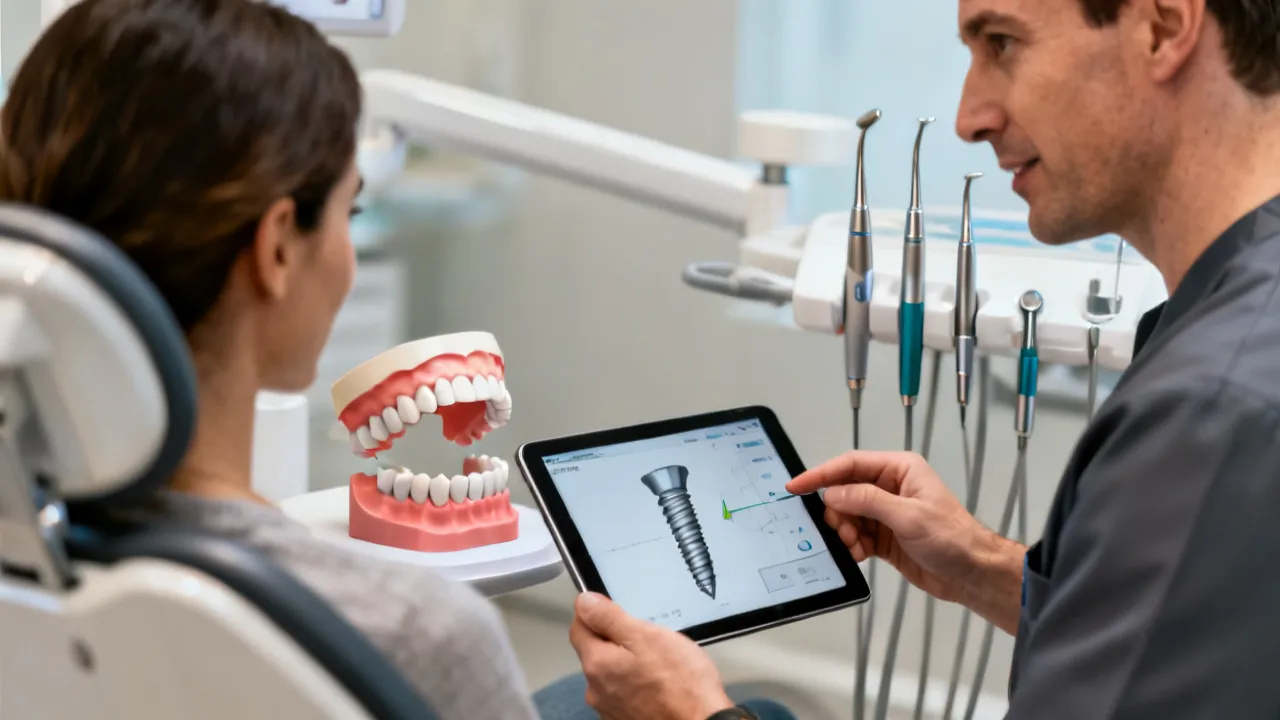
A conventional dental implant consists of a biocompatible implant body placed in the jawbone, an abutment that connects the implant to the restoration, and a crown or other prosthesis visible in the mouth. The implant is intended to provide support for a replacement tooth. Treatment may be performed in stages rather than during one appointment.
- Consultation and diagnosis: The dentist examines the mouth, reviews health information, and evaluates the proposed site.
- Treatment planning: The clinic discusses implant size, restoration type, bone volume, gum condition, timing, and expected fees.
- Preparatory treatment: Decay, gum disease, infection, or damaged teeth may need treatment first. Bone grafting or gum procedures may be considered when anatomy requires them.
- Implant placement: The implant is inserted into the jaw under local anesthesia, with sedation or other options discussed when suitable.
- Healing and integration: Bone gradually grows around the implant surface. The healing period varies according to the site, bone quality, surgery, and individual health.
- Restoration: After clinical assessment confirms adequate stability, the abutment and crown are fitted.
- Maintenance: Regular examinations, professional cleaning, careful home care, and management of gum disease are essential.
Osseointegration refers to the process by which bone forms a stable relationship with the implant surface. The patient does not usually feel this process occurring, and the implant may appear normal while integration is still incomplete. The dentist uses clinical assessment and, when indicated, imaging to determine whether the implant is ready to support the final restoration.
The term “mini dental implant” describes a narrower implant design used in selected situations. It is not an appropriate substitute for a conventional implant in every case. The decision should be based on bone anatomy, the type of restoration, chewing forces, long-term maintenance, and the clinician’s training. A patient should ask why a particular implant design is being recommended and what alternatives exist.
Conditions and Requirements for Implant Treatment
Implant candidacy is determined individually. Good general health, adequate bone or a realistic bone-rebuilding plan, healthy gums, and a commitment to oral hygiene generally support treatment. Active uncontrolled periodontal disease is a major concern because the same inflammatory process that damaged natural teeth can affect the tissues around an implant.
Smoking can impair healing and is associated with oral health risks. Patients who smoke should receive cessation counseling and an individualized discussion of surgical risks. Diabetes should be managed in coordination with the patient’s healthcare team. A history of radiation therapy to the jaws, certain medications, immune conditions, and complex bleeding disorders may require specialist consultation.
Bite forces are also important. An implant does not have the same cushioning ligament as a natural tooth, so excessive force may contribute to mechanical complications. Patients with severe bruxism, an unstable bite, or multiple missing teeth may need bite management before or after implant treatment. A night guard may be recommended in some circumstances, but it should be designed and adjusted by a qualified professional.
Patients should ask the clinic whether the quoted fee includes the examination, imaging, extraction, bone grafting, temporary tooth, implant body, abutment, crown, anesthesia, follow-up, and treatment of complications. A low initial quote may not represent the final cost if essential components are excluded.
How to Obtain Dental Implants at Lower Cost
Seeking an affordable implant is reasonable, but cost should not be the only selection criterion. The safest approach combines transparent pricing, appropriate diagnosis, qualified clinicians, traceable materials, infection-control standards, and a clear follow-up plan. The following steps can help patients compare options in English-speaking, Spanish-speaking, and Portuguese-speaking markets, as well as in other regions.
Step 1: Confirm whether an implant is necessary
Ask whether the natural tooth can be preserved with a filling, root canal treatment, crown, periodontal treatment, or another procedure. Extraction is irreversible. An independent second opinion can be valuable when the proposed treatment is extensive or when the diagnosis is uncertain.
A tooth that is painful is not necessarily a tooth that must be removed. Similarly, a tooth that is not painful may be severely compromised. The decision should consider the amount of remaining healthy structure, root condition, periodontal support, infection, restorability, cost, and the patient’s long-term goals.
Step 2: Request an itemized treatment plan
Ask for written details rather than relying on a headline price. The plan should identify the implant system, surgical procedure, restoration, imaging, temporary replacement, laboratory charges, medications, follow-up appointments, and possible additional procedures. Clarify the currency, payment schedule, taxes, and conditions attached to any promotional pricing.
A written plan should also distinguish estimated costs from guaranteed costs. Some procedures, such as grafting, are determined during surgery and may be difficult to price precisely in advance. The patient should know how the clinic handles a change in the plan and whether consent is requested before additional treatment is performed.
Step 3: Compare complete treatment costs
Compare like with like. One clinic may advertise the implant body alone, while another includes the abutment and crown. A complete single-tooth restoration commonly contains several components. Travel, accommodation, local transportation, aftercare, and treatment of unexpected complications should be included in the personal budget when considering care outside the patient’s usual area.
Patients should ask whether the final crown is made at an in-house laboratory or by an external laboratory, and whether laboratory appointments are included. The type of crown material, temporary restoration, sedation, and postoperative reviews may also influence the final amount. Comparing only the surgical fee can produce a misleading impression.
Step 4: Investigate professional qualifications
Patients should verify the dentist’s license through the relevant national or regional regulator where possible. They can also ask about postgraduate training, experience with the proposed procedure, the implant system used, emergency arrangements, and who will manage complications. Online reviews may provide context, but they do not replace professional verification or an examination.
Patients should determine whether one clinician performs surgery and another provides the crown. This arrangement can be appropriate, but responsibilities should be clear. The patient should know who coordinates the treatment, who holds the records, and whom to contact if the implant or restoration develops a problem.
Step 5: Address disease before surgery
Treating active gum disease and decay may improve the long-term outlook and prevent additional expenses. Improving brushing and interdental cleaning, reducing tobacco exposure, and controlling medical risk factors can support healing. A lower surgical fee is not advantageous if untreated disease leads to implant failure or further tooth loss.
Patients should have a realistic maintenance plan before surgery. If daily cleaning is currently difficult, the dental team can demonstrate techniques and recommend tools. Improving oral hygiene before placement may also reveal whether the patient can comfortably maintain the future restoration.
Step 6: Consider dental insurance or dental plans carefully
Coverage differs widely. Some dental insurance plans exclude implants, impose waiting periods, limit annual benefits, or cover only a portion of the restoration. Dental discount plans are not the same as insurance and may operate through a participating-provider network. Patients should read exclusions, claim procedures, preauthorization requirements, and annual limits before selecting a plan.
Insurance may classify extraction, bone grafting, implant placement, and crown fabrication as separate benefits. A plan may pay toward the cost of a less expensive alternative rather than the full implant fee. Patients should request a written benefits estimate and ask whether the clinic will submit claims on their behalf.
Step 7: Explore accredited teaching or public-care pathways
Dental schools and public dental services may offer selected treatments at lower fees, depending on eligibility and local availability. Treatment may take longer, and care is supervised within the institution’s clinical protocols. Patients should ask whether implant cases are accepted, which clinicians perform each stage, and how follow-up is organized.
Teaching clinics can be useful for patients who are flexible about appointment times. However, not every case is suitable for a student clinic, and some programs focus primarily on diagnosis, prevention, or conventional restorations. The patient should receive a clear explanation of the expected timeline and supervising professional.
Step 8: Evaluate dental tourism cautiously
Traveling abroad can reduce the quoted clinical fee in some markets, but it creates additional responsibilities. Before traveling, obtain a remote preliminary review, confirm the clinic’s legal status, request a complete plan, and determine how many visits are needed. The patient should understand who provides follow-up care after returning home. Short travel schedules may not allow sufficient time to manage infection, healing problems, or a poorly fitting restoration.
Language differences can also affect informed consent. Patients should receive written information in a language they understand, including risks, alternatives, implant manufacturer, warranties, maintenance obligations, and the process for complaints. A warranty does not necessarily cover biological complications or treatment by another clinic.
Patients should retain copies of X-rays, clinical notes, implant labels, surgical records, prescriptions, and laboratory documents. These records can be important if follow-up care is needed in another country. A local dentist may be able to provide emergency treatment but may not be willing to assume responsibility for an implant system or restoration that cannot be identified.
Step 9: Avoid choosing solely by advertising
Claims involving guaranteed results, unusually rapid healing, or a universal “best” implant should be treated cautiously. Implant dentistry is influenced by anatomy, systemic health, bite forces, hygiene, operator skill, and maintenance. A reputable clinic should discuss limitations as well as benefits.
High-quality care may still involve complications, because surgery and healing are biological processes. Trustworthy communication means that the clinician explains what could go wrong, how frequently problems may occur, how they would be managed, and which expenses may result. Patients should be wary of pressure to pay immediately or of promotional offers that discourage a second opinion.
Step 10: Plan maintenance expenses
Implants require care even though the replacement tooth cannot develop ordinary dental caries. Plaque can still inflame the surrounding tissues, and the crown, screw, or abutment can wear or loosen. Budget for examinations, professional hygiene appointments, repairs, and eventual replacement of prosthetic components.
The expected lifespan of an implant and its crown are not identical. The implant may remain stable for many years, while the crown may require repair or replacement because of wear, fracture, staining, or changes in the bite. Maintenance helps identify problems before they become more serious.
Comparison of Dental Information Websites
The following websites illustrate different types of information sources. They should be used for general education and comparison, not as a substitute for a clinical diagnosis. The services and content offered by a website may change, so patients should verify current details directly with the provider.
| Website or organization | Primary focus and useful features |
|---|---|
| Dental Views | Information about lower-cost dental implants, treatment benefits, possible procedures, costs, and common questions. Useful for understanding the components of implant care. |
| Atlantic Dental Group | Clinic-based information covering general dentistry, cleaning, orthodontics, implants, emergency care, appointments, and practice services. |
| DentaVacation | Dental-tourism information, international treatment comparisons, travel planning, and overseas care considerations. |
| American Dental Health Plans | Information related to dental insurance and plan options that may help patients evaluate potential coverage and out-of-pocket expenses. |
| Rockville Dental Arts | Spanish-language clinic information concerning implants, whitening, cleaning, orthodontics, and emergency dental services. |
| Union City Mini Dental Implants | Spanish-language information focused on mini dental implants and situations in which a smaller implant design may be discussed. |
| Cigna | Spanish-language educational material explaining dental implants, treatment stages, and questions patients may consider when evaluating care. |
| Rubi Odonto | Portuguese-language clinic information from Santo André, São Paulo, including orthodontics, whitening, implants, and patient-care services. |
| Odontologia Velasco | Portuguese-language information about implants, prostheses, aesthetic dentistry, and technology used in dental care in São Paulo. |
| DentalVidas | Portuguese-language information about dental plans for individuals, families, and companies, including access to a provider network and emergency services. |
When using online material, patients should distinguish between educational information, promotional content, patient testimonials, and independent evidence. A clinic website may accurately describe its services but naturally presents them from the clinic’s perspective. Patients can improve the quality of their research by consulting regulatory bodies, national dental associations, hospital systems, and recognized public-health organizations.
Source: dentalviews.com/low-cost-dental-implants
Source: atlanticdentalgrp.com
Source: dentavacation.com
Source: rockvilledentalarts.com/es
Source: unioncityminidentalimplants.com/es
Source: cigna.com/es-us/knowledge-center/guide-to-dental-implants
Source: rubiodonto.com.br
Source: odontologiavelasco.com.br
Source: dentalvidas.com.br
Reference Price Ranges for One Dental Implant
The ranges below refer to an individual dental implant treatment as presented in the supplied reference material. They are not a universal quotation and may not include every stage of treatment. In particular, bone grafting, sinus lifting, extraction, sedation, temporary teeth, the abutment, crown, imaging, laboratory fees, taxes, travel, and aftercare may be charged separately. Currency values are shown as supplied and should not be treated as exchange-rate comparisons.
English-speaking countries
| Country | Currency | Reference price range |
|---|---|---|
| United States | USD | $3,000–$6,000 |
| United Kingdom | GBP | £2,000–£2,500 |
| Australia | AUD | AU$3,500–AU$6,500 |
| Canada | CAD | CA$3,000–CA$5,500 |
Spanish-speaking countries
| Country | Currency | Reference price range |
|---|---|---|
| Spain | EUR | €1,500–€2,500 |
| Chile | CLP | CLP$800,000–CLP$1,500,000 |
| Mexico | MXN | $15,000–$25,000 |
| Colombia | COP | $2,000,000–$4,000,000 |
| Peru | PEN | S/ 3,000–S/ 6,000 |
| Argentina | ARS | $80,000–$150,000 |
Portuguese-speaking countries
| Country | Currency | Reference price range |
|---|---|---|
| Brazil | BRL | R$3,000–R$8,000 |
| Portugal | EUR | €1,000–€2,000 |
Other language markets included in the reference material
| Country | Currency | Reference price range |
|---|---|---|
| Germany | EUR | €2,000–€3,500 |
| France | EUR | €1,500–€2,500 |
| Italy | EUR | €1,500–€3,000 |
| Japan | JPY | ¥300,000–¥700,000 |
Price comparisons require particular caution in countries experiencing inflation or exchange-rate changes. A nominal amount in one currency cannot be compared accurately with an amount in another without considering purchasing power, taxes, wages, clinic overhead, treatment scope, and currency conversion on the date of payment. Patients should request a current written estimate from a licensed clinic.
There may also be substantial differences within a single country. Urban clinics, specialist practices, teaching institutions, and public providers can have different fee structures. Surgical complexity, the position of the tooth, the quality of the laboratory work, the implant brand, and the number of appointments may all influence the total. A quotation should therefore be interpreted in relation to the proposed treatment rather than as a simple country ranking.
How to Compare Clinics in Different Language Markets
Patients searching in English-speaking markets may find substantial differences between private clinics, public programs, dental schools, and insurance networks. In the United States, insurance policies often have annual limits and may distinguish between surgical and restorative components. In the United Kingdom, patients should confirm whether they are considering National Health Service eligibility or private treatment, as implant availability and criteria can differ. In Australia and Canada, provincial or territorial arrangements and private coverage can affect access and cost.
In Spanish-speaking markets, communication and documentation are particularly important when patients travel between regions. A clinic in Spain may operate under a different regulatory and payment structure from one in Mexico, Chile, Colombia, Peru, or Argentina. Patients should confirm the currency, whether the estimate includes the prosthetic crown, and how follow-up is managed if they return to another country.
In Portuguese-speaking markets, patients may compare clinics in Brazil and Portugal, but the same terminology does not guarantee identical treatment protocols. Ask whether “implant” refers to the implant body alone or to the completed replacement tooth. Portuguese-speaking patients should also request written information about the implant brand, laboratory, warranty conditions, and recall schedule.
For care in Germany, France, Italy, or Japan, translation support may be useful when the patient is not fluent in the local language. Consent documents should explain alternatives, foreseeable risks, the number of appointments, and the estimated total cost. A professional interpreter is preferable to relying on an informal translator for complex medical decisions.
Language access is part of safe care. Patients should feel able to describe symptoms, understand instructions, ask about risks, and report complications. A clinic that cannot provide adequate communication should explain what translation support is available before treatment begins. Misunderstanding instructions about medication, diet, brushing, or follow-up can affect healing.
Ways to Reduce Total Treatment Expenses Without Reducing Safety
- Attend preventive appointments: Early treatment of decay and gum disease is generally less complex than treating advanced damage.
- Preserve natural teeth when clinically possible: A restoration may be less costly and less invasive than extraction followed by replacement.
- Compare complete plans: Ask each clinic to quote the same components and diagnostic requirements.
- Use a staged plan: When clinically appropriate, the dentist may sequence treatment according to urgency and budget.
- Ask about payment arrangements: Some practices provide installment options, but patients should review interest, cancellation, and refund terms.
- Check employer or national benefits: Eligibility varies, and implant coverage may be limited.
- Consider a dental school: Supervised teaching clinics may offer selected services at lower charges and may have longer waiting times.
- Improve gum health before surgery: This can reduce the likelihood of additional periodontal treatment and complications.
- Obtain a second opinion: A second evaluation can clarify whether grafting, immediate placement, or an alternative restoration is necessary.
- Plan travel realistically: Include accommodation, time away from work, repeat visits, and local follow-up in the calculation.
Patients should be wary of cutting costs by choosing untraceable materials, skipping diagnostic imaging, accepting treatment without a written consent process, or scheduling surgery without a follow-up pathway. The least expensive initial quote may become more expensive if a complication requires corrective treatment.
Daily habits can also reduce future expenses. Brushing with fluoride toothpaste, cleaning between the teeth, limiting frequent sugar exposure, avoiding tobacco, wearing a mouthguard during recommended sports, and attending recall visits can reduce the likelihood of emergency treatment. These habits do not eliminate every risk, but they support the health of both natural teeth and restorations.
Alternatives to a Single Dental Implant
An implant is one of several ways to replace a missing tooth. A fixed dental bridge uses neighboring teeth for support. It may be suitable when the adjacent teeth already require crowns, although healthy teeth may need preparation. A removable partial denture can replace one or more teeth and is generally easier to modify, but it may feel less stable and requires regular cleaning.
In some cases, leaving a space may be acceptable, particularly when the tooth is not essential for appearance or chewing and the neighboring teeth are stable. However, the decision should be made after examining the bite and the likelihood of tooth movement. The dentist should explain the advantages, limitations, expected lifespan, maintenance, and costs of each option.
A bridge may provide a faster result than an implant because it does not require bone integration. However, it depends on the condition of the supporting teeth and may be more difficult to clean underneath. A removable appliance may be less expensive initially, but it can require adjustments as the gums and bone change. The “best” choice is determined by anatomy, health, function, appearance, finances, and personal preference.
Aftercare and Long-Term Maintenance
Following implant surgery, patients should follow the treating clinician’s instructions about oral hygiene, diet, physical activity, medication, and review appointments. Pain, swelling, or mild bleeding can occur after surgery, but symptoms that worsen, persist unexpectedly, or are accompanied by fever should be reported.
Patients should avoid making independent changes to prescribed medication. Those taking blood-thinning medication should follow instructions from the treating dentist and prescribing physician. If bleeding continues despite the recommended pressure technique, the clinic or emergency service should be contacted.
Once the final crown is fitted, patients should brush twice daily with a suitable fluoride toothpaste unless their dentist advises otherwise. Cleaning between teeth and around the implant may require floss, interdental brushes, a water irrigator, or specialized tools. The correct method depends on the design of the restoration and the shape of the gum tissue.
Professional maintenance is important because implants can develop peri-implant mucositis or peri-implantitis. These conditions involve inflammation around an implant and may, in more advanced cases, involve supporting bone loss. Risk management includes controlling plaque, treating periodontal disease, avoiding tobacco, attending reviews, and addressing loose or damaged components promptly.
Patients should report bleeding around an implant, persistent bad taste, swelling, pus, increasing mobility, pain during chewing, or a crown that feels loose. A loose crown is not necessarily an implant failure, but it should be checked promptly. Continuing to chew on a loose restoration can damage the screw or the surrounding tissues.
Questions to Ask Before Agreeing to Treatment
- What is the precise diagnosis and why is an implant recommended?
- Can the natural tooth be saved, and what alternatives are available?
- Who will place the implant and who will provide the crown?
- What training and licensing does the treating professional have?
- Which implant manufacturer and model will be used?
- Does the estimate include imaging, extraction, grafting, the abutment, crown, temporary tooth, and follow-up?
- How many visits are expected, and how long may treatment take?
- What are the principal risks in this individual case?
- What happens if the implant does not integrate or the crown becomes loose?
- Who will provide care if a problem occurs after returning home?
- What maintenance appointments and hygiene procedures are recommended?
- Which costs are covered by insurance, a dental plan, or a public program?
It is also reasonable to ask how records will be transferred, whether the clinic provides emergency contact information, and what happens if the patient cancels or needs to postpone treatment. Patients should not feel pressured to make a decision during the first consultation. A clear explanation and time to consider alternatives are important parts of informed consent.
FAQs
What is the most common reason adults lose teeth?
Advanced gum disease and untreated tooth decay are major causes of adult tooth loss. Trauma, fractures, congenital absence, infection, medical conditions, and treatment-related factors can also contribute. The cause should be confirmed through a clinical examination rather than assumed from symptoms alone.
Can a loose tooth become firm again?
Sometimes mobility improves when inflammation is treated, plaque and tartar are removed, or trauma is managed. However, significant bone loss, a root fracture, or advanced infection may make the tooth difficult or impossible to preserve. A dentist should assess the cause before deciding on extraction.
Is a dental implant the same as a crown?
No. The implant is generally the component placed in the jawbone. The abutment connects the implant to the visible restoration, and the crown replaces the part of the tooth seen in the mouth. A quoted price may include one component or the complete restoration, so patients should ask for clarification.
How long does implant treatment take?
The timeline varies. Some patients need treatment for infection, extraction, gum disease, or bone deficiency before implant placement. Healing and restoration may require several appointments over a period determined by the clinical situation. A rapid schedule is not automatically better or suitable for every patient.
Are mini dental implants appropriate for everyone?
No. Mini implants have specific indications and limitations. Their suitability depends on bone anatomy, the restoration, chewing forces, space, and the clinician’s assessment. They should not be selected solely because the procedure or advertised price appears lower.
Can smokers receive dental implants?
Some smokers receive implants, but smoking may increase healing and periodontal risks. The dentist should discuss the individual risk profile and cessation support. Patients should provide accurate information about tobacco use rather than withholding it from the treatment team.
Does dental insurance usually cover implants?
Coverage varies by policy and jurisdiction. Some plans exclude implants, impose waiting periods, set annual limits, or cover only certain portions of the treatment. A written preauthorization or benefits statement may help clarify expected reimbursement, but it is not always a guarantee of payment.
Is dental tourism always less expensive?
No. The clinical fee may be lower in some destinations, but flights, accommodation, repeat visits, translation, local transportation, time away from work, and treatment of complications can change the total. Patients should compare the complete cost and confirm aftercare before traveling.
What should someone do if a tooth is knocked out?
A knocked-out permanent tooth requires urgent dental assessment. Handle it carefully, avoid touching the root, keep it moist according to emergency dental guidance, and seek care immediately. Do not delay while searching for an implant quote, because early treatment may affect whether the natural tooth can be managed.
Can a missing tooth be left unreplaced?
In selected cases, a patient and dentist may decide to monitor the space. The decision depends on appearance, speech, chewing, neighboring teeth, bite, bone, and future treatment goals. A professional assessment is important because the consequences of leaving a space vary considerably.
How can patients recognize a trustworthy implant clinic?
A trustworthy clinic provides a diagnosis, discusses alternatives, identifies the clinician, explains risks, uses appropriate imaging, gives an itemized estimate, and offers a follow-up plan. Patients should be cautious about guarantees, unexplained urgency, missing consent documents, or prices that exclude essential components.
Can dental implants become infected?
The implant itself is not a natural tooth and cannot develop a cavity, but the tissues around it can become inflamed or infected. Plaque accumulation, previous periodontal disease, smoking, poor cleaning, and mechanical problems may contribute. Early evaluation is important when bleeding, swelling, pain, or mobility develops.
Is bone grafting always needed?
No. Some patients have sufficient bone for implant placement without grafting. Others may need grafting because of previous tooth loss, infection, trauma, or natural anatomy. Imaging and clinical examination determine whether additional bone procedures are necessary.
Professional Perspective
From an industry and clinical perspective, the central issue is not simply the price of an implant. It is the relationship between diagnosis, surgical planning, restoration quality, maintenance, and long-term accountability. A patient who has lost a tooth because of gum disease needs periodontal control before and after implant treatment. A patient whose tooth was lost through trauma may require a different assessment of bone and soft tissue. A patient with complex medical conditions may need coordination between dental and medical professionals.
Online information can help patients prepare questions and understand terminology, but websites cannot determine candidacy. Prices should therefore be treated as orientation rather than promises. The most useful comparison is a transparent, clinically appropriate, complete treatment plan from a licensed provider.
Good treatment planning also recognizes that a tooth is part of a larger oral system. The dentist must consider the neighboring teeth, opposing teeth, gum contours, bite, speech, appearance, and the patient’s ability to maintain the restoration. Replacing a missing tooth without considering these factors can produce an uncomfortable or difficult-to-clean result.
Conclusion
The reasons behind 이가 빠지는 이유 range from gum disease and decay to trauma, fractures, infection, developmental conditions, and medical risk factors. Prompt examination can sometimes preserve a natural tooth and can also protect the remaining teeth. When replacement is necessary, dental implants may provide a stable option for appropriately selected patients, but bridges and removable prostheses may also be suitable.
Patients seeking lower-cost care should compare complete treatment plans, verify professional qualifications, understand insurance conditions, and account for follow-up and travel expenses. The safest decision balances affordability with diagnosis, infection control, material traceability, informed consent, and long-term maintenance.
Whether the patient chooses an implant, bridge, denture, or observation, the first step remains the same: identify why the tooth was lost and address the disease or risk factor responsible. Protecting the remaining natural teeth is often the most valuable part of any long-term dental plan.
Disclaimer
1. The information above is compiled from online resources, and the stated data is as of October 2023.
2. Dental implant prices are for reference only and may vary by region, clinic, doctor, treatment complexity, materials, laboratory charges, insurance arrangements, and additional procedures. This article is educational and does not replace an examination, diagnosis, or personalized treatment plan from a licensed dental professional.
Reference Links
- Dental Views: Low-Cost Dental Implants
- Atlantic Dental Group
- DentaVacation
- Rockville Dental Arts, Spanish-language website
- Union City Mini Dental Implants, Spanish-language website
- Cigna Spanish-language Guide to Dental Implants
- Rubi Odonto
- Odontologia Velasco
- DentalVidas
- National Institute of Dental and Craniofacial Research: Tooth Loss Information
- Centers for Disease Control and Prevention: Gum Disease
- NHS: Dental Implants