Why Teeth Fall Out and How to Prevent It
This guide explains the main reasons teeth become loose or fall out, including gum disease, tooth decay, trauma, aging-related changes, and certain medical factors. It also outlines warning signs that require prompt dental care, ways to preserve a natural tooth, and practical considerations when an implant is recommended. Readers will find a comparison of low-cost implant information websites, country-specific reference prices, questions to ask clinics, and strategies for evaluating treatment quality and total cost.
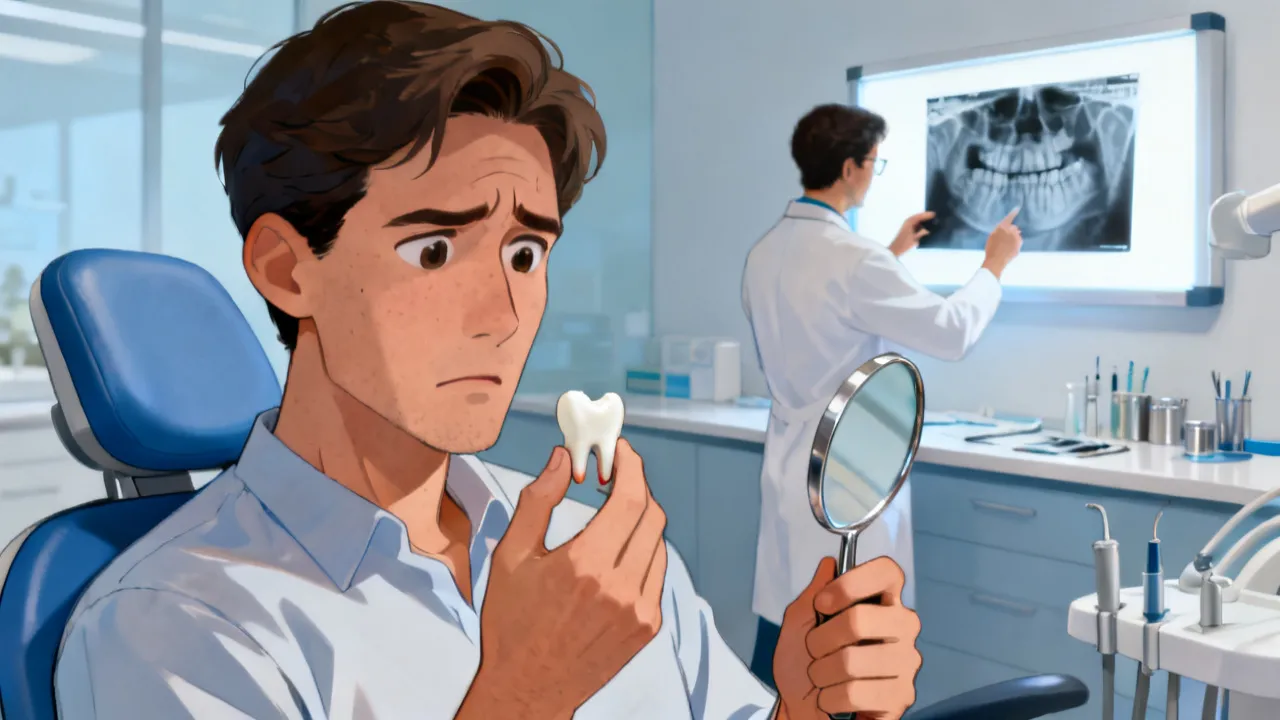
Why Teeth Fall Out: The Most Important Causes
The phrase 이가 빠지는 이유, which means “reasons a tooth falls out,” refers to the conditions that weaken a tooth, its supporting bone, or the gum tissue surrounding it. In children, losing a primary tooth is usually a normal part of development. In adults, however, tooth loss is not usually an unavoidable part of aging. It is more often associated with preventable or treatable problems, particularly untreated gum disease, extensive tooth decay, dental trauma, cracked teeth, and delayed professional care.
A loose adult tooth should be treated as a dental warning sign rather than a minor inconvenience. A tooth may move because its supporting periodontal ligament and bone have been damaged, because an infection has affected the root, or because a force such as an injury has displaced it. In some cases, timely treatment can stabilize the tooth. In others, removal is necessary to control infection or prevent damage to neighboring structures.
From an industry expert’s perspective, the most reliable approach is to determine whether the natural tooth can be saved before discussing replacement options. Dental implants can replace missing teeth effectively for many patients, but they are not automatically the first or only solution. A proper examination, dental X-rays, medical history, periodontal evaluation, and assessment of the bite should guide the decision.
Common adult causes of tooth loss
- Periodontal disease: Long-term plaque and tartar accumulation can cause inflammation, gum recession, loss of attachment, and destruction of the bone that supports teeth.
- Severe tooth decay: When decay reaches deep into the tooth, the crown or root may become too weak to restore.
- Dental trauma: Sports injuries, falls, vehicle collisions, and blows to the mouth can loosen, fracture, or displace a tooth.
- Cracked or fractured teeth: A crack extending below the gum line may make a tooth difficult or impossible to repair.
- Untreated dental infections: An abscess can damage surrounding bone and create serious health risks if it spreads.
- Bruxism and excessive biting forces: Persistent grinding or clenching may contribute to fractures, mobility, and wear.
- Medical and lifestyle factors: Diabetes, tobacco use, poor nutrition, certain medications, and immune-related conditions may affect healing or periodontal health.
- Congenital or developmental conditions: Some people have teeth that are absent, malformed, or structurally weaker from an early age.
- Root resorption: In some cases, the body gradually removes part of a tooth root, reducing stability.
- Severe tooth wear: Long-term acid erosion, abrasion, or clenching can weaken teeth until they fracture or become difficult to restore.
Children may lose primary teeth naturally as part of normal development. That process is different from losing a permanent adult tooth. A permanent tooth that becomes loose or falls out requires professional assessment, even if discomfort is limited. A dentist can determine whether the tooth was lost because of disease, an injury, delayed eruption, a structural defect, or another cause.
Gum Disease Is a Leading Explanation
One of the most important answers to the question “why do teeth fall out?” is periodontal disease. The process often begins with plaque, a bacterial film that forms continuously on the teeth. If plaque is not removed effectively, it can harden into tartar. Tartar cannot be removed reliably with ordinary brushing and may contribute to persistent inflammation.
Early gum disease, commonly called gingivitis, may cause red, swollen, or bleeding gums. At this stage, professional cleaning and improved daily care can often control the condition. If inflammation progresses below the gum line, periodontitis may develop. The gum can detach from the tooth, forming pockets where bacteria accumulate. Over time, supporting bone may be lost, and the tooth can become mobile.
Periodontal disease is sometimes painless. This is one reason people may delay treatment. Bleeding during brushing, persistent bad breath, gum recession, pus near the gum, changes in the way teeth fit together, or increasing tooth movement should not be ignored. A dental professional may measure periodontal pockets, assess tooth mobility, examine the gum attachment, and use imaging to determine whether bone loss is present.
Bone loss caused by periodontitis does not usually grow back on its own. Treatment can stop or slow the disease and may sometimes regenerate selected areas of damaged tissue, but the prognosis depends on the shape and severity of the defect, the patient’s health, and the quality of ongoing maintenance. For this reason, early treatment is generally more predictable than waiting until a tooth is extremely loose.
How gum disease can be reduced
- Brush twice daily with fluoride toothpaste and use a technique that cleans the gum margin gently.
- Clean between the teeth every day with floss, interdental brushes, or another method recommended by a dental professional.
- Attend periodic examinations and professional cleanings according to individual risk.
- Avoid tobacco products, which are associated with poorer periodontal outcomes and impaired healing.
- Keep diabetes and other relevant medical conditions under appropriate control.
- Seek care promptly when gums bleed repeatedly, teeth move, or swelling develops.
- Replace worn toothbrushes and use additional cleaning aids when crowding, bridges, braces, or implants make routine brushing difficult.
Tooth Decay, Infection, and Structural Failure
Tooth decay occurs when acids produced by bacteria damage the mineral structure of the tooth. Diet, oral hygiene, saliva, fluoride exposure, and individual susceptibility all influence risk. A small cavity may be treated with a filling, while deeper damage may require root canal treatment and a crown. If decay destroys too much tooth structure, extraction may be the only predictable option.
Decay can begin on the biting surface, between teeth, around an existing filling, or near an exposed root. Root-surface decay is particularly important in older adults and people with gum recession because the root is less resistant to acid than enamel. Dry mouth caused by medications, medical conditions, radiation treatment, or dehydration can further increase the risk of rapid decay.
Infection inside the pulp can cause pain, sensitivity to heat or cold, swelling, or tenderness when biting. However, symptoms may diminish if the pulp dies, even while infection continues around the root. A dental abscess can damage local bone and may spread beyond the tooth. Facial swelling, fever, difficulty swallowing, difficulty breathing, or severe pain requires urgent evaluation.
Experts generally evaluate several tooth-preserving possibilities before extraction. These may include a filling, an inlay or onlay, a crown, root canal treatment, periodontal therapy, or treatment of a crack. The appropriate choice depends on the amount of healthy structure remaining, the condition of the root, the supporting bone, the patient’s bite, and the ability to maintain the tooth afterward.
Why a root canal may not always save a tooth
Root canal treatment removes infected or damaged pulp from inside the tooth and seals the root canal system. It can be highly effective when the tooth has sufficient remaining structure and the surrounding tissues can heal. However, root canal treatment cannot repair every type of fracture. A vertical root fracture, a split tooth, extensive decay below the gum, or severe periodontal destruction may still make extraction necessary.
After root canal treatment, a back tooth often needs a crown or another protective restoration because it may have lost substantial structure. Delaying the final restoration can allow the tooth to fracture under normal chewing forces. Patients should ask about the expected sequence, temporary restoration, final restoration, and protection required after treatment.
Dental Trauma and Sudden Tooth Loss
Trauma is a major cause of sudden tooth movement or complete tooth loss. A blow may chip the enamel, fracture the crown, damage the nerve, dislocate the tooth, or tear the periodontal ligament. Even when a tooth appears to be in its original position, the root and surrounding bone may have been injured.
After an accident, a dentist may take X-rays, test the tooth’s vitality, examine the bite, and assess nearby teeth. A traumatized tooth may require observation, splinting, root canal treatment, or restorative care. Some complications, including changes in the color of the crown or root resorption, can appear weeks or months after the injury, so follow-up is important.
If a permanent tooth has been completely knocked out, handle it by the crown rather than the root. If it is visibly dirty, it may be rinsed briefly without scrubbing. Where appropriate and safe, placing it back into the socket promptly can help preserve the periodontal ligament; otherwise, it can be kept in an appropriate transport medium recommended by emergency dental services. Children and adults should seek emergency dental guidance immediately. The exact response depends on the tooth, the injury, contamination, and the patient’s condition.
Do not place an avulsed tooth in household chemicals, scrape the root, or delay care while searching for a cosmetic replacement. The first priority is assessment and preservation of the natural tooth when possible. If replantation is not successful or the tooth cannot be saved, replacement planning can begin after the injury and surrounding tissues have been evaluated.
Cracked Teeth, Grinding, and Excessive Force
Teeth can crack after a single traumatic event or as a result of repeated stress. Large fillings, weakened tooth structure, chewing ice, biting hard objects, and bruxism may all contribute. A cracked tooth may cause sharp pain when biting or releasing a bite, sensitivity to temperature, or discomfort that is difficult to locate.
Some cracks remain above the gum line and can be treated with a bonded restoration or crown. Others extend into the pulp or below the gum line. A crack that separates the tooth into segments may have a poor prognosis, particularly if it extends along the root. Diagnosis may require magnification, bite tests, transillumination, periodontal probing, and imaging.
Bruxism involves clenching, grinding, or forceful jaw activity. It may occur during sleep or waking hours. Warning signs include flattened or chipped teeth, jaw soreness, morning headaches, enlarged chewing muscles, sensitivity, and repeated failure of fillings or crowns. A night guard may protect teeth in selected patients, but it does not replace evaluation of the causes and effects of grinding.
Implants can also be affected by excessive force. The crown may fracture, screws may loosen, or the supporting tissues may become inflamed. Patients with a history of grinding should discuss bite protection before receiving an implant restoration.
What to Do When an Adult Tooth Becomes Loose
A loose permanent tooth should be examined as soon as practical. Do not repeatedly push it with the tongue or fingers, and do not attempt to pull it out at home. Eat softer foods, avoid biting directly on the affected area, and maintain gentle oral hygiene. If the tooth was injured, the urgency is greater because the position of the tooth, root, and surrounding bone may be treatable within a limited period.
Until an appointment is available, avoid extreme temperatures if the tooth is sensitive and do not apply aspirin directly to the gum. Pain medication should be used only as directed on the label or by a healthcare professional. If there is swelling, a cold compress applied externally for short intervals may provide temporary comfort, but it does not treat the underlying cause.
A dentist may stabilize a tooth temporarily with a flexible splint, adjust the bite, remove plaque and tartar, prescribe treatment for infection, or recommend restorative care. The correct approach depends on why the tooth is loose. A tooth that moves because of trauma may have a different prognosis from one that moves because of advanced bone loss.
When Tooth Removal May Be Necessary
Extraction may be recommended when a tooth cannot be restored predictably, when a fracture extends below the gum line, when advanced periodontal destruction has made the tooth unstable, or when infection cannot be controlled through other treatment. Removal may also be considered when a tooth presents a significant risk to adjacent teeth or overall oral health.
A responsible treatment discussion should explain why extraction is being proposed and whether alternatives exist. Patients may ask:
- Can the tooth be restored with a crown or root canal treatment?
- How much supporting bone and healthy tooth structure remains?
- What is the expected prognosis with and without treatment?
- Would a second opinion from an endodontist or periodontist be useful?
- If removal is required, should the socket be preserved for a future implant?
- Are there medical conditions or medications that affect healing?
- What temporary replacement, if any, will be available during healing?
These questions support informed consent and help separate a necessary procedure from a treatment decision based only on a headline price. Extraction should not be viewed as the end of care. The missing space can affect chewing, speech, appearance, neighboring tooth movement, and future treatment options.
What happens after an extraction
Following extraction, a blood clot forms in the socket and supports early healing. Patients are typically instructed to avoid vigorous rinsing, smoking, and strenuous activity during the initial period. The clinic may provide specific instructions about gauze, diet, brushing, and pain control. Severe worsening pain several days later, bad taste, fever, persistent bleeding, or increasing swelling should be reported.
The timing of replacement depends on the reason for extraction, infection status, bone quality, gum condition, and the selected replacement. An immediate temporary tooth may be used for appearance, while the final implant or bridge is planned after the tissues are ready. In certain cases, an implant can be placed at the same appointment as extraction, but immediate placement is not suitable for every socket.
Replacing a Missing Tooth
After tooth loss, the main replacement options may include a dental implant with a crown, a fixed dental bridge, or a removable partial denture. Each option has different requirements, maintenance demands, costs, and effects on adjacent teeth.
A dental implant is a biocompatible fixture placed in the jawbone. After healing and integration, it supports an abutment and a visible crown. An implant does not reproduce a natural tooth in every respect, but it can provide a stable replacement without preparing neighboring teeth for a conventional bridge. Adequate bone volume, healthy gums, suitable general health, and effective daily cleaning are important considerations.
A bridge uses neighboring teeth or implants for support. It may be suitable when adjacent teeth already require crowns, although it can require alteration of otherwise healthy tooth structure. A removable partial denture is generally less invasive and may have a lower initial cost, but it can move during function and requires regular cleaning and adjustment.
For a single missing tooth, the decision should consider more than appearance. The location of the tooth, chewing requirements, speech, bone preservation, adjacent tooth condition, treatment time, budget, and willingness to attend maintenance visits all matter. A replacement that is technically possible may not be the best choice for every person.
Bone loss after tooth removal
When a tooth root is removed, the jawbone no longer receives the same stimulation from that root. The ridge may gradually narrow or reduce in height. The degree of change varies according to the tooth, anatomy, infection, gum thickness, and individual healing. Bone loss does not always prevent an implant, but it may make later placement more complex and may increase the need for grafting.
Socket preservation is a procedure intended to reduce the loss of ridge volume after extraction. It may involve bone-graft material and a protective membrane. It is not required in every case, and it does not guarantee that an implant will be placed later. The decision should be based on the expected future restoration and the condition of the extraction site.
What an Implant Estimate Should Include
“The cost of an implant” can refer to only the fixture or to the entire treatment. Patients should ask whether the quotation includes the consultation, diagnostic imaging, extraction, bone grafting, membrane materials, implant placement, abutment, temporary tooth, final crown, laboratory fees, sedation, follow-up visits, and treatment of complications.
For comparison purposes, an individual implant commonly involves several separate stages:
- Examination and planning: The dentist reviews health history, gum condition, bite, imaging, and the desired restoration.
- Preliminary treatment: Infection, gum disease, decay, or an unsatisfactory tooth may need treatment before implant placement.
- Extraction or site preparation: A tooth may be removed, and the socket may be preserved when clinically appropriate.
- Bone augmentation, if needed: Some patients require grafting because the available bone is too thin or short.
- Implant placement: The fixture is inserted into the jawbone under local anesthesia, with sedation in selected cases.
- Healing and integration: The bone and implant are allowed to stabilize according to the clinical plan.
- Abutment and crown: The visible tooth is designed, fabricated, fitted, and adjusted for function and appearance.
- Maintenance: Long-term examinations, professional cleaning, home care, and management of gum inflammation help protect the result.
The number of appointments can vary substantially. A straightforward case may involve fewer stages, while a patient with infection, thin bone, gum disease, or complex cosmetic requirements may need a longer sequence. A written timeline should identify which procedures are preliminary, which are surgical, and which create the final tooth.
Reference Costs for One Dental Implant in English-Speaking Countries
The following figures are reference ranges for an individual dental implant in selected English-speaking countries. They should not be interpreted as guaranteed package prices. The exact total may change according to the clinic, city, implant system, restoration material, diagnostic requirements, bone grafting, anesthesia, taxes, and follow-up arrangements.
| Country | Currency | Reference price range for one implant |
|---|---|---|
| United States (US) | USD | $3,000–$6,000 |
| United Kingdom (GB) | GBP | £2,000–£2,500 |
| Australia (AU) | AUD | AU$3,500–AU$6,500 |
| Canada (CA) | CAD | CA$3,000–CA$5,500 |
These ranges are most useful as an initial budgeting tool. A lower published figure may describe the implant fixture alone, while a higher quotation may include the crown and several appointments. Patients should request a written, itemized treatment plan in the local currency and confirm whether aftercare is included.
Prices may also vary according to whether a general dentist, prosthodontist, oral surgeon, periodontist, or multidisciplinary team performs the treatment. Specialist care is not automatically necessary for every implant, but complicated anatomy or medical history may justify referral. Patients should compare the qualifications and scope of care rather than assuming that the cheapest provider offers the same service as a specialist practice.
How to Obtain Dental Implants at Lower Cost in English-Speaking Countries
Reducing the cost of implant treatment should not mean selecting the least expensive surgery without investigating quality, safety, and continuity of care. The following process can help patients compare options more responsibly.
1. Confirm that an implant is clinically appropriate
Begin with a comprehensive assessment rather than a price search. A dental professional should evaluate the missing site, adjacent teeth, gum health, bone levels, bite, medical history, and personal preferences. If a natural tooth can be predictably retained, preservation may be more appropriate than extraction and replacement.
2. Obtain an itemized treatment plan
Ask for separate prices for imaging, extraction, grafting, implant surgery, abutment, crown, temporary restoration, sedation, medications, and follow-up. Confirm whether the price is for one tooth or a larger package. This prevents an apparently inexpensive quote from becoming substantially more expensive after essential components are added.
3. Compare at least two or three qualified providers
Compare the dentist’s credentials, experience with the relevant procedure, facility standards, implant system, laboratory arrangements, emergency access, and maintenance plan. The number of providers alone does not establish quality. A meaningful comparison focuses on the same scope of treatment.
4. Ask whether a dental school or teaching clinic is suitable
University dental clinics and teaching hospitals may offer selected procedures at reduced fees under supervision. Availability varies, and treatment can take longer because students or residents may complete parts of the process. Patients should ask about eligibility, supervising specialists, appointment schedules, and the handling of complications.
5. Review insurance and employer benefits
Dental insurance may contribute to certain components of implant care, although limitations, waiting periods, annual maximums, exclusions, and replacement clauses are common. Some plans cover extraction or the crown but not the implant fixture. Contact the insurer before treatment and request a written estimate of benefits.
6. Consider staged treatment when clinically safe
Some patients may complete infection control, gum therapy, or extraction first and schedule implant placement after healing. Staging can help manage cash flow, but delaying treatment too long may result in bone resorption, movement of adjacent teeth, or changes in the bite. The timing should be determined by the treating dentist, not solely by the calendar or budget.
7. Ask about payment arrangements
Clinics may provide structured payment schedules or financing through third-party providers. Review interest, administrative fees, cancellation conditions, and what happens if treatment changes. A payment plan is not necessarily a lower total price, so compare the complete amount payable.
8. Evaluate dental tourism carefully
Traveling to another country can appear less expensive because clinical fees may be lower. However, transportation, accommodation, time away from work, currency conversion, travel insurance, extra appointments, and management of complications must be included in the calculation. The patient should also confirm licensing, sterilization protocols, implant traceability, written records, and arrangements for follow-up after returning home.
Dental tourism may involve several visits over a healing period. A clinic that promises rapid completion should explain the clinical basis for its schedule. Immediate loading or accelerated treatment may be suitable for selected cases but is not appropriate for every patient. A travel plan that leaves no time for review, adjustment, or management of unexpected healing can create avoidable difficulties.
9. Do not compromise on diagnosis or infection control
Three-dimensional imaging, bone grafting, or specialist referral may be recommended for clinical reasons. Declining necessary diagnostics to reduce the initial bill can increase the risk of avoidable complications. Patients should also feel comfortable asking about instrument sterilization, implant packaging, emergency protocols, and the dentist responsible for each stage.
10. Budget for maintenance
An implant is not maintenance-free. Plaque can inflame the tissue around an implant, and technical components can loosen or wear. Regular examinations, professional cleaning, a night guard when indicated, and careful home care protect both the implant and neighboring teeth. A lower upfront price may not be economical if maintenance and repair are excluded.
Comparison of Websites Providing Low-Cost Implant Information
The websites below represent different types of dental information and service resources in English-speaking markets. They should be used to understand treatment categories, insurance considerations, possible pricing questions, and provider services—not as substitutes for an in-person diagnosis. Website content, fees, locations, and eligibility rules may change.
| Website or organization | Primary focus |
|---|---|
| Dental Views | Information about lower-cost dental implants, implant types, treatment stages, benefits, pricing considerations, and common questions. |
| Atlantic Dental Group | Clinic-based information covering general dentistry, cleaning, orthodontics, implants, emergency care, locations, and appointments. |
| DentaVacation | Dental tourism information, international treatment comparisons, travel planning, and potential cost considerations for patients seeking care abroad. |
| American Dental Health Plans | Dental insurance and plan-related information intended to help consumers review coverage and manage treatment expenses. |
source: www.dentalviews.com/low-cost-dental-implants/
source: www.atlanticdentalgrp.com
source: www.dentavacation.com
source: rockvilledentalarts.com/es/
How to Judge a Low-Cost Implant Offer
A low advertised price is meaningful only when the service is comparable. Patients can use the following checklist when contacting a clinic:
- Is the quotation for the implant fixture only, or does it include the abutment and final crown?
- What brand and model of implant will be used, and will the patient receive a treatment record?
- Who will place the implant, and what training or professional registration does that clinician hold?
- Is a qualified dental laboratory producing the crown?
- Are diagnostic scans included?
- What happens if bone grafting or periodontal treatment is needed?
- How many visits are expected, and how long is the healing period?
- Is there a written warranty, and what conditions apply?
- Who provides urgent care if pain, swelling, loosening, or fracture occurs?
- How will records be transferred if the patient moves or returns home?
Be cautious when a provider guarantees success, pressures a patient to pay immediately, discourages a second opinion, refuses to identify the implant system, or presents a package without describing exclusions. Responsible dental communication recognizes that outcomes depend on patient health, anatomy, oral hygiene, smoking status, bite forces, and adherence to follow-up.
Patients should also distinguish between a warranty and a guarantee. A warranty may cover a specific component for a defined period under particular conditions, but it may exclude bone loss, smoking, accidents, poor hygiene, missed appointments, or laboratory fees. A guarantee that does not explain these details is difficult to evaluate. Ask for the policy in writing before paying a deposit.
Medical Conditions and Requirements Before Implant Treatment
Dental implants require more than a missing tooth and sufficient funds. The patient’s overall health and ability to maintain oral hygiene are central to treatment planning.
Gum health
Active periodontal disease should generally be controlled before implant placement. Inflammation around natural teeth can increase the microbial burden and complicate maintenance around the implant. A clinic may recommend scaling, root surface treatment, improved home care, or specialist periodontal treatment before surgery.
Bone volume
Bone can shrink after tooth loss. The amount of available bone is assessed through clinical examination and imaging. If the site lacks adequate volume, grafting or another surgical approach may be discussed. These procedures increase treatment time and cost, but they may improve the foundation for an implant when clinically appropriate.
Diabetes and healing
Diabetes does not automatically prevent implant treatment, but poorly controlled blood glucose can affect infection risk and healing. Patients should disclose their diagnosis, medications, and recent medical advice. The dentist may coordinate with a physician before surgery.
Tobacco and vaping
Tobacco exposure is associated with adverse oral health outcomes and may interfere with healing. Patients should discuss cessation or reduction with their healthcare providers. The clinic may recommend a period without tobacco before and after surgery.
Medications and bone-related conditions
Patients should disclose anticoagulants, antiplatelet medicines, drugs affecting bone metabolism, immunosuppressive medicines, and other prescriptions or supplements. Never stop a prescribed medication without medical guidance. The dentist and physician can decide whether changes are needed.
Grinding and bite forces
Bruxism may place heavy forces on a crown or implant components. A night guard, bite assessment, or other protective strategy may be recommended. Implant placement does not remove the need to address grinding.
Pregnancy and other temporary considerations
Elective implant surgery may be postponed during pregnancy depending on the circumstances, urgency, and recommendations of the dental and medical team. Similarly, a dentist may delay surgery during an acute illness, uncontrolled medical condition, or period when oral hygiene cannot be maintained. Temporary replacement options can sometimes provide appearance and function while the patient becomes medically ready for definitive treatment.
Preventing Tooth Loss in Daily Life
Prevention is usually less complex than replacing a lost tooth. A practical routine includes brushing twice a day with fluoride toothpaste, cleaning between teeth daily, limiting frequent exposure to sugary or acidic drinks, and attending dental examinations based on individual risk.
Protective equipment is important for contact sports, cycling, skating, and activities with a risk of facial impact. A professionally fitted mouthguard may reduce the likelihood of dental trauma. People who clench or grind should mention symptoms such as morning jaw fatigue, worn tooth surfaces, headaches, or repeated fractures.
Do not use teeth to open packages, cut thread, or hold hard objects. Avoid chewing ice and other unusually hard substances. These habits can produce cracks even when the teeth initially appear healthy.
Dietary changes should be realistic. The frequency of sugar exposure often matters because repeated acid attacks reduce the time available for saliva to restore mineral balance. Water is generally preferable between meals. People with dry mouth should discuss the cause and suitable saliva-supporting measures with a dental professional.
Prevention also includes preserving dental records and keeping regular appointments even when no tooth hurts. Dental examinations can identify early cavities, gum pockets, failing fillings, cracks, and changes in the bite before they lead to tooth loss. People who have already lost one tooth may have a higher risk of losing others if the original cause—such as periodontal disease or uncontrolled decay—has not been addressed.
Signs That Require Prompt or Urgent Care
Arrange a prompt dental appointment for a tooth that moves, changes position, causes repeated bleeding, becomes sensitive for an extended period, or hurts during chewing. Seek urgent care for facial swelling, fever, uncontrolled bleeding, severe pain, difficulty swallowing, difficulty breathing, or injury involving a knocked-out permanent tooth.
Even when symptoms are mild, delay can allow infection, bone loss, or structural damage to progress. Pain intensity is not a reliable measure of seriousness. Some advanced dental conditions produce little pain, particularly when nerve tissue has deteriorated.
Understanding the Dental Examination
During an examination for a loose or missing tooth, the dentist may ask when the problem began, whether there was an injury, whether bleeding or swelling is present, and whether the tooth hurts during biting or temperature changes. A medical history helps identify diabetes, medications, smoking, immune conditions, previous radiation, and other factors that may affect diagnosis or healing.
The clinical examination may include checking gum bleeding, pocket depth, recession, tooth mobility, cracks, fillings, crown margins, bite contacts, and neighboring teeth. Dental X-rays can show decay, infection, root shape, bone levels, and fractures that are not visible in the mouth. Three-dimensional imaging may be recommended when implant planning, complex root anatomy, or proximity to an important nerve or sinus requires additional information.
Testing is not intended to create unnecessary expense. Each diagnostic method should answer a specific clinical question. Patients can ask what the image will show, whether it changes the treatment plan, and whether previous records can be used. A complete diagnosis is often more economical than proceeding with an incomplete understanding of the problem.
FAQs About the Reasons Teeth Fall Out
Can a loose adult tooth become firm again?
Sometimes. If mobility is caused by trauma or inflammation, treatment may stabilize the tooth. A dentist may recommend cleaning, bite adjustment, splinting, or treatment of an underlying infection. Severe bone loss or a deep fracture may make stabilization impossible.
Is tooth loss a normal part of aging?
No. The risk of gum disease, decay, dry mouth, medication-related problems, and wear can increase with age, but losing adult teeth should not be considered inevitable. Preventive care and timely treatment can help people retain natural teeth throughout life.
Can brushing stop a tooth from falling out?
Brushing helps control plaque and reduce the risk of decay and gum inflammation, but it cannot reverse every cause of mobility. A loose tooth may require professional cleaning, periodontal treatment, restorative care, trauma management, or extraction.
Is an implant the same as a natural tooth?
No. An implant replaces the root structure and supports a crown, but it does not have the same nerve tissue or biological attachment as a natural tooth. It can be stable and functional, yet it remains vulnerable to inflammation, overload, component problems, and inadequate cleaning.
How long should someone wait after extraction before receiving an implant?
There is no single schedule. Some cases allow immediate placement, while others require healing or bone grafting first. The decision depends on infection, socket anatomy, bone quality, gum condition, and the planned restoration.
Can an implant be placed when gum disease is active?
Active gum disease should be evaluated and controlled before implant surgery whenever possible. Treating inflammation improves the environment for healing and makes long-term maintenance more predictable.
Are cheaper implants unsafe?
Price alone does not determine safety. A lower fee may reflect location, clinic overhead, treatment complexity, or a limited package. However, patients should verify the dentist’s qualifications, diagnostic process, implant traceability, sterilization standards, restoration quality, and follow-up arrangements.
Does dental insurance cover implants?
Coverage varies by plan. Some policies contribute to the crown, extraction, or related services while excluding the implant fixture or limiting benefits by an annual maximum. Patients should obtain a written pre-treatment estimate and review exclusions carefully.
Is dental tourism always less expensive?
No. Clinical fees may be lower in another country, but flights, accommodation, local transportation, additional visits, currency conversion, time away from work, and complications can change the total. Continuity of care is also more complicated when the treating clinic is far away.
What is the most important step after receiving an implant?
Follow the clinic’s healing instructions and attend scheduled reviews. Once the restoration is fitted, clean around it carefully and maintain regular professional examinations. Early attention to bleeding, swelling, discomfort, or looseness may prevent a small problem from becoming more serious.
Can a missing tooth be left unreplaced?
Sometimes a patient and dentist may decide that replacement is not immediately necessary, particularly when the tooth is not visible and chewing remains comfortable. However, leaving a space can allow neighboring teeth to tilt, the opposing tooth to move, and bone to shrink. The risks and benefits should be discussed for the specific location.
Can dentures or bridges be converted to implants later?
Often, but not always. Future implant treatment depends on bone, gum health, spacing, medical conditions, and the condition of adjacent structures. A person who may want implants later should discuss preservation of the ridge and avoid delaying necessary disease control.
Expert Perspective: Choosing Value Rather Than a Headline Price
The most economically sound dental decision is usually the one that addresses the cause of tooth loss, matches treatment to the patient’s anatomy, and includes long-term maintenance. A low initial quote can be misleading if it excludes necessary imaging, grafting, restoration, or follow-up. Conversely, a higher quote may include specialist planning, a laboratory-made crown, and structured aftercare.
Patients should compare like with like. Request the diagnosis, proposed alternatives, itemized fees, estimated timeline, clinician responsibilities, implant brand, and complication policy in writing. A second opinion is particularly reasonable when extraction is recommended for a tooth that is not causing acute problems, when extensive surgery is proposed, or when the treatment plan is difficult to understand.
Ultimately, preventing additional tooth loss is as important as replacing the missing tooth. Controlling periodontal disease, treating decay, protecting teeth from trauma, addressing grinding, and maintaining regular care can preserve the surrounding teeth and support the long-term function of any implant restoration.
The best treatment plan is not necessarily the fastest or the least expensive. It is the plan that is clinically justified, clearly explained, financially understandable, and realistic for the patient to maintain. A patient who understands the cause of tooth loss is better positioned to choose between saving the tooth, extracting it, replacing it, or monitoring it under professional care.
Disclaimer
1. The above information comes from online resources, and the data is as of October 2023.
2. Dental implant prices are for reference only and may vary by region, clinic and doctor.
This article is for general educational purposes and does not provide a diagnosis or individualized medical advice. A licensed dental professional should evaluate loose teeth, tooth loss, infection, trauma, and implant suitability.