Scaling Disadvantages and Affordable Implant Planning
This guide explains the main scaling disadvantages, including temporary sensitivity, gum irritation, exposed root surfaces, and the risks of excessive or poorly performed treatment. It also distinguishes professional scaling from cosmetic expectations, outlines safer aftercare, and reviews practical ways to reduce dental implant costs. Country-specific implant price ranges, clinic-selection questions, and dental information resources are included for informed discussion with a qualified dentist.
Key Takeaways on Scaling Disadvantages
Dental scaling is a professional procedure used to remove hardened deposits such as calculus, plaque, and stain from tooth surfaces and, when clinically necessary, from areas below the gumline. It is an important part of preventive and periodontal care, but it is not entirely without drawbacks. The most frequently discussed scaling disadvantages are short-term tooth sensitivity, gum tenderness, minor bleeding, irritation around inflamed tissues, temporary soreness, and the appearance of spaces where swelling or calculus previously concealed the tooth roots.
These effects are often temporary and may reflect the removal of deposits or the reduction of gum inflammation rather than damage caused by the procedure. However, discomfort that is severe, persistent, or accompanied by swelling, fever, pus, facial pain, difficulty opening the mouth, or a loose tooth requires prompt dental assessment. Scaling should be selected according to a clinical diagnosis, not merely as a routine cosmetic service.
Patients should also understand what scaling cannot do. It does not replace fillings, periodontal surgery, root canal treatment, orthodontic care, or implant treatment. It does not permanently whiten teeth, although removing external stains may make the teeth look cleaner. A dentist or dental hygienist should determine whether ordinary cleaning, deep periodontal instrumentation, or another form of care is appropriate.
What Dental Scaling Involves
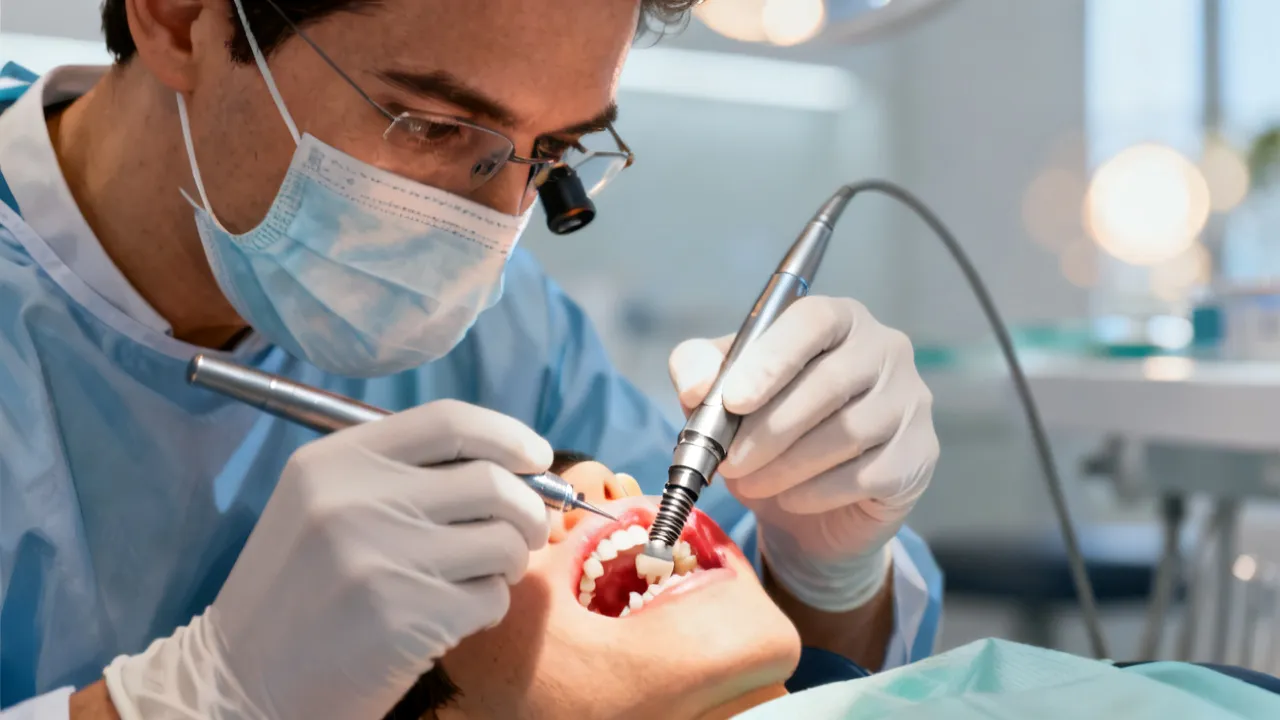
Scaling removes mineralized deposits that cannot usually be eliminated with a toothbrush or dental floss alone. A clinician may use hand instruments, powered ultrasonic equipment, or a combination of methods. The procedure can be limited to visible tooth surfaces or may include subgingival areas when periodontal pockets and calculus are present.
Before treatment, a dental professional normally reviews the patient’s medical and dental history and examines the gums. In some cases, periodontal measurements and dental radiographs are needed to evaluate bone levels, root surfaces, cavities, or other conditions. The treatment plan depends on the amount and location of calculus, gum inflammation, pocket depth, sensitivity, oral hygiene, and the patient’s general health.
Routine preventive cleaning and periodontal scaling are not identical. A routine cleaning is generally aimed at plaque, light calculus, and surface stain above the gumline. Periodontal instrumentation is more extensive and may be performed in sections, sometimes with local anesthetic. The terminology varies by country and clinic, so patients should ask exactly what is included in the proposed appointment.
Some clinics use terms such as “deep cleaning,” “root surface debridement,” “scaling and root planing,” or “periodontal therapy.” These terms can describe different levels of treatment. Patients should not assume that every service described as a cleaning includes the same examination, anesthesia, instrumentation, polishing, fluoride treatment, or follow-up. A clear explanation before the appointment helps prevent confusion about both the procedure and the fee.
The Main Scaling Disadvantages
1. Temporary Tooth Sensitivity
Tooth sensitivity is one of the most common disadvantages associated with scaling. Patients may notice discomfort when drinking cold water, eating hot food, breathing cold air, or consuming sweet or acidic items. Sensitivity may be more noticeable when calculus has covered exposed root surfaces or when gum inflammation has caused the gum margin to swell.
Root surfaces do not have the same enamel protection as the visible crowns of teeth. Once deposits are removed and the gum tissue becomes healthier, these surfaces may respond more noticeably to temperature. Sensitivity usually decreases as the tissues settle, but the duration varies according to gum condition, enamel wear, recession, cracks, fillings, erosion, and individual pain sensitivity.
Patients can reduce discomfort by using a soft-bristled toothbrush, avoiding extreme temperatures for a short period, and asking a dentist whether a desensitizing toothpaste is suitable. Brushing should not be stopped because plaque accumulation can prolong inflammation. If sensitivity continues beyond the expected recovery period, the clinician should check for decay, a cracked tooth, defective restoration, enamel erosion, or significant recession.
Not all sensitivity after scaling is caused by the scaling itself. A tooth with an untreated cavity, a worn filling, a fractured cusp, or an inflamed nerve may become noticeable after the patient begins paying closer attention to the mouth. If the pain lingers after hot or cold stimulation, occurs spontaneously, or wakes the patient at night, a dental examination is particularly important.
2. Gum Tenderness and Minor Bleeding
Inflamed gums may bleed during or shortly after scaling. Tenderness can occur when instruments contact swollen tissue or when hardened deposits have been attached close to the gumline. Mild bleeding is not automatically evidence of injury; it can indicate that the gums were already inflamed. Nevertheless, the amount and duration matter.
Heavy bleeding, uncontrolled bleeding, or bleeding that persists should be reported. People taking anticoagulant or antiplatelet medication, those with bleeding disorders, and patients with complex medical histories should provide complete information before treatment. They should not independently stop prescribed medication to prepare for dental cleaning.
Gentle brushing and careful interdental cleaning are generally important after scaling, but the clinician may give specific instructions when the gums are particularly sensitive. Alcohol-based mouth rinses may irritate some patients, while warm salt-water rinsing may be recommended in selected situations. Any home-care recommendation should be compatible with the patient’s diagnosis and medical history.
Gum tenderness is often more noticeable after deeper periodontal instrumentation than after a routine cleaning. The patient may experience a bruised or “tight” sensation around particular teeth. Soft foods, moderate temperatures, and a careful brushing technique may make the first day or two more comfortable. If the gums become increasingly swollen instead of gradually improving, the patient should contact the clinic.
3. Temporary Irritation From Instruments or Equipment
Ultrasonic scalers use vibration and water irrigation to disrupt deposits. Some patients find the vibration, sound, spray, or sensation uncomfortable. Hand instruments may also create pressure around sensitive teeth. The experience is influenced by the amount of calculus, the location of deposits, the condition of the gums, and the clinician’s technique.
Patients can ask for pauses, suction adjustments, topical anesthetic, or local anesthesia when appropriate. A history of a strong gag reflex, dental anxiety, sensitivity, or a previous difficult cleaning should be discussed before treatment. Clear communication can improve comfort without compromising the clinical purpose of the procedure.
People with a heightened sensitivity to sound or vibration may prefer to discuss whether hand instrumentation, shorter appointments, or treatment in smaller sections is possible. Patients with a pronounced gag reflex may benefit from sitting more upright, using effective suction, and agreeing on a hand signal to request a pause. These arrangements are practical and should not be viewed as an inconvenience to the dental team.
4. The Appearance of Larger Spaces Between Teeth
After substantial calculus is removed and swollen gums shrink, spaces between teeth may appear more visible. This can surprise patients who expected their smile to look immediately fuller or smoother. In many cases, the deposits and swollen tissue had been masking pre-existing space or gum recession.
The visible change does not necessarily mean that scaling created a gap. It may reveal the underlying shape of the teeth and the condition of the supporting tissues. If bone loss has occurred as a result of periodontal disease, cleaning cannot restore lost bone by itself. A periodontist or general dentist can explain the prognosis and discuss whether additional periodontal treatment is needed.
Food may also collect in areas that were previously blocked by calculus. Although this can be frustrating, appropriately sized interdental brushes or other cleaning aids may reduce the problem. The dental professional should demonstrate the correct size and technique rather than advising the patient to force floss or a brush into a tight space.
5. Root Surface Roughness or Uneven Sensation
Patients may feel roughness with their tongue for a short period after calculus is removed. Root surfaces can have irregularities, and a clinician may need to carefully smooth contaminated areas. The goal is not to remove healthy tooth structure. Excessive removal would be inappropriate and may increase sensitivity or weaken the tooth.
Patients who continue to feel a sharp edge, rough filling, or persistent area of irritation should return for an examination. The sensation could relate to residual calculus, a fractured restoration, enamel wear, an overhanging filling, or an unrelated dental problem.
It is normal for the tongue to detect small changes because it is highly sensitive. Repeatedly rubbing the area with the tongue, fingernail, or another object can increase irritation and make a minor sensation seem worse. If the roughness remains after several days or interferes with eating, the clinic can determine whether polishing, restoration adjustment, or further treatment is needed.
6. Scaling Does Not Permanently Prevent New Calculus
Calculus forms when plaque mineralizes. Scaling removes existing deposits, but it does not change the biological factors that allow plaque to accumulate. Inadequate brushing, limited interdental cleaning, dry mouth, tobacco use, dietary patterns, crowded teeth, and certain medications may contribute to repeated buildup.
For this reason, scaling should be viewed as one part of an ongoing oral-health plan. The suitable recall interval differs among patients. Some people may need routine preventive visits, while those with periodontal disease may require a structured maintenance program. A fixed interval should not be assumed without an examination.
Saliva composition also influences how quickly calculus forms. Some individuals develop deposits rapidly even when they make a sincere effort to brush. This does not mean that home care is useless; daily plaque removal still reduces inflammation and the amount of material available to mineralize. A dental professional can help identify areas that are consistently missed and recommend a more efficient routine.
7. It May Not Resolve Advanced Periodontal Disease
Scaling can be an important initial treatment for periodontal disease, but deeper pockets, complex root anatomy, furcation involvement, severe bone loss, or persistent infection may require additional care. Depending on the diagnosis, treatment can involve repeated periodontal instrumentation, specialist referral, surgery, antimicrobial management, or a carefully monitored maintenance plan.
One disadvantage of relying only on scaling is the risk of delaying necessary treatment. A patient who has loose teeth, spontaneous gum bleeding, persistent bad breath, pus, pain when chewing, or changing tooth position should not assume that another routine cleaning is sufficient.
Periodontal disease can progress with relatively little pain. This is why a patient should not judge the seriousness of gum disease only by how the mouth feels. Periodontal measurements, radiographs, bleeding patterns, recession, mobility, and bone levels provide information that cannot be obtained from symptoms alone. A comprehensive evaluation is more useful than repeating an identical cleaning without reassessing the diagnosis.
8. Cost, Time, and the Need for Multiple Visits
Although scaling is generally less extensive than restorative or surgical dentistry, the cost and time can be meaningful. A patient with extensive deposits or periodontal pockets may need several appointments. Local pricing depends on the city, clinic, equipment, clinician, anesthesia, radiographs, periodontal measurements, and whether specialist care is involved.
When comparing prices, patients should confirm whether the quotation includes examination, imaging, local anesthetic, post-treatment review, and maintenance. A very low initial fee may not represent the total cost of clinically appropriate care.
Multiple visits can be inconvenient for people who work irregular hours, live far from the clinic, care for children, or have mobility limitations. Nevertheless, dividing treatment into shorter appointments may improve comfort and allow the clinician to monitor the response of the tissues. Patients should discuss scheduling constraints early so that the treatment plan is realistic rather than repeatedly postponed.
9. Medical and Procedural Considerations
Most patients can receive routine scaling safely, but the dental team should know about pregnancy, diabetes, immune suppression, heart conditions, bleeding disorders, allergies, current medicines, and previous reactions to dental treatment. The need for antibiotic prophylaxis is limited to specific medical circumstances and must be determined by the treating healthcare professionals.
Patients with respiratory conditions may find aerosol-generating procedures uncomfortable. Clinics should follow applicable infection-control and equipment protocols. The patient’s medical circumstances, rather than general internet advice, should guide decisions about timing and precautions.
Diabetes that is poorly controlled may affect healing and increase the risk of oral infection, while dry mouth can increase plaque retention and decay risk. Patients should not conceal medical information because they fear that treatment will be refused. Accurate information allows the dental team to modify the appointment, coordinate with a physician, or recommend treatment at a safer time.
10. Anxiety and Emotional Discomfort
Dental anxiety is another potential disadvantage, particularly for people who associate scaling with bleeding, vibration, scraping sounds, or previous painful experiences. Anxiety can cause muscle tension, a stronger gag reflex, rapid breathing, and difficulty remaining still, all of which can make the appointment feel more demanding.
Patients can ask the clinic to explain each stage before beginning, agree on a stop signal, use headphones where practical, or schedule a shorter introductory visit. Some patients may benefit from behavioral support, topical anesthetic, local anesthesia, or sedation assessment. Sedation is not appropriate for everyone and requires its own medical screening, consent, and transportation arrangements.
When Scaling Is Usually Appropriate
Scaling may be appropriate when a clinician identifies calculus, plaque retention, gingival inflammation, external stain, or periodontal deposits. It can support professional maintenance after periodontal treatment and may help patients establish more effective home-care habits.
The procedure is not intended to remove healthy enamel or to make teeth artificially white. Surface stain from coffee, tea, tobacco, or certain foods may improve, but intrinsic discoloration usually requires a separate assessment. Patients considering whitening should first address active decay, gum disease, sensitivity, and defective restorations.
Scaling is also commonly used before certain restorative or prosthetic procedures when inflammation or deposits could interfere with diagnosis and maintenance. Healthier gums make it easier to assess tooth margins, record periodontal conditions, and plan crowns, bridges, dentures, or implants. However, the exact sequence should be determined by the treating dentist.
When to Postpone or Reassess Scaling
A patient should request an evaluation before treatment when there is unexplained severe tooth pain, facial swelling, fever, an abscess, significant mouth ulceration, a recently injured tooth, or uncontrolled medical disease. Scaling may still become part of the eventual plan, but the immediate priority could be emergency treatment or medical stabilization.
Patients with dental implants, crowns, bridges, veneers, orthodontic appliances, or exposed roots should inform the clinician. Instruments and polishing materials may need to be selected carefully. Implant maintenance is particularly important because tissues around implants can become inflamed, yet the cleaning method must be compatible with the implant surface and restoration.
Scaling may also need to be coordinated with recent oral surgery, tooth extraction, periodontal grafting, or placement of a temporary restoration. The patient should ask the surgeon or dentist when the area can be cleaned and what should be avoided. General advice found online cannot account for the exact wound, sutures, graft material, or medication used.
How to Reduce Scaling Disadvantages
- Obtain a diagnosis first. Ask whether the visit is preventive cleaning, periodontal scaling, or another procedure.
- Share a complete medical history. Include medicines, allergies, pregnancy, diabetes, bleeding concerns, and prior dental reactions.
- Discuss sensitivity in advance. The clinic may adjust water temperature, instrument settings, appointment length, or anesthesia.
- Use gentle home care. A soft toothbrush and appropriate interdental cleaning help control plaque without aggressive pressure.
- Follow post-treatment advice. Temporary dietary changes or desensitizing products may be recommended.
- Attend periodontal maintenance visits when advised. Delayed follow-up can allow inflammation and deposits to return.
- Report unusual symptoms. Persistent pain, swelling, pus, fever, or mobility is not an expected routine response.
- Use the correct cleaning aids. Interdental brushes, floss, water irrigators, and single-tufted brushes are not interchangeable for every mouth.
- Avoid tobacco during recovery. Tobacco can irritate tissues and is associated with poorer periodontal outcomes.
- Ask for written instructions. Clear instructions are useful when treatment involves several areas or local anesthesia.
Aftercare and Recovery
After scaling, the gums may feel tender and the teeth may respond to temperature. Many patients can resume normal activities immediately, although a softer diet may be more comfortable for the remainder of the day. If local anesthetic has been used, patients should avoid chewing until normal sensation returns so that they do not accidentally bite the cheek, lip, or tongue.
Brushing should generally continue with a soft brush and light pressure. Plaque control is particularly important after periodontal treatment because the tissues are beginning to heal and are vulnerable to renewed inflammation. The clinician may recommend a prescription rinse or a short-term desensitizing product, but patients should use these only as directed.
Very hot foods, alcohol, smoking, and vigorous rinsing may aggravate tender tissues in the early period. Patients should follow the specific instructions provided by their clinic because recommendations can differ depending on whether the procedure was routine scaling, deep instrumentation, or treatment around an implant.
Urgent dental advice is appropriate for uncontrolled bleeding, rapidly increasing swelling, severe pain, fever, a bad taste associated with pus, facial swelling, difficulty swallowing, or breathing difficulty. These symptoms may indicate a problem that is not a normal part of recovery.
Scaling Compared With Dental Implants
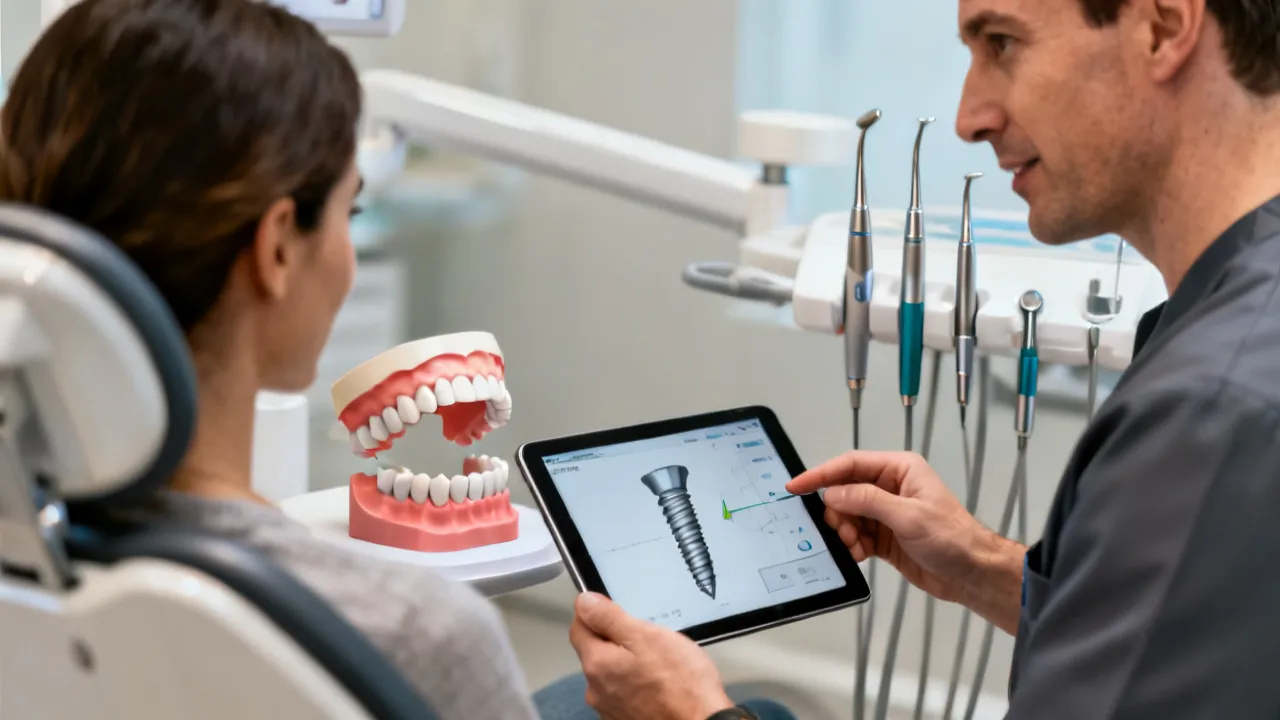
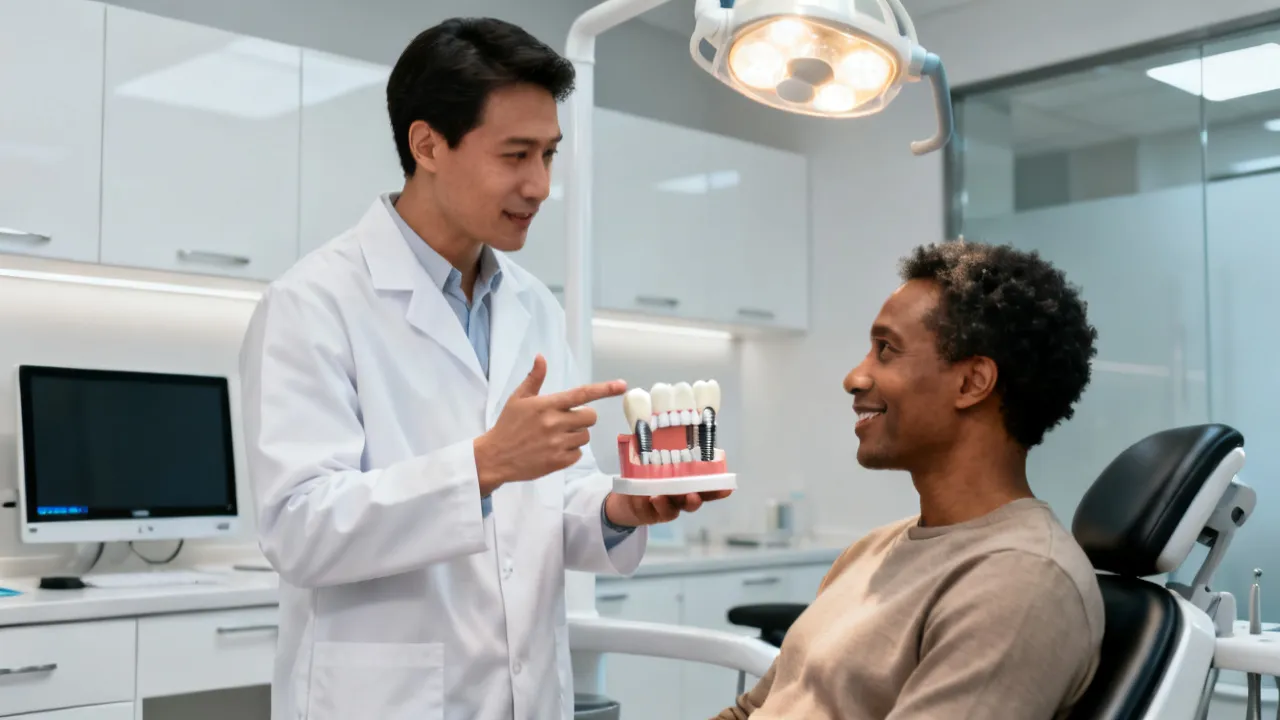
Scaling and dental implants address different problems. Scaling manages deposits and gum inflammation around natural teeth and, with suitable methods, around implant restorations. A dental implant replaces the root portion of a missing tooth and usually supports a crown, bridge, or denture. Implant treatment may involve examination, imaging, extraction, bone preservation or grafting, implant placement, healing, an abutment, and a final restoration.
Patients who are missing teeth sometimes focus on the implant price alone. An expert assessment should also consider periodontal health, bone volume, bite forces, smoking or tobacco exposure, diabetes control, oral hygiene, restoration quality, and long-term maintenance. Active periodontal disease should be addressed before implant placement because inflammation can compromise the surrounding tissues.
Scaling may therefore be relevant before and after implant treatment. Before surgery, it can help establish a healthier oral environment. After restoration, professional maintenance and daily cleaning help protect both natural teeth and implant-supported restorations. However, scaling cannot substitute for implant planning or surgical care.
Alternatives to an implant may include a conventional fixed bridge, a resin-bonded bridge, or a removable partial denture. Each alternative has advantages and disadvantages involving cost, tooth preparation, stability, appearance, maintenance, and longevity. A patient should compare these options rather than assuming that an implant is automatically the only or best solution.
Ways to Obtain Dental Implants at Lower Cost
Lower-cost implant treatment should mean efficient, transparent, evidence-informed care rather than choosing the lowest advertised fee without checking what is included. The following process can help patients compare options responsibly.
1. Clarify the Complete Treatment Scope
Ask the clinic to identify each component: consultation, radiographs or three-dimensional imaging, extraction, bone grafting, implant fixture, abutment, temporary tooth, crown, anesthesia, laboratory work, medicines, follow-up, and maintenance. A quoted “implant price” may refer only to the fixture and not the complete restored tooth.
2. Obtain More Than One Written Treatment Plan
Comparing two or three written plans can reveal differences in materials, timelines, surgical complexity, and included services. The plans should be compared clinically, not only by headline price. A lower estimate that excludes grafting or the final crown may ultimately cost more.
3. Consider Accredited Local Clinics
Choosing a properly licensed clinic near the patient’s home can reduce travel, accommodation, translation, and emergency-visit expenses. Local follow-up is especially valuable if healing is slower than expected or if the restoration requires adjustment. Patients should verify professional registration and the clinic’s infection-control and emergency arrangements through official or local regulatory channels.
4. Ask About Training and Case Experience
Patients should ask who will place the implant, who will design the restoration, and whether the team manages bone grafting, periodontal disease, complications, and implant maintenance. A formal qualification and appropriate clinical experience are more meaningful than promotional claims or social-media popularity.
5. Compare Implant Systems Without Treating Branding as the Only Measure
Clinics may use different implant manufacturers and restorative materials. Patients should receive the implant system’s identifying information and documentation for future care. A less expensive system is not automatically unsuitable, but the clinic should be able to explain its evidence base, availability of replacement components, warranty terms, and long-term maintenance requirements.
6. Address Oral Disease Before Surgery
Treating cavities, gum disease, infection, and poor oral hygiene before surgery may reduce avoidable complications. It may also prevent the patient from paying for an implant that cannot be predictably maintained. Scaling, periodontal therapy, and restorative care can form part of the preparation plan when indicated.
7. Ask About Dental Schools and Structured Care Programs
University dental hospitals and teaching clinics may offer lower fees under supervision, although waiting times and eligibility criteria can apply. Patients should ask about the supervising clinician, treatment stages, appointment duration, and whether the service provides the full implant pathway or only selected components.
8. Examine Insurance and Dental Plans Carefully
Dental insurance or membership plans may contribute to examinations, extractions, imaging, periodontal care, or restorations, but coverage for implants varies widely. Patients should review exclusions, waiting periods, annual limits, preauthorization requirements, missing-tooth clauses, and participating providers. A plan should be judged by its complete terms rather than a statement that it “covers implants.”
9. Consider Staged Treatment Only When Clinically Appropriate
Some patients may need to spread treatment across several months for financial or medical reasons. The dentist should explain which steps are urgent, which can be delayed safely, and how delaying a missing tooth may affect bone, neighboring teeth, function, or appearance. Staging should not omit necessary diagnostics or maintenance.
10. Evaluate Dental Tourism With Caution
Traveling abroad can produce a lower advertised price, but the decision involves airfare, accommodation, time away from work, language barriers, follow-up visits, medical records, and management of complications after returning home. Patients should verify the clinic’s licensing, the treating clinician’s credentials, sterilization procedures, implant documentation, emergency plan, and responsibility for post-operative care.
Short treatment schedules may not allow sufficient healing assessment. If a graft or implant fails, a return trip can cost more than the initial saving. Patients considering dental tourism should obtain an independent examination before travel and keep copies of imaging, implant labels, prescriptions, and treatment records.
11. Avoid Decisions Based Only on Discounts
A limited-time promotion may exclude the crown, grafting, imaging, or maintenance. It may also encourage treatment before the patient has received a full diagnosis. Patients should ask for a written, itemized quotation and clarify whether taxes, laboratory charges, sedation, and emergency reviews are included.
12. Account for Long-Term Maintenance
The initial procedure is only one part of the financial commitment. Implant crowns may eventually require repair or replacement, and professional maintenance visits may be needed. A patient who selects a clinic that cannot provide compatible replacement components or accessible follow-up may face additional expense later. The best comparison therefore includes likely maintenance costs, not only the day of surgery.
Conditions and Requirements Before Implant Treatment
- Clinical examination: The dentist evaluates missing teeth, remaining teeth, bite, gums, oral hygiene, and functional goals.
- Imaging: Panoramic or three-dimensional imaging may be recommended to assess bone and anatomical structures.
- Periodontal stability: Active gum disease should normally be treated and monitored before implant placement.
- Medical review: Diabetes, osteoporosis medication, immune conditions, bleeding risks, and smoking should be discussed.
- Realistic expectations: Implant treatment has healing stages and requires long-term cleaning and professional maintenance.
- Written consent: The plan should explain alternatives, risks, materials, fees, timing, and follow-up responsibilities.
- Restorative planning: The final crown, bridge, or denture should be planned before surgery rather than treated as an afterthought.
- Home-care ability: The patient should understand how to clean around the planned restoration and attend maintenance visits.
- Risk-factor management: Smoking, uncontrolled diabetes, poor plaque control, and untreated grinding may need attention before treatment.
Comparison of Dental Information Websites
The following websites represent different types of dental information and service resources. They should be used as starting points for questions, not as substitutes for an examination. Pricing, eligibility, service availability, and clinical standards must be verified directly with the relevant provider.
| Website and region | Primary focus | Useful features for comparison |
|---|---|---|
| Dental Views — English-language resource | Low-cost dental implants | General explanations of implant benefits, treatment types, processes, common questions, and cost considerations. |
| Atlantic Dental Group — English-language clinic resource | Broad dental services | Potential information on cleaning, orthodontics, implants, emergency care, appointments, locations, and clinical teams. |
| DentaVacation — international dental tourism resource | Dental treatment abroad | Country comparisons, procedure information, travel arrangements, and affordability considerations. |
| ADHP / Rockville Dental Arts Spanish-language resource | Dental plans and clinical services | Information related to dental coverage, treatment options, implants, cleaning, orthodontics, whitening, and emergencies. |
| Union City Mini Dental Implants — Spanish-language clinic resource | Mini dental implants | Specialized information about mini implants and possible applications for selected patients. |
| Cigna Spanish-language guide | Implant education and insurance context | General explanations of implant treatment and considerations relevant to insured patients. |
| Rubi Odonto — Portuguese-language clinic resource | General and restorative dentistry | Information on orthodontics, whitening, implants, clinical staff, and patient-service details. |
| Odontologia Velasco — Portuguese-language clinic resource | Implants, prosthetics, and aesthetic dentistry | Information on restorative options and the use of contemporary dental technology. |
| DentalVidas — Portuguese-language dental plan resource | Dental plans | Information on individual, family, and business plans, provider networks, and emergency-service arrangements. |
Source: The websites and descriptions supplied for this article.
source: www.dentalviews.com/low-cost-dental-implants
source: www.atlanticdentalgrp.com
source: www.dentavacation.com
source: rockvilledentalarts.com/es
source: unioncityminidentalimplants.com/es
source: www.cigna.com/es-us/knowledge-center/guide-to-dental-implants
source: www.rubiodonto.com.br
source: odontologiavelasco.com.br
source: dentalvidas.com.br
Reference Price Ranges for One Dental Implant
The following figures concern an individual dental implant and are presented for broad comparison. Depending on the source and clinic, “implant price” may refer to the implant fixture alone or may be used loosely for a larger treatment package. Patients should confirm whether the abutment, crown, imaging, extraction, grafting, anesthesia, laboratory work, and follow-up are included.
| Country | Currency | Indicative price range for one dental implant |
|---|---|---|
| United States | USD | US$3,000–US$6,000 |
| United Kingdom | GBP | £2,000–£2,500 |
| Australia | AUD | AU$3,500–AU$6,500 |
| Canada | CAD | CA$3,000–CA$5,500 |
| Spain | EUR | €1,500–€2,500 |
| Chile | CLP | CLP$800,000–CLP$1,500,000 |
| Mexico | MXN | MX$15,000–MX$25,000 |
| Colombia | COP | COL$2,000,000–COL$4,000,000 |
| Peru | PEN | S/ 3,000–S/ 6,000 |
| Argentina | ARS | ARS$80,000–ARS$150,000 |
| Brazil | BRL | R$3,000–R$8,000 |
| Portugal | EUR | €1,000–€2,000 |
| Germany | EUR | €2,000–€3,500 |
| France | EUR | €1,500–€2,500 |
| Italy | EUR | €1,500–€3,000 |
| Japan | JPY | ¥300,000–¥700,000 |
These figures should not be interpreted as fixed national prices or as a guarantee of treatment quality. Prices can change because of inflation, exchange rates, laboratory costs, technology, clinician experience, local regulation, and the complexity of the patient’s anatomy. A patient needing a simple single-tooth restoration may receive a very different quotation from a patient who needs extraction, bone grafting, sinus augmentation, or treatment for periodontal disease.
How to Compare Implant Quotes Properly
A sound comparison begins with the same clinical scope. For example, one clinic may quote only the implant fixture, while another includes the abutment and crown. One plan may require a bone graft, while another assumes sufficient bone volume. Comparing those figures as though they describe the same procedure can produce a misleading conclusion.
Ask the clinic to answer the following questions in writing:
- Does the fee include the initial consultation and diagnostic imaging?
- Is tooth extraction included if the tooth is still present?
- Is bone grafting or sinus augmentation excluded or included?
- Does the price cover the implant fixture, abutment, and final crown?
- Who performs the surgery and who provides the restoration?
- Are temporary teeth included during the healing period?
- What type of material is used for the crown?
- How many follow-up visits are included?
- What happens if the implant does not integrate or the restoration needs adjustment?
- Will the patient receive the implant brand, model, and treatment records?
- Are medicines, sedation, and emergency visits charged separately?
- What maintenance schedule does the clinic recommend after completion?
Patients should also ask whether the clinic provides emergency contact instructions outside regular hours. This is especially important for people traveling from another region or country. A responsible clinic should explain foreseeable risks, alternatives such as a conventional bridge or removable partial denture, and the consequences of choosing no treatment.
Written treatment plans are useful because they give patients time to consider the information without feeling pressured during a consultation. Patients may ask whether the proposed treatment is urgent, whether there is a temporary alternative, and whether a second opinion would be reasonable. A clinician who explains alternatives clearly is generally more helpful than one who presents a single expensive option as inevitable.
Dental Tourism and Language Considerations
Dental tourism resources may help patients identify international treatment options, but online comparisons cannot establish that a particular clinic is suitable. Language access is valuable, especially when discussing consent, medication, complications, and long-term maintenance. Spanish-language and Portuguese-language resources may help patients prepare questions, but a translated webpage does not by itself verify the quality of a clinical service.
Patients traveling to Spanish-speaking countries should confirm the terminology used for implant components, the currency and tax treatment of the quotation, and the availability of follow-up care. In Portuguese-speaking markets, the same principles apply: ask for a detailed orçamento or written estimate and verify whether the final prótese, imaging, and maintenance are included. Patients returning home should bring all records in a format their local dentist can understand.
Travel planning should allow enough time for examination and informed consent before surgery. A rushed schedule may make it difficult to identify gum disease, bone limitations, or medical concerns. If treatment requires multiple stages, the patient should understand how many visits are needed and who will manage the next stage.
Patients should be cautious about clinics that guarantee success, promise treatment for every patient in a very short period, or use unusually aggressive discounting. Every surgical procedure has risks, and implant suitability depends on individual examination findings. A clinic should explain what happens if the implant fails, the crown fractures, infection develops, or the patient cannot return for a planned appointment.
Scaling After Dental Implant Treatment
Implant-supported teeth still require daily hygiene and professional maintenance. Plaque can accumulate around implant crowns, abutments, and adjacent natural teeth. The instruments and polishing materials used around implants may differ from those used on natural enamel, depending on the implant surface and restoration design.
Patients should not attempt aggressive scraping at home. Hard objects can injure the gums or damage restorative surfaces. Instead, the dental team may recommend a soft toothbrush, interdental brushes of an appropriate size, specialized floss, an oral irrigator, or another method based on the implant design.
Warning signs around an implant include bleeding, swelling, persistent bad taste, pus, pain, increasing mobility, or a change in the bite. These symptoms should be assessed rather than managed only with repeated cleaning. Early evaluation may help identify inflammation or mechanical problems before they become more complex.
Professional maintenance should include examination of the implant crown, surrounding gum tissue, neighboring teeth, bite, and, when indicated, radiographic review. The frequency depends on the patient’s periodontal history, hygiene, smoking status, medical conditions, and the design of the restoration. An implant is not immune to disease simply because it is made from artificial materials.
Expert Perspective: Balancing Benefit and Risk
From a clinical-planning perspective, the most important question is not whether scaling has disadvantages, but whether the expected benefit outweighs the foreseeable inconvenience for this particular patient. Removing deposits from inflamed areas can support periodontal health, yet the procedure should be carefully adapted to sensitivity, medical history, restorative work, and periodontal findings.
The same risk-benefit principle applies to dental implants. A lower price is meaningful only when the treatment is appropriately diagnosed, competently delivered, fully restored, and supported by follow-up care. Patients should resist both extremes: assuming that every inexpensive option is unsafe, or assuming that a premium price guarantees a superior result. Documentation, qualifications, transparent fees, suitable materials, and a clear maintenance plan are stronger indicators of responsible care.
Objective decision-making also requires separating temporary effects from true complications. Mild sensitivity after scaling may be expected, whereas persistent severe pain is not. A visible space after gum swelling resolves may reflect the original periodontal condition, whereas an increasingly loose tooth requires investigation. Similarly, normal healing after implant surgery differs from infection or mechanical instability. Patients should receive specific instructions about what to monitor and when to contact the clinic.
Patients should also recognize the value of prevention. Effective brushing, interdental cleaning, management of dry mouth, reduced tobacco exposure, balanced nutrition, and regular examinations may reduce the amount of future scaling required. Prevention does not eliminate the need for professional care in every patient, but it can make appointments shorter, more comfortable, and less extensive.
Practical Checklist for Patients
- Schedule an examination before selecting scaling or implant treatment.
- Ask whether periodontal measurements and imaging are needed.
- Disclose all medicines and relevant medical conditions.
- Request an itemized written estimate.
- Separate the cost of the implant fixture from the cost of the completed tooth.
- Confirm the clinician’s qualifications and the clinic’s regulatory status.
- Ask about implant brand documentation and replacement components.
- Clarify the number of appointments and expected healing stages.
- Plan for professional maintenance after treatment.
- Obtain a second opinion when surgery, grafting, extensive periodontal disease, or a major financial commitment is involved.
- Ask how sensitivity, bleeding, or pain will be managed after scaling.
- Confirm which symptoms require an urgent call to the clinic.
- Do not stop prescribed medicines without advice from the prescribing clinician.
- Keep copies of imaging, consent forms, invoices, implant labels, and treatment summaries.
Frequently Asked Questions
Does scaling damage tooth enamel?
Professional scaling is intended to remove deposits while preserving healthy tooth structure. The experience depends on the instrument, deposit type, tooth condition, and technique. Excessive or inappropriate instrumentation is undesirable. Persistent roughness, pain, or sensitivity should be evaluated by a dentist.
Why do my teeth feel sensitive after scaling?
Deposits may have covered root surfaces, or gum inflammation may have changed the way the tooth responds to temperature. Sensitivity is often temporary, but persistent symptoms can indicate decay, recession, erosion, cracks, or another condition.
Is bleeding after scaling normal?
Small amounts of bleeding can occur when inflamed gums are cleaned. Heavy, prolonged, or unexplained bleeding is not something to ignore. Patients taking blood-thinning medication should discuss it with the dental team and should not change medication without medical advice.
Can scaling make gaps between teeth?
Scaling can make pre-existing spaces more visible when calculus is removed and swollen gums reduce. It should not be used to remove healthy tooth structure. A periodontal examination can explain whether bone loss or recession is involved.
Does scaling whiten teeth?
Scaling may remove external deposits and stains, which can make teeth appear cleaner. It does not change the internal color of teeth and should not be presented as a substitute for clinically supervised whitening.
How often should scaling be performed?
There is no single interval suitable for everyone. The appropriate schedule depends on plaque control, calculus formation, periodontal history, smoking, medical conditions, dental restorations, and examination findings. A dentist or hygienist should recommend the recall interval.
Can I receive scaling if I have dental implants?
Implant patients generally need professional maintenance, but cleaning methods should be selected according to the implant and restoration. Inform the clinician about the implant system and any previous complications. Avoid self-scraping around the implant.
What is the least expensive way to obtain an implant?
The financially sensible approach is to compare complete, itemized treatment plans from properly qualified clinics. University teaching clinics, insurance contributions, staged treatment, and local care may reduce overall expenditure when clinically appropriate. The lowest advertised component price may not be the lowest total cost.
Is dental tourism always cheaper?
Not necessarily. Travel, accommodation, repeat visits, currency changes, complications, and follow-up care can materially change the total expense. Patients should compare the full pathway and establish how complications will be handled after returning home.
Can an implant be placed immediately after extraction?
Immediate placement may be suitable in selected cases, but it depends on infection, bone quality, gum condition, tooth position, and the treatment plan. It is not appropriate for every patient. The decision requires examination and imaging.
What should I do if scaling pain does not improve?
Contact the treating clinic. Persistent pain may be related to exposed roots, decay, a cracked tooth, an abscess, an uneven restoration, or another issue unrelated to routine post-treatment sensitivity. Severe swelling, fever, difficulty swallowing, or breathing difficulty requires urgent care.
Can I eat normally after scaling?
Many people can eat normally, but soft foods at a moderate temperature may be more comfortable for the first several hours. If anesthesia was used, avoid chewing until sensation returns. Follow any instructions given for a particular periodontal or surgical procedure.
Will gum recession grow back after scaling?
Gum tissue that has receded generally does not automatically return to its original position. Scaling may make recession more visible by removing deposits and allowing inflammation to subside. A dentist or periodontist can discuss monitoring, preventive care, or treatment options where appropriate.
Is deep cleaning painful?
Discomfort varies according to inflammation, pocket depth, sensitivity, and the treatment area. Topical anesthetic or local anesthesia may be used when appropriate. Patients should tell the clinician if they are uncomfortable so that the procedure can be adjusted rather than endured silently.
Conclusion
Understanding scaling disadvantages helps patients approach dental cleaning with realistic expectations. Temporary sensitivity, gum tenderness, minor bleeding, and newly visible spaces can occur, particularly when significant inflammation or calculus was present. These effects should be explained before treatment and monitored afterward. At the same time, scaling remains only one element of oral care and cannot replace diagnosis or treatment for advanced periodontal disease.
For patients considering implants, affordability should be assessed through the complete treatment plan rather than a single promotional figure. Comparing qualified providers, confirming inclusions, addressing gum disease, reviewing insurance terms, and planning long-term maintenance can help control costs without sacrificing essential care. The final decision should be made with a licensed dental professional who has examined the patient directly.
The most reliable approach is individualized planning. A patient should know what problem is being treated, why scaling or implant treatment has been recommended, what alternatives exist, how much the complete plan is expected to cost, and what follow-up will be needed. Good communication before treatment can reduce anxiety, prevent unexpected expenses, and make it easier to recognize symptoms that need attention.
Disclaimer
1. The information above is compiled from online resources, and the data is as of October 2023.
2. Dental implant prices are for reference only and may vary by region, clinic, doctor, treatment complexity, materials, exchange rates, and the services included in the quotation. This article is educational and does not replace individualized diagnosis or medical advice.
3. Website descriptions and price ranges may change over time. Patients should verify current information directly with clinics, insurers, professional regulators, and qualified dental practitioners.