Understanding 스케일링 단점 and Dental Care Choices
This guide explains 스케일링 단점, or the potential disadvantages of professional dental scaling, including temporary sensitivity, gum discomfort, bleeding, and the limits of cleaning for advanced disease. It also outlines safer preparation, aftercare, when specialist evaluation is needed, and how to compare low-cost dental implant options in English-, Spanish-, and Portuguese-speaking markets. Prices are indicative only and depend on treatment complexity, location, and provider.
What 스케일링 단점 Means in Practical Dental Care
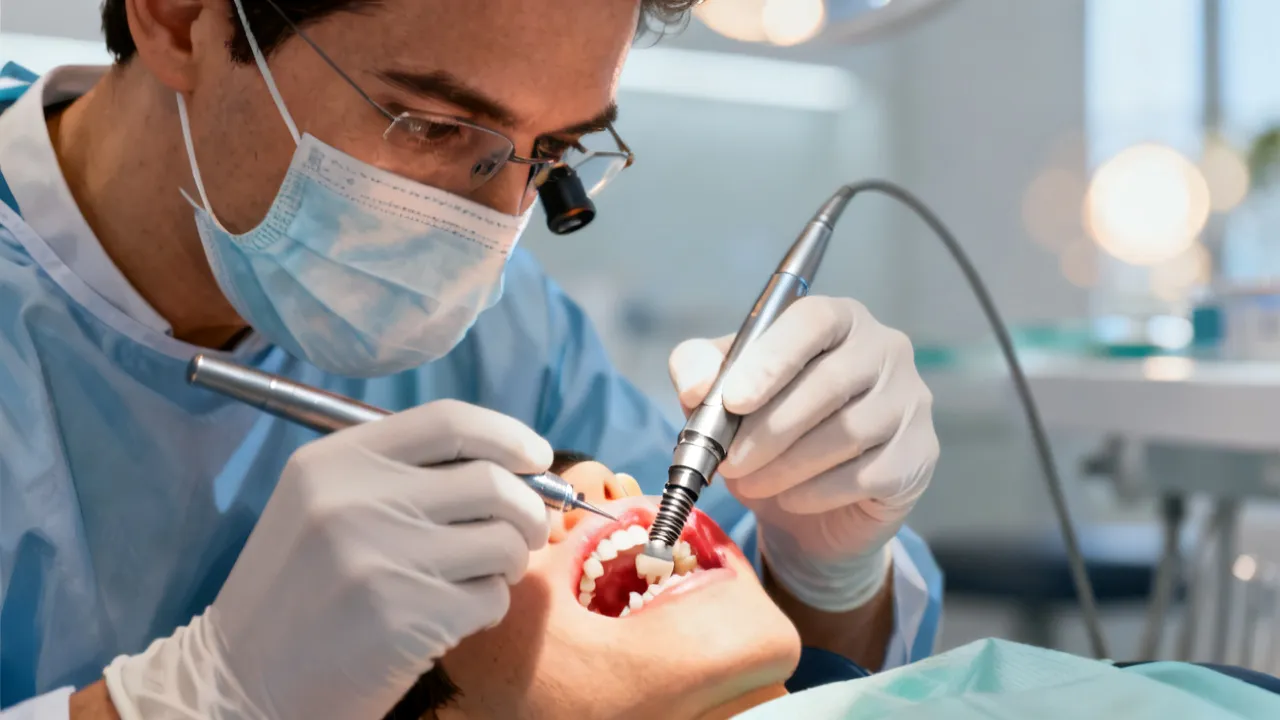
The Korean phrase 스케일링 단점 translates broadly as “the disadvantages of dental scaling.” Dental scaling is a professional procedure used to remove plaque, calculus, and deposits from tooth surfaces and, when clinically necessary, areas near or below the gumline. It is an important part of preventive and periodontal care, but, like any clinical procedure, it may cause temporary discomfort and does not solve every dental problem.
The most important point is that the potential disadvantages of scaling are usually manageable when the procedure is appropriately planned. Temporary sensitivity, mild gum bleeding, tenderness, or a rough sensation may occur after treatment. These effects are often related to the removal of deposits that had covered exposed tooth surfaces or inflamed gums. However, persistent pain, swelling, fever, pus, uncontrolled bleeding, or worsening symptoms should not be treated as routine aftercare effects.
Scaling is also not a substitute for fillings, root canal treatment, periodontal surgery, orthodontic care, or replacement of missing teeth. A patient may leave a cleaning appointment with a healthier mouth but still require treatment for decay, bone loss, infection, or tooth loss. An evidence-based dental plan therefore begins with diagnosis rather than with a procedure selected only because it is inexpensive or convenient.
Key Disadvantages of Dental Scaling
- Temporary tooth sensitivity: Cold drinks, air, or sweet foods may feel uncomfortable for several hours or days.
- Gum tenderness or bleeding: Inflamed gums can bleed during or shortly after the removal of deposits.
- Short-term soreness: Deep cleaning can produce more tenderness than routine supragingival scaling.
- Perception of wider spaces: When hardened deposits and swollen gum tissue are removed, spaces between teeth may appear more visible.
- Limited scope: Scaling cannot repair cavities, rebuild lost bone, or replace a missing tooth.
- Multiple appointments: Extensive calculus or periodontal disease may require staged treatment.
- Cost variation: Fees depend on the number of teeth, the depth of cleaning, anesthesia, imaging, and the clinician’s assessment.
- Need for maintenance: Scaling does not prevent new plaque or calculus from forming if daily oral hygiene remains inadequate.
- Temporary gum irritation: The gumline may feel tender, swollen, or unusually sensitive for a short period.
- Fear or treatment anxiety: The sound and vibration of ultrasonic instruments may be unpleasant for some patients.
- Possible discovery of hidden disease: Once deposits are removed, decay, recession, loose teeth, or periodontal pockets may become more apparent.
These disadvantages should be balanced against the clinical reason for treatment. Leaving calculus in place can make brushing less effective and may contribute to gum inflammation. The decision should be based on periodontal findings, medical history, symptoms, and the advice of a licensed dental professional.
How Dental Scaling Works
Plaque is a soft bacterial film that develops continuously on teeth. It contains bacteria, food particles, proteins, and other materials from the mouth. If it is not removed effectively, it can harden into calculus, also called tartar. A toothbrush and interdental cleaner can remove plaque, but they cannot reliably remove hardened calculus once it has strongly attached to a tooth surface.
Dental professionals use hand instruments, ultrasonic devices, or a combination of methods to detach these deposits. Ultrasonic scalers use vibration and water irrigation to break up calculus and flush away debris. Hand instruments allow the clinician to work carefully around individual teeth and in areas where a powered instrument may not be suitable. The equipment used does not necessarily determine whether treatment is “better”; the diagnosis, technique, and completeness of deposit removal are more important.
Routine scaling generally focuses on deposits above the gumline and around accessible tooth surfaces. It may be recommended during preventive examinations or when a patient has localized calculus. This type of cleaning is often completed in one appointment, although the appointment length depends on the number of teeth, the amount of deposit, and the patient’s tolerance.
Scaling and root planing is a more extensive periodontal procedure. It is used when deposits and bacterial contamination extend below the gumline and periodontal pockets are present. The clinician may smooth contaminated root surfaces so that the gum tissue has a better chance of healing and reattaching. Because the procedure may involve sensitive tissues and deeper areas, local anesthesia or several appointments may be appropriate.
The distinction matters when discussing 스케일링 단점. A patient who undergoes a routine cleaning may experience little discomfort, while a patient receiving periodontal debridement may have more sensitivity and soreness. Asking the clinic to explain the planned procedure, areas to be treated, estimated duration, and expected recovery can prevent confusion.
Temporary Sensitivity After Scaling
Sensitivity is one of the most commonly discussed disadvantages of dental scaling. It can result from several factors. Calculus may have covered portions of the tooth root, and removing it can expose surfaces that respond to temperature. Gum inflammation may also recede after treatment, leaving a small area of the root more exposed than before. Root surfaces do not have the same enamel protection as the visible crown of the tooth.
Some patients notice sensitivity because the cleaning process temporarily changes the condition of the gumline. If the gums were swollen, the tissue may become less puffy after inflammation decreases. This can make the teeth feel different when the tongue moves across them. A patient may also become more aware of spaces or root surfaces that were previously hidden by calculus or swollen tissue.
In most cases, post-scaling sensitivity is temporary. A dentist may recommend a desensitizing toothpaste containing an appropriate active ingredient, gentle brushing with a soft toothbrush, and avoidance of very hot, cold, acidic, or sweet foods for a short period. Patients should not stop brushing altogether because plaque can accumulate quickly after treatment. Brushing lightly but consistently is usually preferable to avoiding the area completely.
When drinking cold liquids, using a straw may reduce contact with sensitive teeth. Lukewarm foods may be more comfortable during the first day or two. Patients should avoid applying unapproved substances, concentrated acids, or abrasive powders to the teeth because these can increase sensitivity and wear.
Persistent or severe sensitivity may have another cause, including tooth decay, a cracked tooth, an exposed filling margin, enamel erosion, gum recession, or an irritated pulp. If symptoms continue or become sharper, a dental examination is more useful than simply repeating cleaning procedures. A tooth that reacts strongly to heat, produces spontaneous pain, or remains painful after the stimulus is removed may need evaluation for a deeper problem.
Bleeding and Gum Discomfort
Bleeding during scaling often reflects pre-existing gum inflammation rather than injury caused by the procedure. Inflamed tissue contains more fragile blood vessels and may bleed when deposits are removed or the gumline is gently examined. Mild bleeding can occur for a limited time after treatment, especially when deeper periodontal areas have been cleaned.
Gums that bleed frequently during ordinary brushing may already be showing signs of gingivitis or periodontitis. Avoiding professional cleaning because bleeding is present can allow the underlying inflammation to continue. In many cases, consistent professional and home care reduces bleeding over time, although advanced disease may require more comprehensive periodontal treatment.
Patients should follow the clinician’s instructions and maintain gentle oral hygiene. Vigorous rinsing, smoking, alcohol consumption, or aggressive brushing immediately after treatment may increase irritation. If a patient takes anticoagulant medication or has a bleeding disorder, the dentist should be informed before treatment. Medication should not be stopped without advice from the prescribing clinician.
Heavy bleeding that does not settle with appropriate pressure, swelling accompanied by fever, or difficulty swallowing requires prompt professional attention. These signs are not ordinary examples of 스케일링 단점 and may indicate a separate complication or infection. Patients who are uncertain about the amount of bleeding should contact the dental office rather than relying on online comparisons.
Why Teeth May Look More Spaced After Cleaning
Some patients feel that their teeth look longer or that gaps have appeared after scaling. In many cases, the deposits were occupying spaces between the teeth, while swollen gum tissue had partially filled or masked those areas. Once calculus is removed and inflammation begins to settle, the natural contours of the teeth and gums become more visible.
Scaling does not normally create new gaps in otherwise healthy tooth structure. However, a person with advanced periodontal disease may already have experienced loss of supporting bone and gum tissue. The cleaning process reveals, rather than causes, some of the visible effects of that disease. The dentist should explain the periodontal findings using measurements, photographs, or radiographs when clinically indicated.
Visible spaces can also result from normal tooth shape, previous orthodontic movement, missing teeth, gum recession, or loss of tissue between the teeth. If appearance is a concern, cosmetic bonding, orthodontic treatment, gum therapy, or restorative options may be discussed, but these treatments should not be undertaken before the underlying gum condition is controlled.
Changes in Tooth Surface Feel
After scaling, teeth may feel unusually smooth in some areas and rough in others. A rough area can be caused by remaining calculus, a natural root contour, an old filling, enamel irregularity, or a restoration margin. Patients sometimes interpret the unfamiliar feeling as damage, but a change in surface sensation does not by itself prove that enamel has been removed.
If a rough sensation persists, the dentist can inspect and polish the area when appropriate. Excessive polishing is not necessary for every patient, and polishing should not be used to hide an untreated cause. A rough filling, fractured restoration, or active decay may require a different type of treatment.
When Scaling May Need Additional Planning
Scaling is generally performed after a medical and dental history has been reviewed. Additional planning may be needed when a patient has significant heart disease, a compromised immune system, poorly controlled diabetes, a history of unusual bleeding, extensive periodontal infection, or difficulty tolerating dental treatment.
Some medical conditions may affect the timing, anesthesia plan, infection-control considerations, or the need to coordinate care with another physician. Antibiotics are not automatically required for dental scaling. Whether preventive antibiotics are appropriate depends on a patient’s specific medical risk and current clinical guidance. Patients should avoid requesting or taking antibiotics without a professional assessment.
Pregnancy is not an automatic reason to avoid necessary dental care. Hormonal changes can make the gums more prone to inflammation, and postponing needed treatment may allow disease to progress. The dental team should be told about pregnancy, medications, and any pregnancy-related medical concerns so the plan can be individualized.
Patients with strong dental anxiety may benefit from a slower appointment, topical anesthetic, local anesthesia, planned breaks, headphones, or other anxiety-management strategies. Sedation is not appropriate for everyone and requires its own medical screening and safety arrangements. A patient should be told whether they need an escort or must avoid driving after sedation.
How to Reduce the Disadvantages of Scaling
- Provide a complete medical history. Mention medications, allergies, pregnancy, diabetes, bleeding concerns, and previous reactions to dental procedures.
- Ask what type of cleaning is planned. Clarify whether the appointment involves routine scaling, periodontal debridement, or scaling and root planing.
- Discuss anesthesia. Local anesthesia may improve comfort during deeper periodontal treatment.
- Use appropriate aftercare. Follow instructions for brushing, interdental cleaning, rinsing, and eating.
- Manage sensitivity early. Ask whether a desensitizing toothpaste or fluoride product is suitable.
- Do not smoke after treatment. Tobacco can irritate healing gum tissue and is associated with poorer periodontal outcomes.
- Keep review appointments. A follow-up allows the clinician to assess gum response and determine whether further care is necessary.
- Improve daily plaque control. Professional treatment works best when supported by consistent brushing and cleaning between teeth.
- Eat comfortably. Soft, lukewarm foods may be easier to tolerate if the gums are tender after deeper cleaning.
- Report unusual symptoms. Early communication helps the clinic distinguish ordinary recovery from a problem requiring examination.
Interdental cleaning is especially important because toothbrush bristles do not fully reach the spaces between teeth. Depending on the size of the spaces, a dental professional may recommend floss, interdental brushes, a water flosser, or another device. Technique matters as much as the device. Forcing floss into the gums or using an interdental brush that is too large can cause unnecessary trauma.
Scaling Is Not a Treatment for Every Dental Concern
A common misunderstanding is that a thorough cleaning can resolve all oral health problems. It cannot. A cavity requires restorative treatment, while an infected pulp may require root canal treatment or extraction. Advanced gum disease may require periodontal therapy beyond routine scaling. Tooth loss requires an assessment of replacement options, such as a fixed bridge, removable prosthesis, or dental implant.
This distinction is important for people comparing dental prices. A low advertised fee may refer only to one stage of care. For example, an implant quotation may exclude a consultation, three-dimensional imaging, extraction, bone grafting, abutment, crown, temporary tooth, sedation, or follow-up appointments. A realistic comparison should identify what is included and whether the treatment plan is clinically appropriate.
Similarly, a cleaning fee may not include a complete examination, radiographs, periodontal charting, fluoride treatment, or treatment of a painful tooth. Patients should ask whether the appointment is for hygiene care only or includes a diagnostic assessment. A cleaning cannot be considered a complete dental checkup unless the relevant examination has also been performed.
Dental Implants: A Separate Treatment Decision
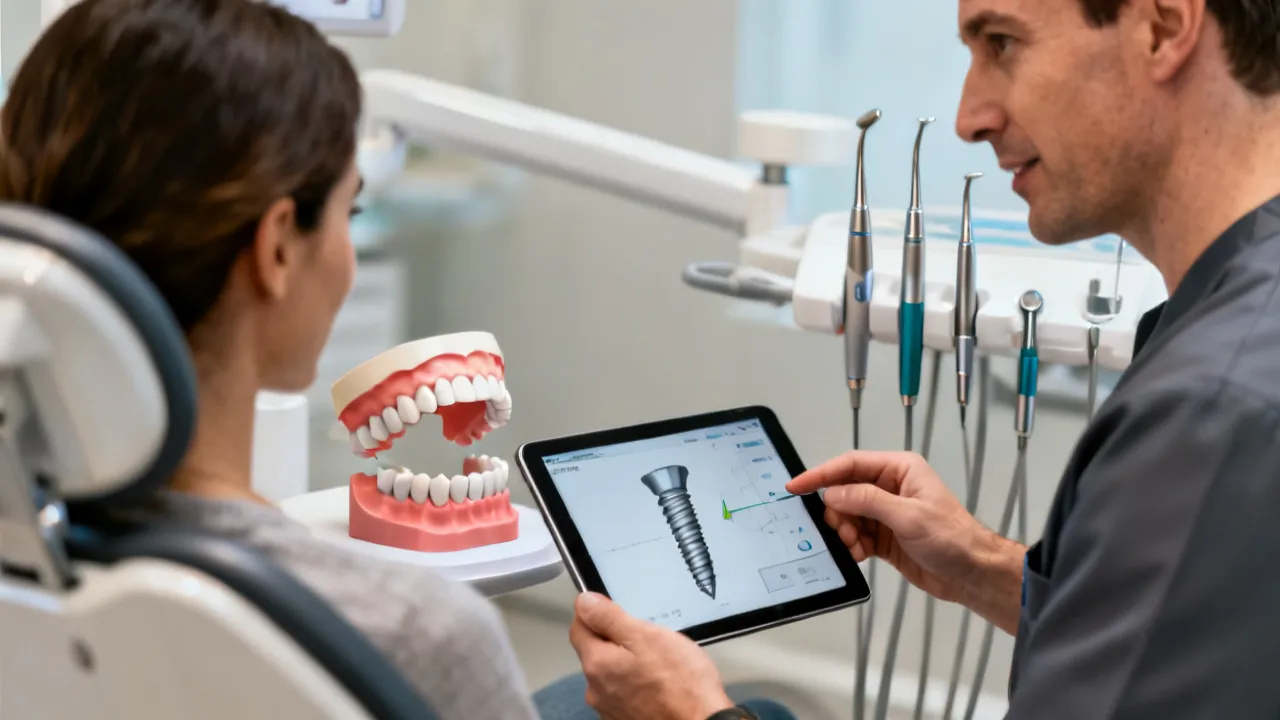
Dental implants replace the root portion of a missing tooth with a biocompatible fixture. After healing or integration, an abutment and crown are attached. The process may involve several stages, and not every patient is an immediate candidate. Bone volume, gum health, general health, oral hygiene, smoking status, bite forces, and expectations all influence treatment planning.
Scaling may be recommended before implant treatment because active gum inflammation and untreated periodontal disease can compromise the long-term environment around an implant. A clean mouth does not guarantee implant success, but controlling infection and improving daily hygiene are important parts of preparation.
Patients should also understand the difference between the price of an implant fixture and the price of a complete individual implant restoration. The complete restoration may include the implant, abutment, crown, consultation, imaging, surgical placement, temporary restoration, and maintenance. Price comparisons are meaningful only when the same components are being compared.
An implant is not immune to disease. Plaque can accumulate around the crown and gumline, and inflammation may develop in the tissues surrounding the implant. This is why maintenance appointments remain important after the final crown is placed. The patient’s bite, cleaning technique, gum condition, and restoration should be reviewed periodically.
How to Obtain Dental Implants at Lower Cost in English-Speaking Markets
Lower cost should mean better value and transparent planning, not the removal of essential diagnostic or safety steps. The following process can help patients compare options in the United States, the United Kingdom, Australia, and Canada.
- Obtain a written diagnosis. Ask whether the tooth can be restored, whether extraction is necessary, and whether an implant is clinically preferable to other options.
- Request a complete treatment estimate. The estimate should separate consultation, imaging, extraction, bone grafting, implant placement, abutment, crown, anesthesia, and follow-up.
- Compare qualified providers. Verify professional registration, implant experience, emergency arrangements, infection-control practices, and the clinic’s process for managing complications.
- Ask about treatment stages. A staged approach may help with budgeting, but the total plan and expected timeline should be clear.
- Review dental insurance or benefit plans. Coverage may be limited or subject to exclusions, waiting periods, annual maximums, or preauthorization.
- Consider accredited dental schools. Teaching clinics may provide treatment under supervision, although appointments can take longer and eligibility requirements vary.
- Explore payment arrangements carefully. Confirm interest rates, cancellation terms, insurance responsibilities, and the consequences of missed payments.
- Evaluate travel costs. Treatment abroad may appear less expensive, but flights, accommodation, time away from work, local transport, and emergency return visits affect the total cost.
- Plan maintenance. Implant care, professional examinations, and potential replacement of the crown should be included in long-term budgeting.
In the United States, patients may compare private clinics, dental schools, dental benefit plans, and implant-focused practices. In the United Kingdom, they may compare NHS availability where relevant, private care, teaching hospitals, and payment arrangements. In Australia, public dental eligibility is limited in many settings, so patients should check state or territory programs as well as private options. In Canada, provincial programs and private insurance vary, and implant coverage may be limited.
A lower-cost provider should still offer diagnostic imaging when indicated, appropriate sterilization, informed consent, traceable implant components, and a plan for complications. Patients should be wary of a quotation that is provided without an examination or that pressures them to accept treatment on the same day.
How to Obtain Dental Implants at Lower Cost in Spanish-Speaking Markets
Spanish-speaking markets include countries with very different healthcare systems, currencies, professional regulations, and cost structures. Patients should evaluate the specific clinic and jurisdiction rather than assuming that one country-wide price applies everywhere.
- Use a local-language consultation. Ask for the diagnosis, procedure sequence, risks, alternatives, and maintenance plan in a language you understand fully.
- Confirm the clinician’s credentials. Check the relevant professional registry or licensing authority where available.
- Request imaging before accepting a quote. A price offered without an examination may not account for bone loss, infection, sinus limitations, or adjacent-tooth problems.
- Compare complete packages. Ask whether the price includes the crown and abutment or only the surgical implant fixture.
- Review laboratory information. The type and origin of the crown material, laboratory support, and warranty conditions may affect value.
- Ask about emergency care. Patients who travel within or between countries should know who will manage pain, infection, loosening, or crown damage.
- Check insurance and financing conditions. Some plans cover examinations or extractions but exclude implants or prosthetic components.
- Consider public or university services. Teaching institutions may have lower fees for selected patients, with treatment performed under supervision.
- Keep documentation. Obtain implant brand information, radiographs, treatment notes, invoices, and warranty terms for future care.
In Spain, Mexico, Chile, Colombia, Peru, and Argentina, fees may vary substantially between capital cities, smaller communities, private clinics, universities, and specialist practices. Patients should be cautious about quotations that omit diagnostic imaging or prosthetic stages. A clinic with a clear written plan may offer better value than a clinic advertising a lower initial price.
Language access is also a safety issue. Patients should be able to understand consent documents, medication instructions, restrictions after surgery, and the signs of complications. If translation is needed, a qualified interpreter or a bilingual clinical professional is preferable to relying entirely on informal translation.
How to Obtain Dental Implants at Lower Cost in Portuguese-Speaking Markets
Brazil and Portugal are important Portuguese-speaking markets for dental care, but their treatment systems and regional pricing differ. Patients should confirm licensing, implant system details, laboratory arrangements, and aftercare provisions.
- Begin with periodontal assessment. Gum disease should be controlled before implant placement whenever possible.
- Ask for an itemized quotation. Confirm whether consultation, scans, surgery, implant components, crown, temporary tooth, and reviews are included.
- Compare specialist and multidisciplinary clinics. An implant case may involve a general dentist, implant dentist, oral surgeon, periodontist, or prosthodontist.
- Check the implant manufacturer. Ask whether replacement components will remain available if future maintenance is required.
- Review payment terms. Confirm the schedule of payments and what happens if healing is delayed or additional treatment is needed.
- Assess travel and communication needs. Patients from other regions should plan for post-operative reviews and urgent care.
- Ask about preventive maintenance. Regular examinations and professional cleaning around implants are part of responsible long-term care.
Brazilian clinics such as Rubi Odonto and Odontologia Velasco describe services including implants, restorative care, orthodontics, and aesthetic dentistry. DentalVidas is presented as a provider of dental plans with a network of dental professionals and emergency service information. These websites can help readers understand the range of services available, but patients should independently verify current qualifications, pricing, coverage, and clinical suitability before making a decision.
Comparison of Websites Offering Dental Implant Information
The following comparison summarizes the supplied websites and the type of information they are intended to provide. They are not presented as endorsements, and online descriptions should not replace a consultation with a licensed dental professional.
| Website or service | Information focus and useful features |
|---|---|
| Dental Views | Low-cost dental implant information, treatment types, potential benefits, process explanations, cost discussions, and common questions. |
| Atlantic Dental Group | General dental services, including cleaning, orthodontics, implants, emergency care, clinic information, and appointment access. |
| DentaVacation | Dental tourism information, international treatment comparisons, travel planning, and discussions of potentially lower-cost care abroad. |
| ADHP / Rockville Dental Arts | Dental plan and clinic information, insurance-related guidance, implants, cleaning, whitening, orthodontics, and emergency services. |
| Cigna Spanish guide | Spanish-language educational material explaining dental implants, treatment stages, and general considerations for patients. |
| Union City Mini Dental Implants | Spanish-language information about mini dental implants and situations in which this type of implant may be discussed. |
| Rubi Odonto | Portuguese-language clinic information covering implants, orthodontics, whitening, and other dental services in Brazil. |
| Odontologia Velasco | Portuguese-language information about implants, prostheses, aesthetic dentistry, and technology used in clinical care. |
| DentalVidas | Portuguese-language dental plan information for individuals, families, and businesses, including network and emergency-care details. |
Source: The website descriptions and URLs supplied for this article.
source: www.dentalviews.com/low-cost-dental-implants/
source: www.atlanticdentalgrp.com
source: www.dentavacation.com
source: www.rockvilledentalarts.com/es/
source: www.cigna.com/es-us/knowledge-center/guide-to-dental-implants
source: www.unioncityminidentalimplants.com/es/
source: www.rubiodonto.com.br
source: www.odontologiavelasco.com.br
source: www.dentalvidas.com.br
Indicative Cost Ranges for One Individual Dental Implant
The ranges below concern one individual dental implant and are supplied as reference figures for the named markets. They should not be interpreted as standardized national tariffs. The scope of “one implant” can differ: some quotations cover only the implant fixture, while others include surgery, an abutment, and a crown. Patients should ask the provider to define the package precisely.
| Country | Currency | Indicative price range |
|---|---|---|
| United States | USD | $3,000–$6,000 |
| United Kingdom | GBP | £2,000–£2,500 |
| Australia | AUD | AU$3,500–AU$6,500 |
| Canada | CAD | CA$3,000–CA$5,500 |
| Spain | EUR | €1,500–€2,500 |
| Chile | CLP | CLP$800,000–CLP$1,500,000 |
| Mexico | MXN | $15,000–$25,000 MXN |
| Colombia | COP | $2,000,000–$4,000,000 COP |
| Peru | PEN | S/ 3,000–S/ 6,000 |
| Argentina | ARS | $80,000–$150,000 ARS |
| Brazil | BRL | R$3,000–R$8,000 |
| Portugal | EUR | €1,000–€2,000 |
Source: Price ranges supplied in the requested reference information. Currency exchange rates, inflation, treatment scope, and regional fees can materially change the practical cost.
Cost can vary because of the type of implant system, the skill and specialty of the provider, laboratory charges, sedation, three-dimensional imaging, bone grafting, sinus augmentation, extraction, temporary restorations, and the complexity of the bite. A single missing front tooth may require additional cosmetic planning, while a back tooth may require a different design to withstand chewing forces.
Patients should also ask whether the quoted cost is current. Dental prices can change because of laboratory fees, imported materials, currency fluctuations, staffing costs, and changes in local regulations. Written estimates should include an expiration date and identify circumstances that could lead to additional charges.
Questions to Ask Before Choosing a Low-Cost Implant Provider
- Is the quotation for the complete implant restoration or only the surgical fixture?
- Are consultation, diagnostic scans, X-rays, extraction, and temporary teeth included?
- Will bone grafting or gum treatment be needed before implant placement?
- Which implant manufacturer and crown materials will be used?
- Who will provide emergency care if pain, infection, loosening, or swelling develops?
- How many appointments are expected, and how long is the healing period?
- What happens if the implant does not integrate with the bone?
- Is there a written warranty, and what conditions could invalidate it?
- What maintenance schedule is recommended after the crown is fitted?
- Can the clinic provide copies of treatment records and implant identification documents?
- Will the same provider deliver the implant and the final crown, or are different clinicians involved?
- What alternatives are available, and how do their costs and expected lifespans compare?
A responsible provider should be willing to explain alternatives, limitations, and risks. Patients should be cautious when a clinic guarantees a particular outcome, pressures them to pay immediately, or refuses to provide a written treatment plan. A second opinion is especially reasonable when extraction, extensive grafting, multiple implants, or overseas travel is proposed.
Dental Tourism and Cost Considerations
Dental tourism can reduce the advertised treatment fee in some situations, but the financial calculation is more complex than comparing clinic prices. Travel, accommodation, meals, local transportation, missed work, exchange-rate changes, insurance limitations, and the cost of emergency treatment should all be included.
Healing may require several visits, particularly when extraction, grafting, implant placement, and crown delivery occur at different stages. A patient who returns home soon after surgery may need to travel again for review or seek a local dentist who is unfamiliar with the implant system. If a complication occurs, the original provider may be difficult to reach.
Patients considering treatment abroad should obtain a written plan, verify the clinician’s registration, confirm the laboratory and implant brand, understand language arrangements, and ask how complications will be handled. The lowest initial quotation is not necessarily the lowest total cost or the safest clinical choice.
Travel after oral surgery also requires practical planning. Patients may need to avoid flying for a period determined by the procedure and their general health, especially when sinus-related surgery has been performed. They should know how prescriptions will be obtained, whether medication names differ in another country, and whether their travel insurance covers elective dental treatment or complications.
Relationship Between Scaling, Gum Disease, and Implants
Healthy gums support both natural teeth and implant restorations. Periodontal disease can damage the tissues and bone that stabilize teeth. Around an implant, inflammation may affect the soft tissue and, in more advanced cases, the supporting bone. For this reason, implant planning should include an evaluation of gum health, oral hygiene, bite forces, and risk factors such as smoking.
Scaling and professional maintenance may be part of an implant patient’s ongoing care. The instruments and techniques used around implants may differ from those used on natural teeth, depending on the implant surface and the type of restoration. Patients should not assume that a routine cleaning appointment automatically provides complete implant maintenance.
Daily care remains essential. Brushing twice daily with a suitable toothpaste, cleaning between teeth, following professional advice, and attending reviews help reduce the accumulation of plaque. The appropriate tools may include interdental brushes, floss, oral irrigators, or specialized brushes, but the choice should be based on the restoration and gum anatomy.
Smoking and poorly controlled diabetes are among the factors that may make gum healing and implant maintenance more difficult. This does not mean that every smoker or diabetic patient is automatically excluded from implant treatment. It means that the risks should be discussed honestly and that improving general and oral health may improve the treatment environment.
When to Seek Urgent Dental Advice After Scaling
Contact a dental professional promptly if bleeding is persistent or heavy, facial swelling develops, pain becomes severe, a fever occurs, pus is present, or swallowing and breathing become difficult. A tooth that becomes suddenly loose, develops intense spontaneous pain, or remains highly sensitive should also be evaluated.
Emergency symptoms should not be attributed automatically to the disadvantages of scaling. They may indicate an abscess, a cracked tooth, an advanced periodontal problem, an allergic reaction, or another condition requiring timely care. If breathing difficulty or rapidly increasing facial swelling occurs, emergency medical services may be necessary.
Patients should follow the clinic’s instructions regarding pain medication. Taking more than the recommended dose of an over-the-counter medicine can cause serious harm, and some medications may interact with anticoagulants, blood-pressure medicines, or other prescriptions. A pharmacist or dental professional can help clarify safe options.
Professional Perspective: Balancing Benefit, Risk, and Value
From an industry perspective, the best dental decisions balance three factors: clinical necessity, procedural quality, and financial transparency. Scaling is a preventive or periodontal intervention, not a cosmetic shortcut. Its disadvantages are generally short-term and identifiable, while untreated calculus and gum inflammation may create longer-term problems.
Similarly, dental implants can be a durable tooth-replacement option for suitable patients, but the treatment is technique-sensitive and maintenance-dependent. A low price is meaningful only when the diagnosis is accurate, the components are traceable, the provider is qualified, and aftercare is available.
Patients should therefore compare treatment plans rather than slogans. A useful comparison includes the diagnosis, alternatives, number of appointments, materials, clinician qualifications, emergency arrangements, total cost, and maintenance requirements. This approach is more reliable than selecting a clinic based solely on an advertised starting price.
Good communication is also part of quality care. Before signing a consent form, the patient should understand what will happen, what discomfort is reasonably expected, what alternatives exist, and which symptoms require a call. Asking questions is not a sign of distrust; it is a practical way to participate in treatment decisions.
Frequently Asked Questions
Is dental scaling harmful to enamel?
Professional scaling is designed to remove deposits without unnecessarily damaging healthy tooth structure. The clinician’s instruments, technique, and the condition of the tooth all matter. Unsupervised scraping with household tools can injure enamel, gums, or fillings and should be avoided.
Why do my gums bleed during scaling?
Bleeding commonly occurs when the gums are inflamed. It may indicate plaque-related gingivitis or periodontal disease. The dentist should assess the extent of inflammation and explain whether routine cleaning or deeper periodontal treatment is appropriate.
How long does sensitivity last after scaling?
Many patients experience sensitivity for a short period, but the duration varies according to gum recession, calculus quantity, periodontal pocket depth, enamel wear, and other factors. Severe or persistent sensitivity warrants an examination for decay, cracks, erosion, or other causes.
Can scaling close gaps between teeth?
Scaling does not move teeth or rebuild lost gum and bone. If gaps become more visible after deposits are removed, the change may reflect the underlying gum condition or the removal of material that had filled the space. Orthodontic, periodontal, or restorative treatment may be considered separately.
How often should dental scaling be performed?
There is no single interval suitable for everyone. Some people may need routine preventive visits, while those with periodontal disease may require a more frequent maintenance schedule. The interval should be based on gum measurements, plaque control, medical history, and previous treatment response.
Can I get an implant immediately after scaling?
It depends on the clinical situation. Scaling may be performed before implant treatment, but an implant decision requires assessment of infection, bone volume, gum health, the extraction site, and overall suitability. Routine scaling alone does not determine whether immediate implant placement is possible.
Does dental insurance usually cover implants?
Coverage varies widely. Some plans exclude implants, while others cover selected components, diagnostic services, or an alternative tooth-replacement benefit. Patients should review exclusions, waiting periods, annual limits, preauthorization rules, and out-of-network conditions.
Are low-cost implants safe?
Price alone does not establish safety or quality. A lower fee may reflect regional costs, clinic structure, or a teaching setting, but it may also exclude important stages of treatment. Confirm the provider’s credentials, the complete scope of care, implant traceability, informed consent, and follow-up arrangements.
Should I travel abroad for an implant?
Travel may be suitable for some patients, but it introduces additional logistical and clinical considerations. Calculate the complete cost, confirm the number of required visits, verify credentials, and establish how complications will be managed after returning home.
What is the main disadvantage of scaling?
The most common disadvantages are temporary sensitivity, gum tenderness, and bleeding, particularly when significant inflammation or deep deposits are present. The procedure may also reveal existing recession or periodontal damage. These effects should be discussed with the dentist before treatment.
Can I eat normally after scaling?
Many patients can eat normally after routine scaling. If the gums are tender or fluoride has been applied, the clinic may recommend waiting or choosing softer foods for a short period. Very hot, cold, acidic, or spicy foods may be uncomfortable when the teeth and gums are sensitive.
Does scaling whiten teeth?
Scaling can remove some external stains and make teeth appear cleaner, but it does not change the natural internal color of teeth in the same way as professional bleaching. Whitening should be considered only after decay, gum disease, and sensitivity have been assessed.
Can I use a water flosser instead of floss?
A water flosser may be useful for some patients, including people with orthodontic appliances, bridges, or implants. It does not automatically replace every form of interdental cleaning. A dental professional can recommend the most suitable method for the shape of the patient’s spaces and restorations.
Conclusion
Understanding 스케일링 단점 helps patients approach dental cleaning with realistic expectations. Scaling can cause short-term sensitivity, bleeding, or tenderness, but it is often an appropriate way to remove calculus and support gum health. It cannot repair every dental condition, and persistent symptoms require diagnosis rather than repeated cleaning.
For missing teeth, dental implants require a separate, carefully planned process. Patients seeking lower-cost care should compare complete treatment plans, verify professional credentials, account for travel and maintenance, and ask exactly what each quotation includes. Whether treatment is considered in an English-, Spanish-, or Portuguese-speaking market, informed comparison is more valuable than choosing a provider based only on the lowest advertised price.
The safest approach is to treat cost as one part of the decision rather than the only deciding factor. A suitable plan should explain the diagnosis, alternatives, expected benefits, possible disadvantages, likely timeline, total fee, and arrangements for follow-up. With clear information and appropriate professional care, patients can make decisions that support both oral health and long-term value.
Disclaimer
1. The information above comes from online resources, and the data is as of October 2023.
2. Dental implant prices are for reference only and may vary by region, clinic, and doctor. The article is educational and does not replace an examination, diagnosis, or personalized advice from a licensed dental professional.