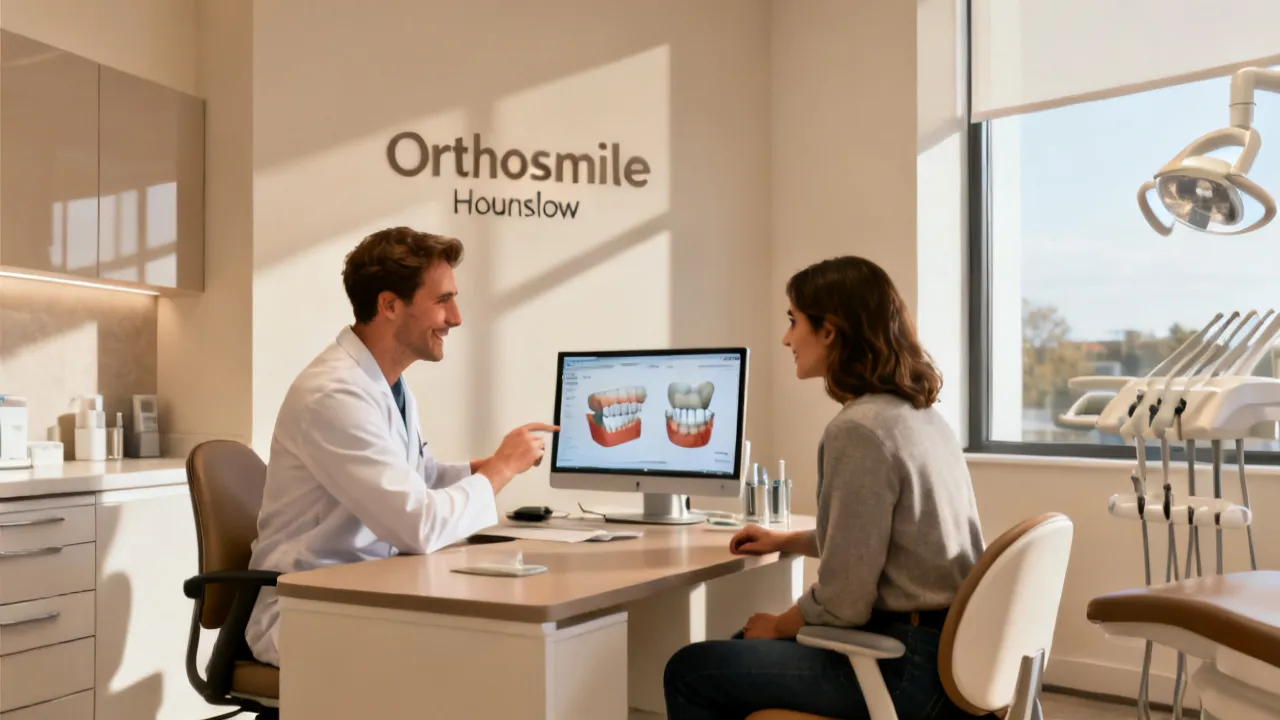
Understanding Scaling Disadvantages and Implant Costs
This guide explains the main 스케일링 단점, including temporary sensitivity, gum irritation, bleeding, discomfort, and the limits of scaling as a treatment for advanced periodontal disease. It also distinguishes routine dental scaling from implant treatment, outlines practical ways to reduce implant expenses in English-, Spanish-, and Portuguese-speaking markets, and compares indicative prices. Costs and clinical decisions depend on diagnosis, materials, location, and professional assessment.
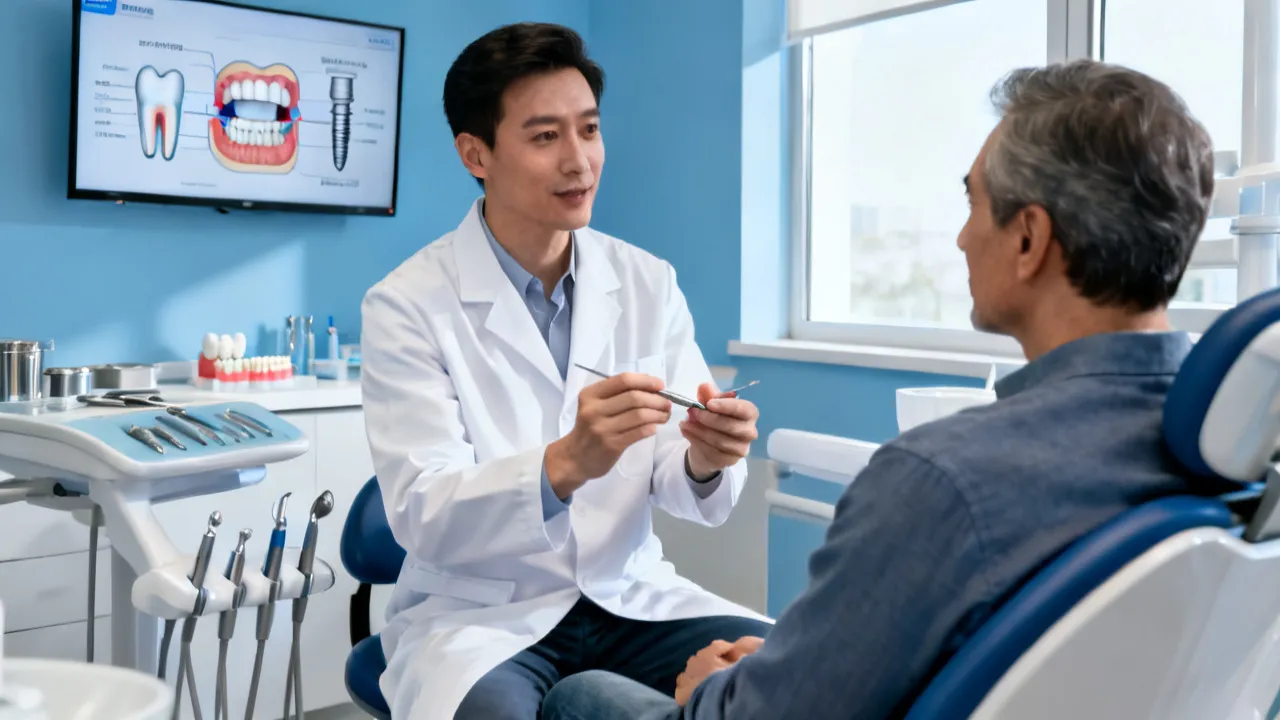
Introduction: Why Scaling Disadvantages Deserve Careful Attention
Dental scaling is a common preventive and periodontal procedure used to remove hardened plaque, also called calculus or tartar, from tooth surfaces and areas near or below the gumline. It is an important part of professional oral hygiene, particularly for patients who cannot remove all deposits with brushing and interdental cleaning alone. However, understanding the 스케일링 단점, or disadvantages of scaling, is just as important as understanding its benefits.
Scaling is not automatically suitable in exactly the same form for every patient. A routine cleaning may be appropriate for a person with limited deposits and healthy gums, while a patient with deep periodontal pockets may require periodontal debridement or staged deep cleaning. The instruments, level of anesthesia, treatment time, and expected recovery can therefore vary considerably.
The most important disadvantages are usually temporary tooth sensitivity, gum tenderness, minor bleeding, discomfort around inflamed tissues, and the possibility that scaling may expose previously hidden root surfaces. These effects do not necessarily indicate that the procedure has damaged the teeth. In many cases, they reflect the removal of tartar and the healing response of inflamed gums. Nevertheless, persistent or severe symptoms should be assessed by a dental professional.
Scaling also has clear limits. It cannot replace treatment for advanced bone loss, does not restore missing teeth, and cannot by itself resolve all causes of gum disease. When a tooth has a poor long-term prognosis, a dentist may discuss extraction and replacement options, including a dental implant. Implant treatment is separate from scaling and involves surgery, healing, prosthetic restoration, and long-term maintenance.
What Dental Scaling Involves
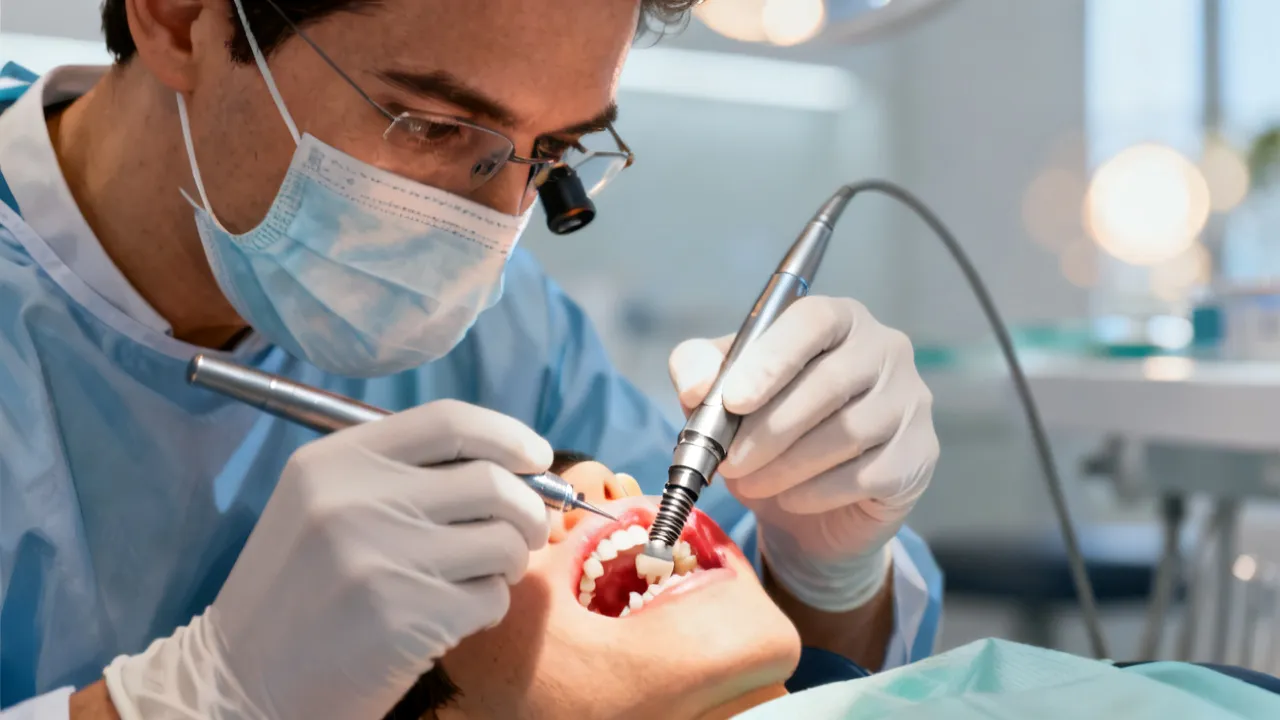
During scaling, a dental professional removes mineralized deposits from the teeth using ultrasonic equipment, hand instruments, or both. Ultrasonic instruments use vibration and water irrigation to disrupt calculus, while hand scalers help refine areas that require greater tactile control. Polishing may follow the procedure to reduce surface stains and create a smoother finish.
Ultrasonic scaling can produce vibration, water spray, and a high-pitched sound. Some patients find the sensation uncomfortable, particularly if they have sensitive teeth, exposed roots, or dental anxiety. Hand instrumentation may feel more controlled in certain areas but can also create pressure against the teeth and gums. The clinician may alternate techniques according to the deposit location and the patient’s tolerance.
For patients with gum disease, treatment may extend below the gumline. This approach is often called scaling and root planing, periodontal debridement, or deep cleaning, depending on the clinical situation and local terminology. The aim is to reduce bacterial deposits and create a cleaner root surface that is easier for the gum tissue to heal against.
A professional evaluation generally includes a review of medical history, visual examination, gum measurements, and, when appropriate, dental radiographs. The dentist or hygienist may assess bleeding, gum recession, tooth mobility, plaque accumulation, and periodontal pocket depth before recommending the appropriate form of cleaning.
The phrase “scaling” can therefore describe procedures of very different intensity. A short appointment to remove light deposits is not equivalent to a full-mouth periodontal treatment performed under local anesthetic. Patients should ask which procedure is being recommended, how many areas will be treated, and what type of recovery is expected.
Main 스케일링 단점: A Clinical Analysis
1. Temporary tooth sensitivity
Tooth sensitivity is one of the most frequently reported disadvantages of scaling. Patients may notice a short-term reaction to cold water, hot drinks, sweet foods, or air. Sensitivity can be more noticeable when tartar has covered part of the tooth root or when gum inflammation has caused the gum margin to recede.
Once deposits are removed, the root surface may become exposed to normal temperature changes. Root surfaces do not have the same enamel protection as the crown of a tooth, so they can respond more strongly to stimuli. Sensitivity often improves as the tissues settle and the patient follows professional home-care advice.
People with existing enamel wear, cracked teeth, cavities, erosion, gum recession, or a history of sensitivity may experience more pronounced symptoms. A dental professional may recommend a desensitizing toothpaste, fluoride treatment, gentler brushing, or a review of the bite if symptoms do not improve.
Sensitivity may also be related to the intensity and extent of treatment. Cleaning a single area with localized deposits may cause little reaction, while deep cleaning across several sections of the mouth can produce broader short-term sensitivity. Patients should tell the clinician if discomfort is severe so that future appointments can be modified.
Using a toothpaste containing an accepted desensitizing ingredient may help, but patients should not apply concentrated substances to the gums without professional guidance. Very acidic home remedies, abrasive powders, and excessively hard brushing may worsen sensitivity rather than relieve it.
2. Gum bleeding and tenderness
Inflamed gums can bleed when deposits are removed. This is especially likely when plaque and calculus have accumulated along the gumline or inside periodontal pockets. Although bleeding can be uncomfortable or concerning, it often reflects pre-existing inflammation rather than an injury caused by scaling.
Gum tenderness may continue for a day or several days, depending on the extent of treatment and the condition of the tissues. Patients should follow the clinician’s instructions regarding brushing and interdental cleaning. Stopping oral hygiene completely because of mild bleeding can allow plaque to accumulate again.
Heavy bleeding, swelling that worsens, pus, fever, or pain that does not improve should not be treated as a routine response. These symptoms require timely professional advice.
Some patients take anticoagulant or antiplatelet medication. Such medicines can increase bleeding, but they should not be stopped without instructions from the prescribing clinician. The dental office may recommend precautions or communicate with the patient’s physician when necessary.
3. Discomfort during deeper cleaning
Scaling above the gumline is often well tolerated, but treatment below the gumline can be more uncomfortable. Inflamed tissues may be sensitive, and deposits can be difficult to access. Local anesthetic may be recommended for deeper or more extensive procedures.
The experience varies according to the number of teeth treated, the depth of the periodontal pockets, the patient’s sensitivity, and the technique used. A discussion before treatment can help patients understand whether the procedure will be completed in one visit or divided into several appointments.
Dividing treatment into sections may make the appointment easier to tolerate and can allow the dental professional to monitor the response of each area. It may also mean additional visits, more travel, and higher short-term costs. The best approach depends on the clinical condition and the patient’s needs.
Patients should communicate during treatment rather than silently tolerating significant discomfort. Agreeing on a hand signal for a pause can make the procedure feel more manageable, especially for people with dental anxiety or a strong gag reflex.
4. Temporary roughness or altered sensation
After large deposits are removed, a patient may feel that the teeth are rough, spaced differently, or unusually smooth. These sensations can result from changes in the tooth surface, reduced swelling, or the removal of tartar that had physically occupied space between teeth.
Some patients interpret the newly exposed spaces as damage. In many cases, the spaces were previously masked by calculus or swollen gum tissue. A clinical examination is necessary to determine whether there is actual tissue loss, gum recession, or bone loss.
It is also common to become more aware of the tongue touching the teeth after treatment. A bulky calculus deposit can create an irregular surface, and its removal may make the teeth feel unfamiliar for several days. This altered sensation generally becomes less noticeable as the patient adapts.
5. Possible awareness of gum recession
Scaling does not normally cause healthy gums to recede. However, when inflamed gums heal after deposits are removed, swelling may decrease and the gumline can appear lower. This may make existing recession more visible.
Gum recession can expose root surfaces and contribute to sensitivity. Its causes may include periodontal disease, traumatic brushing, an unsuitable brushing technique, tooth position, thin gum tissue, tobacco use, and other local or systemic factors. If recession is present, the dental team should identify its likely cause rather than assuming that scaling alone created it.
In advanced periodontal disease, swollen tissue may partially fill spaces created by bone loss. After inflammation decreases, the spaces between teeth can appear larger. This change can be emotionally difficult for patients who were not expecting it, so clinicians should explain beforehand that healing may alter the appearance of the gumline.
If recession is progressing, treatment may involve changes to brushing technique, management of periodontal inflammation, desensitizing measures, or referral for specialist evaluation. In selected cases, periodontal soft-tissue procedures may be considered, but scaling itself does not replace such treatment.
6. The need for repeated maintenance
Scaling is not a permanent solution to plaque accumulation. Dental plaque begins to form again after eating and drinking, and it can mineralize if not removed. Patients with a history of periodontal disease may need a structured maintenance schedule based on clinical findings.
Repeated appointments can involve time, transportation, and treatment expenses. However, the appropriate interval should be determined by risk and disease activity rather than by a universal schedule. Some patients require routine preventive visits, while others need more frequent periodontal maintenance.
Maintenance is particularly important for patients who smoke, have diabetes, wear orthodontic appliances, experience dry mouth, or have difficulty cleaning between teeth. These factors can increase plaque retention or affect the body’s inflammatory response.
Professional maintenance cannot compensate for ineffective daily care. Brushing twice daily with appropriate technique, cleaning between the teeth, managing dietary sugar exposure, and attending examinations are all part of reducing the need for extensive future treatment.
7. Limited effect in advanced disease
Scaling can reduce bacterial deposits, but it cannot rebuild lost bone or reverse advanced tooth mobility. If periodontal pockets remain deep after initial treatment, additional periodontal therapy may be necessary. Options can include localized treatment, referral to a periodontist, surgical therapy, or extraction when a tooth cannot be predictably maintained.
This limitation is important when discussing implants. An implant may replace a missing tooth, but it does not eliminate the need for gum care. Poor plaque control and a history of periodontal disease can increase the risk of inflammation around an implant, known as peri-implant mucositis or peri-implantitis.
Patients sometimes expect a single scaling appointment to resolve bad breath, loose teeth, bleeding, and gum recession at the same time. Although cleaning may improve some symptoms, advanced disease requires diagnosis, risk-factor management, and monitoring. The condition of the supporting bone must be assessed before decisions about saving or replacing a tooth are made.
8. Cost and appointment burden
Routine scaling may be relatively affordable, but deeper treatment can require multiple appointments, local anesthetic, radiographs, periodontal charting, and follow-up evaluations. Patients should ask whether the quoted fee covers the entire recommended procedure or only one area of the mouth.
Cost can also increase when a patient postpones treatment. Deposits may become more extensive, periodontal pockets may deepen, and teeth may require fillings, crowns, root canal therapy, extraction, or replacement. The financial impact is therefore connected to timing as well as to the price of the cleaning itself.
9. Temporary effects on eating and daily activities
After a more extensive scaling appointment, the gums may feel tender while chewing. Very cold, hot, spicy, or acidic foods may be less comfortable for a short period. Patients who receive local anesthetic should be cautious while eating until normal sensation returns, because numb lips or cheeks can be bitten accidentally.
These temporary limitations are usually manageable, but they should be considered when scheduling treatment. A patient may prefer not to arrange deep cleaning immediately before an important presentation, athletic event, or long journey.
When Scaling May Require Additional Caution
Patients should provide an accurate medical history before treatment. Relevant information may include blood-thinning medication, bleeding disorders, heart conditions, immune suppression, diabetes, pregnancy, osteoporosis medication, allergies, and previous reactions to local anesthetic.
The need for special precautions depends on the individual diagnosis and current medical guidance. Patients should not stop prescribed medication without consulting the prescribing clinician. A dentist may coordinate care with a physician when the medical history creates uncertainty.
People with severe dental anxiety should discuss communication signals, breaks, topical anesthetic, local anesthetic, appointment timing, and other comfort measures. Anxiety can make a routine appointment feel more difficult, and advance planning often improves the experience.
Patients with uncontrolled diabetes may have a higher risk of gum inflammation and delayed healing. This does not automatically prevent scaling, but it makes coordinated medical and dental care especially important. Similarly, people with immune-related conditions may need an individualized approach to infection prevention and follow-up.
Pregnancy is another situation in which the dental team should be informed. Necessary dental care is commonly provided during pregnancy when clinically indicated, but appointment timing, medication choices, and positioning may be adjusted. The appropriate plan should be determined by the dentist and, when appropriate, the obstetric care team.
How to Reduce the Disadvantages of Scaling
- Request an examination before treatment. The clinician should identify cavities, cracks, gum recession, periodontal pockets, and other causes of sensitivity.
- Explain your sensitivity history. This allows the dental team to select appropriate water temperature, instrument settings, topical products, and anesthesia.
- Use a soft-bristled toothbrush. Aggressive brushing can worsen gum irritation and root sensitivity.
- Follow post-treatment instructions. Recommendations may include gentle brushing, interdental cleaning, a desensitizing toothpaste, or a temporary adjustment to very hot or cold foods.
- Complete the recommended treatment plan. Stopping after one appointment may leave deposits or untreated periodontal areas.
- Arrange a review if symptoms persist. Ongoing sensitivity or bleeding may have another cause that needs diagnosis.
Patients should avoid using sharp instruments at home to scrape tartar. Home scraping can cut the gums, damage restorative materials, create scratches on tooth surfaces, and push deposits deeper under the gumline. It also cannot replace an examination for decay, gum disease, or other oral conditions.
Electric toothbrushes, interdental brushes, floss, oral irrigators, and fluoride products may all have a role, but the most suitable combination varies. A dental professional can demonstrate the correct size of interdental brush and explain how much pressure should be used.
Dietary habits also influence plaque and sensitivity. Frequent exposure to sugary drinks, acidic beverages, and snacks can increase the risk of decay and erosion. Reducing repeated exposures and drinking water afterward may support oral health, although dietary changes do not remove existing calculus.
Scaling, Tooth Loss, and Dental Implants
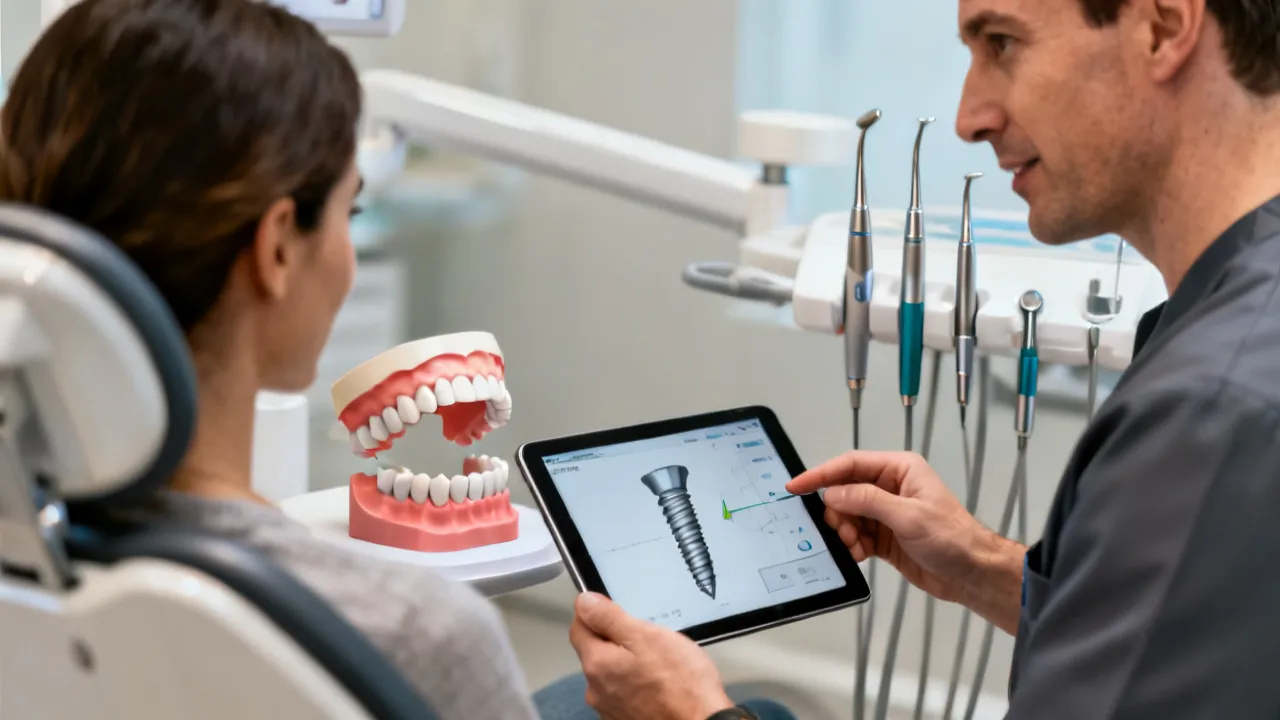
Scaling and dental implants address different problems. Scaling manages plaque and calculus, while an implant replaces the root portion of a missing tooth and supports a crown, bridge, or denture. A typical implant pathway may include tooth removal, bone assessment, implant placement, healing, an abutment, and a final restoration. Not every patient needs every stage, and some cases require bone grafting or soft-tissue treatment.
Patients considering an implant should first stabilize active gum disease and address untreated cavities. Placing an implant in an environment with uncontrolled inflammation can complicate maintenance and may negatively affect the long-term result.
The total quoted cost can include several separate components:
- Initial examination and diagnostic imaging
- Tooth extraction, if required
- Bone grafting or sinus augmentation, if indicated
- Implant fixture placement
- Healing components or temporary teeth
- Abutment and crown
- Sedation or anesthesia
- Follow-up appointments and maintenance
An unusually low headline price may cover only the implant fixture and not the complete restoration. Patients should request a written, itemized treatment plan and ask which procedures are included or excluded.
Implant suitability depends on more than the presence of a gap. The dentist may assess available bone, the condition of neighboring teeth, the position of the opposing teeth, bite forces, gum thickness, sinus anatomy, nerve location, oral hygiene, tobacco exposure, and general health. In some cases, an alternative restoration may provide a more predictable or economical result.
Implants also require the patient to accept a long-term maintenance responsibility. Although an implant cannot develop natural tooth decay, the gum and bone around it can become inflamed. Daily cleaning and periodic professional assessment remain necessary.
How to Obtain Dental Implants at Lower Cost in English-Speaking Markets
Reducing dental implant expenses should not mean choosing treatment without adequate diagnosis, sterilization, qualified supervision, or follow-up. The safest approach is to compare complete treatment plans rather than isolated promotional prices.
Step 1: Confirm that an implant is clinically appropriate
A missing tooth can sometimes be treated with a conventional bridge, removable partial denture, or another restorative option. An implant may offer advantages, but it is not automatically the least expensive or most suitable choice. The decision should account for bone volume, gum health, adjacent teeth, bite, medical history, and the patient’s goals.
Step 2: Obtain more than one itemized estimate
Patients may consult a general dentist, a prosthodontist, an oral and maxillofacial surgeon, or a periodontist, depending on the case. Comparing two or more written plans can reveal differences in materials, laboratory charges, imaging, surgical fees, and follow-up care.
Step 3: Ask about dental insurance and benefit limits
Dental insurance may contribute to selected parts of implant treatment, although coverage varies substantially. Some plans may cover extraction, crowns, or related procedures but exclude the implant fixture or impose waiting periods, annual limits, missing-tooth clauses, or network restrictions.
American Dental Health Plans and other insurance-information providers can help patients investigate plan structures. Patients should confirm benefits directly with the insurer and obtain a pre-treatment estimate where available.
Step 4: Consider accredited dental schools and teaching clinics
University dental clinics may offer treatment at reduced institutional rates because care is provided within an educational environment. Treatment can take longer and may involve supervision, staged appointments, or eligibility requirements. Patients should verify the clinic’s credentials and understand who is responsible for each phase of care.
Step 5: Compare implant systems and laboratory choices responsibly
Different implant manufacturers and laboratory materials can affect cost. The decision should be based on clinical evidence, availability of replacement components, compatibility, and the treating dentist’s experience. A lower-priced component may create difficulties later if parts are difficult to source.
Step 6: Address gum disease before surgery
Preventive scaling or periodontal treatment may appear to add cost initially, but controlling inflammation can support a healthier surgical environment and reduce avoidable complications. Patients should ask whether periodontal maintenance is included in the proposed plan.
Step 7: Review payment arrangements
Clinics may provide staged payment schedules or financing through external providers. Patients should examine interest, administrative fees, cancellation terms, and the financial consequences of changing providers during treatment.
Step 8: Evaluate dental tourism carefully
Dental tourism can involve lower quoted prices in some destinations, but travel costs, accommodation, translation, time away from work, and follow-up treatment must be included in the comparison. Complications may require care after the patient returns home, and a local dentist may not be willing or able to manage an unfamiliar implant system.
DentaVacation provides information related to international dental treatment and travel planning. Its information should be treated as a starting point for research rather than a substitute for an independent clinical consultation.
Patients should also consider the practical issue of treatment timing. Implant placement is not always completed in one visit. A plan may involve an initial examination, imaging, extraction, healing, grafting, implant placement, integration, and final crown delivery. A low price that requires several international trips may ultimately exceed the cost of treatment closer to home.
How to Obtain Dental Implants at Lower Cost in Spanish-Speaking Markets
Spanish-speaking markets include countries with different currencies, healthcare structures, professional regulations, and regional price variations. A patient comparing clinics in Spain, Mexico, Chile, Colombia, Peru, or Argentina should examine local credentials, treatment documentation, and aftercare arrangements.
- Use a local-language consultation. Clear communication about the implant brand, expected stages, medical history, and complications is essential.
- Verify professional registration. Patients should check the relevant dental authority or professional registry where applicable.
- Request a complete quotation. The quote should identify imaging, extraction, grafting, surgery, abutment, crown, laboratory work, and follow-up.
- Ask about warranties carefully. A clinic’s warranty may apply only to a specific component and may require attendance at maintenance visits.
- Plan for follow-up. Patients traveling across borders should establish who will handle adjustments, infection, crown fracture, or implant mobility.
- Compare urban and regional clinics without assuming quality from price. Costs may vary between major metropolitan areas and smaller communities, but location alone does not establish clinical quality.
Rockville Dental Arts provides Spanish-language dental information and services, including implants, cleaning, orthodontics, cosmetic dentistry, and emergency care. Union City Mini Dental Implants focuses on mini dental implant services. Cigna’s Spanish-language guide explains general implant concepts, treatment stages, and questions patients may wish to discuss with a dentist. These resources can support initial research, but the final decision should be based on a direct examination.
Patients should be cautious about advertisements that use the word “implant” to describe only a portion of treatment. In some markets, a clinic may advertise a surgical implant price while charging separately for the crown and abutment. The terminology may also differ between providers, so a written description is more useful than a headline figure.
How to Obtain Dental Implants at Lower Cost in Portuguese-Speaking Markets
Brazil and Portugal are the principal Portuguese-speaking markets represented in the supplied price information. In Brazil, patients may compare private clinics, dental plans, and staged treatment arrangements. In Portugal, patients should ask whether the quoted fee refers to the surgical stage only or includes the final prosthetic crown.
Rubi Odonto, located in Santo André, São Paulo, offers services including orthodontics, whitening, and implants. Odontologia Velasco, located in São Paulo, provides implant, prosthetic, and aesthetic services and describes the use of current dental technologies. DentalVidas provides dental-plan information, including plans for individuals, families, and companies, and describes a broad provider network and emergency support.
Patients seeking lower-cost treatment in Portuguese-speaking markets should:
- Confirm whether the clinic uses a recognized implant system with accessible replacement parts.
- Ask whether the crown is made by an in-house or external laboratory.
- Clarify whether cone-beam computed tomography is needed and whether it is included.
- Check whether the clinic’s dental plan covers implants or only examinations and routine services.
- Review the number of appointments required and the expected healing period.
- Request written instructions in Portuguese or a language the patient fully understands.
Patients should ask how the clinic stores treatment records and whether copies of imaging, implant labels, and prosthetic details will be provided. These records can be valuable if care is later required in another city or country. It is also sensible to ask who is responsible for diagnosing and managing complications, rather than assuming that a warranty covers every possible problem.
Comparing Websites That Provide Low-Cost Implant Information
The following comparison is intended to show the type of information patients may find online. A website that discusses low-cost implants is not necessarily a clinical endorsement, and online descriptions should be checked against professional advice, local regulations, and an itemized quotation.
| Website or organization | Main information and useful features |
|---|---|
| Dental Views | Explains low-cost dental implants, treatment types, benefits, typical process considerations, cost questions, and common patient concerns. |
| Atlantic Dental Group | Provides information about general dental services, cleaning, orthodontics, implants, emergency care, appointments, and clinic services. |
| DentaVacation | Discusses dental tourism, international treatment destinations, cost comparisons, travel planning, and treatment-related logistics. |
| American Dental Health Plans | Provides information about dental insurance structures, plan options, coverage questions, and ways to investigate dental expenses. |
| Rockville Dental Arts | Offers Spanish-language information about implants, cleaning, whitening, orthodontics, and emergency dental services. |
| Union City Mini Dental Implants | Focuses on mini dental implants and explains services for selected cases involving missing teeth. |
| Cigna | Provides a Spanish-language educational guide to dental implants, including general treatment stages and planning considerations. |
| Rubi Odonto | Describes dental services in Santo André, São Paulo, including orthodontics, whitening, and dental implants. |
| Odontologia Velasco | Discusses implants, prostheses, aesthetic dentistry, and the use of modern dental technologies in São Paulo. |
| DentalVidas | Provides dental-plan information for individuals, families, and businesses, along with provider-network and emergency-service details. |
source: www.dentalviews.com/low-cost-dental-implants/
source: www.atlanticdentalgrp.com/
source: www.dentavacation.com/
source: rockvilledentalarts.com/es/
source: unioncityminidentalimplants.com/es/
source: www.cigna.com/es-us/knowledge-center/guide-to-dental-implants
source: www.rubiodonto.com.br/
source: odontologiavelasco.com.br/
source: dentalvidas.com.br/
Indicative Individual Dental Implant Price Ranges
The following figures refer to an individual dental implant and are presented for comparison. The term “individual dental implant” can be interpreted differently by clinics: some quotations include the implant fixture, abutment, and crown, while others refer only to the surgical implant component. Patients should confirm the scope of every price.
English-speaking markets
| Market | Currency | Indicative price range |
|---|---|---|
| United States (US) | USD | $3,000–$6,000 |
| United Kingdom (GB) | GBP | £2,000–£2,500 |
| Australia (AU) | AUD | AU$3,500–AU$6,500 |
| Canada (CA) | CAD | CA$3,000–CA$5,500 |
Spanish-speaking markets
| Market | Currency | Indicative price range |
|---|---|---|
| Spain (ES) | EUR | €1,500–€2,500 |
| Chile (CL) | CLP | CLP$800,000–CLP$1,500,000 |
| Mexico (MX) | MXN | $15,000–$25,000 MXN |
| Colombia (CO) | COP | $2,000,000–$4,000,000 COP |
| Peru (PE) | PEN | S/ 3,000–S/ 6,000 |
| Argentina (AR) | ARS | $80,000–$150,000 ARS |
Portuguese-speaking markets
| Market | Currency | Indicative price range |
|---|---|---|
| Brazil (BR) | BRL | R$3,000–R$8,000 |
| Portugal (PT) | EUR | €1,000–€2,000 |
Other language markets supplied for reference
| Market | Currency | Indicative price range |
|---|---|---|
| Germany (DE) | EUR | €2,000–€3,500 |
| France (FR) | EUR | €1,500–€2,500 |
| Italy (IT) | EUR | €1,500–€3,000 |
| Japan (JP) | JPY | ¥300,000–¥700,000 |
Why Implant Prices Differ
Price differences are influenced by more than the country in which treatment takes place. Clinic overhead, labor costs, laboratory fees, implant brand, imaging, regulatory requirements, surgical complexity, and the dentist’s training can all affect the final amount.
Bone grafting is a common reason that the initial estimate changes. If the jaw does not have sufficient bone volume or density, the clinician may recommend grafting before or during implant placement. A sinus augmentation may be relevant in selected upper-jaw cases. These procedures increase treatment time and cost.
The final crown also affects the price. Porcelain fused to metal, all-ceramic, zirconia, and other materials have different laboratory and manufacturing costs. The most suitable material depends on location in the mouth, bite forces, aesthetic expectations, available space, and clinical recommendation.
Currency fluctuations can make international comparisons misleading. A price that appears lower after conversion may not remain lower after travel, accommodation, exchange fees, consultation costs, and follow-up treatment are included.
Another difference involves the level of diagnostic planning. Some clinics include three-dimensional imaging, digital impressions, surgical guides, temporary restorations, and detailed laboratory planning. Others may provide only a basic examination in the initial quote. Advanced planning can increase the initial cost but may be appropriate for anatomically complex cases.
Fees may also differ because of the type of restoration. Replacing one front tooth with a highly aesthetic crown can require additional laboratory characterization and careful shaping of the gum contour. A posterior tooth may have different functional requirements. Full-arch treatment, multiple implants, and implant-supported dentures have separate pricing structures and should not be compared with the cost of one isolated implant.
Questions to Ask Before Accepting a Low-Cost Implant Quote
- Does the estimate include the implant fixture, abutment, and final crown?
- Are diagnostic scans and consultations included?
- Is tooth extraction included if the tooth is still present?
- Could bone grafting or soft-tissue treatment be required?
- Which implant manufacturer and model will be used?
- Will the patient receive implant-system documentation?
- Who will provide emergency care if the patient experiences pain, swelling, or implant mobility?
- How many visits are expected?
- What happens if the implant does not integrate with the bone?
- Are maintenance visits required for any warranty or guarantee?
- Who will repair or replace the crown if it fractures?
- What infection-control and sterilization standards does the clinic follow?
It is also useful to ask whether the dentist who performs surgery will be the same professional who designs and fits the final crown. Several specialists may participate in implant care, and coordination between them is important. Patients should understand who is responsible for the overall treatment plan.
A trustworthy consultation should include discussion of alternatives and risks, not only the benefits of an implant. Patients should be told whether a bridge, removable appliance, or no immediate replacement is reasonable. They should also receive information about healing time, expected function, aesthetic limitations, and the possibility that additional treatment may become necessary.
Scaling Before and After Implant Treatment
Professional cleaning can be part of preparing for implant treatment, particularly when plaque, calculus, or gingival inflammation is present. The objective is to create a stable oral environment and teach the patient how to clean around the future restoration.
After the implant crown is fitted, maintenance remains necessary. Patients may need specialized interdental brushes, implant floss, water irrigation devices, or other tools recommended by the dental team. The correct method depends on the design of the crown and the patient’s anatomy.
Routine scaling instruments may be selected carefully around implant surfaces. The dental professional should use an approach appropriate for the implant material and restoration. Patients should not attempt to remove deposits with sharp household objects, as this can injure the gums or damage restorative surfaces.
The frequency of implant maintenance is individualized. Some patients may need professional reviews at shorter intervals because of a history of periodontal disease, smoking, difficult anatomy, or limited dexterity. During these visits, the clinician may evaluate plaque, bleeding, pocket measurements, the condition of the crown, bite forces, and the stability of the implant.
Patients should tell the dental team about changes such as bleeding around the implant, a bad taste, persistent swelling, discomfort during chewing, or a feeling that the crown has loosened. Early evaluation may help address a problem before it becomes more extensive.
What Patients Should Expect During Recovery
After implant surgery, mild swelling, bruising, or discomfort may occur. The treating clinician should provide individualized instructions regarding medication, diet, oral hygiene, physical activity, and follow-up. The healing period varies according to bone quality, surgical technique, implant location, and whether grafting was performed.
Patients should contact the clinic if pain increases rather than improves, bleeding is difficult to control, swelling becomes severe, fever develops, or the implant feels mobile. A loose implant is not a normal sign of successful healing and requires assessment.
Once the crown is fitted, the patient may need time to adapt to the bite and speech. A properly adjusted restoration should be comfortable and functional, but minor adjustments may be necessary.
Smoking and nicotine exposure can interfere with healing and increase the risk of complications. Patients should ask the clinician for specific advice about stopping or reducing tobacco use before and after surgery. Good nutrition, sleep, and careful adherence to postoperative instructions can also support recovery.
Patients should not compare their healing timeline too closely with another person’s. One individual may receive immediate temporary teeth, while another may require a longer period of healing before restoration. Differences in bone grafting, surgical approach, and overall health explain why treatment schedules vary.
Expert Perspective: Balancing Cost, Risk, and Long-Term Maintenance
From an industry perspective, the most reliable way to reduce dental expenditure is to reduce avoidable complexity while preserving diagnostic quality and follow-up. Preventive care, timely treatment of cavities, management of gum disease, and protection against tooth wear can reduce the likelihood of advanced restorative procedures.
However, price should not be evaluated independently from clinical risk. A low initial fee may become expensive if the treatment requires corrective surgery, replacement components, additional travel, or care from a second provider. Conversely, the highest quotation is not automatically the best clinical option. Patients need transparent information, qualified care, realistic expectations, and a treatment plan that can be maintained over time.
The 스케일링 단점 should also be interpreted in context. Sensitivity or mild bleeding after scaling may be temporary and manageable, while avoiding professional cleaning in the presence of significant calculus can allow gum inflammation to continue. The relevant question is not whether scaling has any disadvantages, but whether the expected benefits outweigh the risks for the individual patient and whether the procedure is being performed for the correct diagnosis.
A cost-conscious patient should distinguish between reducing unnecessary expenses and reducing necessary care. It may be reasonable to compare laboratories, ask about staged treatment, investigate insurance benefits, or seek a second opinion. It is not reasonable to omit essential imaging, ignore active infection, choose an untraceable implant system, or proceed without a plan for complications simply to obtain a lower advertised price.
FAQs About Scaling Disadvantages and Implants
Can scaling damage tooth enamel?
Professional scaling is designed to remove deposits without unnecessarily removing healthy enamel. Temporary sensitivity can occur, especially when root surfaces are exposed or gum inflammation is present. Persistent pain should be evaluated to rule out decay, cracks, erosion, or other conditions.
Is bleeding after scaling normal?
Minor bleeding can occur when inflamed gums are cleaned. It should generally reduce as the tissues heal and oral hygiene improves. Prolonged heavy bleeding, swelling, pus, or fever requires professional advice.
Does scaling make teeth loose?
Scaling does not normally loosen healthy teeth. A tooth may feel different after large deposits are removed because tartar had physically supported or surrounded it. If the tooth is genuinely mobile, underlying bone loss or periodontal disease should be investigated.
Can scaling remove gum recession?
No. Scaling can reduce deposits and inflammation, but it does not regenerate lost gum tissue. Depending on the cause and severity, management may include brushing modification, sensitivity treatment, periodontal maintenance, or specialist care.
Should gum disease be treated before an implant?
Active gum disease should generally be assessed and managed before implant placement. Stable gum health supports cleaning and may reduce inflammatory complications around natural teeth and implants.
Is a dental implant always more expensive than a bridge?
The answer depends on the clinical plan, materials, insurance, and long-term maintenance. An implant may require surgery and several stages, while a bridge may involve preparation of neighboring teeth. A dentist should compare the complete costs, benefits, and limitations of each option.
Why is an implant quote much lower than other quotations?
The quotation may cover only the implant fixture and exclude the abutment, crown, imaging, extraction, grafting, or follow-up. It may also reflect differences in location, materials, clinic structure, or promotional terms. An itemized comparison is essential.
Are dental tourism savings guaranteed?
No. International treatment involves travel, accommodation, currency changes, and the possibility of follow-up care after returning home. Patients should investigate professional credentials, implant documentation, communication, emergency arrangements, and total projected expenditure.
How often should a patient receive scaling?
There is no single interval suitable for everyone. The schedule depends on plaque control, tartar formation, periodontal history, smoking or tobacco exposure, diabetes, orthodontic appliances, and clinical findings. The dental team should recommend an individualized interval.
Can an implant be cleaned like a natural tooth?
An implant restoration requires daily plaque control, but the tools and technique may differ from those used around natural teeth. Professional maintenance is also important because inflammation around an implant can progress without obvious symptoms in its early stages.
What is the safest way to lower implant costs?
Start with a complete diagnosis, compare itemized plans, investigate insurance or dental-plan benefits, consider reputable teaching clinics, and ask about staged payment options. Avoid selecting a provider solely on the basis of the lowest advertised amount.
Can sensitivity after scaling last for several weeks?
Mild sensitivity often improves within a relatively short period, but the duration depends on the patient’s enamel, exposed root surfaces, gum condition, and the extent of treatment. Sensitivity that is severe, worsening, limited to one tooth, or associated with spontaneous pain should be examined because it may indicate decay, a crack, pulp inflammation, or another problem.
Should a patient postpone scaling because the gums bleed?
Bleeding is often a sign that professional evaluation is needed rather than a reason to avoid care. The dental team can determine whether the bleeding is related to gingivitis, periodontitis, medication, trauma, or another condition. Patients should follow individualized instructions instead of postponing treatment indefinitely.
Can scaling whiten teeth?
Scaling and polishing may remove some external stains caused by coffee, tea, tobacco, or other substances, making the teeth appear cleaner. It does not change the natural internal color of the teeth in the same way as bleaching. Patients seeking whitening should discuss the cause of discoloration and the safety of cosmetic treatment.
Is deep cleaning the same as routine scaling?
No. Routine scaling generally removes deposits above or near the gumline, while deep periodontal treatment addresses deposits and bacterial contamination below the gumline in areas affected by periodontal disease. The diagnosis, number of visits, anesthesia, and recovery can differ.
Conclusion
The main 스케일링 단점 include temporary sensitivity, gum bleeding, tenderness, altered sensations, the visibility of existing recession, repeated maintenance needs, and limited effectiveness in advanced periodontal disease. These disadvantages should be balanced against the role of professional cleaning in controlling plaque and calculus.
Dental scaling is most useful when it is based on an appropriate examination and combined with daily plaque control. Patients should understand whether they need routine cleaning, periodontal debridement, or a broader treatment plan. They should also know which symptoms are expected and which signs require prompt review.
Dental implants require a separate evaluation and should be considered only after the patient’s oral and general health, bone condition, gum stability, and restorative needs have been reviewed. Lower-cost treatment is possible in many markets, but responsible comparison requires attention to the complete treatment pathway rather than a single advertised fee.
Patients should request clear documentation, understand what is included in the quotation, verify professional qualifications, and make arrangements for long-term maintenance. A careful decision can help control expenses while protecting oral health and treatment quality.
Disclaimer
1. The information above comes from online resources, and the data is as of October 2023.
2. Dental implant prices are for reference only and may vary by region, clinic, doctor, treatment complexity, materials, currency changes, insurance coverage, and additional procedures. This article is educational and does not replace an examination or personalized advice from a qualified dental professional.
3. Website names and links are provided for general informational research. Their inclusion does not guarantee the quality, availability, pricing, licensing, or clinical outcome of any provider or service. Patients should independently verify current information before making a healthcare or financial decision.