Scaling Needs and Affordable Dental Implants
This guide explains the 스케일링 필요성, or the need for professional dental scaling, and outlines how preventive periodontal care can support long-term oral health and implant planning. It also compares selected dental information websites, reviews practical ways to reduce individual implant costs in English-, Spanish-, and Portuguese-speaking markets, and presents reference price ranges. Fees depend on the clinic, region, materials, diagnostic findings, and treatment complexity.
Why the Need for Dental Scaling Matters
The Korean phrase 스케일링 필요성 means the “need for dental scaling.” In clinical dentistry, scaling refers to the professional removal of hardened dental calculus, plaque, and deposits from tooth surfaces and, when clinically indicated, areas near or below the gumline. It is not simply a cosmetic polishing procedure. Scaling is part of a broader strategy for controlling plaque-related inflammation, protecting the supporting tissues of the teeth, and preparing the mouth for restorative, periodontal, or implant treatment.
Dental plaque is a soft, sticky biofilm that develops continuously on teeth. If it is not removed through brushing and cleaning between the teeth, it can harden into calculus, also called tartar. Calculus cannot usually be removed safely and completely with an ordinary toothbrush. Its rough surface can retain additional plaque, making it easier for bacteria to remain close to the gumline. Over time, this may contribute to gingivitis, periodontal pocket formation, gum recession, bone loss, bad breath, and tooth mobility.
Dental implants are often discussed in relation to missing teeth, but implant success begins with the condition of the surrounding mouth. Active gum disease, heavy calculus, untreated decay, poor plaque control, smoking, and uncontrolled systemic conditions can complicate diagnosis and treatment planning. For that reason, an expert assessment should address both the missing tooth and the health of the remaining teeth and gums.
Scaling does not replace daily brushing, interdental cleaning, periodontal treatment, or regular examinations. It is a professionally delivered procedure whose timing depends on a patient’s oral-health risk. Some people may need routine preventive cleanings at intervals recommended by a dentist or hygienist, while others with periodontal disease may require a more structured maintenance program.
Key Findings for Patients Considering Treatment
- Scaling is preventive and therapeutic support: It helps remove deposits that cannot be eliminated effectively with a toothbrush alone.
- It does not whiten teeth in the bleaching sense: Removing external stains may make teeth look cleaner, but scaling does not change the natural internal color of enamel.
- It may be important before implants: A stable periodontal condition gives the dental team a clearer foundation for implant planning.
- Low-cost treatment requires clinical verification: A quoted implant price should be checked to determine whether it includes imaging, the implant fixture, abutment, crown, surgery, follow-up visits, and treatment of complications.
- Travel-based care requires additional planning: Exchange rates, transportation, language, aftercare, and the management of complications can materially change the total cost.
- Maintenance is part of the treatment: The initial implant procedure is only one stage of care. Long-term examinations, home cleaning, professional scaling when appropriate, and timely repairs are also important.
From an industry perspective, the most reliable approach is not to select a clinic solely by the lowest advertised price. The better method is to compare the complete treatment pathway, the clinician’s qualifications, the implant system used, infection-control procedures, written inclusions, and the availability of follow-up care.
What Dental Scaling Involves
A standard dental cleaning generally begins with a clinical examination. The dental professional may inspect plaque accumulation, calculus, gum bleeding, pocket depths, tooth mobility, restorations, and signs of decay. Radiographs may be recommended when there is suspected bone loss, pain, infection, or a need to evaluate a tooth before extraction or implant treatment.
The examination is important because a patient’s visible amount of calculus does not always indicate the full extent of disease. Some deposits may be hidden below the gumline, while a patient with little visible calculus may still have significant inflammation or periodontal pocketing. Conversely, not every patient with stained teeth has active periodontal disease. Diagnosis should be based on clinical findings and, where necessary, imaging rather than appearance alone.
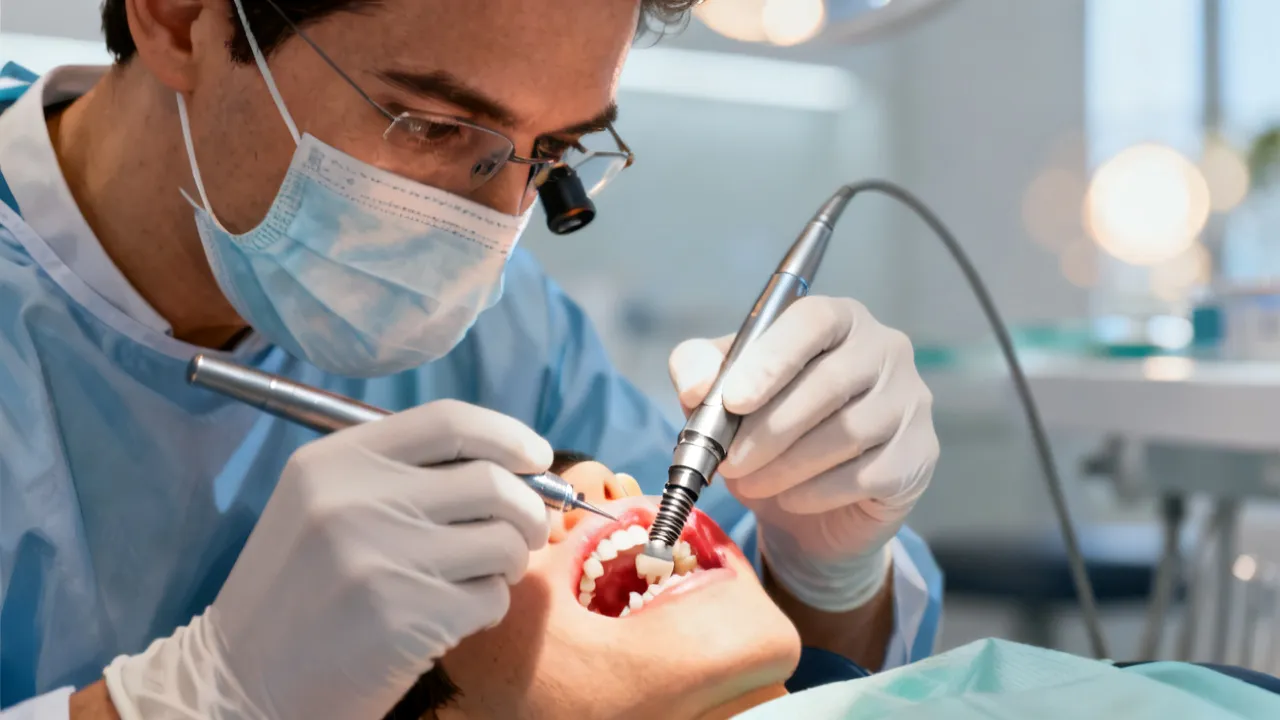
During scaling, hand instruments, powered ultrasonic devices, or a combination of methods may be used. Ultrasonic instruments use vibration and water irrigation to help disrupt calculus, while hand instruments allow the clinician to refine deposits in specific areas. Polishing may follow, although polishing is not the same as scaling and is not always necessary on every tooth.
Patients with periodontal pockets or significant inflammation may require a more extensive procedure often described as deep cleaning, root surface debridement, or scaling and root planing. This is different from a routine preventive cleaning. Local anesthesia may be appropriate when the procedure involves sensitive root surfaces or deeper areas. Treatment may be divided into several appointments so that the dental professional can work carefully and monitor the response of the gums.
After treatment, temporary sensitivity or mild gum tenderness can occur. A dental professional may recommend a soft toothbrush, careful interdental cleaning, toothpaste formulated for sensitivity, and avoidance of very hot or cold foods for a short period. Persistent pain, swelling, pus, fever, uncontrolled bleeding, or facial swelling requires prompt professional attention.
Patients should also understand that bleeding during cleaning is not necessarily evidence that the procedure has harmed the gums. Inflamed tissue can bleed when it is touched. As plaque control improves and inflammation decreases, bleeding should generally become less frequent. If bleeding continues despite careful home care, a periodontal assessment may be needed.
Who May Need Scaling More Frequently?
Scaling intervals should be individualized. People with a history of periodontitis, frequent gum bleeding, orthodontic appliances, reduced manual dexterity, dry mouth, tobacco exposure, diabetes, or difficulty cleaning around bridges and crowns may need closer professional monitoring. The same may apply to patients with dental implants, because inflammation around an implant can affect the soft tissues and, in more advanced cases, the supporting bone.
Older adults may require additional assistance because arthritis, vision problems, neurological conditions, or changes in memory can make daily plaque removal difficult. Caregivers should receive practical instruction if they help with brushing or interdental cleaning. Patients who take medications that cause dry mouth may also accumulate plaque more easily and may need advice about hydration, saliva substitutes, sugar-free chewing gum, and fluoride exposure.
Pregnancy does not automatically mean that a patient needs unusually frequent scaling, but hormonal changes can increase gum sensitivity and bleeding. Regular professional examinations and appropriate cleaning are generally considered important during pregnancy. A pregnant patient should inform the dental team so that imaging, medication, and treatment timing can be planned appropriately.
Patients should not interpret a recommendation for regular scaling as evidence that the procedure can prevent every dental problem. Cavities, cracked teeth, root infections, enamel erosion, and bite problems require separate evaluation. A complete preventive plan usually combines:
- Daily brushing with fluoride toothpaste.
- Cleaning between teeth with floss, interdental brushes, or another suitable aid.
- Periodic professional examinations.
- Scaling or periodontal treatment when indicated.
- Dietary and lifestyle measures that reduce oral-health risk.
- Management of medical conditions that may affect healing or inflammation.
- Review of tobacco, alcohol, and other behaviors that may influence oral health.
Scaling Before Dental Implants
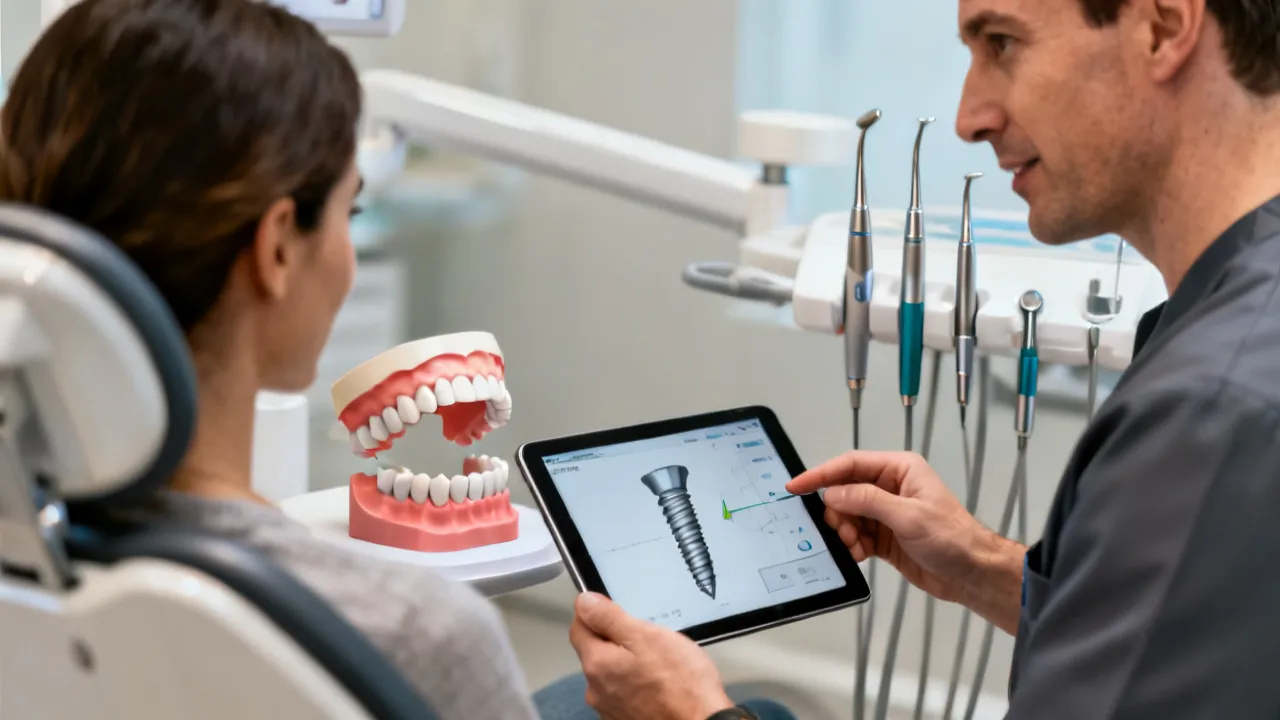
Before an implant is placed, the dentist or oral surgeon should evaluate the proposed site and the general condition of the mouth. This may include periodontal charting, dental radiographs, three-dimensional imaging, an assessment of the bite, and a review of medical history and medications.
Scaling may be recommended before implant surgery when plaque or calculus is present. If gum disease is active, the priority may be periodontal stabilization rather than immediate implant placement. Treating infection and improving oral hygiene can help the clinical team distinguish between a tooth-specific problem and a broader periodontal condition.
This sequence is important because an implant is placed into bone and then surrounded by soft tissue. If the patient has uncontrolled inflammation elsewhere in the mouth, bacteria and plaque may make maintenance more difficult. A patient who cannot clean natural teeth effectively may also struggle to clean an implant crown. Before surgery, the dental team should therefore assess whether the patient understands and can perform the required daily care.
Implants do not develop tooth decay, but the tissues around them can become inflamed. Peri-implant mucositis affects the soft tissues, while peri-implantitis may involve supporting bone. Regular maintenance, careful home care, and professional monitoring are therefore relevant after treatment as well as before it.
An expert should also explain that an implant is usually a multi-part treatment. The complete process may include extraction, temporary tooth replacement, bone preservation or grafting, implant placement, healing, abutment connection, crown fabrication, occlusal adjustment, and maintenance. Not every patient requires every stage, but a price comparison is meaningful only when the included stages are clearly stated.
Understanding Individual Dental Implant Costs
An “individual implant” price can mean different things in different markets. Some advertisements describe only the implant fixture and surgical placement. Others include the abutment and crown. Bone grafting, sinus augmentation, sedation, diagnostic scans, temporary teeth, laboratory charges, medication, and follow-up care may be billed separately.
The implant fixture is the component placed into the jawbone. The abutment connects the fixture to the visible restoration, and the crown replaces the visible portion of the tooth. When a clinic advertises the cost of an “implant,” patients should ask whether the quoted amount covers all three components or only the fixture. A crown may also require a separate laboratory fee, and the choice of ceramic, zirconia, porcelain-fused-to-metal, or another material may affect the price.
Clinical complexity is another major factor. A straightforward replacement in an area with adequate bone may require fewer procedures than a case involving infection, severe bone loss, a sinus lift, gum recession, bruxism, or a difficult bite. A patient replacing several teeth may not pay the single-tooth price multiplied by the number of teeth, because a bridge supported by multiple implants or an implant-retained denture may be considered. Those alternatives require different planning and should not be compared as if they were identical treatments.
The following ranges are supplied for reference and should not be interpreted as current quotations or clinical recommendations. They describe an individual dental implant and may not represent the total cost of replacing several teeth or an entire arch.
| Country | Currency | Indicative price range for one individual implant |
|---|---|---|
| United States | USD | $3,000–$6,000 |
| United Kingdom | GBP | £2,000–£2,500 |
| Australia | AUD | AU$3,500–AU$6,500 |
| Canada | CAD | CA$3,000–CA$5,500 |
| Spain | EUR | €1,500–€2,500 |
| Chile | CLP | CLP$800,000–CLP$1,500,000 |
| Mexico | MXN | $15,000–$25,000 MXN |
| Colombia | COP | $2,000,000–$4,000,000 COP |
| Peru | PEN | S/ 3,000–S/ 6,000 |
| Argentina | ARS | $80,000–$150,000 ARS |
| Brazil | BRL | R$3,000–R$8,000 |
| Portugal | EUR | €1,000–€2,000 |
| Germany | EUR | €2,000–€3,500 |
| France | EUR | €1,500–€2,500 |
| Italy | EUR | €1,500–€3,000 |
| Japan | JPY | ¥300,000–¥700,000 |
Source of price information: The ranges were provided in the supplied reference material and are presented as historical reference data rather than verified current market quotations. Fees may have changed since the stated reference period.
What an Implant Estimate Should Contain
A useful quotation should be sufficiently detailed for a patient to understand what has been diagnosed and what has been proposed. It should identify the number and location of implants, the anticipated sequence of visits, the expected healing period, and the components included in the price.
Patients should look for separate line items for examination, periodontal treatment, radiographs, three-dimensional imaging, extraction, bone grafting, implant placement, abutment connection, temporary restoration, final crown, laboratory work, medication, sedation, and follow-up. A quote may state that certain items are “included,” but the patient should still ask what happens if the clinical findings differ from the initial assumption.
It is also useful to ask whether the quoted price is valid for a specific period. Currency fluctuations, laboratory costs, material changes, and changes in treatment complexity may affect an estimate. A written quote should explain whether taxes, payment-processing fees, and emergency appointments are included.
How to Obtain Dental Implants at Lower Cost in English-Speaking Markets
English-speaking markets include the United States, the United Kingdom, Australia, and Canada. Prices in these markets can vary considerably between metropolitan areas, suburban clinics, university dental centers, and specialist practices. Patients seeking lower overall costs should compare the full treatment plan rather than a headline figure.
- Begin with a complete examination. Request an examination, periodontal assessment, and appropriate imaging. A low initial quote can become expensive if bone grafting, extraction, or treatment of gum disease is identified later.
- Compare complete-package definitions. Ask whether the quoted amount includes the fixture, abutment, crown, temporary restoration, imaging, surgical fees, laboratory work, and follow-up visits.
- Consider accredited teaching clinics. University dental centers may offer treatment under supervision by experienced faculty. Appointment availability and eligibility vary, and complex implant cases may not be accepted in every program.
- Ask about staged treatment. When clinically appropriate, a dentist may separate disease control, extraction, healing, implant placement, and restoration. Staging does not always reduce the final fee, but it may help a patient plan expenses responsibly.
- Review insurance and employer benefits. Dental plans may cover examinations, extractions, imaging, or part of the restoration even when implant coverage is limited. Coverage rules, annual limits, waiting periods, and exclusions should be checked in writing.
- Compare local clinics outside major city centers. Regional differences can affect fees, although travel time and follow-up access must be considered.
- Ask about reputable implant systems. The brand alone does not determine clinical success, but the availability of replacement components and long-term records is important.
- Get a written maintenance plan. The plan should explain recommended scaling, examinations, radiographs, home care, and the response to biological or mechanical complications.
- Ask about payment protection. Patients should understand deposits, refund policies, financing charges, and what happens if treatment must be postponed for medical reasons.
Patients should be cautious when a clinic promises a fixed price without reviewing imaging or medical history. A responsible provider should explain uncertainty before treatment begins. Advertising language such as “permanent,” “pain-free,” or “guaranteed” should be interpreted carefully, because all surgical treatment carries potential risks and no restoration lasts indefinitely under every circumstance.
How to Obtain Dental Implants at Lower Cost in Spanish-Speaking Markets
Spanish-speaking markets include Spain, Chile, Mexico, Colombia, Peru, and Argentina. Treatment practices and pricing structures vary by city, region, clinic size, implant brand, laboratory, and the professional responsible for surgery and restoration. Patients may benefit from obtaining written treatment plans in Spanish and asking for clarification of terms such as implante, pilar, corona, injerto óseo, and mantenimiento periodontal.
- Confirm the professional team. Determine whether the procedure is performed by a general dentist, periodontist, oral surgeon, prosthodontist, or a coordinated team. Ask who will place the implant and who will design the final crown.
- Request itemized fees. The estimate should separate consultation, radiographs or cone-beam imaging, extraction, implant surgery, grafting, abutment, crown, temporary restoration, and review visits.
- Compare laboratory arrangements. The quality and type of crown material, laboratory location, warranty terms, and repair process can affect both cost and durability.
- Check professional registration. Patients should verify the provider through the appropriate national or regional professional authority where possible.
- Use insurance or dental plans carefully. Some dental plans may reduce the cost of examinations, hygiene visits, or restorative work, but the precise implant benefits must be confirmed before treatment.
- Evaluate local versus cross-border treatment. A lower fee in another country may be offset by airfare, accommodation, missed work, translation, and the cost of returning for adjustments.
- Ask how urgent problems are handled. Written information should identify who manages infection, loose components, fractured crowns, or persistent pain after the patient returns home.
- Prioritize periodontal care. Scaling and gum treatment before surgery may prevent avoidable delays and improve the predictability of the treatment plan.
In Spain, patients may compare private practices with teaching and hospital-associated services where available. In Mexico, Colombia, Peru, Chile, and Argentina, city-level differences may be substantial. A clinic in a recognized medical district may have more extensive specialist infrastructure, while a regional practice may offer a lower fee but require careful verification of laboratory and follow-up arrangements.
Language accessibility is also a safety issue. Patients should be able to understand consent forms, medication instructions, restrictions after surgery, and the process for reporting complications. If translation is necessary, it should be provided by a reliable interpreter rather than relying solely on automated translation for important medical information.
How to Obtain Dental Implants at Lower Cost in Portuguese-Speaking Markets
Brazil and Portugal are the Portuguese-speaking markets included in the reference pricing information. Patients may encounter different terms for the same components, including implante dentário, pilar protético, coroa, enxerto ósseo, and raspagem. Clear communication is particularly important when a patient is comparing an implant-only fee with a complete tooth-replacement fee.
- Ask whether the clinic provides integrated care. A clinic that coordinates surgery, prosthodontics, imaging, and laboratory work may simplify communication and reduce duplicated appointments.
- Compare implant and crown materials. Request the manufacturer, model, crown material, and laboratory details in writing.
- Check whether scaling is included or separately indicated. Periodontal cleaning may be clinically necessary, but it should not be presented as an unexplained addition to the bill.
- Review installment policies. Payment schedules should be documented, including what happens if surgery is postponed or additional treatment is required.
- Consider dental plans where applicable. Plans may provide access to a network or reduce fees for selected services. They do not necessarily cover all implant components.
- Request follow-up appointments in the quoted price. Healing checks and occlusal adjustments are important parts of implant care.
- Evaluate travel between Brazilian cities or between Portugal and another European location. Transportation costs and the practical need for repeated visits should be included in the comparison.
Brazil has a broad dental market with clinics ranging from small practices to large multidisciplinary centers. Portugal offers access to private dental clinics and, in some areas, university-related services. In both settings, professional credentials, sterilization procedures, imaging quality, and clear aftercare instructions should take priority over promotional pricing.
Comparison of Dental Information Websites
The following websites were identified in the supplied reference material. They serve different purposes: some provide clinic information, some explain implants, some discuss dental plans, and one focuses on dental tourism. Their presence in this comparison is not an endorsement, and patients should independently verify clinical claims, credentials, pricing, and terms.
| Website or organization | Main focus and useful features |
|---|---|
| Dental Views | Information about lower-cost dental implants, treatment types, expected process, cost considerations, and common questions. |
| Atlantic Dental Group | General dental services, possible information about cleaning, orthodontics, implants, emergency care, locations, clinicians, and appointments. |
| DentaVacation | Dental tourism information, international treatment comparisons, travel planning, and discussions of procedures available in different destinations. |
| American Dental Health Plans | Dental insurance and plan information intended to help patients understand coverage and potential reductions in out-of-pocket costs. |
| Rockville Dental Arts | Spanish-language dental information and services including implants, tooth cleaning, orthodontics, cosmetic dentistry, and emergency care. |
| Union City Mini Dental Implants | Information about mini dental implants and treatment options for selected situations involving limited areas of missing teeth. |
| Cigna | A Spanish-language educational guide explaining dental implants, treatment stages, and general considerations for patients. |
| Rubi Odonto | Brazilian dental clinic information covering orthodontics, whitening, implants, clinical services, and patient-care details. |
| Odontologia Velasco | Brazilian clinic information relating to implants, prosthodontics, cosmetic dentistry, and technology used in dental care. |
| DentalVidas | Dental plan information for individuals, families, and companies, including network access and emergency-service information. |
Source of price information: The ranges were provided in the supplied reference material and are presented as historical reference data rather than verified current market quotations.
Source: Dental Views
Source: Atlantic Dental Group
Source: DentaVacation
Source: Rockville Dental Arts—Spanish
Source: Union City Mini Dental Implants—Spanish
Source: Cigna—Guía de Implantes Dentales
Source: Rubi Odonto
Source: Odontologia Velasco
Source: DentalVidas
How to Evaluate an Online Dental Website
Online resources can help patients learn vocabulary and prepare questions, but they cannot replace an examination. A responsible review should distinguish educational content from advertising and should identify who provides the information. Patients can use the following checklist:
- Does the website identify the clinic, clinicians, physical location, and professional credentials?
- Does it explain what is included in advertised prices?
- Does it discuss risks, limitations, contraindications, and alternative treatments?
- Does it distinguish an implant fixture from a complete restored tooth?
- Does it explain follow-up care and management of complications?
- Are claims supported by recognized professional or scientific sources?
- Does the site protect personal health information when requesting photographs or medical details?
- Are reviews presented as supplementary information rather than the sole proof of quality?
- Does the website provide a clear physical address and a method for contacting the treating team?
- Does it avoid guarantees that imply every patient will have the same result?
Before sending radiographs or identification documents to an overseas provider, patients should consider privacy, data protection, and the minimum information necessary for an initial discussion. A remote estimate may change after an in-person examination. Photographs can assist communication, but they cannot show bone density, hidden infection, periodontal pocketing, or the full relationship between the teeth and the jaw.
Dental Tourism: Potential Savings and Practical Risks
Dental tourism may appear attractive when the advertised treatment fee is lower than a domestic quotation. However, the relevant comparison is the total cost of care. This includes transportation, accommodation, food, time away from work, companion expenses, currency conversion, insurance, diagnostic tests, and potential repeat travel.
Implant treatment commonly involves multiple visits separated by healing periods. Some clinics can coordinate surgical and restorative stages, but biological healing cannot always be shortened safely. Patients should ask whether the same dentist or coordinated team will provide every stage, how records will be transferred, and what happens if the implant fails or the crown requires adjustment after the patient returns home.
Travel soon after surgery may be uncomfortable and can make it difficult to obtain timely care if swelling, infection, bleeding, or a mechanical problem develops. Patients with diabetes, immune-system disorders, bleeding risks, complex medications, or a history of difficult healing should obtain individualized medical and dental advice before planning treatment abroad.
Patients should ask whether the clinic’s warranty applies to biological failure, a fractured crown, a loose screw, or only manufacturing defects. A warranty may also require the patient to attend scheduled maintenance visits, avoid certain behaviors, or return to the original clinic. These conditions should be understood before a deposit is paid.
A lower fee should never be used to justify avoiding necessary imaging, periodontal care, sterile procedures, or qualified clinical supervision. The safest financial strategy is a transparent treatment plan that identifies both routine and possible additional costs.
Questions to Ask Before Accepting an Implant Quote
- Is the quotation for the implant fixture alone or for the complete restored tooth?
- Which implant manufacturer and model will be used?
- Who will perform the surgery and who will provide the crown?
- Are consultation, radiographs, three-dimensional imaging, and surgical planning included?
- Are extraction, bone grafting, sinus augmentation, sedation, or temporary teeth included?
- What crown material and laboratory process are included?
- How many visits are expected, and how long may treatment take?
- What periodontal treatment is required before surgery?
- How often will scaling and implant maintenance be recommended afterward?
- What warranty or repair policy applies to the implant, abutment, and crown?
- Who pays for treatment if a complication occurs after the patient travels home?
- What records will the patient receive at the end of treatment?
- What are the alternatives to an implant in this specific case?
- What factors could cause the final fee or treatment time to increase?
- What symptoms after surgery should prompt an urgent call or emergency visit?
Conditions and Requirements for Implant Planning
There is no single checklist that guarantees eligibility for dental implants. The decision depends on oral anatomy, general health, medications, smoking status, bone volume, bite forces, oral hygiene, and the patient’s ability to attend follow-up appointments.
Common requirements for careful planning include:
- A clinical examination and appropriate diagnostic imaging.
- Assessment and management of active decay or dental infection.
- Evaluation of gum health and periodontal stability.
- A review of medical history, allergies, medications, and previous surgery.
- Discussion of smoking and nicotine exposure, which may affect healing.
- Assessment of bone quantity and quality at the proposed implant site.
- A realistic plan for daily plaque control and professional maintenance.
- Informed consent covering benefits, risks, alternatives, and expected costs.
Bone grafting may be considered when the available bone is insufficient for the planned implant. This can increase treatment time and cost. In other cases, a bridge, removable partial denture, or no immediate replacement may be clinically appropriate. The preferred option depends on function, appearance, adjacent teeth, anatomy, finances, and patient priorities.
Medical history should be discussed openly. Conditions such as diabetes, osteoporosis, cardiovascular disease, immune disorders, and a history of radiation therapy may influence planning, although they do not automatically rule out implant treatment. Medications including anticoagulants, antiresorptive drugs, corticosteroids, and immunosuppressants may also be relevant. Patients should not stop prescribed medication without advice from the prescribing physician and dental team.
The Relationship Between Scaling and Implant Maintenance
After an implant crown is fitted, maintenance should be tailored to the patient. A professional may use instruments designed to reduce the risk of damaging implant surfaces, together with clinical measurements and radiographs when indicated. The patient should receive instruction on brushing and cleaning beneath or around the implant crown.
Bleeding around an implant, persistent redness, swelling, bad taste, pus, pain when chewing, or a feeling that the implant crown is loose should not be ignored. These signs may indicate inflammation, a restorative problem, or another condition requiring assessment.
Natural teeth remain vulnerable to plaque-related disease even when implants are present. Therefore, a patient with one implant still needs comprehensive oral care. Scaling may be recommended for natural teeth, implant areas, or both, depending on the findings.
Home care may include a soft-bristled toothbrush, an electric toothbrush, interdental brushes, floss designed for implant restorations, oral irrigators, or other tools. The correct selection depends on the shape of the crown and the space around it. Patients should ask for a demonstration rather than assuming that the same technique used for natural teeth will be sufficient.
Common Misunderstandings About Scaling
“Scaling damages the enamel.”
Professional scaling is intended to remove deposits from tooth surfaces. When performed correctly with suitable instruments and technique, it is not designed to remove healthy enamel. Sensitivity after treatment can result from exposed root surfaces, existing gum recession, or the removal of deposits that had covered sensitive areas.
“Scaling creates gaps between teeth.”
Calculus and inflamed gum tissue can occupy spaces between teeth. After deposits and swelling are reduced, those areas may appear more visible. This appearance does not necessarily mean that scaling created new gaps; it may reveal conditions that were previously concealed.
“A single cleaning cures gum disease.”
Periodontal disease can require several appointments, home-care changes, monitoring, and treatment beyond routine scaling. The correct approach depends on pocket depth, bone loss, inflammation, and risk factors.
“Implants eliminate the need for dental cleaning.”
Implants require ongoing hygiene and professional review. They are not immune to inflammation or mechanical complications.
“More expensive cleaning is always better.”
Price alone does not establish quality. A more extensive procedure may cost more because it involves deeper pockets, local anesthesia, multiple appointments, or periodontal treatment. Patients should ask what the fee represents and whether the procedure is clinically indicated.
“A low implant price means the treatment is automatically unsafe.”
Prices can be lower for legitimate reasons, including regional operating costs, clinic structure, teaching programs, or different laboratory fees. The important issue is whether the diagnosis, clinician, materials, sterile procedures, consent process, and follow-up are appropriate and transparent.
Financial Planning Without Sacrificing Clinical Quality
Patients can reduce unnecessary costs by organizing treatment before committing to surgery. Obtain at least one or two written opinions when the diagnosis is not urgent. Compare the scope of treatment, not merely the currency amount. Ask whether an alternative restoration could meet the same functional objective with fewer surgical stages.
A staged plan may be useful when a patient first needs scaling, periodontal treatment, extraction, or restoration of neighboring teeth. Financing arrangements should be reviewed carefully for interest, cancellation terms, and charges for additional procedures. Dental insurance or a dental plan may assist with certain diagnostic or restorative services, but exclusions and annual limits are common.
Patients should retain copies of radiographs, implant passports, invoices, component labels, prescriptions, and treatment notes. These documents are especially valuable if care is provided in another region or country. A complete record can help a later dentist identify the implant system and manage maintenance more efficiently.
Preventive care can also support financial planning. Treating gingivitis or early periodontal inflammation may be less complex than managing advanced bone loss. This does not mean that scaling guarantees avoidance of future procedures, but regular care may help detect problems before they require urgent and expensive intervention. Patients should view preventive visits as opportunities for assessment and education, not simply as transactions for a cleaning.
Industry Expert Perspective
From an expert clinical and consumer-information perspective, cost discussions should follow diagnosis rather than precede it. The lowest visible price is often an incomplete component of a larger treatment pathway. A reliable comparison asks four questions: Is the diagnosis sound? Is the treatment appropriate? Is the provider qualified and transparent? Can the patient obtain maintenance and complication management over time?
The 스케일링 필요성 is therefore connected to affordability in a practical way. Preventive periodontal care may help identify disease earlier, support better home-care habits, and reduce avoidable treatment complexity. It cannot eliminate all future dental expenses, and it should not be marketed as a guarantee of implant success. Nevertheless, maintaining healthy gums is a central part of responsible long-term planning.
Experts also distinguish between biological and mechanical maintenance. Biological maintenance addresses plaque, calculus, inflammation, gum pockets, and bone levels. Mechanical maintenance addresses loose screws, worn crowns, fractured ceramic, changes in the bite, and the fit of removable components. Scaling is relevant mainly to biological control, while mechanical problems require examination and restorative management.
The quality of communication is another indicator of responsible care. A patient should be given enough time to ask questions and should understand why scaling, grafting, extraction, or a particular implant design has been recommended. Consent is not merely a signature; it is an ongoing conversation about benefits, risks, alternatives, expected healing, costs, and uncertainties.
FAQs
What does 스케일링 필요성 mean?
It means the need for dental scaling. The phrase refers to why and when a professional should remove plaque and calculus deposits. The recommendation depends on gum health, oral hygiene, calculus accumulation, periodontal history, and clinical findings.
Is scaling the same as teeth whitening?
No. Scaling removes deposits and some external stains. Whitening uses peroxide-based materials or another professional method to alter tooth color. Scaling should not be expected to produce the same result as bleaching.
Should every patient receive scaling at the same interval?
No. Some patients may need routine preventive care, while those with periodontal disease or other risk factors may require more frequent monitoring. The interval should be determined by a dental professional.
Is scaling necessary before an implant?
It may be recommended when plaque, calculus, or gum inflammation is present. The dental team should first assess the mouth and treat active disease where appropriate. Scaling alone is not a substitute for comprehensive periodontal treatment.
What is included in the price of one dental implant?
There is no universal definition. Some prices include only the fixture and placement, while others include the abutment and crown. Imaging, extraction, grafting, temporary teeth, sedation, laboratory work, and follow-up may be additional.
Which country has the lowest implant price?
It is not clinically responsible to identify one universally lowest-cost country from a simple price list. Fees change over time and vary by city, provider, implant system, laboratory, currency, and treatment complexity. The total cost and quality of follow-up matter more than the initial figure.
Are dental tourism clinics safe?
Safety depends on the individual clinic, clinician, regulations, infection-control procedures, diagnosis, materials, and follow-up plan. Patients should independently verify credentials and obtain a detailed written treatment plan before traveling.
Can a patient travel immediately after implant surgery?
Travel timing should be discussed with the treating clinician. Swelling, discomfort, bleeding, infection, and the need for an urgent review can make immediate travel impractical. The patient should also understand how postoperative care will be provided.
How can patients reduce implant costs in the United States, the United Kingdom, Australia, or Canada?
They can compare complete treatment plans, review dental insurance or employer benefits, consider supervised university clinics where appropriate, obtain regional quotations, and ask whether every stage is included. Treatment should not be selected solely on the basis of a lower advertisement.
How can patients reduce implant costs in Spain, Chile, Mexico, Colombia, Peru, or Argentina?
They can request itemized Spanish-language estimates, verify professional registration, compare laboratory and implant components, assess follow-up access, and calculate travel and currency costs. Periodontal care and scaling should be included in the clinical assessment when indicated.
How can patients reduce implant costs in Brazil or Portugal?
They can compare the full implant-and-crown package, ask about the manufacturer and laboratory, review dental-plan benefits, confirm maintenance visits, and evaluate travel expenses. Terms such as raspagem, enxerto ósseo, and coroa should be clearly defined in the quotation.
What symptoms require prompt dental attention after scaling or implant treatment?
Facial swelling, fever, pus, severe or worsening pain, uncontrolled bleeding, difficulty swallowing or breathing, or a loose implant restoration should be assessed promptly. Breathing or swallowing difficulty requires urgent medical attention.
Can a patient request scaling if the gums do not bleed?
A professional examination is still useful because the absence of bleeding does not prove that all surfaces are free of calculus or that no bone loss is present. Scaling should be based on findings and risk rather than on bleeding alone.
Why can teeth feel sensitive after scaling?
Cleaning can expose root surfaces that were previously covered by calculus or swollen gum tissue. Root surfaces are more sensitive than enamel. Sensitivity is often temporary, but severe or persistent symptoms should be evaluated to exclude decay, cracks, or other causes.
Conclusion
The need for dental scaling is best understood as part of preventive and periodontal care rather than as an isolated cosmetic service. A healthy oral environment supports the assessment and maintenance of natural teeth and may be important when an implant is being considered. Patients comparing lower-cost implant options should evaluate diagnosis, professional qualifications, materials, included services, aftercare, and total travel or financing expenses.
Scaling can remove deposits that daily brushing cannot remove, but it works best when combined with consistent home care and regular examinations. Patients with active periodontal disease may need treatment beyond a routine cleaning, and patients with implants require ongoing monitoring of both the surrounding tissues and the restoration itself.
The listed websites may help readers begin their research in English, Spanish, or Portuguese, but online information should be confirmed directly with qualified dental professionals. A written, itemized plan and a realistic maintenance strategy provide a stronger basis for decision-making than a promotional price alone.
References and Links
Dental Views—Low Cost Dental Implants
Union City Mini Dental Implants—Spanish
Cigna—Guía de Implantes Dentales
Disclaimer
1. The information above comes from online resources, and the data is as of October 2023.
2. Dental implant prices are for reference only and may vary by region, clinic, doctor, materials, diagnostic findings, treatment complexity, exchange rates, and included services. This article is educational and does not replace an examination, diagnosis, or individualized advice from a qualified dental professional.
3. Scaling recommendations, implant candidacy, treatment timing, and maintenance schedules must be determined by a licensed dental professional who has evaluated the patient directly. Patients should seek urgent care for severe swelling, fever, uncontrolled bleeding, difficulty breathing, or difficulty swallowing.