Scaling Necessity and Low-Cost Dental Implants
This guide explains the importance of dental scaling, how it supports gum health, and what patients should evaluate before pursuing dental implants. Scaling removes hardened calculus that routine brushing cannot eliminate, while implants replace missing teeth through a multi-stage clinical process. The article also compares selected dental-information websites, outlines practical ways to manage implant costs in English-, Spanish-, and Portuguese-speaking markets, and presents reference price ranges with important limitations.
Why Scaling Necessity Matters for Long-Term Oral Health
The Korean term 스케일링 필요성, meaning the necessity of dental scaling, refers to the clinical importance of removing plaque and calculus that cannot be reliably eliminated through ordinary brushing and flossing. Scaling is not merely a cosmetic polishing procedure. It is a preventive and periodontal-care service intended to reduce accumulated deposits around the teeth and, when clinically appropriate, below the gumline.
Plaque is a soft, sticky film containing bacteria, food particles, and saliva components. It begins forming soon after teeth are cleaned and becomes more difficult to control when it accumulates along the gumline, between teeth, beneath fixed restorations, or around orthodontic appliances. If plaque is not removed regularly, minerals in saliva can harden it into calculus, also called tartar. Calculus has an uneven, porous surface that allows additional plaque to remain attached. Once hardened, it generally cannot be removed safely with a toothbrush or ordinary home-care tools.
For patients considering dental implants, gum health is especially important. An implant is placed into the jawbone and depends on healthy surrounding tissues for stability and long-term function. Untreated gingival inflammation, active periodontal disease, poor oral hygiene, smoking, uncontrolled diabetes, and insufficient bone volume may complicate implant treatment. Scaling does not guarantee implant success, but it can be part of the oral-health preparation and maintenance plan recommended by a dentist.
The most important practical conclusion is simple: patients should have a dental examination before deciding whether they need routine scaling, periodontal treatment, an implant, or another restoration. A professional assessment distinguishes superficial plaque, hardened calculus, gingivitis, periodontitis, root-surface deposits, cavities, fractured teeth, and other conditions that may require different treatments.
Why ordinary brushing may not be enough
Daily brushing is essential, but it does not reach every surface equally well. The areas between teeth, behind lower front teeth, around partially erupted wisdom teeth, and beneath the edges of crowns or bridges can be particularly difficult to clean. People with crowded teeth, gum recession, reduced hand mobility, dry mouth, or orthodontic appliances may have even greater difficulty controlling plaque.
Brushing also cannot remove calculus after it has mineralised. Attempting to scrape deposits with pins, knives, metal tools, or unregulated home devices can cut the gums, damage enamel or root surfaces, and push bacteria deeper into the tissues. Professional instruments are selected and used according to the location of the deposit and the condition of the tooth and gum.
Scaling, cleaning, and periodontal treatment are not identical
Dental terminology varies between clinics and healthcare systems. A routine professional cleaning generally focuses on plaque, stains, and deposits above the gumline. Scaling is the careful removal of calculus with hand instruments, ultrasonic devices, or both. When inflammation or periodontal pockets are present, a dentist or dental hygienist may recommend a more extensive procedure commonly described as scaling and root planing or nonsurgical periodontal therapy.
Root planing aims to smooth contaminated root surfaces after deposits are removed. It may involve local anaesthesia and more than one appointment, depending on the extent and location of disease. The appropriate treatment is determined by periodontal probing, radiographs when indicated, clinical findings, and the patient’s medical history.
A polishing procedure may remove certain external stains and make the tooth surface feel smoother, but polishing alone does not treat periodontal infection or remove all calculus. Likewise, whitening changes the colour of teeth but does not improve gum attachment or remove disease-causing deposits. Patients should ask what procedure is being recommended and what clinical problem it is intended to address.
What happens when calculus remains untreated?
Calculus is mineralised plaque. Once it has hardened, a toothbrush cannot safely remove it. Its rough surface can retain additional bacterial plaque and make daily cleaning more difficult. The resulting inflammation may cause redness, tenderness, bleeding during brushing, swelling, or persistent bad breath.
Gingivitis is generally limited to gum inflammation without the attachment and bone loss associated with periodontitis. It may improve when plaque is controlled and professional deposits are removed. However, a patient cannot reliably determine the stage of disease by symptoms alone. Periodontitis may progress with limited discomfort. For this reason, bleeding gums should not be dismissed as an ordinary or harmless condition, particularly when it is recurrent.
Untreated periodontal disease can damage the tissues supporting the teeth. In advanced cases, teeth may become mobile or require extraction. The condition may also affect the timing and design of implant treatment because implants require suitable bone and stable soft tissue. A dentist may therefore recommend periodontal stabilisation before tooth replacement.
Periodontal problems can also affect chewing, speech, confidence, and the ability to maintain restorations. When teeth become mobile or spaces change, the bite may feel different. A patient may then believe that an implant is needed immediately, although the first priority may be controlling active infection or determining whether an existing tooth can be saved.
How Scaling Supports Implant Planning
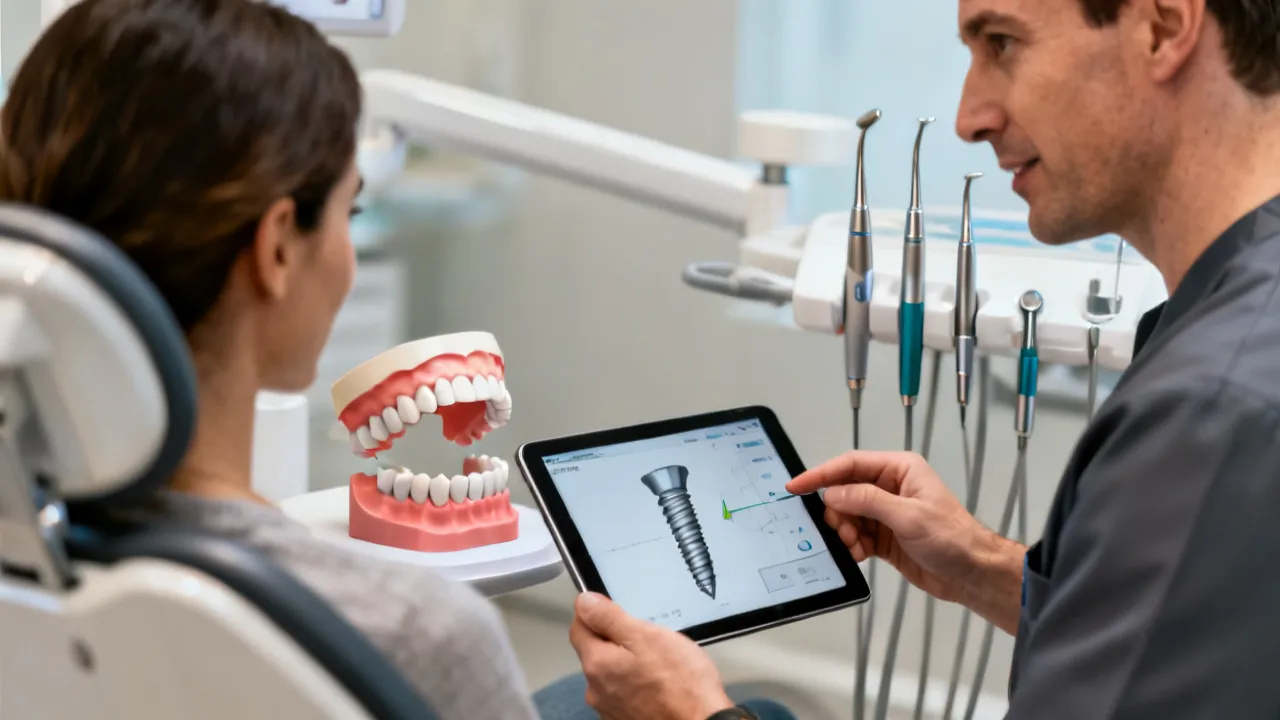
Dental implants usually consist of a surgically placed implant body, an abutment, and a crown or other prosthetic restoration. Treatment can include examination, imaging, tooth extraction when required, healing, implant placement, osseointegration, restoration, and maintenance. The exact sequence varies according to anatomy and the patient’s oral and general health.
Scaling is relevant at several stages:
- Before treatment: It may help reduce local inflammation and improve the clinician’s view of the teeth and gingiva.
- During treatment planning: A periodontal assessment can identify teeth or gum areas that require care before implant placement.
- After placement: Professional maintenance can help manage plaque and calculus around natural teeth and implant-supported restorations.
- During long-term review: Regular examinations allow early assessment of bleeding, pocket changes, prosthetic problems, or peri-implant inflammation.
Natural teeth and implants are not biologically identical. Implants do not develop dental caries, but the tissues around them can become inflamed. Peri-implant mucositis involves inflammation around an implant without progressive supporting bone loss, while peri-implantitis involves inflammation with bone loss. Diagnosis and treatment require a dental professional. Patients should not assume that an implant is immune to oral-health problems.
Before implant placement, the clinician may evaluate the condition of neighbouring teeth as well as the missing-tooth area. An implant placed beside a tooth with active periodontal infection may be exposed to an unfavourable bacterial environment. This does not mean that every patient must receive extensive scaling before surgery, but it explains why a complete oral examination is more useful than a price quote alone.
Periodontal measurements and imaging
A dental professional may use a periodontal probe to measure the depth of the space between the gum and tooth. Bleeding, recession, mobility, plaque deposits, and changes in attachment may also be recorded. Radiographs can help assess bone levels, hidden calculus, root anatomy, infection, or other findings that cannot be seen during a visual examination.
Three-dimensional imaging may be recommended for selected implant cases to evaluate bone width, height, nerve pathways, sinus anatomy, and the position of neighbouring structures. It is not necessarily required for every routine cleaning or every implant consultation. Imaging should be justified by the clinical question it is intended to answer.
When Is Scaling Usually Recommended?
The frequency of professional cleaning or scaling should be individualised. A person with healthy gums and effective daily hygiene may need routine preventive visits at intervals recommended by a dentist. A person with a history of periodontitis, heavy calculus formation, orthodontic appliances, dry mouth, tobacco exposure, diabetes, or difficulty cleaning may need a more structured maintenance schedule.
There is no universally appropriate interval for every patient. A six-month appointment is common in many settings, but it should not be treated as a medical rule. Periodontal risk, previous treatment, age, medication, dexterity, diet, tobacco use, and clinical findings all influence the plan. Some patients may benefit from visits more often than twice a year, while others may be safely reviewed at a different interval.
Scaling may be recommended when calculus is visible or detected below the gumline, when gums bleed easily, when periodontal pockets are present, or when a patient is beginning implant treatment. It may also be included in a maintenance plan after periodontal therapy. The procedure should be based on an examination rather than automatically added to every treatment package.
Signs that deserve professional attention
- Bleeding during brushing or flossing that continues over time
- Swollen, tender, or receding gums
- Persistent bad breath or an unpleasant taste
- Loose or shifting teeth
- New spaces between teeth
- Pain when chewing or sensitivity near the gumline
- Calculus that is visible behind the lower front teeth
- Inflammation, bleeding, or discomfort around an implant
- Food repeatedly becoming trapped between the same teeth
- A change in the way the teeth meet when biting
These signs do not establish a diagnosis. They indicate that a clinical examination may be appropriate. Sudden facial swelling, difficulty breathing or swallowing, fever, uncontrolled bleeding, or severe dental pain requires urgent professional advice.
What Patients Should Expect During Scaling
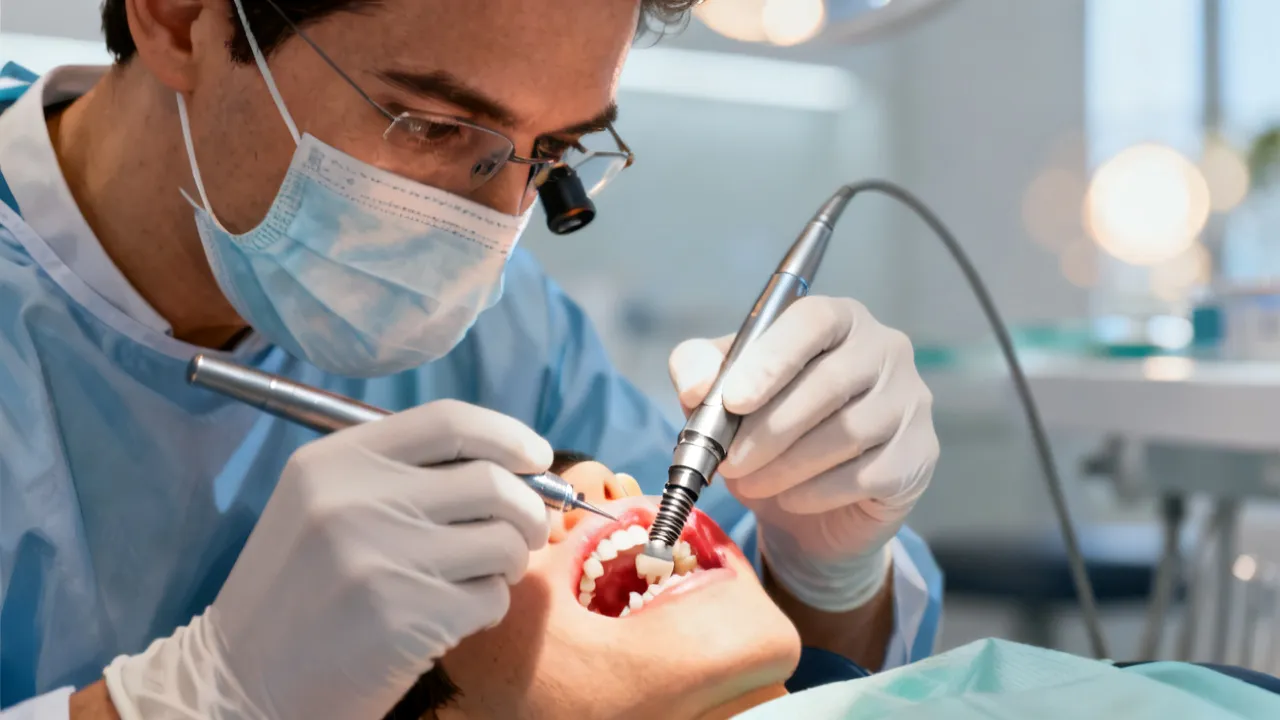
A typical appointment begins with a review of medical history and an examination of the mouth. The clinician may measure gum pockets, assess bleeding, inspect restorations, and take radiographs if there is a reason to evaluate bone levels or hidden disease. The clinician then selects instruments and determines whether routine scaling or a more extensive periodontal procedure is appropriate.
Ultrasonic instruments use vibration and water irrigation to disrupt deposits, while hand instruments provide tactile control for detailed areas. Patients may feel pressure, vibration, water, or temporary sensitivity. Local anaesthesia may be offered when deposits extend below the gumline or when tissue is particularly sensitive. Some patients prefer treatment divided into multiple visits so that the mouth is more comfortable and the clinician can focus on specific areas.
Patients should tell the dental team if they have a strong gag reflex, dental anxiety, sensitivity, a history of fainting, or difficulty remaining open for long periods. Communication can make the appointment more manageable. A patient may agree on a hand signal to request a pause, use protective eyewear, or ask for suction adjustments.
After treatment, mild gum tenderness or sensitivity can occur. Patients should follow the clinic’s instructions, use a soft toothbrush if advised, and avoid aggressive brushing. Warm salt-water rinses may be suggested in some circumstances, although patients should follow the specific instructions provided by their clinician. If pain, swelling, fever, or bleeding persists beyond the expected period, the patient should contact the clinic.
When deep deposits are removed, the teeth can temporarily feel more exposed. This may happen because inflamed gum tissue becomes less swollen or because a deposit had covered part of the tooth. Sensitivity is often manageable with fluoride toothpaste or other measures recommended by the dental team, but persistent sensitivity should be assessed to rule out decay, cracks, worn fillings, or exposed root surfaces.
Daily Care After Scaling
Professional scaling cannot replace home care. A practical routine generally includes brushing twice daily with fluoride toothpaste, cleaning between teeth with floss or interdental brushes, and attending examinations at the interval recommended by the dental team. The most effective interdental device depends on the size of the spaces and the patient’s dexterity.
Patients should brush gently along the gumline rather than scrubbing forcefully from side to side. A soft-bristled brush is generally appropriate, and an electric toothbrush may be useful for people who have difficulty controlling brushing movements. The brush head should be replaced when the bristles become worn. Brushing immediately after acidic foods or drinks may not be advisable; patients can ask their dental team about timing according to their diet and risk factors.
Patients with implants may need specialised brushes, interdental brushes, water irrigation devices, or other aids. The correct technique matters more than purchasing the most expensive product. A hygienist can demonstrate how to clean beneath or around an implant-supported bridge without injuring the soft tissues.
Tobacco cessation is an important part of periodontal and implant care. Patients with diabetes should discuss glucose control with their medical and dental professionals. Medication-related dry mouth may increase plaque retention and caries risk, so patients should mention all prescription and non-prescription medicines during the examination. Frequent sipping of water, sugar-free products, and saliva-support measures may be discussed when appropriate.
Diet also influences oral health. Frequent sugary snacks and sweetened drinks provide repeated opportunities for acid production and may increase the risk of decay around natural teeth. Acidic beverages can contribute to erosion, while sticky foods may remain around restorations. Dietary advice should be personalised rather than based on a single food being labelled completely safe or unsafe.
Understanding the Dental Implant Process
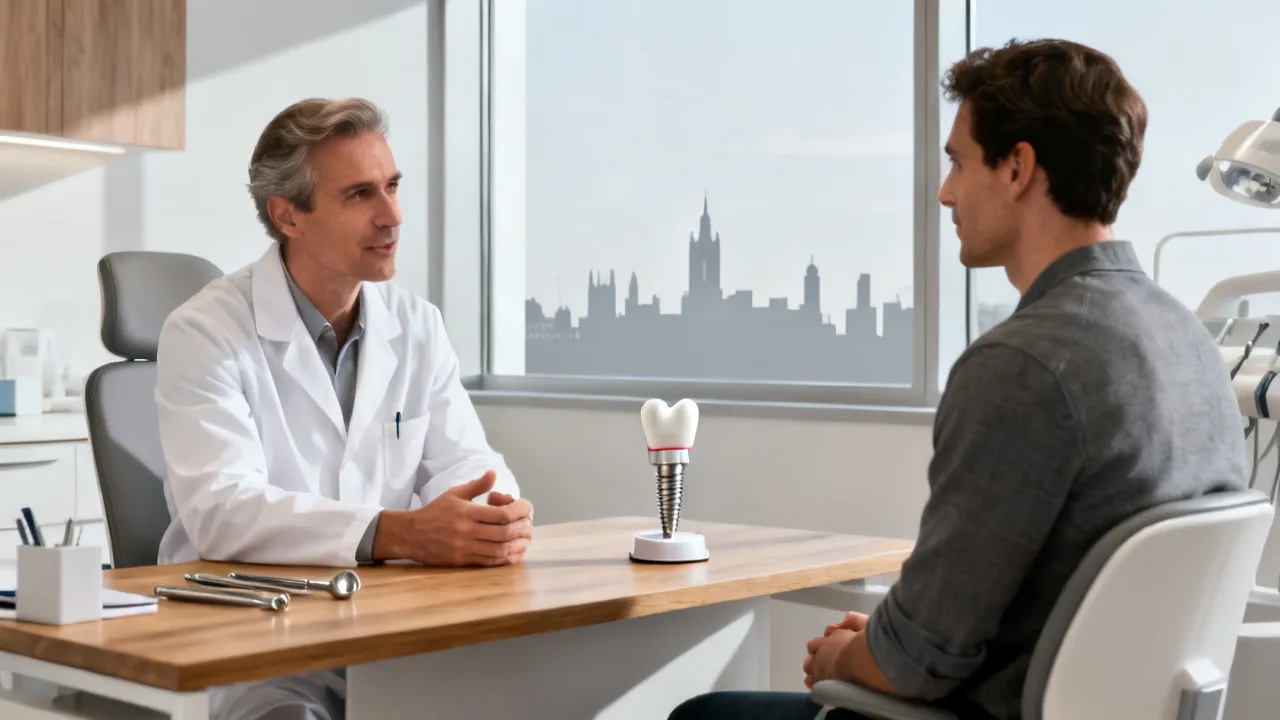
A dental implant is not simply a replacement tooth inserted in one visit. It is a treatment pathway that may involve several professionals, appointments, laboratory stages, and healing periods. A responsible cost comparison must therefore distinguish the price of an individual implant from the total treatment cost.
- Consultation and diagnosis: The dentist evaluates the missing tooth area, adjacent teeth, bite, gums, bone, medical history, and expectations.
- Imaging: Two-dimensional radiographs or three-dimensional imaging may be used when clinically indicated to assess anatomy and treatment risks.
- Pre-treatment: Tooth extraction, periodontal therapy, caries treatment, orthodontic adjustment, or medical coordination may be required.
- Bone or soft-tissue procedures: Some patients require grafting or other procedures because the available tissue does not support the planned restoration.
- Implant placement: The implant body is surgically placed into the jawbone.
- Healing and integration: The implant is allowed to heal and integrate with surrounding bone according to the clinician’s protocol.
- Restoration: An abutment and crown are fabricated and fitted, with adjustments to appearance and bite.
- Maintenance: Periodic examinations and professional hygiene care help monitor the implant and natural teeth.
The quoted phrase “individual dental implant” may refer to only the implant fixture, or it may be used informally to describe the completed implant tooth. Patients should ask which components are included. A written estimate should identify consultation, imaging, extraction, grafting, implant fixture, abutment, crown, temporary restoration, anaesthesia, medication, laboratory charges, follow-up, and possible revision care.
The healing period can vary according to the location of the implant, bone quality, surgical approach, whether grafting was completed, and the patient’s health. Some cases use an immediate temporary restoration, while others require a period without a fixed tooth or use a removable temporary appliance. Patients should ask what they will be able to eat, whether they can work normally, and what restrictions apply during healing.
Alternatives to an implant
An implant is one option for replacing a missing tooth, but it is not automatically the best choice. A conventional fixed bridge may replace the visible tooth by using adjacent teeth as supports. A removable partial denture may replace one or several teeth and can often be provided without implant surgery. In selected cases, leaving a space temporarily or permanently may be reasonable, particularly when appearance and chewing are not significantly affected.
Each option has different implications for cost, maintenance, appearance, comfort, treatment time, and the condition of neighbouring teeth. A bridge may require preparation of adjacent teeth, while a removable appliance may need adjustment or replacement. An implant avoids preparing neighbouring teeth in some situations but involves surgery, healing, and lifelong maintenance. Informed consent should include these alternatives when they are clinically suitable.
Ways to Obtain Dental Implants at Lower Cost in English-Speaking Markets
Lower cost should be evaluated alongside safety, transparency, quality controls, continuity of care, and the clinician’s qualifications. The cheapest advertised figure may exclude essential stages. The following process can help patients compare options responsibly.
1. Obtain a complete diagnosis first
Do not choose a clinic solely from an online headline price. Request an examination and a written treatment plan. If a clinic proposes an implant without discussing periodontal health, bone volume, the bite, smoking, medical conditions, or alternatives, seek clarification before proceeding.
2. Compare complete treatment packages
Ask whether the estimate includes the crown, abutment, imaging, temporary tooth, laboratory work, surgical fees, follow-up visits, and treatment of complications. A lower initial quote may become more expensive when these items are added. Compare like with like: the same implant type, restoration material, number of appointments, and level of aftercare.
3. Consider accredited or regulated providers
Patients should verify the dentist’s registration with the relevant national or regional regulator. In the United States, licensing is administered at the state level. In the United Kingdom, patients can check professional registration through the General Dental Council. In Australia, registration is overseen by the Australian Health Practitioner Regulation Agency, while Canadian requirements vary by province or territory.
Accreditation does not eliminate risk, but registration confirms that the provider is subject to applicable professional rules. Patients should also ask about infection-control procedures, implant-system documentation, emergency arrangements, and who will provide follow-up care.
4. Ask about dental schools and structured community programmes
University dental schools and teaching clinics may offer selected procedures at reduced fees because treatment is performed by supervised students or residents. Availability, eligibility, waiting time, and clinical complexity vary. Patients should understand who will perform each stage and how a qualified supervisor participates. Lower fees may involve longer appointments or multiple visits, but this can be a reasonable option for patients who are not seeking immediate treatment.
5. Review insurance and payment arrangements carefully
Dental insurance may cover examinations, extractions, periodontal treatment, or a portion of restorative care, while implant coverage can be limited by exclusions, waiting periods, annual maximums, missing-tooth clauses, or pre-existing-condition provisions. Patients should request a written benefits estimate rather than relying on an advertisement.
Clinic payment plans may spread the cost, but patients should review interest, administrative charges, cancellation terms, refund rules, and what happens if the treatment is discontinued. Financing should not encourage a patient to accept a procedure that has not been clinically justified. Patients should also ask whether the finance agreement covers only the clinic’s services or includes laboratory and specialist charges.
6. Compare nearby care with overseas treatment cautiously
Dental tourism can reduce the quoted treatment price in some markets, but travel creates additional considerations. Patients should calculate transport, accommodation, time away from work, translation, follow-up visits, revision treatment, and the cost of managing complications after returning home.
Complex treatment may require several visits. A clinic should explain the proposed implant system, who performs surgery and restoration, how records are shared, and what warranty language actually covers. A warranty may cover a component but not bone loss, infection, trauma, poor hygiene, or a restoration damaged by an unrelated event.
7. Avoid unnecessary treatment and pressure sales
A sound treatment plan should explain alternatives, including a conventional bridge, removable partial denture, orthodontic space management, or no immediate replacement when clinically acceptable. Patients should be cautious if a clinic insists on immediate payment, refuses to provide records, offers no explanation of risks, or discourages a second opinion.
Ways to Obtain Dental Implants at Lower Cost in Spanish-Speaking Markets
Spanish-speaking markets include countries with different currencies, healthcare systems, professional regulations, laboratory standards, and costs of living. Patients should compare the total treatment pathway rather than assuming that a lower national average applies to every clinic.
- Use Spanish-language treatment documents: Request the diagnosis, consent form, itemised estimate, implant brand, and maintenance instructions in a language the patient understands.
- Verify professional credentials: Confirm the clinician’s registration through the appropriate national or regional authority and ask about training in implant surgery, prosthodontics, and periodontal care.
- Request digital and written records: Patients travelling between clinics should obtain radiographs, cone-beam scans when applicable, implant passport information, and laboratory details.
- Check the relationship between surgery and restoration: A low surgical price may not include the definitive crown or the clinician who will complete the prosthetic stage.
- Plan for follow-up: Ask how many visits are needed, how long healing may take, and who will manage complications if the patient lives in another region.
- Compare public, university, and private options: Teaching hospitals and dental schools may have structured lower-fee services, although waiting periods and eligibility requirements differ.
- Review payment and insurance terms: Confirm exclusions, laboratory charges, cancellation policies, and whether treatment must be completed within a fixed period.
In Spain, patients may consider the proximity of university dental centres and the availability of regulated private clinics. In Mexico, Colombia, Peru, Chile, and Argentina, prices can vary considerably between major metropolitan areas, regional cities, and tourist destinations. Patients should treat online testimonials as limited evidence and prioritise clinical records, informed consent, and transparent communication.
Ways to Obtain Dental Implants at Lower Cost in Portuguese-Speaking Markets
Brazil and Portugal are the principal Portuguese-speaking markets listed in the supplied reference material. In Brazil, patients should confirm the dentist’s registration with the Conselho Regional de Odontologia and ask which professional is responsible for surgery, prosthodontics, imaging, and laboratory work. In Portugal, patients should verify the provider and dentist through the Ordem dos Médicos Dentistas.
Practical cost-management steps include:
- Request an itemised quotation in Portuguese.
- Confirm whether the stated amount covers only the implant fixture or the complete implant-supported crown.
- Ask whether bone grafting, extraction, provisional teeth, medications, imaging, and post-operative reviews are separate charges.
- Compare more than one regulated clinic while keeping the implant system and restoration specifications consistent.
- Consider teaching clinics where the treatment is supervised and eligibility is clear.
- Retain invoices, implant serial information, radiographs, and written instructions for future maintenance.
- Arrange a long-term maintenance plan, especially when the patient is travelling from another city or region.
Comparison of Dental Information Websites
The following table summarises the supplied websites by their apparent purpose and the type of information a reader may find. The descriptions are informational rather than endorsements. Website content, prices, service availability, and language options can change, so patients should verify details directly with the provider.
| Website or organisation | Relevant features |
|---|---|
| Dental Views | Information about lower-cost dental implants, treatment benefits, implant types, process considerations, pricing topics, and frequently asked questions. |
| Atlantic Dental Group | Clinic information covering general dentistry, cleaning, orthodontics, implants, emergency care, appointments, locations, and dental professionals. |
| DentaVacation | Dental-tourism information, international treatment comparisons, travel planning, and potential cost considerations for patients seeking care abroad. |
| American Dental Health Plans | Dental insurance information, coverage options, plan comparisons, application guidance, and ways insurance may help manage dental expenses. |
| Rockville Dental Arts | Spanish-language dental information and services including implants, whitening, cleaning, orthodontics, and emergency dental care. |
| Union City Mini Dental Implants | Spanish-language information from a clinic focusing on mini dental implant services for selected tooth-replacement situations. |
| Cigna | Spanish-language educational material explaining dental implants, treatment stages, and general considerations for patients. |
| Rubi Odonto | Brazilian clinic information covering orthodontics, whitening, dental implants, clinical staff, and patient-service details. |
| Odontologia Velasco | Brazilian clinic information covering implants, prostheses, aesthetic dentistry, and the use of contemporary dental technologies. |
| DentalVidas | Portuguese-language dental-plan information for individuals, families, and businesses, including network and emergency-service details. |
source: www.dentalviews.com/low-cost-dental-implants
source: www.atlanticdentalgrp.com
source: www.dentavacation.com
source: rockvilledentalarts.com/es
source: unioncityminidentalimplants.com/es
source: www.cigna.com/es-us/knowledge-center/guide-to-dental-implants
source: www.rubiodonto.com.br
source: odontologiavelasco.com.br
source: dentalvidas.com.br
Reference Price Ranges for One Individual Dental Implant
The figures below are the supplied reference ranges for one individual dental implant in selected language markets. They should not be interpreted as a universal quote or as the complete cost of an implant-supported tooth. Depending on the clinic, “implant price” may exclude imaging, extraction, grafting, abutment, crown, sedation, temporary restoration, medication, and follow-up.
| Country | Currency | Reference price range for one individual implant |
|---|---|---|
| United States | USD | $3,000–$6,000 |
| United Kingdom | GBP | £2,000–£2,500 |
| Australia | AUD | AU$3,500–AU$6,500 |
| Canada | CAD | CA$3,000–CA$5,500 |
| Spain | EUR | €1,500–€2,500 |
| Chile | CLP | CLP$800,000–CLP$1,500,000 |
| Mexico | MXN | $15,000–$25,000 |
| Colombia | COP | $2,000,000–$4,000,000 |
| Peru | PEN | S/ 3,000–S/ 6,000 |
| Argentina | ARS | $80,000–$150,000 |
| Brazil | BRL | R$3,000–R$8,000 |
| Portugal | EUR | €1,000–€2,000 |
| Germany | EUR | €2,000–€3,500 |
| France | EUR | €1,500–€2,500 |
| Italy | EUR | €1,500–€3,000 |
| Japan | JPY | ¥300,000–¥700,000 |
Currency symbols can be ambiguous in international advertising. For example, “$” may refer to United States dollars, Mexican pesos, Chilean pesos, or another currency depending on the market. Patients should confirm the currency, exchange-rate method, tax treatment, and payment date in writing. Prices may also change because of inflation, laboratory fees, import costs, exchange rates, and the availability of particular implant components.
How to Compare Implant Quotes Properly
An expert comparison starts with the clinical scope, not the headline number. The following checklist can make quotations more useful:
| Question | Why it matters |
|---|---|
| Does the quote include the crown? | The crown is the visible tooth replacement and may be billed separately from the implant fixture. |
| Is the abutment included? | The abutment connects the implant to the crown and may be a separate component. |
| Are imaging and planning included? | Diagnostic imaging and surgical planning can affect the total treatment budget. |
| Are extraction or grafting costs included? | Additional procedures may be required when a tooth must be removed or bone volume is limited. |
| What follow-up is provided? | Reviews help assess healing, hygiene, bite, prosthetic fit, and possible complications. |
| Which implant system is used? | Patients need records for future maintenance, replacement components, and continuity of care. |
A second opinion is particularly sensible when treatment is extensive, when bone grafting is proposed, when symptoms are unclear, or when the patient is being asked to travel internationally. The second clinician should receive the relevant records and should be able to explain whether the proposed treatment is necessary, optional, or one of several reasonable alternatives.
Questions to ask at a consultation
- Can the natural tooth be restored or treated instead of extracted?
- What periodontal findings must be addressed before surgery?
- Is bone grafting necessary, optional, or dependent on findings during surgery?
- Who will place the implant and who will fabricate and fit the crown?
- What implant brand and model will be recorded in the patient’s file?
- How many visits are expected, and what is the likely healing schedule?
- What happens if the implant does not integrate with the bone?
- Which complications are included in the quoted price, and which are excluded?
- Who provides urgent care outside normal appointment hours?
- How often will scaling or periodontal maintenance be recommended afterward?
Risks, Limitations, and Conditions
Implant surgery can involve pain, swelling, infection, bleeding, nerve disturbance, sinus-related complications in selected upper-jaw cases, failure of integration, peri-implant disease, mechanical problems, and damage to nearby structures. The level of risk depends on anatomy, surgical technique, health factors, maintenance, and other variables.
Patients should disclose pregnancy, allergies, anticoagulant or antiplatelet medicines, osteoporosis medication, immune conditions, diabetes, heart conditions, tobacco use, previous radiation therapy, and any history of delayed healing. Medication should not be stopped without advice from the prescribing clinician.
Age alone does not determine implant suitability. More important considerations include growth completion, bone and soft-tissue conditions, general health, ability to maintain hygiene, and realistic expectations. Adolescents whose jaw growth is incomplete may require a different treatment plan.
Mini dental implants are not interchangeable with conventional implants in every case. Their use depends on the location of the missing tooth, bone dimensions, loading conditions, prosthetic design, and the clinician’s assessment. A smaller implant is not automatically a simpler or more appropriate option.
Smoking and nicotine exposure deserve particular attention. Tobacco can impair healing and may increase the risk of periodontal and peri-implant complications. Patients who smoke should receive candid advice about cessation or reduction before surgery and during healing. The dental team may recommend delaying treatment until the patient can follow a safer plan.
The Role of Scaling After Implant Placement
After restoration, patients should continue cleaning natural teeth and implant-supported teeth. Professional maintenance may include visual inspection, periodontal measurements when appropriate, plaque-control instruction, and removal of deposits with instruments suitable for the implant surface and restoration.
Patients should avoid attempting to scrape an implant with household tools. Improper instruments may damage restorative surfaces or soft tissue. If floss catches, the crown feels loose, the bite changes, or bleeding develops around the implant, the patient should arrange a professional review.
The necessity of scaling is therefore ongoing but individualised. Some patients need routine preventive cleaning; others need periodontal maintenance at shorter intervals. The plan should be based on clinical findings rather than a fixed marketing schedule. An implant that feels comfortable can still require evaluation, because inflammation and bone changes are not always painful during their early stages.
During maintenance, the dental team may review the fit and cleanliness of the crown, the condition of adjacent natural teeth, the presence of bleeding, and the patient’s brushing and interdental technique. Follow-up radiographs may be considered when there are clinical concerns or when monitoring is appropriate. Maintenance is not evidence that the implant has failed; it is part of protecting the investment in the restoration.
Frequently Asked Questions
Is dental scaling painful?
Many patients experience pressure, vibration, water, or mild sensitivity rather than significant pain. Deeper periodontal treatment can be more sensitive, and local anaesthesia may be available. Tell the clinician about sensitivity before treatment so the procedure can be adjusted.
Does scaling damage enamel?
Professional scaling is designed to remove deposits without unnecessarily removing healthy tooth structure. Sensitivity after treatment may reflect exposed root surfaces, pre-existing gum recession, inflammation, or removal of a thick deposit that had covered part of the tooth. Patients should not use unregulated scraping tools at home.
Can scaling cure periodontitis?
Scaling or scaling and root planing can be part of periodontal treatment, but the result depends on disease severity, home care, tobacco exposure, medical factors, and continuing maintenance. Advanced disease may require referral to a periodontist or additional treatment.
Should scaling be completed before an implant?
Often, the dental team will want active gum inflammation and infection controlled before implant placement. The exact sequence depends on the missing tooth, adjacent teeth, bone condition, and urgency. A clinical examination is necessary.
Can I receive an implant immediately after an extraction?
Immediate placement may be possible in selected cases, but it is not appropriate for every patient. The decision depends on infection, socket anatomy, bone availability, soft-tissue condition, bite, and the ability to obtain primary stability.
What is the least expensive implant option?
There is no universally least expensive option that is suitable for every patient. A conventional bridge or removable partial denture may have a lower initial cost than an implant, but function, durability, maintenance, adjacent-tooth preparation, and long-term objectives must be considered. A clinician should explain the alternatives.
Are overseas implants safe?
Safety depends on the provider, diagnosis, surgical environment, materials, informed consent, follow-up, and continuity of care rather than geography alone. International treatment may make follow-up more difficult. Patients should obtain complete records and plan who will manage complications after returning home.
Does dental insurance cover implants?
Coverage varies widely. Some plans exclude implants, while others provide limited benefits or cover related services subject to waiting periods and annual limits. Patients should review the policy and request a written pre-treatment estimate.
How long do dental implants last?
Longevity varies according to oral hygiene, periodontal health, tobacco use, medical conditions, bite forces, restoration design, maintenance, and trauma. No clinician can promise a particular lifespan for every patient. Regular review is important even when an implant feels normal.
How often should I have scaling?
The appropriate interval depends on gum health, calculus formation, previous periodontal disease, implants, orthodontic appliances, and other risk factors. Ask the dental team to explain why a particular schedule is recommended instead of relying on a universal interval.
Practical Decision Framework
Patients can organise the decision into five stages:
- Stabilise oral health: Address active decay, gum inflammation, infection, and hygiene difficulties.
- Clarify the treatment objective: Decide whether the goal is replacement of one tooth, multiple teeth, chewing improvement, appearance, or prosthesis support.
- Compare clinically suitable alternatives: Review implants, bridges, removable prostheses, and other options with their advantages and limitations.
- Request a complete written estimate: Separate surgical, restorative, laboratory, imaging, medication, travel, and maintenance costs.
- Plan lifelong maintenance: Include professional examinations, scaling when indicated, daily cleaning, and prompt review of symptoms.
This framework places the most important issue first: a low price is useful only when the treatment is appropriate, transparent, and supported by competent follow-up. Scaling necessity belongs within that broader strategy because the health of the gums and supporting tissues influences both natural teeth and implant care.
Conclusion
Dental scaling is a clinically relevant method for controlling calculus and supporting periodontal health. Its necessity depends on the patient’s findings, risk profile, and treatment history. For people considering implants, periodontal assessment and appropriate hygiene care should precede and follow implant treatment when recommended by the dental team.
Low-cost dental implants require more than comparing advertisements. Patients should evaluate the complete treatment scope, provider credentials, implant-system records, additional procedures, aftercare, insurance conditions, and the practical consequences of travelling for treatment. The supplied websites can serve as starting points for general information, but they should not replace an examination, informed consent, or an individual treatment plan.
Patients who understand the distinction between routine scaling, periodontal therapy, implant surgery, and implant maintenance are better prepared to ask useful questions. The goal is not simply to find the lowest fee. It is to find treatment that is clinically justified, clearly priced, safely delivered, and supported by a realistic plan for daily care and professional follow-up.
References and Links
- Dental Views: Low-Cost Dental Implants
- Atlantic Dental Group
- DentaVacation
- Rockville Dental Arts, Spanish-language website
- Union City Mini Dental Implants, Spanish-language website
- Cigna: Spanish Guide to Dental Implants
- Rubi Odonto
- Odontologia Velasco
- DentalVidas
- American Dental Association Health Policy Institute
- U.S. Centers for Disease Control and Prevention: Oral Health
- National Institute of Dental and Craniofacial Research: Gum Disease
- European Federation of Periodontology
Disclaimer
1. The information above comes from online resources, and the data is as of October 2023.
2. Dental implant prices are for reference only and may vary by region, clinic, doctor, treatment complexity, materials, currency, insurance conditions, and the services included in the quotation. This article is educational and does not replace a diagnosis or treatment recommendation from a qualified dental professional.