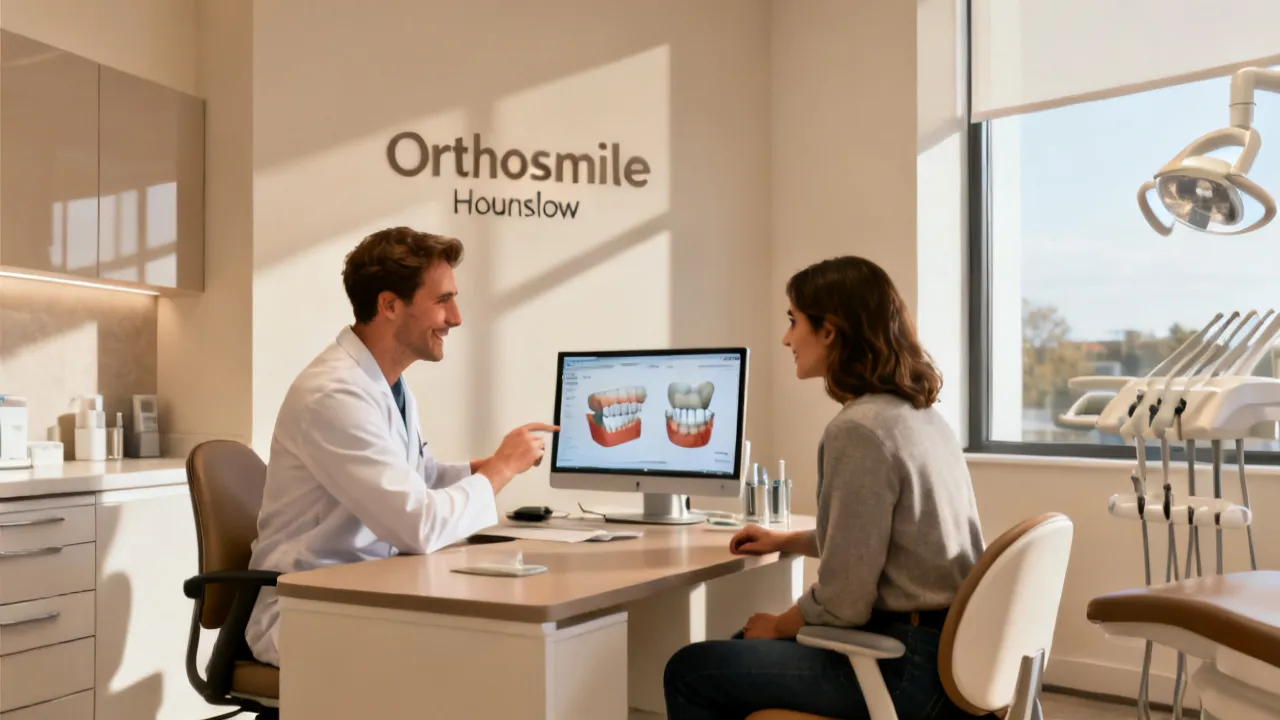
Understanding the Necessity of Dental Scaling
This guide explains the necessity of dental scaling, how professional plaque and tartar removal supports oral health, and when treatment may be appropriate. It distinguishes routine scaling from periodontal therapy, reviews preparation, aftercare, risks, and common questions, and discusses how preventive care can influence future dental expenses. A supplementary comparison of dental implant information websites and indicative implant prices is also provided for international readers.
Why Dental Scaling Matters
The necessity of dental scaling lies in its ability to remove hardened deposits that ordinary brushing and flossing cannot eliminate. Dental plaque is a soft, sticky bacterial film that forms continuously on teeth, around fillings, near crowns, and along the gumline. When plaque is not removed effectively, minerals in saliva can harden it into calculus, commonly called tartar. Once calculus has formed, brushing and flossing may remove some of the surrounding plaque, but they generally cannot detach the hardened deposit completely. Scaling uses professional instruments to remove these deposits from tooth surfaces and, when clinically indicated, from areas near or below the gumline.
From an industry expert’s perspective, scaling is not simply a cosmetic polishing service. It is one component of preventive and periodontal care. A dental professional uses the appointment to examine gum bleeding, pocket depths, recession, tooth mobility, restorations, bite-related concerns, and areas where plaque accumulates. The correct interval and method depend on the patient’s oral-health condition rather than on a universal calendar. A person with healthy gums and effective home care may require a different schedule from someone with periodontitis, orthodontic appliances, dental implants, dry mouth, or limited ability to clean independently.
Routine scaling may help reduce the bacterial burden associated with gingivitis, improve access for daily cleaning, and support fresher breath. It may also make the teeth feel smoother because rough deposits that trap plaque have been removed. However, scaling does not replace brushing, interdental cleaning, fluoride use where appropriate, a balanced diet, or treatment for cavities and advanced periodontal disease. Patients with persistent bleeding, swelling, pus, loose teeth, fever, or pain should receive a clinical assessment rather than relying on scaling alone.
Healthy gums usually fit closely around the teeth and do not bleed easily during gentle brushing or interdental cleaning. When plaque remains undisturbed, the body’s inflammatory response can make the gums red, swollen, and more likely to bleed. This early stage is commonly called gingivitis. Gingivitis can often be improved with professional cleaning and consistent home care. If inflammation continues and affects the supporting bone and ligaments, it may progress to periodontitis, a condition that requires more comprehensive management.
What Dental Scaling Removes
Dental scaling targets plaque and calculus deposited on enamel, along the gum margin, and in selected cases beneath the gumline. Plaque can often be disrupted with a toothbrush and interdental brush when it is still soft. Calculus is different: once mineralized, it generally requires dental instruments for removal. The color of calculus can range from pale yellow or cream to brown, gray, or black, particularly when it has absorbed pigments from tobacco, coffee, tea, or other substances.
- Supragingival calculus: Hardened deposits visible above the gumline or near the edges of the gums.
- Subgingival calculus: Deposits located below the gumline, often associated with periodontal pockets and chronic inflammation.
- Plaque-retentive deposits: Rough areas that make daily cleaning more difficult and encourage new plaque accumulation.
- External staining: Some surface discoloration may be reduced during cleaning, although scaling is not the same as tooth whitening.
- Food and debris accumulation: Material trapped around crowded teeth, bridges, orthodontic brackets, or poorly contoured restorations may be removed during professional care.
Scaling cannot reverse the loss of bone caused by advanced periodontitis. It also cannot repair cavities, replace missing teeth, correct defective dental restorations, or restore gum tissue that has permanently receded. Its value is greatest when it forms part of a broader plan based on examination findings. In some cases, the clinician may need to take radiographs or measure periodontal pockets before deciding whether routine scaling is enough.
The amount of calculus a person develops is influenced by saliva chemistry, tooth position, diet, oral hygiene, smoking, dry mouth, medication, and the presence of dental appliances. Some people develop deposits quickly despite reasonable home care, while others accumulate little calculus. This difference is one reason treatment intervals should be personalized rather than based only on a friend’s schedule or a general online recommendation.
Scaling, Polishing, and Deep Cleaning: Important Differences
Dental terminology varies between clinics, so patients should ask what is included in a proposed appointment. A standard cleaning may include an oral examination, scaling, polishing, and oral-hygiene guidance. Polishing smooths selected external stains and residual deposits after scaling, but it does not remove all calculus by itself. Polishing also does not change the internal shade of a tooth in the way professional bleaching can.
“Deep cleaning” commonly refers to scaling and root planing. This periodontal treatment is designed for patients with gum pockets, bleeding, inflammation, bone loss, and other findings suggestive of periodontitis. It may be performed by sections of the mouth and can involve local anesthesia. The root surfaces are carefully debrided and smoothed to help the gum tissue heal more effectively and to make future plaque control easier.
| Service | Typical purpose |
|---|---|
| Routine scaling | Removal of plaque and calculus above the gumline and around accessible tooth surfaces. |
| Scaling with polishing | Professional deposit removal followed by limited reduction of external stains and surface roughness. |
| Scaling and root planing | Periodontal treatment for deposits and bacterial contamination associated with deeper gum pockets. |
| Periodontal maintenance | Continuing care after periodontal treatment, adjusted according to gum health and risk factors. |
A patient should not assume that a routine cleaning is sufficient when there are deep pockets or bone loss. Conversely, not every patient needs root planing. An appropriate diagnosis prevents both undertreatment and unnecessary intervention. If a clinic recommends deep cleaning, the patient can reasonably ask which teeth or areas are affected, whether pocket measurements support the recommendation, whether radiographs show bone loss, and what follow-up will be required.
Root planing is not simply a more expensive version of ordinary cleaning. It is a periodontal procedure intended to address disease beneath the gumline. It may require more time, local anesthesia, multiple visits, and reassessment. The gums may become less swollen after treatment, which can reveal recession that was previously hidden by inflammation. This change does not necessarily mean the treatment caused damage; it may reflect the healing of tissue that had been enlarged or inflamed.
Signs That Professional Scaling May Be Needed
The following signs can indicate a need for a dental examination and possible scaling:
- Bleeding during brushing or interdental cleaning.
- Red, swollen, tender, or shiny gum tissue.
- Persistent bad breath or an unpleasant taste.
- Visible yellow, brown, or dark deposits near the gumline.
- Teeth that feel rough after brushing.
- Gum recession or teeth that appear longer than before.
- Food repeatedly becoming trapped between particular teeth.
- Increasing tooth sensitivity or mild gum discomfort.
- Teeth that feel loose or have changed position.
- A change in the fit of a partial denture, bridge, or bite.
- Bleeding or discharge around a dental implant.
Bleeding is not a reason to stop cleaning the teeth. It is often a sign of inflammation, although other causes are possible. Gentle brushing with a soft-bristled toothbrush and careful interdental cleaning should generally continue while the patient arranges an assessment. Avoiding the area can allow plaque to remain and may worsen inflammation. Severe pain, facial swelling, fever, difficulty swallowing, difficulty breathing, or rapidly increasing swelling requires prompt dental or medical attention.
Bad breath deserves attention when it persists despite brushing, cleaning the tongue, drinking water, and improving interdental hygiene. Calculus and gum inflammation can contribute to odor, but cavities, a coated tongue, dry mouth, sinus conditions, tonsil problems, tobacco use, and certain medical issues may also be involved. Scaling may help one cause while leaving another untreated, which is why ongoing symptoms should be discussed with a dental professional.
How Often Should Scaling Be Performed?
There is no single interval that applies to everyone. Many adults with stable gums attend preventive examinations and professional cleaning at intervals recommended by their dentist. Some patients may need more frequent periodontal maintenance because of a history of periodontitis, tobacco use, diabetes, limited manual dexterity, orthodontic appliances, dry mouth, crowded teeth, medication-related gum enlargement, or difficulty controlling plaque.
An expert recommendation should be based on measurable findings such as plaque levels, calculus accumulation, bleeding points, periodontal pocket measurements, radiographic evidence when necessary, and the patient’s medical history. Scheduling a cleaning too often without clinical justification may cause unnecessary expense or irritation, while waiting too long can allow preventable inflammation to persist. A patient who routinely develops heavy calculus may benefit from a shorter interval, whereas a person with excellent plaque control and healthy gums may not need the same frequency.
Patients who have completed treatment for periodontitis often require periodontal maintenance rather than occasional routine cleaning. This maintenance visit may include a review of pocket depths, bleeding, plaque, recession, tooth mobility, and risk factors. The aim is to detect recurrence or progression early. Periodontal disease can be relatively quiet, so the absence of pain does not always mean that the supporting tissues are healthy.
Children, older adults, pregnant patients, and people with complex medical conditions may require individualized advice. Pregnancy itself does not automatically mean that scaling should be avoided. Inflammation can become more noticeable during pregnancy, so patients should discuss timing, symptoms, and any medical considerations with their dental and healthcare professionals. Older adults may need assistance selecting brushes and interdental aids if arthritis, vision limitations, or neurological conditions make daily cleaning difficult.
The Main Health Benefits of Scaling
1. Supporting gum health
Removing calculus gives the gums a cleaner surface and may make daily plaque control more effective. In cases of gingivitis, professional debridement combined with improved home care can help reduce redness and bleeding. The result depends on the cause and severity of inflammation. If the patient continues to accumulate plaque rapidly, inflammation may return even after an excellent cleaning.
2. Helping identify periodontal disease
A scaling appointment often includes periodontal screening. Early identification of pocketing, recession, mobility, and bone-related concerns allows a clinician to recommend appropriate treatment before the condition becomes more difficult to manage. Early intervention may involve improved home care, professional maintenance, behavior changes, non-surgical periodontal treatment, or referral to a specialist.
3. Improving cleaning access
Calculus creates an uneven surface that can retain more plaque. Once deposits are removed, patients may find it easier to position a toothbrush or interdental brush correctly. The clinician can also demonstrate techniques for crowded teeth, bridges, implants, or orthodontic appliances. In some cases, the most useful outcome of an appointment is not only the removal of deposits but also learning how to prevent their rapid return.
4. Reducing some sources of oral malodor
Odor can originate from bacterial deposits, the tongue, periodontal pockets, dry mouth, cavities, respiratory conditions, and other factors. Scaling may help when calculus and gum inflammation contribute to the problem, but persistent malodor needs further evaluation. Cleaning the tongue, drinking adequate water, managing dry mouth, and reducing tobacco use can also be important.
5. Protecting long-term dental treatment
Healthy gums provide a more stable environment for fillings, crowns, bridges, orthodontic treatment, and dental implants. Scaling does not guarantee the success of any restoration, but regular maintenance can help clinicians identify problems and support the surrounding tissues. Restorations with overhanging edges or poor contours may trap plaque and may require adjustment or replacement rather than repeated cleaning alone.
6. Supporting patient awareness
Many patients are unaware of areas they are missing during daily brushing. A professional cleaning appointment can reveal patterns of buildup and provide practical feedback. For example, deposits on the inside of the lower front teeth may reflect the location of salivary ducts, while buildup around a bridge may indicate that a floss threader, interdental brush, or water irrigator is needed.
What Happens During a Scaling Appointment?
A typical appointment begins with a review of the patient’s medical and dental history. The clinician may ask about medications, allergies, sensitivity, pregnancy, tobacco use, diabetes, previous periodontal treatment, and home-care habits. The mouth is then examined for plaque, calculus, gum inflammation, recession, pocket depth, tooth wear, cavities, and defective restorations.
Periodontal probing may be used to measure the space between the gum and tooth. This measurement helps distinguish superficial inflammation from deeper periodontal involvement. Bleeding during probing, pus, recession, and changes in the attachment of gum tissue can provide additional information. Radiographs may be recommended when the clinician needs to evaluate bone levels, hidden calculus, cavities between teeth, or other structures that cannot be assessed visually.
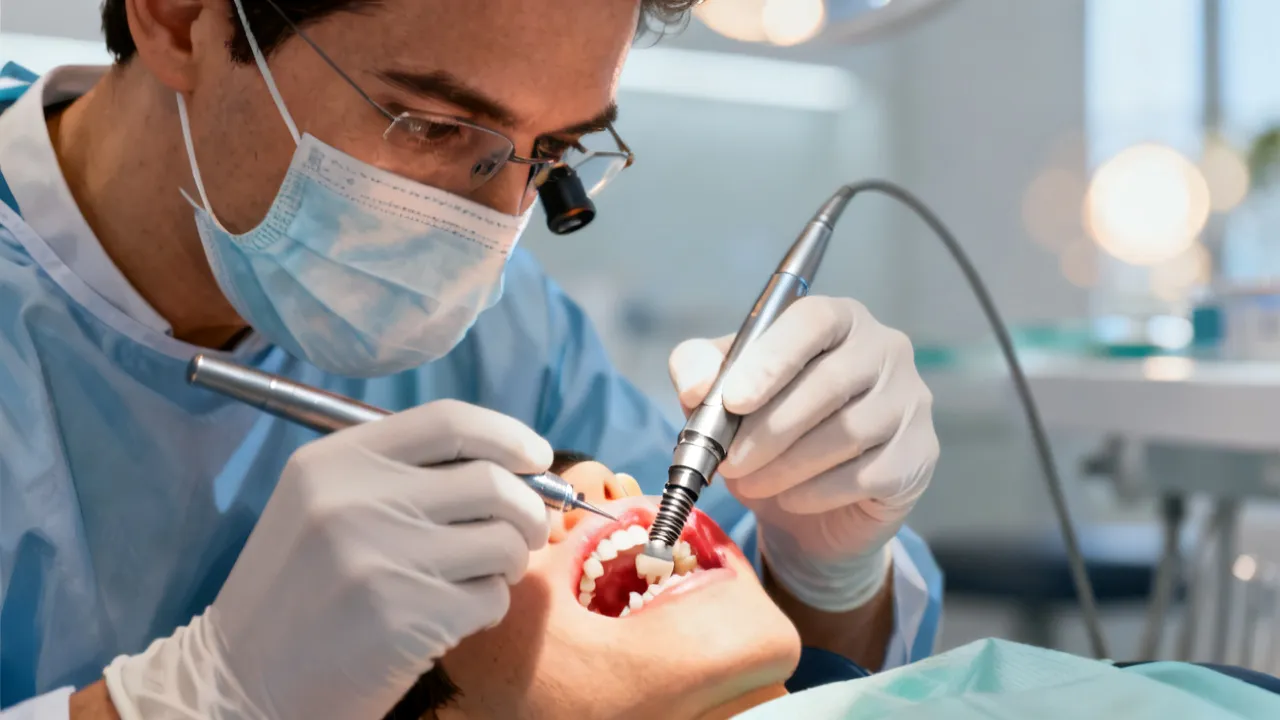
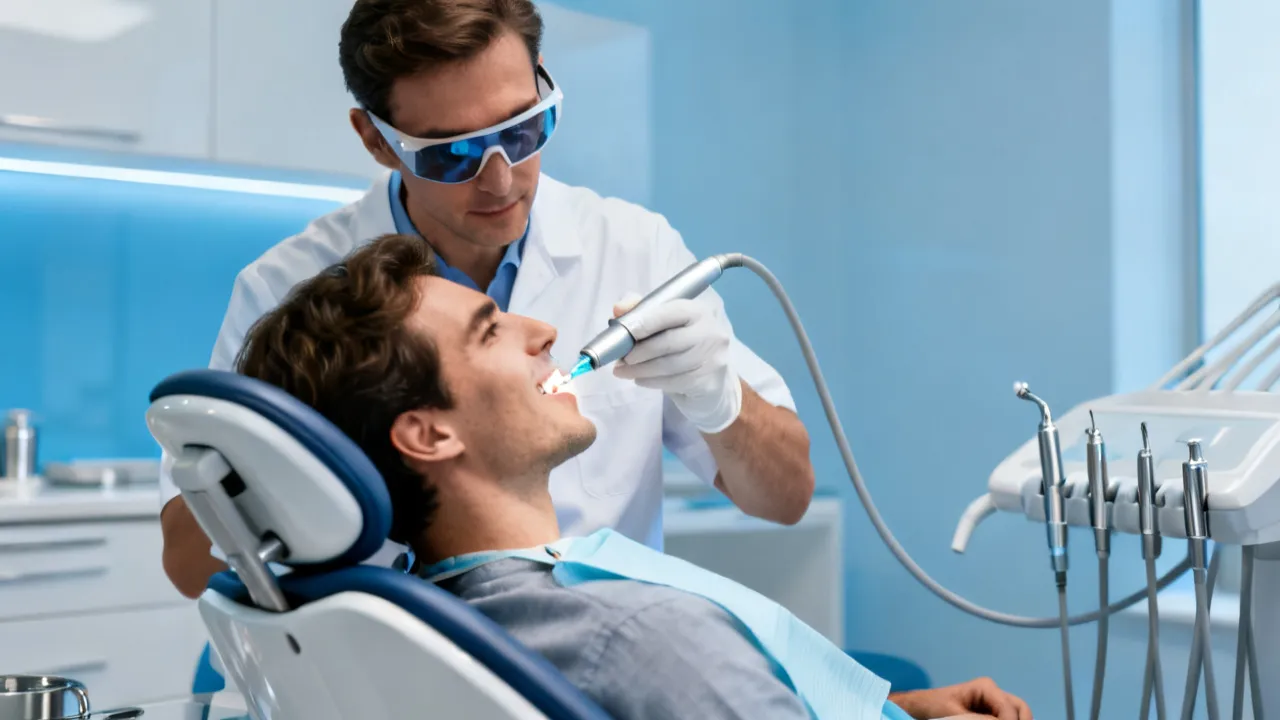
Scaling may be performed with an ultrasonic device, hand instruments, or a combination of both. Ultrasonic equipment uses vibration and water irrigation to loosen deposits and cool the working area. Hand instruments help the clinician refine surfaces and access locations that require greater tactile control. Instruments should be sterilized or appropriately processed according to infection-control requirements.
Patients may hear vibration, water flow, or scraping sounds. Mild pressure and sensitivity are common, but sharp or persistent pain should be reported. The clinician can adjust the technique, use topical or local anesthesia when appropriate, or divide treatment into shorter appointments. People with strong gag reflexes, anxiety, or sensory sensitivities can ask about positioning, suction, breaks, and communication signals before treatment begins.
After deposits are removed, polishing may be offered if clinically suitable. The clinician may then provide advice on brushing, interdental cleaning, fluoride products, diet, tobacco cessation, or management of dry mouth. If periodontal disease is suspected, radiographs, periodontal charting, or referral to a periodontist may be recommended. A follow-up appointment may be needed to determine whether the gums have responded and whether deeper treatment is necessary.
Preparing for Scaling
Preparation is usually straightforward, but accurate medical information is important. Patients should provide a complete list of prescription medicines, supplements, allergies, implanted medical devices, and relevant medical diagnoses. People taking anticoagulants or antiplatelet medicines should not stop them without instructions from the prescribing clinician. The dental team may need to coordinate with a physician in particular circumstances.
Patients with a history of difficult dental experiences can request an explanation of each step, breaks during treatment, or a signal to pause. Eating a light meal before an appointment may be practical unless sedation or another procedure requires specific instructions. A normal brushing routine can continue, but aggressive scrubbing immediately before the visit is unnecessary and may make the gums more tender.
Antibiotic prophylaxis is not routinely required for dental scaling. It may be considered for selected patients under current medical guidance, particularly those with specific cardiac conditions or other defined risks. The decision belongs to the dental and medical professionals managing the patient. Patients should not self-prescribe leftover antibiotics or assume that antibiotics can replace the removal of calculus and plaque.
If a patient has an artificial joint, heart condition, immune-system disorder, bleeding disorder, or poorly controlled diabetes, the dental office should be informed before treatment. These conditions do not always prevent scaling, but they may affect scheduling, precautions, or follow-up. Clear communication helps the dental team provide safer and more appropriate care.
Aftercare and Expected Effects
Temporary sensitivity to cold, mild gum tenderness, or a small amount of bleeding may occur after scaling, especially when inflammation or substantial calculus was present. These effects commonly improve as the gums recover. Patients should follow the instructions provided by their clinician and avoid aggressive brushing. If a desensitizing toothpaste or fluoride product has been recommended, it should be used consistently rather than only once.
- Use a soft-bristled toothbrush and gentle pressure.
- Clean between the teeth daily with an appropriate device.
- Follow any fluoride or desensitizing-product recommendation.
- Choose moderate-temperature foods if the teeth are sensitive.
- Maintain hydration and address dry mouth when relevant.
- Avoid smoking or vaping, especially while the gums are irritated.
- Contact the clinic if pain, swelling, bleeding, or sensitivity is severe or persistent.
Patients sometimes believe that scaling makes teeth loose. More often, deposits had been covering spaces or inflamed tissues, and their removal makes existing mobility or gaps more noticeable. A professional assessment is needed to determine whether mobility reflects periodontal support loss, trauma, bite forces, root fracture, or another condition.
Gums may look slightly different after treatment. Inflamed tissue can shrink as it heals, causing the teeth to appear longer or spaces to seem more visible. This is not necessarily a harmful effect of scaling. It may reveal the underlying position of the gumline after swelling has reduced. Patients who notice significant changes should ask the clinician to explain the findings and discuss treatment options.
Potential Risks and Limitations
Scaling is widely used, but no procedure is entirely without considerations. Temporary sensitivity can occur when deposits have covered exposed root surfaces. The gums may appear lower after swelling subsides, which can make recession seem more pronounced. Minor bleeding is possible when inflamed tissue is instrumented. Rarely, patients may experience soft-tissue irritation or discomfort related to prolonged mouth opening.
Scaling does not whiten the natural internal color of teeth, remove every intrinsic stain, or eliminate the need for restorative treatment. It may also be insufficient for advanced periodontal disease. Root planing, periodontal surgery, antimicrobial treatment, extraction of hopeless teeth, or specialist care may be considered depending on the diagnosis.
Patients should be cautious about services that promise dramatic whitening, permanent gum protection, or guaranteed prevention of tooth loss through scaling alone. Evidence-based dental care is individualized and includes diagnosis, informed consent, realistic expectations, and follow-up. A professional should explain why a procedure is recommended and what alternatives may exist.
Scaling should also be distinguished from unnecessary scraping performed outside a regulated dental setting. At-home metal tools can scratch restorative materials, injure the gums, or push deposits deeper beneath the gumline. Online videos may make self-scaling appear simple, but a clinician must be able to see and feel the tooth surface while avoiding soft tissues and restorations. Professional instruments and training are important for safe treatment.
Scaling Around Dental Implants
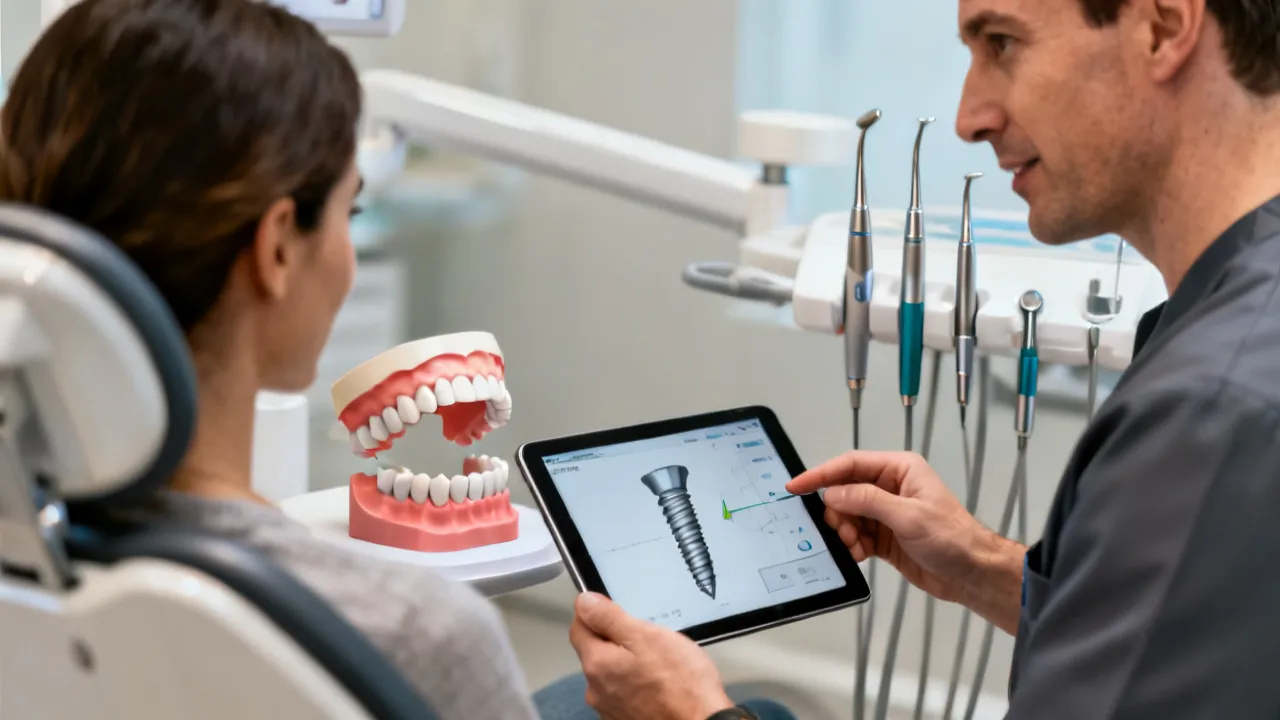
Dental implants require maintenance, even though the implant itself cannot develop tooth decay. Plaque can still inflame the gum tissue around an implant, causing peri-implant mucositis or, in more advanced cases, peri-implantitis. The clinician should use instruments and techniques appropriate for the implant material and prosthetic design. A cleaning plan should consider the crown’s shape, the accessibility of its margins, and the patient’s ability to clean beneath or around it.
Patients with implants should ask whether the practice provides implant maintenance and which interdental tools are suitable. A professional may recommend implant-specific brushes, floss alternatives, water irrigation devices, or small interdental brushes. The best method depends on the restoration’s shape and the surrounding tissue. Some products may be inappropriate if used forcefully, so patients should receive a demonstration.
Scaling is not a substitute for evaluating implant mobility, bleeding, suppuration, changes in bite, discomfort, or radiographic bone loss. Any of these findings should be reviewed promptly. Maintaining natural teeth and gums before tooth loss may also reduce the future need for complex restorative procedures. Patients considering implants should understand that long-term success depends on the initial surgery, the quality of the restoration, smoking status, systemic health, bite forces, and ongoing maintenance.
How Scaling Can Influence Future Dental Costs
Preventive care should not be presented as a guarantee against costly treatment. Nevertheless, timely detection can help identify cavities, failing fillings, gum disease, and bite-related problems while management may be less complex. The financial effect varies widely according to insurance coverage, location, clinical severity, treatment materials, and provider fees.
Patients comparing prices should ask for an itemized estimate. A quoted cleaning may or may not include examination, radiographs, polishing, periodontal charting, local anesthesia, or follow-up. The term “deep cleaning” should be clarified because it may refer to a more involved periodontal procedure rather than a routine scale and polish. Patients should also ask whether treatment will be completed by a dentist, dental hygienist, periodontist, or another licensed professional under supervision.
Prevention can have practical financial value because it supports early diagnosis and helps preserve natural teeth. Still, cost should not be the only consideration. A very low price may exclude essential diagnostic steps, use unclear materials, or provide limited follow-up. A slightly higher fee from a properly trained provider may represent better value if it includes comprehensive planning, safe infection control, appropriate equipment, and continuing care.
Lower-Cost Dental Implants: A Careful Planning Guide
The necessity of scaling is separate from the decision to replace a missing tooth with an implant. A patient may need periodontal stabilization before implant placement because active gum disease can compromise the surrounding tissues. Anyone investigating lower-cost dental implants should begin with diagnosis and treatment planning rather than selecting a clinic solely on advertised price.
Step 1: Confirm whether an implant is appropriate
A dentist or oral surgeon should evaluate the missing-tooth area, neighboring teeth, gum condition, bone volume, bite, medical history, and expectations. Alternatives may include a conventional bridge or removable partial denture. The most suitable option depends on function, oral health, anatomy, preferences, and total treatment requirements. In some cases, preserving a damaged natural tooth may be possible, while in others extraction and replacement may be the more predictable option.
Step 2: Stabilize oral disease first
Cavities, active periodontal disease, poor plaque control, and untreated infections should be addressed before implant surgery when clinically necessary. Professional scaling and home-care instruction may therefore be part of implant preparation. A healthy maintenance routine remains important after the implant is restored. If periodontal disease is not controlled, the same inflammatory process that affected natural teeth can threaten the tissues around an implant.
Step 3: Request a complete treatment plan
The plan should identify consultation fees, imaging, extraction, bone grafting, sinus procedures, implant placement, abutment, crown, temporary teeth, anesthesia, laboratory charges, medications, and follow-up. A low initial figure may exclude one or more of these stages. Patients should ask whether the quote covers one implant and one crown or only the surgical fixture. They should also ask whether a temporary replacement will be provided during healing.
Step 4: Compare credentials and clinical safeguards
Verify the clinician’s professional registration, implant training, infection-control procedures, emergency arrangements, warranty terms, and follow-up policy. Patients should be able to identify the implant manufacturer and understand how records will be transferred if treatment takes place away from home. A clinic should explain who will manage complications, how quickly the patient can be seen, and whether another specialist will be involved.
Step 5: Evaluate local and international options carefully
Dental tourism can reduce quoted treatment fees in some markets, but travel introduces additional considerations. Patients should calculate transportation, accommodation, time away from work, companion costs, exchange-rate changes, and possible treatment for complications after returning home. A clinic should explain how many visits are required and what happens if healing is slower than expected.
Some implant cases require several months between surgery and final restoration. The healing period may be shorter or longer depending on bone quality, grafting, immediate loading protocols, systemic health, and the location of the implant. Patients should be wary of a plan that promises a final result without allowing for biological healing or adequate review.
Step 6: Confirm material and laboratory details
Ask which implant system, abutment, crown material, and laboratory will be used. The least expensive component is not necessarily the most appropriate for the patient’s anatomy or functional needs. The availability of replacement parts and compatible components may matter for long-term maintenance. Patients should receive documentation identifying the implant brand and model, particularly if they may move or seek future care from another clinic.
Step 7: Obtain records and plan maintenance
Patients should receive copies of imaging, implant identification labels, treatment notes, and restoration details. They should also arrange continuing examinations and professional cleaning near home. Implant care is an ongoing responsibility, not a procedure that ends when the crown is inserted. Maintenance visits can identify inflammation, excess cement, bite changes, loose components, and cleaning difficulties before they become more serious.
Ways to Manage Implant Expenses Responsibly
- Compare complete treatment plans rather than headline prices.
- Ask about staged payment arrangements and written cancellation policies.
- Check whether dental insurance or a dental plan contributes to selected stages.
- Consider accredited teaching clinics where treatment is supervised and eligibility is appropriate.
- Prioritize preventive scaling and periodontal maintenance before and after implant care.
- Obtain a second clinical opinion when grafting or extensive treatment is proposed.
- Avoid choosing a provider based solely on online testimonials or unusually low advertisements.
- Ask whether financing adds interest, administrative fees, or penalties for early repayment.
- Budget for future examinations, professional cleaning, replacement components, and possible repairs.
Insurance benefits differ substantially. Some plans exclude implants, cover only the crown, impose waiting periods, or apply annual limits. Patients should request written confirmation of benefits and ask whether a preauthorization process is available. A dental savings plan may reduce selected fees but is not the same as insurance and may have different network requirements.
Patients should also consider whether delaying treatment could affect neighboring teeth, chewing function, speech, or bone volume. On the other hand, financial pressure should not lead someone to accept an unsuitable procedure. A temporary denture or other interim option may provide time to save money, obtain a second opinion, or stabilize gum health before definitive treatment.
Comparison of Dental Information Websites
The following table summarizes the types of information described on selected websites. It is intended as a research starting point, not a clinical recommendation or endorsement. Website content, availability, prices, and services can change, so readers should verify details directly with each provider. Educational web pages may simplify complex treatment decisions and should not be treated as a substitute for an examination.
| Website or organization | Information focus and notable features |
|---|---|
| Dental Views | Information about lower-cost dental implants, implant benefits, treatment types, process explanations, cost considerations, and common questions. |
| Atlantic Dental Group | General dental services, including cleaning, orthodontics, implants, emergency care, clinic information, and appointment access. |
| DentaVacation | Dental-tourism information, international treatment comparisons, travel planning, and guidance for patients considering treatment abroad. |
| American Dental Health Plans | Dental insurance information, plan comparisons, coverage considerations, applications, and methods for managing treatment expenses. |
| Rockville Dental Arts | Spanish-language dental information and services such as implants, whitening, cleaning, orthodontics, and emergency dentistry. |
| Union City Mini Dental Implants | Information focused on mini dental implants and possible applications for selected areas of tooth loss. |
| Cigna | Spanish-language educational material explaining dental implants, treatment stages, and general patient considerations. |
| Rubi Odonto | Brazilian dental clinic information covering orthodontics, whitening, implants, and general patient care. |
| Odontologia Velasco | Information about implants, prostheses, aesthetic dentistry, and technology-supported clinical services in Brazil. |
| DentalVidas | Dental-plan information for individuals, families, and businesses, including network access and emergency service descriptions. |
source: [www.dentalviews.com/low-cost-dental-implants/](https://dentalviews.com/low-cost-dental-implants/)
source: [www.atlanticdentalgrp.com/](https://www.atlanticdentalgrp.com/)
source: [www.dentavacation.com/](https://www.dentavacation.com/)
source: [rockvilledentalarts.com/es/](https://rockvilledentalarts.com/es/)
source: [unioncityminidentalimplants.com/es/](https://unioncityminidentalimplants.com/es/)
source: [www.cigna.com/es-us/knowledge-center/guide-to-dental-implants](https://www.cigna.com/es-us/knowledge-center/guide-to-dental-implants)
source: [www.rubiodonto.com.br/](https://www.rubiodonto.com.br/)
source: [odontologiavelasco.com.br/](https://odontologiavelasco.com.br/)
source: [dentalvidas.com.br/](https://dentalvidas.com.br/)
Indicative Prices for One Dental Implant
The figures below refer to an individual dental implant treatment estimate as supplied in the provided reference material. Terminology differs by market: some published prices describe the implant fixture alone, while others may include the abutment and crown. Readers must ask the clinic to define exactly what is included. Bone grafting, extraction, imaging, anesthesia, temporary teeth, laboratory work, and follow-up may be charged separately.
| Country | Currency | Indicative price range for one implant |
|---|---|---|
| United States | USD | $3,000–$6,000 |
| United Kingdom | GBP | £2,000–£2,500 |
| Australia | AUD | AU$3,500–AU$6,500 |
| Canada | CAD | CA$3,000–CA$5,500 |
| Spain | EUR | €1,500–€2,500 |
| Chile | CLP | CLP$800,000–CLP$1,500,000 |
| Mexico | MXN | $15,000–$25,000 |
| Colombia | COP | $2,000,000–$4,000,000 |
| Peru | PEN | S/ 3,000–S/ 6,000 |
| Argentina | ARS | $80,000–$150,000 |
| Brazil | BRL | R$3,000–R$8,000 |
| Portugal | EUR | €1,000–€2,000 |
| Germany | EUR | €2,000–€3,500 |
| France | EUR | €1,500–€2,500 |
| Italy | EUR | €1,500–€3,000 |
| Japan | JPY | ¥300,000–¥700,000 |
Price comparisons should account for clinical quality, regulation, diagnosis, materials, laboratory standards, and aftercare. A lower quoted amount does not automatically represent better value. The cost of correcting an incomplete or unsuccessful treatment can exceed the initial difference between providers. Currency values can also change, and advertised prices may be limited-time promotional figures that do not reflect the final fee.
When comparing countries, patients should determine whether the quoted price includes taxes and whether the treatment is performed under the regulatory standards they expect. They should also ask who will provide the crown, whether the laboratory is in the same country, and whether the clinic uses a widely supported implant system. Clear documentation is especially important when future care may occur in another jurisdiction.
Conditions to Review Before Choosing Implant Treatment Abroad
Patients considering dental travel should obtain a written schedule showing the number of visits and expected healing periods. Some implant procedures require a surgical visit followed by a later restorative visit after integration. Attempting to compress biologically necessary healing into an artificial timetable may create avoidable risk. A plan that includes immediate temporary teeth may be appropriate in selected cases, but it should be based on stability, bone conditions, bite, and professional judgment.
Before travel, confirm whether the provider offers remote consultations, which diagnostic scans are accepted, what language support is available, and how complications are managed. Patients should also ask whether the clinician will communicate with a dentist near home. Medical records should be supplied in a usable format, with implant brand and model clearly documented.
Travel insurance may exclude complications arising from planned medical treatment. Patients should read the policy rather than assuming that all dental problems abroad are covered. Exchange rates, transfer fees, local taxes, and changes to travel arrangements may affect the final budget. The patient should allow additional time in the itinerary in case a consultation, adjustment, or unexpected review is needed.
Patients should not fly immediately after every type of dental surgery without professional advice. The timing of travel may matter after extractions, grafting, sinus procedures, or extensive surgery. The treating clinician should provide written instructions about bleeding, swelling, medication, diet, exercise, oral hygiene, and the symptoms that require urgent attention.
Frequently Asked Questions
Is dental scaling necessary if I brush every day?
Daily brushing is essential, but it may not remove all plaque from between teeth or prevent every calculus deposit. Professional assessment determines whether scaling is needed. Effective home care can reduce the amount of buildup and may allow longer intervals between professional appointments. Brushing technique, duration, toothbrush placement, and interdental cleaning all influence the result.
Does scaling damage enamel?
When performed correctly by a trained dental professional, scaling is intended to remove deposits without unnecessarily removing healthy enamel. Temporary sensitivity can occur, particularly where root surfaces are exposed. Patients should report discomfort so the technique and aftercare can be adjusted. Unsupervised scraping with household or online-purchased instruments carries a greater risk of injury and surface damage.
Why do my gums bleed after scaling?
Inflamed gums may bleed during or shortly after deposit removal. The amount should generally reduce as inflammation improves and home care becomes consistent. Heavy, prolonged, or spontaneous bleeding requires professional review, especially when the patient takes medication affecting clotting. The dental team should know about anticoagulants, bleeding disorders, and recent changes in medication.
Can scaling close gaps between my teeth?
Scaling does not move teeth or close spaces. If swelling caused the gums to appear fuller, the spaces may look different after inflammation subsides. Existing gaps may result from tooth shape, gum recession, missing teeth, orthodontic movement, or bone loss and require a separate assessment. Treatment could involve orthodontics, restorative dentistry, periodontal care, or no treatment if the gap is healthy and stable.
Is scaling the same as whitening?
No. Scaling removes plaque and calculus, while polishing may reduce some external stains. Whitening uses specific agents to alter the appearance of tooth color. A dentist should determine whether discoloration is external, internal, medication-related, decay-related, or associated with another condition. Whitening an unhealthy mouth without addressing cavities or gum disease may cause discomfort and delay necessary treatment.
Can children receive dental scaling?
Children may receive professional cleaning when plaque or calculus is present, but the approach is adapted to age, cooperation, dentition, and risk. Preventive education, fluoride advice, sealants where appropriate, and dietary guidance are often especially important for younger patients. Parents should avoid presenting dental care as a punishment and should tell the clinician about anxiety or previous negative experiences.
Can I have scaling during pregnancy?
Routine dental care is often possible during pregnancy, but the patient should inform the dental team. Gum inflammation can increase during pregnancy, and delaying necessary assessment may not be helpful. Treatment timing, radiographs, medications, and anesthesia should be discussed with the relevant professionals. Pregnancy-related gum changes should not be dismissed if there is significant swelling, pain, or bleeding.
What is the difference between scaling and root planing?
Routine scaling generally focuses on accessible deposits, often above the gumline. Root planing is a deeper periodontal procedure intended to clean and smooth root surfaces associated with periodontal pockets. The latter may involve anesthesia and a staged treatment plan. The appropriate procedure should be selected after examination and periodontal assessment.
How does scaling relate to dental implants?
Scaling can help control plaque and gum inflammation before implant treatment and supports maintenance afterward. However, implant surfaces and surrounding tissues require an appropriate technique. Patients with implants should attend maintenance visits and report bleeding, swelling, discharge, pain, or mobility. The clinician may use implant-safe instruments and inspect the restoration for areas that are difficult to clean.
Can I find a lower-cost implant by traveling abroad?
Some international clinics advertise lower treatment fees, but the complete cost includes diagnosis, travel, accommodation, time away from work, possible grafting, and follow-up. Patients should compare comprehensive written plans and verify credentials rather than relying on a headline price. A local second opinion can help confirm whether the proposed treatment is appropriate before travel is booked.
What should an implant quotation include?
Ask whether it includes the consultation, three-dimensional imaging, extraction, bone grafting, implant fixture, abutment, crown, temporary restoration, anesthesia, laboratory fees, medications, and follow-up. Also ask about the implant manufacturer, warranty conditions, and the cost of managing complications. The quotation should identify whether it covers one tooth or a larger treatment plan involving several implants.
How can I maintain healthy gums after scaling?
Brush twice daily with appropriate technique, clean between the teeth, follow professional advice, limit frequent exposure to sugary foods and drinks, avoid tobacco, and attend examinations at the recommended interval. If bleeding continues, arrange reassessment rather than postponing care. Patients with limited dexterity may benefit from an electric toothbrush, adapted handles, or assistance from a caregiver.
Should I floss if my gums bleed?
In many cases, gentle interdental cleaning should continue because bleeding can result from inflammation caused by retained plaque. The technique should be careful rather than forceful, and the clinician can recommend floss, interdental brushes, or another device based on the size of each space. If bleeding is heavy, spontaneous, or associated with other symptoms, professional evaluation is important.
Can dental scaling remove stains from smoking or coffee?
Scaling and polishing may reduce some external stains attached to the tooth surface. They cannot reliably remove intrinsic discoloration within enamel or dentin. Tobacco stains may return if smoking continues, and whitening may be considered only after the dentist confirms that the teeth and gums are healthy. Stain removal should not be confused with treatment for decay or enamel defects.
Practical Checklist for Patients
- Book an examination when bleeding, swelling, bad breath, or visible calculus persists.
- Provide a complete medical and medication history.
- Ask whether the proposed appointment is routine scaling or periodontal treatment.
- Request an explanation of expected sensitivity and aftercare.
- Use daily interdental cleaning after professional instruction.
- For implants, obtain a complete written treatment plan and itemized estimate.
- Compare provider credentials, materials, laboratory support, and follow-up—not price alone.
- Keep copies of all implant records and arrange continuing maintenance near home.
- Ask what symptoms require an urgent call after treatment.
- Confirm whether fees for imaging, anesthesia, temporary restorations, and follow-up are included.
- Obtain a second opinion before extensive periodontal or implant treatment when uncertainty remains.
Conclusion
The necessity of dental scaling is best understood within preventive and periodontal care. Professional removal of calculus can improve cleaning access, support healthier gums, and help a dental team identify disease at an earlier stage. Its benefits depend on accurate diagnosis and consistent home care; scaling alone cannot repair every dental problem or prevent all future treatment.
For people considering dental implants, gum stability and careful planning are equally important. Comparing clinics and international prices can be useful, but the complete clinical package, professional qualifications, treatment records, biological healing time, and long-term maintenance should guide the decision. A consultation with a licensed dental professional remains the appropriate next step for advice tailored to individual circumstances.
Patients should view scaling as part of a continuing relationship with dental care rather than as a one-time solution. Professional cleaning removes deposits that have already formed, while daily habits determine how quickly new plaque accumulates. Regular examinations allow the dental team to adapt recommendations as a person’s medical history, medications, restorations, pregnancy status, or periodontal condition changes.
References and Links
- Dental Views: Low-Cost Dental Implants
- Atlantic Dental Group
- DentaVacation
- American Dental Health Plans / Rockville Dental Arts reference page
- Rockville Dental Arts Spanish-language website
- Union City Mini Dental Implants
- Cigna Spanish-language guide to dental implants
- Rubi Odonto
- Odontologia Velasco
- DentalVidas
Disclaimer: The information above comes from online resources, and the data is as of October 2023. Dental implant prices are for reference only and may vary by region, clinic, and doctor. This article is educational and does not replace an examination, diagnosis, or treatment plan from a qualified dental professional.