
Crafting a Strong Dental School Motivation
This guide explains how to develop a credible 치대 지원 동기, or motivation for applying to dental school, while also examining the patient-care context that often inspires applicants. It covers personal reflection, clinical exposure, ethics, communication, admissions writing, and interview preparation. A supplementary comparison of dental implant information websites, international price ranges, and lower-cost treatment considerations is included for objective background.
Introduction: What 치대 지원 동기 Means in an Application
The Korean expression 치대 지원 동기 refers to a person’s motivation for applying to dental school. In English-language admissions, this idea is usually expressed through a personal statement, motivation letter, interview response, or application essay. A strong explanation does more than state that dentistry is interesting or that the applicant wants a stable healthcare career. It shows how the applicant’s experiences, observations, values, and preparation have developed into a realistic commitment to oral healthcare.
Admissions committees generally look for evidence that an applicant understands dentistry as a healthcare profession rather than merely as a technical occupation. Dentistry combines biomedical science, manual dexterity, diagnosis, prevention, surgery, restorative care, communication, ethics, and long-term patient relationships. Applicants should therefore connect their motivation with the actual responsibilities of dental practice.
The most persuasive application narratives are specific, reflective, and measured. They explain what the applicant observed, how that experience changed their understanding, and what steps they took afterward. A shadowing experience, community project, personal dental treatment, research placement, or conversation with a clinician can become meaningful evidence when it is analyzed carefully rather than simply listed.
From an admissions perspective, the central question is not “Why do you like dentistry?” It is closer to: “Why is dentistry an appropriate professional direction for you, and what evidence demonstrates that you understand its demands?” This article presents a structured way to answer that question while providing supplementary information about dental implant care, costs, and patient decision-making.
The Core Elements of a Credible Motivation
A well-developed 치대 지원 동기 usually contains five connected elements:
- An identifiable starting point: Explain the experience, question, or observation that first drew your attention to dentistry.
- Meaningful reflection: Describe what you learned about patients, healthcare, science, or professional responsibility.
- Evidence of exploration: Show how you tested or developed your interest through study, shadowing, volunteering, research, employment, or community involvement.
- A realistic understanding of dentistry: Acknowledge both its rewarding and demanding aspects, including clinical uncertainty, repetitive procedures, infection control, documentation, and patient anxiety.
- Future contribution: Explain the type of clinician or healthcare professional you hope to become and how dental education will help you develop.
These elements should not appear as isolated claims. They should form a logical chain. For example, an applicant may have noticed that a relative delayed dental treatment because of fear and cost. That experience may have led the applicant to volunteer at a community health program, observe how dentists explain treatment options, and become interested in prevention and health communication. The final application can then show a progression from observation to action to professional understanding.
Another applicant may have encountered dentistry through a scientific interest in biomaterials. That interest becomes more persuasive when the applicant explains how studying the strength, wear, or biocompatibility of materials raised questions about how clinicians choose restorations for real patients. The applicant should then connect the technical question to patient-centered considerations such as comfort, durability, affordability, aesthetics, and maintenance.
How to Move Beyond Generic Reasons
Statements such as “I want to help people,” “I enjoy science,” and “Dentistry offers a good work-life balance” are not necessarily false, but they are too broad to distinguish one applicant from another. The improvement comes from explaining how those ideas were tested in real situations.
Instead of writing, “I enjoy working with my hands,” an applicant might describe building a dental model during a simulation course and discovering that precision required patience, visual planning, and repeated adjustment. Instead of writing, “I am interested in healthcare,” the applicant might explain how observing a dental consultation revealed the importance of informed consent and shared decision-making.
Specificity does not mean disclosing private medical information or dramatizing a difficult event. It means identifying an observable detail and analyzing it honestly. A short interaction can be sufficient if it leads to thoughtful reflection. Admissions readers often value mature interpretation more than an unusually dramatic story.
Applicants should also distinguish between an activity and the lesson derived from it. A list of shadowing hours tells the committee that the applicant attended a clinic. A reflective account may show that the applicant noticed how a dentist adapted explanations for a patient with limited health literacy, checked the patient’s understanding, and allowed time for questions. The second account offers evidence of observation, communication awareness, and professional judgment.
Writing About Personal Dental Experiences
Personal experience with orthodontics, restorative treatment, tooth loss, dental anxiety, or implant care can provide a natural starting point for an application. However, the story should not suggest that one patient experience alone qualifies someone for professional training. The applicant should explain how the experience prompted further learning.
For example, a person who received orthodontic treatment might initially have been interested in the visible result. Through later reading and observation, they may have learned that treatment planning involves growth patterns, occlusion, periodontal health, retention, patient compliance, and long-term maintenance. This progression demonstrates a more mature understanding of dentistry.
Applicants should also avoid presenting dentists as miracle workers. Treatment outcomes depend on diagnosis, anatomy, patient health, oral hygiene, materials, clinical technique, follow-up, and realistic expectations. A sophisticated motivation statement recognizes that dental care is collaborative and that clinicians must communicate uncertainty when it exists.
A personal story is most effective when it addresses change. What did the applicant believe before the experience? What did they understand afterward? What did they do because of that new understanding? This structure prevents the essay from becoming a simple account of pain, fear, or recovery. It also shows that the applicant can turn experience into informed professional development.
Clinical Exposure and Professional Observation
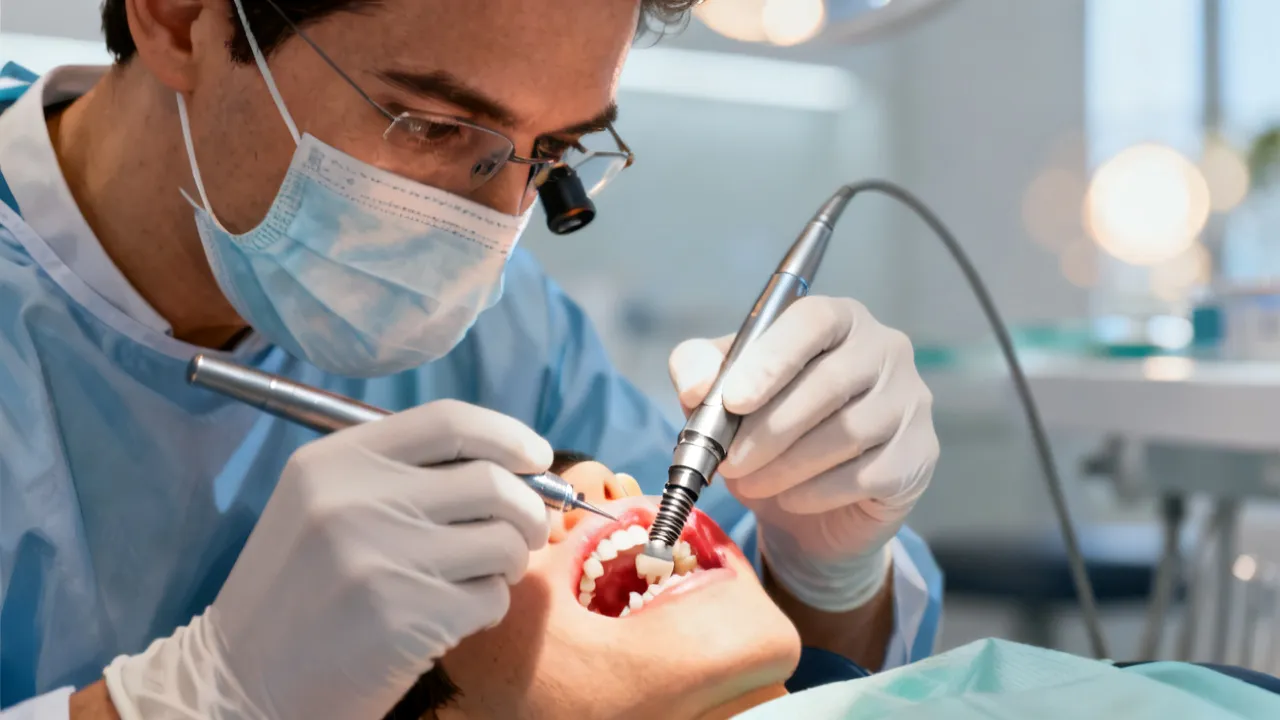
Shadowing a dentist can help applicants understand the pace and structure of clinical practice. A useful observation period may include routine examinations, preventive counseling, restorative procedures, referral decisions, radiographic assessment, treatment planning, and follow-up discussions. The value lies not in counting hours alone, but in what the applicant learns from the experience.
When reflecting on shadowing, consider the following questions:
- How did the dentist gather information before recommending treatment?
- How were risks, alternatives, and expected outcomes explained?
- What communication techniques helped an anxious patient participate in care?
- How did the team maintain privacy, safety, and infection-control standards?
- What did the experience reveal about the physical and emotional demands of clinical work?
- Which aspect of practice raised further questions for independent study?
Applicants should describe observations accurately. They should not claim to have performed clinical duties that were outside their role. Patient confidentiality must also be protected. Names, dates, photographs, and distinctive medical details should not appear in an application unless appropriate permission and institutional rules clearly allow them.
Exposure to more than one setting can make an applicant’s understanding more balanced. A private general practice may demonstrate continuity of care and the importance of scheduling, staffing, and financial management. A public clinic may reveal the effect of limited resources, high patient demand, and social determinants of health. A hospital dental department may show how oral care intersects with surgery, cancer treatment, trauma, disability, or complex medical conditions.
Applicants should not assume that every observation must be positive. Discovering that dentistry involves repetitive procedures, difficult conversations, administrative work, or physically demanding posture can strengthen a statement if the applicant explains how they responded. Professional commitment is more credible when it is based on an informed view rather than an idealized image.
Connecting Science With Patient Care
Dentistry requires a strong foundation in anatomy, physiology, microbiology, pathology, pharmacology, biomaterials, and evidence-based clinical reasoning. A motivation statement becomes more convincing when it shows how the applicant approaches scientific learning.
Applicants can discuss a laboratory project, biology course, public-health assignment, or research experience. The key is to link the activity to dental practice without overstating its significance. A microbiology project may have developed attention to contamination and infection control. A materials-science assignment may have introduced questions about strength, wear, adhesion, or biocompatibility. A public-health project may have demonstrated how income, transportation, language, education, and availability of services influence oral-health outcomes.
Scientific curiosity should be paired with intellectual humility. A future dentist must continue learning as clinical guidelines, technologies, materials, and health systems evolve. It is appropriate to say that an experience encouraged the applicant to investigate a subject further, rather than claiming complete expertise before entering dental school.
Applicants may also explain how they learned to interpret evidence. For instance, a research project may have taught them to distinguish correlation from causation, assess the limitations of a sample, or question whether a result applies to a different population. These habits are relevant to dentistry because treatment recommendations should be grounded in reliable evidence while still being adapted to an individual patient’s circumstances.
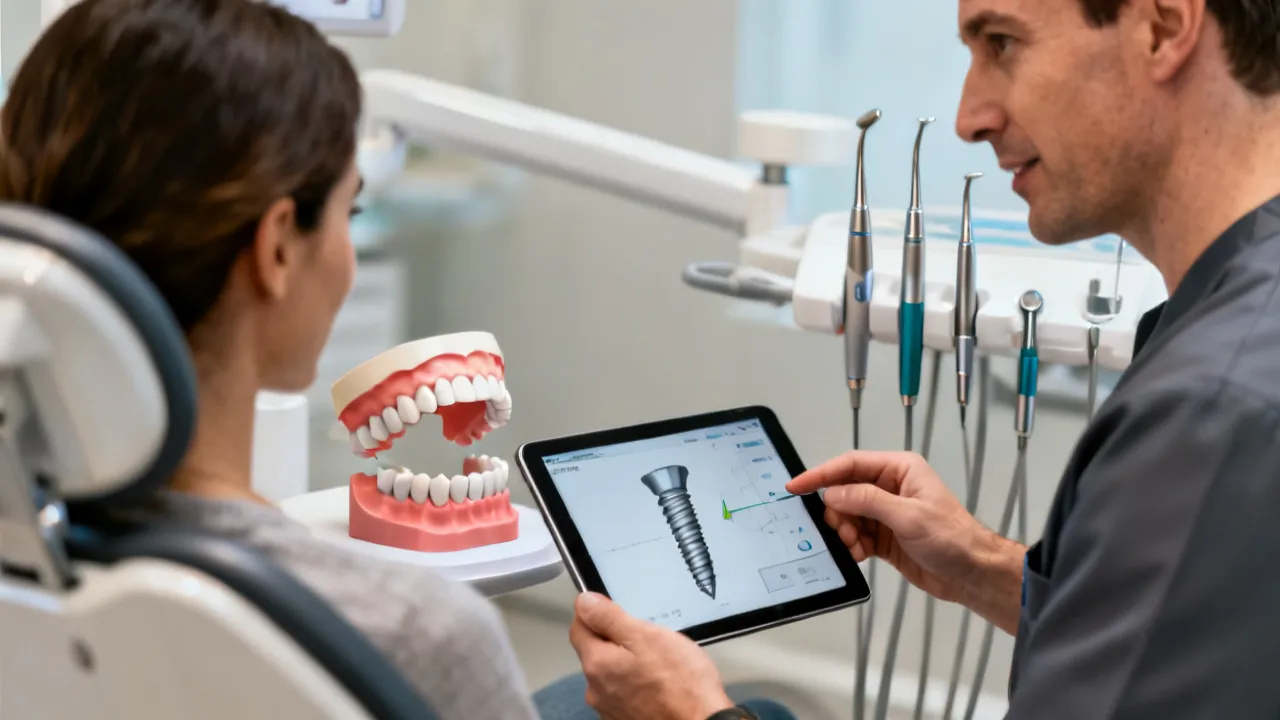
Technology can be mentioned thoughtfully. Digital scanning, computer-aided design, three-dimensional imaging, electronic records, and advanced manufacturing have changed many areas of dentistry. However, technology does not replace clinical judgment. An applicant should avoid suggesting that equipment alone guarantees better treatment. A stronger observation is that technology can improve visualization or workflow while the dentist remains responsible for diagnosis, consent, interpretation, and follow-up.
Communication, Trust, and Cultural Awareness
Dental treatment is delivered in a highly personal setting. Patients may feel embarrassed about their oral health, concerned about pain, uncertain about cost, or worried about appearance. A dentist must communicate complex information clearly and respectfully while recognizing that patients have different languages, cultural expectations, health literacy levels, and financial circumstances.
A strong 치대 지원 동기 can therefore include experiences in tutoring, translation, customer service, caregiving, disability support, community outreach, or teamwork. These experiences can demonstrate listening, patience, adaptability, and the ability to explain information without condescension.
Cultural awareness should not be reduced to a claim that the applicant is “comfortable with all cultures.” A stronger approach is to describe a specific situation in which the applicant adjusted their communication style, recognized an assumption, sought clarification, or learned to respect a different perspective.
Good communication is more than speaking clearly. It includes asking open questions, noticing nonverbal signals, checking understanding, and allowing patients to make decisions without feeling coerced. An applicant who has worked in a customer-facing role may discuss how they learned to remain calm when someone was upset. An applicant who has tutored may explain how they broke a complicated concept into smaller steps and confirmed comprehension.
Dental communication also includes conversations about prevention. A dentist may need to explain brushing technique, dietary habits, smoking cessation, fluoride, periodontal maintenance, or the consequences of delayed care. Effective education avoids blame. Patients are more likely to engage when advice is practical, respectful, and connected to their own goals.
Ethics and Access to Dental Care
Dental applicants should understand that treatment decisions are influenced by clinical need, patient preference, affordability, time, and access to follow-up care. Ethical practice requires respect for autonomy, accurate disclosure of material risks, protection of confidentiality, and avoidance of unnecessary treatment.
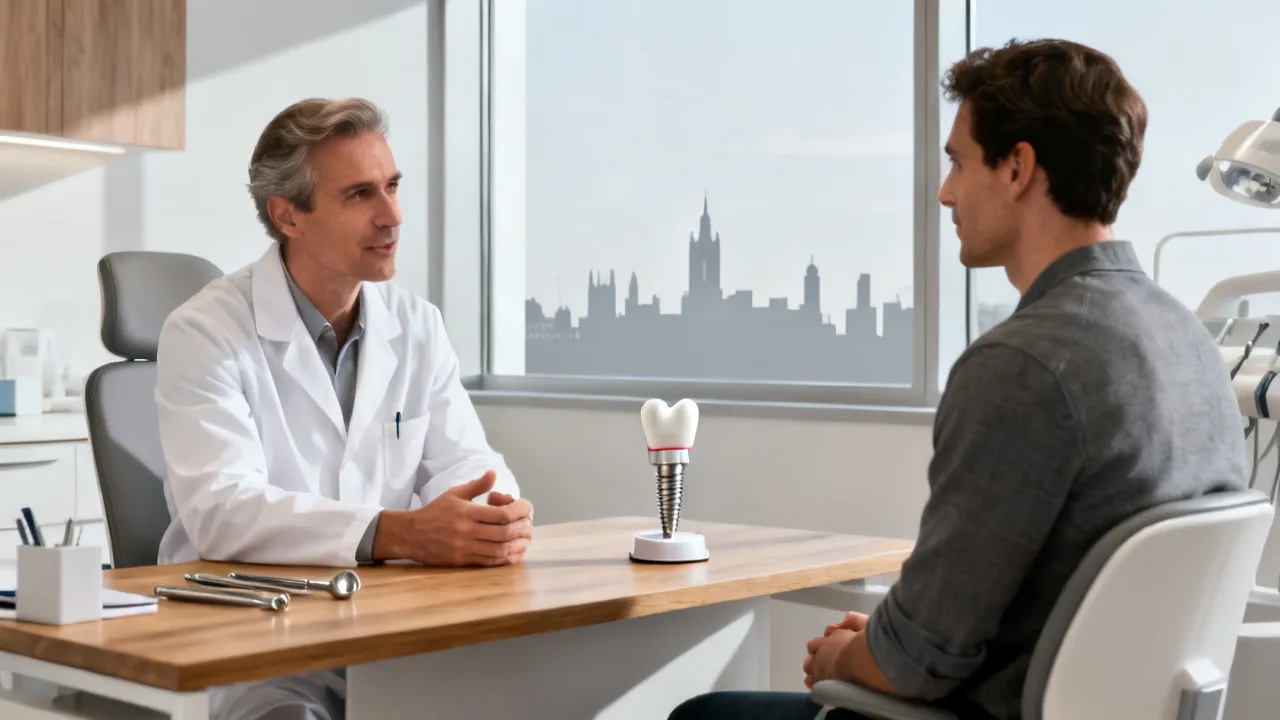
Dental implants illustrate why these issues matter. An implant may be an appropriate option for some patients with missing teeth, but it is not automatically the best choice for everyone. A clinician must consider bone volume, gum health, systemic conditions, smoking, oral hygiene, occlusion, medication history, restorative needs, and the patient’s ability to attend follow-up appointments. Alternatives may include a fixed bridge, removable partial denture, or no immediate replacement, depending on the circumstances.
Cost discussions also require care. A low advertised price may exclude imaging, extraction, bone grafting, the abutment, the crown, sedation, laboratory charges, or maintenance. An ethical explanation separates the cost of individual components and makes clear that an online estimate is not a diagnosis or a treatment plan.
Access to care is influenced by more than price. Transportation, work schedules, childcare, disability access, language, insurance design, geographic location, and trust in healthcare institutions may all affect whether a patient receives treatment. Applicants interested in this area can explore prevention programs, school-based dentistry, mobile clinics, rural health, public insurance, or community education.
Ethical reflection should remain balanced. Wanting to improve access does not mean promising that every patient can receive every procedure. It means recognizing resource limitations while seeking fair, transparent, and clinically appropriate solutions. A dentist may need to discuss phased treatment, referral, preventive stabilization, or alternatives that better fit the patient’s circumstances.
From Motivation to Action: A Practical Preparation Plan
Applicants who are still developing their motivation can use the following sequence:
- Keep an experience journal. After shadowing, volunteering, or studying, record what happened, what you noticed, and what questions emerged.
- Research the profession broadly. Learn about general dentistry, specialties, public health, academic dentistry, dental technology, and the administrative responsibilities of practice.
- Test assumptions. Speak with professionals in different settings, such as private practice, a hospital, a community clinic, or a dental school.
- Strengthen academic foundations. Review the prerequisites and admission requirements of each program rather than relying on general advice.
- Develop manual and interpersonal skills responsibly. Activities such as drawing, instrument work, music, craft, coaching, or team projects may be useful when discussed honestly.
- Study oral-health inequities. Consider how prevention, insurance, transportation, language, and public policy affect patient access.
- Draft a clear narrative. Organize the statement around development and reflection, not a chronological list of activities.
- Request informed feedback. Ask a mentor to evaluate clarity, evidence, tone, and accuracy while preserving your own voice.
Preparation should also include learning the admissions requirements of each dental school. Prerequisite courses, standardized tests, observation expectations, reference letters, language requirements, interviews, and deadlines may differ. Applicants should maintain a reliable calendar and verify information through official institutional sources.
Recommendation letters are strongest when the writer knows the applicant’s work well. A professor may comment on intellectual curiosity and academic discipline, while a supervisor may discuss reliability, teamwork, and communication. Applicants should provide recommenders with sufficient context, including a résumé, transcript, personal goals, and examples of experiences they hope the letter will address.
Applicants should also prepare for setbacks. A lower grade, unsuccessful test attempt, or limited clinical opportunity does not automatically end a dental career goal. What matters is whether the applicant accurately identifies the problem, seeks support, changes strategy, and demonstrates improvement. Reflection on growth can be more persuasive than a claim of effortless excellence.
A Recommended Structure for a Motivation Essay
A concise application essay can follow a four-part structure:
| Section | Purpose |
|---|---|
| Opening experience | Introduce a specific observation or question that initiated the applicant’s interest in dentistry. |
| Exploration and learning | Show how study, shadowing, volunteering, research, or employment tested and refined that interest. |
| Professional understanding | Explain the scientific, technical, ethical, communicative, and practical responsibilities of dental care. |
| Future direction | Describe the qualities and skills the applicant hopes to develop through dental education. |
The conclusion should not promise to solve every healthcare problem. A realistic ending may express a commitment to careful diagnosis, prevention, clear communication, lifelong learning, and respectful treatment. These goals are credible because they are within the applicant’s future professional development.
Paragraph transitions should show development. Phrases such as “This experience led me to,” “To test that assumption,” and “Through this work, I began to understand” can make the logic visible. The essay should not read like a résumé converted into complete sentences. Each activity should have a purpose in the narrative.
A useful revision test is to underline every claim about the applicant’s qualities. If the statement says the applicant is empathetic, resilient, precise, or collaborative, the surrounding text should provide an example. If no example exists, the claim should be revised or removed. Concrete evidence usually creates a stronger impression than repeated positive adjectives.
Common Weaknesses in 치대 지원 동기 Statements
- Overreliance on childhood memories: A childhood visit may be an effective opening, but it should be followed by adult evidence of preparation.
- Overly polished claims: Statements that describe the applicant as compassionate, hardworking, and resilient without examples are difficult to evaluate.
- Confusing dentistry with medicine generally: The application should identify what is distinctive about oral healthcare, including fine motor work, prevention, oral-systemic considerations, and continuity of care.
- Ignoring difficult realities: Dentistry includes repetitive posture, time pressure, patient distress, business responsibilities, and treatment complications.
- Using cost as the only reason: Financial considerations may be part of career planning, but they should not dominate a professional motivation statement.
- Exaggerating community service: Describe your actual role and the limits of your contribution.
- Writing about implants without clinical understanding: Implant dentistry involves diagnosis and maintenance, not just the placement of an artificial tooth.
Another common weakness is presenting dentistry as a combination of only two interests: science and helping people. Those interests may be genuine, but dentistry also requires tolerance for ambiguity, detailed documentation, physical stamina, emotional regulation, and repeated practice. Applicants should demonstrate that they have considered how these features fit their abilities and values.
Applicants should avoid criticizing other healthcare professions to make dentistry seem superior. Dentistry is connected to medicine, nursing, pharmacy, speech-language care, nutrition, mental health, and public health. Respect for interdisciplinary practice signals maturity and helps the applicant explain why dentistry is the particular field they wish to pursue.
Supplementary Patient Context: Understanding Low-Cost Dental Implants
Some applicants become interested in dentistry after seeing how the price of treatment affects patients’ decisions. Dental implants are a useful example because the total expense can vary substantially according to the location, clinician, implant system, laboratory work, diagnostic imaging, bone or gum procedures, anesthesia, restorative needs, and follow-up care.
An “individual dental implant” may refer to a complete tooth-replacement solution, but online price descriptions do not always define the term consistently. One provider may quote only the implant fixture, while another may include the abutment and crown. A responsible comparison therefore asks what is included before considering the headline price.
The following websites provide patient-oriented information about implants, dental services, insurance, dental tourism, and related treatment options. They are included as supplementary resources rather than as endorsements. Website content, clinical quality, licensing, and prices should be independently checked.
| Website or service | Key features for comparison |
|---|---|
| Dental Views | Information about lower-cost dental implants, treatment types, implant processes, common questions, and price considerations. |
| Atlantic Dental Group | General dental services, preventive care, orthodontic treatment, implants, emergency appointments, locations, and clinician information. |
| DentaVacation | Dental-tourism information, international treatment comparisons, travel planning, and considerations for patients seeking care abroad. |
| American Dental Health Plans | Dental insurance information, plan options, coverage questions, enrollment guidance, and ways to assess treatment expenses. |
| Rockville Dental Arts | Spanish-language information about implants, whitening, cleaning, orthodontics, and emergency dental services. |
| Union City Mini Dental Implants | Spanish-language information focused on mini dental implants and selected tooth-replacement situations. |
| Cigna dental implant guide | Spanish-language educational material explaining general implant concepts and treatment considerations. |
| Rubi Odonto | Portuguese-language clinic information covering orthodontics, whitening, implants, and patient services in Santo André, São Paulo. |
| Odontologia Velasco | Portuguese-language information about implants, prostheses, aesthetic dentistry, and technology used in clinical care. |
| DentalVidas | Portuguese-language dental-plan information for individuals, families, and businesses, including network and emergency-care details. |
source: [www.dentalviews.com/low-cost-dental-implants/](https://dentalviews.com/low-cost-dental-implants/)
source: [www.atlanticdentalgrp.com/](https://www.atlanticdentalgrp.com/)
source: [www.dentavacation.com/](https://www.dentavacation.com/)
source: [rockvilledentalarts.com/es/](https://rockvilledentalarts.com/es/)
source: [unioncityminidentalimplants.com/es/](https://unioncityminidentalimplants.com/es/)
source: [www.cigna.com/es-us/knowledge-center/guide-to-dental-implants](https://www.cigna.com/es-us/knowledge-center/guide-to-dental-implants)
source: [www.rubiodonto.com.br/](https://www.rubiodonto.com.br/)
source: [odontologiavelasco.com.br/](https://odontologiavelasco.com.br/)
source: [dentalvidas.com.br/](https://dentalvidas.com.br/)
source: [rockvilledentalarts.com/es/](https://rockvilledentalarts.com/es/)
How to Obtain Dental Implants at Lower Cost in English-Speaking Countries
Patients seeking a lower-cost implant should begin with treatment quality and total cost, not simply the lowest advertised figure. The following steps can help patients compare options more responsibly in English-speaking countries.
- Obtain a complete clinical assessment. Request an examination, appropriate radiographs or three-dimensional imaging when clinically indicated, and a written diagnosis. The clinician should evaluate teeth, gums, bone, bite, medical history, and replacement options.
- Ask for an itemized estimate. Confirm whether the quote includes extraction, imaging, the implant fixture, abutment, crown, temporary tooth, laboratory charges, anesthesia, grafting, and follow-up visits.
- Compare licensed providers. Verify the dentist’s registration with the relevant national or state/provincial regulator. Review qualifications in implant dentistry and ask who will perform each stage of treatment.
- Investigate dental-school clinics. University clinics may offer supervised treatment at different fee levels, although appointments can take longer and eligibility varies. Patients should understand who supervises the care and how referrals are handled.
- Ask about payment arrangements. Insurance, employer benefits, public programs, clinic payment plans, and health savings arrangements may affect the patient’s personal expense. Coverage rules differ and should be confirmed in writing.
- Consider staged treatment only when clinically appropriate. A dentist may recommend treating infection or stabilizing gum health before implant placement. Delaying a component without clinical justification can create additional risk.
- Compare implant systems carefully. The brand, warranty conditions, replacement-part availability, and restorative support may matter more than a small initial price difference.
- Include maintenance in the budget. Implants require daily cleaning and professional review. Future repairs, replacement crowns, or treatment of inflammation around an implant can add expense.
- Be cautious with overseas treatment. Travel, accommodation, communication, legal protections, continuity of care, and management of complications must be included in the comparison.
Patients should ask how complications are handled before treatment begins. A clinic that provides a low initial price may not include treatment for infection, loosening, fracture, or an unsatisfactory restoration. Written information about warranties should be read carefully because warranties often depend on attending maintenance visits, following hygiene instructions, and returning to the original clinic.
How to Obtain Dental Implants at Lower Cost in Spanish-Speaking Countries
In Spanish-speaking countries, patients may find different pricing structures among private clinics, university programs, public or subsidized services, and dental-tourism providers. The process should remain clinically led.
- Request information in a language you understand. Ask for the diagnosis, treatment stages, risks, alternatives, and aftercare instructions in Spanish or another language appropriate to the patient.
- Confirm the professional’s credentials. Check the applicable dental registry or professional authority and determine whether the provider has training in implant surgery and restorative dentistry.
- Clarify the meaning of “implant price.” Ask whether the amount refers to the implant body alone or the complete tooth replacement with abutment and crown.
- Compare clinics using the same scope of treatment. A quote for a straightforward case should not be compared directly with a quote that includes grafting, sinus procedures, extractions, sedation, or complex restoration.
- Ask about laboratory and material choices. The crown material, laboratory location, implant manufacturer, and availability of replacement parts can influence both cost and future servicing.
- Review follow-up access. If treatment is carried out in another region, determine who will provide examinations, adjustments, and management of complications after returning home.
- Assess insurance and payment plans. Dental plans may have waiting periods, exclusions, annual limits, or restrictions on implant benefits. Written policy details are essential.
- Do not select mini implants solely because they are less expensive. Mini implants may be appropriate in selected situations, but suitability depends on anatomy, loading demands, restoration design, and the treating clinician’s assessment.
How to Obtain Dental Implants at Lower Cost in Portuguese-Speaking Countries
Portuguese-speaking patients can apply the same principles when comparing clinics in Brazil, Portugal, and other relevant healthcare markets. Local language access may make it easier to discuss treatment details, but language alone does not establish clinical quality.
- Obtain a written treatment plan in Portuguese with each stage identified.
- Confirm whether the dentist or an oral and maxillofacial specialist will perform surgery.
- Ask whether the crown is fabricated by an in-house or external laboratory.
- Verify the registration of the professional and the operating status of the clinic.
- Request information about sterilization, emergency arrangements, and postoperative contact.
- Compare the total cost of consultation, imaging, extraction, implant placement, restoration, and maintenance.
- Ask whether a dental plan covers consultations or procedures and whether there are exclusions for pre-existing conditions.
- Obtain a second opinion when the proposed treatment is extensive or urgent financial pressure is being used to encourage immediate payment.
Patients should also consider whether they can communicate accurately about medical conditions and medications. A complete medical history is essential for safe care. If translation is needed, a qualified interpreter is preferable to relying on a child, a casual acquaintance, or a translation application for complex consent discussions.
Indicative Individual Dental Implant Price Ranges
The table below presents the supplied reference ranges for an individual dental implant in selected language markets. These figures are not directly comparable because currencies, treatment definitions, healthcare systems, materials, laboratory fees, and clinical complexity differ. The term “individual implant” should be clarified with the provider before a patient makes a decision.
| Country | Currency | Indicative price range for one individual implant |
|---|---|---|
| United States | USD | $3,000–$6,000 |
| United Kingdom | GBP | £2,000–£2,500 |
| Australia | AUD | AU$3,500–AU$6,500 |
| Canada | CAD | CA$3,000–CA$5,500 |
| Spain | EUR | €1,500–€2,500 |
| Chile | CLP | CLP$800,000–CLP$1,500,000 |
| Mexico | MXN | $15,000–$25,000 |
| Colombia | COP | $2,000,000–$4,000,000 |
| Peru | PEN | S/ 3,000–S/ 6,000 |
| Argentina | ARS | $80,000–$150,000 |
| Brazil | BRL | R$3,000–R$8,000 |
| Portugal | EUR | €1,000–€2,000 |
| Germany | EUR | €2,000–€3,500 |
| France | EUR | €1,500–€2,500 |
| Italy | EUR | €1,500–€3,000 |
| Japan | JPY | ¥300,000–¥700,000 |
These ranges should be treated as preliminary orientation only. Exchange-rate conversion can create a misleading impression of value, and a lower local price may not include the same components as a higher quote elsewhere. Patients should ask whether the price covers the complete implant-supported crown or only the surgical implant stage.
Prices may also change because of inflation, currency movement, laboratory fees, staffing costs, changes in regulation, and the availability of imported materials. A quotation should include the date of issue and the period for which it remains valid. Patients should ask whether the clinic can change the price if additional procedures become necessary.
What a Complete Implant Plan May Include
A typical implant pathway may involve several stages:
- Consultation and diagnosis: The dentist reviews health history, medications, oral hygiene, gum condition, tooth position, and expectations.
- Imaging: Conventional radiographs or three-dimensional imaging may be used when clinically justified to assess bone and nearby anatomical structures.
- Pre-treatment: Infection, gum disease, damaged teeth, or inadequate oral hygiene may need attention before surgery.
- Extraction, if required: A failing tooth may need removal, with a discussion of timing and replacement options.
- Bone or soft-tissue procedures: Some patients require additional procedures, which can increase time, risk, and cost.
- Implant placement: The fixture is placed in the jaw under appropriate surgical conditions.
- Healing and review: The implant and surrounding tissues are monitored before the final restoration is connected.
- Abutment and crown: These components connect the implant to the visible replacement tooth.
- Maintenance: Professional examinations and daily home care help monitor the implant, gums, bite, and restoration.
The length and sequence of treatment vary. Some cases can be managed through an immediate or accelerated protocol, while others require staged healing. The appropriate plan depends on clinical findings rather than a general promise of speed.
Patients should understand that an implant is not the same as a natural tooth. It cannot develop a cavity in the same way as natural enamel, but the surrounding gum and bone can become inflamed or infected. The crown can also chip, loosen, wear, or become difficult to clean. Daily hygiene and professional monitoring remain necessary even after the surgical and restorative stages are complete.
Questions Patients Should Ask Before Accepting a Low-Cost Quote
- What exactly is included in the quoted amount?
- Which implant manufacturer and restorative materials will be used?
- Who will perform the surgery and who will provide the crown?
- What diagnostic imaging is required, and is it included?
- Could bone grafting, gum treatment, extraction, or temporary replacement be necessary?
- What are the likely risks and alternatives in this specific case?
- What happens if the implant does not integrate or the crown requires adjustment?
- How long will the treatment take, and how many visits are expected?
- What maintenance schedule is recommended?
- Are guarantees limited by exclusions, travel requirements, or the use of a particular provider?
Patients should receive enough information to make a voluntary decision. Pressure to pay a deposit immediately, vague answers about components, or reluctance to provide a written treatment plan should prompt caution.
A second opinion can be particularly useful when a patient has been told that multiple teeth must be removed, that extensive grafting is required, or that treatment must begin immediately. A second opinion does not mean that the first dentist is wrong. It gives the patient an opportunity to compare diagnoses, alternatives, expected time, and total cost.
Why Implant Knowledge Can Strengthen a Dental School Application
Applicants do not need to become implant specialists before dental school. Nevertheless, learning about implants can reveal several important features of the profession. First, treatment planning is interdisciplinary: surgery, prosthodontics, periodontology, radiology, and maintenance may all be relevant. Second, a technically successful procedure is not the only measure of good care; patient selection, communication, prevention, and follow-up also matter. Third, affordability and access influence whether a clinically suitable treatment is practical for a particular patient.
An applicant might incorporate these insights into a motivation essay by writing about how a treatment-price comparison changed their understanding of dental decision-making. The focus should remain on reflection. A statement could explain that the applicant initially viewed implants as a single procedure, then learned that diagnosis, restoration, maintenance, and long-term communication are equally important.
This type of reflection is stronger than presenting implants as an attractive business opportunity. Dentistry is a healthcare profession in which technical skill must be balanced with patient welfare, evidence, informed consent, and responsible resource use.
Implant treatment can also illustrate the importance of prevention. When patients delay care because of fear or cost, a condition that might initially have required a relatively simple intervention may become more complex. A future dentist can contribute not only by performing advanced treatment but also by helping patients maintain oral health, recognize problems early, and understand available options.
Interview Preparation: Explaining Your Motivation Clearly
In an interview, applicants should be able to explain their motivation in approximately one to two minutes before expanding with examples. A useful framework is:
Experience → Insight → Action → Future.
For example, the applicant may begin with an observation of how a dentist helped a nervous patient understand treatment. The insight may be that clinical communication can affect trust and adherence. The action may include shadowing, volunteering, and studying oral-health access. The future may involve developing evidence-based clinical and communication skills through dental school.
Interview answers should sound conversational rather than memorized. It is acceptable to acknowledge that motivation developed over time or that early assumptions changed. Thoughtful uncertainty can demonstrate maturity when it is followed by evidence of continued exploration.
Applicants should prepare for follow-up questions. If they mention dental anxiety, they may be asked what strategies they observed or how they would respond to a fearful patient. If they discuss access to care, they may be asked what barriers they identified and what realistic interventions might help. If they mention research, they should be able to describe their own role, the method used, and what the findings did or did not demonstrate.
A strong interview answer is not necessarily the most emotional answer. It is the answer that shows honesty, specificity, self-awareness, and a clear connection between past behavior and future preparation.
Frequently Asked Questions
What is the best way to explain 치대 지원 동기 in English?
Depending on context, it can be translated as “motivation for applying to dental school,” “reason for pursuing dentistry,” or “dental school motivation.” In an application, the best answer is a structured explanation supported by experiences and reflection rather than a literal translation of the phrase.
How long should a dental school motivation statement be?
The required length depends on the institution and application system. Applicants should follow the official limit precisely. Within that limit, each paragraph should contribute evidence, reflection, or a clear explanation of professional direction.
Can a personal dental treatment be the main topic?
Yes, but it should be a starting point rather than the entire argument. The applicant should show how the experience led to further exploration and a broader understanding of diagnosis, prevention, patient autonomy, and professional responsibility.
Do I need implant experience to apply to dental school?
No. Applicants are not expected to have performed implant procedures. General clinical observation, scientific preparation, community experience, and an accurate understanding of dentistry are more appropriate at the pre-admission stage.
Are lower-cost dental implants safe?
Price alone does not determine safety or quality. A lower quote may reflect regional costs, clinic structure, materials, or the scope of included services, but patients must still verify diagnosis, professional credentials, infection control, treatment planning, follow-up, and the full cost.
Are mini dental implants suitable for everyone?
No. Suitability depends on the patient’s anatomy, the restoration, functional demands, bone conditions, gum health, and the clinician’s assessment. A mini implant should not be selected solely because its advertised price is lower.
Does dental insurance usually cover implants?
Coverage varies by policy, employer, jurisdiction, waiting period, annual limit, and exclusion. Patients should obtain a written benefit determination and ask whether consultations, imaging, surgery, the crown, and maintenance are treated separately.
Is dental tourism always less expensive?
Not necessarily. Travel, accommodation, time away from work, additional visits, currency changes, communication, and treatment of complications can alter the total cost. Patients should also identify who will provide follow-up care after returning home.
How can I avoid sounding generic in an application essay?
Use one or two specific experiences, explain what you learned, and connect the lesson to realistic dental responsibilities. Replace unsupported adjectives with observable actions and outcomes.
Should I mention financial access in my motivation statement?
It can be appropriate if the subject is connected to a genuine experience or sustained interest in public health. Discuss access objectively and avoid implying that low cost should override clinical quality or patient choice.
How should I discuss a weakness or failure in an interview?
Choose a genuine but manageable example, explain the circumstances without blaming others, and focus on the steps you took to improve. Dental education requires the ability to receive feedback and correct mistakes, so evidence of learning is more important than an attempt to appear flawless.
Final Guidance for Applicants
A compelling 치대 지원 동기 is not a claim that the applicant has already mastered dentistry. It is evidence that the applicant has investigated the profession, reflected on what they observed, developed relevant skills, and understands the responsibility involved in treating patients.
The strongest applications combine personal authenticity with professional realism. They recognize that dentistry involves science and precision, but also listening, prevention, ethics, financial conversations, teamwork, and long-term care. Applicants should write in their own voice, verify every factual claim, protect patient confidentiality, and distinguish personal aspiration from clinical advice.
For patients considering implants, the same principle applies: decisions should be based on an individualized examination, transparent information, qualified care, and a complete understanding of long-term responsibilities. For applicants, learning how those decisions are made can provide valuable insight into why dentistry is a demanding and meaningful profession.
Before submitting an application, applicants should read the essay aloud, check whether the opening leads naturally to the conclusion, remove repetition, and verify that every clinical statement is accurate. They should ensure that the essay reflects their own experiences rather than a generic template. A polished essay is useful, but authenticity and evidence remain more important than elaborate vocabulary.
Disclaimer
The above information comes from online resources, and the data is as of October 2023. Dental implant prices are for reference only and may vary by region, clinic and doctor. The price ranges do not replace a clinical examination, written treatment plan, insurance review, or professional dental advice.
Reference Links
- Dental Views: Low-Cost Dental Implants
- Atlantic Dental Group
- DentaVacation
- American Dental Health Plans / Rockville Dental Arts reference page
- Rockville Dental Arts, Spanish-language website
- Union City Mini Dental Implants, Spanish-language website
- Cigna: Guide to Dental Implants in Spanish
- Rubi Odonto
- Odontologia Velasco
- DentalVidas