Understanding the Endo Process and Implant Costs
This guide explains the Endo 과정, or endodontic treatment process, from diagnosis and root-canal cleaning to restoration and follow-up care. It also distinguishes root-canal therapy from dental implants, compares online resources for evaluating lower-cost implant options, and presents reference price ranges across English-, Spanish-, Portuguese-, German-, French-, Italian-, and Japanese-speaking markets. Costs depend on clinical complexity, materials, location, and provider qualifications.
What the Endo 과정 Means
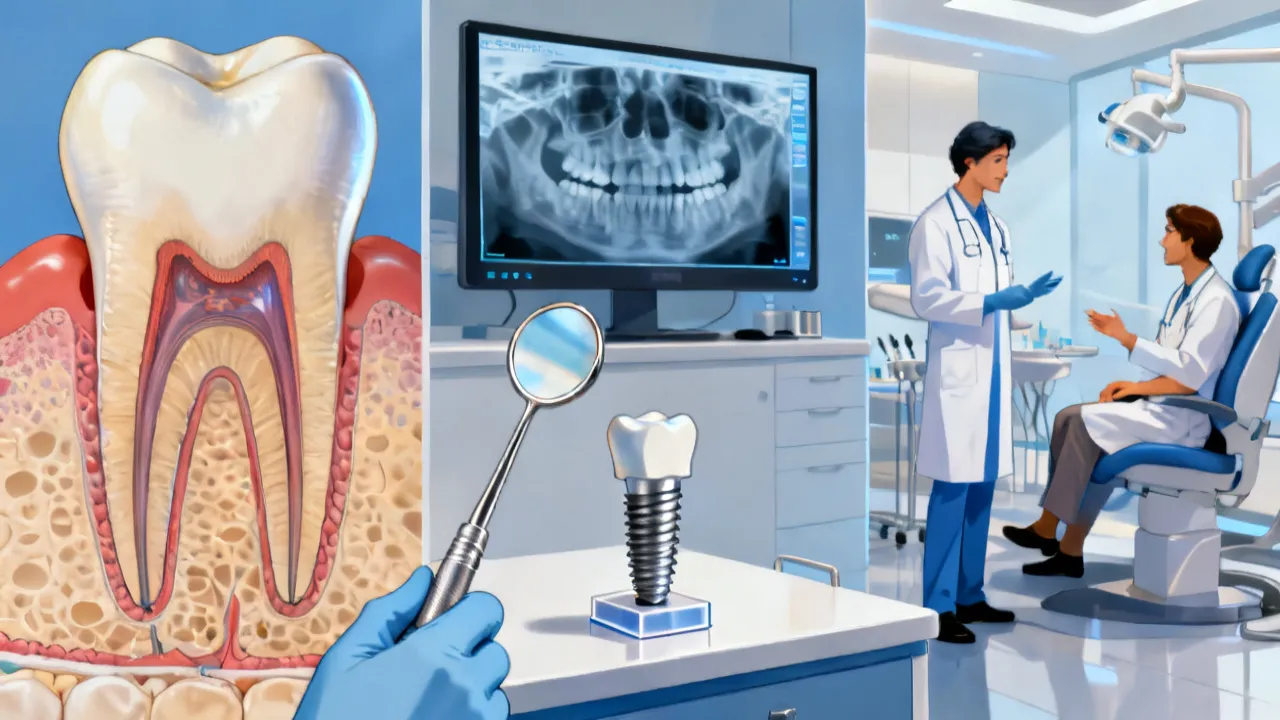
Endo 과정 is the Korean expression commonly used for the endodontic process, particularly root-canal treatment. Endodontics is the dental specialty concerned with the dental pulp, root canals, tissues surrounding the tooth root, and diseases or injuries affecting these structures. The dental pulp contains nerves, blood vessels, and connective tissue. When it becomes irreversibly inflamed or infected, the tooth may require endodontic treatment to control disease and preserve the remaining tooth structure.
A root canal is usually considered when inflammation or infection inside a tooth cannot be predictably managed with a filling, a crown alone, or another conservative treatment. Common causes include deep decay, repeated dental procedures, a large defective restoration, trauma, cracks, and injuries that expose or compromise the pulp. In some cases, a tooth may have pulp disease without obvious pain. For this reason, diagnosis should be based on clinical testing and imaging rather than symptoms alone.
The central objective is to preserve the natural tooth whenever the tooth remains structurally and periodontally suitable for restoration. During treatment, the dentist or endodontist removes infected or irreversibly inflamed pulp tissue, disinfects the internal canal system, shapes the canals, fills and seals them, and then arranges a durable restoration. The goal is not simply to remove pain. It is to eliminate or control infection, prevent reinfection, and allow the tooth to continue functioning.
In contrast, a dental implant replaces a missing tooth after extraction or tooth loss. These are different treatments with different indications, timelines, risks, and costs. Root-canal treatment retains the patient’s natural tooth and its surrounding periodontal ligament, while implant treatment replaces the tooth root with an artificial fixture placed in the jawbone. Neither approach is automatically better for every patient.
Patients sometimes search for “Endo process” while actually comparing root-canal therapy with extraction and implant placement. That comparison should be made after a clinical examination rather than from price alone. A natural tooth that can be predictably saved may provide an efficient treatment path, while an implant can be appropriate when the tooth is non-restorable, has a poor prognosis, or is already missing.
Why a Tooth May Need Endodontic Treatment
The pulp can become irritated temporarily or damaged permanently. Reversible inflammation may improve after the source of irritation is removed, such as when decay is treated with a filling. Irreversible inflammation, however, may continue even after the original irritant is removed. In that situation, root-canal treatment or extraction may be necessary.
Infection can also move from the pulp through the root-end opening into the surrounding bone and soft tissues. This may produce an abscess, swelling, drainage, tenderness, or a lesion visible on a radiograph. Some patients experience severe throbbing pain, while others notice only a change in tooth color, a pimple on the gum, or discomfort when chewing.
Trauma can damage the pulp even when the crown appears intact. A blow to a front tooth may interrupt its blood supply or create a fracture that allows bacteria to enter. A tooth that has already received a root canal may later require retreatment if the original canals were not fully cleaned, if anatomy was missed, or if a restoration leaked over time.
Key Decisions Before Treatment
The most important decision is whether the tooth can be retained safely and functionally. A dental professional normally considers:
- The extent of decay or fracture.
- The condition of the pulp and tissues around the root.
- The amount of healthy tooth structure remaining above and below the gum.
- Periodontal support, including bone levels, gum attachment, and tooth mobility.
- Whether a crack extends into the root or below the gum line.
- The patient’s ability to maintain oral hygiene and attend follow-up visits.
- The tooth’s strategic importance for chewing, speech, and the overall bite.
- Whether the tooth can receive a reliable final restoration.
- Whether the expected long-term result is reasonable compared with available replacement options.
- The patient’s health history, preferences, time constraints, and financial circumstances.
A tooth may be technically treatable but still have a poor overall prognosis if there is too little sound structure for a restoration, advanced periodontal destruction, a vertical root fracture, or an inability to control moisture during restoration. The clinician should explain not only what can be done, but also how predictable the proposed treatment is.
Industry guidance generally emphasizes diagnosis, isolation, disinfection, adequate sealing, and a sound coronal restoration as essential elements of endodontic success. No procedure can guarantee a permanent result, but careful case selection and quality control improve predictability. The long-term outcome also depends on the patient’s oral hygiene, chewing habits, restoration maintenance, and management of new decay.
Endo 과정: Step-by-Step Root-Canal Treatment
1. Consultation and Medical History
The process begins with a discussion of symptoms and health history. The dentist may ask about spontaneous pain, sensitivity to hot or cold, pain when biting, swelling, previous dental treatment, medications, allergies, diabetes, immune conditions, and pregnancy. These details help determine whether symptoms are likely to originate from the tooth, the gum, the jaw joint, a neighboring tooth, or another source.
The clinician may ask when the pain began, whether it is getting worse, how long sensitivity lasts after a stimulus is removed, and whether the pain interferes with sleep. A short response to cold can have a different significance from pain that continues for minutes. Pain on biting may arise from inflammation around the root, a crack, a high restoration, or another dental problem.
Pain intensity alone does not reliably indicate the severity of disease. A severely damaged tooth may sometimes cause little discomfort, while a highly sensitive tooth may have inflammation that remains reversible. Some infected teeth are discovered incidentally during routine imaging. The clinician therefore combines the patient’s history with objective tests.
2. Clinical Examination and Diagnostic Testing
Diagnostic testing may include visual inspection, percussion, palpation, periodontal probing, bite testing, thermal testing, and, where appropriate, an electric pulp test. The dentist may compare the suspected tooth with neighboring and opposite teeth. This comparison helps identify whether the tooth responds normally, excessively, briefly, or not at all.
Dental radiographs are used to assess the roots, surrounding bone, restorations, caries, and possible lesions. Different angles may reveal information that is not visible on a single image. A three-dimensional scan, such as limited-field cone-beam computed tomography, may be considered for complex anatomy, suspected root fractures, retreatment, resorption, trauma, or surgical planning. It is not automatically required for every case because imaging should be justified by the clinical question.
The clinician should explain the diagnosis and the alternatives. Possible options may include observation, a conservative restoration, root-canal therapy, referral to an endodontist, extraction, or replacement with an implant-supported restoration. An informed decision requires an explanation of expected benefits, limitations, appointment requirements, possible complications, and approximate costs.
3. Local Anesthesia and Comfort Management
Local anesthesia is normally used to control discomfort. A tooth with inflamed pulp can occasionally be difficult to numb, so the dentist may use supplemental anesthetic techniques or adjust the treatment approach. Patients should tell the dental team if they feel discomfort during treatment rather than attempting to tolerate it silently. A signal for pausing, such as raising a hand, can be agreed upon before the procedure begins.
Anxiety management may involve clear communication, planned pauses, topical anesthetic, breathing techniques, distraction, or medically appropriate sedation. Sedation is not a substitute for local anesthesia and should be provided only under suitable clinical protocols. Patients should disclose all medicines, recreational substances, allergies, and relevant health conditions before sedation is considered. They may also need an escort and should follow instructions concerning eating, drinking, driving, and post-treatment supervision.
4. Isolation with a Dental Dam
A dental dam, also called a rubber dam, separates the tooth from saliva and protects the patient from instruments and irrigating solutions. Isolation also helps reduce the introduction of microorganisms into the cleaned canal. From a quality perspective, maintaining a dry, controlled field is one of the most important parts of modern endodontic treatment.
The dam may feel unusual at first, but it should not prevent normal breathing through the nose. The dental team should check that the clamp and dam are comfortable and that the surrounding tissues are protected. If the patient has a latex sensitivity, the office should be informed so that an appropriate non-latex material can be considered.
5. Accessing the Pulp Chamber
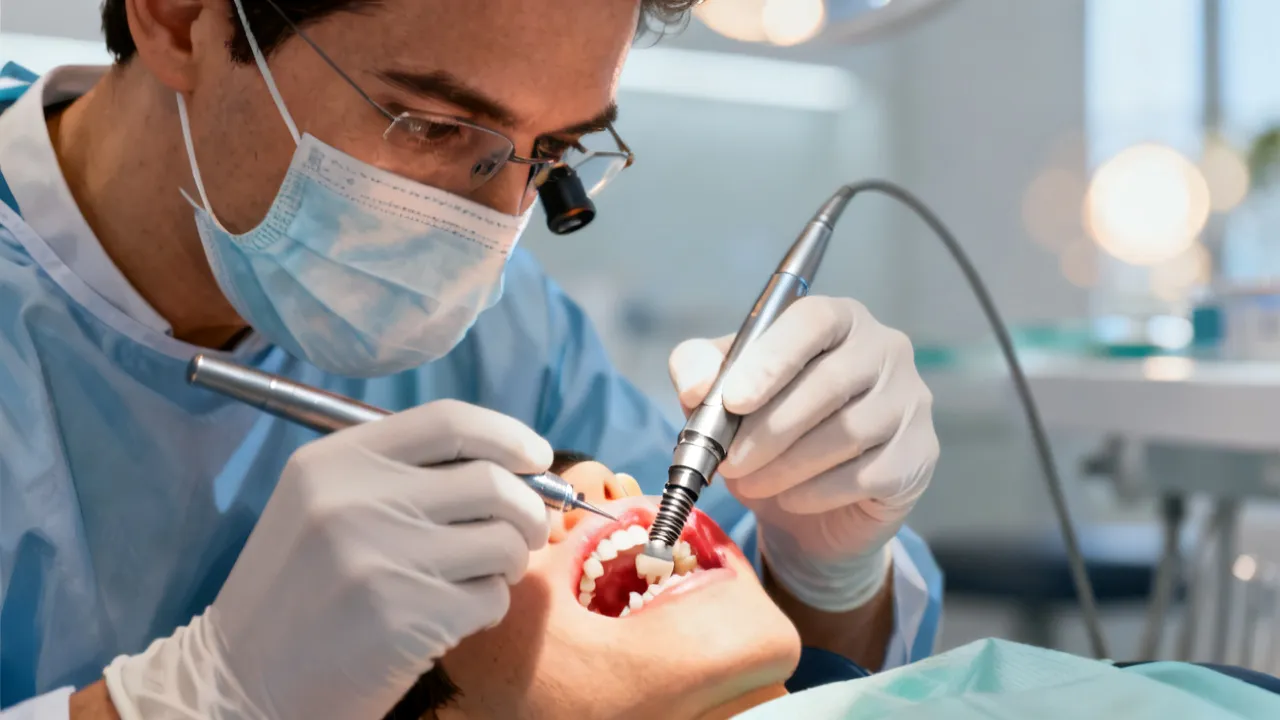
The dentist creates a small access opening through the crown of the tooth to reach the pulp chamber and canal entrances. Existing restorations, decay, and weakened tooth structure may need to be removed to locate the canals safely. Magnification and illumination can assist with identifying additional canals or unusual anatomy.
The access design must balance visibility with preservation of sound tooth structure. Removing too little material can make canal location and cleaning difficult, while removing too much can weaken the tooth. In a tooth with a crown or large restoration, the clinician may need to decide whether to work through it or remove it to assess the underlying structure.
6. Cleaning, Shaping, and Disinfecting the Canals
Very small instruments are used to remove diseased tissue and shape the canal spaces. Irrigating solutions help flush debris and reduce microorganisms in areas that mechanical instruments cannot fully reach. The clinician must balance effective disinfection with protection of the surrounding tissues. The length of each canal is estimated and checked using electronic measurements and radiographs when appropriate.
Root canals are not simple straight tubes. They may curve, divide, join, narrow, or contain accessory anatomy. Molars often require more time than front teeth because they commonly have multiple canals. Calcification, previous treatment, broken instruments, and suspected fractures can increase technical difficulty and may justify referral to a specialist.
Modern endodontic instruments may be operated by hand or with motor-driven systems. The choice of instruments and technique depends on anatomy, the clinician’s training, and the requirements of the case. Instrumentation removes tissue and shapes the canal, but chemical irrigation and adequate sealing remain important because instruments cannot touch every internal surface.
During this stage, a patient may hear vibration, feel pressure, or notice water and suction. These sensations are generally different from sharp pain. The treatment team should explain what is happening and provide opportunities for the patient to ask questions or request a pause.
7. Medication or Multiple Appointments
Some teeth can be cleaned, filled, and restored in one appointment. Others require more than one visit, particularly when there is substantial infection, drainage, complex anatomy, retreatment, or uncertainty about the tooth’s response. In selected situations, medication is placed inside the canals between appointments and the tooth is sealed temporarily.
A temporary restoration should be treated as provisional. The patient should avoid heavy chewing on the tooth until the permanent restoration has been placed, because an endodontically treated tooth can be vulnerable to fracture when significant tooth structure has been lost. Sticky foods and hard foods may dislodge a temporary filling. If the temporary material falls out, the patient should contact the office rather than waiting until the next scheduled appointment.
Antibiotics are not automatically required for every root-canal procedure. They may be considered in particular situations involving systemic illness or spreading infection, but local dental treatment is often the main method of controlling a localized infection. Patients should not use leftover antibiotics or share medication. The dentist or physician should determine whether antibiotics are appropriate.
8. Obturation and Sealing
After cleaning and shaping, the canals are dried and filled with a biocompatible material, commonly gutta-percha used with a sealing material. The purpose is to fill the prepared space and limit the entry of bacteria. The access opening is then sealed with a temporary or permanent material, depending on the treatment plan.
Radiographic verification may be used to evaluate the fill. A root-canal filling that appears short, overextended, voided, or otherwise inadequate may require clinical review. Radiographs are helpful but should always be interpreted alongside symptoms and examination findings. A radiographic appearance by itself does not always predict whether a tooth will heal.
Good sealing is important at both the root and crown ends of the treatment. If saliva and bacteria enter through a defective restoration, the canals may become contaminated again. This is one reason a permanent restoration should not be unnecessarily delayed after endodontic treatment.
9. Final Restoration
The final restoration is not an optional cosmetic step. It protects the tooth from leakage and fracture and restores function. Depending on the remaining structure and location of the tooth, the dentist may recommend a bonded restoration, an onlay, a crown, or another cuspal-coverage design.
Back teeth often receive particular attention because they endure substantial chewing forces. The final restoration may be placed by the treating dentist or another provider. Patients should ask how soon it should be completed and what restrictions apply before the definitive restoration is fitted.
A post is not automatically required after root-canal treatment. A post may help retain a core when there is inadequate remaining tooth structure, but it does not strengthen the root in every situation. The dentist must evaluate the amount of remaining structure, the shape of the canal, the bite, and the restoration design before recommending one.
10. Follow-Up and Maintenance
After treatment, mild tenderness when biting may occur for several days. The dentist may recommend ordinary pain-relief measures suitable for the patient’s medical history. Patients should follow label directions and disclose kidney disease, stomach ulcers, blood-thinning medication, pregnancy, allergies, and other conditions that may affect medication choices.
Increasing swelling, fever, difficulty swallowing, breathing difficulty, or uncontrolled pain requires urgent dental or medical attention. A small amount of tenderness is not the same as progressive swelling. Patients should contact the office if symptoms are worsening rather than gradually improving.
Follow-up evaluation may be based on symptoms, clinical findings, and radiographic changes. Bone healing can take time, so a radiographic review is not necessarily meaningful immediately after treatment. Long-term success also depends on brushing with fluoride toothpaste, cleaning between the teeth, limiting frequent sugar exposure, attending examinations, and repairing a leaking or fractured restoration promptly.
Root-Canal Treatment Versus a Dental Implant
| Consideration | Root-canal treatment | Dental implant |
|---|---|---|
| Main purpose | Preserves a natural tooth affected by pulpal or periapical disease. | Replaces a missing tooth or a tooth that cannot be predictably restored. |
| Typical sequence | Diagnosis, cleaning and shaping, disinfection, canal filling, and final restoration. | Diagnosis, possible extraction, healing or grafting, implant placement, integration, abutment, and crown. |
| When it may be unsuitable | Non-restorable fracture, inadequate support, severe structural loss, or an unfavorable prognosis. | Insufficient bone or health conditions that make surgery or maintenance unsuitable without additional management. |
| Replacement need | The natural tooth remains in place, although it usually needs a protective restoration. | A separate crown or prosthesis is required to replace the visible tooth. |
| Time considerations | Often completed in one or several appointments, followed by definitive restoration. | May involve several stages over weeks or months, depending on healing and grafting requirements. |
| Maintenance | Normal brushing, interdental cleaning, examinations, and restoration care. | Daily hygiene, professional maintenance, periodontal monitoring, and care of implant and crown components. |
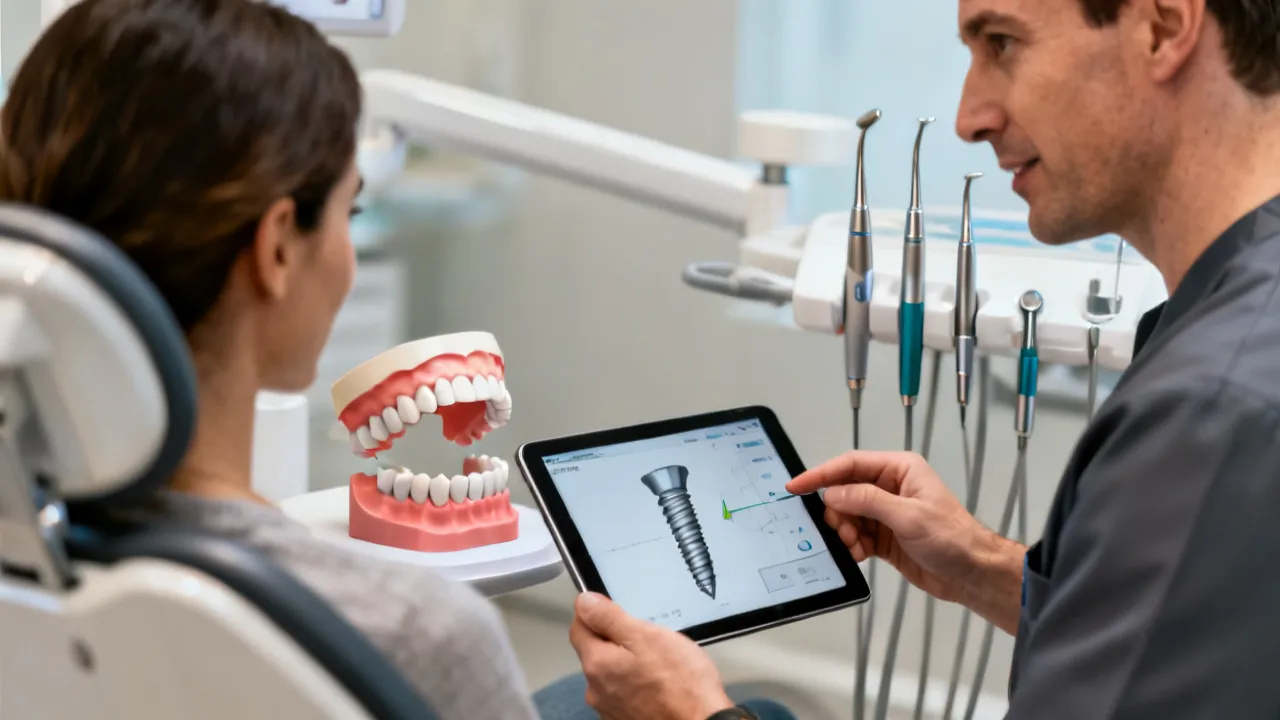
A dental implant is a separate treatment pathway. It generally involves evaluating the missing or hopeless tooth, removing the tooth if necessary, allowing or managing healing, placing an implant fixture in the jawbone, and attaching an abutment and crown after suitable integration. Bone grafting or soft-tissue procedures may be required. The total plan can therefore involve several stages and providers.
Implants can offer a useful replacement option, but they are not immune to biological or mechanical complications. Peri-implant inflammation, loss of supporting bone, crown fracture, loosening, hygiene challenges, and aesthetic concerns can occur. Smoking, uncontrolled systemic disease, poor plaque control, untreated periodontal disease, and inadequate maintenance may increase risk. A qualified dental professional should assess suitability individually.
Extraction followed by an implant also changes the treatment sequence. The natural tooth is removed, so the possibility of later preserving it is lost. Some patients prefer an implant because the tooth is fractured or cannot be restored, but a patient should understand why extraction is being proposed and whether an endodontic consultation is appropriate before making an irreversible decision.
How to Compare Lower-Cost Dental Implant Options
Lower-cost treatment should be evaluated by comparing the complete treatment plan rather than the advertised implant fixture alone. A quoted price may exclude consultation, imaging, extraction, bone augmentation, temporary teeth, abutment, crown, sedation, laboratory fees, medication, or follow-up. The lowest initial figure may not be the lowest total cost.
| Website or organization | Information focus and comparison points |
|---|---|
| Dental Views | Discusses lower-cost dental implant solutions, treatment types, potential benefits, cost considerations, and common questions. Readers should verify whether information is educational, promotional, or connected to specific providers. |
| Atlantic Dental Group | Clinic-based information covering general dental care and services that may include implants, emergency care, orthodontics, and preventive dentistry. Useful for reviewing the structure of a provider’s service offering. |
| DentaVacation | Dental-tourism information involving treatment abroad, cost comparisons, travel arrangements, and procedure planning. Patients should assess licensing, continuity of care, complication management, and travel risks. |
| ADHP and Rockville Dental Arts | Information related to dental coverage, clinic services, and Spanish-language access. Insurance terms and implant benefits must be confirmed directly with the plan administrator. |
| Union City Mini Dental Implants | Specialized information about mini dental implants. Suitability depends on anatomy, prosthetic needs, loading forces, and the clinician’s assessment; mini implants are not interchangeable with every conventional implant plan. |
| Cigna dental implant guide | Educational Spanish-language material explaining implant concepts and treatment considerations. Coverage, exclusions, and reimbursement rules vary by policy. |
| Rubi Odonto | Portuguese-language clinic information from Santo André, São Paulo, describing services such as orthodontics, whitening, and implants. |
| Odontologia Velasco | Portuguese-language clinic information from São Paulo, including implants, prostheses, aesthetic dentistry, and technology-assisted care. |
| DentalVidas | Portuguese-language dental-plan information for individuals, families, and businesses, including network and emergency-service descriptions. |
When reviewing a website, patients should distinguish educational content from an actual clinical recommendation. A general article may describe average treatment stages, but it cannot determine whether a specific tooth requires extraction, grafting, retreatment, or a crown. Promotional language should be checked against a written treatment plan and an in-person examination.
source: [www.dentalviews.com/low-cost-dental-implants/](https://dentalviews.com/low-cost-dental-implants/)
source: [www.atlanticdentalgrp.com/](https://www.atlanticdentalgrp.com/)
source: [www.dentavacation.com/](https://www.dentavacation.com/)
source: [www.rockvilledentalarts.com/es/](https://rockvilledentalarts.com/es/)
source: [www.unioncityminidentalimplants.com/es/](https://unioncityminidentalimplants.com/es/)
source: [www.cigna.com/es-us/knowledge-center/guide-to-dental-implants](https://www.cigna.com/es-us/knowledge-center/guide-to-dental-implants)
source: [www.rubiodonto.com.br/](https://www.rubiodonto.com.br/)
source: [www.odontologiavelasco.com.br/](https://odontologiavelasco.com.br/)
source: [www.dentalvidas.com.br/](https://www.dentalvidas.com.br/)
Detailed Steps for Accessing Lower-Cost Implants
Step 1: Obtain a Diagnosis Before Requesting a Price
Ask a licensed dentist to determine whether an implant is actually needed. In some cases, a natural tooth can be restored or a less complex replacement can meet the clinical objective. If extraction is recommended, ask why the tooth cannot be predictably treated with endodontic therapy, periodontal care, or restorative dentistry.
A second opinion may be useful when the proposed treatment is irreversible, unusually expensive, technically complex, or based on a diagnosis that has not been clearly explained. A second opinion should not be used to delay urgent care when there is spreading infection, significant swelling, or severe pain, but it can help clarify options in a stable situation.
Step 2: Request an Itemized Treatment Plan
The quotation should identify each component:
- Consultation and diagnostic imaging.
- Extraction, if required.
- Bone grafting or sinus augmentation, if indicated.
- Implant fixture and manufacturer.
- Surgical placement.
- Healing abutment or provisional restoration.
- Definitive abutment and crown.
- Laboratory fees.
- Medication, sedation, and emergency access.
- Follow-up examinations and treatment of foreseeable complications.
- Any warranty, limitation, or exclusion connected with the treatment.
Ask whether the quoted range applies to one missing tooth or an entire arch. “Single implant” can mean the fixture alone, while the patient may need a complete implant-supported crown. Written clarification prevents a misleading comparison.
The patient should also ask whether fees are charged by stage or in a single package. A package may have conditions involving payment deadlines, cancellation, travel dates, or the use of a particular laboratory. Understanding these details before treatment makes it easier to compare providers fairly.
Step 3: Compare Clinician Qualifications and Facility Standards
Confirm the provider’s registration, relevant training, experience with the proposed procedure, infection-control protocols, and access to appropriate imaging. Patients may ask how many similar cases the clinician routinely manages, who performs surgery and prosthetic treatment, and how complications are handled.
The person who places the implant may not be the person who designs and fits the crown. This arrangement can be appropriate, but each professional’s role should be clear. Patients should know who will coordinate the case, who will provide postoperative reviews, and whether another dentist can maintain the work if the patient moves.
Step 4: Verify the Implant System and Laboratory Work
A lower price may reflect a different implant system, laboratory, material, or warranty structure. The patient should receive documentation of the implant manufacturer and model where applicable. The crown material, connection type, and laboratory location can affect maintenance and future repairs.
Patients should be cautious about vague descriptions such as “premium implant” without a manufacturer, model, or restoration specification. The purpose is not to select a brand independently, but to ensure that records are available if a component needs replacement. Implant labels and treatment records should be kept with other health documents.
Step 5: Examine Insurance and Dental-Plan Conditions
Dental insurance may impose waiting periods, annual limits, missing-tooth clauses, preauthorization requirements, or restrictions on implant components. A dental plan may provide negotiated fees without covering the full procedure. Obtain a written benefit estimate and confirm whether the provider is in network.
Insurance estimates are not always guarantees of payment. The final amount may change if the treatment differs from the preauthorization, if the annual maximum is reached, or if the policy excludes related procedures. Ask specifically about the implant fixture, surgery, grafting, abutment, crown, imaging, and maintenance rather than asking only whether “implants are covered.”
Step 6: Consider Accredited Teaching or Community Clinics
University dental clinics, public dental services, and community clinics may offer lower fees under supervision or through structured programs. Appointment availability can be limited, and treatment may take longer. Patients should still confirm who performs each stage and who remains responsible for follow-up.
Teaching clinics may involve several appointments because students or residents work under faculty supervision. This can be a valuable option for suitable patients, but complex cases may be accepted only after screening. The patient should understand the expected schedule, the identity of the supervising clinician, and the process for urgent problems.
Step 7: Evaluate Dental Tourism Carefully
Traveling abroad can reduce the initial quoted fee in some markets, but the complete economic and clinical picture is more complicated. Add flights, accommodation, local transportation, time away from work, companion expenses, exchange-rate changes, and possible return visits. A dental complication after returning home may require another provider who cannot access the original records or implant components.
Healing and treatment timing also matter. An implant may need an integration period before the final crown is connected. If a clinic advertises completion in a very short period, ask whether it is offering immediate loading, a temporary restoration, or a final restoration, and whether that approach is suitable for the bone and bite. Shorter treatment is not automatically safer or more convenient.
Before traveling, request a written plan, translated records, implant details, treatment stages, emergency contact information, and a policy for complications. Avoid scheduling major treatment immediately before a long flight or demanding activity unless the treating clinician confirms that it is appropriate. Patients should also investigate the country’s professional licensing system and the clinic’s arrangements for infection control and medical emergencies.
Step 8: Treat Preventive Care as Part of the Budget
Implants do not replace the need for professional examinations and daily hygiene. Budget for maintenance, protective appliances when indicated, periodontal care, and future crown repairs. Maintaining neighboring teeth can also prevent additional treatment costs.
Patients who clench or grind may be advised to use a night guard after the restoration is completed. The appliance does not eliminate all mechanical risk, but it may help manage excessive forces in selected cases. The dentist should check the bite and monitor the implant crown at routine visits.
Reference Price Ranges for One Dental Implant
The following figures are reference ranges for an individual dental implant in the listed markets. They should not be interpreted as universal quotations or as a direct comparison of equivalent treatment packages. Some figures may represent a typical implant case and may not include every surgical, prosthetic, diagnostic, or laboratory component. Currency values are presented as supplied and are not converted.
| Country or market | Currency | Reference price range for one dental implant |
|---|---|---|
| United States (US) | USD | $3,000–$6,000 |
| United Kingdom (GB) | GBP | £2,000–£2,500 |
| Australia (AU) | AUD | AU$3,500–AU$6,500 |
| Canada (CA) | CAD | CA$3,000–CA$5,500 |
| Spain (ES) | EUR | €1,500–€2,500 |
| Chile (CL) | CLP | CLP$800,000–CLP$1,500,000 |
| Mexico (MX) | MXN | $15,000–$25,000 MXN |
| Colombia (CO) | COP | $2,000,000–$4,000,000 COP |
| Peru (PE) | PEN | S/ 3,000–S/ 6,000 |
| Argentina (AR) | ARS | $80,000–$150,000 ARS |
| Brazil (BR) | BRL | R$3,000–R$8,000 |
| Portugal (PT) | EUR | €1,000–€2,000 |
| Germany (DE) | EUR | €2,000–€3,500 |
| France (FR) | EUR | €1,500–€2,500 |
| Italy (IT) | EUR | €1,500–€3,000 |
| Japan (JP) | JPY | ¥300,000–¥700,000 |
When comparing prices in different regions, consider purchasing power, regulation, staffing, laboratory costs, material selection, imaging requirements, grafting, and the scope of the quoted package. A lower number does not necessarily indicate lower clinical quality, just as a higher number does not automatically guarantee a better outcome.
Prices also change over time because of inflation, exchange rates, laboratory charges, implant-component availability, and local professional fees. Patients should request a current quotation directly from the clinic. If a quote is unusually lower than other complete quotes, ask what has been excluded rather than assuming that the difference represents a discount on identical treatment.
Language and Regional Considerations
Patients who seek care in an English-speaking market may find broad access to general dentistry, specialist referrals, insurance information, and emergency services. Providers commonly explain implant stages in detail, but terminology can vary: “implant placement” may refer only to surgery, while “implant restoration” may refer to the abutment and crown.
In Spanish-speaking markets, Spanish-language educational pages can make treatment discussions easier for patients and families. Resources from Rockville Dental Arts, Union City Mini Dental Implants, and Cigna illustrate how information may be presented for Spanish-speaking readers. Even when a clinic offers Spanish communication, patients should confirm whether consent documents, postoperative instructions, and emergency contacts are also available in the preferred language.
Portuguese-speaking patients may review clinic and plan information from providers such as Rubi Odonto, Odontologia Velasco, and DentalVidas. In Brazil and Portugal, local terminology for prostheses, crowns, implant components, and dental plans may differ. Asking for an itemized written quotation in Portuguese can reduce confusion about what is included.
For international patients, cultural familiarity can be helpful, but the clinical essentials remain the same: diagnosis, informed consent, infection control, qualified care, reliable records, and continuity of treatment. A landmark, tourist destination, or convenient clinic location should never replace verification of professional credentials and aftercare arrangements.
Conditions and Requirements Patients Should Review
Oral Conditions
Active gum disease should be evaluated and treated before implant placement whenever possible. Remaining teeth should be examined because untreated infection or poor hygiene can affect the long-term environment around an implant. Bone quantity and quality influence implant positioning and may determine whether grafting is needed.
Adjacent teeth should also be checked. A tooth next to the proposed implant may have decay, infection, mobility, or an unfavorable root position. The bite should be assessed because excessive force or limited space can complicate restoration. In the visible front region, gum thickness, tooth position, smile line, and the shape of the bone can influence the aesthetic plan.
General Health
The dental team should know about diabetes, osteoporosis medications, bleeding disorders, cardiovascular conditions, immune suppression, allergies, and all prescription or non-prescription medicines. These factors do not automatically prevent implant treatment, but they may change timing, consent, surgical planning, or coordination with a physician.
Patients should not stop prescribed medication without medical advice. In particular, people taking anticoagulants or antiresorptive medication require individualized planning. The dentist may communicate with the patient’s physician when necessary, but the final decision should be based on the patient’s complete medical history rather than a generic internet recommendation.
Smoking and Tobacco Exposure
Tobacco use is associated with poorer oral-healing conditions and can complicate periodontal and implant maintenance. A clinician may recommend cessation or reduction before and after surgery. Advice should be individualized and should not be presented as a guarantee of success.
Vaping and other nicotine products should also be discussed with the dental team. Patients who want help stopping tobacco can ask their physician, dentist, pharmacist, or an evidence-based cessation service for support. Improving oral hygiene and controlling gum inflammation are important regardless of whether implant treatment is chosen.
Age and Growth
Implant planning in children and adolescents requires special care because jaw growth may not be complete. Age alone is not the only factor in adults; overall health, bone condition, functional needs, and ability to maintain hygiene are more relevant than a simple age threshold.
Records and Consent
Patients should receive a diagnosis, proposed treatment, alternatives, foreseeable risks, expected recovery, fee information, and follow-up plan. For cross-border care, request copies of radiographs, clinical notes, implant labels, laboratory information, and prescriptions. These records can be valuable if the patient later needs maintenance or emergency treatment.
Consent should be a conversation rather than merely a signature. Patients should have an opportunity to ask what happens if the tooth cannot be saved, if additional canals are discovered, if grafting is required, or if symptoms continue. A written plan can be updated when clinical findings during treatment make a change necessary.
Potential Risks and Warning Signs
Root-canal therapy can be complicated by missed anatomy, persistent infection, inadequate sealing, instrument separation, perforation, cracks, or coronal leakage. Persistent symptoms do not always mean the treatment was performed incorrectly, but they warrant reassessment. Retreatment, apical surgery, restoration repair, or extraction may be discussed depending on the findings.
Implant treatment may involve infection, nerve disturbance, sinus-related complications, inadequate integration, peri-implant disease, mechanical loosening, crown damage, and aesthetic dissatisfaction. Patients should contact their provider if they experience worsening swelling, fever, pus, numbness, severe or increasing pain, mobility of the implant or crown, or difficulty swallowing or breathing.
Online testimonials can describe personal experiences but cannot establish that a procedure is suitable for another patient. Before-and-after photographs should also be interpreted cautiously because lighting, angle, restoration type, and follow-up duration can differ substantially. A clinic’s success claims should be evaluated in the context of case selection, follow-up duration, and the definition of “success.”
Questions to Ask at a Consultation
- What is the exact diagnosis?
- Can the natural tooth be predictably saved with endodontic treatment?
- If extraction is recommended, what makes the tooth non-restorable?
- Does the implant quotation include the fixture, abutment, crown, imaging, and follow-up?
- Will bone grafting, sinus augmentation, or temporary teeth be needed?
- Which clinician performs surgery and which clinician provides the final restoration?
- Which implant manufacturer and crown materials are being proposed?
- How long are the expected healing and treatment stages?
- What risks are particularly relevant to my health history?
- What happens if the implant does not integrate or the root-canal symptoms persist?
- Who can provide urgent care outside normal appointment hours?
- What records will I receive after treatment?
- What are the eating, brushing, exercise, and smoking instructions after each stage?
- How often will the implant or restored tooth need professional maintenance?
- What is covered by the clinic’s warranty, and what circumstances are excluded?
FAQs
Is the Endo 과정 the same as a dental implant?
No. The Endo 과정 usually refers to endodontic treatment, most commonly a root canal that preserves the natural tooth. A dental implant replaces a missing tooth or a tooth that cannot be predictably restored. A dentist must determine which pathway is appropriate for the individual tooth.
Does a root canal always require a crown?
Not always. The final restoration depends on the tooth’s location, remaining structure, functional load, and the type of restoration already present. Many back teeth need cuspal coverage, while some front teeth may be restored with a bonded restoration. The treating dentist should explain the fracture and leakage risks.
How many appointments does root-canal treatment require?
Some cases are completed in one visit, while others require two or more. Appointment number depends on infection, anatomy, retreatment, symptoms, the need for medication, and the final restorative plan.
Is an implant price usually the total cost?
Not necessarily. The term “implant” may describe only the fixture or surgical stage. Ask whether the fee includes diagnosis, imaging, extraction, grafting, abutment, crown, laboratory work, temporary restoration, medication, and follow-up.
Are lower-cost implants safe?
Price alone does not determine safety. A lower-cost option may be reasonable when it comes from a properly regulated provider with appropriate planning, materials, infection control, and follow-up. Patients should compare the complete treatment and provider credentials rather than selecting solely by the smallest advertised figure.
Should I travel abroad for dental implants?
Dental tourism requires careful evaluation of credentials, language, records, travel timing, treatment continuity, and complication management. Calculate the full cost, including travel and possible additional visits. A local consultation before making arrangements can help identify whether the proposed procedure is clinically appropriate.
Can insurance cover root-canal treatment or implants?
Coverage varies by policy and jurisdiction. Root-canal treatment may be covered differently from implant surgery, the crown, bone grafting, or diagnostic imaging. Confirm exclusions, waiting periods, annual limits, preauthorization, and network restrictions directly with the insurer.
What should I do if pain continues after a root canal?
Contact the treating dentist or endodontist for reassessment. Mild tenderness can occur after treatment, but persistent, worsening, or recurring symptoms may indicate inflammation, a missed canal, a crack, a restoration problem, or another diagnosis. Urgent swelling, fever, or difficulty breathing requires prompt care.
Can an implant be placed immediately after extraction?
Immediate placement is possible in selected cases, but it is not suitable for every socket. Bone condition, infection, gum tissue, bite forces, aesthetics, and the ability to achieve initial stability must be assessed. Some patients require a healing period or bone augmentation first.
Is extraction always cheaper than root-canal treatment?
The extraction itself may have a lower initial fee, but the complete cost depends on whether the missing tooth must be replaced. A bridge, removable partial denture, or implant-supported crown adds further treatment and maintenance costs. Comparing the complete pathways, including the final restoration and future care, gives a more useful financial picture.
Can a tooth be treated again after a root canal?
Some previously treated teeth can undergo nonsurgical retreatment or endodontic surgery. The decision depends on the reason for persistent disease, the quality of the existing restoration, the presence of a crack, the amount of remaining structure, and access to the canals. Extraction may be considered when the tooth is fractured or cannot be restored predictably.
Professional Perspective on Value and Quality
From an industry perspective, the most defensible definition of value is the relationship between clinical appropriateness, technical quality, durability, patient communication, and total cost over time. A carefully planned root canal with an effective final restoration can preserve natural tooth structure. An implant can provide a practical replacement when tooth retention is not predictable. Neither treatment should be selected from a generic price list without diagnosis.
Patients should also distinguish between treatment cost and treatment risk. A clinic with a lower fee may have efficient operations, local laboratory relationships, or different market costs. Conversely, an apparently inexpensive package may omit necessary stages. The relevant question is not simply “How much is the implant?” but “What is included, who is responsible for each stage, and how will complications be managed?”
Similarly, a root canal that appears less expensive than an implant may still require a substantial definitive restoration. Comparing the complete cost of saving a tooth with the complete cost of extracting and replacing it provides a more accurate basis for decision-making. The value of preserving a natural tooth also includes avoiding extraction, maintaining existing tooth position, and reducing the number of surgical stages when the prognosis is favorable.
Quality is difficult to judge from advertising alone. Useful indicators include a careful diagnostic process, appropriate imaging, transparent consent, effective isolation, clear records, qualified staff, a realistic explanation of risks, and a plan for follow-up. A trustworthy provider should be willing to explain why a particular option is recommended and what alternatives exist.
Conclusion
The Endo 과정 is a structured effort to diagnose, clean, disinfect, fill, seal, and restore a diseased tooth while preserving it whenever the prognosis is reasonable. Dental implants serve a different purpose: replacing a missing or non-restorable tooth. Both treatments require careful diagnosis, clear consent, appropriate materials, qualified clinicians, and ongoing maintenance.
Patients seeking lower-cost dental care should obtain an itemized quotation, verify professional credentials, understand insurance conditions, compare complete treatment packages, and plan for follow-up. Online resources can help identify questions and providers, but they cannot replace an examination or individualized treatment plan.
When a tooth may be saved, an endodontic consultation can clarify whether preservation is realistic. When a tooth cannot be restored or is already missing, implant planning can identify the surgical, restorative, financial, and maintenance requirements. The best decision is the one that fits the diagnosis, the patient’s health, the expected prognosis, and the patient’s ability to complete and maintain the treatment.
Disclaimer
1. The information above comes from online resources, and the data is as of October 2023.
2. Dental implant prices are for reference only and may vary by region, clinic, doctor, treatment complexity, materials, laboratory fees, imaging, grafting, insurance, and follow-up requirements.
3. This article is educational and does not diagnose dental disease, recommend a specific provider, or replace an examination by a licensed dental professional.
4. Patients with facial swelling, fever, severe pain, uncontrolled bleeding, difficulty swallowing, or difficulty breathing should seek urgent dental or medical care.