Understanding IDS Germany for Dental Professionals
This guide explains “독일 Ids,” commonly referring to the International Dental Show in Germany, and examines its role in dental technology, procurement, education, and professional networking. It outlines what visitors can expect, how exhibitors present products, how regulatory requirements influence purchasing decisions, and how to prepare efficiently. IDS is a major international dental trade event, while its value depends on verified product information, clinical relevance, supplier reliability, and compliance with applicable European requirements.
What “독일 Ids” Usually Refers To
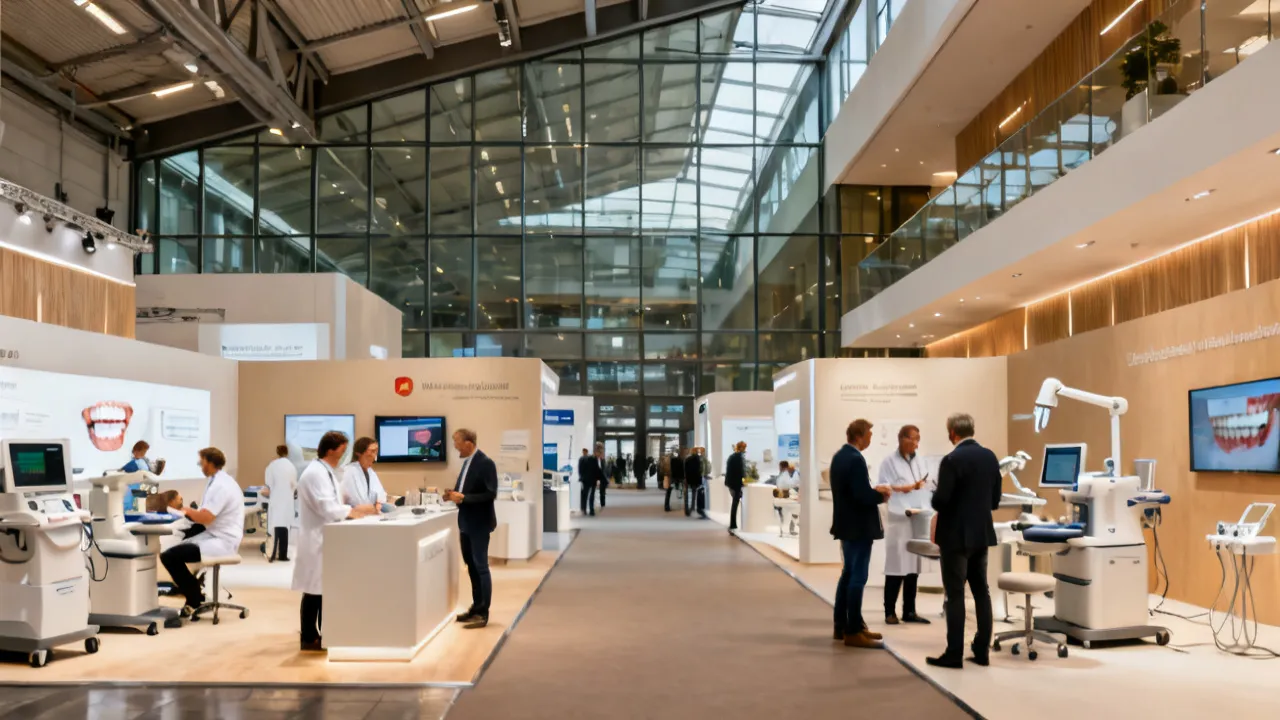
The Korean search term 독일 Ids is commonly used to describe the International Dental Show, generally known by its abbreviation IDS. Held in Cologne, Germany, IDS is a major professional exhibition for dentistry and dental technology. It brings together manufacturers, laboratories, distributors, clinicians, technicians, researchers, educators, and service providers in one commercial and educational environment.
For professionals researching dental equipment, the event is more than a product exhibition. It is a place to compare workflows, assess emerging technologies, speak directly with manufacturers, review demonstrations, and understand how suppliers position their products within changing clinical and laboratory practices. The event can also help visitors distinguish between a technically impressive product and a solution that is practical for a particular practice, laboratory, or healthcare system.
The term can occasionally be used more broadly to mean German dental industry products, suppliers, or market information. However, in most business and search contexts, “IDS Germany” points to the International Dental Show in Cologne. Because event programs and participation details can change, visitors should confirm current information through the official organizer before making travel, purchasing, or appointment arrangements.
Why IDS Matters to the Dental Industry
Dental care is increasingly shaped by digital workflows, regulatory scrutiny, material science, infection-control requirements, and pressure to improve efficiency without compromising patient safety. A large international show provides a concentrated view of these developments. Rather than evaluating one product in isolation, visitors can compare competing approaches across diagnosis, treatment planning, manufacturing, finishing, practice management, and laboratory operations.
From an industry analyst’s perspective, the central value of IDS is market visibility. A practice owner may discover that an existing workflow can be improved through better integration rather than by purchasing the newest device. A laboratory manager may compare milling systems, scanners, furnaces, materials, and software under realistic production conditions. A distributor may evaluate whether a manufacturer offers dependable training, spare parts, documentation, and regional support.
The show also helps reveal the difference between innovation and adoption. New technology attracts attention, but long-term clinical value depends on usability, compatibility, validated performance, service arrangements, staff training, and total cost of ownership. These factors are often more important than a product’s novelty.
IDS also functions as a meeting point for different parts of the dental value chain. A manufacturer may introduce a material that changes laboratory procedures, while a software company may demonstrate a platform designed to connect clinics, laboratories, imaging centers, and patients. Distributors can learn which products are gaining interest in different regions, and clinicians can communicate practical needs directly to product developers. This exchange can influence not only individual purchasing decisions but also future product design and industry standards.
For international visitors, the event offers a useful way to understand how dental markets differ. Products may be presented with different indications, packaging, training models, or distribution arrangements depending on the country. Observing these differences can help visitors identify which technologies are mature, which are still emerging, and which require additional evidence before broad adoption.
Key Areas Commonly Associated With IDS
IDS typically covers a broad range of dental products and services. The precise exhibition layout changes between editions, but visitors can generally expect several recurring categories.
| Category | Typical Focus | Questions for Visitors |
|---|---|---|
| Digital dentistry | Intraoral scanners, CAD/CAM software, imaging, design platforms, and workflow integration | Does the system work with existing software, file formats, and laboratory processes? |
| Dental laboratory technology | Milling units, 3D printing, furnaces, materials, polishing, and laboratory automation | What materials are supported, and how are maintenance and calibration handled? |
| Clinical equipment | Dental units, instruments, lighting, imaging systems, suction, and treatment accessories | Does the equipment meet the practice’s ergonomics, space, and infection-control needs? |
| Consumables | Restorative materials, impression materials, bonding systems, preventive products, and disposables | What evidence supports the product, and how does it fit current treatment protocols? |
| Orthodontics | Aligner systems, brackets, wires, imaging, planning software, and laboratory services | What professional oversight, case-planning tools, and support systems are available? |
| Practice management | Patient communication, scheduling, imaging management, billing, cybersecurity, and records | How does the platform protect data and integrate with established administrative systems? |
| Education and services | Training, consulting, technical support, logistics, financing, and professional development | Is the service available in the required language and region after purchase? |
Other areas may include endodontic equipment, periodontic and implant systems, surgical instruments, anesthesia products, preventive dentistry, laboratory furniture, sterilization systems, packaging, and professional publications. Some exhibitors focus on one specialized product, while others present complete ecosystems that cover several stages of treatment or manufacturing.
The broad range means that visitors should not assume the most visible hall or largest booth represents the most relevant opportunity. A smaller supplier may offer a component that solves a specific problem more effectively than a complete platform. Mapping the exhibition according to objectives is therefore more useful than simply following the largest brands.
Digital Dentistry: The Most Visible Area of Change
Digital dentistry is often one of the most prominent themes associated with IDS. The category includes digital impressions, cone-beam computed tomography, design software, computer-aided manufacturing, guided surgery, virtual articulators, artificial intelligence applications, and cloud-based collaboration tools.
Yet digital adoption should be assessed as a workflow decision rather than a device decision. An intraoral scanner, for example, may produce useful clinical data, but its practical effect depends on operator training, scanning conditions, software usability, export options, laboratory communication, and data storage. A milling unit may improve production control, but it also creates requirements for materials management, maintenance, nesting software, tool replacement, and quality assurance.
An expert evaluation should therefore examine the complete path from data capture to treatment delivery. Important questions include:
- Can the system export commonly used file formats?
- Does it integrate with the practice’s existing imaging and patient-record systems?
- Are software updates included, optional, or subject to a recurring contract?
- Can the laboratory or referral partner use the same workflow?
- What happens if the internet connection, server, or software service is unavailable?
- What training is supplied to dentists, assistants, technicians, and administrators?
- How are patient data protected during transfer and storage?
These questions help prevent a common purchasing mistake: selecting a visually impressive technology without confirming whether it can be used consistently in the target environment.
Digital dentistry should also be evaluated according to the organization’s level of readiness. A clinic with limited network infrastructure may need to upgrade connectivity before adopting a cloud-based platform. A laboratory with only one trained technician may require a more gradual implementation plan. A practice that sends most restorative work to external partners may benefit more from improved file transfer and communication than from purchasing an in-house manufacturing system.
Interoperability is particularly important because digital dentistry rarely consists of a single application. A typical workflow may involve an electronic patient record, radiographic imaging, an intraoral scanner, treatment-planning software, a laboratory portal, a design application, and a billing or scheduling platform. If these systems cannot exchange information reliably, staff may need to duplicate entries or manually convert files. The resulting inefficiency can offset the expected benefit of automation.
Clinical Imaging and Diagnostic Technologies
Imaging is another important area for visitors attending IDS. Products may include intraoral radiography, panoramic systems, cone-beam computed tomography, optical cameras, fluorescence devices, facial scanners, and software for image management. The appropriate system depends on the clinical indications, patient population, available space, radiation-protection procedures, and professional qualifications of the users.
When comparing imaging systems, buyers should consider more than image resolution. Dose management, acquisition time, reconstruction software, positioning aids, artifact reduction, storage requirements, and integration with patient records all influence daily value. A system that produces excellent images but requires complicated positioning or lengthy processing may not be appropriate for a busy practice. Similarly, advanced imaging should be used according to clinical need rather than simply because it is available.
Visitors should ask how images are exported, backed up, and accessed by authorized professionals. They should also clarify whether analysis tools are included in the basic purchase or require an additional license. If artificial intelligence is used for image interpretation, the practice should understand whether the function is intended as an aid, whether it has been validated for the relevant patient group, and how clinicians are expected to review its output.
Regulatory Considerations for Visitors and Buyers
Regulatory compliance is a central part of dental procurement in Europe. Products marketed as medical devices may be subject to the European Union Medical Device Regulation, commonly referred to as Regulation (EU) 2017/745. The applicable obligations depend on the product’s intended purpose, classification, design, and risk profile. Not every item displayed at a trade show has the same regulatory status, and exhibition presence should not be interpreted as proof that a product is suitable for every market.
Visitors should ask suppliers for clear documentation concerning intended use, conformity assessment, labeling, instructions, post-market surveillance, and applicable certificates. For products involving software, cybersecurity and data protection should also be reviewed. Where personal data are processed, the General Data Protection Regulation may be relevant, especially when systems use cloud storage, remote support, or cross-border data transfer.
Regulatory review should be performed by the responsible purchaser and, where necessary, by qualified legal, clinical, or quality-management professionals. A manufacturer’s sales presentation is not a substitute for an independent compliance review. The same principle applies to claims about accuracy, speed, durability, clinical outcomes, or compatibility.
Importers and distributors should pay particular attention to their own responsibilities. A product that is compliant in the European market may require additional registration, labeling, language documentation, or authorized representation before it can be supplied elsewhere. The buyer should identify who is responsible for installation, user instructions, complaint handling, vigilance reporting, and technical updates. These responsibilities should be stated clearly in commercial agreements.
Regulation is also relevant to software and accessories. A software application that controls or interprets a medical device may have a different regulatory position from ordinary administrative software. Replacement components, custom-made devices, laboratory materials, and accessories may be governed by different requirements. Because classification can be complex, the safest approach is to request current written documentation and obtain professional advice when the intended use is uncertain.
How to Prepare for an IDS Visit
Large exhibitions can become inefficient when visitors arrive without a clear objective. The most effective preparation begins several weeks in advance, although a shorter planning period can still produce useful results.
Step 1: Define the business or clinical problem
Start with a specific need. Examples include reducing remakes in a laboratory, replacing aging treatment units, improving digital impressions, expanding same-day production, or establishing a more reliable referral workflow. A defined problem makes it easier to reject products that are interesting but irrelevant.
Step 2: Establish technical requirements
Write down essential specifications before speaking with suppliers. These may include available floor space, electrical requirements, network conditions, imaging compatibility, sterilization capacity, supported materials, file formats, staff skill levels, and expected daily volume.
Step 3: Separate essential features from preferred features
Not every attractive function has equal importance. Mark each requirement as essential, desirable, or optional. This prevents a demonstration from being driven by features that do not influence clinical quality or operational performance.
Step 4: Shortlist exhibitors
Review the official exhibitor and program information when available. Group suppliers into priority meetings, secondary visits, and general exploration. Contact priority exhibitors in advance if a detailed demonstration, technical consultation, or language support is needed.
Step 5: Prepare a comparison document
Use the same questions for each supplier. Record model numbers, software versions, warranty terms, training arrangements, service coverage, consumable requirements, integration options, and expected delivery conditions. Consistent documentation makes post-event comparison more reliable.
Step 6: Plan realistic time
Exhibition halls are physically demanding, and detailed discussions take longer than expected. A practical schedule should include time for transportation within Cologne, meals, appointments, note-taking, and follow-up conversations. Attempting to visit every hall can reduce the quality of evaluation.
Step 7: Verify after returning
Do not make a major purchase solely because a product performed well in a demonstration. Request formal quotations, technical files, service terms, references where appropriate, and written clarification of any claims. A site assessment or trial may be appropriate before final approval.
Preparation should include the people who will make or influence the eventual decision. A dentist may define clinical requirements, while a practice manager may focus on workflow and budget. A technician may understand production limitations, and an information-technology specialist may identify network or cybersecurity concerns. Including these perspectives before the event creates a more useful list of questions.
Visitors should also prepare a short description of their organization. It can include the type of practice or laboratory, approximate workload, current equipment, main markets, and the problem they want to solve. This allows exhibitors to provide more relevant information and reduces time spent discussing unsuitable configurations.
What to Ask Exhibitors
Effective questions reveal the operating realities that promotional materials may not emphasize. A conversation should cover the product, the organization behind it, and the support available after installation.
- Product scope: What is the intended use, and which applications are outside the validated scope?
- Integration: Which hardware, software, file formats, and laboratory systems are supported?
- Training: How long does implementation normally take, and what training is included?
- Service: Who performs maintenance, how are urgent faults handled, and where are spare parts held?
- Costs: What are the purchase price, installation charges, recurring software fees, consumable costs, and expected maintenance expenses?
- Compliance: What documentation is available for the intended market and product classification?
- Data: Where is information stored, who can access it, and how can data be exported if the customer changes systems?
- Business continuity: What is the procedure if the system is offline or the supplier discontinues a product?
When comparing German suppliers or international brands presented in Germany, buyers should also ask whether technical support is available in their region. A strong exhibition demonstration is useful, but local service capacity often determines the actual ownership experience.
Questions about limitations are especially valuable. Ask the representative to describe situations in which the product may not perform as expected, the types of cases that require manual intervention, and the most common service problems reported by users. A supplier that can explain limitations clearly may be more trustworthy than one that presents every function as universally successful.
It is also useful to ask what happens after the warranty period. Buyers should clarify whether service must be purchased from the original manufacturer, whether qualified third-party technicians can work on the equipment, how long software support is expected to continue, and whether older models remain compatible with new materials or operating systems.
Evaluating Suppliers at the Exhibition
Supplier evaluation should extend beyond brand familiarity. A reputable organization should be able to explain its product’s intended use, limitations, documentation, support model, and lifecycle plan in clear terms. The quality of the answers is often as informative as the product itself.
Look for consistency between the sales representative, technical specialist, and written materials. If a representative cannot answer a compliance or integration question, that is not necessarily a negative finding; the important point is whether the supplier records the question and provides a precise follow-up response.
Consider the supplier’s longevity and strategic direction, but do not assume that size alone guarantees suitability. A smaller specialist may provide strong technical support, while a large corporation may offer broader distribution and training. The right choice depends on the buyer’s requirements, risk tolerance, and operating region.
Supplier evaluation should include references where appropriate. Ask whether the company can identify comparable clinics or laboratories that use the system under similar workloads. References are not a substitute for independent assessment, but they may reveal information about installation time, service response, training quality, and the reliability of consumable supply.
Buyers should be cautious about confusing a crowded booth with market success. Large displays and extensive advertising demonstrate marketing resources, but they do not by themselves establish clinical effectiveness or long-term value. Conversely, a modest booth may belong to a specialist with a highly relevant product. The evaluation should remain tied to documented requirements.
Total Cost of Ownership
The purchase price is only one part of the financial assessment. Dental technology may involve installation, room preparation, software subscriptions, training, maintenance, calibration, consumables, accessories, insurance, upgrades, and staff time. These costs should be estimated across the expected service life of the equipment.
A useful calculation includes:
| Cost Element | Assessment Point |
|---|---|
| Initial acquisition | Equipment, software, accessories, shipping, taxes, and installation |
| Implementation | Room preparation, network configuration, workflow redesign, and staff training |
| Recurring charges | Software licensing, cloud services, technical support, and compliance updates |
| Consumables | Materials, cartridges, milling tools, printing components, filters, and replacement parts |
| Maintenance | Preventive servicing, calibration, repairs, and travel charges |
| Operational impact | Training time, downtime, changes in staffing, and possible productivity gains |
| End-of-life planning | Upgrade paths, data migration, disposal, and replacement arrangements |
Financial comparisons should use the same assumptions for every supplier. A lower initial price may not remain lower after software contracts, consumables, maintenance, and integration work are included. Conversely, a higher purchase price may be justified when documented reliability, service, and workflow benefits reduce operational risk.
Return on investment should be measured realistically. A laboratory might calculate the effect of reduced outsourcing, fewer remakes, faster production, or greater capacity. A clinic might consider reduced appointment time, improved case acceptance, or lower administrative effort. These benefits should be based on credible estimates rather than optimistic assumptions from a demonstration.
Downtime deserves a separate financial calculation. If a scanner, printer, furnace, imaging unit, or practice-management platform becomes unavailable, the resulting cost may include delayed treatment, rescheduled patients, outsourced work, overtime, and reputational damage. Buyers should ask about backup procedures and include reasonable downtime assumptions in the ownership model.
Dental Laboratories and the IDS Perspective
Dental laboratories often approach IDS differently from clinical practices. Their priorities may include production capacity, repeatability, material compatibility, scanning accuracy, nesting efficiency, quality control, and communication with dentists. A laboratory can also be affected by the technology choices of its clinical partners. If a clinic changes its scanner or design platform, the laboratory may need to adapt software, file handling, and quality procedures.
Laboratory visitors should examine whether a system supports open or restricted workflows. An open workflow may allow broader equipment and material choices, while a closed workflow may offer streamlined integration and centralized support. Neither model is automatically superior. The decision depends on production volume, technical resources, desired flexibility, and supplier stability.
Material documentation is particularly important. Zirconia, ceramics, resin, cobalt-chromium alloys, polymers, and temporary materials have different processing requirements. The laboratory should verify recommended sintering, curing, milling, finishing, storage, and quality-control procedures. Product claims should be interpreted in relation to the specific equipment and indication.
Production planning is another important consideration. A laboratory may need to determine whether a new machine can handle peak demand, whether multiple machines can be operated by one technician, and how jobs are prioritized when several materials require different processing routes. Automation is valuable only when it reduces bottlenecks rather than moving them to another stage of production.
Laboratories should inspect the complete maintenance routine. Filters, cutting tools, build platforms, resin tanks, furnaces, compressors, extraction systems, and calibration accessories may all affect quality. A machine with a low advertised price may require frequent replacement components or specialized servicing. The laboratory should establish who will perform routine checks and how results will be documented.
Clinical Practices and Patient-Centered Evaluation
For dental practices, technology should ultimately support patient care. The relevant questions concern diagnosis, treatment planning, communication, safety, ergonomics, and continuity. A system that reduces administrative burden may be valuable even if it is not associated with a dramatic clinical innovation. Similarly, a device that creates impressive images may have limited value if staff cannot use it consistently or if the information does not change treatment decisions.
Practice owners should involve the people who will use the system daily. Dentists can assess clinical functions, assistants can evaluate preparation and cleaning, administrators can examine scheduling and billing integration, and information-technology personnel can review security and network requirements. This multidisciplinary review often identifies practical issues that are missed during a sales demonstration.
Patient communication also matters. Digital scanners, imaging systems, and visual treatment-planning tools may help explain procedures, but practices should use them responsibly. Images should be interpreted within clinical context, and patients should receive clear information about the purpose and limitations of any diagnostic technology.
Ergonomics should not be overlooked. The weight of handpieces, the position of monitors, the reach required to access instruments, the location of suction controls, and the amount of movement required during a procedure can influence staff comfort and productivity. Repeated awkward movements may contribute to fatigue or musculoskeletal problems over time. Whenever possible, users should test equipment in a realistic seated or standing position.
Implementation also affects patient experience. A new system may require longer appointments during the learning period, changes to consent procedures, or temporary alterations in scheduling. Practices should communicate these changes internally and, if needed, explain them to patients. A carefully planned transition protects confidence while staff develop proficiency.
Safety, Infection Control, and Maintenance
Exhibition interest can focus on speed and convenience, but infection control remains fundamental. Any reusable instrument or clinical device should be assessed for cleaning, disinfection, sterilization, inspection, packaging, and traceability requirements. The manufacturer’s instructions must be compatible with the practice’s validated procedures and available equipment.
Questions worth asking include whether surfaces are accessible for cleaning, whether detachable components can be processed according to instructions, how cross-contamination risks are managed, and what maintenance records are required. A device that cannot be integrated into the practice’s infection-control process may create operational and compliance problems.
Preventive maintenance should also be defined before purchase. Clarify service intervals, calibration procedures, user checks, error reporting, replacement schedules, and responsibility for documentation. Written maintenance procedures support consistent performance and help identify problems before they affect patients or production schedules.
Waterlines, suction systems, compressors, sterilizers, and waste-management equipment deserve particular attention. These systems may not receive the same promotional attention as digital devices, but they are essential to safe operation. Buyers should determine how cleaning agents are selected, how contamination is monitored, and whether the equipment requires specific environmental conditions.
Safety evaluation should include electrical, mechanical, radiation, chemical, and software-related risks. Staff need access to clear instructions and emergency procedures. If a device uses resins, solvents, disinfectants, or other chemicals, the practice or laboratory should review storage, ventilation, personal protective equipment, and disposal requirements before installation.
Cologne as the Host Location
Cologne provides a practical setting for an international professional exhibition. The city is recognized for the Cologne Cathedral, the Rhine waterfront, museums, and a dense public-transport network. Visitors attending IDS often combine scheduled meetings at the exhibition grounds with professional dinners, laboratory visits, educational sessions, or informal discussions near the city center.
Local planning is important because accommodation and transportation demand can increase during major trade events. Visitors should check the official event venue information, public-transport arrangements, entry conditions, and accommodation policies before traveling. Cologne’s central railway station connects the city with other German and European destinations, while the exhibition grounds are served by public transport. Exact travel times depend on the hotel location and event schedule.
Professional etiquette in Germany generally places value on punctuality, preparation, and direct communication. Arriving on time for a supplier meeting, bringing specific technical questions, and confirming follow-up responsibilities can create a more productive exchange. English is widely used in international trade settings, but arranging language assistance may be useful for complex regulatory or contractual discussions.
Visitors should allow time to move between halls and confirm appointment locations in advance. Exhibition grounds can be larger than expected, and a meeting scheduled immediately after a demonstration may be difficult to reach. Comfortable footwear, portable charging equipment, a digital note-taking system, and a method for organizing brochures or product documents can make the visit more efficient.
Business travelers may also need to consider payment methods, roaming or internet access, travel insurance, visa requirements, and local tax arrangements. These details are not specific to dental technology, but they can affect the practical success of an international visit. Official travel and event sources should be consulted for current requirements.
Responsible Interpretation of Product Claims
Trade-show demonstrations are designed to show a product’s capabilities under controlled conditions. They are useful for initial evaluation, but they do not replace clinical validation, laboratory testing, or an operational trial. Visitors should distinguish between a demonstration, a manufacturer claim, peer-reviewed evidence, regulatory documentation, and independent user experience.
When a supplier presents a performance figure, ask how it was measured. Important details may include sample size, reference method, operating conditions, material type, software version, operator experience, and whether the result applies to the intended indication. Without this context, numerical claims may be difficult to interpret.
Claims involving artificial intelligence deserve additional care. An algorithm may assist with image analysis, treatment planning, or administrative tasks, but the professional remains responsible for appropriate use and clinical judgment. Buyers should ask about training data, validation, limitations, update procedures, human oversight, and data governance. Avoid assuming that an AI function is clinically reliable simply because it is incorporated into a modern platform.
Comparative claims should be examined carefully as well. Statements such as “faster,” “more accurate,” or “more durable” require a defined comparison. Faster under which conditions? More accurate according to which reference standard? More durable for which material, indication, and time period? Asking these questions helps convert broad marketing language into information that can support a purchasing decision.
Visitors should preserve the exact wording of important claims by saving technical sheets, recording model numbers, and noting the software version used in a demonstration. Product names can be similar, and a manufacturer may display several configurations with different features. Accurate records are essential when requesting a quotation or comparing a demonstrated system with the version available in the buyer’s country.
Post-Event Decision Process
The most important work often begins after leaving IDS. A structured review helps separate genuine opportunities from temporary enthusiasm.
- Organize notes within a few days. Group information by product category, supplier, and business need.
- Remove unsuitable options. Exclude systems that fail essential technical, regulatory, space, or service requirements.
- Request written documentation. Obtain quotations, specifications, terms, compliance materials, training outlines, and service conditions.
- Compare full ownership costs. Include recurring fees, consumables, maintenance, and implementation time.
- Consult the operating team. Ask likely users to assess ergonomics, workflow, cleaning, and training demands.
- Conduct a risk review. Consider downtime, supplier dependence, cybersecurity, data portability, and product discontinuation.
- Arrange a trial where appropriate. A supervised evaluation can reveal workflow issues that are not visible on the exhibition floor.
- Approve the purchase formally. Record the business case, acceptance criteria, responsibilities, and implementation schedule.
For larger investments, a written acceptance test is advisable. It may specify installation conditions, required functions, interoperability, staff training, documentation, and procedures for correcting defects. This approach protects both the buyer and the supplier by making expectations clear.
A useful post-event review can assign scores to each shortlisted solution. Categories might include clinical suitability, laboratory compatibility, ease of use, service quality, compliance documentation, cybersecurity, total cost, and supplier stability. Scores should not replace professional judgment, but they can reveal why a particular option ranks higher or lower.
The decision team should also define implementation milestones. These may include contract approval, room preparation, delivery, installation, data migration, staff training, supervised use, performance review, and final acceptance. Assigning a responsible person to each milestone reduces the risk that a technically suitable purchase fails because of poor coordination.
Conditions and Requirements for Effective Participation
| Requirement | Why It Matters |
|---|---|
| Professional objective | Ensures that the visit supports a defined clinical, laboratory, or business decision |
| Technical checklist | Allows comparable evaluation across different manufacturers |
| Regulatory awareness | Reduces the risk of selecting a product without appropriate documentation |
| Budget framework | Supports realistic comparison of acquisition and ownership costs |
| Decision-making team | Includes clinical, technical, administrative, and financial perspectives |
| Follow-up capacity | Ensures that quotations, trials, contracts, and implementation tasks are reviewed promptly |
| Travel preparation | Reduces disruption caused by transport, accommodation, registration, or scheduling issues |
Sources and Verification Framework
Reliable evaluation of IDS-related information should begin with authoritative sources. The official event organizer and exhibition information should be used for dates, venue details, registration procedures, exhibitor services, and program updates. The Gesellschaft zur Förderung der Dental-Industrie and Koelnmesse are commonly associated with the organization and presentation of IDS-related information.
Regulatory questions should be checked against the European Commission’s official medical-device framework, Regulation (EU) 2017/745, national competent-authority guidance, and the manufacturer’s current technical documentation. In Germany, relevant information may also be reviewed through the Federal Institute for Drugs and Medical Devices, known as BfArM, depending on the subject.
Clinical and professional questions should be considered alongside guidance from recognized dental associations, peer-reviewed research, and established standards organizations. Buyers should record the document title, publication date, product version, and intended market when reviewing evidence. This is especially important because software, labeling, and regulatory status can change over time.
Search results, social-media posts, reseller pages, and older event summaries can be useful for discovering topics, but they should not be treated as the final authority for dates, availability, regulatory status, or product specifications. Information may remain online after an event has ended or after a product has been replaced. Cross-checking details against current official sources reduces avoidable errors.
Common Mistakes to Avoid
Trying to see everything: A broad exhibition cannot be evaluated effectively without priorities. Focus on the categories connected to an actual need.
Relying on a single demonstration: Demonstrations are useful but controlled. Ask for documentation and, when appropriate, arrange a trial in the real workflow.
Ignoring recurring expenses: Software subscriptions, consumables, maintenance, and upgrades can materially affect long-term cost.
Overlooking interoperability: A technically strong product may become inefficient if it cannot exchange data with the systems already in use.
Assuming exhibition presence proves compliance: Every product requires an individual review of intended use and applicable requirements.
Leaving service questions until after purchase: Response times, spare parts, training, and maintenance should be discussed before a contract is signed.
Failing to include staff: Adoption is more successful when users participate in requirements, testing, and implementation planning.
Using promotional language as evidence: Claims should be assessed according to their method, supporting data, limitations, and relevance to the buyer’s situation.
Collecting brochures without recording context: After several hours, product literature can become difficult to distinguish. Note the representative’s name, booth number, model, key claim, and promised follow-up for every priority supplier.
Agreeing to unclear demonstrations: If a demonstration uses a special material, preconfigured software, or an unusually experienced operator, ask whether the same results are realistic in ordinary use.
Neglecting contract details: Installation dates, warranty exclusions, software renewal terms, data ownership, cancellation conditions, and service-level commitments should be reviewed before signing.
Who Benefits Most From IDS?
IDS can be valuable for several professional groups, but the benefits differ.
- Dentists and practice owners can compare treatment equipment, imaging, digital workflows, and patient-communication tools.
- Dental technicians can review production systems, materials, scanners, furnaces, software, and laboratory automation.
- Dental assistants can assess ergonomics, cleaning, setup, storage, and daily usability.
- Distributors can identify supplier relationships, product portfolios, and regional support opportunities.
- Researchers and educators can observe technology trends and discuss training needs with manufacturers and practitioners.
- Healthcare organizations can investigate standardized equipment, procurement planning, compliance documentation, and system integration.
Patients do not usually attend as the primary audience, because IDS is a professional trade event. Nevertheless, patient interests remain relevant whenever products influence diagnosis, treatment planning, safety, communication, or data handling.
Students and early-career professionals may also benefit from exposure to the breadth of the sector. An exhibition can show how clinical dentistry connects with engineering, software development, materials science, manufacturing, logistics, and quality management. However, students should distinguish educational observation from professional authorization. Seeing a device demonstrated does not qualify someone to operate it or make clinical decisions without appropriate training and supervision.
How to Judge Whether a Product Is a Good Fit
A suitable product should satisfy five broad tests. First, it should address a genuine clinical or operational need. Second, it should fit the organization’s existing or planned workflow. Third, its regulatory and technical documentation should be appropriate for the intended use. Fourth, the supplier should provide realistic support and training. Fifth, its total cost should be consistent with the organization’s financial and staffing capacity.
These tests can be summarized as a practical decision model:
| Evaluation Question | Positive Indicator | Warning Sign |
|---|---|---|
| Does it solve a defined problem? | Clear connection to measurable workflow or care objectives | Purchase is driven mainly by novelty or visual appeal |
| Can the team use it reliably? | Practical training plan and intuitive daily operation | Complex operation without staffing or training capacity |
| Is it compatible? | Documented integration with current systems and file formats | Unclear data exchange or dependence on unsupported tools |
| Is support adequate? | Defined maintenance, response, and parts arrangements | Vague service responsibilities or uncertain regional coverage |
| Is the cost sustainable? | Ownership model understood across the expected service period | Low initial price but unclear recurring obligations |
Fit should also be judged against organizational culture. Some practices prefer gradual adoption with extensive local control, while others are comfortable moving quickly into cloud-based or automated workflows. Neither approach is inherently correct. The appropriate pace depends on leadership, training capacity, financial resources, and the organization’s tolerance for operational change.
A product may be technically excellent and still be a poor fit if it creates excessive dependence on one supplier, requires skills that are unavailable locally, or cannot be maintained during busy periods. Conversely, a less sophisticated system may provide better value because staff can use it reliably and the supplier offers dependable support. Practical fit is therefore a combination of technical performance, human factors, and business continuity.
Frequently Asked Questions
What does “독일 Ids” mean?
It generally refers to the International Dental Show in Germany, commonly abbreviated as IDS. In most professional contexts, the event is associated with Cologne and the international dental and laboratory technology sector.
Is IDS intended for the general public?
IDS is primarily designed for dental professionals, dental laboratories, manufacturers, distributors, educators, researchers, and related business visitors. Access policies can vary by edition, so prospective attendees should confirm current registration conditions with the official organizer.
What products are typically displayed?
Common categories include dental units, clinical instruments, imaging systems, restorative materials, orthodontic products, laboratory equipment, CAD/CAM systems, scanners, 3D printers, software, practice-management platforms, infection-control products, and professional services.
Should a buyer purchase equipment directly at the show?
A trade show can be a useful place to begin commercial discussions, but major purchases should normally follow documentation review, cost analysis, regulatory checks, service evaluation, and approval by the responsible decision-makers. Demonstration performance alone is not sufficient.
How can visitors compare suppliers effectively?
Use the same written checklist for each supplier. Record the exact model, software version, intended use, compatibility, training, maintenance, warranty, recurring costs, delivery conditions, and regional support. Consistent notes make the comparison more objective.
What should laboratories ask about digital systems?
Laboratories should ask about supported materials, file formats, scanner compatibility, milling or printing parameters, software licensing, maintenance, calibration, production capacity, quality control, and the supplier’s approach to technical support.
Are German dental products automatically suitable for every market?
No. A product’s origin does not determine its suitability in another jurisdiction. Buyers must verify local registration, labeling, intended use, import requirements, professional rules, data obligations, and service availability.
Why are software and data issues important?
Modern dental systems often generate patient images, treatment plans, scans, and laboratory files. Buyers should understand storage location, access controls, backups, export options, cybersecurity procedures, software updates, and responsibilities under applicable data-protection law.
How early should someone plan an IDS visit?
Early preparation is useful because appointments, accommodation, transportation, and educational sessions may fill quickly during a major exhibition. The appropriate planning period depends on the event schedule and the visitor’s objectives.
What is the most important question to ask an exhibitor?
A strong starting question is: “How does this product solve my specific problem, and what evidence, support, and ownership conditions demonstrate that it will do so in my environment?” This encourages a discussion grounded in practical requirements rather than general promotion.
Can IDS help with international distribution?
Yes. Manufacturers and distributors often use the event to identify commercial partners, discuss territory arrangements, and study demand in different markets. However, distribution discussions should include regulatory responsibilities, import procedures, technical support, language requirements, inventory obligations, and after-sales service.
Is it possible to learn about future dental technology at IDS?
IDS provides an opportunity to observe emerging trends, prototypes, software concepts, and new approaches to treatment and manufacturing. Visitors should distinguish early-stage concepts from products that are commercially available, validated, and supported for routine use.
Final Perspective
Researching 독일 Ids is most useful when the subject is approached as a structured professional evaluation rather than a simple search for products. The International Dental Show offers an unusually broad view of dentistry and dental technology, but its scale can also make decision-making difficult. Visitors should arrive with defined objectives, compare suppliers using consistent criteria, examine regulatory and data requirements, and calculate total ownership costs.
The strongest outcome is not necessarily the most advanced device or the most prominent brand. It is the solution that fits the intended clinical or laboratory purpose, integrates with the existing environment, can be supported over time, and meets the relevant safety and compliance expectations. With careful preparation and disciplined follow-up, IDS can support better procurement decisions, stronger professional networks, and a clearer understanding of where dental technology is heading.