독일 IDS: A Practical Guide for Dental Professionals
This guide explains 독일 IDS, commonly referring to the International Dental Show in Cologne, Germany, and examines its role in dental technology, equipment sourcing, education, and professional networking. It covers the exhibition’s purpose, visitor planning, product evaluation, compliance questions, business etiquette, logistics, and follow-up procedures. The article also distinguishes verified information from promotional claims and offers an objective framework for comparing suppliers and solutions.
What 독일 IDS Refers To
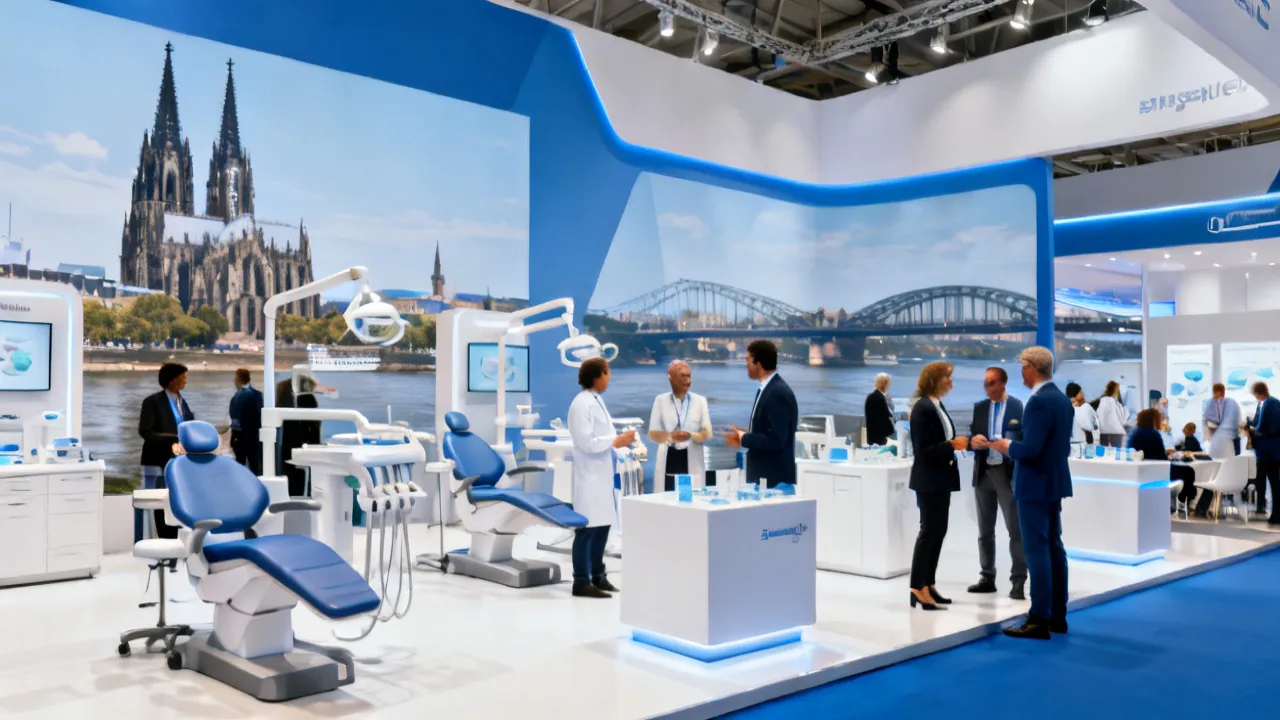
독일 IDS is a commonly used Korean search expression for the International Dental Show in Germany, generally known as IDS. The event is held in Cologne and is regarded as one of the major international meeting points for the dental industry. Its exhibition scope typically includes dental equipment, laboratory technology, consumables, digital workflows, imaging systems, infection-control products, practice-management solutions, and related professional services.
For a dental clinic owner, laboratory manager, distributor, researcher, educator, or purchasing specialist, the importance of IDS lies less in the size of the exhibition floor than in the concentration of manufacturers, distributors, educators, and technical specialists in one location. A visitor can review several categories of equipment within a short period, compare demonstrations, discuss integration questions, and assess whether a product is suited to a specific clinical or laboratory workflow.
The most important practical conclusion is this: visiting 독일 IDS should be treated as a structured research and procurement project rather than as a general trade-show excursion. The event can support informed decision-making, but only when visitors define their requirements in advance, verify regulatory documentation, distinguish demonstrations from validated performance, and document supplier commitments in writing.
Because exhibition schedules, registration conditions, hall layouts, exhibitor lists, transportation arrangements, and product launches can change, readers should confirm current details through official event materials, the organizer, and the relevant manufacturers before making travel or purchasing decisions.
Why IDS Matters to the Dental Industry
The dental sector combines clinical responsibility with highly technical purchasing decisions. A chairside scanner, milling unit, imaging device, sterilizer, implant component, orthodontic system, or laboratory software platform may affect clinical quality, staff workload, maintenance requirements, patient communication, and long-term operating costs. A large international exhibition gives professionals an opportunity to assess these issues in context rather than examining each product through isolated advertisements.
From an industry analyst’s perspective, the value of a show such as IDS can be divided into several areas:
- Technology discovery: Visitors can identify emerging tools and workflow changes that may not yet be widely discussed in their local markets.
- Supplier comparison: Manufacturers and distributors can be evaluated using consistent questions about documentation, service, compatibility, and training.
- Market intelligence: The exhibition can reveal which product categories are receiving commercial attention, although exhibition visibility should not be confused with clinical superiority.
- Professional education: Lectures, demonstrations, and technical discussions can help explain how products are intended to be used.
- Relationship development: Face-to-face conversations may clarify regional distribution, after-sales support, and implementation expectations.
- Partnership research: Laboratories, clinics, distributors, and software providers can identify potential partners for future projects.
- Competitive awareness: Companies can observe how suppliers are positioning themselves and which workflow problems are becoming important in different markets.
These benefits are especially relevant as dentistry becomes more connected. Digital impressions, computer-aided design and manufacturing, cloud-based practice software, artificial-intelligence-assisted imaging, guided surgery, remote laboratory communication, and digitally coordinated orthodontic workflows increasingly influence how dental teams organize their work. However, digital adoption is not automatically beneficial. A solution must fit the practice’s clinical model, staff capability, patient volume, data-governance policy, and financial plan.
IDS is also valuable because it allows professionals to compare not only individual products but entire ecosystems. A scanner may be attractive on its own, yet its value can change depending on whether it connects smoothly with the laboratory, imaging platform, design software, manufacturing unit, and patient-record system already in use. A visitor who studies these connections can make a more informed decision than one who focuses only on the appearance or headline specifications of a single device.
Major Product Areas at 독일 IDS
The exhibition usually brings together a wide range of product groups. The exact exhibitor mix varies by edition, but visitors can generally expect to encounter the following areas.
1. Digital Dentistry
Digital dentistry may include intraoral scanners, laboratory scanners, CAD software, design platforms, manufacturing systems, digital treatment-planning tools, cloud services, and communication systems. When assessing a digital workflow, visitors should look beyond the scanner’s headline specifications. Important questions include:
- Which file formats can be exported?
- Can the system communicate with external laboratories and software platforms?
- Does the supplier impose restrictions on third-party manufacturing?
- What level of technical support is available in the purchaser’s region?
- Are updates included, subscription-based, or charged separately?
- How are patient files stored, transferred, backed up, and protected?
- What training is required before staff can use the system consistently?
- How does the product perform with difficult soft-tissue conditions, reflective surfaces, edentulous cases, or full-arch scans?
Interoperability deserves particular attention. A closed system may provide a smooth experience within one supplier’s ecosystem, while an open system may offer greater flexibility with external partners. Neither model is universally superior. The correct choice depends on the practice’s desired workflow, existing equipment, laboratory relationships, patient volume, and tolerance for vendor dependence.
Visitors should also ask how much of the advertised workflow is automated and how much still requires manual intervention. For example, a digital impression system may reduce some steps while creating new responsibilities involving file review, case prescription, software updates, or communication with a laboratory. The supplier should be able to explain the workflow from patient registration through clinical delivery, not merely show the scanning stage.
2. Dental Imaging
Imaging categories may include intraoral radiography, panoramic systems, cone-beam computed tomography, sensors, cephalometric devices, image-management software, and related accessories. A professional evaluation should consider image quality, radiation-protection procedures, software usability, installation requirements, maintenance, and local regulatory obligations.
Visitors should avoid relying solely on a demonstration image. Image quality can depend on exposure settings, patient positioning, software processing, clinical indication, and operator training. A useful discussion with a supplier should address how the device performs across routine cases, how quality-control procedures are managed, and how the manufacturer supports compliance with national requirements.
For cone-beam systems, field of view, voxel size, exposure protocols, reconstruction software, patient positioning, and dose-management functions are particularly relevant. A system that offers a wide range of settings may be technically capable, but staff must understand which protocol is appropriate for each clinical question. Buyers should therefore evaluate training and clinical governance alongside hardware specifications.
3. Dental Chairs and Treatment Units
Dental treatment units influence ergonomics, infection control, patient comfort, maintenance, and the efficiency of clinical routines. At a booth, visitors should inspect the operator’s working position, instrument accessibility, adjustment range, waterline design, upholstery, foot controls, lighting, suction, and cleaning procedures.
It is also valuable to ask how replacement parts are supplied and whether service technicians are available locally. A treatment unit may remain in service for many years, so the purchasing decision should include the expected support period rather than focusing only on the initial quotation. The physical dimensions of the chair and delivery route should be checked as well. Installation may require door-width measurements, plumbing changes, electrical work, compressed air, drainage, or structural preparation.
Ergonomic evaluation should involve the actual clinicians and dental assistants who will use the unit. A comfortable demonstration for a tall visitor may not represent the experience of every member of the team. Adjustable components, instrument placement, patient access, and cleaning time should be reviewed using realistic treatment positions.
4. Laboratory Equipment
Dental laboratories may use milling machines, 3D printers, sintering furnaces, ceramic furnaces, model-production systems, extraction units, compressors, scanners, and specialized finishing equipment. Product comparison should cover material compatibility, production capacity, calibration, software licensing, ventilation, noise, training, preventive maintenance, and finishing requirements.
A machine that appears efficient during a short demonstration may require substantial preparation, post-processing, or technical supervision in daily operation. Laboratory managers should therefore request a complete workflow explanation, including material loading, design, manufacturing, finishing, quality checks, cleaning, and recordkeeping.
Capacity claims should also be examined carefully. “High productivity” may refer to maximum theoretical output under ideal conditions rather than the number of completed cases produced by an ordinary laboratory team. Ask how long setup, nesting, printing, milling, washing, curing, sintering, and final inspection take. The practical output will depend on staff availability, material selection, rework rates, and maintenance interruptions.
5. Materials and Consumables
Materials may include restorative products, impression materials, bonding systems, ceramics, resins, alloys, orthodontic supplies, endodontic products, preventive-care items, and laboratory consumables. The central question is not simply whether a material is innovative. It is whether the material is clinically appropriate, legally marketable in the intended country, compatible with existing protocols, and supported by adequate instructions for use.
Purchasers should examine shelf life, storage conditions, batch traceability, packaging, ordering procedures, and training materials. For products used directly on patients, regulatory status and labeling requirements should be verified through official documentation rather than informal claims made during a conversation.
It is also useful to ask whether the material requires changes to existing equipment or procedures. A new resin may require a particular printer profile and curing unit. A new ceramic block may require a specified furnace program. A bonding system may require different preparation steps or handling conditions. These details can influence labor, inventory, training, and the risk of inconsistent results.
6. Infection Prevention and Sterilization
Infection prevention is a core operational issue in every dental setting. Visitors may encounter sterilizers, washer-disinfectors, instrument-management systems, water-treatment products, packaging equipment, surface disinfectants, and monitoring tools.
Evaluation should include cycle documentation, instrument compatibility, validation procedures, maintenance, recordkeeping, staff training, and local infection-control requirements. A device should not be selected solely because it completes a cycle quickly. The practice must be able to operate, monitor, and document the process correctly.
Visitors should ask how the equipment handles hollow instruments, wrapped loads, delicate handpieces, and instruments from different manufacturers. They should also clarify whether the device provides electronic records, how failed cycles are reported, and how routine testing is performed. An efficient sterilization room depends on the complete process, including cleaning, inspection, packaging, sterilization, storage, and traceability.
7. Practice Management and Communication Software
Software platforms can support scheduling, patient records, billing, imaging integration, inventory, treatment planning, laboratory communication, and reporting. Buyers should ask about data migration, access controls, backups, cybersecurity, interoperability, contract duration, support response times, and the process for ending the service.
Software procurement also raises governance questions. A practice should identify who owns the data, where data is processed, how user permissions are administered, and how records can be exported if the organization later changes providers. These questions are relevant regardless of whether the software is installed locally or delivered through a cloud environment.
A useful demonstration should include ordinary administrative tasks, not only attractive dashboards. Ask the supplier to show how a new patient is registered, how appointments are changed, how treatment plans are documented, how imaging is attached to records, how invoices are corrected, and how reports are generated. These routine operations often determine whether staff will accept the system.
How to Prepare for a Visit to 독일 IDS
Preparation has a direct effect on the value of an exhibition visit. The event environment is busy, and unplanned visitors can easily spend several hours collecting brochures without obtaining the information needed for a purchasing decision.
Step 1: Define the Business Objective
Begin with one clear purpose. Examples include replacing an aging sterilizer, evaluating an intraoral scanner, finding a laboratory production partner, comparing implant systems, researching orthodontic materials, understanding digital workflow options, or identifying a distribution opportunity.
A broad objective such as “find new technology” is difficult to measure. A more useful objective might be: “Compare three scanning solutions that can export compatible files to our current laboratory partners and are supported in our market.” This formulation creates a practical filter for conversations and demonstrations.
Step 2: Build a Requirement Document
The requirement document should describe the current situation and the desired result. It may include:
- Existing equipment and software
- Expected patient or laboratory workload
- Available physical space
- Power, ventilation, and network requirements
- Staff experience and training capacity
- Required regulatory documentation
- Preferred purchase or leasing structure
- Target implementation period
- Service and maintenance expectations
- Expected return on investment or acceptable payback period
- Requirements for data security and patient privacy
This document should be shared internally before the visit. Different stakeholders often prioritize different issues: clinicians may focus on usability, technicians on technical compatibility, administrators on contracts, and owners on total cost of ownership. Early alignment helps prevent an attractive demonstration from dominating the final decision.
Step 3: Research Exhibitors
Use the current official exhibitor directory and event information to identify relevant companies. Organize them by category and priority. A useful system is:
- Priority A: Suppliers whose products directly match the immediate purchasing project.
- Priority B: Suppliers offering alternatives or complementary systems.
- Priority C: Companies relevant to longer-term market research.
Contact Priority A exhibitors before arrival when possible. Request a meeting, explain the technical questions, and ask whether a suitable specialist will be available. This approach is more efficient than depending entirely on spontaneous booth conversations.
Step 4: Schedule Demonstrations Carefully
Demonstrations should be selected according to the decision criteria. If the goal is to evaluate a scanner, ask to see the workflow from scanning through file export and laboratory communication. If the goal is to assess a sterilizer, ask about loading, cycle selection, documentation, monitoring, and maintenance rather than only watching the machine operate.
Allow time between meetings. Large exhibition venues require walking, and conversations may extend beyond the scheduled appointment. A realistic schedule is more useful than a crowded calendar that leaves no time for notes or follow-up questions. It is often better to complete four detailed meetings than to rush through twelve booths without learning who is responsible for the next step.
Step 5: Prepare a Question List
Every supplier should be asked comparable questions. This creates a more reliable basis for comparison. The list may cover:
- What clinical or laboratory problem is the product designed to solve?
- What are the documented limitations?
- What training is recommended, and who provides it?
- What are the purchase, installation, maintenance, and operating costs?
- Which consumables or software subscriptions are required?
- What is the warranty period and what does it exclude?
- Who provides local technical service?
- How long are commonly needed replacement parts supported?
- Which standards and regulatory documents apply?
- Can the supplier provide references in a comparable practice environment?
- What happens if the product does not integrate with the existing workflow?
- What is the process for updating, repairing, returning, or replacing the product?
Step 6: Assign Roles Within the Visiting Team
If several people attend, assign responsibilities in advance. One person can lead the technical discussion, another can record commercial terms, and another can focus on workflow or regulatory questions. This prevents important information from being lost and allows the team to compare observations later.
Small teams should agree on a shared note-taking format. For each supplier, record the same basic information: contact details, product model, main benefits, limitations, compatibility, estimated cost, documents promised, and next action. Consistent records are particularly important when many products appear similar.
Evaluating Suppliers and Product Claims
Exhibitions are designed to present products positively. That is normal, but it means visitors must distinguish marketing language from evidence. A supplier’s explanation can be useful without being sufficient for a final purchase.
An industry expert would typically separate evaluation into four layers.
Clinical or Technical Relevance
First, determine whether the product addresses a genuine problem. A feature is valuable only when it improves a relevant outcome, reduces avoidable effort, supports consistency, or produces another measurable operational benefit.
Evidence and Documentation
Second, ask what supports the claim. Evidence may include technical specifications, instructions for use, conformity documentation, peer-reviewed research, validation records, usability studies, or customer references. The appropriate evidence depends on the product category and the claim being made.
Implementation Feasibility
Third, assess whether the practice can implement the product successfully. This includes staff training, physical installation, software integration, patient communication, infection-control procedures, and workflow redesign.
Commercial Sustainability
Finally, examine whether the supplier can support the product over its expected service life. A good initial demonstration does not guarantee reliable after-sales support. The buyer should review service structures, response procedures, spare-parts availability, contract terms, and escalation routes.
Distinguishing Demonstration Conditions from Routine Conditions
Trade-show demonstrations are often carefully prepared. Equipment is clean, calibrated, connected to fast networks, and operated by an experienced representative. Routine practice conditions may involve interruptions, different staff skill levels, older computers, limited space, incomplete data, and a more varied patient population.
Ask the supplier to identify which performance figures are measured under standardized conditions and which depend on operator technique. If possible, request a trial using representative cases. The purpose is not to challenge the supplier unfairly but to understand what results can reasonably be expected after implementation.
Understanding Pricing at 독일 IDS
Prices are not always displayed publicly at trade-show booths, and quotations may vary according to configuration, territory, volume, installation, training, and distributor arrangements. Therefore, a booth conversation should be treated as an initial commercial discussion, not as a final price commitment.
A meaningful comparison should include the total cost of ownership. The following categories are often relevant:
| Cost category | Questions to ask |
|---|---|
| Initial equipment | What is included in the base configuration, and which accessories are optional? |
| Installation | Are delivery, installation, calibration, and site preparation included? |
| Training | How many staff members can attend, and is follow-up training available? |
| Consumables | Which recurring materials are required, and are compatible alternatives permitted? |
| Software | Are licenses perpetual, subscription-based, or dependent on usage? |
| Maintenance | What preventive servicing is recommended, and what is the expected charge? |
| Downtime | What support is available if the device fails during clinical or laboratory operations? |
| Replacement | What is the expected service period, and how is future replacement planned? |
| Financing | Are leasing, installment, rental, or usage-based options available, and what obligations do they create? |
When comparing quotations, ensure that the configurations are equivalent. A lower initial figure may exclude essential modules, installation, training, software access, or support. Conversely, a higher figure may include services that another supplier prices separately.
Visitors should request written quotations after the exhibition. The quotation should identify the model, configuration, accessories, taxes where applicable, delivery terms, warranty, service conditions, payment schedule, and quotation validity period. Local distributors may provide the final commercial offer even when the conversation begins with a manufacturer at the event.
For major equipment, calculate the expected cost per use or per case. A scanner, printer, milling unit, or imaging system may have a different economic profile depending on utilization. A low-volume practice may prioritize reliability and flexibility over maximum production capacity, while a busy laboratory may accept a higher capital cost if the system reduces bottlenecks and labor requirements.
Regulatory and Compliance Considerations
Dental products may be subject to different regulatory requirements depending on their classification, intended use, technology, and destination market. European market access and market access in other jurisdictions are not interchangeable. A product’s presence at an exhibition does not by itself establish that it is authorized for use in every country.
Before purchasing, confirm:
- The product’s intended purpose and classification
- Applicable conformity or registration documentation
- Instructions for use in the relevant language
- Labeling and traceability requirements
- Maintenance and calibration obligations
- Data-protection responsibilities for connected systems
- Radiation-safety requirements for imaging equipment
- Infection-control and reprocessing instructions
- Import, customs, and local distribution responsibilities
- Responsibilities of the manufacturer, importer, distributor, and user
For European operations, buyers may need to consider applicable European Union medical-device rules and national implementation requirements. The responsible authority, notified organization, importer, or authorized representative may differ according to the product and supply chain. Buyers outside Europe should consult their own national regulator and qualified compliance advisers.
Compliance documents should be reviewed before signing a purchase order. If a supplier says that a document is “in preparation,” the buyer should understand the practical implications and determine whether the product can legally be installed or used for the intended purpose. Regulatory status can also affect insurance, reimbursement, advertising, installation, and post-market responsibilities.
For connected devices, cybersecurity should be included in the compliance discussion. Ask how vulnerabilities are reported, how security updates are delivered, whether older operating systems are supported, and what happens if the device is connected to a practice network. A system that handles patient data should be assessed not only for functionality but also for access control, audit trails, backup, and incident response.
Digital Dentistry and Interoperability
Digital systems are among the most discussed topics at 독일 IDS. Their benefits may include improved communication, digital records, repeatability, automated design support, and more efficient coordination between clinics and laboratories. Yet interoperability remains one of the most important purchasing questions.
A digital workflow can contain several layers:
- Data capture, such as scanning or imaging
- Data storage and patient-record management
- Design and treatment planning
- Manufacturing or laboratory production
- Quality assurance and clinical delivery
- Archiving, communication, and long-term retrieval
If one component cannot exchange information with another, staff may need manual workarounds. These can introduce delays, additional costs, or data-management risks. Ask suppliers to explain the complete workflow using the formats and systems already used by the practice or laboratory.
Cloud-based platforms should be evaluated for user access, authentication, backup policy, data location, incident response, contract termination, and export capability. Artificial-intelligence features should be assessed according to their intended purpose and level of human oversight. A software suggestion is not a substitute for professional judgment, diagnosis, or the regulatory obligations of the dental team.
Interoperability also has a human dimension. A technically open system may still be difficult to use if staff must manually move files between multiple interfaces. Buyers should consider how many clicks are required, how errors are detected, whether case status is visible, and who is responsible when a file fails to transfer. A workflow map drawn before the purchase can help identify hidden manual steps.
Professional Etiquette in Cologne and Germany
Cologne is an internationally oriented city, and IDS attracts participants from many regions. English is widely used in international business settings, although German-language materials and conversations may be important when working with local suppliers or service partners.
Several practical habits can make meetings more productive:
- Arrive on time, especially for scheduled appointments.
- Bring business cards or a digital contact profile with clear professional details.
- State your role, market, and purchasing timeline early in the conversation.
- Use precise questions rather than broad requests for “the best” product.
- Ask before photographing prototypes, documents, or demonstrations.
- Confirm technical and commercial promises in writing.
- Follow up promptly and respectfully after the event.
- Make clear whether you are seeking information, a quotation, distribution rights, or a formal partnership.
Cologne’s local character can also shape the visit. The city is known for Cologne Cathedral, the Rhine, museums, and a relaxed but active urban atmosphere. Visitors staying near the exhibition venue may find it convenient to use public transport and reserve accommodation well in advance during major events. Business meals may be informal, but punctuality and clear communication remain important.
A short visit to the city can be useful for relationship building, yet professional priorities should remain clear. The most productive itinerary balances exhibition meetings with time for internal review, note organization, and follow-up planning.
Practical Travel Planning
Travel requirements depend on nationality, residence, passport status, and the purpose and duration of the visit. International participants should consult official German and European travel authorities for current visa and entry information. Exhibition registration does not necessarily replace a visa or satisfy all border requirements.
Before departure, confirm:
- Passport validity and entry requirements
- Visa or business-travel documentation, if applicable
- Exhibition registration and admission procedures
- Accommodation location and cancellation terms
- Transport between the airport, hotel, and venue
- Travel insurance and business documentation
- Mobile connectivity and payment arrangements
- Availability of an interpreter or bilingual colleague
- Emergency contact information and access to essential medication
Comfortable shoes are practical because exhibition halls can involve significant walking. A compact bag, portable charger, notebook, and organized digital note system can be more useful than collecting large quantities of printed material. Visitors should also consider how brochures, samples, and technical documents will be transported and stored after the event.
When traveling with sensitive business information, use secure devices and avoid leaving confidential documents unattended. If patient-related material is used to demonstrate a workflow, ensure that it is anonymized and handled according to applicable privacy rules. Visitors should not upload identifiable patient data to an unfamiliar platform merely because a booth representative requests a live demonstration.
How to Take Effective Exhibition Notes
Good notes should allow a person who did not attend the event to understand the product and the next decision. Record the supplier name, product category, model, contact person, key claims, limitations, price status, regulatory documents promised, and next action.
A simple scoring framework may include:
| Evaluation factor | Assessment focus |
|---|---|
| Clinical or laboratory fit | Does the product address the defined operational need? |
| Workflow integration | Can it work with current equipment, software, and partners? |
| Ease of use | Can staff learn and operate it consistently? |
| Documentation | Are technical, regulatory, and training documents available? |
| Service support | Is there a credible local or regional support structure? |
| Total cost | Are initial and recurring costs understandable and sustainable? |
| Supplier reliability | Does the supplier communicate clearly and provide accountable follow-up? |
| Scalability | Can the system support future growth without forcing an unnecessary replacement? |
The score should support discussion rather than create artificial precision. A product with a strong technical profile may still be unsuitable if training or service support is inadequate. Similarly, an economical system may become expensive if it requires frequent consumables or specialized maintenance.
Record direct observations separately from supplier claims. For example, “the representative demonstrated automatic case export” is different from “the system is compatible with every laboratory platform.” The first is an observation; the second requires documentation. This distinction makes post-event analysis more accurate.
From Exhibition Visit to Purchase Decision
The decision process should continue after leaving Cologne. A disciplined follow-up procedure reduces the risk of making a purchase based on excitement or incomplete information.
Phase One: Organize the Information
Within a few days, categorize contacts by product type and priority. Separate products that require immediate evaluation from those intended for future monitoring. Attach brochures, quotations, meeting notes, and technical documents to the relevant supplier record.
Phase Two: Request Missing Evidence
Ask suppliers for the documents needed to verify the product. These may include instructions for use, technical specifications, compatibility lists, validation information, service terms, training plans, and a detailed quotation. Avoid relying on memory when a claim affects patient care, compliance, or long-term cost.
Phase Three: Conduct a Demonstration or Trial
Where practical, arrange an on-site demonstration or controlled trial. The trial should use representative cases and involve the staff who will operate the product. A system that performs well with an experienced booth specialist may require a different level of effort in ordinary practice conditions.
Phase Four: Check References
Ask whether the supplier can provide references from organizations with comparable size, technology, and workflow. References should be interpreted carefully. A successful implementation in a large laboratory may not translate directly to a small dental clinic.
Phase Five: Review the Contract
Before committing, examine delivery conditions, acceptance testing, warranty limits, software access, data ownership, service response, training, cancellation terms, and dispute procedures. Seek qualified legal, financial, or compliance advice when the purchase is significant or technically complex.
Phase Six: Plan Implementation
Implementation should specify responsibilities, installation dates, staff training, data migration, patient communication, workflow testing, and performance review. A product should not be introduced into routine clinical work until the team understands its correct operation and relevant safety procedures.
Phase Seven: Measure the Result
After implementation, measure whether the expected benefits actually occur. Useful indicators may include turnaround time, remakes, scan retakes, appointment duration, sterilization documentation errors, equipment downtime, staff satisfaction, and patient acceptance. Establishing a baseline before installation makes later evaluation more meaningful.
Common Mistakes Visitors Make at 독일 IDS
Even experienced professionals can make avoidable errors in a large international exhibition environment.
Choosing Based on Appearance
Modern design, large screens, and polished demonstrations can create a strong first impression. Appearance is relevant to usability and patient perception, but it should not replace technical and clinical evaluation.
Collecting Too Much Information
Receiving material from dozens of suppliers can produce confusion. A focused visit with defined categories usually creates better results than an attempt to visit every hall.
Ignoring Service Arrangements
Service is often less visible than the product itself. Buyers should ask who answers technical calls, where spare parts are stored, how long repairs typically take, and what happens if the local distributor changes.
Comparing Incomplete Prices
One supplier may quote equipment only, while another includes installation and training. Cost comparisons should be based on equivalent configurations and clearly stated assumptions.
Assuming International Availability
A product displayed in Germany may not be registered, stocked, or supported in another country. Confirm local market access and distribution before investing significant time in evaluation.
Failing to Document Commitments
Important promises about delivery, compatibility, training, or service should appear in a written quotation or contract. Informal statements can be misunderstood after the event.
Forgetting the Existing Workflow
New technology is sometimes evaluated in isolation. A practice may purchase a device that performs well but creates complications for reception, assistants, laboratories, IT staff, or accounting. Include all affected roles in the evaluation.
Making a Decision Too Quickly
Trade shows create urgency through limited-time offers, launch announcements, and enthusiastic demonstrations. A time-limited commercial incentive should not replace technical verification. If a purchase is important, allow time for comparison, reference checks, and contract review.
How Distributors and Business Visitors Can Use IDS
IDS is not only a purchasing destination for clinics and laboratories. Distributors can use the event to identify manufacturers, assess product portfolios, and study the support expectations of potential partners. A distributor should evaluate whether a supplier is prepared for the target market rather than focusing only on product novelty.
Important questions for potential suppliers include:
- Is territorial exclusivity available, and under what conditions?
- What minimum order quantities apply?
- What marketing and training support is provided?
- Who handles regulatory responsibilities in the target market?
- How are warranty claims processed?
- What margins and payment terms are realistic?
- Can the supplier maintain inventory and deliver consistently?
- How are product updates communicated?
- Does the manufacturer support clinical education for local customers?
Distributors should also examine channel conflicts. If a manufacturer sells directly to clinics, laboratories, or online customers, the distributor needs to understand how leads, pricing, and customer support will be handled. A technically excellent product may not be commercially appropriate if the distribution structure is unclear.
Environmental and Operational Sustainability
Sustainability is becoming more relevant in dental procurement. Equipment choices can affect energy consumption, packaging, transportation, water use, waste generation, and the frequency with which products must be replaced. A sustainability discussion should be specific rather than limited to general promotional language.
Visitors can ask about equipment energy use, repairability, expected service life, reusable components, packaging materials, waste-disposal requirements, and the availability of replacement parts. For consumables, consider whether storage and shipping conditions create avoidable waste. For digital systems, assess whether software support extends the useful life of existing hardware.
Operational sustainability also includes staff workload. A system that reduces repetitive steps, prevents errors, or improves scheduling may support a more sustainable practice even if its environmental impact is not immediately visible. The most useful evaluation considers environmental, financial, clinical, and human factors together.
Reliable Sources and Verification
For objective research, use primary and authoritative sources. The official IDS and Koelnmesse materials are appropriate for event dates, registration procedures, venue information, exhibitor details, and program announcements. The Association of the German Dental Industry, commonly known as VDDI, is a relevant industry organization for background on the German dental sector and the event’s industry context.
For regulatory questions, consult the responsible authority in the target market, applicable European Union medical-device materials where relevant, and the manufacturer’s official technical and conformity documentation. For infection prevention, radiation safety, and clinical performance, use recognized professional bodies, national guidance, standards organizations, and peer-reviewed research.
Secondary articles, social-media posts, and promotional videos can help identify topics for investigation, but they should not be treated as decisive evidence. The stronger the claim—particularly when it concerns safety, clinical performance, cost savings, or regulatory status—the more important it is to verify the claim through an appropriate authoritative source.
When information conflicts, identify the date and scope of each source. A technical specification may describe a particular model or software version, while a distributor may be discussing a different configuration. Regulatory documents may also apply only to a defined market or intended purpose. Careful source comparison helps prevent misunderstandings.
Who Benefits Most from Visiting IDS?
IDS may be particularly valuable for:
- Dental practices planning equipment replacement or digital expansion
- Dental laboratories reviewing production technology
- Distributors seeking manufacturers or regional partnerships
- Dental schools and educators monitoring technology trends
- Researchers examining product development and workflow innovation
- Professional associations tracking changes in the dental market
- Healthcare investors and analysts studying dental-industry growth areas
The event may be less productive for visitors who have no defined objective, no authority to influence purchasing, or insufficient time to evaluate the information afterward. In those cases, targeted supplier meetings or specialized educational programs may be more appropriate.
FAQs About 독일 IDS
What does 독일 IDS mean?
독일 IDS generally refers to the International Dental Show held in Germany. The Korean expression combines “Germany” with the event abbreviation “IDS.” The exhibition is associated with Cologne and focuses on dental products, equipment, technology, laboratory systems, and professional services.
Where is IDS held?
IDS is held in Cologne, Germany, at the Koelnmesse exhibition grounds. Visitors should confirm the current venue arrangements, hall numbers, entrances, transportation information, and opening hours using official event communications for the relevant edition.
Who can attend IDS?
Attendance conditions depend on the event’s registration rules and participant category. Dental professionals, laboratory specialists, manufacturers, distributors, educators, researchers, and other industry participants may be eligible. Visitors should review the current admission requirements before making travel arrangements.
Can ordinary consumers attend?
IDS is primarily a professional trade exhibition. The organizer determines admission categories and access rules. Consumers should not assume that every area, demonstration, or purchasing service is intended for the general public.
Can products be purchased at the exhibition?
Some exhibitors may discuss orders, distribution, quotations, or commercial agreements, but the process varies. Many purchases require later confirmation through a local distributor or formal procurement department. Always request written terms and verify regulatory suitability in the destination market.
How should I compare dental equipment shown at IDS?
Compare products against predefined criteria: intended use, workflow fit, interoperability, documentation, training, maintenance, service support, total cost of ownership, and regulatory status. Use the same questions for each supplier and arrange a follow-up demonstration when the decision is important.
Are the prices shown at IDS final?
Usually, exhibition discussions are not a substitute for a formal quotation. Pricing may depend on configuration, taxes, delivery, installation, software, training, maintenance, region, and distribution arrangements. Request a detailed written quotation before comparing offers.
What should I bring to IDS?
Bring identification, registration details, business cards or professional contact information, a requirement document, a question list, comfortable footwear, and a system for taking notes. If evaluating digital equipment, technical information about existing software and file formats can be particularly useful.
Is English sufficient at IDS?
English is commonly used in international trade-show communication, but language availability differs by exhibitor and meeting. German-language documents or a bilingual colleague may be helpful when discussing local service, contracts, regulatory matters, or distribution arrangements.
How long should a first visit take?
The appropriate duration depends on the number of product categories and meetings. A focused visit may require one or more full days, while a comprehensive review can require additional time. The schedule should include breaks, walking time, note-taking, and follow-up discussions.
Should I make appointments in advance?
Yes, appointments are useful for priority suppliers and complex technical questions. Advance scheduling increases the likelihood that a product specialist, regional representative, or technical manager will be available. Unscheduled booth visits remain useful for exploratory research.
How can a small dental practice benefit from IDS?
A small practice can use IDS to compare options before investing in equipment, understand service arrangements, and identify solutions that suit its actual patient volume and staffing model. The practice does not need to evaluate every product. A short list based on clearly defined needs is more practical.
What is the most important question to ask a supplier?
A strong starting question is: “What problem does this product solve in a practice like ours, and what limitations should we consider?” Follow this with questions about evidence, compatibility, training, regulatory documentation, service, and total cost.
Does a product’s appearance at IDS prove that it is clinically validated?
No. Exhibition participation indicates that a company is presenting its products or services at the event, but it does not independently confirm clinical superiority, regulatory approval in every market, or long-term reliability. These issues require separate verification.
What should I do if a supplier asks for patient data?
Do not provide identifiable patient information without an appropriate legal and professional basis. Use anonymized or simulated data for demonstrations whenever possible. Confirm how any uploaded data will be stored, processed, deleted, and protected.
Final Perspective
독일 IDS can be a valuable source of market intelligence and professional connection, but its value depends on the quality of the visitor’s preparation and follow-up. The exhibition offers access to a broad range of technologies in one place, yet the presence of a product does not establish that it is suitable, compliant, economical, or clinically superior.
The most reliable approach is to define a specific objective, prepare comparable questions, evaluate complete workflows, verify documentation, calculate total ownership costs, and confirm local support. Visitors should return from Cologne not merely with brochures, but with a documented shortlist, clear next actions, and an evidence-based understanding of which solutions deserve further consideration.
For dental professionals researching 독일 IDS, the central lesson is straightforward: use the exhibition to open informed conversations, then use independent verification and structured procurement methods to make the final decision. A successful visit is not measured by the number of booths visited or promotional materials collected. It is measured by whether the visitor gains reliable information, identifies realistic options, and returns with a practical plan for improving clinical, laboratory, or business operations.