Understanding 독일 Ids and Dental Innovation
This guide explains 독일 Ids, commonly used in Korean searches to refer to the International Dental Show in Germany, and examines its role in dental technology, procurement, education, and professional networking. The event is associated with Cologne’s international trade-fair infrastructure and brings together manufacturers, distributors, dental laboratories, clinicians, and industry organizations. The article outlines how to prepare for attendance, evaluate products objectively, understand regulatory considerations, and translate exhibition findings into responsible business decisions.
독일 Ids: What the Term Usually Means
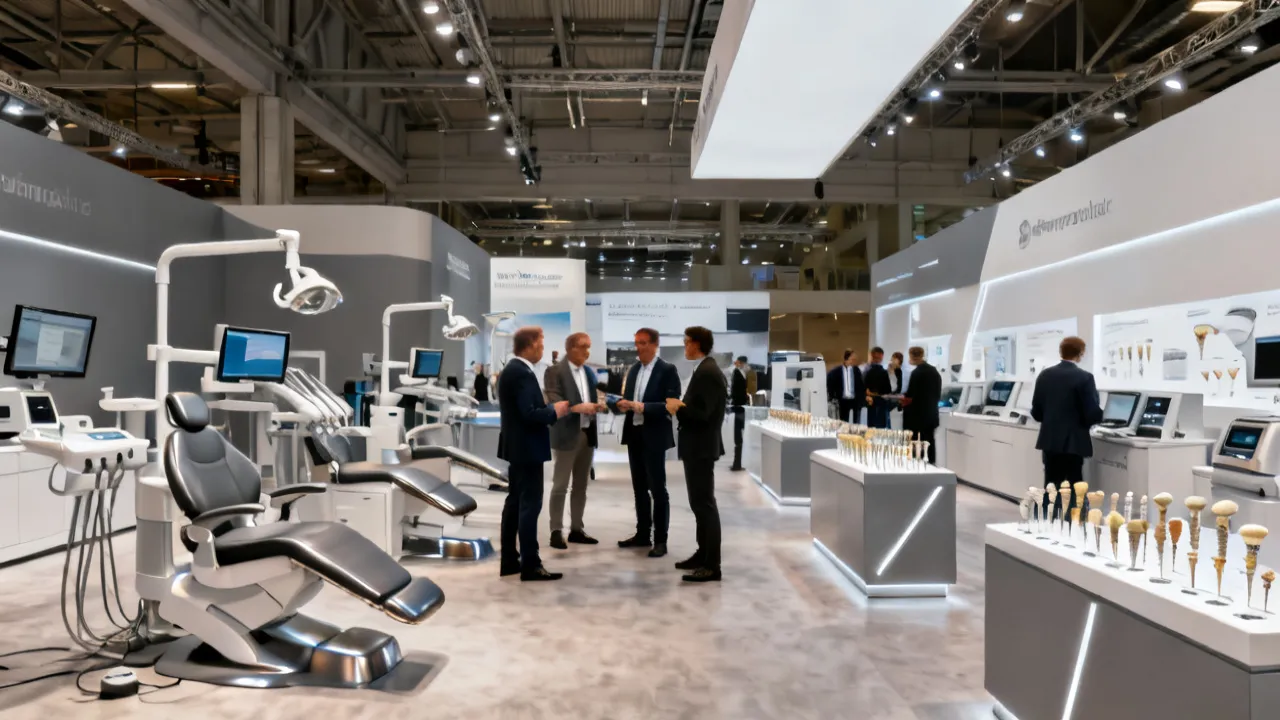
For many Korean-speaking professionals, the phrase 독일 Ids refers to the International Dental Show, widely known by the abbreviation IDS. The exhibition is held in Cologne, Germany, and is recognized as one of the major international meeting points for the dental sector. It brings together companies involved in dental equipment, consumables, laboratory technology, digital workflows, infection prevention, practice management, education, and related services.
The most important point for prospective visitors is that IDS is a professional trade exhibition rather than a conventional consumer event. Its value lies not only in the number of product displays, but also in the opportunity to compare technical approaches, speak directly with manufacturers and distributors, observe demonstrations, and understand how different parts of the dental workflow connect. A visitor who arrives with a defined research plan is generally better positioned to extract meaningful information than someone who simply walks through the halls without priorities.
From an industry expert’s perspective, IDS should be viewed as a decision-support environment. It can help a dental clinic assess new equipment, allow a laboratory to compare production systems, and give a distributor insight into emerging product categories. However, exhibition presentation is not a substitute for clinical validation, regulatory review, installation planning, or a detailed total-cost assessment.
The abbreviation IDS can occasionally create confusion because it may refer to different organizations or events in other industries. In the dental context, the location in Cologne and the connection with international dental manufacturing are the strongest indicators that the International Dental Show is intended. Korean searchers may encounter several spellings, including “독일 IDS,” “독일 치과 전시회,” “독일 국제 치과 전시회,” or “International Dental Show Cologne.” These expressions generally point toward the same professional event, although the exact edition, dates, exhibitor list, and entry conditions must always be confirmed through official sources.
Why 독일 Ids Matters to the Dental Industry
The dental sector is highly interconnected. A single restorative case may involve a clinician, dental assistant, laboratory technician, material supplier, imaging provider, software platform, and logistics partner. An international exhibition creates a setting in which these participants can examine the entire chain rather than viewing one device in isolation.
IDS is particularly relevant because dentistry now combines several previously separate disciplines. Digital impressions, three-dimensional imaging, CAD/CAM design, milling, additive manufacturing, guided surgery, cloud-based collaboration, sterilization, and conventional materials may all form part of one treatment or laboratory process. Trade exhibitions help professionals understand where technologies overlap and where compatibility limitations remain.
For Korean visitors, 독일 Ids may also provide a useful view of European market practices. The event can expose attendees to European manufacturers, international distribution models, quality-management approaches, and product documentation conventions. Still, European availability does not automatically mean that a product is approved, registered, or commercially suitable in South Korea. Any purchasing decision must be checked against the requirements of the target market.
The event is also significant because it allows professionals to observe the direction of the industry over time. A single exhibition may reveal increasing interest in chairside workflows, automated laboratory production, preventive dentistry, sustainability, connected equipment, or artificial-intelligence applications. These themes do not necessarily mean that every practice should adopt them immediately. They do, however, help decision-makers distinguish temporary marketing attention from broader structural changes in dentistry.
For manufacturers, IDS offers more than an opportunity to display products. It can be used to meet distributors, gather feedback from clinicians, test market interest, and identify differences between regions. For buyers, the concentration of suppliers makes it possible to compare competing systems within a short period. This concentration is especially useful for professionals who would otherwise need to arrange separate visits to many countries or facilities.
What Visitors Can Typically Find at IDS
The exhibition’s scope changes over time, but its broad categories are familiar across the dental industry. Visitors may encounter the following areas:
- Dental units and treatment equipment: Dental chairs, delivery systems, operating lights, suction equipment, and accessories for clinical environments.
- Diagnostic imaging: Intraoral radiography, panoramic systems, cone-beam computed tomography, sensors, imaging software, and image-management tools.
- Digital dentistry: Intraoral scanners, laboratory scanners, design software, computer-aided manufacturing systems, workflow platforms, and data-transfer solutions.
- Dental laboratory technology: Furnaces, milling systems, model production equipment, finishing tools, articulators, materials, and laboratory workstations.
- Materials and consumables: Restorative materials, bonding systems, impression materials, prosthetic components, preventive products, and surgical consumables.
- Implantology and oral surgery: Implant systems, surgical instruments, bone-regeneration products, planning software, and maintenance-related solutions.
- Orthodontics: Brackets, wires, aligner-related systems, diagnostic products, retainers, and digital treatment-planning tools.
- Practice management: Scheduling, patient communication, documentation, cybersecurity, workflow administration, and business-management platforms.
- Infection prevention: Sterilizers, washer-disinfectors, packaging systems, monitoring products, surface disinfectants, and instrument management solutions.
- Education and professional services: Training, certification support, consulting, associations, publications, and specialized industry information.
These categories should not be treated as independent islands. A digital scanner may require compatible software, a validated export format, maintenance support, staff training, and a reliable data-security policy. Similarly, a new imaging system may affect room design, radiation-protection procedures, electrical requirements, and patient communication. The wider workflow is therefore more important than the appearance of one product demonstration.
Visitors should also pay attention to supporting products that are easy to overlook. A large machine may receive most of the attention, while small accessories, calibration tools, software modules, protective equipment, and maintenance products determine whether the system works reliably in daily practice. In some cases, a seemingly minor component can affect the quality, speed, or cost of the entire workflow.
Understanding the Exhibition’s Professional Character
A major international dental exhibition serves several audiences at once. Clinicians may focus on treatment quality and usability. Laboratory technicians may prioritize accuracy, production speed, material behavior, and software control. Clinic owners may examine financing, service contracts, and return on investment. Distributors may assess territory arrangements, inventory expectations, training obligations, and after-sales support.
This mixed audience explains why conversations at IDS can vary considerably. A manufacturer may describe a product in technical terms, while a distributor may focus on delivery and support. A clinician may ask about chairside efficiency, whereas a laboratory specialist may be more interested in file formats or milling strategies. Professional visitors should therefore identify the commercial role of the person they are speaking with and request answers from the appropriate department when necessary.
Exhibitions also encourage early-stage discovery. Some products are mature commercial solutions; others may be newly introduced, undergoing market expansion, or presented mainly for technical awareness. Visitors should distinguish between a product that is fully supported in their region and a concept that still requires regulatory, operational, or commercial clarification.
Another feature of IDS is the speed at which discussions take place. Booth representatives may speak with hundreds of visitors during one day. A concise introduction is therefore helpful. A clinic owner might explain the number of treatment rooms, the type of dentistry performed, and the main operational problem. A laboratory manager might describe production volume, current materials, and existing design software. This allows the representative to provide information that is more relevant than a generic product presentation.
The professional character of the event also means that visitors should behave as they would in any serious business setting. Product photographs, technical documents, and demonstrations should be used in accordance with the exhibitor’s policies. Confidential information should not be shared casually, and patient data should not be used in demonstrations unless appropriate permissions and safeguards are in place.
How an Industry Expert Evaluates Products at 독일 Ids
An expert evaluation begins with the problem to be solved, not the product category. Instead of asking whether a scanner, printer, or software platform is impressive, the visitor should ask whether it addresses a defined operational need.
- Define the current problem. Is the clinic experiencing long appointment times, repeated remakes, inconsistent communication with laboratories, limited diagnostic capacity, or high maintenance demands?
- Describe the existing workflow. Document the systems already in use, including software, equipment, staff responsibilities, materials, and external service providers.
- Identify measurable decision criteria. Examples include ease of training, interoperability, maintenance response, data export, cleaning requirements, physical dimensions, and expected utilization.
- Ask for evidence. Request technical documentation, validation information, user instructions, regulatory status, and independent clinical or laboratory evidence where appropriate.
- Assess implementation risk. Consider staff adoption, downtime, cybersecurity, consumable dependency, vendor stability, and the availability of local support.
- Compare the complete solution. The purchase price is only one part of the financial picture. Installation, service contracts, software subscriptions, consumables, training, upgrades, and replacement cycles may materially affect the decision.
The strongest exhibition conversations are specific. “How accurate is the system?” is a broad question. A more useful question would identify the intended indication, scanning conditions, software version, workflow, and reference method. Likewise, “Does it integrate?” should be followed by questions about file formats, data ownership, export restrictions, validation, and the number of supported systems.
Experts also separate performance from convenience. A system may be easy to use but unsuitable for a demanding indication. Another system may provide advanced capabilities but require substantial training. The correct choice depends on the balance between performance, usability, case mix, staff competence, and business objectives.
When reviewing a product, visitors should ask what happens when conditions are less than ideal. For example, how does a scanner behave with saliva, limited access, reflective surfaces, or incomplete isolation? How does software respond to a network interruption? How long does repair take if an essential component fails? These practical questions often reveal more about real-world value than a standard demonstration.
Digital Dentistry at 독일 Ids
Digital dentistry is one of the most visible themes associated with modern dental exhibitions. Its central promise is not simply the replacement of paper or physical impressions. The larger objective is a more connected flow of information from diagnosis to treatment planning, manufacturing, documentation, and follow-up.
An intraoral scanner, for example, may support digital impressions, patient communication, orthodontic planning, prosthetic workflows, or laboratory collaboration. Its practical value depends on scan quality, software usability, handling of difficult areas, file management, staff competence, and the receiving laboratory’s ability to use the data. A scanner purchased without considering these surrounding factors may produce a technically advanced but operationally fragmented workflow.
CAD/CAM systems require similar scrutiny. A system may include design software, a milling unit, a furnace, a printer, or cloud-based collaboration tools. These components can provide efficiency when correctly configured, but they also create dependencies. Material compatibility, maintenance schedules, calibration, software updates, and technical support should be evaluated before adoption.
Artificial intelligence is another area likely to attract attention. AI-supported imaging analysis, treatment planning, administrative automation, and decision-support tools may assist professionals, but the level of human oversight remains essential. Dental teams should understand the intended use, performance limitations, data-handling procedures, and responsibility for final clinical decisions. Marketing language should never replace professional judgment or applicable clinical guidance.
Cloud-based dentistry introduces additional questions. A clinic may gain easier access to cases and remote collaboration, but it must also consider internet reliability, user permissions, backup arrangements, data residency, vendor continuity, and the process for retrieving information if the contract ends. Data portability should be discussed before implementation rather than after a platform has become central to daily operations.
Digital adoption should also be evaluated in stages. A clinic may begin with digital scanning and laboratory communication, then add imaging integration, guided surgery planning, chairside production, or automated patient communication. A phased approach can reduce disruption and allow staff to learn from actual use. It can also reveal whether the expected efficiency gains are occurring before additional investments are made.
Materials, Equipment, and Clinical Workflow
Not every important development at a dental exhibition is digital. Materials science remains central to restorative, prosthetic, preventive, orthodontic, and surgical dentistry. Visitors may compare ceramics, composites, bonding materials, impression materials, resins, alloys, implant components, and preventive products.
Material selection should reflect the indication and the complete clinical protocol. Important questions may include storage conditions, working time, curing requirements, compatibility with existing equipment, repairability, documented mechanical properties, and the training needed for consistent use. A material that performs well under controlled demonstration conditions may require different handling in a busy clinic.
Equipment selection should likewise account for the working environment. A dental unit may need to fit a specific room layout, support infection-control procedures, and allow service technicians adequate access. Imaging equipment may require structural assessment, electrical preparation, radiation-protection planning, and appropriate staff training. Laboratory systems may affect ventilation, dust management, noise, heat generation, and material storage.
Industry professionals often emphasize that workflow reliability is more valuable than isolated technical novelty. A modest improvement that is consistently used may create more practical benefit than a sophisticated feature that staff find difficult to integrate.
Infection prevention deserves special attention when evaluating equipment. Surfaces, removable components, waterlines, instrument pathways, and cleaning protocols can all influence daily safety and efficiency. Visitors should ask whether the equipment has been designed for routine decontamination and whether the manufacturer provides clear instructions for compatible disinfectants and maintenance intervals.
Ergonomics is another practical factor. Equipment that requires awkward posture, repeated manual adjustment, or excessive movement may affect staff comfort and long-term productivity. The physical arrangement of displays at an exhibition can hide these issues, so it is useful to ask whether users can test the equipment under realistic working conditions or visit a reference facility.
Regulatory and Quality Considerations
Regulatory assessment is essential when reviewing products at 독일 Ids. Germany is part of the European Union, and medical devices placed on the European market are subject to the applicable European regulatory framework. The Medical Device Regulation, commonly known as Regulation (EU) 2017/745, is a central reference for medical devices in the European Union. Its relevance depends on the product classification, intended purpose, conformity pathway, and other legal factors.
Visitors should avoid assuming that a display, demonstration, or European conformity marking alone resolves all procurement questions. A product may have different market status in another jurisdiction. In South Korea, for example, market access and regulatory obligations may involve the Ministry of Food and Drug Safety and other applicable national requirements. Importers, distributors, clinics, and laboratories should obtain current guidance from qualified regulatory professionals and the relevant authorities.
Key questions include:
- What is the product’s intended purpose?
- What regulatory classification applies?
- Which organization is responsible for conformity assessment, where required?
- Is the product authorized or registered for the intended market?
- Are instructions, labeling, and training materials available in the required language?
- What post-market surveillance and incident-reporting procedures apply?
- Who is the local responsible party, importer, or authorized representative?
Regulatory status should be documented rather than inferred from a sales conversation. This is particularly important for products involving patient data, diagnostic claims, surgical use, radiation, sterilization, or direct clinical treatment.
Quality management should be considered alongside legal compliance. A supplier should be able to explain how design changes, complaints, recalls, software updates, and field safety notices are managed. Buyers should know whom to contact if a problem occurs and how quickly relevant information will reach users. For distributors, quality responsibilities may be shared among the manufacturer, importer, and local service organization, so those roles should be clearly defined.
Comparison Table for Product Evaluation
| Evaluation Area | Questions to Ask at the Exhibition | Why It Matters |
|---|---|---|
| Intended use | Which clinical, laboratory, or administrative task is the product designed to support? | Clarifies whether the solution matches the actual need and permitted use. |
| Workflow compatibility | Which existing systems, materials, file formats, and procedures are supported? | Reduces the risk of purchasing a system that creates operational separation. |
| Regulatory position | What documentation confirms the product’s status in the intended market? | Helps distinguish commercial availability from lawful clinical use. |
| Training | What initial, advanced, and continuing education is provided? | Supports safe adoption and consistent staff performance. |
| Service support | Who installs, calibrates, repairs, and updates the product? | Downtime and maintenance can affect clinical continuity and business performance. |
| Data management | How are patient records stored, exported, protected, and backed up? | Addresses privacy, cybersecurity, interoperability, and data ownership. |
| Total cost | What expenses arise after acquisition, including software, consumables, service, and upgrades? | Provides a more realistic basis for financial comparison. |
| Evidence | What technical, clinical, laboratory, or independent evidence supports the claims? | Encourages decisions based on verifiable information rather than presentation quality. |
Preparing for a Visit to 독일 Ids
Preparation begins several weeks or months before travel, depending on the visitor’s objectives. The official event information, professional associations, and participating companies generally provide the most reliable basis for planning. Visitors should confirm the exhibition dates, admission conditions, venue arrangements, professional credentials, and public-transport information through official channels before departure.
Cologne is an important European trade-fair city, and the exhibition venue is connected to the city’s broader transport network. Visitors may arrive through Cologne Bonn Airport, Düsseldorf Airport, or rail services depending on their itinerary. Cologne Central Station, the Rhine, and Cologne Cathedral are prominent local landmarks, but sightseeing should be planned around the professional schedule because large exhibitions can require substantial walking and extended meeting times.
A practical preparation process includes the following steps:
- Set a clear objective. Decide whether the visit concerns procurement, distribution, education, market research, partnership development, or technology scouting.
- Create a priority list. Separate essential meetings from optional visits. A short list is easier to manage than an attempt to see every exhibitor.
- Review exhibitor information. Identify the relevant product category, booth location, local contact, and meeting requirements.
- Prepare technical questions. Use a written checklist covering interoperability, service, documentation, training, compliance, and total cost.
- Arrange meetings in advance. International exhibitors often have limited appointment capacity, especially during busy periods.
- Bring professional background material. A concise description of the clinic, laboratory, distribution territory, or research objective can make discussions more productive.
- Plan note-taking. Record product names, model numbers, claims, follow-up commitments, and the identity of the representative.
- Reserve time for verification. Avoid filling every hour with demonstrations. Time for comparison and reflection is essential.
It is useful to divide the team’s responsibilities before arrival. One person may focus on clinical performance, another on technical integration, and another on commercial conditions. Team members can then compare notes at the end of each day. This reduces the possibility that a product will be judged solely from one professional perspective.
Visitors should also prepare a short scoring sheet. Categories might include clinical value, workflow effect, ease of use, training burden, regulatory readiness, service support, data security, and estimated total cost. A numerical score does not replace professional judgment, but it helps prevent enthusiasm from distorting later comparisons.
Conditions and Requirements for Professional Attendance
Entry requirements can vary according to the event edition, visitor category, and registration policy. Professional attendees should verify the current rules rather than relying on information from a previous visit. A valid identification document may be needed for travel, while business visitors may need confirmation of professional affiliation or a registration credential.
Those traveling from South Korea should check passport validity, entry conditions, travel insurance considerations, and Schengen-related requirements through official government and consular sources. Requirements can change, and the appropriate authority should be treated as the final source.
Commercial visitors should also prepare for practical matters such as:
- Business cards or a digital professional profile.
- A device charger and suitable travel adapter.
- Comfortable footwear for large exhibition halls.
- Translation support when technical discussions require precise terminology.
- A secure method for storing brochures, technical files, and contact information.
- A process for handling patient-related information without disclosing unnecessary personal data.
- Company purchasing authority or a clear internal approval process.
Exhibition visitors should be cautious about signing contracts under time pressure. A demonstration may be useful for discovery, but a purchase agreement should be reviewed by the relevant clinical, technical, financial, and legal decision-makers. Terms concerning delivery, installation, warranty, training, cancellation, software licensing, data access, and service response deserve particular attention.
Travel planning should include realistic allowances for transportation delays, registration queues, security procedures, and the time required to move between halls. An appointment scheduled immediately after arrival may be risky if the venue is unfamiliar. It is generally better to begin with a manageable schedule and add meetings if time permits.
How to Compare German and International Suppliers
The word “German” in a product description may refer to a manufacturer’s headquarters, engineering origin, production site, brand identity, or distribution arrangement. These are not interchangeable. A buyer should determine where design, manufacturing, quality control, support, and final distribution actually occur.
Supplier comparison should be based on documented performance and service capability rather than national origin alone. German companies may be associated with engineering and manufacturing expertise, but the same objective standards should be applied to suppliers from every country. A reliable supplier is one that can clearly explain its product, provide appropriate documentation, support installation, and respond effectively after the sale.
Useful supplier questions include:
- Where is the product manufactured and where is final quality control performed?
- Who provides technical support in the buyer’s country?
- What is the expected response time for urgent service issues?
- Are spare parts available locally or shipped internationally?
- How often are software and firmware updates issued?
- What happens if the product becomes obsolete or the supplier changes its platform?
- Does the supplier provide installation qualification, calibration, or user training?
- Can the supplier provide references appropriate to the intended application?
For distributors, territory rights and channel structure should be reviewed with particular care. A company may have a strong exhibition presence but limited local infrastructure. Conversely, a smaller supplier may provide highly responsive support in a specific region. The commercial relationship should be evaluated on evidence, service capacity, and contractual clarity.
International suppliers may also differ in communication style, decision-making speed, and documentation practices. A supplier that is excellent during an exhibition must still demonstrate reliable follow-up after the event. Visitors can test this by requesting a specific document or technical answer and observing whether the response is complete, timely, and consistent with the original presentation.
Using Demonstrations Responsibly
Demonstrations are designed to make technology understandable, but they are not always equivalent to independent testing. A controlled booth environment may omit the interruptions, contamination risks, staff turnover, space limitations, or data-management issues found in everyday practice.
Visitors should ask whether the demonstration reflects the intended use and whether the same results can reasonably be expected in their own setting. For clinical products, the intended indication, operator training, patient characteristics, and maintenance conditions all influence performance.
When a demonstration involves a patient-like model, visitors should not interpret the speed or visual result as a clinical guarantee. Instead, they should request written information about performance measures, study design, limitations, and applicable instructions. If claims involve diagnosis or treatment outcomes, independent clinical evidence and professional guidance should be considered.
Visitors should take notes immediately after each demonstration. Details that seem obvious during the event can be difficult to remember several days later, especially when competing products use similar terminology. Recording the software version, accessories used, material type, and operator experience can make later comparisons more accurate.
Business and Financial Planning After the Exhibition
The period after IDS is often more important than the visit itself. A large collection of brochures and contacts has limited value unless it becomes a structured evaluation process. Within a few days of returning, the visitor should organize information by product category, supplier, business need, regulatory status, and next action.
A basic financial model can include:
- Acquisition price.
- Shipping, import duties, and applicable taxes.
- Installation and room preparation.
- Training and staff time.
- Software licenses or recurring subscriptions.
- Consumables and replacement components.
- Preventive maintenance and repair.
- Calibration, validation, or compliance-related expenses.
- Downtime during installation or service.
- Future upgrades and equipment replacement.
Financial analysis should also consider utilization. A highly capable device may not be appropriate if the practice lacks sufficient case volume, trained personnel, or compatible downstream services. On the other hand, a system that supports several existing procedures may be more practical than a product designed for a narrow use.
Decision-makers should establish a trial, reference-site visit, or controlled implementation plan where feasible. The goal is not to delay every purchase indefinitely, but to match the level of verification with the clinical and financial consequences of the decision.
Return on investment should not be measured only by the number of cases processed. A system may create value by reducing remakes, shortening communication time, improving documentation, increasing patient understanding, or reducing physical storage. These benefits should be identified in advance and measured after implementation wherever possible.
It is also important to define a decision deadline. Without a clear process, exhibition contacts can remain in an unorganized database while staff continue using an inefficient workflow. A practical timeline might include document collection, internal review, technical testing, quotation comparison, regulatory confirmation, contract review, and final approval.
Information Sources and Verification
Reliable information about 독일 Ids should begin with the event organizer and relevant professional bodies. The official IDS and Koelnmesse materials are appropriate sources for venue information, registration procedures, exhibitor information, and event policies. The Association of the German Dental Industry, known as VDDI, is also an important industry organization associated with the event.
Regulatory questions should be checked with authoritative sources such as the European Commission for European Union medical-device rules, Germany’s responsible national authorities where relevant, and South Korea’s Ministry of Food and Drug Safety for Korean market requirements. Clinical and technical questions may require consultation with dental associations, accredited laboratories, infection-prevention specialists, biomedical engineers, or qualified regulatory consultants.
Company brochures and sales presentations can be useful primary materials, but they should be interpreted as supplier information. Independent standards, peer-reviewed research, formal technical documentation, and user references can provide additional context. The appropriate source depends on the question being asked.
Visitors should be careful with outdated web pages and unofficial event summaries. Exhibition dates, hall arrangements, registration conditions, and exhibitor participation can change. A search result may describe an earlier edition or a product version that is no longer available. Checking the publication date and confirming important details directly with the relevant organization can prevent avoidable mistakes.
Post-Exhibition Follow-Up Guide
- Sort contacts by priority. Separate immediate procurement candidates, research contacts, education providers, and long-term prospects.
- Confirm promises in writing. Request the documents, quotations, specifications, or regulatory statements discussed at the booth.
- Check market suitability. Verify registration, labeling, importer arrangements, and intended use in the target country.
- Compare like with like. Use the same criteria for competing systems, including service, training, integration, and recurring expenses.
- Consult internal users. Dentists, assistants, technicians, managers, and IT staff may identify different implementation risks.
- Conduct a technical review. Assess room requirements, network access, sterilization, maintenance, and data security.
- Request a formal quotation. Ensure that the offer identifies included components, delivery terms, warranty, support, and exclusions.
- Make a documented decision. Record the reasons for selection, rejected alternatives, assumptions, and required safeguards.
- Plan implementation. Define training, installation, acceptance testing, workflow changes, and review dates.
A follow-up meeting with the supplier can be more productive when the buyer sends a written summary of outstanding questions. This creates a record and reduces the risk of different representatives giving inconsistent answers. For complex systems, the buyer may request a technical session involving clinical, laboratory, IT, and regulatory personnel together.
After installation, the organization should review whether the original objectives were achieved. Useful measures might include appointment duration, laboratory turnaround time, remake rate, equipment utilization, staff training completion, service incidents, and patient communication outcomes. This review helps determine whether further training or workflow adjustment is necessary.
Common Mistakes Visitors Should Avoid
One frequent mistake is attempting to cover the entire exhibition without a defined purpose. Large events can be physically demanding, and hurried conversations may create the impression of understanding without producing useful evidence.
A second mistake is judging products by booth design or demonstration quality. A polished presentation can communicate value, but it cannot confirm regulatory suitability, durability, or compatibility with a particular clinic or laboratory.
A third mistake is neglecting service support. Dental equipment is part of a time-sensitive healthcare environment. Delayed repairs, unavailable parts, or unclear software support can affect patient scheduling and laboratory deadlines.
Another concern is assuming that digital systems are automatically interoperable. Compatibility may depend on specific software versions, export options, licenses, cloud policies, or proprietary interfaces. Written confirmation is preferable to informal assurances.
Finally, visitors should not overlook staff acceptance. Technology succeeds when the people responsible for using and maintaining it understand its purpose and receive appropriate training. Implementation planning should therefore include users from the beginning.
Visitors should also avoid collecting excessive material without a filing system. Digital brochures, business cards, photographs, and notes can quickly become difficult to organize. A simple naming convention based on company, product, date, and category makes later review much easier.
FAQs About 독일 Ids
What does 독일 Ids mean?
독일 Ids is a Korean expression commonly used to refer to IDS, the International Dental Show held in Cologne, Germany. The phrase may also be used broadly when people search for information about German dental exhibitions, suppliers, or dental technology. In most professional contexts, however, IDS refers specifically to the International Dental Show.
Who usually attends IDS?
Typical professional audiences include dentists, dental assistants, dental technicians, laboratory managers, clinic owners, distributors, manufacturers, educators, researchers, and representatives of professional organizations. Attendance policies and credential requirements can vary, so visitors should consult the current official event information.
Is IDS intended for consumers?
IDS is primarily a professional trade exhibition. Its products and discussions are generally oriented toward dental practices, laboratories, manufacturers, distributors, and other industry participants. Consumers seeking personal dental treatment should consult a qualified dental professional rather than treating an exhibition as a clinical consultation venue.
Can Korean clinics purchase products at 독일 Ids?
They may be able to identify suppliers and negotiate commercial arrangements, but exhibition contact does not itself establish Korean market authorization. Before purchasing, the clinic or importer should verify Korean regulatory requirements, labeling, documentation, import procedures, installation, service, and training.
Are products displayed at IDS available immediately?
Availability depends on the supplier, product status, market, inventory, and distribution arrangement. Some products may be established commercial systems, while others may be newly introduced or offered in selected territories. Visitors should request written confirmation of delivery schedules and local support.
How should a visitor evaluate dental equipment?
Start with the intended clinical or laboratory problem, then assess workflow compatibility, evidence, regulatory status, training, maintenance, data management, total cost, and supplier reliability. A structured comparison is more informative than relying on a short demonstration.
What should laboratories focus on?
Laboratories may wish to examine accuracy, material compatibility, production capacity, software control, file exchange, post-processing, equipment maintenance, ventilation, operator training, and integration with existing design and manufacturing systems.
What should clinicians focus on?
Clinicians should consider patient safety, intended indication, ease of use, diagnostic or treatment workflow, infection prevention, staff training, clinical evidence, documentation, maintenance, and the effect of the technology on communication with laboratories and patients.
How important is data security?
It is highly important when systems store, transmit, or process patient information. Visitors should ask about encryption, access control, backups, hosting location, data export, retention, software updates, incident response, and responsibilities between the supplier and healthcare organization.
Should a clinic make a purchase during the exhibition?
A purchase may be appropriate when the need, regulatory status, specifications, service terms, and internal approval are already clear. In other situations, it is prudent to use the event for research and complete due diligence before signing a contract.
How can a small clinic benefit from IDS?
A small clinic does not need to purchase the largest or most advanced system to benefit from the event. It can use IDS to compare compact equipment, identify local distributors, examine practical upgrades, and learn how similar practices manage workflow improvements. Careful attention to service and training may be more valuable than choosing the most feature-rich product.
Is visiting IDS useful for students or young professionals?
It can be useful for understanding the breadth of the dental industry, observing new techniques, and learning how clinical and laboratory roles interact. Students should remember that exhibition information is commercially presented and should supplement, not replace, formal education and supervised professional training.
Conclusion: Turning 독일 Ids into Practical Insight
독일 Ids represents more than a location-based search term or a large collection of dental products. It describes an important professional environment in which dental technology, laboratory practice, manufacturing, regulation, and international commerce meet. Its greatest value comes from informed comparison rather than passive observation.
Visitors who define their objectives, prepare detailed questions, distinguish supplier claims from independent evidence, and evaluate the complete workflow can make better use of the exhibition. They should also remember that a product’s origin, visual presentation, or market popularity does not replace regulatory review and professional judgment.
For Korean clinics, laboratories, distributors, and researchers, a visit to IDS in Cologne can support technology scouting and international networking. The most responsible approach is to treat the event as the beginning of a structured evaluation: verify the information, consult qualified specialists, compare total requirements, and implement only when the solution is appropriate for the intended market and workflow.
The most successful visitors generally leave with more than brochures. They return with a clearer definition of their operational problems, a shortlist of realistic solutions, an understanding of implementation risks, and a network of contacts capable of answering further questions. In that sense, IDS is valuable not because it eliminates the need for careful decision-making, but because it gives professionals access to the information and relationships needed to make those decisions more intelligently.