How to Brush Your Teeth and Plan Implant Costs
This guide explains 이 닦는 법—the practical method for brushing teeth effectively—and shows how daily plaque control supports long-term oral health before and after dental treatment. It covers toothbrush selection, fluoride toothpaste, brushing technique, timing, cleaning between teeth, common mistakes, professional-care questions, and ways to compare dental implant costs responsibly across English-, Spanish-, Portuguese-, German-, French-, Italian-, and Japanese-speaking markets.
Why Correct Tooth Brushing Matters
이 닦는 법 means “how to brush your teeth.” Although brushing is one of the most familiar daily health routines, the quality of the technique matters more than simply spending time moving a toothbrush around the mouth. A consistent method helps remove plaque, the soft bacterial film that accumulates on teeth and along the gumline. If plaque remains undisturbed, it can contribute to tooth decay, gingivitis, unpleasant breath, and eventually more complex dental problems.
Plaque is continuously produced because naturally occurring oral bacteria interact with food particles and saliva. When it is removed regularly, the mouth has a better opportunity to remain healthy. When it stays on the teeth for long periods, bacteria can produce acids and inflammatory substances. Acids gradually weaken enamel, while inflammation at the gumline may cause redness, swelling, tenderness, and bleeding. Over time, plaque can harden into calculus, commonly called tartar. Calculus cannot be removed reliably with an ordinary toothbrush and generally requires professional cleaning.
From an industry expert’s perspective, brushing should be understood as one part of a broader preventive-care system. It does not replace professional examinations, dental radiographs when indicated, periodontal treatment, dietary awareness, or cleaning between teeth. It is also not a way to reverse every dental condition. Cavities, gum disease, cracks, infections, and failing restorations require assessment by a qualified dental professional.
The most important points are straightforward:
- Brush twice daily with fluoride toothpaste unless a dental professional gives different instructions.
- Use a soft-bristled toothbrush and gentle pressure.
- Angle the bristles toward the gumline rather than scrubbing only the visible tooth surfaces.
- Clean all tooth surfaces systematically, including the back teeth and the inner surfaces.
- Clean between teeth once a day with floss, interdental brushes, or another suitable device.
- Replace a toothbrush or electric brush head when the bristles become worn, usually about every three months, or sooner if recommended by a clinician.
- Seek dental advice for persistent bleeding, pain, swelling, sensitivity, loose teeth, or changes around an implant.
Good brushing is especially important for people considering dental implants. An implant replaces the root portion of a missing tooth, but the surrounding gum and bone remain biological tissues that need care. Plaque around an implant can cause inflammation of the soft tissue and, in more advanced cases, damage supporting bone. Oral hygiene therefore affects both natural teeth and implant restorations.
이 닦는 법: A Step-by-Step Brushing Method
The following method is suitable for many adults, but individual instructions may differ after oral surgery, orthodontic treatment, periodontal therapy, or implant placement. Follow the recommendations provided by the treating dental team when they conflict with general advice. A person who has recently had an extraction or implant procedure should not assume that a routine used before surgery is appropriate for the healing site.
1. Choose an appropriate toothbrush
Select a soft-bristled manual toothbrush or a powered toothbrush with a gentle setting. A small or medium head can make it easier to reach the molars and the inner surfaces of the front teeth. Larger heads are not necessarily more effective; they may make precise cleaning difficult.
Soft bristles are usually preferable because they can reach the gumline without requiring excessive force. Medium or hard bristles do not remove plaque more effectively when the brushing angle and coverage are poor. They may instead contribute to gum irritation, especially when a person uses a vigorous back-and-forth motion.
A powered toothbrush can be useful for people who have limited dexterity, braces, crowded teeth, or difficulty maintaining consistent pressure. Some models include a timer and a pressure sensor. However, the device does not eliminate the need for correct positioning. A manual brush can also provide excellent results when it is used carefully and regularly.
2. Apply fluoride toothpaste
Use a fluoride toothpaste appropriate for the person’s age and clinical needs. Adults commonly use a pea-sized amount, although product instructions and local dental guidance may differ. Fluoride strengthens enamel and supports resistance to acid attacks caused by plaque bacteria. It can also support the repair of early mineral loss before a cavity has fully formed.
Children require age-appropriate supervision because swallowing substantial amounts of toothpaste can be harmful. Parents should follow local pediatric dental recommendations regarding the amount of toothpaste and whether the child needs assistance. Toothpaste should not be treated as a cosmetic product only; the active ingredients and concentration can matter, particularly for patients with a high risk of decay, dry mouth, exposed roots, or orthodontic appliances.
3. Divide the mouth into sections
To avoid missing areas, mentally divide the mouth into four sections: upper right, upper left, lower right, and lower left. Within each section, clean the outer surfaces, inner surfaces, and chewing surfaces. A consistent sequence is more reliable than brushing only the areas that feel rough or the teeth that are easiest to see in a mirror.
Some people find it helpful to begin in the same location each time and follow a clockwise pattern. Others prefer to use the timer on a powered toothbrush and spend approximately thirty seconds in each quadrant. The specific sequence is less important than developing a routine that covers the entire mouth.
4. Position the bristles at the gumline
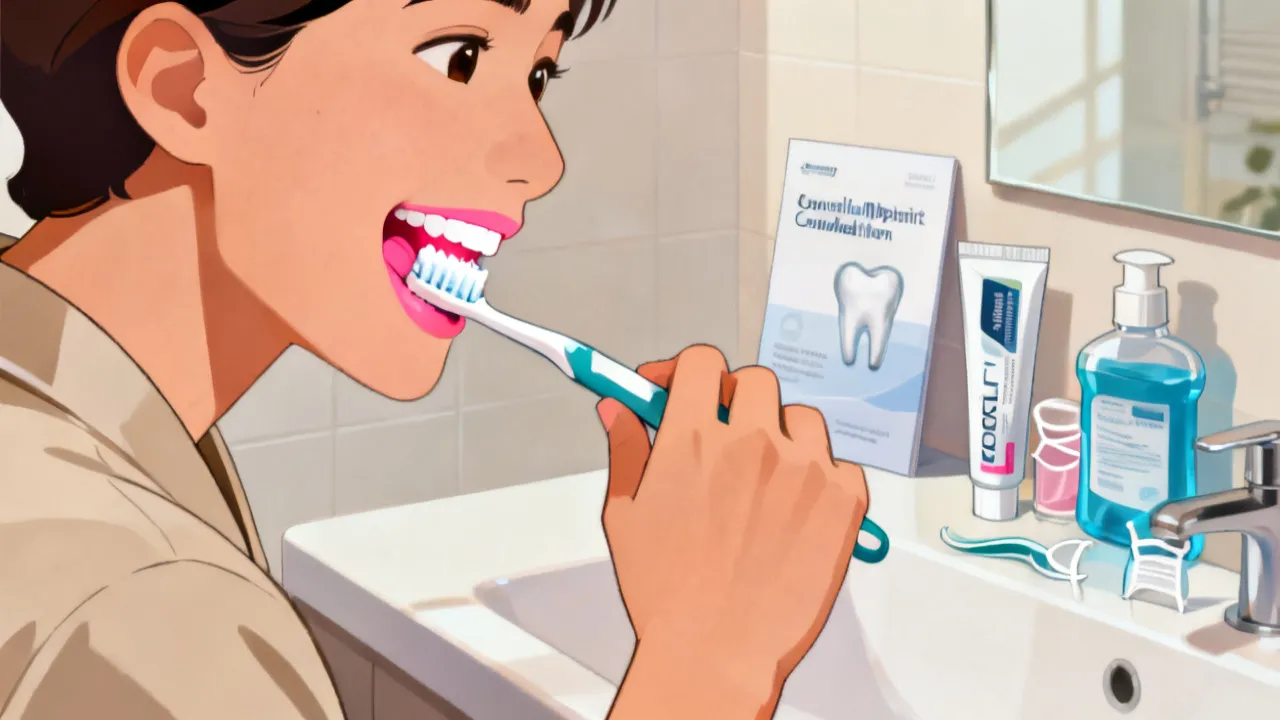
Place the bristles at approximately a 45-degree angle toward the gumline. Use short, gentle strokes or small circles. The aim is to disturb plaque at the boundary between tooth and gum without injuring the tissue. Forceful horizontal scrubbing can contribute to gum irritation and may worsen wear at the necks of teeth.
Keep the brush relaxed in the hand. A grip that is too tight often leads to unnecessary pressure. If the bristles flatten quickly during brushing, that is a practical sign that the force may be excessive. The bristles should remain sufficiently flexible to adapt to the tooth and gum contours.
5. Clean the outer surfaces
Brush the cheek-facing surfaces of the upper and lower teeth. Move gradually from one side to the other, keeping the brush in contact with two or three teeth at a time. Pay particular attention to the molars, where food debris and plaque can remain hidden. When brushing the upper teeth, allow the mouth to remain slightly open rather than pulling the cheek tightly across the teeth.
Areas around fillings, crowns, veneers, and orthodontic brackets need the same attention as natural enamel. Restorations do not decay in exactly the same way as natural tooth structure, but plaque can accumulate at their margins and affect the adjacent tooth or gum.
6. Clean the inner surfaces
Turn the brush toward the tongue-facing surfaces. These areas are frequently neglected, especially behind the lower front teeth, where saliva glands can contribute to tartar formation. Use the same gentle angle and short strokes.
The inner surfaces of the upper front teeth can be difficult to reach because of their shape. Turning the brush vertically and using several gentle up-and-down movements may improve access. Do not force the brush into the gums or use a sawing motion.
7. Clean the chewing surfaces
Brush the grooves and pits on the chewing surfaces of molars and premolars. These irregular areas can retain plaque and food particles. Pressing harder is not the solution; controlled movement and sufficient coverage are more important.
Some people have deep natural grooves or a history of decay on chewing surfaces. A dentist may discuss preventive sealants, fluoride treatments, dietary changes, or more frequent examinations. Brushing remains important, but the most suitable preventive plan depends on the person’s risk factors.
8. Brush the tongue carefully
A light pass over the tongue may help reduce coating and improve breath freshness. Avoid aggressive scraping, which can irritate the tissue. Persistent bad breath should be assessed rather than masked with repeated tongue brushing or mouthwash.
Bad breath can be associated with plaque, gum disease, dry mouth, tobacco use, dietary factors, sinus conditions, reflux, or other medical issues. If it continues despite a consistent oral-hygiene routine, a dental examination is appropriate.
9. Spit rather than heavily rinsing
After brushing, spit out the toothpaste. Some dental professionals advise avoiding extensive rinsing immediately afterward so that fluoride remains in contact with the teeth longer. If a mouthwash is used, it may be better to use it at a separate time, depending on the product and professional advice.
Children and adults should follow the directions on any prescribed or specialized rinse. A mouthwash containing active ingredients may have specific instructions about frequency, contact time, and whether eating or drinking should be avoided afterward.
How Long and How Often Should You Brush?
Many dental organizations recommend brushing for approximately two minutes twice a day. The exact duration is less important than thorough coverage, gentle technique, and regularity. A timer, powered-brush indicator, or simple four-section routine can help establish consistency.
Two minutes can seem short when the brush is moved methodically, yet many people stop much earlier. A useful exercise is to time normal brushing for several days. This may reveal that the routine lasts less than a minute or that one side of the mouth receives far more attention than the other.
Brushing immediately after consuming acidic food or beverages may not be ideal because enamel can temporarily soften in an acidic environment. Waiting for a suitable interval and rinsing with water can be sensible, particularly after citrus drinks, carbonated beverages, sports drinks, wine, or vomiting. People with reflux or eating disorders should discuss enamel protection with a dental professional, since repeated acid exposure can cause significant erosion.
Brushing once daily is better than not brushing, but it does not provide the same preventive routine as brushing twice daily. The evening brushing session is particularly important because plaque and food debris may remain against teeth for many hours during sleep. Saliva flow may also decrease overnight, reducing one of the mouth’s natural protective mechanisms.
Brushing immediately after a meal is not always necessary. For many people, a morning and bedtime routine provides a practical schedule. After eating, rinsing with water, chewing sugar-free gum when appropriate, and limiting continuous snacking can support oral health until the next brushing session.
Cleaning Between Teeth
A toothbrush cannot reliably reach every contact point between teeth. Interdental cleaning removes plaque from spaces that bristles may miss. Depending on the size of the space and the condition of the gums, suitable options include dental floss, interdental brushes, water flossers, or specialized threaders.
- Dental floss: useful for tight contacts when used gently beneath the contact area and around the side of each tooth. The floss should curve into a “C” shape and be moved against the tooth surface rather than snapped into the gums.
- Interdental brushes: often practical where spaces are wider, particularly for people with periodontal bone loss, bridges, or orthodontic appliances. Several sizes may be needed in different parts of the mouth.
- Water flossers: may assist people who find string floss difficult, although they should be used according to the manufacturer’s instructions. They can be useful around some appliances and restorations but should not be considered a universal replacement for every form of cleaning.
- Orthodontic aids: threaders and specially shaped brushes can help clean around brackets and wires.
- Implant-care brushes: some patients benefit from narrow interdental brushes, end-tufted brushes, or other tools recommended by the implant dentist.
Bleeding during interdental cleaning is not a reason to abandon the routine. It can indicate inflammation, but persistent or heavy bleeding requires professional evaluation. Using excessive force can injure the gums, so the device should fit comfortably rather than being pushed through a tight space.
The correct interdental brush size is important. If it is too small, it may not contact enough of the tooth surfaces to remove plaque. If it is too large, it may bend excessively or cause trauma. A hygienist can demonstrate sizes and techniques during a professional appointment.
Common Brushing Mistakes
| Mistake | Why It Matters |
|---|---|
| Using excessive pressure | May irritate gums, increase sensitivity, and contribute to surface wear. |
| Brushing only the front surfaces | Leaves plaque on inner surfaces, molars, and along the gumline. |
| Using a worn toothbrush | Frayed bristles clean less effectively and may be uncomfortable. |
| Rushing through the routine | Short brushing often results in missed teeth and incomplete coverage. |
| Ignoring the gumline | Plaque concentrated at the gum margin can contribute to gingival inflammation. |
| Relying only on mouthwash | Mouthwash cannot mechanically remove established plaque in the same way brushing and interdental cleaning do. |
| Scrubbing immediately after acidic exposure | Enamel may be temporarily more vulnerable after acidic foods or drinks. |
| Changing products constantly | Frequent changes can make it difficult to determine which product is helping or causing irritation. |
| Storing a wet toothbrush in a closed container | A damp, poorly ventilated environment can encourage microbial growth and unpleasant odors. |
Toothbrushes should be rinsed after use and stored upright where they can air-dry. They should not routinely be shared. A brush should be replaced when its bristles become frayed, bent, or flattened, even if three months have not passed. People who brush with excessive force may need to replace brushes more frequently.
Tooth Brushing for Children, Older Adults, and People With Special Needs
Children need guidance because brushing quality develops gradually. Parents or caregivers should supervise brushing until the child can reliably clean every surface and spit out toothpaste. The appropriate amount and concentration of fluoride depend on age, local recommendations, and the child’s risk of decay. A pediatric dentist or family dentist can provide specific instructions.
Young children may cooperate better when brushing is made predictable. A parent can brush first and allow the child to finish, although adult assistance is generally still needed to reach difficult areas. A two-minute song, visual chart, or simple reward system may help establish the habit without turning brushing into a stressful contest.
Older adults may face dry mouth, reduced dexterity, medication-related changes, exposed root surfaces, dentures, or cognitive difficulties. A powered toothbrush, enlarged handle, adapted grip, or caregiver-assisted routine may improve access. Dry mouth deserves particular attention because reduced saliva can increase the risk of decay and oral discomfort.
People with disabilities or limited hand movement may need customized equipment rather than simply greater effort. Occupational therapists, dental hygienists, and dentists can help identify practical adaptations. The goal is effective, comfortable cleaning that can be sustained every day. Caregivers should be trained to recognize signs of pain, bleeding, swelling, or difficulty swallowing.
Patients who wear complete or partial dentures also need oral hygiene. Dentures should generally be cleaned according to the manufacturer’s and dentist’s instructions, and the gums, tongue, and remaining natural teeth should still be brushed. A denture does not eliminate the risk of oral infection or decay in the teeth that remain.
Diet, Saliva, and the Brushing Routine
Brushing is more effective when supported by habits that reduce repeated acid attacks. The frequency of sugar exposure may matter as much as the total amount consumed. Frequent sipping of sweetened beverages or repeated snacking can give bacteria repeated opportunities to produce acids.
Water is usually a useful drink between meals. Sugar-free gum containing xylitol may help stimulate saliva for some people, provided it is safe for them to chew and does not replace brushing. Individuals with dry mouth should ask about saliva substitutes, fluoride gels, or other preventive measures.
Acidic drinks, including some fruit juices, energy drinks, and carbonated beverages, can contribute to enamel erosion. Drinking through a straw may reduce contact with front teeth in some circumstances, but it does not eliminate the effect. Rinsing with water and avoiding prolonged sipping can be more practical protective steps.
Dental Implants and the Importance of Oral Hygiene
Dental implants are generally planned for the replacement of missing teeth, but they are not appropriate for every patient or every situation. Assessment may include a medical history, dental examination, gum evaluation, imaging, analysis of bone volume, and discussion of expectations. Smoking, uncontrolled medical conditions, active gum disease, poor plaque control, and inadequate bone may affect timing or suitability.
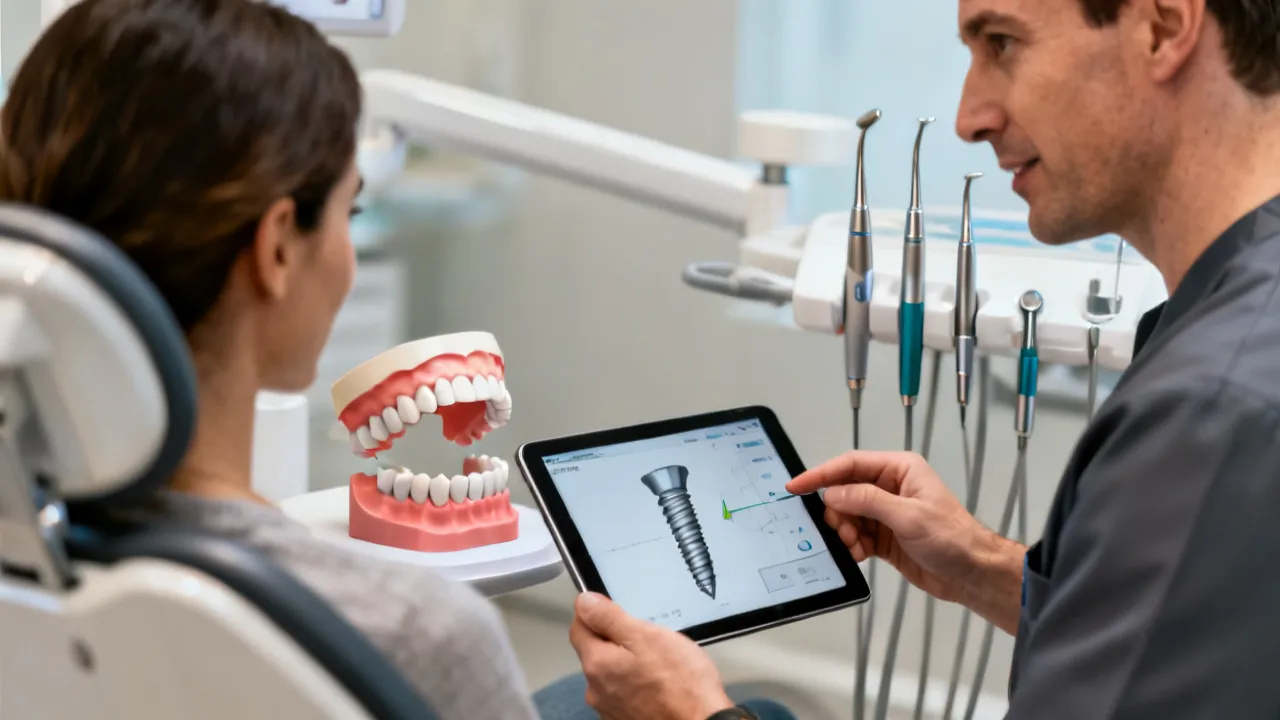
An individual implant is usually described as having several components: the implant fixture, the abutment, and the visible crown. Published prices may include some components and exclude others. Bone grafting, extraction, sedation, temporary teeth, imaging, laboratory fees, follow-up visits, and treatment of gum disease may be billed separately. For this reason, an apparently low advertised figure should never be compared with a comprehensive treatment quotation without examining what is included.
After implant placement, brushing instructions may change temporarily. The surgical site may require a very gentle approach, a specialized brush, or a period during which the patient avoids direct contact. Once healing progresses, the implant crown and adjacent tissues need daily cleaning. Patients should ask the treating clinician how to clean below the crown contour and around any bridge or overdenture.
Implant-related inflammation can begin with subtle symptoms. Redness, bleeding when cleaning, tenderness, swelling, or a persistent bad taste may indicate a problem requiring attention. An implant that feels loose is not normal and should be evaluated promptly. Pain is not always present in the early stages, so regular maintenance visits remain important even when the implant feels comfortable.
The natural tooth beside an implant can still develop decay or gum disease. The implant should therefore be included in the same systematic routine rather than treated as a separate object that requires attention only occasionally. The crown, abutment margins, surrounding gum, and spaces between the implant and neighboring teeth all need appropriate cleaning.
How to Seek Dental Implants at Lower Cost in English-, Spanish-, and Portuguese-Speaking Markets
Reducing the overall cost of dental implants should mean making a safe, well-informed decision—not selecting a provider solely because of the lowest advertised number. The following process can help patients compare options responsibly in different language markets.
Step 1: Confirm that an implant is clinically necessary
Request a full examination before comparing prices. Depending on the condition of the tooth and surrounding structures, alternatives may include a conventional bridge, removable partial denture, orthodontic movement, or monitoring. The appropriate choice depends on function, aesthetics, periodontal health, bone, general health, and personal preferences.
Step 2: Treat active oral disease first
Untreated cavities, gum disease, infection, or poor plaque control can complicate implant treatment. Addressing these issues first may appear to add expense, but it can reduce the risk of complications and improve the long-term outlook. A clinic that proposes implant surgery without assessing the gums and neighboring teeth should be approached cautiously.
Step 3: Obtain itemized written estimates
Ask each clinic to separate the costs of consultation, imaging, extraction, implant fixture, abutment, crown, bone grafting, temporary restoration, sedation, medication, follow-up, and treatment of possible complications. Clarify whether taxes, laboratory work, and maintenance visits are included. An itemized quote makes comparisons more meaningful than a single headline price.
Step 4: Check professional credentials and facility standards
Patients should verify the dentist’s license through the relevant national or regional authority. They should also ask about surgical training, implant systems used, sterilization procedures, emergency arrangements, and who will provide follow-up care. A clinic’s website can provide useful background, but it should not replace independent credential verification.
Step 5: Compare treatment plans, not only prices
Two quotations may differ because one includes a premium crown, three-dimensional imaging, temporary teeth, or several review appointments. Another may cover only the implant fixture. Compare the clinical sequence, materials, warranty terms, expected timeline, and aftercare. The least expensive initial quote may not be the least expensive complete treatment.
Step 6: Explore insurance and dental plans carefully
Some dental plans may contribute toward examinations, extractions, crowns, or other elements while excluding implants or imposing waiting periods. Read annual limits, exclusions, participating-provider rules, preauthorization requirements, and claims procedures. Insurance should be considered a financial tool, not evidence that a treatment is clinically suitable.
Step 7: Consider accredited teaching or community clinics
Dental schools, university clinics, and community health centers may offer selected treatments at different fee levels. Availability, eligibility, waiting times, and the complexity of treatment vary. Patients should confirm that implant surgery is supervised by appropriately qualified clinicians and that follow-up arrangements are clear.
Step 8: Evaluate dental tourism with particular caution
Traveling to another country can reduce the quoted treatment fee in some circumstances, but travel, accommodation, meals, additional visits, currency conversion, and treatment of complications add to the total. A patient may also find it difficult to return to the original provider for adjustments. Before traveling, obtain complete records, ask how emergencies are handled, and confirm who is responsible if healing is delayed or the restoration requires repair.
Step 9: Request a second opinion for complex cases
A second opinion is especially useful when bone grafting, multiple implants, full-arch treatment, sinus procedures, advanced gum disease, or significant medical conditions are involved. The second clinician should review imaging and the proposed treatment sequence rather than simply offer another price.
Step 10: Protect the result through maintenance
Routine brushing, interdental cleaning, professional maintenance, and prompt attention to discomfort can help protect the investment. Ask about the recommended recall schedule and whether the clinic provides a written maintenance plan. Avoid providers who promise a guaranteed lifelong outcome without explaining biological risks and patient responsibilities.
Websites Offering Dental Implant and Dental-Care Information
The following comparison is intended as a starting point for research. The websites differ in purpose: some are clinics, some provide insurance or educational material, and one focuses on dental travel. Their inclusion does not constitute an endorsement, and readers should verify current services, credentials, prices, and local regulations independently.
| Website or Organization | Primary Information and Useful Features |
|---|---|
| Dental Views | Information focused on lower-cost dental implants, treatment types, potential benefits, process explanations, and pricing considerations. |
| Atlantic Dental Group | Clinic information covering general dentistry, cleaning, orthodontics, implants, emergency care, locations, and appointment access. |
| DentaVacation | Dental-tourism information, international treatment comparisons, travel planning, and discussions of overseas dental care. |
| American Dental Health Plans | Dental insurance-plan information, coverage options, applications, and ways to review dental-care expenses. |
| Rockville Dental Arts | Spanish-language clinic information concerning implants, whitening, cleaning, orthodontics, and emergency dental services. |
| Union City Mini Dental Implants | Spanish-language information about mini dental implants and treatment for selected missing-tooth situations. |
| Cigna | Spanish-language educational guidance about dental implants, treatment stages, and related considerations. |
| Rubi Odonto | Brazilian clinic information about orthodontics, whitening, implants, and dental services in Santo André, São Paulo. |
| Odontologia Velasco | Brazilian clinic information about implants, prostheses, aesthetic dentistry, and technology-assisted care in São Paulo. |
| DentalVidas | Portuguese-language dental-plan information for individuals, families, and businesses, including network and emergency-care details. |
When reading online dental information, distinguish educational explanations from advertisements. A commercial page may describe the benefits of a service but provide less detail about contraindications, complications, long-term maintenance, or patients who are not suitable candidates. Reliable research involves consulting more than one source and asking a licensed clinician to relate general information to the individual diagnosis.
Reference Price Ranges for One Dental Implant
The following figures are reference ranges for an individual dental implant in the listed countries. They should not be interpreted as a universal quote or as the complete cost of replacing a tooth. The meaning of “individual implant” can differ between sources: in some cases it refers to the implant component, while in others it may be used informally for a broader implant-and-crown procedure. Patients should confirm the scope with a clinic.
| Country and Code | Currency and Reference Price Range |
|---|---|
| United States (US) | USD: $3,000–$6,000 |
| United Kingdom (GB) | GBP: £2,000–£2,500 |
| Australia (AU) | AUD: AU$3,500–AU$6,500 |
| Canada (CA) | CAD: CA$3,000–CA$5,500 |
| Spain (ES) | EUR: €1,500–€2,500 |
| Chile (CL) | CLP: CLP$800,000–CLP$1,500,000 |
| Mexico (MX) | MXN: $15,000–$25,000 |
| Colombia (CO) | COP: $2,000,000–$4,000,000 |
| Peru (PE) | PEN: S/ 3,000–S/ 6,000 |
| Argentina (AR) | ARS: $80,000–$150,000 |
| Brazil (BR) | BRL: R$3,000–R$8,000 |
| Portugal (PT) | EUR: €1,000–€2,000 |
| Germany (DE) | EUR: €2,000–€3,500 |
| France (FR) | EUR: €1,500–€2,500 |
| Italy (IT) | EUR: €1,500–€3,000 |
| Japan (JP) | JPY: ¥300,000–¥700,000 |
Prices can vary because of local labor costs, clinician experience, implant brand, crown material, laboratory fees, imaging, facility standards, complexity, bone availability, sedation, and follow-up requirements. Exchange-rate movements can also change the relative comparison between countries. A responsible assessment should therefore focus on total treatment scope and clinical quality rather than a currency conversion alone.
How to Read an Implant Quote
A written estimate should answer several practical questions. Is the consultation included? Is three-dimensional imaging necessary, and is it included? Does the quote cover extraction of the failing tooth? Is bone grafting included if the examination shows insufficient bone? Does the crown come from an accredited dental laboratory? Are temporary teeth provided during healing? Who will adjust or replace the restoration if a problem occurs?
Patients should also ask whether the clinician plans immediate loading or delayed loading. Immediate loading may be appropriate in selected cases, but it is not a universal shortcut. Healing time depends on the surgical site, stability, bone quality, general health, and the dentist’s protocol. A clinic that promises the same timeline for every patient may not be accounting for individual biology.
Warranty language deserves careful reading. A “warranty” may cover a component defect but exclude hygiene-related inflammation, accidental damage, smoking, missed appointments, or work performed by another clinic. Ask for the terms in writing and determine whether travel is required for warranty care.
Patients should also understand payment schedules. Some practices require payment at the time of surgery, while others divide costs among the surgical, restorative, and maintenance stages. Financing can make treatment more manageable, but interest, administrative charges, and cancellation policies should be reviewed before signing an agreement. A financial plan should never pressure a patient into accepting treatment before receiving adequate time to consider alternatives.
Daily Oral-Hygiene Routine Before and After Implant Treatment
- Drink water and maintain a routine that limits frequent sugary snacks and acidic drinks.
- Brush gently for about two minutes in the morning and before sleep.
- Clean between teeth once daily with a device that fits the anatomy.
- Follow special instructions after extraction, grafting, implant surgery, or crown placement.
- Do not use abrasive products or improvised tools around an implant.
- Attend maintenance appointments at the interval recommended by the dental team.
- Report bleeding, swelling, pus, persistent bad taste, increasing mobility, or pain.
Smoking and nicotine exposure can interfere with healing and may increase oral-health risks. Patients who smoke should discuss cessation support before implant surgery. Medical conditions such as diabetes also require individualized planning. The appropriate response is not to conceal medical information but to provide a complete history so the team can manage risk responsibly.
Patients should disclose all medicines and supplements, including anticoagulants, osteoporosis medicines, immune-modifying drugs, and medications that cause dry mouth. The dental team may need to coordinate with a physician. Patients should not stop prescribed medicines without medical advice.
When to Seek Urgent Dental Attention
Prompt assessment is appropriate when facial swelling, fever, difficulty swallowing, difficulty breathing, uncontrolled bleeding, severe pain, trauma, or rapidly worsening symptoms occur. Around a dental implant, increasing mobility, persistent bleeding, drainage, or a change in the bite should not be ignored. Emergency departments can help with serious swelling or breathing problems, while dental clinics are usually needed for definitive tooth and implant treatment.
FAQs About 이 닦는 법 and Dental Implants
Is brushing harder a better way to remove plaque?
No. Plaque is a soft film that can usually be disrupted with controlled, gentle movement. Excessive pressure may irritate the gums and contribute to sensitivity or tooth-surface wear. A soft brush, correct angle, and complete coverage are more important than force.
Should I use a manual or powered toothbrush?
Both can be effective. A powered brush may help with timing, consistent movement, or limited dexterity, while a manual brush is portable and familiar. Choose a device you can use correctly and replace its head or brush when it becomes worn.
Why do my gums bleed when I brush?
Bleeding may be associated with plaque-related gum inflammation, trauma from excessive pressure, medication effects, or other conditions. Continue gentle cleaning unless a clinician instructs otherwise, but arrange an examination if bleeding persists, increases, or occurs with swelling or pain.
Can mouthwash replace brushing?
No. Mouthwash may serve a supplementary purpose, but it does not replace mechanical plaque removal. Some rinses are designed for particular conditions and may have usage limits or side effects such as staining or altered taste. Ask a dental professional which product is suitable.
How should I clean around a dental implant?
Use the brush and interdental device recommended by the implant dentist. Clean the crown surfaces, gumline, and accessible spaces around the restoration without forcing instruments into tissue. The appropriate method depends on whether the implant supports a single crown, bridge, overdenture, or another restoration.
Are mini dental implants suitable for everyone?
No. Mini implants have a smaller diameter and may be used in selected clinical situations, but suitability depends on bone anatomy, the restoration, loading requirements, medical history, and the clinician’s assessment. A smaller implant is not automatically a simpler or better solution.
Does a low advertised price include the crown?
Not necessarily. Some advertisements refer only to the implant fixture or one stage of treatment. Confirm whether the quote includes the abutment, crown, imaging, extraction, grafting, temporary restoration, medication, and follow-up appointments.
Is traveling abroad for an implant always less expensive?
No. The treatment fee may be lower in some locations, but travel, accommodation, time away from work, currency conversion, additional visits, and complications can change the total. The ability to obtain follow-up care near home is also important.
How can I compare clinics in different countries?
Compare licensing, surgical experience, implant system, infection-control standards, itemized treatment scope, laboratory arrangements, emergency plans, language support, follow-up, and written terms. Price should be one factor rather than the sole decision criterion.
Can proper brushing prevent the need for an implant?
Good oral hygiene can reduce the risk of decay and gum disease, but it cannot prevent every cause of tooth loss. Trauma, congenital conditions, cracks, severe infection, and other factors may still lead to extraction. Regular examinations help identify treatable problems earlier.
What should I do if brushing causes pain?
Use a soft brush and gentle pressure, and avoid aggressive scrubbing. Pain can result from sensitivity, decay, gum recession, ulcers, infection, a damaged restoration, or an incorrect brushing technique. Persistent pain should be assessed by a dentist rather than managed only by changing toothpaste.
Should I brush before or after breakfast?
Either schedule can work, provided brushing occurs consistently and includes a fluoride toothpaste. If brushing after breakfast, be cautious after acidic foods or beverages and consider waiting before brushing. The most important routine is the one that can be maintained thoroughly every day, especially before sleep.
Can an implant get a cavity?
The implant fixture itself is not natural tooth enamel and does not develop a conventional cavity. However, the crown, abutment, neighboring teeth, and surrounding tissues can develop problems. Plaque can cause gum inflammation and bone loss around the implant, so daily cleaning remains essential.
Expert Checklist Before Choosing Implant Treatment
- Have I received a complete examination and an explanation of alternatives?
- Are active cavities, gum disease, and infection being managed?
- Does the proposed plan identify every component and fee?
- Is the dentist licensed and appropriately trained for the proposed procedure?
- Can I identify the implant manufacturer and restoration materials?
- What happens if healing is delayed or the implant fails?
- Who provides follow-up if I return home or travel internationally?
- What daily cleaning method is recommended for my specific restoration?
- Do the financial terms, insurance rules, and warranty conditions appear in writing?
- Have I been given enough time to ask questions without being pressured to book surgery?
- Do I understand the expected number of visits and the possible need for additional procedures?
Conclusion
Effective 이 닦는 법 begins with a soft brush, fluoride toothpaste, gentle gumline positioning, systematic coverage, and daily interdental cleaning. These habits support natural teeth and help maintain the tissues surrounding dental implants, but they are only one part of comprehensive care. When an implant is being considered, patients should obtain a detailed diagnosis, compare complete treatment plans, verify professional credentials, and account for aftercare and possible additional procedures.
Information websites, insurance resources, clinic pages, and dental-tourism platforms can help patients prepare questions. They should be treated as research tools rather than substitutes for an examination. A safe decision combines evidence-based oral hygiene, transparent pricing, qualified clinical care, and a realistic plan for long-term maintenance.
The strongest long-term strategy is usually not a single product or a short-term discount. It is a repeatable routine supported by professional guidance. Brushing twice daily, cleaning between teeth, managing diet and tobacco exposure, attending examinations, and responding promptly to warning signs can reduce avoidable complications. For implant patients, maintenance is part of the treatment itself rather than an optional extra.
Disclaimer
1. The information above comes from online resources, and the data is as of October 2023.
2. Dental implant prices are for reference only and may vary by region, clinic, and doctor. The listed ranges may not include every part of treatment, such as examinations, imaging, extraction, bone grafting, temporary teeth, abutments, crowns, medication, or follow-up care. This article is educational and does not replace personalized advice from a licensed dental professional.
3. Dental treatment involves individual biological factors, and outcomes cannot be guaranteed by general information. A qualified dentist must assess the mouth, medical history, medications, bone, gum condition, and treatment goals before making a recommendation.