How to Brush Teeth and Compare Implant Costs
This guide explains 이 닦는 법—the correct way to brush teeth—and outlines practical steps for maintaining oral health before, during, and after dental treatment. It covers brushing technique, fluoride toothpaste, interdental cleaning, toothbrush selection, common mistakes, and warning signs that require professional care. It also compares implant information websites and presents reference price ranges for individual dental implants across selected English-, Spanish-, Portuguese-, German-, French-, Italian-, and Japanese-speaking markets.
Introduction: Why Correct Brushing Matters
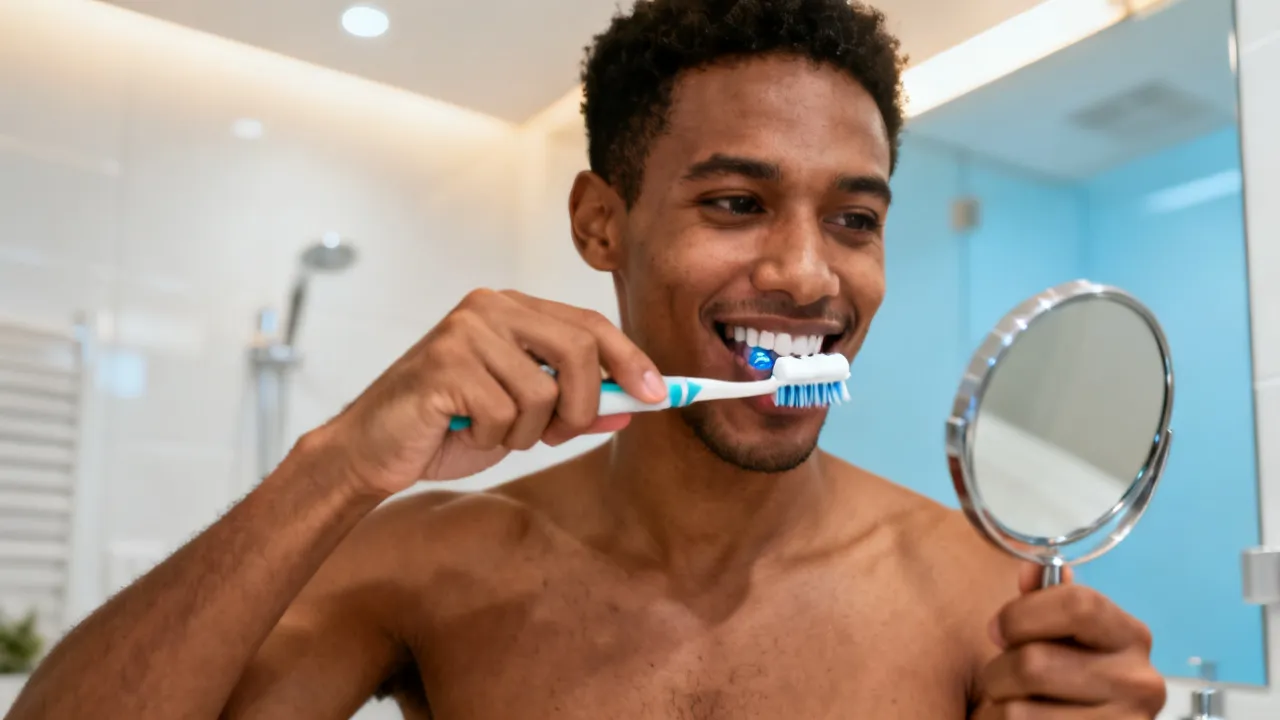
이 닦는 법 means “how to brush teeth” in Korean. Although brushing is a familiar daily routine, its effectiveness depends on technique, timing, pressure, and consistency rather than simply brushing for a few seconds. Dental plaque is a soft bacterial film that forms continuously on teeth. If it is not removed, it can contribute to tooth decay, gum inflammation, bad breath, and eventually periodontal disease. Plaque can also harden into calculus, commonly called tartar, which generally requires professional removal.
From an industry perspective, the most important principle is simple: oral hygiene is preventive care, not merely cosmetic care. A carefully performed home routine can reduce the accumulation of plaque, but it cannot replace dental examinations, professional cleaning when indicated, or treatment of existing disease. The American Dental Association recommends brushing twice a day with fluoride toothpaste and cleaning between teeth daily. These recommendations are consistent with the broader preventive approach used by dental professionals internationally.
Correct brushing is also relevant to people considering dental implants. An implant may replace the visible crown of a missing tooth, but the surrounding gums and supporting bone still require daily care. Poor plaque control can contribute to peri-implant mucositis and peri-implantitis, conditions involving inflammation around implant tissues. Therefore, learning 이 닦는 법 is useful whether a person has natural teeth, orthodontic appliances, bridges, dentures, or implants.
Good brushing is not about making the toothbrush feel harsh or making the gums bleed. It is about using controlled contact to disrupt plaque in areas where it collects, especially along the gumline, between teeth, around fillings, and in the grooves of molars. A person who brushes gently and methodically may achieve better results than someone who brushes aggressively but misses several surfaces.
The Correct Method: 이 닦는 법 Step by Step
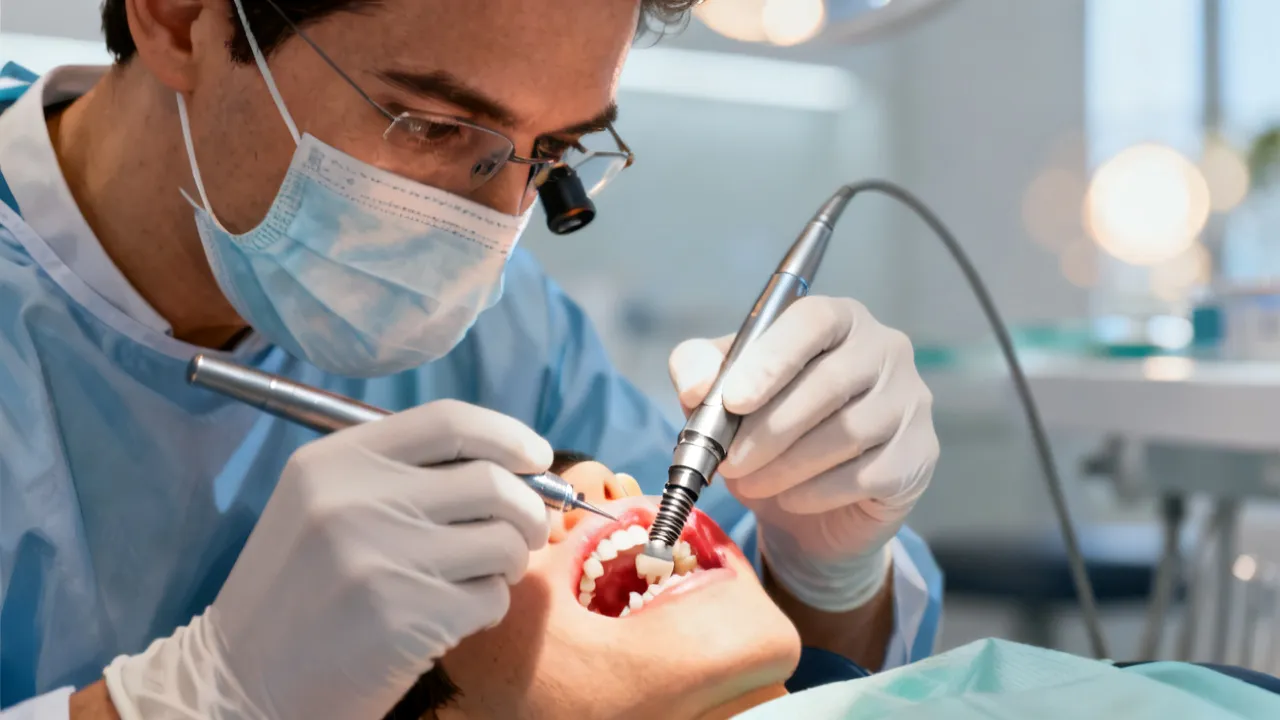
The following method is suitable for many adults, although a dentist or dental hygienist may adapt it for braces, gum recession, sensitive teeth, surgical sites, or implants. People with painful areas should not force the brush over them without guidance. A professional can demonstrate an appropriate technique using the patient’s own mouth, toothbrush, and restoration as examples.
1. Choose an appropriate toothbrush
Select a soft-bristled toothbrush with a head small enough to reach the back molars. A small head is often easier to maneuver around crowded teeth and behind the last molar. The handle should feel secure but does not need to be large or heavy. A manual toothbrush can clean effectively when used correctly. An electric toothbrush may help people who have limited hand mobility, difficulty controlling brushing pressure, or trouble maintaining a consistent routine. The device itself is not the only factor; contact with every tooth surface remains essential.
Some powered brushes include pressure sensors, two-minute timers, and quadrant reminders. These features can be useful for people who brush too forcefully or stop before completing the mouth. However, technology cannot compensate for ignoring the inner surfaces or failing to clean between teeth. When selecting a powered brush, comfort, replacement-head availability, battery reliability, and ease of cleaning may be more important than having the greatest number of features.
Replace a toothbrush or brush head when the bristles become visibly worn, usually about every three to four months according to commonly cited dental guidance, or sooner if the bristles become damaged. A worn brush may clean less efficiently and can encourage excessive pressure. People who brush particularly hard may need to replace the brush earlier. Store the brush upright and allow it to air-dry rather than keeping it in a permanently closed, damp container. Toothbrushes should not be shared because sharing can exchange saliva and microorganisms.
2. Use fluoride toothpaste
Apply a pea-sized amount of fluoride toothpaste for most adults. Fluoride helps strengthen enamel and supports the tooth’s natural repair process. It is especially useful because the mouth experiences repeated acid attacks when bacteria metabolize sugars and when acidic foods or drinks are consumed. Fluoride does not make teeth indestructible, but it can improve resistance to demineralization and support remineralization at early stages of enamel damage.
Children require age-appropriate guidance because toothpaste quantity and swallowing risk differ by age. Parents should follow local dental or public-health recommendations for children. Young children may need help reaching the back teeth and may need supervision until they can reliably brush without swallowing excessive toothpaste. Adult caregivers should focus on helping the child develop a regular routine rather than treating brushing as a punishment or a rushed task.
People with particular concerns—such as sensitivity, dry mouth, a high risk of decay, or enamel erosion—may benefit from a specific toothpaste. However, a product should be selected with professional advice when symptoms are persistent. Whitening toothpaste, for example, may help remove some surface stains but does not change the natural internal color of teeth in the same way as professional bleaching. Toothpaste marketed as “natural” or “herbal” is not automatically fluoride-free or fluoride-containing, so the label should be checked carefully.
3. Position the bristles at the gumline
Place the toothbrush at approximately a 45-degree angle so that the bristles touch both the tooth surface and the edge of the gum. Use short, gentle strokes or small circular movements. The objective is to disturb plaque along the gumline without traumatizing the tissue. Work on only two or three teeth at a time so that the bristles remain controlled and can follow the contours of the teeth.
Do not scrub forcefully from side to side. Excessive pressure can contribute to gum recession, abrasion near the necks of teeth, and increased sensitivity. A useful practical test is to hold the handle lightly. If the bristles flatten significantly against the teeth, the pressure is probably excessive. Some people find it helpful to hold the toothbrush with the fingertips rather than making a tight fist. This naturally reduces the amount of force applied.
The gumline should be approached with care. Healthy gums do not need to be avoided, but they should not be injured. A small amount of bleeding during the first days of improved cleaning may occur when gums are inflamed. Persistent, heavy, or spontaneous bleeding should not be dismissed as a normal consequence of brushing. It can indicate periodontal inflammation or another issue that needs assessment.
4. Follow a consistent sequence
Divide the mouth into sections: upper right, upper front, upper left, lower left, lower front, and lower right. Brush the outer surfaces, inner surfaces, and chewing surfaces of each section. A consistent sequence reduces the likelihood of repeatedly brushing the same easy-to-reach teeth while missing the back or inner surfaces.
For the outer surfaces, keep the brush at the gumline and use small, gentle movements. For the inner surfaces, slow down because these areas are commonly missed. For the inner surfaces of the front teeth, turn the brush vertically and use gentle up-and-down strokes with the tip of the brush. For chewing surfaces, use short strokes that reach the grooves and pits. Back molars often receive insufficient attention because they are difficult to see, so deliberately include them in the routine.
People who wear braces should clean around brackets, wires, and the gumline from several directions. A small interdental brush can help remove debris beneath wires and between brackets, but it should be used according to orthodontic instructions. Bridge patients should pay attention to the area beneath the artificial tooth, while denture wearers should clean removable appliances separately and should not assume that brushing the remaining natural teeth is enough.
5. Brush for approximately two minutes
Many dental organizations advise brushing for about two minutes, twice daily. The exact duration is less important than thorough coverage, but a timer can help people who routinely stop too soon. Some electric toothbrushes include interval signals that divide the mouth into four sections. A manual-brush user can count slowly, use a clock, or listen to a short song as a practical reminder.
Brushing longer is not automatically better. Prolonged, vigorous scrubbing may irritate the gums and wear tooth surfaces. The ideal routine combines adequate time with gentle, systematic movements. If a person needs substantially longer to clean because of braces, limited dexterity, or a complex restoration, the additional time should still be spent with light pressure rather than aggressive rubbing.
6. Clean the tongue carefully
Bacteria and food debris can collect on the tongue’s surface and contribute to oral odor. After brushing, lightly clean the tongue with the toothbrush or a tongue cleaner. Begin toward the front and move gently backward only as far as comfortable. Avoid aggressive scraping, especially if the tongue is sore, bleeding, or otherwise abnormal. Persistent changes in tongue color, texture, pain, or a nonhealing ulcer should be evaluated by a healthcare professional.
7. Spit rather than immediately rinsing with large amounts of water
After brushing, many dental professionals advise spitting out excess toothpaste and avoiding an immediate vigorous rinse, allowing fluoride to remain on the teeth for longer. People should follow the instructions on their toothpaste and local clinical guidance. If a fluoride mouthwash is used, it may be preferable to use it at a different time rather than immediately washing away toothpaste residue.
Mouthwash is an adjunct, not a replacement for brushing and interdental cleaning. Different products have different purposes. Some contain fluoride, some are intended to reduce odor, and others may be prescribed for specific gum conditions. A mouthwash that causes burning, dryness, irritation, or taste changes should be discontinued and discussed with a dental professional. Children should use mouthwash only when they can reliably spit it out and when it is appropriate for their age.
When to Brush and How to Combine Other Oral-Care Steps
Brushing twice daily is a widely recognized baseline. Night-time brushing is particularly important because saliva flow generally decreases during sleep, reducing one of the mouth’s natural protective mechanisms. Morning brushing can remove overnight plaque and improve oral freshness. A person who frequently falls asleep before brushing may benefit from moving the routine earlier, such as brushing after the evening meal while still completing any later snack-related cleaning as advised by a dentist.
After acidic foods or drinks—such as citrus, carbonated beverages, vinegar-based foods, wine, or some sports drinks—it may be sensible to wait before brushing. Acid temporarily softens the outer tooth surface. Rinsing with water and waiting for saliva to restore the mouth’s balance can reduce the risk of brushing softened enamel. A dentist can provide individualized advice for people with reflux, erosion, vomiting disorders, or a high-acid diet.
Sugar frequency also matters. Repeatedly sipping sweetened drinks or snacking on sticky carbohydrates exposes teeth to frequent acid production. It may be more protective to consume sweet foods with a meal rather than repeatedly throughout the day, while still following individual nutritional and medical advice. Drinking water between meals can help clear loose food particles and support saliva, but water does not replace toothbrushing.
Cleaning between teeth is a separate but essential step. Toothbrush bristles do not reliably reach the contact areas between teeth. Depending on the space and the person’s condition, suitable options include dental floss, interdental brushes, or a water flosser. Interdental brushes are often useful where there are larger spaces, gum recession, bridges, or periodontal pockets. Floss may be suitable for tight contacts. The correct size and technique matter, so professional instruction is valuable.
Floss should be guided gently between the teeth rather than snapped into the gums. Once it reaches the gumline, it can be curved around one tooth in a “C” shape and moved up and down before repeating on the neighboring tooth. An interdental brush should fit snugly but should not require force. If several sizes are needed in different parts of the mouth, a dental hygienist can recommend a practical selection.
A practical routine may therefore be:
- Clean between the teeth once daily.
- Brush all tooth surfaces with fluoride toothpaste for about two minutes.
- Clean the tongue gently if desired.
- Spit out excess toothpaste and follow product instructions.
- Clean removable retainers, dentures, or orthodontic appliances as directed.
- Attend dental examinations at an interval recommended for individual risk.
Common Brushing Mistakes
- Using too much pressure: Hard brushing does not remove plaque more effectively and may injure gums or enamel.
- Choosing hard bristles: Hard bristles are not generally necessary for routine plaque removal.
- Ignoring the gumline: Plaque commonly accumulates where teeth and gums meet.
- Brushing only the front surfaces: Inner surfaces and chewing surfaces also require systematic cleaning.
- Moving too quickly: A routine lasting only a few seconds is unlikely to cover the mouth adequately.
- Failing to clean between teeth: Brushing cannot replace interdental cleaning.
- Sharing toothbrushes: Toothbrushes should be personal items.
- Storing a wet brush in a closed container: A damp environment can hinder drying.
- Relying only on cosmetic products: Whitening products do not treat cavities, gum disease, or infection.
- Delaying care for bleeding gums: Occasional bleeding may result from inflammation, but persistent bleeding merits professional assessment.
- Brushing immediately after every acidic exposure: Waiting can help reduce mechanical wear on temporarily softened enamel.
- Using one interdental tool everywhere: Different spaces may require different sizes or methods.
- Ignoring restorations: Fillings, crowns, bridges, and implants have margins where plaque can collect.
- Assuming an expensive product guarantees better results: Technique and consistency are usually more important than branding.
How Brushing Changes With Dental Implants
Dental implants are not immune to plaque. After implant placement, the treating clinician will provide specific instructions about cleaning the surgical area. During the early healing phase, the patient should not improvise around the wound or use a brush in a way that conflicts with the surgeon’s directions. The surgical site may require a temporary modification to ordinary brushing, and the patient should ask when normal brushing can resume.
Once healing permits normal cleaning, the implant crown can generally be brushed with a soft brush. The clinician may recommend an interdental brush, implant-specific floss, a water flosser, or another tool to clean beneath and around the crown. The appropriate method depends on the implant design, crown contour, gum shape, and the presence of adjacent teeth. Some restorations have a larger underside that requires a specially shaped brush, while others can be cleaned with routine interdental methods.
Patients should avoid assuming that natural-tooth products are automatically suitable for every implant restoration. For example, highly abrasive powders or aggressive polishing products may affect restorative surfaces or irritate soft tissue. The dentist can advise whether a particular toothpaste, electric-brush mode, or water-flosser pressure is appropriate. The goal is effective plaque removal without damaging the implant crown, abutment, or surrounding mucosa.
Patients should seek professional advice if they notice persistent bleeding, swelling, pus, unpleasant taste, increasing pain, mobility, or a change in the way the implant crown contacts the opposing teeth. An implant should not be considered a “fit and forget” solution. Long-term maintenance combines home care, periodic evaluation, and management of risk factors such as smoking, uncontrolled diabetes, dry mouth, or a history of periodontal disease.
The tissues around implants differ from the tissues around natural teeth, so inflammation may progress differently and may not always produce severe pain at the beginning. Regular monitoring can identify changes in tissue appearance, probing measurements, bite forces, or bone levels. A maintenance schedule is therefore part of implant treatment rather than an optional extra service.
Understanding Individual Dental Implant Costs
The price of an individual dental implant can be difficult to compare because clinics may define “implant cost” differently. One quotation may refer only to the implant fixture, while another may include the abutment and crown. Additional procedures—such as tooth extraction, bone grafting, sinus augmentation, imaging, sedation, temporary teeth, or follow-up visits—may be listed separately.
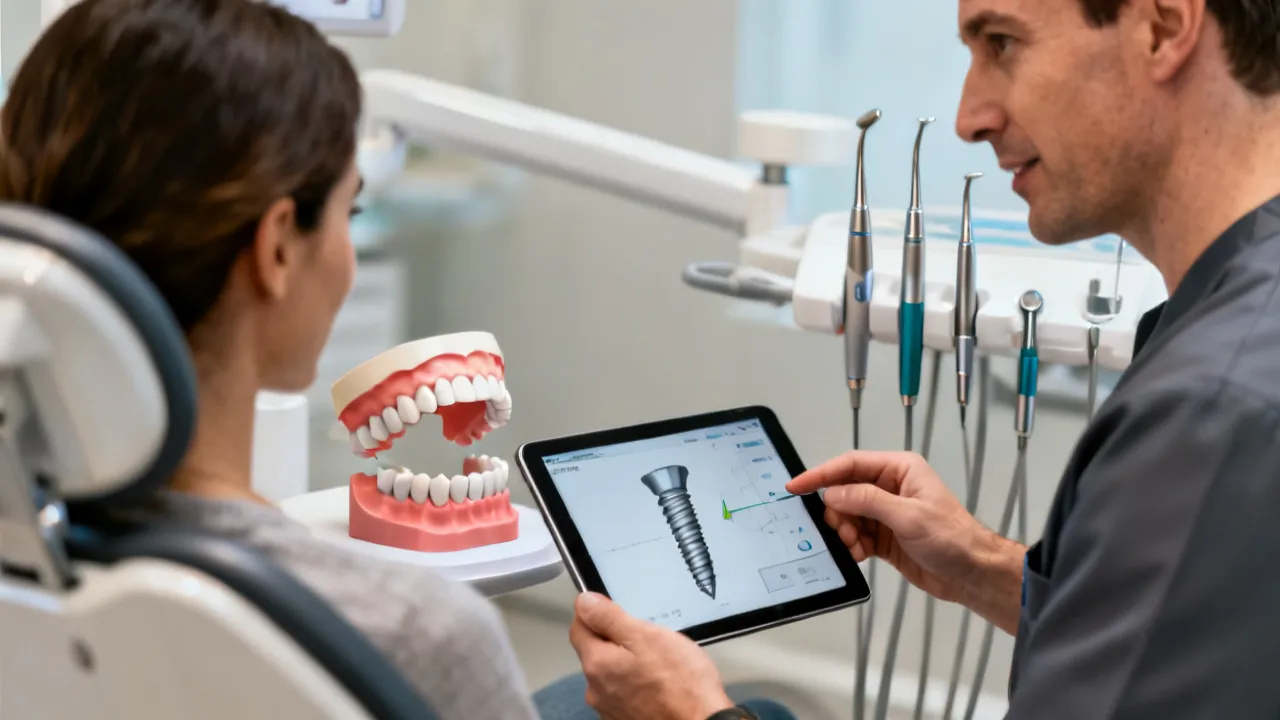
The term “individual dental implant” can also be confusing. In everyday advertising, it may refer to the replacement of one missing tooth. Clinically, the treatment usually involves several components: the fixture placed in the bone, the abutment, and the visible crown. These parts may be provided by different professionals or laboratories. The number of appointments and the duration of treatment can also affect the total cost.
For a meaningful comparison, ask whether the estimate includes:
- Initial consultation and diagnostic imaging;
- Removal of a damaged tooth, if necessary;
- The titanium or ceramic implant fixture;
- The abutment connecting the implant to the crown;
- The final crown or prosthetic tooth;
- Bone grafting or soft-tissue procedures;
- Temporary restoration during healing;
- Medication, sedation, and laboratory charges;
- Follow-up examinations and adjustment visits;
- Management of complications or warranty conditions;
- Future maintenance, repairs, or replacement terms.
The following figures are the supplied reference ranges for one individual dental implant in selected markets. They are not a universal quotation and should not be interpreted as a complete treatment plan. Currency values, inflation, regional differences, clinician experience, laboratory fees, and treatment complexity can all change the amount. Patients should request current prices directly from a qualified clinic.
| Country | Currency and reference range for one individual dental implant |
|---|---|
| United States | USD: $3,000–$6,000 |
| United Kingdom | GBP: £2,000–£2,500 |
| Australia | AUD: AU$3,500–AU$6,500 |
| Canada | CAD: CA$3,000–CA$5,500 |
| Spain | EUR: €1,500–€2,500 |
| Chile | CLP: CLP$800,000–CLP$1,500,000 |
| Mexico | MXN: $15,000–$25,000 |
| Colombia | COP: $2,000,000–$4,000,000 |
| Peru | PEN: S/ 3,000–S/ 6,000 |
| Argentina | ARS: $80,000–$150,000 |
| Brazil | BRL: R$3,000–R$8,000 |
| Portugal | EUR: €1,000–€2,000 |
| Germany | EUR: €2,000–€3,500 |
| France | EUR: €1,500–€2,500 |
| Italy | EUR: €1,500–€3,000 |
| Japan | JPY: ¥300,000–¥700,000 |
How to Obtain Dental Implants at a Lower Overall Cost
Reducing the overall cost of implant treatment should not mean selecting a provider solely because of the lowest advertised figure. A safer approach is to reduce avoidable expenses while protecting clinical quality, continuity of care, and informed consent. The first step is to understand exactly what treatment is needed and why. Once the diagnosis is clear, patients can compare alternatives and determine which expenses are essential.
1. Confirm whether an implant is the appropriate treatment
A missing tooth may sometimes be restored with a conventional bridge or removable partial denture. Each option has different clinical indications, maintenance requirements, longevity considerations, and costs. A dentist should assess the condition of neighboring teeth, the amount of available bone, gum health, bite forces, medical history, and the patient’s priorities before recommending treatment.
An implant may offer advantages in selected cases, such as avoiding preparation of otherwise healthy neighboring teeth. A bridge may be more practical when neighboring teeth already require crowns. A removable appliance may be appropriate for someone who needs a lower initial cost or a non-surgical solution. The correct choice depends on the individual rather than on a general claim that one option is always superior.
2. Treat gum disease and decay first
Untreated periodontal disease or active decay can complicate implant planning. Addressing these conditions before surgery may prevent later treatment costs and improve the health of the mouth. Learning proper 이 닦는 법 and establishing interdental cleaning are practical preparation steps.
It is also important to stabilize habits and medical conditions that affect healing. Smoking cessation, improved diabetes control under medical supervision, management of dry mouth, and treatment of teeth that trap food may all support a healthier treatment environment. These steps can require time, but rushing into surgery before the mouth is ready may create additional expense.
3. Compare complete treatment plans, not headline prices
Request written estimates from several appropriately qualified clinics. Each estimate should identify the implant system, the components included, the planned number of visits, possible additional procedures, and aftercare arrangements. A lower initial figure may become more expensive if the crown, imaging, or follow-up care is excluded.
Ask whether the quoted price is fixed, estimated, or subject to changes after imaging. If a clinic cannot determine whether grafting is needed until a scan is completed, the estimate should explain the possible range. Patients should also ask whether a different clinician or laboratory will be involved and whether those fees are included.
4. Ask about payment plans and dental coverage
Some clinics offer staged payment arrangements. Dental insurance or dental health plans may contribute toward parts of treatment, although exclusions, annual limits, waiting periods, and preauthorization requirements are common. Confirm coverage directly with the insurer rather than assuming that an implant is fully covered.
Insurance may classify the implant fixture, crown, extraction, or bone graft as separate services. Some policies cover an alternative restoration up to a specified amount rather than paying the entire implant fee. Patients should ask for a written benefits explanation and determine whether the provider is in-network. Financing should also be reviewed carefully, including interest, administrative fees, cancellation terms, and the consequences of missed payments.
5. Consider teaching hospitals or established public-care pathways
Dental schools and teaching hospitals may provide treatment through supervised training clinics, depending on local rules and patient eligibility. Appointments can take longer and treatment selection may be limited. Nevertheless, these institutions can be a legitimate option for people who meet their clinical requirements.
Patients should understand who supervises the treatment, how emergencies are handled, and whether the same clinic can provide the final crown and maintenance. A lower fee should not mean accepting unclear responsibility. Ask for information about waiting times, eligibility, materials, and the expected number of visits before beginning.
6. Avoid unnecessary procedures
Advanced imaging, sedation, grafting, and premium materials can be appropriate in selected cases, but they should have a clinical rationale. Patients can ask what problem each proposed procedure addresses and whether alternatives exist. A second opinion is reasonable when treatment is extensive, urgent, or financially significant.
This does not mean rejecting a procedure simply because it increases the price. Bone grafting, for example, may be important when the available bone cannot adequately support the planned implant. The useful question is not “How can I avoid every additional charge?” but “What is necessary for a predictable and safe result in my anatomy?”
7. Evaluate nearby clinics for continuity of care
Choosing a qualified clinic nearby may reduce transportation, accommodation, and time-off-work expenses. It also makes it easier to attend reviews if discomfort, looseness, bite changes, or inflammation develops. The most affordable treatment in the initial advertisement may not be the most economical after travel and follow-up are included.
Continuity is especially important when surgery and restorative treatment are performed by different providers. Patients should know who will examine the implant after placement, who will adjust the bite, and who will repair or replace the crown if necessary. Clear records and communication between providers can reduce duplication and delay.
8. Be cautious with dental tourism
Traveling abroad can appear financially attractive because professional fees and laboratory costs differ between markets. However, patients should evaluate the total cost, including flights, accommodation, translation, time away from work, emergency care, and future repairs. They should also confirm who will provide follow-up treatment after returning home.
Before traveling, request a written clinical plan and confirm the provider’s qualifications, facility standards, implant brand, sterilization protocols, emergency arrangements, and communication process. Patients should not feel pressured to make a rapid decision based on a promotional package. A local dentist may also be able to review records or provide an independent opinion before treatment.
Travel can also affect the timing of treatment. If an implant is placed during a short visit, the patient may return home before the surgical site has been fully assessed. If a problem develops, the original clinic may be difficult to reach. A responsible plan should explain what happens if the implant does not integrate, the crown breaks, or infection develops after the patient returns.
Comparison of Websites Offering Dental Implant Information
The websites below represent different types of dental information and service resources. Some are clinic sites, one focuses on implant affordability, one addresses dental tourism, one provides insurance-plan information, and others provide Spanish- or Portuguese-language dental information. They should be used as starting points for questions, not as substitutes for a personal examination or written treatment plan.
| Website or organization | Primary features and possible use |
|---|---|
| Dental Views | Information focused on lower-cost dental implants, treatment benefits, implant types, process questions, and cost considerations. |
| Atlantic Dental Group | Clinic-based information about general dentistry, cleaning, orthodontics, implants, emergency dental care, appointments, and clinical services. |
| DentaVacation | Dental-tourism information involving treatment abroad, country comparisons, travel arrangements, and cost-related planning. |
| ADHP | Dental-plan information, coverage options, enrollment considerations, and ways to review dental-care expenses. |
| Rockville Dental Arts | Spanish-language clinic information covering implants, whitening, cleaning, orthodontics, and emergency dental care. |
| Union City Mini Dental Implants | Spanish-language information about mini dental implants and possible applications for selected areas of missing teeth. |
| Cigna | Spanish-language educational material explaining dental implants and related treatment considerations from an insurance-information perspective. |
| Rubi Odonto | Portuguese-language clinic information from Santo André, São Paulo, including orthodontics, whitening, implants, and patient-care services. |
| Odontologia Velasco | Portuguese-language information about implants, prostheses, aesthetic dentistry, and technology used in clinical services. |
| DentalVidas | Portuguese-language dental-plan information for individuals, families, and companies, including network and urgent-care features. |
When reviewing a website, distinguish educational material from promotional material. Educational content usually discusses limitations, risks, alternatives, maintenance, and the need for examination. Promotional content may emphasize a low starting price, rapid completion, or a guarantee without explaining what is included. Both types can be useful, but advertising claims should be verified independently.
Patients should also check whether website information is current. Dental regulations, insurance benefits, currencies, implant systems, and clinic staff can change. A website may describe a general service but not confirm that a particular clinician is available, licensed, or experienced in the exact procedure being considered. Direct questions and written documentation are necessary before treatment.
Source: [www.dentalviews.com/low-cost-dental-implants/](https://dentalviews.com/low-cost-dental-implants/)
Source: [www.atlanticdentalgrp.com](https://www.atlanticdentalgrp.com/)
Source: [www.dentavacation.com](https://www.dentavacation.com/)
Source: [rockvilledentalarts.com/es/](https://rockvilledentalarts.com/es/)
Source: [unioncityminidentalimplants.com/es/](https://unioncityminidentalimplants.com/es/)
Source: [www.cigna.com/es-us/knowledge-center/guide-to-dental-implants](https://www.cigna.com/es-us/knowledge-center/guide-to-dental-implants)
Source: [www.rubiodonto.com.br](https://www.rubiodonto.com.br/)
Source: [odontologiavelasco.com.br](https://odontologiavelasco.com.br/)
Source: [dentalvidas.com.br](https://dentalvidas.com.br/)
Source: ADHP information is associated with [rockvilledentalarts.com/es/](https://rockvilledentalarts.com/es/).
How to Assess an Implant Provider
Whether treatment is obtained locally or abroad, patients should assess the provider using clinical and practical criteria rather than advertising language. An implant consultation should include a medical and dental history, examination of the gums and remaining teeth, evaluation of the bite, and appropriate imaging. The clinician should explain the diagnosis, alternatives, expected stages, risks, maintenance requirements, and estimated cost.
A consultation should not feel like a sales presentation in which the patient is pressured to pay a deposit immediately. The patient should have time to ask questions, obtain records, compare alternatives, and consider a second opinion. If a clinic presents a treatment as guaranteed for everyone or claims that complications are impossible, the patient should seek additional information.
Patients can ask the following questions:
- Who will place the implant and who will restore it with the crown?
- What professional registration or licensing applies in the relevant jurisdiction?
- Which implant system and crown materials are being proposed?
- Is bone grafting likely, and what would it cost if required?
- How long is the expected healing period?
- What temporary tooth options are available?
- Who handles complications outside normal clinic hours?
- How will records be transferred if another dentist provides follow-up?
- What is included in the written quotation?
- What maintenance visits are recommended after completion?
- What happens if the implant fails to integrate with the bone?
- Who pays for replacement components if a problem occurs within the stated warranty period?
A credible provider should be willing to discuss uncertainty. Implant treatment is influenced by bone anatomy, healing response, systemic health, oral hygiene, smoking status, bite forces, and prosthetic design. No clinician can guarantee an identical outcome for every patient. Clear communication about limitations is a sign of responsible care.
Conditions and Requirements Before Implant Treatment
Eligibility is determined individually. A patient generally needs adequate bone or a feasible bone-development plan, healthy or treated gums, and the ability to maintain oral hygiene. Medical conditions do not automatically exclude implants, but they may affect timing, medication management, healing, and the need for collaboration with a physician.
Important factors may include:
- Periodontal health: Active gum disease should normally be controlled before implant placement.
- Smoking: Smoking can impair healing and may increase oral-health risks. Patients should discuss cessation or reduction with a healthcare professional.
- Diabetes: Good medical control supports safer planning, but the dental team may need additional information from the patient’s physician.
- Medications: Anticoagulants, antiresorptive medicines, immunosuppressants, and other drugs require careful review. Patients should never stop prescribed medicine without medical advice.
- Oral hygiene: The patient must be able to brush and clean between teeth around the restoration.
- Bite and grinding: Clenching or bruxism may require protective measures, such as a night guard, depending on the assessment.
- Expectations: The patient should understand that implants restore function and appearance but do not reproduce every feature of a natural tooth.
- Bone anatomy: The available height, width, and density of bone can affect implant position and the need for additional procedures.
- Sinus or nerve location: In some areas, nearby anatomical structures must be evaluated carefully during planning.
- Ability to attend appointments: Several visits may be necessary, and missed reviews can delay treatment or maintenance.
Age alone is not usually the only factor in implant planning. The overall health of the mouth, facial growth status, medical history, and ability to maintain the restoration are more relevant. Adolescents whose jaw growth is incomplete may require a different approach, while older adults may receive implants successfully when their health and oral conditions are suitable.
A Typical Implant Treatment Sequence
- Consultation and diagnosis: The clinician reviews health history, examines the mouth, and orders imaging when appropriate.
- Treatment planning: The dentist discusses implant placement, restoration, alternatives, timing, risks, and cost.
- Preliminary treatment: Infection, decay, gum disease, or damaged teeth may be treated first.
- Extraction or bone preparation: A tooth may need removal, and some patients may need grafting or another preparatory procedure.
- Implant placement: The implant fixture is positioned in the jawbone under local anesthesia, with sedation when clinically appropriate.
- Healing and integration: The implant is allowed to stabilize while the surrounding bone heals. Timing varies by case.
- Abutment and crown: Once the implant is ready, the restorative components and final crown are fitted and adjusted.
- Maintenance: The patient receives instructions for brushing, interdental cleaning, professional reviews, and monitoring.
Some clinics promote accelerated treatment schedules. These may be suitable for selected cases, but speed should not override diagnosis, healing biology, or restorative accuracy. The correct schedule depends on the patient’s anatomy and clinical circumstances. Immediate placement or immediate loading can be appropriate in carefully selected situations, but these approaches are not automatically suitable for every extraction site or every patient.
The appearance of the final crown may also require several stages. The dentist and laboratory may evaluate tooth color, shape, gum contours, speech, bite, and the relationship between the crown and neighboring teeth. Patients should understand that a temporary restoration may look different from the final crown and that small adjustments can be part of normal care.
Oral Hygiene After Implant Placement
Immediately after surgery, patients should follow the specific written instructions supplied by the surgical team. These may include guidance about food texture, rinsing, physical activity, medication, and temporary cleaning restrictions. Swelling and mild discomfort can occur, but worsening pain, fever, uncontrolled bleeding, or progressive swelling requires prompt professional contact.
During the longer-term maintenance phase, the key objectives are plaque control and early detection of inflammation. Brush gently around the implant crown and clean the spaces recommended by the clinician. Do not force floss or an interdental brush into a tight space. A tool that is too large may injure tissue, while one that is too small may fail to clean effectively.
People with implants should continue brushing natural teeth carefully. The presence of an implant does not protect neighboring teeth from decay or gum disease. The tongue, palate, and removable components should also be maintained according to professional instructions. Dentures that attach to implants should be removed and cleaned as directed, and the supporting tissues should be examined regularly.
Professional maintenance may involve checking plaque levels, gum bleeding, pocket measurements, the stability of the restoration, bite contacts, and radiographs when clinically indicated. The frequency of these visits depends on risk. A person with previous periodontal disease, smoking exposure, diabetes, or a history of implant inflammation may need closer monitoring than someone at lower risk.
When to Seek Dental Care
Home care is not sufficient for every symptom. Arrange a dental assessment for toothache, sensitivity that persists or worsens, repeated gum bleeding, a loose tooth, facial swelling, pus, a broken filling, a fractured crown, or persistent bad breath that does not improve with improved cleaning.
Urgent care may be appropriate for significant facial swelling, difficulty breathing or swallowing, uncontrolled bleeding, severe trauma, or rapidly worsening infection symptoms. Patients with an implant should report mobility or a sudden change in bite promptly. Early evaluation may simplify management.
A new ulcer or lump, a persistent red or white patch, numbness, or difficulty moving the jaw also deserves professional assessment, particularly if it does not resolve. These symptoms have many possible causes, but delaying examination is not advisable. Dental professionals can determine whether the issue is related to irritation, infection, a restoration, medication, or another condition.
FAQs About 이 닦는 법 and Dental Implants
How many times a day should I brush my teeth?
For most adults, brushing twice daily with fluoride toothpaste is the standard preventive recommendation. One session should ideally occur before sleep. People with particular medical or dental conditions may receive different instructions from their dental professional.
Is an electric toothbrush better than a manual toothbrush?
Both can be effective. An electric toothbrush may help with timing and pressure control, while a manual brush can work well with a systematic technique. The most suitable choice is the one the person can use consistently and comfortably while reaching all surfaces.
Why do my gums bleed when I brush?
Bleeding can be associated with plaque-related gum inflammation, improper technique, trauma from excessive pressure, or other conditions. Do not automatically stop cleaning the area. Use a soft brush and gentle technique, and arrange an examination if bleeding continues or is heavy.
Should I brush before or after breakfast?
Either routine can be reasonable, but brushing before sleep is particularly important. If brushing after breakfast, consider waiting after acidic foods or drinks. Rinsing with water first and following dental advice can help protect enamel.
Can brushing remove tartar?
Brushing can help control soft plaque but generally cannot remove hardened tartar. Calculus is normally removed with professional instruments. Attempting to scrape it away at home can damage teeth or gums.
Can I use whitening toothpaste on an implant crown?
Whitening toothpaste may remove surface stains, but it does not change the internal color of a crown in the same way as bleaching natural teeth. Abrasive products may not be appropriate for every restoration. Ask the restorative dentist which product is suitable.
Are mini dental implants appropriate for everyone?
No. Mini implants have a smaller diameter and may be used in selected situations, but suitability depends on bone anatomy, the intended restoration, bite forces, and the clinician’s assessment. They should not be chosen solely because they appear less expensive or involve a simpler advertisement.
What is included in an individual implant price?
There is no universal definition. The amount may include only the implant fixture or may include the abutment and crown. Ask for an itemized estimate that lists imaging, extraction, grafting, temporary teeth, laboratory work, follow-up, and possible additional charges.
Is traveling abroad for an implant always less expensive?
No. Travel costs, accommodation, time away from work, exchange-rate changes, follow-up appointments, and treatment of complications can alter the overall expense. A careful comparison should consider the complete treatment pathway rather than the advertised surgical fee.
How can I keep implant treatment affordable without compromising safety?
Obtain more than one complete treatment plan, verify provider credentials, compare included services, ask whether alternatives exist, review insurance or payment-plan conditions, and choose a clinic with a clear follow-up process. Maintaining good brushing and interdental cleaning can also help avoid preventable complications.
Can I brush normally immediately after implant surgery?
Not necessarily. The surgical team may ask you to avoid brushing directly over a wound for a specified period while continuing to clean the remaining teeth. Follow the clinic’s instructions rather than copying another patient’s routine. Ask when a soft brush, interdental tool, or prescribed rinse should be introduced.
Do implants decay like natural teeth?
The implant fixture itself does not develop tooth decay because it is not natural enamel or dentin. However, the crown can collect plaque, the abutment and surrounding tissues can become inflamed, and neighboring natural teeth can decay. Implants therefore still require careful cleaning and professional maintenance.
How long can a dental implant last?
Longevity varies with bone health, restoration design, oral hygiene, smoking, medical conditions, bite forces, and maintenance. No fixed lifespan applies to every patient. The implant fixture and visible crown may have different maintenance or replacement needs, so regular assessment remains important even when the restoration feels comfortable.
Professional Perspective: Balancing Cost, Quality, and Prevention
From an expert dental-care perspective, affordability should be evaluated over the entire life of the restoration. A treatment that appears inexpensive at the beginning may require additional visits or replacement if components, maintenance, or aftercare are not adequately planned. Conversely, a higher initial quotation may include diagnostic imaging, a reputable laboratory, a carefully designed crown, and structured follow-up.
The most effective cost strategy is often prevention. Learning 이 닦는 법, cleaning between teeth, reducing frequent sugar exposure, attending appropriate examinations, and responding early to symptoms can reduce the likelihood of extensive restorative treatment. Prevention does not eliminate every dental problem, but it supports better decisions and may reduce the complexity of future care.
Patients should also separate objective clinical information from promotional claims. Website descriptions can explain services, languages, locations, financing, or treatment categories, but only an examination can determine whether a specific implant plan is appropriate. A written diagnosis, itemized cost estimate, informed-consent discussion, and accessible follow-up pathway are more valuable than a headline price alone.
There is also a practical relationship between daily brushing and the financial value of implant treatment. A patient may invest substantially in a crown and implant, but the surrounding tissues remain vulnerable if plaque accumulates. Spending a few minutes each day on gentle brushing and interdental cleaning may help protect both the restoration and the natural teeth. This does not guarantee success, but it is one of the most controllable factors in long-term care.
Conclusion
Effective 이 닦는 법 involves a soft-bristled brush, fluoride toothpaste, gentle pressure, a systematic approach, and adequate attention to the gumline, inner surfaces, chewing surfaces, and back teeth. Brushing twice daily should be combined with daily interdental cleaning and professional dental care when indicated.
For people considering an individual dental implant, comparing complete treatment plans is more reliable than comparing isolated advertisements. Prices differ by market, clinic, materials, diagnosis, and additional procedures. Websites offering implant, insurance, clinic, or dental-tourism information can help a patient prepare questions, but the final decision should be based on a qualified clinical assessment and a transparent plan for aftercare.
A strong oral-health routine begins with small, repeatable actions: use a soft brush, place it at the gumline, clean every surface, avoid excessive pressure, use fluoride toothpaste, and clean between teeth. When these actions are combined with appropriate professional care, they support natural teeth, restorations, and implants alike.
Disclaimer
1. The information above comes from online resources, and the data is as of October 2023.
2. Dental implant prices are for reference only and may vary by region, clinic, and doctor. The listed ranges may not include every component of treatment, such as imaging, extraction, bone grafting, abutment, crown, sedation, laboratory work, or follow-up care. This article is educational and does not replace an examination, diagnosis, or individualized advice from a qualified dental professional.
3. Patients should not stop prescribed medication, begin a surgical treatment, or delay urgent care based solely on general online information. Implant treatment, oral-hygiene products, and post-operative instructions should be selected with a licensed dental professional who can assess the patient’s specific circumstances.
References and Links
- Dental Views – Low Cost Dental Implants
- Atlantic Dental Group
- DentaVacation
- ADHP and Rockville Dental Arts Spanish-language information
- Union City Mini Dental Implants Spanish-language information
- Cigna Spanish-language Dental Implant Guide
- Rubi Odonto
- Odontologia Velasco
- DentalVidas
- American Dental Association: Home Oral Care
- National Institute of Dental and Craniofacial Research: Dental Health Information