Essential Insurance Claim Documents Guide
This guide explains how to prepare 보험금 청구 서류, organize supporting evidence, and submit an insurance claim accurately and efficiently. Insurance claim documents are records used by an insurer to verify the policyholder, the insured event, the medical treatment or loss, and the amount requested. Requirements vary according to the policy, claim type, insurer, and circumstances, so applicants should review the policy terms and confirm the current document list before submission.
What Matters Most When Preparing 보험금 청구 서류
When an insurance claim is delayed, the cause is often not the complexity of the incident itself but an incomplete, inconsistent, or unsuitable document set. The most reliable approach is to identify the claim category first, confirm the insurer’s current requirements, collect documents that prove both the event and the amount, and submit a complete package through an approved channel. The Korean keyword 보험금 청구 서류 refers broadly to the documents used to request payment under an insurance contract.
These documents may include a claim form, proof of identity, medical records, receipts, diagnostic certificates, accident reports, proof of account ownership, or other materials requested under the relevant policy. No single document list applies to every claim. A small outpatient medical claim, a hospitalization claim, a disability claim, a traffic accident, and a property loss may each require a different evidentiary structure.
From an industry perspective, the central principle is simple: submit documents that clearly connect four points.
- Who: the policyholder, insured person, beneficiary, or claimant.
- What: the illness, injury, accident, loss, or other insured event.
- When: the date and duration of treatment, occurrence, or damage.
- How much: the eligible expense, loss, benefit amount, or contractual payment basis.
If one of these connections is unclear, the insurer may request clarification or additional records. That request does not necessarily mean the claim has been rejected. It usually means the existing materials do not yet allow the insurer to assess coverage, exclusions, causation, or the payable amount under the contract.
Good preparation also means understanding the difference between a document that proves an event and a document that proves the amount of a claim. A hospital certificate may confirm that a person was admitted, but it may not establish the total amount paid. A receipt may confirm payment, but it may not identify the diagnosis or procedure. Organizing the evidence according to its purpose makes the entire review process more transparent.
Why Document Preparation Requires Care
Insurance is based on a contract, and claim assessment is therefore guided by the policy wording rather than by the claimant’s expectation alone. The same medical visit may be relevant to several types of coverage, but the required evidence can differ depending on whether the claim concerns actual medical expenses, a fixed diagnosis benefit, daily hospitalization benefits, surgery benefits, or another contractual payment.
For example, a receipt may show that a payment was made, but it may not explain the diagnosis or treatment. A medical certificate may identify the diagnosis, but it may not show the actual amount paid. A medical expense statement may describe covered services, while a prescription or treatment record may be needed to clarify medication or procedure details. Each document answers a different question.
The practical goal is not to collect every document imaginable. Excess paperwork can create confusion, expose unnecessary personal information, and make it harder to identify inconsistencies. A better method is to assemble a targeted record set that is sufficient for the claim and consistent with the policy terms.
Document preparation is especially important when the claim involves several institutions or several stages of treatment. A claimant may have records from a clinic, a general hospital, a specialist, a pharmacy, an employer, and a police station. Each record may use a different format or describe the event from a different perspective. Without a clear chronology and index, an important page can easily be overlooked.
There is also a practical distinction between “having a document” and “having a usable document.” A blurred photograph, a partial receipt, a certificate issued for the wrong person, or a form without a signature may technically be a document, but it may not be sufficient for assessment. Before submission, consider whether an independent reviewer could understand what the document proves without guessing.
Core Categories of 보험금 청구 서류
Although insurers use different forms and internal procedures, most claim packages contain several recurring categories. Understanding these categories makes the process easier to manage.
1. Claim Application Documents
The claim form is the formal request for payment. It commonly asks for the claimant’s name, contact details, policy information, incident details, requested benefit, payment account, and consent for the handling of personal information. The applicant should complete the form carefully and use information that matches the insurer’s records.
Common mistakes include entering a different spelling of a name, omitting a policy number, using an account owned by another person without an explanation, or describing dates that do not match the attached medical or accident records. If the form contains a question that does not apply, the applicant should follow the insurer’s instructions rather than leaving the field ambiguous.
Some claim forms ask the applicant to identify all insurance policies or other parties involved in the event. Answer these questions accurately. A claimant does not need to speculate about coverage, but should not omit known information merely because another insurer is involved. The presence of another policy does not automatically determine the outcome of the current claim, but incomplete disclosure can create additional questions.
Check whether the form must be signed by the policyholder, insured person, beneficiary, or authorized representative. In electronic systems, a digital confirmation or electronic signature may satisfy the requirement, while paper submissions may require a handwritten signature. If several benefits are being claimed, confirm whether each benefit must be separately selected or described.
2. Identity and Relationship Documents
Insurers may request proof of identity or documents showing the relationship between the claimant, insured person, policyholder, and beneficiary. This is particularly important when a parent files a claim for a child, when a legal representative acts for another person, or when the person receiving payment differs from the insured person.
Depending on the case, the insurer may ask for an identity document, family relationship certificate, power of attorney, guardianship evidence, or other authorization. Requirements may also differ when the claimant is a minor, when the insured person has died, or when a business is involved. Applicants should avoid submitting documents that are unrelated to the claim unless the insurer specifically requests them.
Review the validity and legibility of identification materials before sending them. If the insurer permits partial masking of certain numbers, follow the official instructions. Do not assume that a document acceptable for opening a bank account will automatically satisfy the insurer’s requirements. Different organizations may have different standards for identity verification and privacy protection.
3. Medical Evidence
Medical claims generally require records that establish the reason for treatment, the type of care provided, and the period of care. The exact combination depends on the claim and the policy. Possible materials include a medical certificate, diagnosis confirmation, treatment record, hospitalization confirmation, surgical record, examination report, prescription, or medical expense statement.
A medical certificate is not always necessary for every small claim, while a more substantial or specialized benefit may require a document containing a diagnosis code, treatment period, surgery details, or other specific wording. The document should be issued by the relevant medical institution and should correspond to the insured person and date of service.
Applicants should ask the medical institution which record is appropriate for the intended insurance claim. Requesting a document with inaccurate, incomplete, or unnecessary language can lead to avoidable follow-up. A healthcare provider may also have separate procedures for issuing copies of records, so preparation time should be considered.
Medical evidence should be understood as a set of records rather than a single paper. A consultation note may explain symptoms, an examination report may explain findings, and a treatment record may show what was actually done. The insurer may not need all of these records for a routine claim, but a complex claim may require more than one type of evidence to establish the medical facts.
4. Financial and Payment Evidence
Financial records help establish the amount paid or the amount of loss. Depending on the claim, these may include itemized bills, payment receipts, medical expense statements, invoices, repair estimates, purchase records, or proof of loss. A card approval message alone may not contain sufficient detail for an insurer to identify the service or item.
For medical claims, an itemized statement may distinguish covered treatment from non-covered services. For property claims, photographs and repair documentation may help explain the condition and cost. For income-related benefits, additional evidence may be needed to establish employment status, absence from work, or the contractual basis for the benefit.
Where a claim involves a deductible, co-payment, benefit limit, or partial reimbursement, preserve records showing the full billed amount and the amount actually paid. This allows the insurer to calculate the payable amount under the policy. If a third party paid some portion of the cost, retain evidence explaining that payment as well.
5. Incident and Causation Evidence
When a claim arises from an accident, external event, or third-party action, the insurer may need evidence showing what happened and how it relates to the claimed injury or damage. Examples can include an accident report, police record, employer incident report, witness statement, photographs, video evidence, or a third-party insurer’s information.
Not every incident requires every type of evidence. The relevant question is whether the records create a consistent account of the event. Dates, locations, descriptions, and the sequence of treatment should not contradict one another. If the applicant is uncertain about a detail, it is safer to describe the uncertainty accurately than to present an assumption as a fact.
Causation can be particularly important when symptoms appear after a delay, when the claimant had a prior condition, or when several incidents occurred during the same period. The claimant should provide the facts in chronological order and allow the medical records and policy wording to be assessed. Avoid exaggerating the connection between an event and a condition simply because the connection seems intuitively obvious.
How to Build a Document Checklist
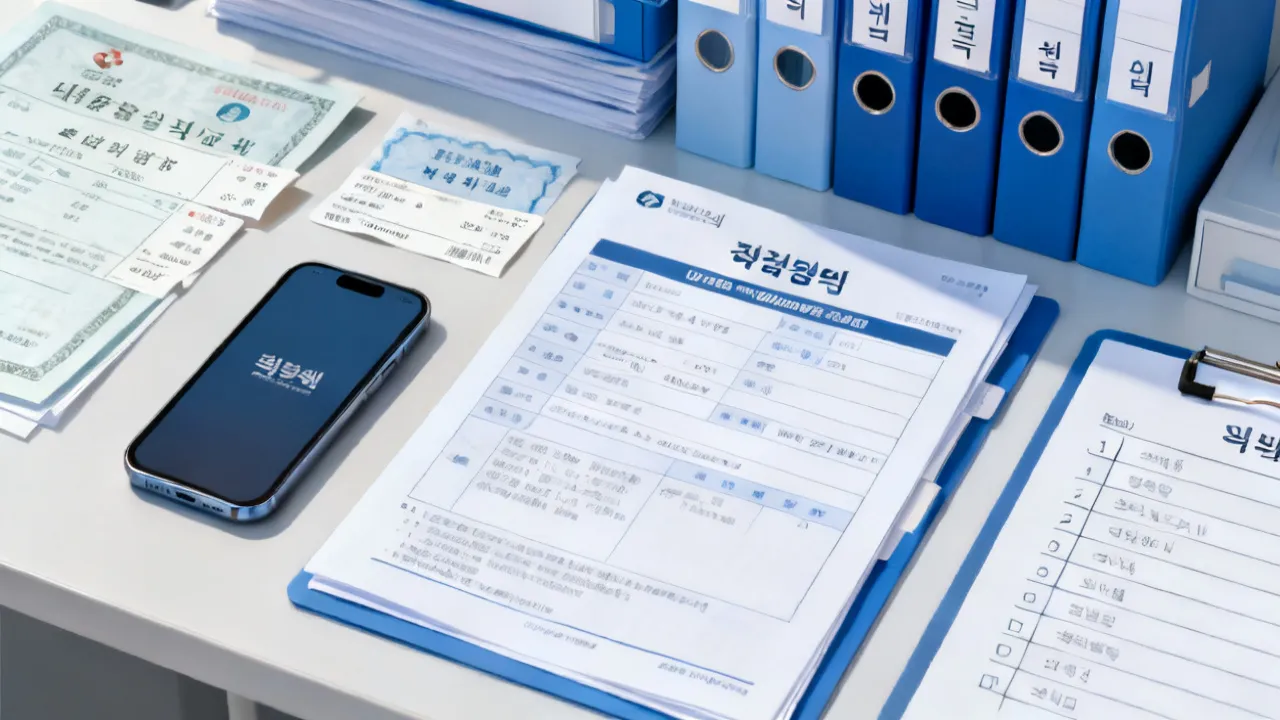
A checklist should be prepared before documents are collected. Begin with the policy or claim portal and identify the claim type. Then separate documents into “normally required,” “potentially requested,” and “not applicable.” This prevents applicants from overlooking an essential form while also reducing unnecessary submissions.
A practical checklist may contain the following sections:
- Policy number and claim type
- Claimant and insured person information
- Claim application form
- Identity or authorization documents, if applicable
- Medical or incident evidence
- Expense, payment, or loss evidence
- Bank account information for payment
- Additional records requested by the insurer
- Submission date and confirmation number
Record the source and issue date of each document. A simple file name such as “2025-03-12_HospitalizationConfirmation_InsuredName” is more useful than a generic name such as “scan001.” Although the year is not part of the keyword itself, accurate dates are essential in actual claim administration.
For a complicated claim, add a short document index. The index might state that item one is the claim form, items two and three are treatment receipts, item four is a hospitalization confirmation, and item five is a payment account document. This is useful when files are uploaded separately or when a later supplementary submission contains only selected records.
It is also helpful to write down the question each document is intended to answer. For example, “This record confirms the admission and discharge dates,” or “This receipt confirms the amount paid for the procedure.” This method reveals gaps early. If no document addresses the date of the incident, for example, the claimant can seek clarification before submitting the package.
Step-by-Step Guide to Submitting an Insurance Claim
Step 1: Identify the Applicable Coverage
Review the policy schedule, coverage summary, and relevant terms. Determine whether the claim concerns medical expenses, hospitalization, surgery, diagnosis, disability, death, accident, property damage, or another benefit. If several coverages may apply, note each one separately rather than assuming that a single form covers every benefit.
Pay attention to definitions, exclusions, waiting periods, deductibles, benefit limits, renewal conditions, and notice requirements. The summary document may be easier to read, but the detailed policy wording usually controls the assessment when there is a question about coverage.
If the event could fall under more than one coverage, list the possible benefits before collecting records. A traffic accident, for instance, may involve medical expense coverage, an accident diagnosis benefit, surgery coverage, hospitalization coverage, disability benefits, or liability issues. The evidence needed for one benefit may not establish another.
Step 2: Confirm the Insurer’s Current Requirements
Document requirements can change because of administrative policy, electronic submission systems, regulatory guidance, or the specific facts of a claim. Check the insurer’s official customer service channel, claims portal, mobile application, or branch instructions. If a representative provides verbal guidance, make a note of the date, the representative’s name or identification if available, and the documents discussed.
Do not rely only on a checklist from an unrelated claim or another insurer. Even similarly named products can have different benefit conditions and evidence requirements.
When speaking with customer service, ask focused questions. Useful questions include whether the claim can be submitted electronically, whether an original document is required, whether a document must contain a particular diagnosis code, whether copies are acceptable, and whether additional evidence may be requested after the initial review.
Step 3: Request Appropriate Records
When requesting medical records, explain the purpose of the request and the benefit being claimed. Ask whether the institution can issue an itemized statement, treatment confirmation, diagnosis document, or surgery record appropriate to that purpose. If the insurer has specified required content, show the request to the institution so that the document can address the relevant factual issue accurately.
For accident or property claims, gather records as soon as practical. Photographs should preserve the original context, including the damaged area and surrounding location where relevant. Repair work, disposal of damaged items, or changes to the scene can make later verification more difficult, subject to safety and legal considerations.
When requesting records, confirm whether the document will be issued in paper or electronic form, how long it will take, and whether a fee applies. If the claim is urgent, ask whether a temporary confirmation can be issued while a more detailed record is being prepared. Any substitute should be accepted by the insurer before relying on it.
Step 4: Check Consistency
Compare the names, dates, diagnosis descriptions, incident details, and amounts across all documents. A minor formatting difference may not matter, but a material discrepancy should be explained before submission where possible.
For example, if a claim form states that an accident occurred on one date while a medical record lists a different accident date, include a short factual explanation or ask the insurer how the discrepancy should be handled. Do not edit an official medical or administrative record yourself. Corrections should be made by the issuing organization through its established process.
Also check whether the claimed amount is based on a gross amount, a paid amount, or an amount after reimbursement. Similar-looking figures can have different meanings. If the amount on a receipt differs from the amount on an itemized statement, determine whether the difference reflects a discount, refund, insurance adjustment, or separate service.
Step 5: Submit Through an Approved Channel
Possible channels may include an insurer’s mobile application, online portal, postal service, customer center, branch office, or an authorized representative. Each channel may have limits on file size, document type, claim amount, or claim category.
Scan or photograph documents so that every page is visible, upright, and readable. Avoid glare, shadows, cropped margins, and low-resolution images. If a document contains multiple pages, upload them in order. Keep the original documents unless the insurer specifically requires physical submission.
Before pressing the final submission button, check the destination and the policy number displayed on the screen. Uploading a document to the wrong claim can create privacy and processing problems. If the system permits a description for each attachment, use it to identify the document and date.
Step 6: Keep a Submission Record
After submission, preserve the confirmation screen, receipt, tracking number, submitted file list, and date. These records are useful if the insurer later asks which documents were provided. They also help applicants distinguish between an initial submission and a later supplementary submission.
Do not assume that an upload screen means the claim has been fully accepted for review. It may only confirm receipt of the files. The insurer may later verify whether the documents are complete and whether the claim falls within the relevant coverage.
Step 7: Respond to Follow-Up Requests Precisely
If an insurer asks for additional information, read the request carefully. It may identify a missing document, a period requiring clarification, a question about causation, or a need to verify the claimant’s authority. Provide a focused response rather than sending a large volume of unrelated material.
If the request is unclear, ask which policy provision or factual issue the document is intended to address. A clear question can reduce repeated submissions and help the applicant understand the status of the claim.
When replying, refer to the claim number in the subject line or cover page. If a requested record is unavailable, say so directly and explain what steps have been taken to obtain it. Silence or an unexplained delay can make the file appear incomplete even when the claimant is actively trying to cooperate.
Medical Claim Documents in Greater Detail
Medical claims are among the most common situations in which people search for 보험금 청구 서류. Yet “medical claim” is a broad category. The appropriate evidence depends on whether the benefit is based on actual expenses, a fixed amount, a diagnosis, a procedure, a period of hospitalization, or a continuing condition.
| Claim situation | Evidence commonly considered | Important point |
|---|---|---|
| Outpatient treatment | Claim form, receipt, itemized medical expense statement, and treatment or diagnosis information when requested | The receipt should be connected to the date and type of treatment. |
| Hospitalization | Hospitalization confirmation, itemized bill, payment record, and relevant medical records | Admission and discharge dates should be consistent across records. |
| Surgery or procedure | Surgical record or confirmation, diagnosis evidence, and expense documentation | The procedure should be identifiable under the policy definition. |
| Prescription or medication | Prescription, pharmacy receipt, and related treatment information where applicable | Medication evidence should correspond to the insured person and treatment period. |
| Diagnosis benefit | Diagnosis certificate or other document specified by the insurer | The diagnosis and required medical wording may be important under the policy. |
This table is a general framework, not a universal submission rule. The insurer may request fewer or additional materials depending on the policy and claim circumstances. A claimant should not assume that a document used successfully in one claim will automatically be sufficient in another.
Hospitalization claims may require particular attention to admission and discharge dates, the reason for admission, the ward or treatment type, and whether the stay satisfies the policy’s definition of hospitalization. A person may have received extensive treatment without every period being treated identically under every policy. The relevant contractual definition should therefore be reviewed carefully.
For surgery claims, the name commonly used by a patient may differ from the terminology used in the policy. A procedure described informally as an operation may be categorized differently in the medical record or policy schedule. The claimant should submit the official procedure record and allow the insurer to compare it with the contractual definition rather than relying on a general description.
Receipts, Itemized Statements, and Medical Certificates
These records serve different purposes. A receipt generally confirms that a payment was made. An itemized statement provides a breakdown of services, charges, adjustments, and amounts paid. A medical certificate or diagnosis document provides clinical or administrative information about the condition and treatment.
For a straightforward expense claim, the insurer may accept a limited set of records under its internal criteria. For a claim involving a higher benefit, a recurring condition, a specific procedure, or questions about coverage, more detailed records may be required. The need for additional material should be assessed against the claim rather than presumed from the document title alone.
Applicants should also distinguish between an estimate and a final payment record. A treatment estimate may help explain expected costs but does not necessarily prove that the service occurred or that the stated amount was paid. Similarly, a medical opinion about a future condition may not establish the date or fact of a completed treatment.
Some institutions issue separate documents for a receipt, an itemized bill, and a payment confirmation. If the insurer’s instructions use one term broadly, ask whether the available document satisfies the intended purpose. Clarifying this point before leaving the institution can save a second visit or another request for records.
Accident, Traffic, and Third-Party Claims
Accident claims often involve more than the claimant and insurer. A driver, employer, property owner, public authority, or another insurance company may also possess relevant evidence. The document package should identify the event without prematurely assigning responsibility beyond what the available records establish.
Useful records may include an accident report, traffic incident confirmation, photographs, repair estimates, medical treatment records, witness information, and correspondence from another insurer. Where an employer is involved, an internal incident report or confirmation of work-related circumstances may be relevant. For a fall or public-place accident, the location, time, maintenance condition, and photographs may help establish the factual setting.
Preserve original photographs and videos when possible. A cropped image may show the injury or damage but omit the surrounding circumstances. When submitting photographs, include the date, location, and a short description if the insurer requests them. Do not rely on social media posts as the primary record, because posts may be compressed, edited, or missing metadata.
In third-party claims, avoid signing a settlement or release without understanding how it may affect other insurance rights. If liability, recovery, or subrogation issues are significant, consider obtaining qualified legal advice. Insurance document preparation should remain factual and should not be used to conceal payments or settlements from a relevant insurer.
Property and Personal Asset Claims
Property claims require evidence of ownership, condition, cause of damage, and repair or replacement cost. Depending on the policy, useful documents may include purchase receipts, warranties, photographs taken before and after the event, repair estimates, invoices, inventory lists, police or fire reports, and proof of disposal or salvage.
For household contents, an inventory made before a loss is particularly helpful, but a claimant may also reconstruct ownership using bank statements, online purchase histories, photographs, warranty registrations, or correspondence with a retailer. The goal is to establish that the item existed, belonged to the claimant or insured household, was damaged or lost during the insured event, and has a value relevant to the policy.
Do not discard damaged property immediately unless safety requires it or the insurer authorizes disposal. If disposal is necessary, photograph the item thoroughly and keep any disposal receipt or official confirmation. The insurer may need an opportunity to inspect the damage, especially where the amount claimed is substantial.
Electronic Documents and Personal Information
Electronic submission can simplify the process, but it creates responsibilities regarding data quality and privacy. Use the insurer’s designated application or portal where possible. Confirm that the recipient is correct before sending documents by email or another channel. Avoid sharing sensitive medical information through an unverified address or messaging account.
Before uploading, check whether the document includes information about another person that is not relevant to the claim. If redaction is appropriate, follow the insurer’s instructions. Do not obscure information that is necessary for identity verification, treatment assessment, or payment calculation.
Store copies in a secure location. Medical records and identity documents should not be left in a publicly accessible folder or on a shared device without protection. When using a photocopy or scanned image, retain a clear record of the original source and page sequence.
File formats and size limits can affect electronic claims. A high-resolution scan may be clear but too large to upload, while excessive compression may make important numbers unreadable. If a portal rejects a file, use an accepted format or contact the insurer rather than repeatedly submitting damaged files. Confirm that multi-page PDF files contain all pages and are not password-protected unless the portal permits protected documents.
Common Reasons for Delay
A delay can arise from several causes, including:
- An unsigned or incomplete claim form
- A missing identity, authorization, or relationship document
- A receipt without sufficient treatment or service information
- A diagnosis document that does not address the claimed benefit
- Different dates or names across submitted records
- Unclear payment account ownership
- Illegible scans or incomplete pages
- Need to verify causation, prior conditions, or third-party responsibility
- A claim submitted under the wrong benefit category
- Additional information required by the policy or applicable procedure
Not all delays are caused by the claimant. An insurer may need time to review complex medical evidence, consult an investigator, confirm third-party facts, or assess a policy interpretation. Nevertheless, a complete and well-organized package can reduce administrative back-and-forth.
Another frequent issue is submitting a document that is technically current but does not cover the relevant period. For example, a treatment confirmation may list only the latest visit even though the claim concerns several visits. Similarly, a repair estimate may be issued after the damage but may not identify the cause or the specific items affected.
Delay may also occur when a claimant submits documents in several separate messages without identifying the related claim. The insurer may receive the files but have difficulty matching them to the correct case. Always include the claim number and a brief description with supplementary material.
How to Handle Missing Documents
If a record is unavailable, explain why and ask the insurer what substitute evidence may be considered. For instance, a medical institution may no longer issue a particular form in the same format, or an applicant may have lost an original receipt. The insurer may identify an alternative record, but acceptance depends on the claim and contract.
Do not create a replacement document yourself or alter a record to make it appear complete. A written explanation, a reissued record, or an official confirmation from the issuing organization is more appropriate. Keep evidence of efforts to obtain the document, such as a request receipt or institutional response, when relevant.
If a document cannot be obtained because the issuing institution has closed, changed its system, or transferred its records, state those facts plainly. The insurer may request another form of verification, such as bank payment records, an electronic treatment history, or confirmation from a successor institution. The substitute should be evaluated by the insurer before the claimant assumes it will be accepted.
Differences Between Initial and Supplementary Submissions
The initial submission establishes the basic claim. A supplementary submission responds to a specific issue or adds material requested during assessment. Label supplementary documents clearly so they can be matched with the existing claim.
A useful supplementary cover note may include:
- Claimant’s name
- Policy number or claim reference number
- Date of the original submission
- List of newly submitted documents
- Short explanation of what each document establishes
- Contact information for follow-up
Keep the explanation factual and concise. The purpose is to guide the reviewer to the relevant material, not to replace the evidence with persuasive language.
When the supplementary submission corrects a misunderstanding, identify the relevant page and explain the correction. For example, state that a newly issued certificate confirms the actual discharge date or that an attached payment statement explains the difference between the billed and paid amounts. Avoid sending multiple versions of the same document without labeling which version is final.
Understanding Assessment Without Assuming the Outcome
Submitting 보험금 청구 서류 does not guarantee payment. The insurer must determine whether the event falls within the insured risk, whether exclusions or limitations apply, whether the claimant meets the contractual requirements, and what amount is payable. A claim can be accepted in full, accepted in part, postponed pending information, or declined according to the policy and facts.
Applicants should distinguish between a request for additional evidence and a final decision. If a decision is unfavorable, ask for the written basis, the relevant policy provision, and the process for requesting reconsideration or using an available dispute-resolution channel. Keep all correspondence and note dates carefully.
An industry expert would also recommend separating factual questions from coverage questions. Factual questions concern what happened, when it happened, what treatment occurred, and what amount was paid. Coverage questions concern whether the policy responds to those facts. Clear documentation helps address the first category; policy interpretation addresses the second.
Claimants should also understand that an insurer may review information beyond the documents initially submitted, subject to applicable law and procedure. For example, the insurer may verify records with a medical institution or request information concerning another responsible party. Any consent or authorization should be read carefully so the claimant understands the scope of the requested handling of personal information.
Professional Practices for Organizing Documents
Use a Claim Folder Structure
Create separate folders for application forms, identity documents, medical records, financial evidence, accident records, correspondence, and submission confirmations. For a paper file, use dividers. For digital records, use descriptive names and maintain a simple index.
Keep a Chronology
A chronological summary can be especially useful for hospitalization, repeated treatment, or accident claims. List the incident date, first consultation, examinations, procedures, admissions, discharge, follow-up appointments, and submission dates. The chronology should reflect the records and should identify uncertainty rather than conceal it.
Separate Original Records from Working Copies
Use copies for sorting and annotation, while protecting originals. If notes are necessary, write them on a separate worksheet rather than on an official certificate or receipt. This preserves the integrity of the source document.
Review Before Sending
Before submission, confirm that the file opens, every page is present, the images are legible, and the documents belong to the correct insured person. Check that the account information is accurate and that signatures or consent fields have been completed where required.
Maintain a Contact Log
Keep a record of calls, emails, portal messages, and in-person visits. Note the date, the channel used, the subject discussed, and any promised next step. A contact log is not a substitute for official written communication, but it helps prevent confusion when a claim remains open for an extended period.
When Professional Assistance May Be Appropriate
Many routine claims can be prepared by the policyholder using the insurer’s instructions. Additional assistance may be appropriate when the claim involves a large number of records, multiple insurers, a disputed diagnosis, a serious accident, a death benefit, a business loss, a legal representative, or a disagreement about coverage.
Assistance should not involve changing facts, coaching a claimant to describe an event inaccurately, or submitting records that do not relate to the claim. A reputable adviser should explain the policy basis, identify missing evidence, distinguish confirmed facts from interpretation, and disclose any applicable fee or conflict of interest before acting.
Before engaging a professional, ask what work will be performed, how fees are calculated, whether expenses are separate, and who will communicate with the insurer. The claimant should retain access to all original documents and receive copies of correspondence submitted on the claimant’s behalf.
Official and Reliable Reference Points
For Korean insurance matters, the primary reference points are the individual insurance contract, the insurer’s official claims guidance, and applicable information from relevant public or regulatory bodies. The Financial Supervisory Service provides consumer-oriented insurance information and complaint-related guidance. The Korea Insurance Development Institute may publish insurance-related reference materials, while the National Health Insurance Service and medical institutions can provide information relevant to medical billing or treatment records. These sources serve different purposes and should not be treated as substitutes for the policy terms.
When reviewing guidance, confirm whether it applies to the specific product, claim category, and date of submission. General consumer information can explain a process, but the actual benefit assessment depends on the contract and verified facts.
Online communities and personal blogs may provide useful practical experiences, but they should be treated cautiously. A document list that worked for one person may reflect a different policy, a different insurer, or a different claim amount. Use unofficial information as a starting point for questions, not as the final authority on what must be submitted.
Practical Quality-Control Checklist
Use the following final review before submission:
- Have you identified the correct policy and benefit category?
- Does the claim form match the policyholder and insured person information?
- Are the incident, treatment, admission, and payment dates consistent?
- Does each claimed amount have supporting financial evidence?
- Does the medical evidence address the benefit being requested?
- Are authorization or relationship documents included when another person submits the claim?
- Are all pages readable, upright, and in the correct order?
- Have you avoided submitting unrelated personal information?
- Have you checked the payment account and account-holder requirements?
- Have you saved the submission confirmation and a copy of the package?
If the answer to any question is uncertain, contact the insurer before final submission or ask for clarification through the official channel. A short confirmation can be more efficient than correcting an avoidable omission later.
For a larger claim, conduct a second review after taking a short break. A fresh review often identifies a missing signature, an unreadable page, an incorrect date, or a duplicate file. If another person helped prepare the documents, ask that person to compare the final package with the insurer’s checklist rather than assuming the first review was complete.
Frequently Asked Questions
What does 보험금 청구 서류 mean?
보험금 청구 서류 means insurance claim documents. It is a general expression for the forms and supporting records used to request payment under an insurance policy. The exact documents depend on the insurer, product, benefit, and facts of the claim.
Is one standard document set used for every insurance claim?
No. Requirements vary. Medical expense claims, hospitalization benefits, diagnosis benefits, accident claims, property claims, and death benefits may require different evidence. The insurer’s current instructions and policy terms should be checked for the specific claim.
Are receipts enough for a medical claim?
Not always. A receipt may establish payment but may not explain the diagnosis, treatment, procedure, or eligibility under the policy. Depending on the claim, the insurer may also request an itemized statement, treatment record, diagnosis document, prescription, or hospitalization confirmation.
Do I need a medical certificate for every outpatient visit?
Not necessarily. Some claims may be assessed using a claim form and payment-related documents, while other claims require more detailed medical evidence. The appropriate requirement depends on the benefit and the insurer’s criteria. Requesting a certificate before confirming its necessity may create an unnecessary administrative burden.
What should I do if the name or date differs between documents?
Do not alter the official record yourself. Identify the discrepancy, contact the issuing organization if a correction is needed, and notify the insurer with a factual explanation. The insurer may request a reissued document or additional evidence.
Can another person submit the claim for me?
In some circumstances, yes, but the insurer may require authorization, identity verification, or proof of relationship. The requirements can differ for minors, legally represented persons, beneficiaries, and cases involving a deceased insured person.
What if I cannot obtain a requested document?
Explain the reason to the insurer and ask whether an alternative record or official explanation can be accepted. Keep evidence of your effort to obtain the document. Never create or modify an official record to fill a gap.
Should I submit every medical record I have?
Not automatically. Submit records relevant to the claim and required by the insurer. Excessive unrelated information can create privacy risks and make review more difficult. If the insurer requests a broader period or specific record, follow that request and clarify its scope when necessary.
How can I prevent a document from being rejected because of poor quality?
Use clear scans or photographs, include every page, avoid glare and shadows, keep the document upright, and verify that text and numbers are readable. Follow the file format and size limits of the insurer’s submission channel.
What should I keep after submitting the claim?
Keep copies of the submitted documents, the claim reference number, submission confirmation, correspondence, supplementary requests, and responses. For paper submissions, retain postal or reception records where available.
Does submitting complete documents guarantee payment?
No. Complete documents support assessment, but payment still depends on coverage, exclusions, contractual conditions, causation, eligibility, and the payable amount established by the insurer.
What can I do if I disagree with the result?
Request the written reason for the decision and identify the relevant policy provision. Review the evidence used in the assessment and ask whether reconsideration or another complaint and dispute-resolution procedure is available. Keep communications factual and retain all supporting records.
How long should I keep claim documents?
Keep them for as long as necessary under the policy, applicable law, potential review period, and any relevant tax or legal requirement. At a minimum, retain the policy information, claim submission, payment decision, and important correspondence. For a disputed or continuing claim, do not discard records until the matter is fully resolved.
Can I submit a claim before all documents are ready?
In some situations, an initial claim can be notified before every supporting document is available. However, the insurer may not complete assessment until the required evidence is received. If a deadline or notice period may apply, notify the insurer promptly and ask which documents can follow later.
What if I have several policies covering the same event?
Identify the policies accurately and ask each insurer how coordination or duplicate recovery rules apply. The payment method can vary depending on whether the benefit is a fixed amount or reimbursement of an actual expense. Do not submit inconsistent descriptions of the event to different insurers.
Conclusion
Preparing 보험금 청구 서류 is primarily an exercise in accuracy, relevance, and organization. Start by identifying the applicable benefit, confirm the insurer’s current requirements, collect records that establish the event and amount, and check the package for consistency before submission. Receipts, medical records, claim forms, identity documents, and incident evidence each serve a distinct role, so no single document should be treated as universally sufficient.
A careful process also protects privacy and reduces unnecessary delay. Use approved submission channels, preserve confirmation records, respond directly to follow-up requests, and distinguish factual evidence from questions of policy interpretation. When the claim is complex or disputed, obtain appropriately qualified assistance while ensuring that every statement and document remains accurate. This disciplined approach gives both the claimant and insurer a clearer basis for fair and efficient review.
The strongest claim package is not necessarily the largest one. It is the package in which the identity of the claimant, the insured event, the relevant dates, the medical or property facts, and the requested amount can be understood without unnecessary speculation. By preparing documents with that structure in mind, applicants can communicate the claim more clearly and handle additional requests more efficiently.