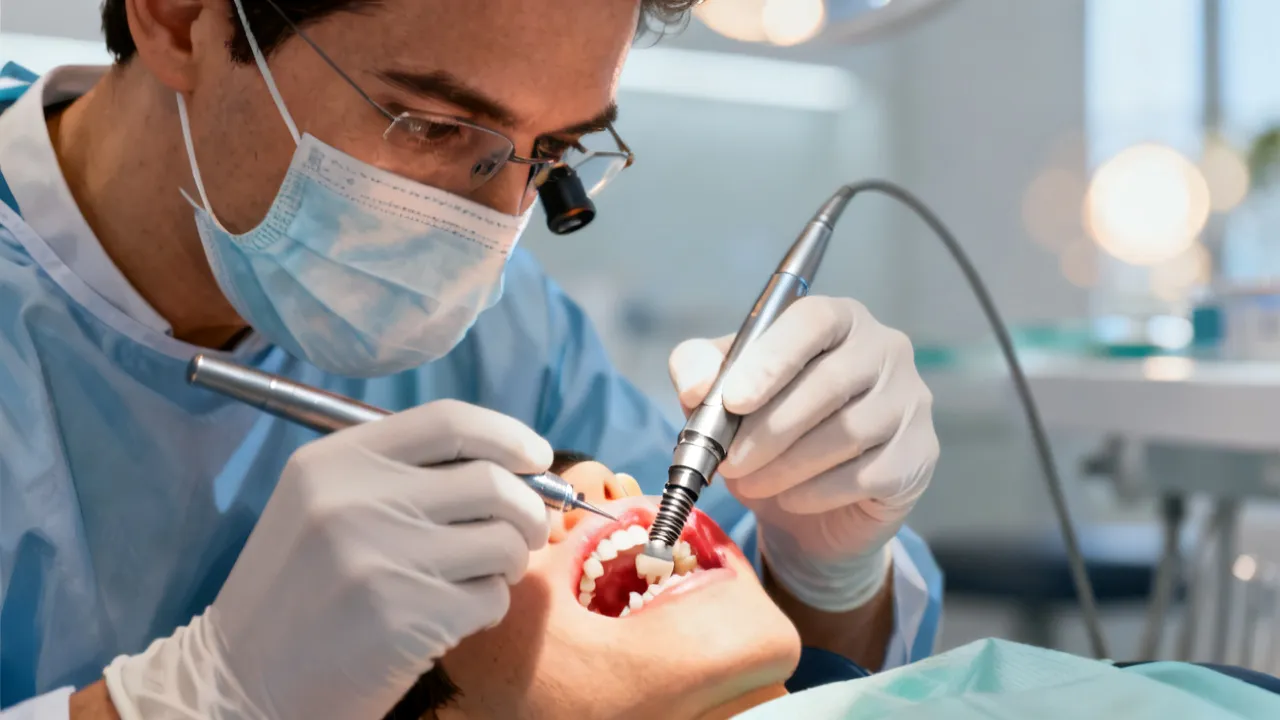
IRM Cement and Low-Cost Dental Implant Planning
This guide explains IRM cement, its composition, clinical uses, limitations, and relationship to temporary dental treatment. It also outlines practical ways to reduce the overall cost of individual dental implants in English-, Spanish-, and Portuguese-speaking markets. Readers will find a comparison of information websites, indicative country-level price ranges, questions to ask a clinic, and safety considerations for selecting qualified dental professionals.
What Is IRM Cement?
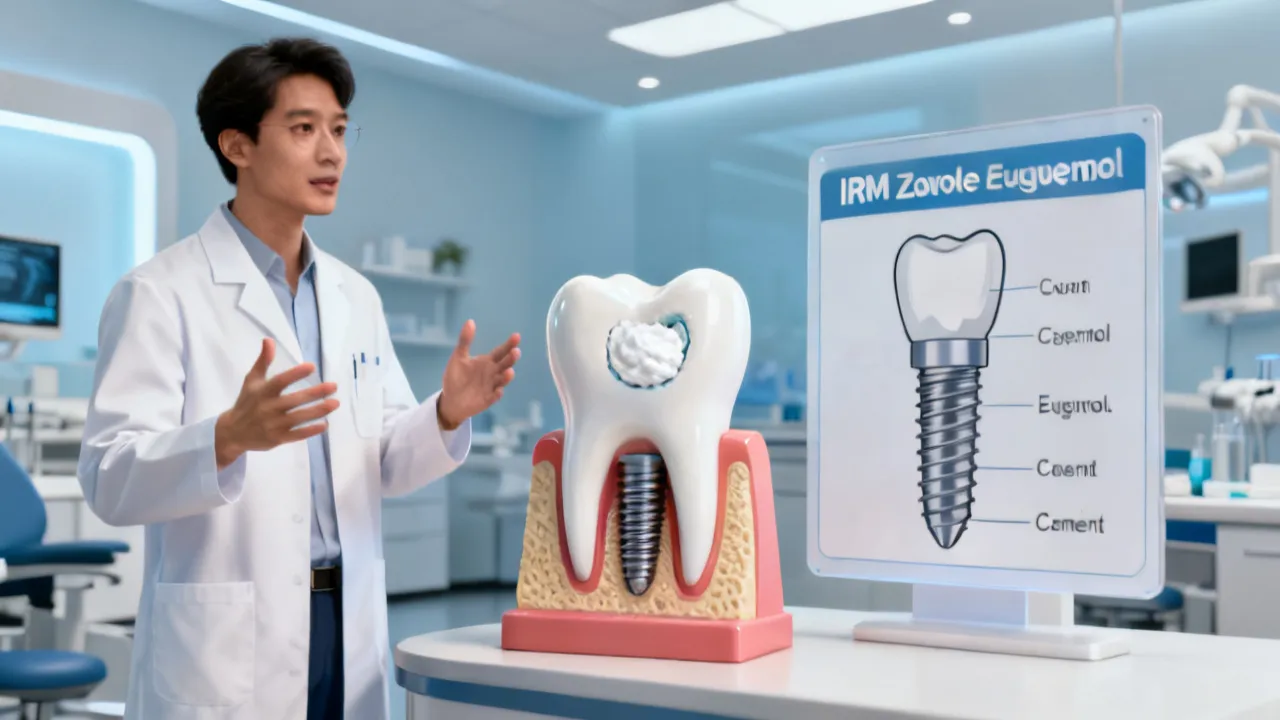
IRM cement is a reinforced zinc oxide–eugenol dental material commonly used for temporary restorations, intermediate restorations, and selected base or lining applications. The name IRM is generally associated with “Intermediate Restorative Material.” It is supplied as a powder and liquid system or in a manufacturer-specific capsule format, and it is mixed to create a workable dental cement.
From a clinical perspective, IRM cement is valued because it is comparatively easy to manipulate, provides a useful temporary seal, and can offer a calming effect for some irritated dentin because of the eugenol component. However, it is not a permanent replacement for a dental implant, implant abutment, crown, or definitive restorative material. Its role is usually temporary or intermediate, and its suitability depends on the tooth, the pulp status, the restorative plan, and the clinician’s judgment.
Patients sometimes encounter IRM cement during staged dental treatment. For example, a dentist may place an IRM restoration after removing decay while monitoring symptoms before deciding whether a permanent filling, root canal treatment, crown, or extraction is appropriate. In implant-related care, IRM may be relevant to a temporary tooth restoration or provisional procedure, but it does not function as the implant fixture itself.
The word “temporary” should not be interpreted as meaning unimportant. A temporary restoration may protect the tooth during a biologically significant period, reduce the risk of contamination, preserve function, and provide information about how the tooth responds. At the same time, a temporary material cannot compensate for an untreated fracture, extensive infection, inadequate remaining tooth structure, or an unfavorable bite. Its value depends on how well it fits into the overall diagnosis and treatment sequence.
Key Clinical Points at a Glance
- IRM cement is mainly a temporary or intermediate restorative material.
- It is based on reinforced zinc oxide and eugenol.
- It should not be confused with implant cement or the titanium implant fixture.
- Eugenol may interfere with the setting or bonding of some resin-based materials.
- A clinician must assess moisture control, bite forces, pulp health, decay, and the planned definitive restoration.
- Dental implant costs should be compared by treatment scope, not by the advertised implant price alone.
- A temporary restoration requires a planned review, even when the tooth feels comfortable.
- Patients should obtain professional advice before attempting to remove or replace IRM at home.
An industry-informed approach is to treat IRM cement as one component of a broader treatment plan. The most important question is not whether IRM is inexpensive or convenient, but whether it is appropriate for the specific clinical objective and whether the temporary material can be removed or replaced safely when definitive care begins.
Composition and Properties of IRM Cement
Traditional zinc oxide–eugenol cement is formed through a reaction between zinc oxide powder and eugenol liquid. Reinforced formulations such as IRM generally include additional strengthening agents that improve compressive strength and handling compared with conventional zinc oxide–eugenol cement. The exact ingredients and performance characteristics vary by manufacturer, so the product’s instructions for use remain important.
The powder and liquid must be proportioned and mixed according to the manufacturer’s recommendations. A mixture that is too wet may be weaker or more difficult to control, while a mixture that is too dry may lack the desired consistency or adaptation. Professional dental equipment, appropriate isolation, and proper placement technique all influence the result.
The material may provide several useful characteristics:
- Sealing ability: It can help protect a prepared cavity from oral fluids and food debris for a limited period.
- Ease of handling: Dental professionals can mix and place it relatively efficiently when the manufacturer’s instructions are followed.
- Short- to medium-term use: It may be selected when the dentist needs time to evaluate symptoms or complete a staged treatment plan.
- Radiopacity in some formulations: Certain products can be identified on radiographs, assisting clinical review.
- Potential soothing effect: Eugenol has historically been associated with a sedative effect on dentin, although this does not eliminate the need to diagnose the underlying problem.
- Useful compressive strength for selected temporary applications: Reinforced formulations can tolerate more functional demand than some conventional temporary cements.
- Relatively simple removal: When the definitive procedure begins, the clinician may be able to remove the material without sacrificing unnecessary tooth structure.
These characteristics do not make IRM suitable for every cavity or every patient. A temporary restoration is exposed to chewing forces, saliva, temperature changes, and bacterial challenge. If it remains in place longer than intended, it can wear, fracture, loosen, or develop marginal leakage. The dentist should therefore explain how long it is expected to remain and what symptoms require an earlier review.
IRM is also not intended to substitute for a sound foundation. If a tooth has very little remaining structure, a large crack, poor periodontal support, or a high-risk occlusion, the material may not remain stable. A temporary restoration can protect a tooth while a decision is being made, but it cannot rebuild all forms of lost anatomy or prevent mechanical failure in every circumstance.
Common Uses in Dentistry
Temporary Restorations
IRM cement may be placed after caries removal when the dentist needs to observe the tooth before completing a permanent restoration. This can occur when the depth of decay makes the condition of the pulp uncertain or when a patient’s symptoms need further assessment.
For example, a tooth with deep decay may be cleaned and sealed temporarily while the dentist observes whether sensitivity settles. If symptoms resolve and the tooth remains healthy, a definitive restoration may be placed. If spontaneous pain, prolonged thermal sensitivity, tenderness, or swelling develops, the diagnosis may change and endodontic treatment or extraction may become necessary.
Intermediate Restorations
An intermediate restoration is used between stages of care. A patient may need treatment over more than one appointment because of infection control, scheduling, diagnostic uncertainty, or the need for a specialist consultation. IRM can protect the tooth during that interval when clinically appropriate.
Intermediate care can be especially useful when a dentist needs to stabilize several clinical factors before selecting a final restoration. These factors may include the patient’s bite, the amount of remaining tooth structure, the condition of the gums, the response of the pulp, or the patient’s ability to maintain a clean treatment area.
Selected Bases or Liners
Some zinc oxide–eugenol materials have been used as bases or liners beneath restorative materials. Modern adhesive dentistry requires careful material selection, however. The final choice may depend on whether the dentist plans to use composite resin, glass ionomer, amalgam, a crown, or another restoration.
A base or liner is not automatically required simply because a cavity is deep. The clinician must consider the thickness of remaining dentin, the condition of the pulp, the type of restoration, moisture control, and the intended bonding procedure. The use of a material under a restoration should be based on a specific clinical purpose rather than routine habit.
Emergency Dental Care
In an urgent appointment, the priority may be to remove obvious irritants, reduce pain, protect exposed tooth structure, and establish a safe follow-up plan. IRM may be considered as part of that temporary strategy, but pain relief does not necessarily mean the underlying disease has been resolved.
Emergency care often provides stabilization rather than a final solution. A broken filling, fractured cusp, lost crown, or open cavity may be protected temporarily while the dentist arranges a more comprehensive restoration. Patients should ask what the emergency treatment accomplished and what further treatment remains necessary.
Temporary Coverage During Root Canal Treatment
During multi-visit endodontic care, a temporary restorative material may be used to close the access opening between appointments. The purpose is to reduce contamination and protect the tooth while treatment progresses. The material must be able to withstand the patient’s functional demands for the expected interval.
Not every endodontic case uses the same material or appointment sequence. The dentist may choose a different temporary cement depending on the tooth, the planned final restoration, and whether a resin-based post or bonded restoration will be placed later.
IRM Cement and Resin-Based Materials
One of the most important technical limitations concerns eugenol and resin-based materials. Eugenol can affect the polymerization or bonding performance of some resin systems. This does not mean that every combination is unsuitable, but it does mean that the treating dentist must consider the next restorative step before placing IRM.
If a tooth is expected to receive a composite restoration, resin cement, or another adhesive restoration, the dentist may select a non-eugenol temporary material instead. The decision may also involve removing residual cement and preparing the surface carefully. Patients should not attempt to scrape out IRM at home, because this may damage the tooth or expose sensitive tissue.
The safest process is to tell the dentist about the planned restoration, any previous temporary material, and any symptoms that developed after placement. Material compatibility is a professional treatment-planning issue rather than a product-selection decision that should be made solely on price.
Material compatibility may also matter when a tooth is expected to receive a laboratory-made crown, inlay, onlay, veneer, or post-retained restoration. The clinician and dental laboratory may need to coordinate the provisional material, the type of cement used for the definitive restoration, and the surface treatment required before bonding. A temporary material that is convenient at the first appointment may not be the ideal choice if it complicates the next stage.
IRM Cement Compared with Permanent Restorative Care
| Material or treatment | Typical role and planning consideration |
|---|---|
| IRM cement | Temporary or intermediate protection; requires follow-up and may not suit later resin bonding. |
| Composite resin | Tooth-colored definitive restoration in selected cases; requires suitable isolation and bonding conditions. |
| Glass ionomer cement | May provide chemical adhesion and fluoride release in selected applications; clinical indications vary. |
| Amalgam | A durable restorative option in selected posterior situations; its use depends on tooth structure, patient preference, regulations, and the treatment plan. |
| Dental crown | Definitive coverage for a structurally compromised tooth when the remaining tooth and supporting tissues are suitable. |
| Dental bridge | A fixed replacement that uses neighboring teeth or implants for support; preparation requirements and long-term maintenance must be discussed. |
| Dental implant | A surgically placed fixture used to support a replacement tooth after extraction or loss; it is unrelated to IRM cement as a structural implant material. |
| Removable partial denture | A removable tooth-replacement option that may be appropriate in selected cases and can have a different initial and maintenance cost. |
An experienced restorative dentist considers the diagnosis, prognosis, occlusion, remaining tooth structure, esthetic requirements, periodontal condition, and patient preferences. A temporary cement may be entirely appropriate for one appointment and unsuitable as a long-term solution in another.
Patients should also understand that “permanent” does not mean that a restoration will last forever. Definitive restorations can eventually require repair or replacement because of wear, fracture, recurrent decay, gum disease, trauma, or changes in the bite. A carefully selected temporary material supports the transition to that definitive treatment; it is not necessarily an indication that the final restoration will be simple or inexpensive.
What Dental Implants Involve
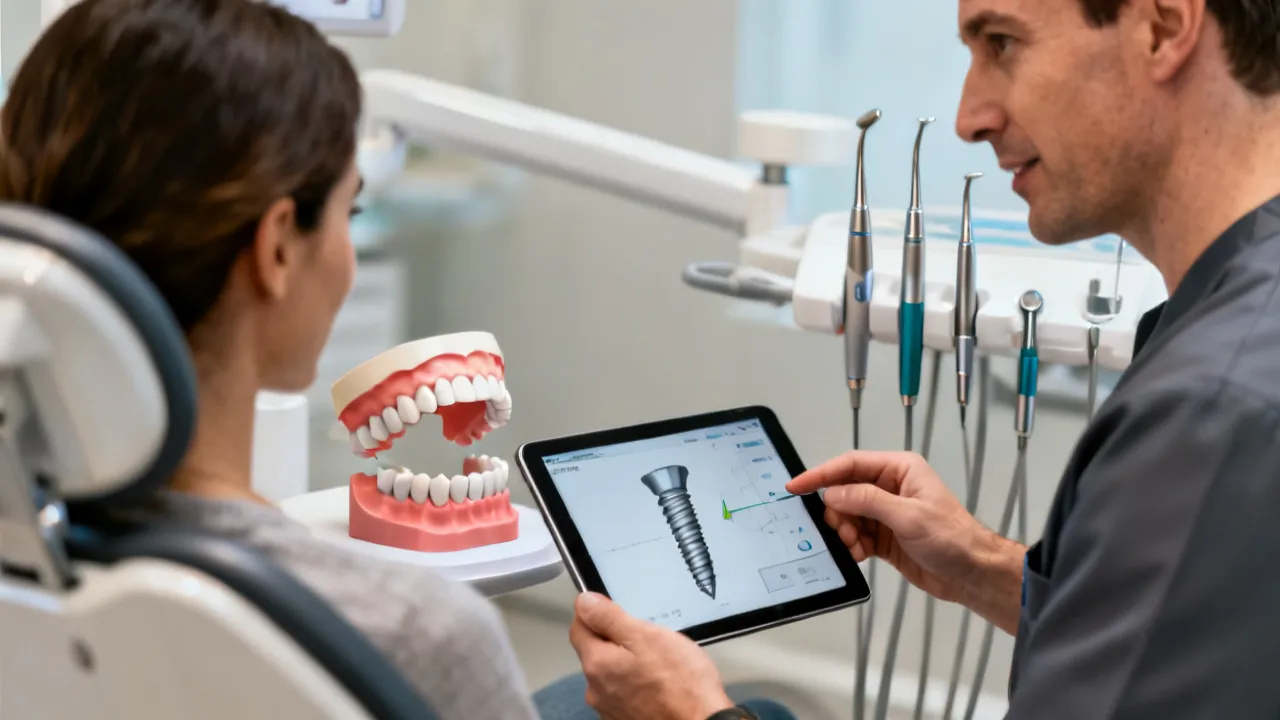
A dental implant is usually a biocompatible fixture placed into the jawbone to support a replacement tooth. The complete treatment may include examination, imaging, extraction when necessary, bone or soft-tissue procedures, implant placement, a healing period, an abutment, and a crown. In selected cases, some stages can be combined, but the sequence depends on bone volume, infection, bite forces, medical history, and the clinician’s protocol.
The implant fixture is commonly made from titanium or another material designed for biological compatibility. It is not a filling material and does not sit inside a cavity in the same way as IRM. After healing or integration, the fixture connects to an abutment, which supports the visible crown or another prosthesis. Each part has a distinct function and may be supplied by different manufacturers or laboratories.
Patients comparing low-cost dental implants should ask whether an advertised figure refers only to the implant fixture or to the entire individual tooth replacement. A quoted implant-only amount may exclude:
- Initial consultation and diagnostic imaging
- Tooth extraction
- Bone grafting or sinus augmentation
- Surgical fees and anesthesia
- Healing abutment or restorative abutment
- Temporary tooth replacement
- Final crown or prosthesis
- Laboratory fees
- Medication and follow-up visits
- Management of complications
- Maintenance and hygiene appointments
- Adjustment or replacement of worn prosthetic components
For this reason, a lower headline price does not automatically represent lower total expenditure. The proper comparison is a written, itemized treatment plan that states the implant brand or system, the restorative components, the number of appointments, the expected timeline, and the circumstances that could change the estimate.
Indicative Cost Ranges for Individual Dental Implants
The following table presents the requested reference ranges for an individual dental implant in selected English-, Spanish-, and Portuguese-speaking markets. These figures should be interpreted carefully. They may describe an implant-related treatment estimate rather than a complete, identical package in every location, and currencies are shown as provided. They are not a substitute for a current quotation from a licensed dental clinic.
| Country | Currency | Indicative price range for one individual dental implant |
|---|---|---|
| United States | USD | US$3,000–US$6,000 |
| United Kingdom | GBP | £2,000–£2,500 |
| Australia | AUD | AU$3,500–AU$6,500 |
| Canada | CAD | CA$3,000–CA$5,500 |
| Spain | EUR | €1,500–€2,500 |
| Chile | CLP | CLP$800,000–CLP$1,500,000 |
| Mexico | MXN | MX$15,000–MX$25,000 |
| Colombia | COP | COL$2,000,000–COL$4,000,000 |
| Peru | PEN | S/ 3,000–S/ 6,000 |
| Argentina | ARS | ARS$80,000–ARS$150,000 |
| Brazil | BRL | R$3,000–R$8,000 |
| Portugal | EUR | €1,000–€2,000 |
Price differences can reflect labor costs, laboratory expenses, imported components, taxes, regional demand, imaging requirements, clinical complexity, implant brand, and exchange-rate movement. A country with a lower quoted amount may still require travel, accommodation, interpretation, local transport, and additional visits. Those costs should be included in the patient’s comparison.
Currency values can change substantially, particularly in markets with inflation or exchange-rate volatility. A price that appeared current when a webpage was published may not represent the amount a clinic charges today. Patients should ask when the estimate was prepared, how long it remains valid, and whether the price is fixed or subject to changes in laboratory or imported-component costs.
How to Obtain Dental Implants at Lower Cost in English-Speaking Countries
-
Confirm that an implant is the right treatment.
Ask whether a natural tooth can be restored safely, whether a bridge is clinically suitable, or whether a removable prosthesis could meet the functional objective. The least expensive treatment is not necessarily the best treatment, but avoiding an unnecessary procedure can reduce risk and expenditure.
-
Request a complete written estimate.
Ask the clinic to separate consultation, imaging, extraction, implant surgery, abutment, crown, temporary replacement, and follow-up charges. Confirm whether the quote includes laboratory work and ordinary post-operative reviews.
-
Compare qualified clinics rather than advertisements alone.
Check the dentist’s registration with the relevant national or regional regulator. Review the clinic’s infection-control information, implant experience, aftercare policy, and diagnostic process. A low headline price should not replace professional credentials.
-
Ask about dental insurance and employer plans.
Coverage for implants varies considerably. Some plans classify implants as major restorative care, while others impose waiting periods, annual limits, exclusions, or restrictions on bone grafting and crowns. Obtain written confirmation before relying on a benefit.
-
Use staged treatment where clinically appropriate.
Some patients may need infection control or extraction before implant placement. Staging can make payment and scheduling more manageable, but it should follow a biological treatment plan rather than being used solely to reduce the first invoice.
-
Ask about accredited teaching clinics or public dental services.
University dental centers may offer supervised care at different fee levels. Availability, eligibility, waiting times, and the involvement of students or residents vary. Patients should understand who will perform each stage and who provides clinical oversight.
-
Maintain the surrounding teeth and gums.
Periodontal disease, untreated decay, smoking, and poor oral hygiene can increase treatment complexity and threaten the long-term result. Preventive care may reduce the need for additional procedures later.
-
Compare total cost rather than implant fixture cost.
Ask whether the crown, abutment, imaging, and maintenance are included. A clinic that charges more initially may provide a more complete package with fewer unexpected additions.
-
Ask whether payment plans affect the treatment price.
Financing may make care easier to manage, but interest, administrative charges, and missed-payment conditions can change the total. Compare the cash price with the full amount payable under financing.
How to Obtain Dental Implants at Lower Cost in Spanish-Speaking Countries
-
Seek an evaluation in the patient’s preferred language.
Clear communication is essential for informed consent. Spanish-speaking patients should be able to discuss medical conditions, medications, allergies, previous dental treatment, material choices, and the expected number of visits without relying on assumptions.
-
Compare local clinics with established dental networks.
In Spain, Mexico, Chile, Colombia, Peru, Argentina, and other Spanish-speaking markets, prices may vary between major cities, regional areas, private clinics, university services, and dental networks. Compare credentials, treatment scope, warranty terms, and aftercare rather than choosing solely by price.
-
Ask for the implant system and restorative components in writing.
Patients should know the manufacturer or system used, the type of abutment, the crown material, and the documentation provided after treatment. This information can be important if future maintenance is needed in another clinic.
-
Clarify whether bone grafting is included.
Bone deficiency may require an additional procedure. The need for grafting is determined through clinical examination and imaging, not by a general online price. Ask what happens if the surgeon finds inadequate bone during treatment.
-
Review financing conditions carefully.
Some clinics offer installment arrangements or staged payments. Patients should examine the total amount, administrative charges, cancellation conditions, and whether laboratory or imaging expenses are billed separately.
-
Plan travel cautiously if considering treatment abroad.
Patients should allow time for examinations, surgery, healing, restoration, and follow-up. Returning home immediately after surgery may complicate management of swelling, infection, or an unexpected adjustment. Travel insurance may not cover elective dental treatment or related complications.
-
Obtain an aftercare and complication policy.
Ask who will treat a loose implant, fractured crown, infection, or persistent pain. Determine whether the policy applies only when the patient returns to the original clinic and whether travel costs are excluded.
-
Check how records are provided.
Request copies of radiographs, scans, implant identification labels, surgical notes, and invoices. These records make future care easier if the patient moves or requires treatment from a different dentist.
How to Obtain Dental Implants at Lower Cost in Portuguese-Speaking Countries
-
Request a detailed orçamento or written treatment budget.
In Portuguese-speaking markets, patients should ask for a clear breakdown of consultation, imaging, surgery, implant components, crown, laboratory work, and maintenance. Confirm whether the quoted value applies to one tooth and whether taxes or additional procedures are excluded.
-
Verify professional registration.
Patients should confirm the dentist’s registration with the appropriate professional authority in the jurisdiction where treatment will occur. A clinic’s online presentation is useful for initial research, but it is not a substitute for regulatory verification.
-
Compare implant brands and long-term support.
Different systems can have different component availability. A patient who may relocate should ask whether replacement parts and compatible restorative services are accessible in the likely future location.
-
Consider teaching hospitals and established dental clinics.
Dental schools and larger clinics may provide structured care, although eligibility and waiting periods vary. Patients should ask who supervises the procedure, which stages are performed by students or residents, and how emergencies are handled.
-
Review preventive and periodontal treatment before surgery.
Controlling gum inflammation and improving oral hygiene can help create a healthier environment for implant treatment. Delaying necessary periodontal care to preserve a low initial quote may increase later costs.
-
Include maintenance in the financial plan.
Implants require ongoing professional review and daily home care. A cost comparison should include periodic examinations, hygiene appointments, replacement of worn prosthetic components, and treatment of the natural teeth.
-
Ask what the quoted crown includes.
A crown may be made from different materials, such as ceramic, zirconia, or a metal-ceramic combination. The aesthetic and mechanical requirements vary by location in the mouth, and the material can affect the total price.
Websites Providing Information on Low-Cost Dental Implants
The following websites represent different types of information sources, including clinic pages, dental-tourism services, insurance information, and multilingual patient education. They should be used for background research, not as a substitute for an examination or individualized treatment plan.
| Website or organization | Type of information and useful features |
|---|---|
| Dental Views | Discusses low-cost dental implants, possible treatment types, benefits, cost considerations, and common patient questions. |
| Atlantic Dental Group | Clinic-based information covering general dentistry, implants, orthodontics, cleaning, and emergency dental services. |
| DentaVacation | Explains dental tourism, international treatment planning, destination comparisons, and travel-related considerations. |
| American Dental Health Plans | Provides information about dental insurance plans, coverage options, eligibility, and ways insurance may affect treatment expenses. |
| Rockville Dental Arts | Spanish-language clinic information on implants, preventive care, cosmetic dentistry, orthodontics, and emergency services. |
| Union City Mini Dental Implants | Spanish-language information focused on mini dental implants and their potential clinical applications. |
| Cigna Dental Implant Guide | Spanish-language educational material explaining implant treatment and related insurance considerations. |
| Rubi Odonto | Portuguese-language clinic information covering orthodontics, whitening, implants, and general dental care in Brazil. |
| Odontologia Velasco | Portuguese-language information on implants, prostheses, esthetic dentistry, and technology used in clinical treatment. |
| DentalVidas | Information about dental plans, network access, family and business plans, and emergency dental services. |
Source: The information in the comparison above was rephrased from the websites listed below.
source: www.dentalviews.com
source: www.atlanticdentalgrp.com
source: www.dentavacation.com
source: www.rockvilledentalarts.com/es
source: www.unioncityminidentalimplants.com/es
source: www.cigna.com/es-us/knowledge-center/guide-to-dental-implants
source: www.rubiodonto.com.br
source: www.odontologiavelasco.com.br
source: www.dentalvidas.com.br
How to Evaluate a Low-Cost Implant Offer
Patients should begin by separating the clinical question from the financial question. First, determine whether the proposed treatment is appropriate. Second, determine whether the provider is qualified and whether the plan is sufficiently detailed. Only then should the price be compared with other offers.
1. Check the diagnosis
A responsible assessment normally considers the missing tooth, adjacent teeth, gum condition, bite, bone volume, medical history, medications, smoking status, and expectations. A panoramic radiograph or three-dimensional scan may be recommended depending on the situation. Imaging should be clinically justified and interpreted by the treatment provider.
The patient should understand whether the tooth is missing because of decay, fracture, periodontal disease, trauma, or a failed previous restoration. The cause can influence the condition of the bone and the health of nearby teeth. If infection or gum disease is active, it may need to be managed before implant placement.
2. Confirm the complete treatment sequence
Ask whether the plan includes extraction, healing, implant placement, provisional restoration, abutment placement, crown delivery, and reviews. If the patient is traveling, ask how many trips are expected and how long each visit may last.
A written timeline should distinguish the surgical stage from the restorative stage. Some patients receive an immediate temporary tooth, while others need a removable temporary appliance during healing. The expected time between stages can vary, and a treatment plan that does not explain this may be difficult to compare with another offer.
3. Review the provider’s qualifications
Implant placement can involve surgical and restorative expertise. Depending on the case, treatment may be provided by a general dentist with implant training, a prosthodontist, an oral surgeon, a periodontist, or a coordinated team. The important issue is whether the provider’s training and experience match the complexity of the case.
Patients can ask how often the clinician performs implant surgery, what types of cases are routinely treated, and how complications are managed. These questions are not meant to challenge the provider; they help establish whether the clinic has a structured approach to diagnosis and follow-up.
4. Ask for realistic outcome information
No ethical clinician can guarantee that every implant will integrate or that a crown will never require adjustment. Ask about common complications, maintenance, expected healing, and what happens if the implant does not integrate. Clear discussion of uncertainty is a sign of sound clinical communication.
Possible complications may include infection, discomfort, delayed healing, implant instability, nerve symptoms, sinus-related problems in selected upper-jaw cases, crown fracture, screw loosening, and inflammation around the implant. The probability and relevance of each issue depend on the individual patient and should be discussed in context.
5. Examine the warranty language
A written warranty may apply to a component rather than the entire treatment. It may exclude smoking, poor hygiene, trauma, missed appointments, or treatment performed elsewhere. Patients should read the conditions carefully and ask whether replacement surgery, laboratory costs, and travel expenses are included.
A warranty is not the same as a guarantee of biological success. It may describe how a clinic responds if a prosthetic component fails, but it may not cover every surgical or medical circumstance. Patients should request a copy before paying a deposit.
6. Avoid making a decision from testimonials alone
Reviews can describe communication and service experience, but they cannot establish that a particular procedure is suitable for every patient. Clinical records, examination findings, professional credentials, and transparent consent documents are more important than promotional claims.
7. Confirm ownership of records and implant information
Patients should receive copies of relevant records, including diagnostic images, treatment notes, implant labels, and restorative details. Implant identification information can help another dentist locate compatible components in the future, especially if the patient moves or the original clinic closes.
8. Ask about infection-control procedures
A low-cost offer should never depend on reduced standards of sterilization, disposable barriers, surgical preparation, or emergency readiness. Patients can ask how instruments are sterilized, how surgical rooms are prepared, and how the clinic manages post-operative complications. A professional clinic should be able to explain these procedures clearly.
IRM Cement During Staged Dental Treatment
A temporary IRM restoration may be useful while a dentist determines whether a tooth can be maintained. Patients should receive instructions about chewing, oral hygiene, sensitivity, and the planned review date. Hard or sticky foods may place additional stress on a temporary restoration, especially when it is placed on a heavily loaded back tooth.
Patients should contact the clinic if the restoration falls out, the tooth becomes increasingly painful, swelling develops, the bite feels uneven, or the tooth becomes sensitive to hot and cold for longer than expected. Severe swelling, difficulty swallowing, difficulty breathing, fever, or rapidly increasing pain requires urgent professional assessment.
It is also important to understand that IRM does not sterilize a tooth or cure an abscess by itself. If the underlying condition involves irreversible pulp inflammation or infection, the dentist may recommend root canal treatment, extraction, or another definitive intervention. Delaying review because the temporary material appears intact can allow disease to progress without obvious symptoms.
Good oral hygiene should continue around a temporary restoration, although patients may need to brush gently in the area initially. Flossing technique may require special instructions if the material extends between teeth. A dentist or hygienist can explain whether the patient should pull floss through the contact rather than lifting it upward, depending on the restoration’s shape and stability.
A temporary restoration may feel slightly different from the original tooth for a short period. Minor roughness or awareness can occur, but a restoration that feels high when biting should be reported. An uneven bite can place excessive force on the temporary material and the tooth beneath it.
Questions to Ask Before Treatment
- Why is IRM cement being recommended for this tooth?
- How long should the temporary restoration remain in place?
- What definitive treatment is expected afterward?
- Could the eugenol component affect the planned resin or adhesive restoration?
- What symptoms require an earlier appointment?
- For an implant, does the quotation include the fixture, abutment, crown, imaging, surgery, and follow-up?
- Which professional will perform each stage?
- What implant system and crown material are proposed?
- What happens if bone grafting or an additional procedure is required?
- How will complications be managed if treatment is performed far from home?
- Are payment plans, insurance benefits, or teaching-clinic options available?
- What maintenance appointments will be needed after the crown is fitted?
- Will the clinic provide copies of implant identification records and imaging?
- How long is the quotation valid?
- Are travel, accommodation, translation, or emergency visits included?
Health Conditions and Requirements Before Implant Surgery
Dental implant treatment requires an individualized medical and dental assessment. Certain conditions do not automatically prevent treatment, but they may require coordination with a physician or changes in timing. Relevant factors can include uncontrolled diabetes, active gum disease, heavy smoking, immune-system disorders, previous radiation therapy involving the jaws, medications affecting bone metabolism, and conditions that influence wound healing.
Patients should provide a complete medication list, including prescription drugs, supplements, and anticoagulants. They should not stop medication without advice from the prescribing clinician. Pregnancy, recent surgery, allergies, and previous reactions to anesthetic or dental materials should also be discussed.
Good home care and professional maintenance are important before and after implant placement. An implant is not immune to inflammation. Bacteria can affect the gum and bone around an implant, just as they can affect natural teeth and supporting tissues. Regular brushing, interdental cleaning, professional reviews, and attention to bite changes help protect the result.
Smoking deserves particular attention because it can affect healing and increase the risk of complications. Patients who smoke should discuss cessation or reduction with the dental team before surgery. The clinician may recommend delaying treatment until oral-health risks are better controlled.
Patients with a history of gum disease should understand that implant treatment does not remove the need for periodontal care. The same bacteria and habits that contributed to tooth loss can affect tissues around an implant. Long-term implant planning therefore includes maintenance of both the implant and the remaining natural teeth.
Dental Tourism: Financial Benefits and Practical Risks
Traveling for treatment can create an apparent price advantage, especially where clinic fees and laboratory costs differ from those in the patient’s home market. However, the calculation should include transportation, accommodation, meals, currency conversion, time away from work, travel companions, communication, and the possibility of an additional trip.
Implant treatment also involves biological healing that cannot always be compressed to match a travel itinerary. A clinic may provide a temporary tooth during one visit and the final crown during another. If an implant becomes painful or unstable after the patient returns home, communication between the original clinic and a local dentist may be difficult.
Before traveling, patients should obtain copies of the treatment plan, imaging, implant identification records, operative notes, and invoices. They should ask whether the clinic provides emergency contact support and whether a local professional can perform follow-up care. A low-cost plan is less attractive if the patient cannot obtain compatible components or timely management later.
Patients should also consider the legal and practical implications of receiving treatment in another country. Professional regulation, complaint procedures, consumer protections, and malpractice systems vary. A patient may have limited options if treatment fails after returning home. This does not mean that international treatment is always inappropriate, but it does mean that due diligence should be more extensive.
Expert Perspective on Value and Long-Term Cost
From an industry perspective, value in dentistry is best measured by appropriate diagnosis, technical quality, continuity of care, and transparent communication—not by the lowest initial number. A properly selected temporary material such as IRM can be useful when it supports a clear treatment sequence. Conversely, leaving a temporary restoration without review can create avoidable risk.
The same principle applies to implants. A durable outcome depends on patient selection, surgical planning, tissue health, implant positioning, prosthetic design, occlusion, hygiene, and maintenance. Two prices may look different because one includes the crown and follow-up while the other refers only to a surgical component.
Patients can improve financial clarity by asking for two documents: a clinical treatment plan and an itemized financial estimate. The clinical plan explains what will be done and why. The financial estimate explains what each stage costs and what circumstances may change the total. Keeping those documents together makes it easier to compare clinics objectively.
Preventive dentistry also has an economic role. Treating early decay, controlling gum disease, using a night guard when clinically indicated, and attending periodic reviews may reduce the chance of emergency treatment or premature prosthetic replacement. These measures cannot eliminate all risks, but they can support better long-term value.
Frequently Asked Questions
Is IRM cement the same as dental implant cement?
No. IRM cement is a reinforced zinc oxide–eugenol restorative material mainly used for temporary or intermediate dental restorations. A dental implant is a fixture placed in the jawbone, while implant-supported restorations may use specific abutment and luting materials selected for the prosthetic design.
Can IRM cement be used permanently?
IRM is generally intended for temporary or intermediate use, although the appropriate duration depends on the product, tooth, loading conditions, and clinical plan. Patients should follow the dentist’s review schedule rather than assuming that an intact temporary restoration can remain indefinitely.
Does IRM cement relieve tooth pain?
It may protect exposed dentin and may have a soothing effect in selected situations, but it does not diagnose or eliminate every cause of dental pain. Persistent or worsening pain requires professional reassessment.
Can IRM be placed under composite resin?
The answer depends on the product, the clinical situation, and the resin system. Eugenol may interfere with the setting or bonding of some resin-based materials. The dentist may remove residual IRM thoroughly or select a non-eugenol alternative when adhesive treatment is planned.
Is a low-cost dental implant always a good choice?
No. Price alone does not show whether the diagnosis is correct, the provider is qualified, the implant system is documented, or follow-up is adequate. Compare the complete treatment scope, credentials, components, aftercare, and complication policy.
What does the cost of one dental implant usually include?
It varies. Some estimates include the implant fixture, abutment, and crown, while others cover only surgery or the fixture. Always request an itemized quotation and ask about imaging, extraction, bone grafting, temporary teeth, laboratory costs, and maintenance.
Can dental insurance cover implants?
Some plans provide partial benefits, while others exclude implants or impose waiting periods, annual limits, or alternative-treatment clauses. Patients should obtain a written coverage decision from the insurer before scheduling treatment.
Are mini dental implants less expensive?
They may have a different treatment cost, but they are not a universal substitute for conventional implants. Their indication depends on the missing tooth, bone, bite, prosthetic design, and the clinician’s assessment. A lower initial price does not establish that they are suitable or provide equivalent treatment in every case.
How can a patient reduce implant expenses safely?
Obtain several detailed assessments, compare complete treatment plans, investigate insurance or supervised teaching clinics, address gum disease early, ask about staged care, and include travel and maintenance in the calculation. Do not reduce cost by skipping necessary imaging, follow-up, or infection control.
What should a patient do if an IRM restoration falls out?
Contact the dental clinic for advice and an appointment. Keep the area clean, avoid placing household materials into the cavity, and avoid chewing hard foods on that side until assessed. Urgent symptoms such as swelling, fever, or difficulty swallowing require prompt care.
Can IRM cement be purchased and placed at home?
Dental cement should not be used as a do-it-yourself treatment. A temporary filling placed without diagnosis may conceal decay, trap bacteria, interfere with the bite, or delay necessary treatment. Professional placement also allows the dentist to evaluate the pulp, tooth structure, and surrounding tissues.
How long does a dental implant take?
The timeline varies from patient to patient. Some cases can proceed with fewer surgical stages, while others require extraction healing, bone grafting, implant integration, and a later crown appointment. The dentist should provide an individualized schedule rather than relying on a general promise of rapid treatment.
Can a patient travel home immediately after implant surgery?
Travel timing depends on the procedure, the patient’s health, and the clinician’s instructions. Patients should discuss flight timing, swelling, bleeding, medication, access to emergency care, and the need for a post-operative review before making travel arrangements.
Conclusion
IRM cement remains a useful material in carefully selected temporary and intermediate restorative situations. Its reinforced zinc oxide–eugenol formulation can protect a tooth while the dentist evaluates symptoms or prepares definitive care, but it is not a permanent restoration and is not a dental implant material. Its compatibility with future resin-based treatment must be considered at the planning stage.
For patients researching low-cost dental implants, the most reliable strategy is to compare complete, documented treatment plans from qualified providers. Country-level prices can help establish a preliminary reference point, but they do not account for every clinical or travel expense. A safe decision combines affordability, diagnosis, material compatibility, professional credentials, continuity of care, and long-term maintenance.
Whether the immediate issue is a temporary IRM restoration or a planned implant, the patient should know what has been done, what remains to be completed, how long each stage is expected to take, and who will provide follow-up. A transparent treatment plan protects both clinical quality and financial decision-making.
References and Links
- Dental Views: Low-Cost Dental Implants
- Atlantic Dental Group
- DentaVacation
- Rockville Dental Arts, Spanish Website
- Union City Mini Dental Implants, Spanish Website
- Cigna: Guide to Dental Implants in Spanish
- Rubi Odonto
- Odontologia Velasco
- DentalVidas
Disclaimer
1. The information above comes from online resources, and the data is as of October 2023.
2. Dental implant prices are for reference only and may vary by region, clinic, doctor, treatment complexity, materials, laboratory fees, exchange rates, insurance coverage, and required follow-up care. IRM cement indications and material compatibility should be assessed by a qualified dental professional for each individual patient.
3. This information is educational and does not replace an examination, diagnostic imaging, informed consent discussion, or individualized advice from a licensed dentist. Patients experiencing severe pain, facial swelling, fever, uncontrolled bleeding, difficulty swallowing, or difficulty breathing should seek urgent professional care.