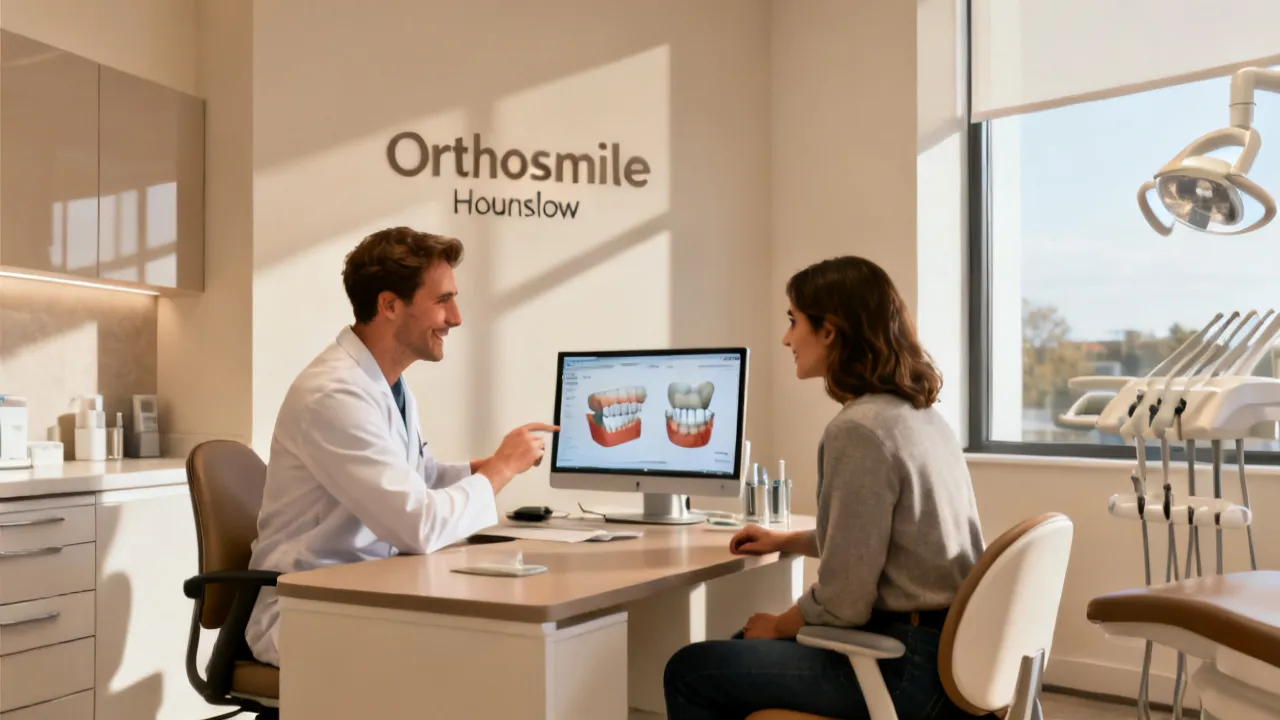
Understanding 미니쉬 단점 Before Treatment
This guide examines 미니쉬 단점, including enamel reduction, treatment suitability, durability, maintenance, cost, and the risk of unrealistic cosmetic expectations. Minish-style treatment is generally discussed as a minimally invasive aesthetic approach for improving the appearance of selected teeth, but it is not appropriate for every patient. A careful examination, evidence-based planning, and comparison with veneers, crowns, orthodontics, and whitening are essential before deciding.
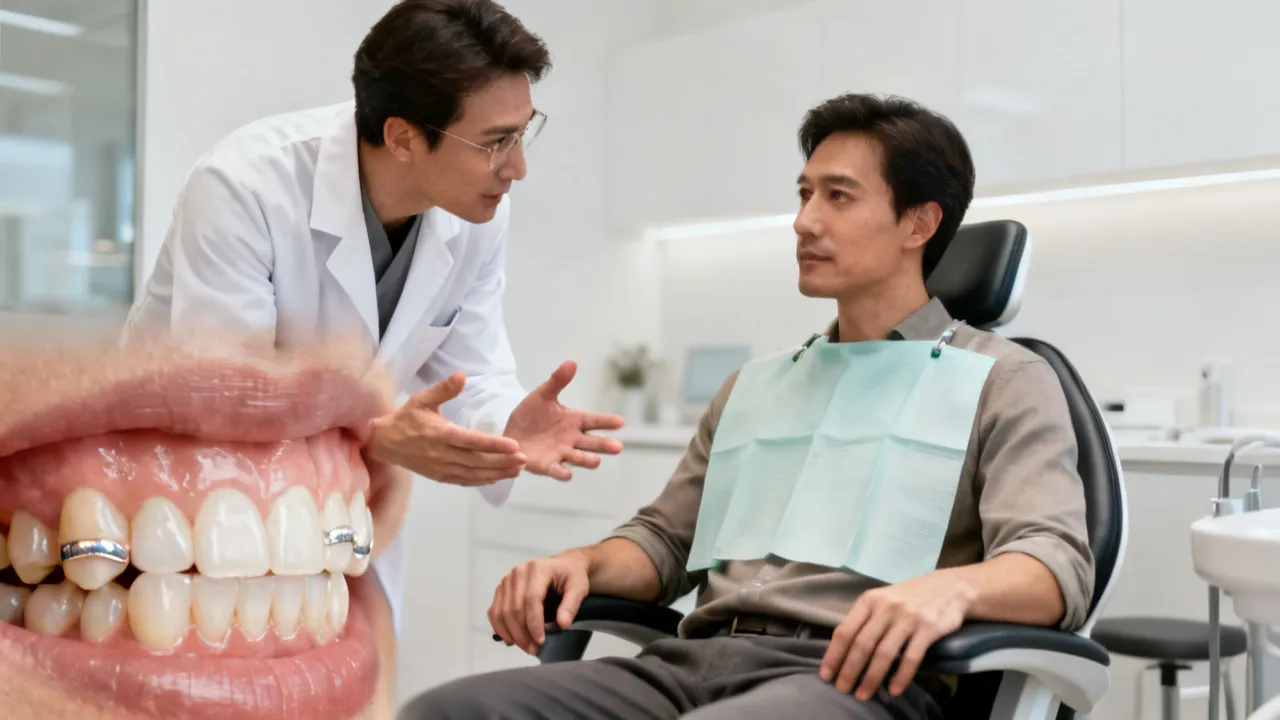
What 미니쉬 Means in Cosmetic Dentistry
The Korean term 미니쉬 is commonly associated with a minimally invasive cosmetic dental approach designed to improve the shape, color, alignment, or surface appearance of teeth. In practical discussions, it is often connected with thin ceramic or tooth-colored restorations placed on the visible surfaces of teeth. The exact material, preparation method, laboratory process, bonding system, and clinical protocol may differ between dental clinics, so the name alone does not describe one universally standardized procedure.
For patients researching 미니쉬 단점, the most important point is that “minimally invasive” does not mean “without biological, functional, or financial considerations.” Even a conservative restoration can involve some enamel preparation, bonding, occlusal adjustment, maintenance, and eventual replacement. A patient may also need treatment for cavities, gum disease, tooth wear, cracked teeth, or bite problems before cosmetic work begins.
In many cases, the restoration is intended to create a more uniform smile by changing the visible length, width, contour, brightness, or surface texture of one or more teeth. The goal may be subtle correction, or it may involve a more noticeable smile transformation. These goals are not identical. A patient seeking a small improvement may need only limited treatment, while a patient seeking a dramatic change in color and alignment may require more teeth, more laboratory planning, or a different treatment sequence.
From an industry expert’s perspective, the quality of the diagnosis is usually more important than the promotional name of a treatment. A suitable cosmetic restoration should be selected after reviewing enamel thickness, gum position, tooth color, bite forces, previous dental work, oral hygiene, facial proportions, speech, and the patient’s long-term expectations. The same treatment may be conservative for one person but inappropriate for another.
Key Findings About 미니쉬 단점
- Not every tooth is suitable: Severe crowding, extensive decay, inadequate enamel, active gum disease, major fractures, or strong grinding may reduce suitability.
- Some tooth preparation may still be required: A thin restoration may need space, and the amount depends on the desired change and the existing tooth position.
- It is not necessarily permanent: Bonded ceramic or resin restorations can chip, debond, stain at the margins, or require replacement over time.
- Cosmetic improvements do not correct every functional problem: A restoration may mask appearance while leaving bite instability or jaw-related concerns unresolved.
- Color selection has limitations: Once a ceramic restoration is placed, the shade cannot be lightened in the same way as natural enamel.
- Costs vary substantially: The final price depends on the number of teeth, material, laboratory, preparation, dentist, location, and additional treatment.
- Maintenance remains necessary: Regular examinations, professional cleaning, careful brushing, and management of bruxism may be required.
- Future treatment can be more complicated: If natural tooth structure is altered or a restoration repeatedly fails, later treatment may require a larger restoration.
- Results depend on design and communication: A technically intact restoration may still disappoint if its shape, shade, or proportions do not match the patient’s expectations.
These disadvantages do not automatically make the treatment unsuitable. They show why a consultation should focus on diagnosis and long-term planning rather than on a short-term visual result alone. The most useful question is not simply whether the treatment is “safe,” but whether the expected benefit justifies the biological change, financial cost, maintenance requirements, and possible future consequences for that particular patient.
How the Treatment May Differ From Veneers and Crowns
Cosmetic dental terminology can be confusing because patients may encounter overlapping descriptions such as “minimal veneers,” “no-preparation veneers,” “ceramic laminates,” and “Minish.” These terms should not be treated as exact synonyms. The clinical difference lies in how much tooth structure is altered, what material is used, how the restoration is bonded, and whether the treatment is intended to improve appearance, function, or both.
| Option | General characteristics and limitations |
|---|---|
| Minish-style cosmetic restoration | Often associated with conservative aesthetic correction. Suitability depends heavily on tooth position, enamel, bite, material, laboratory design, and the clinician’s protocol. |
| Conventional veneer | A thin restoration bonded to the front surface of a tooth. It can improve color and shape but may involve enamel preparation and future maintenance. |
| Dental crown | Covers most or all of the visible tooth structure. It may be useful for heavily damaged teeth but generally requires more extensive preparation than a veneer. |
| Composite bonding | Uses tooth-colored resin applied directly to the tooth. It may be less expensive and easier to repair, but it can stain, wear, or require more frequent polishing. |
| Orthodontic treatment | Moves teeth rather than covering their position with restorations. Treatment may take longer but can address alignment and some bite relationships. |
| Whitening | Changes the shade of natural teeth but does not reshape teeth or correct structural damage. Restorations do not lighten in the same manner as natural enamel. |
The central issue is not whether one option is universally superior. It is whether the selected option preserves healthy tooth structure while addressing the patient’s actual problem. A patient with mild discoloration may not need a restoration, while a patient with fractured or severely worn teeth may require restorative or functional treatment beyond an aesthetic veneer.
For example, a person whose front teeth are healthy but slightly yellow may benefit from professional whitening and improved maintenance. A person with small chips may be a candidate for composite bonding or limited ceramic treatment. Someone with significant rotation may achieve a more conservative result through orthodontic alignment before any cosmetic restoration. A patient with a heavily filled, cracked, or weakened tooth may need a crown or another restorative solution instead of a thin facial covering.
Detailed Analysis of 미니쉬 단점
1. The Treatment May Still Require Enamel Reduction
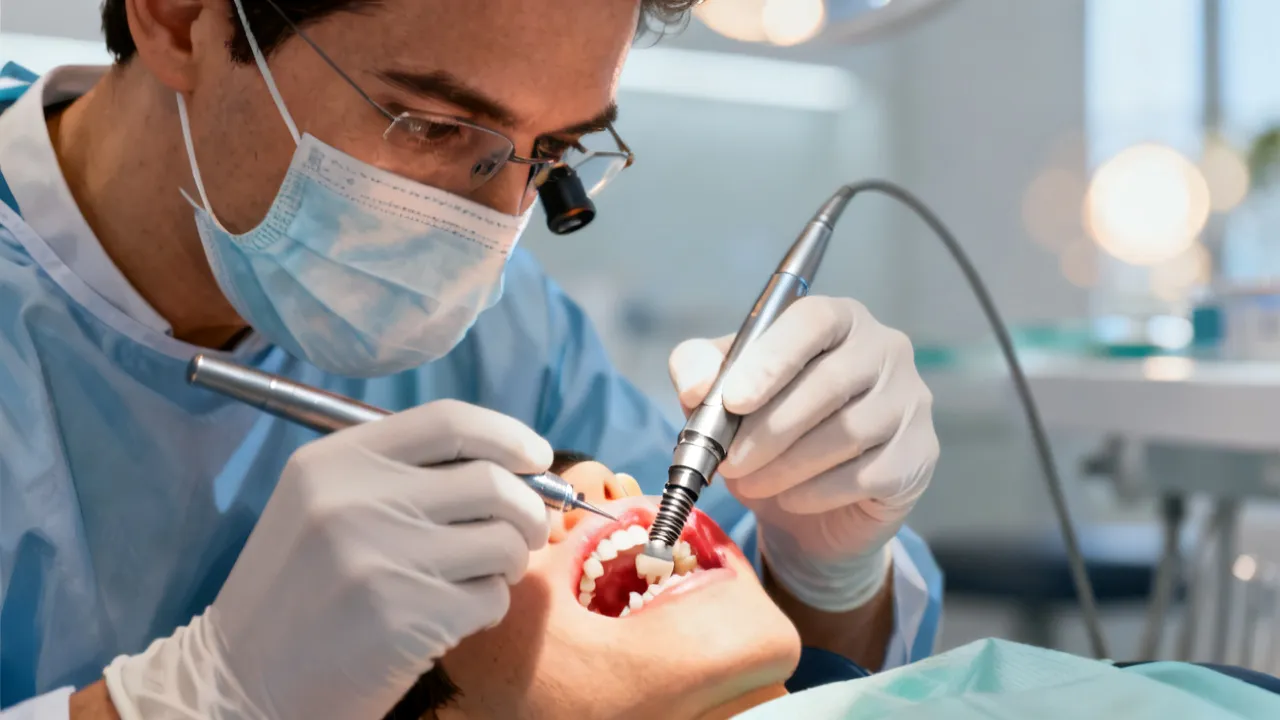
The phrase “minimally invasive” can create the impression that the natural tooth remains completely untouched. In reality, space may be necessary for the restoration. If a restoration is placed without adequate room, it may look bulky, affect speech, interfere with the bite, or create difficulty cleaning near the gumline.
Some teeth may require little preparation, while others need more adjustment because they are rotated, protruded, darkly discolored, or irregularly shaped. The final amount should be explained with photographs, scans, mock-ups, or a clear treatment plan. Patients should ask whether preparation is limited to enamel and whether the proposed design could expose dentin.
Loss of enamel can be clinically important because enamel provides a strong bonding surface and protects the underlying dentin. If preparation extends beyond enamel, sensitivity and bonding considerations may become more significant. The answer depends on the tooth, material, technique, and the patient’s existing condition. A statement that a procedure is “no-prep” or “low-prep” should therefore be confirmed on an individual tooth basis rather than accepted as a guarantee.
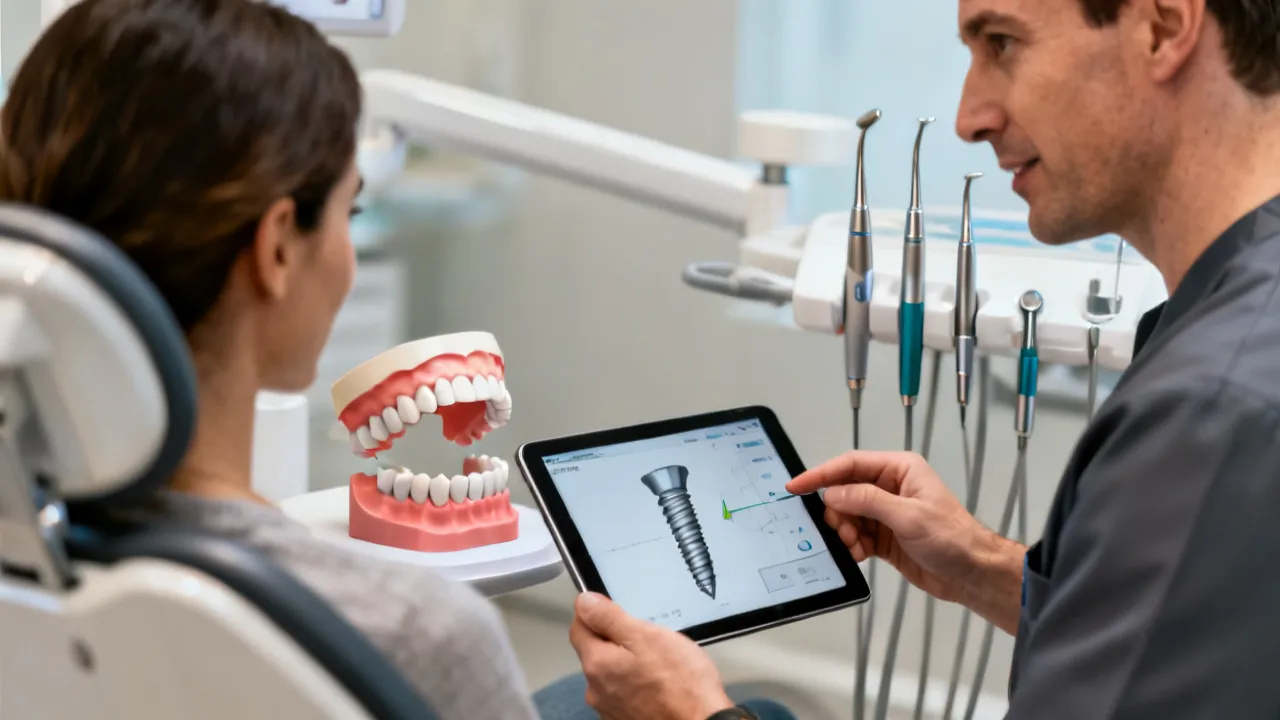
There is also a design issue. When a tooth is already positioned forward, adding material without creating space may increase its prominence. In such cases, an apparently conservative technique can produce a less natural contour or require more preparation than the patient originally expected. A diagnostic wax-up or digital plan can help reveal this issue before treatment begins.
2. Sensitivity Can Occur
Temporary sensitivity to cold, air, or pressure may occur after preparation or bonding. The risk can be influenced by enamel thickness, exposed dentin, gum recession, cracks, previous fillings, and the condition of the tooth nerve. Although many cases are manageable, persistent or severe sensitivity should not be dismissed as a normal cosmetic inconvenience.
Before treatment, the dentist should check for hidden decay, defective fillings, cracks, or signs of pulpal irritation. Treating an underlying problem with an aesthetic covering may delay the correct diagnosis. In some situations, a tooth that appears suitable from the front may require a different restorative approach after radiographic and clinical examination.
Sensitivity may also be related to temporary restorations, bonding procedures, dehydration during shade selection, or an uneven bite. If a patient feels that one tooth touches first after treatment, the dentist should evaluate the occlusion rather than assuming the sensation will disappear. Small adjustments may resolve the issue, but persistent pain, spontaneous throbbing, or pain that lingers after cold exposure may indicate a problem requiring further examination.
3. The Result Is Not Always Reversible
When enamel is removed, the change is permanent. Even when preparation is very limited, the restoration itself may require replacement in the future. A patient should therefore regard treatment as a long-term commitment rather than a temporary cosmetic experiment.
Reversibility also depends on how the tooth looks and functions without the restoration. If the tooth has been reshaped, the original appearance may not be restored simply by removing the ceramic. A responsible consent process should explain possible next steps if a restoration fails, including repair, replacement, a larger restoration, or treatment of the underlying tooth.
This issue is especially important when many teeth are treated at once. Replacing one restoration may be relatively straightforward, but replacing an entire group can involve new shade matching, laboratory design, bite assessment, and additional expense. Patients should ask how the treatment plan would change if only one restoration failed or if the surrounding teeth changed over time.
4. Chipping, Cracking, or Debonding May Occur
Ceramic materials are designed to resist normal chewing forces, but no restoration is immune to damage. Chipping or fracture may occur because of trauma, heavy biting, inadequate design, material limitations, poor bonding, or parafunctional habits such as clenching and grinding. A restoration can also debond without an obvious fracture.
The front teeth are exposed to forces from biting food, contact between the upper and lower teeth, and accidental impact. Patients who bite fingernails, chew ice, open packages with their teeth, or play contact sports without appropriate protection may face a higher risk of mechanical problems.
Repair may be possible for a small chip, but a larger fracture may require replacement. The repairability depends on the location, material, bonding surface, and remaining tooth structure. Patients should ask about the clinic’s policy for managing complications, but they should also understand that clinical outcomes cannot be guaranteed. A warranty or limited replacement policy may have conditions concerning trauma, grinding, missed follow-up appointments, or poor home care.
Mechanical failure does not always result from poor clinical work. Even a well-designed restoration can fail under an unexpected accident or unusually high force. Conversely, repeated failure may indicate a design, bonding, bite, or habit-related problem. The correct response is to investigate the cause rather than simply replacing the restoration repeatedly.
5. Gumline and Cleaning Challenges
A restoration that extends too close to or under the gumline may make plaque control more difficult. Overcontoured edges can irritate gingival tissue, while poorly adapted margins may contribute to inflammation or discoloration. Even a well-designed restoration requires careful daily cleaning.
Patients with a history of gum disease need particular attention. Active inflammation should generally be controlled before cosmetic treatment. Healthy gums help create a more stable aesthetic result and make it easier to evaluate whether changes in gum position are due to disease, aging, brushing technique, or the restoration itself.
Daily care may include a soft toothbrush, fluoride toothpaste, interdental cleaning, and professional examinations at intervals recommended by the dental team. The exact schedule depends on periodontal risk, oral hygiene, diet, smoking status, and the presence of other restorations.
Gum recession can expose the junction between ceramic and natural tooth structure, potentially creating a visible line or a new area that is sensitive or vulnerable to decay. Gum position can change naturally with age, inflammation, trauma from brushing, or periodontal disease. Cosmetic treatment cannot permanently freeze the gumline in place, so long-term maintenance remains part of the aesthetic plan.
6. Color Matching Is Complex
Natural teeth are not a single flat color. They contain variations in translucency, surface texture, brightness, and chroma. Ceramic restorations are designed to reproduce these optical properties, but the result can differ according to lighting, photography, dehydration of the teeth, and the surrounding dentition.
A very bright restoration may appear unnatural if neighboring teeth are darker. Conversely, a conservative shade may seem insufficient to a patient seeking a dramatic change. Shade selection should consider the patient’s face, lips, skin tone, age, tooth display, adjacent teeth, and future whitening plans.
Whitening natural teeth after restoration can create a mismatch. For this reason, patients who intend to whiten should discuss timing and shade selection before the final restoration is fabricated. Existing restorations may need replacement if the surrounding teeth are later lightened substantially.
Photographs should not be treated as a perfect preview. Camera settings, lighting, filters, tooth dehydration, and digital editing can make a smile look brighter or more uniform than it appears in ordinary conversation. Patients should evaluate a proposed shade in natural and clinical lighting and should communicate whether they prefer a natural appearance or a highly bright appearance.
7. Cosmetic Treatment Does Not Eliminate Tooth Disease
Aesthetic restorations improve visible surfaces, but they do not make a tooth immune to decay, gum disease, fracture, or nerve problems. Plaque can accumulate at the margins, and natural tooth structure remains vulnerable. Patients sometimes assume that a covered tooth no longer requires routine care; this is incorrect.
Decay can develop near an edge or on an uncovered surface. A restoration may hide early changes from casual observation, which makes professional review important. If a patient has frequent sugar exposure, dry mouth, inadequate fluoride exposure, or a history of repeated cavities, preventive planning should come before elective cosmetic work.
Dietary habits may also influence longevity. Frequent sipping of sweetened or acidic beverages increases the number of acid attacks on teeth. Hard or sticky foods can place additional stress on edges and margins. The goal is not necessarily to eliminate every preferred food, but to reduce repeated exposures and follow the individualized advice of the dental team.
8. Bite and Bruxism Can Affect Longevity
Occlusion is one of the most important factors in assessing 미니쉬 단점. If the upper and lower teeth contact heavily in an unfavorable position, the restoration may receive excessive force. Bruxism, or repeated clenching and grinding, can occur during sleep or waking hours and may not always be recognized by the patient.
Signs that justify further assessment can include flattened tooth edges, morning jaw fatigue, headaches, cracks, muscle tenderness, or repeated restoration failure. A night guard may be considered in selected cases, but it should be designed and adjusted by a dental professional. A guard does not correct every cause of bruxism and should not be presented as a universal solution.
A bite evaluation should include more than asking whether the patient can close comfortably. The dentist may examine tooth contacts during movement, the relationship between front and back teeth, existing wear patterns, jaw muscle activity, and whether the proposed tooth length changes the way the patient speaks or bites. In some cases, a temporary trial is useful before final bonding.
9. The Result May Not Meet Expectations
Patients often seek cosmetic treatment because they want a particular smile seen in advertising, social media, or edited photographs. However, natural-looking dentistry must account for facial proportions, lip movement, speech, tooth display, gum architecture, and individual anatomy. A design that looks attractive in a still image may not appear natural during conversation.
Expectations should be discussed before preparation. Useful topics include tooth length, tooth width, shade, translucency, gum visibility, midline position, symmetry, and how much change is realistically possible without aggressive preparation. A digital simulation or temporary mock-up may help, although it cannot perfectly predict the final result.
Patients should also distinguish between a technically successful restoration and an emotionally satisfying result. A restoration can be intact and biologically healthy while still appearing different from what the patient imagined. Clear communication about desired and undesired features is therefore essential. Patients may wish to bring photographs of smiles they like, but they should understand that those examples may not be directly reproducible.
10. Additional Treatment May Be Necessary
Conservative cosmetic treatment may not be the first step when teeth are crowded, rotated, severely worn, or unevenly positioned. Orthodontics may be recommended to create a more favorable alignment. Gum reshaping may be considered when excessive gum display or an uneven gumline affects the design. Fillings, root canal treatment, periodontal therapy, or occlusal management may also be needed.
These additional procedures increase the timeline and total cost. They may also change whether a minimally invasive restoration remains the most suitable option. A complete treatment plan should identify which procedures are essential for health, which are optional for appearance, and which are being proposed to improve predictability.
Sequencing matters. For example, whitening is generally planned before final shade selection, orthodontics may precede cosmetic restorations, and periodontal treatment may be needed before impressions or scans are finalized. Treating steps in the wrong order can lead to mismatched shades, irregular margins, or restorations that no longer fit the position of the teeth after later treatment.
Who May Need Caution Before Choosing This Treatment?
A patient should request a thorough evaluation before proceeding if any of the following conditions apply:
- Active cavities or untreated tooth pain.
- Bleeding gums, periodontal pockets, gum recession, or persistent bad breath.
- Severe tooth crowding, rotation, or a pronounced bite discrepancy.
- Thin or extensively restored enamel.
- Large fillings, cracks, fractures, or previous trauma.
- Habitual clenching, grinding, nail biting, or chewing hard objects.
- Uncontrolled dry mouth or a high risk of tooth decay.
- Unrealistic expectations about achieving a particular celebrity smile.
- Difficulty attending follow-up appointments.
- Plans to undergo major whitening after the restorations are placed.
- Medical conditions or medications that may affect healing, bleeding, or oral health.
- Smoking or vaping habits that may contribute to gum problems and staining.
These factors do not always rule out treatment. They indicate that the dentist may need to stabilize oral health, modify the design, select a different material, or recommend another treatment sequence. A patient who has active disease may become a better candidate after treatment and prevention have been established.
Questions to Ask During a Consultation
- What diagnosis is being treated: discoloration, shape, wear, crowding, fracture, or another concern?
- How much enamel will be removed from each tooth?
- Will any preparation extend into dentin?
- What material will be used, and why is it suitable for my bite?
- Will a mock-up or temporary trial be available before final bonding?
- How will the restoration be adjusted if my bite feels uncomfortable?
- What happens if the restoration chips, debonds, or becomes sensitive?
- How often will examinations and professional cleaning be recommended?
- Will I need a night guard or sports mouthguard?
- What treatment is essential for health, and what treatment is primarily cosmetic?
- Does the quoted price include scans, temporaries, laboratory fees, adjustments, and follow-up care?
- What alternatives could preserve more natural tooth structure?
- How will future whitening affect the proposed shade?
- Who will provide emergency care if I experience a problem after treatment?
- How will my records and restoration details be documented for future dentists?
A clear answer should be specific to the individual teeth. General statements about durability or preparation are less useful than a tooth-by-tooth plan supported by clinical photographs, radiographs where appropriate, and an explanation of the bite. Patients should feel comfortable asking for time to review the plan before consenting.
How to Compare Clinics and Treatment Plans
Price is only one part of comparison. A lower initial quote may not include diagnostic scans, gum treatment, temporary restorations, occlusal guards, revisions, or replacement planning. A higher quote may include laboratory work and multiple review appointments, but that does not automatically establish superior quality.
Patients should compare the following:
- Diagnosis: Does the clinic assess teeth, gums, bite, facial proportions, and aesthetic objectives?
- Material transparency: Is the ceramic or resin material identified clearly?
- Laboratory process: Is the restoration made by an identifiable dental laboratory or milling system?
- Preparation plan: Are photographs or scans used to show the proposed design?
- Consent: Are limitations, complications, alternatives, and maintenance explained?
- Follow-up: Are post-treatment checks available at defined intervals?
- Professional credentials: Can patients verify the dentist’s registration and relevant training through the appropriate national authority?
- Communication: Can the clinic explain the plan in a language the patient understands?
- Continuity of care: Who will manage the case if the patient relocates or returns home?
- Laboratory remake policy: What happens if a restoration does not fit or the shade is not accepted before final bonding?
- Record keeping: Will the patient receive photographs, scans, material information, and treatment notes?
Patients should be cautious about pressure to begin immediately, especially when a procedure is irreversible. A clinic may offer a consultation package or limited-time promotion, but the decision should still be based on health, suitability, informed consent, and a realistic understanding of future care.
Information Websites for Comparing Lower-Cost Dental Care
The following websites represent different types of dental information providers, including clinics, dental tourism services, insurance resources, and general implant information. They should be used as starting points for questions, not as substitutes for an in-person diagnosis. Prices and treatment availability can change, and patients should independently verify licensing, clinical credentials, terms, and local regulations.
| Website or provider | Main features and relevance |
|---|---|
| Dental Views | Discusses lower-cost dental implants, treatment types, implant benefits, costs, procedures, and common patient questions. |
| Atlantic Dental Group | Provides information about general dentistry, orthodontics, implants, cleaning, emergency care, clinics, and appointment access. |
| DentaVacation | Focuses on dental tourism, international treatment comparisons, travel planning, and dental care in destinations with different pricing structures. |
| American Dental Health Plans | Explains dental insurance and plan options that may help patients manage eligible dental expenses. |
| Rockville Dental Arts | Offers Spanish-language information about implants, whitening, cleaning, orthodontics, and emergency dental services. |
| Union City Mini Dental Implants | Provides Spanish-language information about mini dental implants and their possible use in selected cases. |
| Cigna | Provides a Spanish-language educational guide explaining dental implants and related treatment considerations. |
| Rubi Odonto | Brazilian dental clinic information covering orthodontics, whitening, implants, clinical services, and patient care. |
| Odontologia Velasco | Brazilian clinic information concerning implants, prostheses, aesthetic dentistry, and technology-assisted care. |
| DentalVidas | Portuguese-language information about dental plans, provider networks, family and business coverage, and urgent support. |
source: www.dentalviews.com/low-cost-dental-implants
source: www.atlanticdentalgrp.com
source: www.dentavacation.com
source: www.rockvilledentalarts.com/es
source: www.unioncityminidentalimplants.com/es
source: www.cigna.com/es-us/knowledge-center/guide-to-dental-implants
source: www.rubiodonto.com.br
source: www.odontologiavelasco.com.br
source: www.dentalvidas.com.br
How to Obtain Dental Implants at Lower Cost in English-Speaking Countries
Although 미니쉬 is generally a cosmetic restoration topic rather than an implant procedure, patients comparing dental costs may also research implant treatment. An implant replaces a missing tooth with a surgically placed fixture, an abutment, and a crown or other prosthesis. Its planning requirements differ significantly from those of a thin cosmetic restoration.
-
Confirm whether an implant is actually necessary.
A missing tooth may sometimes be managed with a conventional bridge, removable partial denture, orthodontic space closure, or another approach. The best option depends on the neighboring teeth, bone, gum health, bite, age, medical history, and long-term priorities.
-
Obtain a complete treatment estimate.
Ask whether the quoted amount includes consultation, diagnostic imaging, extraction, bone grafting, implant placement, abutment, crown, temporary teeth, medication, review visits, and management of complications. Comparing only the implant fixture price can produce an inaccurate budget.
-
Use dental insurance or employer benefits where eligible.
Coverage varies by plan. Some policies may exclude implants, impose waiting periods, apply annual limits, or contribute only toward an alternative treatment. Confirm benefits in writing before treatment begins.
-
Compare accredited clinics within a practical travel radius.
Local clinics may have different laboratory fees, overheads, and payment arrangements. However, a low quote should not outweigh standards of sterilization, qualified care, implant traceability, and follow-up capacity.
-
Ask about staged treatment.
When clinically appropriate, extraction, healing, implant placement, and final restoration may occur in stages. Staging does not always reduce the total cost, but it can make expenses more predictable and allow health problems to be treated before the next phase.
-
Address preventable risk factors.
Smoking, uncontrolled diabetes, poor plaque control, untreated gum disease, and inadequate bone volume can complicate implant care. Managing these issues may reduce the risk of additional treatment and failure.
-
Consider dental tourism only after evaluating continuity of care.
Travel may reduce the quoted treatment price in some markets, but flights, accommodation, time away from work, insurance, language support, and follow-up visits add to the overall expense. Complications may be difficult to manage after returning home.
-
Verify the implant system and documentation.
Patients should receive records identifying the implant system, components, treatment dates, and restoration details. This information can help another dentist provide care later.
-
Maintain the result.
Routine examinations, professional cleaning, daily plaque control, and monitoring of bite forces are important. Delaying maintenance may result in more complex and costly treatment.
How to Reduce the Cost of Cosmetic Dental Treatment
For patients considering a Minish-style restoration, cost control should begin with avoiding unnecessary treatment rather than simply seeking the lowest advertised price. A staged approach may be more economical over time:
- Begin with an examination and a written diagnosis.
- Treat cavities, gum inflammation, and active disease before cosmetic procedures.
- Ask whether whitening, bonding, contouring, or orthodontics could address the concern with less intervention.
- Consider treating only the teeth visible during normal smiling if that is clinically and aesthetically appropriate.
- Request a complete written estimate, including laboratory fees and follow-up appointments.
- Ask whether a temporary mock-up can reveal problems with speech, length, or bite before final bonding.
- Discuss protection against grinding and habits that may damage restorations.
- Review cancellation, replacement, and adjustment policies before signing consent documents.
- Ask whether payment can be staged according to diagnostic, preparation, bonding, and follow-up appointments.
- Consider whether a smaller number of restorations can achieve the intended improvement without creating an obvious color transition.
Reducing the number of treated teeth is not always appropriate. Symmetry, color transition, tooth display, and bite may require a broader design. The decision should be based on the smile analysis rather than on a promotional package. A smaller initial treatment may also need later expansion if the patient wants the untreated teeth to match, so the likely long-term plan should be discussed in advance.
Reference Price Ranges for One Dental Implant
The following figures are reference ranges for an individual dental implant in the listed countries. They are not estimates for 미니쉬, veneers, crowns alone, or complete implant rehabilitation. Depending on the source and clinic, “one implant” may refer to different components, so patients must confirm whether surgery, abutment, crown, imaging, extraction, grafting, and aftercare are included.
| Country | Currency | Reference price range for one dental implant |
|---|---|---|
| United States (US) | USD | $3,000–$6,000 |
| United Kingdom (GB) | GBP | £2,000–£2,500 |
| Australia (AU) | AUD | AU$3,500–AU$6,500 |
| Canada (CA) | CAD | CA$3,000–CA$5,500 |
| Spain (ES) | EUR | €1,500–€2,500 |
| Chile (CL) | CLP | CLP$800,000–CLP$1,500,000 |
| Mexico (MX) | MXN | $15,000–$25,000 MXN |
| Colombia (CO) | COP | $2,000,000–$4,000,000 COP |
| Peru (PE) | PEN | S/ 3,000–S/ 6,000 |
| Argentina (AR) | ARS | $80,000–$150,000 ARS |
| Brazil (BR) | BRL | R$3,000–R$8,000 |
| Portugal (PT) | EUR | €1,000–€2,000 |
| Germany (DE) | EUR | €2,000–€3,500 |
| France (FR) | EUR | €1,500–€2,500 |
| Italy (IT) | EUR | €1,500–€3,000 |
| Japan (JP) | JPY | ¥300,000–¥700,000 |
Price comparisons across countries should be interpreted cautiously. Currency fluctuations, local regulations, laboratory standards, clinician experience, facility costs, and the scope of the quoted package can all affect the final amount. A lower listed price does not necessarily represent lower total spending or better value.
Patients should also distinguish between the price of a single implant and the cost of a complete treatment plan. A complete plan may include removal of a failing tooth, bone preservation, grafting, temporary replacement, surgical placement, healing reviews, the abutment, the final crown, and maintenance. If several teeth are missing, the number of fixtures may not equal the number of replacement teeth because some prosthetic designs use multiple teeth supported by fewer implants.
Language-Specific Information Sources
Patients who seek treatment in an English-speaking environment may review implant cost guides and clinic service pages such as Dental Views and Atlantic Dental Group. DentaVacation presents a dental tourism perspective, which can be useful for identifying questions about travel logistics and international follow-up, but treatment decisions should remain based on independent clinical assessment. Insurance-related information should be checked directly with the insurer because coverage rules differ by policy.
Spanish-speaking patients may find Spanish-language educational materials from Rockville Dental Arts, Union City Mini Dental Implants, and Cigna. These resources can support communication about implants and dental services. Their availability does not establish that a particular treatment is suitable for an individual patient. Patients should ask for translated consent documents and a clear explanation of costs and risks when treatment is provided in another language.
Portuguese-speaking patients may consult Rubi Odonto, Odontologia Velasco, and DentalVidas for information about Brazilian dental services, implants, prostheses, aesthetic care, and dental plans. As with all online resources, these pages should be considered informational. The patient should confirm the practitioner’s registration, the materials used, the treatment location, and the arrangements for aftercare.
Conditions and Requirements for Safe Treatment
Before elective cosmetic restoration or implant treatment, the following requirements are generally relevant:
- Clinical examination: A dentist should assess teeth, gums, bite, restorability, and aesthetic objectives.
- Diagnostic imaging: Imaging may be appropriate for implants, suspected infection, trauma, or hidden pathology. The type of imaging should be justified by the clinical situation.
- Oral disease control: Cavities and active periodontal disease should be addressed before elective treatment.
- Medical history: Relevant medications, diabetes, immune conditions, allergies, pregnancy, smoking, and previous surgeries should be disclosed.
- Realistic expectations: Patients should understand that natural variation, maintenance, and replacement may be part of the treatment journey.
- Informed consent: The dentist should describe alternatives, limitations, possible complications, and expected follow-up.
- Financial clarity: The estimate should state what is included and identify possible additional charges.
- Continuity of care: Patients traveling for treatment should establish who will provide emergency and maintenance care afterward.
- Infection-control standards: The clinic should follow applicable sterilization, instrument processing, and clinical safety requirements.
Medical conditions do not automatically prevent dental treatment, but they can alter timing, medication management, healing expectations, or the need for collaboration with a physician. Patients should not stop prescribed medication without medical advice. A complete medical history can help the dental team reduce avoidable risks and determine whether treatment should be delayed until a condition is better controlled.
Why a Second Opinion Can Be Valuable
A second opinion is particularly useful when a recommendation involves irreversible preparation, many teeth, substantial expense, or a significant change in bite. The second dentist should receive relevant radiographs and records, but the patient should also ask for an independent assessment rather than simply requesting approval of the first plan.
Different clinicians may recommend different options because they prioritize different goals. One may emphasize orthodontics, another restorative dentistry, and another a conservative cosmetic design. The patient can compare the amount of tooth reduction, expected maintenance, biological risks, timeline, cost structure, and contingency plan.
A second opinion is not a guarantee of a better result. It is a method of improving informed decision-making, especially when the treatment cannot be easily reversed. Patients should be wary of any consultation that promises a perfect result without examining the teeth, gums, bite, and medical history.
Aftercare and Long-Term Maintenance
Aftercare should be discussed before the procedure, not only after a problem occurs. Patients should receive instructions about brushing, interdental cleaning, temporary restorations, sensitivity, dietary precautions, and the timing of follow-up visits.
Restorations should not be treated as stronger than natural teeth. Hard foods, accidental trauma, and parafunctional habits can damage them. A patient who participates in sports should ask about an appropriate mouthguard. A patient who grinds should discuss occlusal monitoring and possible protective measures.
Professional cleaning is not intended to polish away every problem. The dental team should inspect margins, gum health, bite contacts, tooth surfaces, and signs of fracture or debonding. Early intervention may permit a simpler repair, although not every complication can be prevented.
Patients should contact a dentist promptly if they experience persistent pain, swelling, a loose restoration, a sudden bite change, sensitivity that does not improve, bleeding gums, or a visible crack. Delaying assessment can complicate both diagnosis and treatment. A restoration that feels slightly unusual immediately after placement may need a short adjustment period, but worsening symptoms should be evaluated rather than ignored.
Long-term maintenance also includes protecting the remaining natural teeth. Fluoride use, regular brushing, interdental cleaning, moderation of acidic and sugary drinks, and periodic dental examinations remain important. Cosmetic dentistry should be viewed as part of an overall oral-health plan, not as a replacement for preventive care.
Frequently Asked Questions About 미니쉬 단점
Is Minish treatment the same as a veneer?
Not necessarily. The term Minish may describe a particular clinic’s technique, brand, or minimally invasive cosmetic philosophy, while a veneer generally refers to a restoration bonded to the front surface of a tooth. The material, preparation, laboratory process, and clinical protocol must be confirmed with the treating dentist.
Does minimally invasive mean no tooth preparation?
No. Some cases may require limited preparation, but the exact amount depends on tooth position, desired shape, material thickness, color change, and bite. Patients should ask for a specific explanation of how much enamel will be altered on each tooth.
Can 미니쉬 단점 include tooth sensitivity?
Yes. Sensitivity can occur after preparation or bonding, particularly when dentin is exposed or the tooth already has cracks, recession, large fillings, or pulpal irritation. Persistent symptoms require professional assessment.
Are the results permanent?
The alteration to natural tooth structure is permanent if enamel is removed, but the restoration itself may require repair or replacement. Longevity varies according to material, bonding, bite, oral hygiene, diet, trauma, and clinical design.
Can the restorations be whitened later?
Natural teeth can respond to whitening products, but ceramic restorations do not lighten in the same way. Whitening plans should therefore be discussed before the final shade is selected.
Is the treatment suitable for crowded teeth?
It depends on the severity and direction of the crowding. Covering severely displaced teeth may create excessive thickness or require more preparation. Orthodontic treatment may offer a more conservative way to improve alignment in some cases.
What if I grind my teeth?
Grinding and clenching can increase the risk of chipping, fracture, and debonding. The dentist should evaluate the bite and may recommend protective measures, but the treatment plan may need modification if forces are substantial.
Can cosmetic restoration cover cavities?
It should not be used as a substitute for diagnosing and treating active decay. Disease control should generally come first. A restoration placed over an untreated problem may delay appropriate care.
How can I compare the price of Minish treatment?
Ask for the total cost per tooth and the complete package. Confirm whether the estimate includes examination, scans, photographs, mock-up, preparation, temporary restorations, laboratory work, bonding, adjustments, follow-up, and management of complications.
Is a lower-cost clinic always a poor choice?
No. Prices vary for legitimate reasons, including local overheads, laboratory arrangements, materials, and treatment scope. However, patients should not sacrifice diagnosis, infection control, qualified care, documentation, or follow-up simply to reduce the initial quote.
Should I travel abroad for dental treatment?
Travel may appear financially attractive, but the full calculation should include transportation, accommodation, time away from work, repeat visits, language support, insurance, and the cost of managing complications after returning home. A local alternative may be more practical in some cases.
What is the most important question to ask about 미니쉬 단점?
Ask: “What happens if this restoration fails or I later develop a problem with the tooth?” The answer can reveal whether the plan includes realistic maintenance, repair, replacement, and continuity of care.
Practical Decision Checklist
Before signing consent for treatment, patients can use the following checklist:
- I understand the dental problem being treated.
- I know whether the procedure changes natural tooth structure.
- I have been told how much preparation is expected.
- I understand the material and laboratory process.
- I have considered whitening, orthodontics, bonding, crowns, or other alternatives.
- My cavities and gum conditions have been assessed.
- My bite and possible grinding habits have been reviewed.
- I know which fees are included in the estimate.
- I understand that repair or replacement may eventually be required.
- I know whom to contact if I experience pain, sensitivity, movement, or fracture.
- I have enough time to make a decision without pressure.
- I can communicate effectively with the dental team.
- I know whether future whitening could affect the appearance of the restorations.
- I understand the expected follow-up schedule.
- I have received or can obtain copies of relevant treatment records.
Conclusion
Understanding 미니쉬 단점 is essential because cosmetic dental treatment can involve permanent changes even when the stated approach is conservative. The main concerns include possible enamel preparation, sensitivity, restoration fracture, gumline problems, shade mismatch, bite-related stress, maintenance needs, replacement costs, and the possibility that another treatment would better address the underlying issue.
A sound decision begins with a diagnosis rather than a package price. Patients should compare the proposed treatment with whitening, bonding, orthodontics, conventional veneers, crowns, and—in cases of missing teeth—implant or bridge options. They should also evaluate clinician credentials, material transparency, laboratory quality, consent procedures, aftercare, and the total cost of long-term maintenance.
Online resources can help patients prepare questions and understand terminology, but they cannot determine whether a particular tooth is suitable. An examination by a qualified dental professional, and a second opinion when the treatment is extensive or irreversible, provide a more reliable foundation for decision-making.
The best cosmetic treatment is not always the one that produces the most dramatic immediate change. In many cases, the strongest plan is the one that preserves healthy structure, respects the bite, keeps the margins cleanable, provides a natural appearance, and includes a realistic strategy for maintenance and future repair. Patients should consider how the result will function not only on the day of bonding, but also after years of eating, speaking, aging, whitening changes, gum movement, and ordinary dental maintenance.
Disclaimer
1. The information above comes from online resources, and the data is as of October 2023.
2. Dental implant prices are for reference only and may vary by region, clinic, and doctor. The listed implant ranges may not include every component or additional procedure. Treatment suitability, risks, fees, and outcomes must be discussed directly with a qualified dental professional.
3. The term 미니쉬 may be used differently by different providers. Patients should confirm the exact material, preparation method, bonding procedure, limitations, and aftercare included in a proposed treatment plan.