Understanding Oral Diseases and Affordable Dental Implants
This guide explains common oral diseases, the clinical factors that influence dental implant treatment, and practical ways to manage costs in English-, Spanish-, and Portuguese-speaking markets. Oral diseases include conditions affecting the teeth, gums, oral tissues, and supporting bone. The article compares selected dental information websites, presents reference price ranges for one implant, and outlines questions patients should ask before treatment.
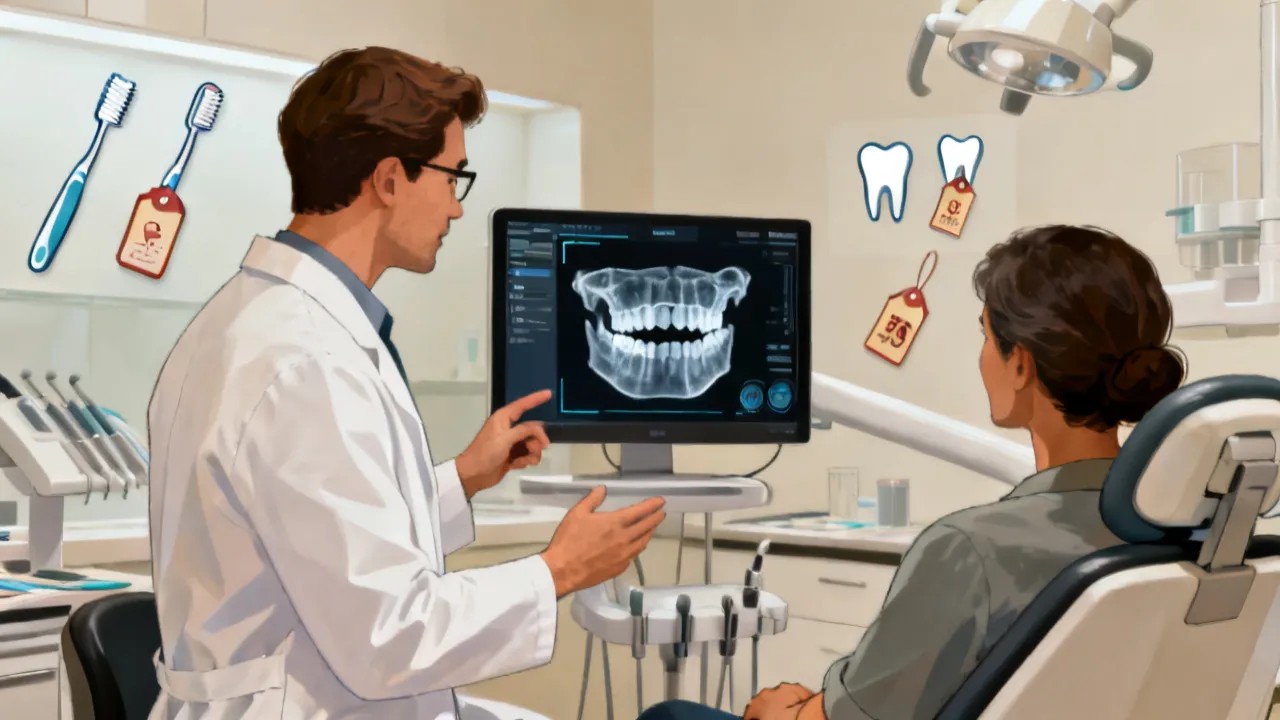
Overview: Oral Diseases and the Role of Dental Implants
Oral diseases, known in Korean as 구강 질환, include conditions affecting the teeth, gums, jawbone, oral mucosa, salivary glands, jaw joints, and other structures of the mouth. Common examples include dental caries, gingivitis, periodontitis, tooth loss, oral infections, oral cancer, tooth sensitivity, dry mouth, tooth wear, and disorders involving the temporomandibular joint. These conditions can develop gradually, and some produce few symptoms in their early stages. For that reason, professional examination remains important even when pain is absent.
Oral health is connected with general health in several ways. Difficulty chewing may affect food choices and nutrition, while chronic inflammation, untreated infection, and poor oral hygiene can influence comfort and quality of life. Some medical conditions, including diabetes and immune disorders, may affect oral tissues and healing. Similarly, oral disease can make it more difficult to manage existing health problems. A dental assessment should therefore consider both the mouth and the patient’s broader medical history.
Dental implants are one treatment option for replacing missing teeth. An implant is a biocompatible fixture, usually made from titanium or another suitable material, that is placed in the jawbone. After a healing period, an abutment and dental crown are connected to restore appearance and chewing function. In some cases, implants support a bridge or removable denture rather than a single crown.
The procedure is not a universal solution for every patient, and it does not treat every form of oral disease. Active infection, uncontrolled gum disease, inadequate bone volume, certain medical conditions, heavy tobacco use, and unsuitable oral hygiene may need to be addressed first. A patient may also prefer a bridge or removable denture because of cost, treatment time, anatomy, or personal priorities. The purpose of an implant consultation is to compare reasonable alternatives, not to assume that an implant is automatically the best choice.
From an industry expert’s perspective, the most important distinction is between a low advertised price and a genuinely affordable treatment plan. A low initial quotation may exclude diagnostic imaging, bone grafting, extraction, the abutment, the crown, sedation, follow-up visits, or treatment of complications. Patients should therefore compare the complete clinical pathway rather than comparing a single promotional figure.
Key Points for Patients Considering Treatment
- Diagnose the cause first: Tooth loss may result from decay, advanced gum disease, trauma, congenital absence, failed restoration, or another oral condition. The cause affects the treatment plan.
- Control oral disease before implant placement: Active periodontal infection or untreated decay can compromise the long-term environment around an implant.
- Request an itemized quotation: Confirm whether the quoted amount covers the implant fixture, surgery, abutment, crown, imaging, temporary restoration, and follow-up care.
- Assess the clinician and facility: Verify professional registration, surgical experience, sterilization procedures, emergency arrangements, and the manufacturer of the implant system.
- Consider continuity of care: Treatment performed far from home can become more complicated if an adjustment or urgent review is needed.
- Do not choose solely on price: Implant treatment is a surgical and restorative process. Clinical suitability and aftercare are as important as the initial fee.
- Understand the timeline: Healing and laboratory fabrication may require several weeks or months, particularly when extraction, infection control, or bone augmentation is necessary.
- Keep treatment records: Implant identification details, radiographs, consent forms, and laboratory information can be valuable if the patient changes dentists or moves to another country.
Common Oral Diseases That May Affect Implant Planning
Dental Caries
Dental caries is a disease process in which acids produced by oral bacteria contribute to the loss of mineral from tooth structure. Early lesions may not cause pain. More advanced decay can affect the dental pulp and may require a filling, crown, root canal treatment, extraction, or another restorative procedure.
Before an implant is placed, the dentist normally evaluates neighboring teeth and the opposing teeth. A missing tooth may not be the only problem in the area. Adjacent decay, fractured restorations, or an infection at the root of a neighboring tooth may need treatment first. Stabilizing the surrounding dentition can improve the predictability of future restorative work.
Patients should also understand that an implant cannot develop dental caries in the same way as a natural tooth, because it has no natural enamel or pulp. However, the crown can fracture or wear, and the gum and bone around the implant can become inflamed. Poor plaque control may also cause decay in the remaining natural teeth, so implant placement does not eliminate the need for preventive dental care.
Gingivitis and Periodontitis
Gingivitis is inflammation of the gums, commonly associated with plaque accumulation. It may cause redness, swelling, tenderness, or bleeding during brushing. Gingivitis can often improve with professional cleaning and better daily plaque removal, although the appropriate treatment depends on the clinical findings.
Periodontitis is a more advanced inflammatory disease that can damage the tissues and bone supporting the teeth. It may lead to gum recession, deep periodontal pockets, tooth mobility, bad breath, and eventual tooth loss. A history of periodontitis is clinically relevant because the same bacteria and risk factors may contribute to inflammation around an implant.
Patients with gum disease may need professional cleaning, periodontal treatment, improved home care, and a maintenance schedule before implant surgery. A dentist or periodontist may assess pocket depth, gum bleeding, tooth mobility, and bone levels. Implant placement should not be viewed as a substitute for periodontal maintenance. Patients who have lost teeth because of periodontitis may require particularly consistent follow-up after treatment.
Tooth Loss
Tooth loss can affect chewing, speech, appearance, and the distribution of biting forces. It can also allow neighboring teeth to tilt or move and may cause changes in the opposing tooth’s position. After extraction, the jawbone may gradually resorb because it no longer receives stimulation from a tooth root. The extent of bone change varies among individuals and depends on factors such as the location of the tooth, infection, trauma, and healing conditions.
Potential replacement options include a conventional fixed bridge, a removable partial denture, or an implant-supported restoration. The appropriate choice depends on oral health, anatomy, functional needs, medical history, budget, and personal preference. An implant may preserve a separate restoration for adjacent teeth, but it requires surgery and a longer treatment sequence than some alternatives.
Not every missing tooth must be replaced immediately. In some situations, a dentist may recommend observation, especially when a tooth is not important for function and neighboring teeth are stable. In other situations, delaying replacement may permit additional movement, bone loss, or difficulty with chewing. The decision should be based on an examination rather than a general rule.
Oral Infections and Abscesses
An abscess is a localized collection of infection associated with a tooth or surrounding tissues. Symptoms may include swelling, pain, bad taste, fever, sensitivity to biting, or difficulty opening the mouth. Urgent professional care is necessary when swelling affects swallowing or breathing, when fever or facial swelling occurs, or when symptoms spread rapidly.
Implant surgery should not proceed through an uncontrolled infection. The clinician may recommend drainage, root canal therapy, extraction, antibiotics when clinically indicated, or another intervention. Antibiotics do not replace definitive treatment of the source of infection, and patients should not self-prescribe them or use leftover medication.
After an infected tooth is removed, the dentist may allow the area to heal before placing an implant, or may consider immediate placement in carefully selected cases. Immediate placement is not appropriate simply because it is faster. The decision depends on the extent of infection, the condition of the extraction socket, soft-tissue health, bone availability, and the ability to achieve adequate implant stability.
Oral Mucosal Conditions and Oral Cancer
Persistent ulcers, unexplained red or white patches, lumps, changes in sensation, difficulty swallowing, unexplained bleeding, or areas that repeatedly break down should be assessed by a qualified professional. Many oral lesions have non-serious causes, but a lesion that does not resolve within an expected period warrants examination. Implant planning should follow appropriate diagnosis of any suspicious tissue change.
Tobacco use, heavy alcohol consumption, certain infections, sun exposure to the lips, and other factors may contribute to oral cancer risk. Patients should mention persistent changes during a dental examination rather than waiting for an implant consultation to focus only on the missing tooth. Early assessment can allow appropriate referral and treatment when necessary.
Dry Mouth and Other Risk Factors
Dry mouth may increase the risk of caries, discomfort, difficulty wearing removable appliances, and oral infection. It can be associated with medication use, systemic disease, dehydration, radiation treatment, or other health conditions. Patients may describe a sticky sensation, difficulty swallowing dry foods, frequent thirst, altered taste, or the need to drink water during the night.
Smoking, poorly controlled diabetes, heavy alcohol use, inadequate plaque control, teeth grinding, and some medications may also affect healing or long-term oral health. A complete medical and dental history helps the clinician identify modifiable risk factors. Patients should disclose prescription medicines, allergies, anticoagulant use, bone-related medicines, nicotine use, diabetes, immune conditions, and previous reactions to anesthesia.
How Dental Implant Treatment Usually Works
- Consultation and medical history: The clinician discusses the missing tooth, symptoms, expectations, general health, medications, and previous dental treatment.
- Clinical examination: The dentist evaluates the gums, neighboring teeth, bite, oral tissues, and space available for the restoration.
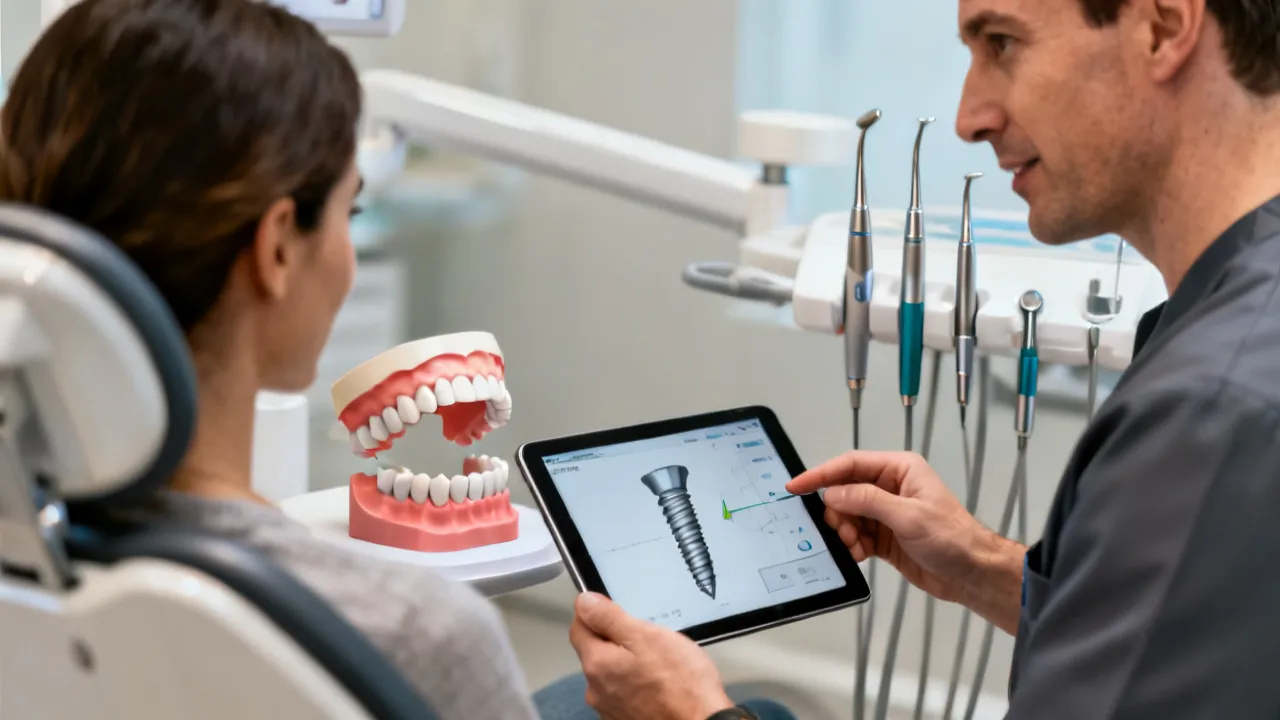
- Diagnostic imaging: Intraoral radiographs or three-dimensional imaging may be used to assess bone, nerves, sinuses, and adjacent anatomy.
- Treatment planning: The dentist explains whether extraction, periodontal treatment, bone augmentation, sinus-related treatment, or temporary tooth replacement is needed.
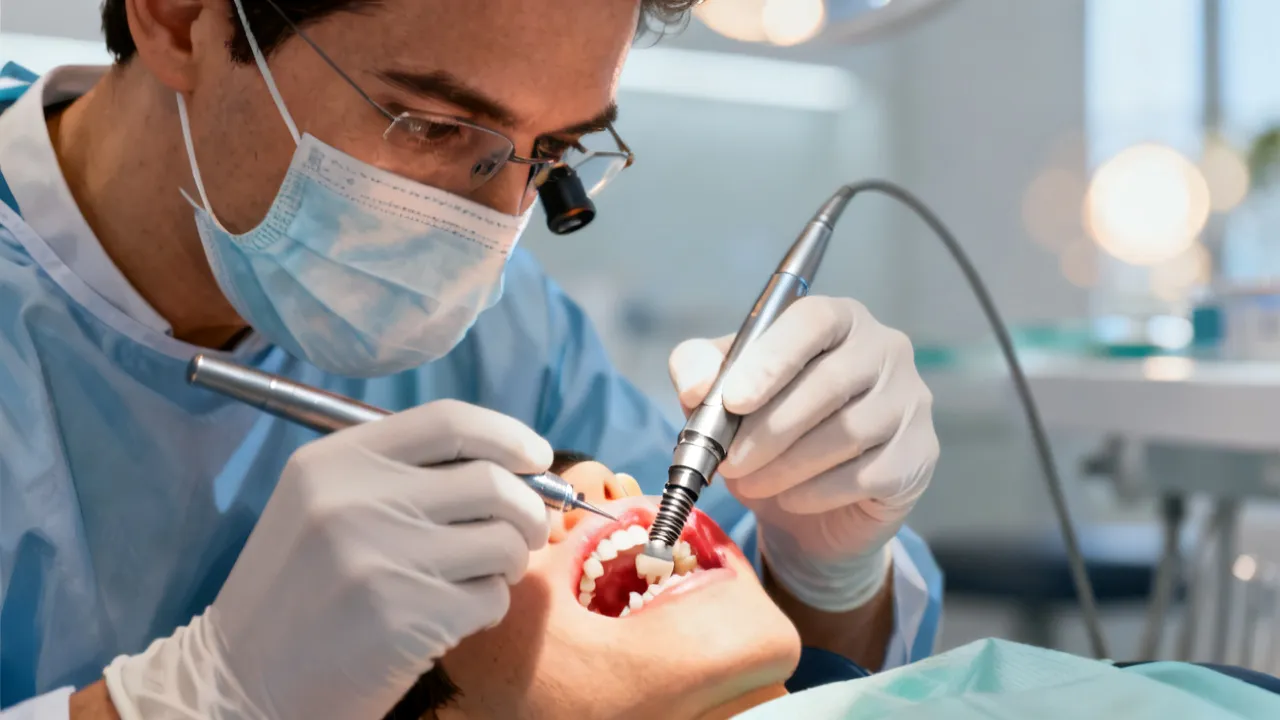
- Implant placement: The fixture is surgically positioned in the jawbone under an appropriate anesthetic technique.
- Healing and integration: The bone may integrate with the implant over time. The duration depends on anatomy, healing, implant position, and the treatment protocol.
- Restoration: After suitable healing and clinical assessment, the abutment and crown are fabricated and fitted.
- Maintenance: Regular reviews, professional cleaning when indicated, daily brushing, interdental cleaning, and attention to bite or gum changes are essential.
Some cases use immediate or early loading, while others require a staged approach. The decision depends on primary stability, bone quality, infection status, implant location, occlusal forces, and the clinician’s assessment. Patients should be cautious of any explanation that presents one technique as appropriate for everyone.
Diagnostic imaging has an important role because the visible space in the mouth does not always show the complete anatomy. The dentist may need to assess the width and height of the bone, the location of a nerve canal, the maxillary sinus, the position of neighboring roots, and the available restorative space. Three-dimensional imaging may be recommended when conventional radiographs do not provide enough information.
Bone grafting may be considered when the available bone is too narrow or too short for the planned implant. Grafting can involve material placed in an extraction socket, material added to a deficient ridge, or a procedure associated with the sinus area. It may increase the number of appointments, healing time, and overall cost. Patients should ask whether grafting is essential, whether an alternative restoration could avoid it, and what risks are associated with the proposed procedure.
Ways to Obtain Dental Implants at Lower Cost
Lowering the total cost does not require compromising on essential safety measures. The following process can help patients compare options in English-, Spanish-, and Portuguese-speaking markets.
1. Establish the Complete Treatment Need
Begin with an examination rather than requesting an implant based only on a website price. A dentist should determine whether the tooth can be restored, whether extraction is necessary, and whether a bridge or removable restoration could meet the patient’s needs. Replacing a tooth that is still treatable may create unnecessary surgical and financial burdens.
2. Obtain an Itemized Treatment Plan
Ask for separate prices for the examination, imaging, extraction, implant fixture, surgical placement, abutment, crown, temporary restoration, bone grafting, sedation, medications, and follow-up. Some clinics quote only the implant fixture, while patients assume the figure covers the finished tooth. A written breakdown makes comparisons more meaningful.
Patients should also ask whether the fee is per implant or per completed tooth. A bridge supported by two implants may be priced differently from two individual crowns. The quotation should explain laboratory charges, provisional restorations, adjustments, and the expected number of visits. If taxes or payment-processing charges are not included, they should be identified before treatment begins.
3. Compare Several Qualified Clinics
Patients can request consultations from multiple licensed providers. The comparison should include the clinician’s qualifications, implant system, laboratory arrangements, expected timeline, maintenance plan, and complication policy. A clinic with a moderately higher initial fee may be more economical if it includes necessary components and reliable follow-up.
4. Ask About Different Restoration Materials
Crowns may be made from different materials, including porcelain fused to metal, zirconia, or other laboratory options. Material selection depends on location, bite, esthetic requirements, strength, and clinical judgment. The least expensive material is not automatically the most appropriate, but patients can discuss alternatives with the dentist.
5. Consider Staged Treatment When Clinically Appropriate
When several teeth require treatment, a dentist may prioritize urgent disease control and restore areas in stages. Staging can help a household manage expenses over time. It must not mean postponing treatment that is needed to control infection, pain, or progressive disease. A staged plan should specify which problems are urgent, which can safely wait, and how delaying treatment could affect the final result.
6. Review Dental Insurance and Payment Plans
Dental insurance may provide partial coverage for examinations, extractions, periodontal treatment, or prosthetic services, depending on the policy. Implant coverage often includes exclusions, waiting periods, annual limits, or restrictions on pre-existing conditions. Patients should read the policy documents and confirm benefits directly with the insurer.
Payment plans may spread a clinic fee across several installments. Before signing, confirm the total amount, interest or administration charges, cancellation terms, refund policy, and what happens if treatment changes after imaging. Financing should be evaluated as a financial contract, not as a clinical recommendation.
7. Use Dental Schools or Teaching Clinics Where Suitable
Some universities and teaching hospitals provide supervised dental treatment at different fee levels. Availability, waiting times, eligibility, and case selection vary. Surgical procedures may be performed by trainees under supervision, so patients should ask who will perform each stage and who will provide follow-up.
Teaching clinics may require additional appointments because students are learning under review and procedures may take longer. This can be suitable for patients who value lower fees and have flexible schedules. It may be less suitable for someone who needs rapid treatment or who lives far from the institution.
8. Evaluate Dental Tourism Carefully
Traveling abroad may appear less expensive because clinic fees and living costs differ between markets. However, the total calculation should include transportation, accommodation, translation, time away from work, insurance, additional visits, and treatment if a complication develops after returning home.
Dental tourism is especially sensitive when the treatment requires multiple visits. Patients should receive records, implant identification labels, radiographs, operative notes, and restoration details before returning. They should also identify a qualified local dentist who may be able to provide maintenance or urgent assessment.
Patients should not allow a travel schedule to determine the clinical schedule. Healing cannot always be shortened to fit a flight date, and a clinic that promises completion in an unusually short period should explain the biological basis and limitations of the protocol. Independent translation of the consent document may be appropriate when the patient is not fluent in the treatment language.
9. Confirm the Implant Manufacturer and Records
Implant systems are not interchangeable in every clinical situation. Patients should receive the manufacturer, model, diameter, length, and relevant component information for their records. This information can help another dentist provide maintenance if the patient relocates or changes providers.
10. Protect the Long-Term Investment
Daily plaque control, regular dental examinations, avoidance of tobacco, management of gum disease, and attention to teeth grinding can reduce avoidable problems. A damaged crown, inflamed gum, or loose component should be assessed promptly. Maintenance costs are part of the overall affordability calculation.
Dental Implant Price Ranges by Country and Language Market
The following figures concern an individual dental implant and are provided for general comparison. They should not be interpreted as a quotation for a complete implant-supported tooth. In many markets, the final cost may include several separate items, including the crown and abutment. Currency conversion is not provided because exchange rates change over time.
| Country and currency | Reference price range for one dental implant |
|---|---|
| United States (USD) | $3,000–$6,000 |
| United Kingdom (GBP) | £2,000–£2,500 |
| Australia (AUD) | AU$3,500–AU$6,500 |
| Canada (CAD) | CA$3,000–CA$5,500 |
| Spain (EUR) | €1,500–€2,500 |
| Chile (CLP) | CLP$800,000–CLP$1,500,000 |
| Mexico (MXN) | $15,000–$25,000 |
| Colombia (COP) | $2,000,000–$4,000,000 |
| Peru (PEN) | S/ 3,000–S/ 6,000 |
| Argentina (ARS) | $80,000–$150,000 |
| Brazil (BRL) | R$3,000–R$8,000 |
| Portugal (EUR) | €1,000–€2,000 |
| Germany (EUR) | €2,000–€3,500 |
| France (EUR) | €1,500–€2,500 |
| Italy (EUR) | €1,500–€3,000 |
| Japan (JPY) | ¥300,000–¥700,000 |
These ranges are useful for initial planning, but they do not establish a standard national fee. Prices can vary according to region, clinic structure, clinician experience, laboratory charges, implant brand, imaging, surgical complexity, bone grafting, anesthesia, taxation, and aftercare. A direct comparison between currencies is also unreliable without considering exchange rates and differences in what each quotation includes.
When reviewing a price table, patients should identify the “unit of treatment.” A price may describe only the implant body, the surgical appointment, or the full replacement tooth. In some clinics, the abutment and crown are provided by a restorative dentist after the surgical stage and therefore appear on a separate invoice. The least expensive published number may not represent the least expensive completed treatment.
Prices can also change over time because of laboratory expenses, staff costs, equipment, currency fluctuations, inflation, and changes in insurance rules. Patients should request a current written quotation and ask how long it remains valid. They should also clarify whether an unexpected clinical finding, such as insufficient bone or a hidden infection, will require a revised estimate.
Comparison of Dental Information and Service Websites
The following resources represent different approaches to dental information and access. Some focus on implant costs, some provide clinic services, some discuss insurance, and others support dental tourism or multilingual communication. Their descriptions are based on the supplied website information and should be independently verified before a patient makes a clinical or financial decision.
| Website or organization | Primary features and useful patient information |
|---|---|
| Dental Views | Provides information about lower-cost dental implants, treatment types, the implant process, expected considerations, frequently asked questions, and cost-related topics for English-speaking readers. |
| Atlantic Dental Group | Clinic-style information covering general dental care, cleaning, orthodontics, implants, emergency appointments, clinical team information, and access to scheduling details. |
| DentaVacation | Dental tourism information, including treatment abroad, procedure comparisons, potential cost differences, travel planning, and practical considerations for international patients. |
| ADHP / Rockville Dental Arts Spanish resource | Information associated with dental coverage and Spanish-language access, including dental plan considerations and ways patients may review options for managing dental expenses. |
| Rockville Dental Arts | Spanish-language clinic information covering implants, whitening, professional cleaning, orthodontics, and emergency dental services for Spanish-speaking patients. |
| Union City Mini Dental Implants | Spanish-language information focused on mini dental implants and their potential use in selected cases involving limited areas of tooth loss. |
| Cigna Spanish implant guide | Educational material in Spanish explaining dental implants, treatment stages, general considerations, and insurance-related questions. |
| Rubi Odonto | Brazilian clinic information covering orthodontics, tooth whitening, dental implants, professional care, and the clinic’s patient-service approach in Portuguese. |
| Odontologia Velasco | Portuguese-language information on implants, prostheses, cosmetic dentistry, and the use of contemporary dental technology. |
| DentalVidas | Information about dental plans for individuals, families, and businesses, including provider-network access and emergency-service features. |
Online resources can help patients learn vocabulary before a consultation. Useful terms include implant fixture, abutment, crown, bone graft, sinus augmentation, periodontal disease, osseointegration, temporary restoration, occlusion, and peri-implantitis. Understanding these terms can make it easier to ask questions, although online education cannot determine which treatment is suitable for a particular mouth.
Source: www.dentalviews.com
Source: www.atlanticdentalgrp.com
Source: www.dentavacation.com
Source: rockvilledentalarts.com/es
Source: unioncityminidentalimplants.com/es
Source: www.cigna.com/es-us/knowledge-center/guide-to-dental-implants
Source: www.rubiodonto.com.br
Source: odontologiavelasco.com.br
Source: dentalvidas.com.br
How to Compare Options in English-Speaking Markets
Patients in the United States, the United Kingdom, Australia, and Canada may encounter significant differences in fees, insurance structures, professional regulation, and public or private dental access. English-language websites can help explain treatment terminology, but the information should be treated as a starting point rather than a personalized diagnosis.
In the United States, patients commonly need to examine whether an insurance policy covers the implant, the crown, or only related services. Annual maximums and waiting periods may affect the practical value of coverage. Patients should also ask whether the dentist, oral surgeon, periodontist, and laboratory are included in the quoted amount. A referral between providers may produce separate consultation and surgical fees.
In the United Kingdom, patients should distinguish between private treatment and any treatment available through the National Health Service. Eligibility and availability can differ, and implant treatment may be restricted to particular clinical circumstances. A written treatment plan should identify which parts are private and which, if any, are covered through public provision.
In Australia and Canada, costs may vary by state, territory, province, metropolitan area, and provider. Patients should ask about the availability of local maintenance and whether a referral to a specialist is required. A remote clinic may reduce the initial quotation but increase travel and follow-up expenses.
In all of these markets, patients should confirm the regulatory status of the person who will perform surgery. The title used by a clinic may describe a general dentist, oral surgeon, periodontist, prosthodontist, hygienist, or treatment coordinator. These roles are not identical. Patients have the right to ask who will diagnose the case, who will place the implant, who will restore it, and who will manage complications.
How to Compare Options in Spanish-Speaking Markets
Spain, Chile, Mexico, Colombia, Peru, and Argentina have different healthcare systems, professional regulations, currencies, and regional fee structures. Spanish-language resources can be valuable for patients who prefer to discuss consent, risks, and aftercare in Spanish. Communication quality is particularly important when treatment involves surgery and several appointments.
Clinics serving international or multilingual patients may provide treatment coordination, transport suggestions, and interpretation. These services can be useful, but patients should confirm whether such arrangements create additional charges or affect the choice of clinician. The patient should receive clinical documents in a language they understand, including the diagnosis, alternatives, consent information, implant details, and maintenance instructions.
Mini dental implants, as discussed by some Spanish-language providers, are not simply a lower-priced version of conventional implants for every patient. Their diameter, design, intended use, loading protocol, and restorative application may differ. Suitability depends on the patient’s bone, bite, available space, restoration type, and the clinician’s assessment. Patients should ask why a mini implant is recommended and what alternatives exist.
For dental tourism in Spanish-speaking destinations, the evaluation should include the number of visits, healing intervals, emergency contact process, and responsibility for treatment if the patient returns home. A low local fee does not by itself establish quality or suitability. Patients should also investigate whether the clinic can provide records in a form that a dentist in another country can understand.
How to Compare Options in Portuguese-Speaking Markets
Brazil and Portugal offer Portuguese-language dental information through clinics, dental-plan providers, and professional networks. In Brazil, patients may compare private clinic fees with dental-plan arrangements, while recognizing that a plan’s network and covered procedures may be limited. In Portugal, patients should clarify whether the quotation is from a private provider or relates to another type of dental access.
Rubi Odonto presents services such as orthodontics, whitening, and implants in a clinic setting. Odontologia Velasco describes implants, prostheses, and aesthetic dentistry with an emphasis on contemporary technology. DentalVidas focuses on dental plans for individuals, families, and companies and describes access to a broad dentist network and emergency services. These resources serve different purposes, so they should not be compared as though they were identical treatment providers.
Patients should ask whether a plan covers the implant fixture, the surgical procedure, the prosthetic crown, imaging, and laboratory work separately. They should also check exclusions, authorization requirements, waiting periods, annual limits, and the process for changing providers. A plan may be useful for routine care while offering limited support for implant surgery.
Language access should include more than translated advertising. Patients need to understand the diagnosis, alternatives, possible complications, expected discomfort, medication instructions, maintenance requirements, and financial terms. If a patient is not comfortable discussing these subjects in the provider’s language, a qualified interpreter or bilingual clinician may reduce misunderstanding.
Clinical Conditions and Requirements Before Implant Surgery
- Suitable bone and anatomy: Imaging helps determine whether there is enough bone and whether important structures, such as nerves or the maxillary sinus, affect the plan.
- Controlled infection: Active dental or periodontal infection generally requires attention before implant placement.
- Stable general health: Conditions that affect healing should be discussed with the dentist and, when appropriate, the patient’s physician.
- Medication review: Anticoagulants, antiresorptive medicines, corticosteroids, and other drugs may require specific medical consideration. Patients should never stop medication without medical advice.
- Oral hygiene commitment: The patient needs a practical daily routine for plaque control and should attend maintenance appointments.
- Realistic expectations: An implant can replace a missing tooth, but it is not the same as a natural tooth and may require maintenance or replacement of components.
- Informed consent: The patient should understand possible benefits, limitations, risks, alternatives, treatment duration, and expected costs.
Diabetes deserves particular attention because blood-glucose control may influence healing and infection risk. A diagnosis of diabetes does not automatically exclude implant treatment, but the dental team may need to coordinate with the patient’s physician. Patients should provide accurate information about recent medical results and medication changes.
Smoking and nicotine exposure may negatively affect healing and the tissues around teeth and implants. The clinician may recommend stopping or reducing tobacco use before and after surgery. Patients should view cessation advice as part of risk reduction rather than as an unnecessary obstacle to treatment.
Questions to Ask a Dental Clinic
- What is the diagnosis, and why is an implant recommended?
- Can the natural tooth be restored, or are a bridge or removable restoration reasonable alternatives?
- Does the quotation include the implant fixture, abutment, crown, surgery, imaging, and follow-up?
- Will extraction or bone grafting be necessary?
- Which clinician will perform the surgical and restorative stages?
- Which implant manufacturer and model will be used?
- How long is the expected treatment, including healing?
- What complications should I understand before consenting?
- What happens if the implant does not integrate or the crown requires adjustment?
- How often will maintenance visits be needed?
- Can I receive copies of radiographs, treatment notes, and implant identification records?
- What is the cancellation, refund, and warranty policy, and what does it exclude?
- Who should I contact outside normal business hours if severe pain, swelling, bleeding, or a loose restoration develops?
- Will another provider be available if the treating clinician is unavailable or if I move?
Warning Signs in Low-Cost Implant Advertising
Patients should scrutinize advertisements that show a single unusually low figure without defining the treatment unit. The phrase “one implant” may refer only to the fixture, not the completed tooth. Another concern is a promise that the same procedure is suitable for every patient regardless of bone volume, gum health, medical history, or bite.
Other warning signs include pressure to pay a large deposit before a diagnostic examination, reluctance to provide a written plan, unclear professional credentials, no explanation of implant brand or laboratory work, and limited information about complications. A clinic should be able to explain both the advantages and limitations of its recommendation in language the patient understands.
Reviews can offer insight into communication and administration, but they cannot substitute for evidence of clinical quality. Patients should consider the overall information available, including professional registration, infection-control policies, consent procedures, and arrangements for long-term care. Dramatic before-and-after photographs may demonstrate an esthetic result, but they do not show whether the implant remains healthy years later.
Patients should also be cautious of claims involving guaranteed success, permanent results without maintenance, or immediate treatment for everyone. No responsible clinician can eliminate all biological and mechanical risks. A transparent provider explains uncertainty and describes what will happen if the result does not develop as expected.
Aftercare and Long-Term Management
Postoperative instructions may include a soft diet for a short period, careful cleaning around the surgical area, prescribed medication when appropriate, and restrictions on smoking or strenuous activity. Instructions vary by procedure, and the treating clinician’s advice should take priority.
Some swelling, bruising, tenderness, or minor bleeding may occur after surgery, but patients should receive specific guidance about what is expected and when to seek help. Severe or worsening symptoms, difficulty breathing or swallowing, uncontrolled bleeding, high fever, or rapidly increasing facial swelling require urgent professional assessment.
After the restoration is fitted, brushing twice daily with fluoride toothpaste and cleaning between teeth can help control plaque. The exact tools may include interdental brushes, floss, a water irrigator, or specialized implant-care products. The dentist or hygienist should demonstrate the method rather than assuming that a patient already knows how to clean around the implant.
Contact the dental team if there is persistent pain, increasing swelling, pus, fever, bleeding that does not settle, a loose crown, or a change in the bite. A loose restoration is not necessarily a failed implant, but it should be assessed promptly. If an implant itself becomes mobile, urgent evaluation is important.
Long-term maintenance is part of the cost of implant ownership. Patients with a history of gum disease may require closer monitoring. A night guard may be considered for some patients with bruxism, but it should be prescribed and adjusted appropriately. Regular professional examinations help identify inflammation, excess cement, bone changes, and mechanical problems.
Peri-implant mucositis refers to inflammation of the soft tissues around an implant, while peri-implantitis involves inflammation associated with supporting bone loss. These conditions may be related to plaque, previous periodontal disease, smoking, poorly fitting restorations, and other factors. Early assessment is preferable because treatment may be more difficult once substantial bone loss has occurred.
FAQs
What does 구강 질환 mean?
구강 질환 is the Korean term for oral diseases. It refers broadly to conditions affecting the mouth, including dental caries, gum disease, oral infections, oral mucosal disorders, tooth loss, and other conditions involving oral tissues or supporting structures.
Are dental implants suitable for everyone?
No. Suitability depends on oral and general health, bone anatomy, gum stability, medications, smoking status, bite, expectations, and the ability to maintain the restoration. A qualified dentist or relevant specialist must evaluate the individual case.
What is the cheapest way to replace a missing tooth?
There is no single least expensive option for every patient. A removable partial denture may have a lower initial fee than an implant, while a bridge may have a different cost and maintenance profile. The decision should consider durability, function, esthetics, preparation of neighboring teeth, maintenance, and the patient’s clinical needs.
Does a low-cost implant quotation include the crown?
Not necessarily. Some quotations cover only the surgical implant fixture. Patients should request a written, itemized plan that identifies the abutment, crown, laboratory work, imaging, extraction, grafting, temporary restoration, and follow-up.
Can gum disease prevent implant treatment?
Active or uncontrolled gum disease may increase the risk of inflammation and complications around an implant. It does not automatically rule out implant treatment, but periodontal disease generally needs appropriate management and ongoing maintenance.
Are mini dental implants appropriate for a small missing-tooth area?
Mini implants may be appropriate in selected situations, but the choice depends on anatomy, loading forces, restoration design, and the clinician’s diagnosis. They should not be selected solely because they appear less expensive or require a smaller procedure.
Is dental tourism always less expensive?
No. Treatment abroad may have a lower clinic fee in some situations, but travel, accommodation, time away from work, additional visits, exchange-rate changes, and care after returning home can increase the total cost. Complications may also be more difficult to manage across borders.
How can insurance help with implant costs?
Coverage depends on the policy. Some plans may contribute toward parts of the treatment, while others exclude implants or apply waiting periods, annual limits, or eligibility conditions. Patients should obtain a written benefit determination from the insurer before beginning treatment.
How long does implant treatment take?
The timeline varies. A straightforward case may involve consultation, placement, healing, and restoration, while a case requiring extraction, infection control, or bone augmentation may take longer. The dentist should explain the expected sequence and possible delays.
What records should an international patient take home?
Patients should request copies of the diagnosis, consent documents, radiographs or scans, operative notes, restoration details, implant manufacturer and model, medication instructions, and the clinic’s contact information. These records can assist a local dentist with maintenance or urgent care.
Can an implant be placed immediately after extraction?
Immediate placement may be possible in selected cases, but it depends on infection status, socket anatomy, bone quality, soft-tissue conditions, and the ability to obtain adequate stability. It is not automatically faster or less expensive for every patient.
Do implants last forever?
Implants can function for many years, but no dental treatment is guaranteed to last forever. The implant, abutment, crown, and surrounding tissues may experience biological or mechanical problems. Good hygiene, professional maintenance, control of gum disease, and prompt assessment of symptoms can help protect the result.
Conclusion
Managing oral diseases begins with prevention, diagnosis, and timely treatment. When a tooth is missing, dental implants may provide a durable replacement option, but affordability must be judged against the complete treatment pathway and the need for long-term care. Patients can reduce avoidable expense by treating infection and gum disease early, comparing itemized plans, reviewing insurance terms, considering supervised teaching clinics, and evaluating dental tourism with caution.
Websites in English, Spanish, and Portuguese can improve access to information for patients in different regions. They vary in purpose: some explain implant costs, some provide clinical services, some describe insurance, and others discuss travel or dental plans. None should replace an in-person examination and individualized professional advice. The safest comparison is one that combines transparent pricing, appropriate diagnosis, qualified care, clear records, and dependable follow-up.
A careful decision usually begins with several practical steps: obtain a diagnosis, understand the alternatives, request a complete written estimate, verify the provider’s credentials, ask about possible complications, and plan for maintenance after the crown is placed. Patients who approach the process in this way are better positioned to distinguish genuine value from a promotional price that does not represent the total treatment.
Disclaimer
1. The information above comes from online resources, and the data is as of October 2023.
2. Dental implant prices are for reference only and may vary by region, clinic, and doctor. Price ranges for individual implants may exclude crowns, abutments, imaging, extractions, bone grafting, sedation, medication, laboratory fees, and follow-up care. This article is educational and does not replace examination, diagnosis, or treatment from a qualified dental professional.
3. Information about websites, clinics, insurers, and treatment providers is not an endorsement or guarantee of quality, clinical outcome, availability, licensing, or price. Patients should independently verify current details and obtain advice from an appropriately qualified professional.