Oral Diseases and Affordable Dental Implants
This guide explains how oral diseases affect dental implant planning and how patients can compare lower-cost implant options in English-, Spanish-, and Portuguese-speaking markets. It covers prevention, diagnosis, treatment stages, cost ranges for one implant, clinic evaluation, insurance, dental tourism, and safety considerations. Prices are historical reference estimates and should be confirmed directly with qualified dental professionals.
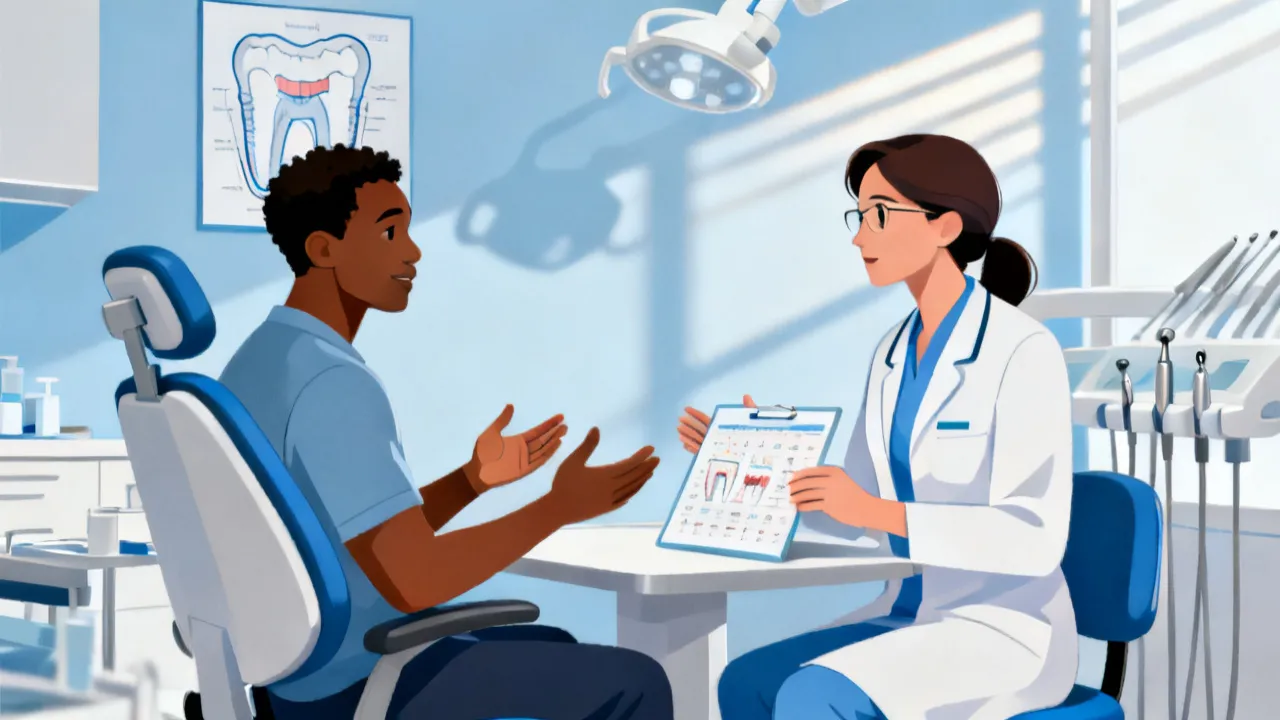
Why Oral Diseases Matter Before Dental Implant Treatment
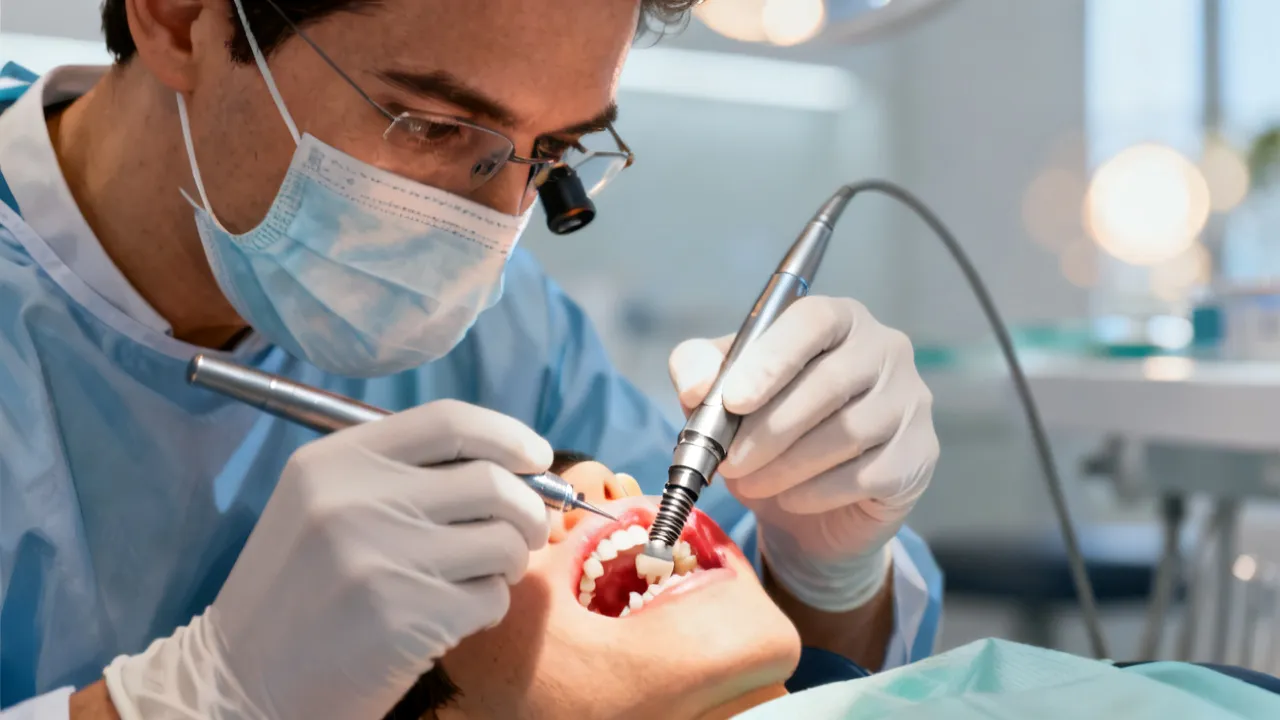
Oral diseases can influence nearly every stage of dental implant care, from the first consultation to long-term maintenance. A missing tooth is not simply a cosmetic concern: it may result from tooth decay, gum disease, trauma, developmental conditions, or an unsuccessful restoration. Before an implant is placed, a dentist must determine whether the surrounding teeth, gums, jawbone, and general health can support predictable healing.
From an industry expert’s perspective, the safest way to reduce the total cost of dental implants is not to choose the lowest advertised price immediately. It is to control preventable complications. Treating active oral diseases, obtaining appropriate diagnostic images, selecting a qualified clinician, and understanding what the quoted price includes can help patients avoid repeated procedures and unexpected expenses.
Dental implants generally consist of three components: an implant fixture inserted into the jawbone, an abutment that connects the fixture to the restoration, and a crown or other prosthetic tooth. Some clinics quote these elements together, while others price them separately. Bone grafting, gum treatment, extraction, temporary teeth, imaging, sedation, laboratory work, and follow-up appointments may also be additional charges.
A low-cost implant plan can therefore be appropriate when it is transparent, clinically suitable, and delivered by a properly trained dental team. However, a low initial quotation does not necessarily represent the lowest overall expense. Patients should evaluate the complete treatment pathway and the quality of care rather than comparing one headline number.
What Is Meant by Oral Diseases?
The term oral diseases includes conditions affecting the teeth, gums, oral mucosa, jaw, salivary glands, and related tissues. Some are common and manageable through routine care, while others require urgent professional assessment. The most familiar conditions include dental caries, periodontal disease, tooth wear, oral infections, and lesions of the mouth.
- Dental caries: Tooth decay occurs when bacterial activity, dietary sugars, and acids damage tooth structure. Untreated decay can progress from enamel to dentin and eventually reach the dental pulp.
- Gingivitis: This is inflammation of the gums, often associated with plaque accumulation. It may cause redness, swelling, or bleeding during brushing.
- Periodontitis: Advanced gum disease can damage the tissues and bone supporting the teeth. It is especially important in implant planning because untreated periodontal infection may affect natural teeth and implant sites.
- Dental abscesses: An abscess is a localized infection that may cause pain, swelling, fever, or a bad taste. It requires professional evaluation and should not be managed solely with home remedies.
- Tooth loss: Missing teeth may alter chewing, speech, bite balance, and the distribution of forces across the remaining dentition.
- Oral mucosal conditions: Persistent ulcers, white or red patches, unexplained bleeding, or changes that do not heal should be examined by a dentist or physician.
- Tooth wear: Erosion, abrasion, and bruxism can reduce tooth structure and may complicate restorative treatment.
- Dry mouth: Reduced saliva can increase the risk of decay, oral soreness, gum irritation, and difficulty wearing removable appliances. It may be related to medication, systemic disease, dehydration, or previous medical treatment.
- Malocclusion: An uneven bite can place excessive pressure on natural teeth, crowns, and implant restorations. It may need to be considered before final treatment is designed.
Not every oral condition creates the same level of risk. A small cavity in a distant tooth may be treated separately, whereas uncontrolled periodontitis can directly affect the prognosis of an implant. The clinical priority is to identify active disease, stabilize the mouth, and create a maintainable environment before surgery.
Oral diseases may also be interconnected. For example, a patient with missing teeth may chew on one side, allowing plaque to accumulate in neglected areas. A high-sugar diet may contribute to both decay and inflammation. A patient who grinds the teeth may fracture restorations or overload the implant. Effective planning therefore considers the whole mouth rather than examining only the empty space.
Warning Signs That Need Dental Assessment
Patients should arrange a dental evaluation when they experience persistent toothache, gum bleeding, facial swelling, loose teeth, sensitivity that does not settle, pus, difficulty opening the mouth, or a persistent bad taste. Oral sores, lumps, color changes, numbness, or difficulty swallowing also deserve prompt assessment, particularly when they continue for more than two weeks.
Emergency symptoms may include rapidly increasing facial swelling, breathing difficulty, uncontrolled bleeding, high fever, or severe pain accompanied by swelling. These signs can indicate an infection that needs urgent care. Delaying treatment can increase both medical risk and the eventual dental cost.
Some symptoms are subtle. Periodontal disease may progress with little pain, even while bone supporting the teeth is being lost. An implant consultation should not be based only on whether the mouth feels comfortable. A clinical examination, gum measurements, and suitable imaging may reveal problems that are not visible to the patient.
How Oral Diseases Affect Implant Eligibility
Implant eligibility is determined individually. A dentist or oral surgeon may review the patient’s medical history, medications, smoking status, oral hygiene, history of gum disease, bone volume, bite forces, and expectations. Radiographs and, when indicated, three-dimensional imaging help assess the intended implant site.
Active infection is usually addressed before implant placement. If a tooth is severely decayed or infected, the clinician may recommend extraction, site preservation, or a healing period before implant surgery. Patients with periodontal disease may need professional cleaning, periodontal therapy, improved home care, and a maintenance schedule.
Bone deficiency does not automatically exclude implant treatment. Depending on the location and severity, options may include guided bone regeneration, a sinus lift in the upper jaw, a narrower implant, a shorter implant, or an alternative restorative solution. Each option changes the treatment time and cost.
Systemic health is also relevant. Conditions affecting wound healing, immune response, or bone metabolism may require medical coordination. Diabetes, for example, should be managed appropriately, and medication histories should be disclosed. Patients should not stop prescribed medication without advice from the responsible healthcare professional.
A history of successful implants does not guarantee that every future site will have the same outcome. The front and back of the mouth have different aesthetic and functional demands. Upper-jaw bone may be less dense than lower-jaw bone, and the amount of available space may be limited by the sinus or nearby nerves. Each implant site must be evaluated on its own merits.
Why Periodontal Disease Deserves Special Attention
Periodontal disease is one of the most important oral conditions to control before implant surgery. The bacteria and inflammatory processes associated with periodontitis can affect the gums and bone around remaining natural teeth. Similar inflammation can occur around an implant, where it is commonly described as peri-implant mucositis or peri-implantitis, depending on the extent of tissue involvement.
A patient who has lost a tooth because of gum disease may remain susceptible to the same disease after receiving an implant. This does not mean an implant is unsuitable, but it does mean that disease control and long-term maintenance are essential parts of the treatment plan. The clinician may recommend periodontal treatment before surgery and more frequent maintenance visits afterward.
Patients should ask how gum health will be monitored. Useful information may include pocket measurements, bleeding assessments, radiographic comparisons, plaque-control instruction, and a written schedule for supportive care. A lower-cost plan that does not explain periodontal maintenance may not provide the complete care required for long-term success.
Steps for Obtaining Dental Implants at Lower Cost
Lower-cost dental implant treatment should be approached as a structured comparison process. The following steps can help patients in English-, Spanish-, and Portuguese-speaking markets make decisions based on value and safety.
1. Establish the clinical problem first
Confirm why the tooth was lost and whether the surrounding oral tissues are healthy. A basic examination may identify decay, gum disease, bite problems, or infection that could influence the treatment plan. Patients should ask whether an implant is the most suitable option or whether a bridge, removable prosthesis, or preservation of the existing tooth is clinically reasonable.
In some cases, saving a natural tooth with root canal treatment and a crown may be possible. In other cases, extraction and replacement may be more predictable. The patient should receive an explanation of the advantages, limitations, expected lifespan, maintenance requirements, and likely cost of each reasonable alternative.
2. Request a written, itemized treatment plan
The plan should identify the implant system, number of implants, abutment, crown material, imaging, extraction, grafting, temporary restoration, anesthesia, laboratory fees, follow-up, and maintenance. Ask whether the quotation is for one individual implant or for a complete implant-supported restoration.
The plan should also state whether taxes, emergency appointments, revisions, and replacement of temporary components are included. If a clinic uses a package price, request a description of every service within the package. An itemized plan makes it easier to compare providers and reduces the risk of misunderstanding.
3. Compare complete treatment costs rather than promotional prices
Some advertisements present only the surgical implant component. A complete individual tooth replacement may require several additional components. Comparing itemized plans makes it easier to identify whether one clinic has simply omitted costs that another clinic has included.
Patients should calculate the probable total, not only the starting fee. If a plan has a low surgical price but requires separate imaging, sedation, an abutment, a crown, and multiple laboratory charges, the final amount may be similar to or higher than a more comprehensive quotation.
4. Verify professional qualifications and facility standards
Check the dentist’s registration with the relevant national or regional authority. Review training in implant dentistry, oral surgery, prosthodontics, or periodontology, as applicable. Patients may also ask who performs the surgery, who designs the crown, which laboratory is used, and how complications are managed.
It is reasonable to ask whether the provider routinely treats cases similar to yours. Complex bone grafting, full-arch rehabilitation, severe periodontal disease, and major aesthetic cases may require a team approach. The person answering an online inquiry may not be the clinician who eventually performs the treatment.
5. Confirm the implant brand and documentation
A reputable provider should be able to identify the implant system and provide treatment records. Patients who move, change providers, or need future repairs may benefit from knowing the implant brand, model, and dimensions. A quotation that does not identify the materials or components deserves clarification.
Patients should request copies of relevant radiographs, treatment notes, prescriptions, consent documents, and laboratory information. These records can be important if a crown fractures, an abutment loosens, or another dentist needs to provide emergency care.
6. Treat oral diseases before surgery
Addressing active decay, gum inflammation, infection, and poor oral hygiene can reduce avoidable complications. This may seem to increase the immediate expense, but disease control is part of responsible implant preparation and can protect the investment over time.
Pre-treatment may include scaling and root planing, fillings, root canal treatment, extraction of non-restorable teeth, adjustment of an unstable bite, or instruction in brushing and interdental cleaning. The exact sequence depends on the condition of the mouth and the location of the planned implant.
7. Ask about staged treatment
Some patients can complete treatment in stages. For example, an extraction and infection management may come first, followed by healing, implant placement, and later crown delivery. Staging can make payment and scheduling easier, although it may extend the total treatment period.
Staging may also improve diagnostic accuracy. After an extraction, the clinician can observe the soft tissues and bone before deciding whether grafting is needed. However, delaying treatment should not be used to avoid necessary care, and the patient should understand how the gap will be managed during healing.
8. Investigate dental insurance and payment plans
Dental insurance varies substantially. Some plans may cover examinations, extractions, or restorations but exclude implants or impose waiting periods, annual limits, or restricted provider networks. Patients should request written confirmation of benefits. Clinic payment plans may also be available, but financing terms should be reviewed carefully.
Ask about interest rates, deposits, late fees, cancellation policies, and whether financing is provided by the clinic or an external lender. A monthly payment can appear affordable while still producing a high total cost. Patients should also confirm what happens to outstanding payments if treatment is delayed or transferred to another provider.
9. Consider dental schools or supervised teaching clinics
In some regions, accredited dental schools and teaching clinics provide selected treatments under the supervision of experienced faculty. Eligibility, waiting times, and procedure availability vary. Patients should confirm that implant surgery and prosthetic care are appropriate for the teaching environment and understand who is responsible for follow-up.
Teaching clinics may require longer appointments or additional visits because treatment is reviewed at several stages. For patients whose cases fit the program, this can be a useful way to access care at a reduced fee while remaining within a supervised clinical setting.
10. Compare nearby clinics and travel options responsibly
Travel may reduce the quoted treatment fee in some markets, but transport, accommodation, time away from work, translation, and emergency return visits can change the total cost. Patients should identify where follow-up will occur and what happens if an implant fails or a crown requires adjustment after returning home.
Travel also requires attention to timing. A patient may need to remain near the clinic during the early healing period, and the final crown may not be ready during the same visit as implant placement. A low price should not encourage a rushed schedule that ignores biological healing.
11. Avoid making a decision based only on reviews
Patient reviews can describe communication and general experience, but they do not replace clinical evaluation. A practice should be assessed through licensing information, treatment planning, informed consent, hygiene procedures, and the clarity of its fee structure.
Before-and-after photographs can also be useful but should be interpreted cautiously. Images may show selected cases, may be taken under different lighting conditions, and may not demonstrate long-term function or maintenance. Patients should ask about follow-up duration and whether the examples are comparable to their own situation.
12. Plan for maintenance
Implants are not immune to oral diseases. Plaque can cause inflammation around an implant, and persistent inflammation may lead to peri-implant disease. Regular examinations, professional hygiene appointments when needed, appropriate brushing, interdental cleaning, and management of bruxism are central to long-term care.
Maintenance should be included in the financial calculation. The crown may eventually require repair or replacement, and natural teeth may still need fillings, periodontal treatment, or crowns. An implant does not eliminate the need for comprehensive dental care.
Conditions and Requirements for a Lower-Cost Implant Plan
Patients should generally be prepared to provide a complete medical and dental history, current medication list, allergy information, previous dental records, and relevant imaging. Smoking and vaping habits should be discussed honestly because they may influence healing and periodontal health. The clinician may recommend changes before surgery.
Good candidates typically have sufficient bone or a realistic plan for managing bone limitations, manageable oral hygiene, controlled medical conditions, and realistic expectations. A patient who wants a lower-cost solution should still expect diagnostic evaluation, informed consent, sterilization protocols, emergency planning, and appropriate follow-up.
Language access is another practical consideration. In multilingual markets, patients may prefer clinics that provide information in English, Spanish, or Portuguese. Understanding consent documents, risks, alternatives, and aftercare instructions is essential. If a patient cannot understand the treatment discussion, professional interpretation should be considered.
Patients should also understand that treatment estimates are not always fixed. A clinician may identify additional needs after examining the area or during surgery. This possibility should be discussed before treatment begins. Ask how unexpected findings will be handled and whether the dentist will obtain consent before performing additional procedures.
Understanding the Main Stages of Implant Treatment
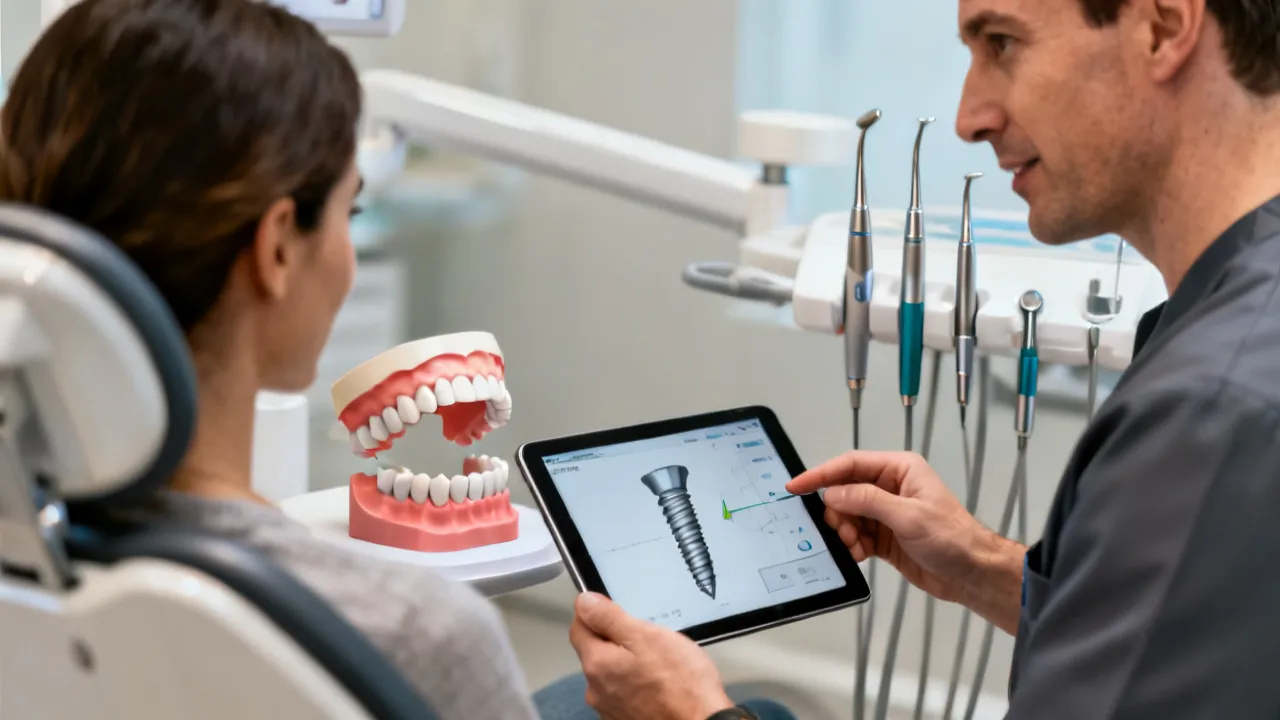
The first stage is assessment and planning. The dentist examines the mouth, evaluates the bite and gums, reviews medical history, and obtains appropriate images. Digital scans or impressions may be used to plan the restoration. The goal is to determine the position of the implant and the shape of the future tooth before surgery is performed.
The second stage may involve preparation. This can include treatment of gum disease, restoration of adjacent teeth, extraction, bone preservation, or temporary tooth replacement. In some cases, an implant is placed at the same appointment as an extraction; in other cases, healing is recommended first.
The third stage is surgical placement. The implant fixture is positioned in the jawbone under local anesthesia, with sedation or other anesthesia options considered when appropriate. The site is then allowed to heal. The time required varies according to bone quality, implant stability, the location of the tooth, and whether grafting has been performed.
The fourth stage is restoration. Once the implant has integrated sufficiently, the abutment and crown are fitted. The dentist checks the bite, contacts with neighboring teeth, appearance, speech, and cleaning access. A crown that is difficult to clean may increase the risk of inflammation, even if the implant was placed correctly.
The final stage is maintenance. The dental team monitors the implant, surrounding tissues, and remaining teeth. The patient follows daily hygiene instructions and attends periodic appointments. This ongoing stage is essential because biological conditions can change years after treatment.
Reference Cost Ranges for One Individual Dental Implant
The following figures are reference ranges for an individual dental implant in the listed markets. They should not be interpreted as a universal quotation or as the price of a complete full-mouth rehabilitation. The word “implant” may refer to different portions of treatment depending on the provider, so patients must ask whether the abutment, crown, imaging, extraction, grafting, and temporary tooth are included.
| Country | Currency | Reference price range for one individual dental implant |
|---|---|---|
| United States (US) | USD | $3,000–$6,000 |
| United Kingdom (GB) | GBP | £2,000–£2,500 |
| Australia (AU) | AUD | AU$3,500–AU$6,500 |
| Canada (CA) | CAD | CA$3,000–CA$5,500 |
| Spain (ES) | EUR | €1,500–€2,500 |
| Chile (CL) | CLP | CLP$800,000–CLP$1,500,000 |
| Mexico (MX) | MXN | $15,000–$25,000 MXN |
| Colombia (CO) | COP | $2,000,000–$4,000,000 COP |
| Peru (PE) | PEN | S/ 3,000–S/ 6,000 |
| Argentina (AR) | ARS | $80,000–$150,000 ARS |
| Brazil (BR) | BRL | R$3,000–R$8,000 |
| Portugal (PT) | EUR | €1,000–€2,000 |
| Germany (DE) | EUR | €2,000–€3,500 |
| France (FR) | EUR | €1,500–€2,500 |
| Italy (IT) | EUR | €1,500–€3,000 |
| Japan (JP) | JPY | ¥300,000–¥700,000 |
Prices can vary by region, clinic, dentist, implant system, laboratory, diagnostic requirements, anesthesia, bone availability, and the complexity of the bite. Currency exchange rates and inflation can also change the practical value of a historical price range. The figures above are therefore best used to prepare questions, not to select a provider without an examination.
A useful comparison is to divide the estimate into four broad categories: diagnosis, surgery, restoration, and maintenance. Diagnosis may include the consultation, photographs, radiographs, scans, and models. Surgery may include extraction, implant placement, grafting, anesthesia, and medications. Restoration may include the abutment, crown, laboratory work, and adjustments. Maintenance includes examinations, hygiene appointments, repairs, and possible replacement in the future.
Comparing Information Sources for Lower-Cost Dental Implants
The websites below represent different types of information sources. Some focus on implant education, some provide direct clinical services, some discuss dental travel, and others relate to insurance or dental plans. Their content should be read as an initial research resource. A website description is not a substitute for a personal diagnosis or a formal treatment quotation.
| Website or organization | Primary features and patient use |
|---|---|
| Dental Views | Educational information on lower-cost dental implants, implant benefits, treatment types, cost considerations, the implant process, and common questions. |
| Atlantic Dental Group | Clinic-based information covering general dentistry, cleaning, orthodontics, implants, emergency care, appointments, locations, and dental professionals. |
| DentaVacation | Dental tourism information, international treatment comparisons, travel arrangements, and procedures available in selected destinations. |
| American Dental Health Plans | Information associated with dental insurance plans, coverage options, applications, provider access, and ways to manage treatment expenses. |
| Rockville Dental Arts | Spanish-language clinic information covering implants, whitening, cleaning, orthodontics, and emergency dental services. |
| Union City Mini Dental Implants | Spanish-language information focused on mini dental implants and possible applications for limited areas of tooth replacement. |
| Cigna | Spanish-language educational guidance explaining dental implants, treatment components, and questions patients may consider when reviewing care. |
| Rubi Odonto | Brazilian clinic information on orthodontics, whitening, dental implants, and patient-oriented dental services. |
| Odontologia Velasco | Brazilian clinic information on implants, prostheses, aesthetic dentistry, and the use of contemporary dental technologies. |
| DentalVidas | Portuguese-language dental plan information for individuals, families, and companies, including network access and emergency service information. |
source: www.dentalviews.com/low-cost-dental-implants/
source: www.atlanticdentalgrp.com/
source: www.dentavacation.com/
source: www.rockvilledentalarts.com/es/
source: www.unioncityminidentalimplants.com/es/
source: www.cigna.com/es-us/knowledge-center/guide-to-dental-implants
source: www.rubiodonto.com.br/
source: www.odontologiavelasco.com.br/
source: www.dentalvidas.com.br/
source: rockvilledentalarts.com/es/
How to Evaluate the Listed Resources
Educational implant pages: Resources such as Dental Views and the Spanish-language Cigna guide may help readers understand terminology, treatment stages, and questions about cost. Patients should compare educational explanations with information from professional dental organizations and their own clinician.
Clinic websites: Websites such as Atlantic Dental Group, Rockville Dental Arts, Union City Mini Dental Implants, Rubi Odonto, and Odontologia Velasco can help patients identify services, languages, locations, and appointment pathways. Before booking, confirm the dentist’s credentials, the exact treatment team, diagnostic process, and the content of the quoted fee.
Dental plan information: DentalVidas and American Dental Health Plans represent the type of resource patients may consult when considering dental coverage or a provider network. Plan terms can include exclusions, annual limits, waiting periods, and restrictions. A plan’s monthly cost should be considered alongside the likely out-of-pocket amount.
Dental tourism resources: DentaVacation may be useful for understanding how international dental travel is organized. However, travel-based treatment requires additional planning. Patients should confirm the clinic’s legal status, professional registration, infection-control standards, emergency arrangements, treatment guarantees, communication procedures, and the practical process for managing complications after returning home.
Dental Tourism: Potential Savings and Important Risks
International dental care can appear less expensive because clinical fees, laboratory charges, and operating expenses differ between markets. Yet the apparent saving may narrow when travel, accommodation, meals, companion expenses, local transport, additional imaging, and time away from work are added. Exchange-rate movements can also affect the final amount.
Implant treatment may require multiple visits. The surgical phase and prosthetic phase are not always completed during one trip because the implant may need time to integrate with the jawbone. An immediate crown is not appropriate in every case. Patients should ask how many visits are expected and what happens if healing takes longer than planned.
Aftercare is a central issue. If swelling, pain, infection, loose components, or a damaged temporary tooth occurs after travel, the original clinic may be difficult to reach. A local dentist may be reluctant to manage an unfamiliar implant system without adequate records. Patients should obtain copies of imaging, implant details, prescriptions, operative notes, and restoration information.
Cross-border treatment is not automatically unsafe, and local treatment is not automatically superior. The meaningful comparison is between specific clinicians, facilities, treatment plans, and follow-up arrangements. A carefully verified provider with transparent communication is more important than a destination’s reputation for low prices.
Patients should be particularly cautious about compressed treatment schedules. Bone healing is biological and cannot always be accelerated safely to fit a travel itinerary. If a clinic promises that every patient can receive permanent teeth within a very short period, ask which cases qualify, what temporary restoration will be used, and what happens if the expected level of implant stability is not achieved.
Mini Dental Implants and Conventional Implants
Mini dental implants have a smaller diameter than many conventional implants and may be considered in selected clinical situations. They are sometimes discussed for stabilizing removable dentures or replacing teeth in areas with limited space. Their suitability depends on bone anatomy, loading forces, restoration design, and the clinician’s assessment.
Patients should not assume that a mini implant is a universal substitute for a conventional implant. The two approaches may differ in design, indications, surgical requirements, restoration options, and long-term evidence for particular uses. A dentist should explain the alternatives, expected durability, maintenance, and possible need for future treatment.
When comparing prices, patients should confirm whether the quote relates to a mini implant, a conventional implant, a temporary tooth, a denture-retention system, or a complete fixed crown. These are not interchangeable descriptions.
Mini implants may be appropriate for selected denture-stabilization cases, but the patient should understand whether the restoration is removable or fixed. A removable overdenture and an individual fixed crown have different cleaning routines, mechanical demands, and long-term costs. The least expensive option may not provide the function or appearance the patient expects.
Protecting Oral Health After Implant Placement
Successful surgery does not eliminate the need for oral disease prevention. Plaque can accumulate around the crown and implant components. Patients may need a soft toothbrush during the early healing period, followed by a personalized hygiene routine. Interdental brushes, floss designed for implant restorations, water irrigation devices, or other tools may be recommended according to the restoration and gum anatomy.
Routine examinations allow the dental team to assess gum condition, bite forces, implant stability, hygiene access, and the integrity of the crown or abutment. The interval should be individualized. Patients with a history of periodontitis, heavy plaque, smoking, diabetes, or bruxism may need closer monitoring.
Smoking cessation or reduction should be discussed because tobacco exposure is associated with poorer periodontal health and can interfere with healing. Patients should also report persistent bleeding, swelling, pus, bad taste, pain during chewing, or a feeling that the implant or crown has become loose.
Dietary habits matter as well. Frequent exposure to sugary foods and acidic drinks can contribute to decay in natural teeth and affect the margins around restorations. An implant cannot decay in the same way as a natural tooth, but the adjacent teeth and supporting tissues remain vulnerable to oral diseases.
Night-time grinding or clenching should also be reported. Excessive forces can contribute to chipped porcelain, screw loosening, crown fracture, discomfort in the jaw, or overload of the supporting tissues. A dentist may recommend a protective occlusal appliance after evaluating the bite and restoration.
Financial Questions to Ask a Dental Clinic
- Is the price for the implant fixture only, or does it include the abutment and crown?
- Are consultation, X-rays, three-dimensional imaging, and laboratory fees included?
- Is tooth extraction included if it is necessary?
- Could bone grafting or gum treatment be required, and how much might those services cost?
- What type and brand of implant will be used?
- Who will perform surgery and who will provide the final restoration?
- How many visits are expected?
- What is the policy for adjustments, complications, or implant failure?
- What records will the patient receive after treatment?
- Are payment plans, insurance claims, or staged payments available?
- What maintenance appointments are recommended, and what are their fees?
- Are temporary teeth included during the healing period?
- What happens if the laboratory needs to remake the crown?
- Does the clinic charge separately for emergency visits or postoperative reviews?
Written answers are preferable to verbal assurances. A clear plan should explain benefits, limitations, alternatives, material choices, expected healing, possible complications, and the financial responsibilities of the patient.
Patients should ask whether the quoted price is valid for a specific period. Prices may change because of laboratory costs, material availability, taxes, or exchange rates. If treatment is staged over several months, ask whether later components are guaranteed at the original price or recalculated at the time of delivery.
Common Mistakes When Seeking Lower-Cost Implants
One frequent mistake is comparing a complete restoration at one clinic with a surgical-only price at another. Another is postponing treatment for oral diseases while focusing exclusively on the implant fee. Untreated gum disease, poorly controlled decay, or an unstable bite can create additional treatment needs.
Patients may also underestimate the importance of the crown. The implant fixture is only part of the final tooth replacement. Crown material, laboratory quality, bite adjustment, emergence profile, and cleaning access can affect function and appearance.
A further mistake is booking an international appointment without arranging follow-up. A lower initial price may not compensate for a second trip or emergency treatment. The patient should have a realistic plan for every stage of care before paying a deposit.
Finally, patients should be cautious about guarantees that promise a particular outcome without discussing individual risk. Dental treatment has biological variables, and responsible clinicians explain uncertainty rather than making exaggerated claims.
Another mistake is assuming that an implant will last forever without maintenance. Implants can function for many years, but their longevity depends on tissue health, cleaning, bite forces, restoration quality, general health, and regular professional review. A patient should evaluate the provider’s maintenance program as carefully as the initial surgery.
FAQs About Oral Diseases and Low-Cost Dental Implants
Can oral diseases prevent dental implant treatment?
Active infection or uncontrolled periodontal disease may delay implant treatment, but it does not necessarily rule it out permanently. The dentist may first provide disease control, remove infection, improve oral hygiene, and reassess the site after healing.
Is an implant price the same as the cost of replacing one tooth?
Not always. Some quotations cover only the implant fixture. Replacing one tooth may also require an abutment, crown, diagnostic imaging, extraction, temporary restoration, and follow-up. Ask for a complete itemized estimate.
What is the most reliable way to reduce implant costs?
Obtain several written treatment plans, compare identical components, treat oral diseases early, check insurance and supervised teaching-clinic options, and select a qualified provider with transparent follow-up. Delaying necessary care or choosing an unverified clinic may increase total costs.
Are dental implants suitable for older adults?
Age alone does not determine eligibility. General health, bone condition, medication use, oral hygiene, periodontal stability, and the ability to attend follow-up appointments are more relevant. A comprehensive assessment is required.
How long does implant treatment take?
The timeline varies. Some cases may be restored relatively quickly, while others require extraction healing, bone grafting, implant integration, and staged prosthetic treatment. The clinician should provide an estimated schedule and explain factors that could cause delays.
Are mini dental implants less expensive?
They may have a lower initial quotation in some settings, but cost depends on the indication and the complete restoration. Mini implants are not suitable for every patient or every tooth-replacement design. Clinical appropriateness should come before price.
Does dental insurance cover implants?
Coverage differs by plan and jurisdiction. Some policies exclude implants, while others may contribute to associated services or provide benefits under defined conditions. Check exclusions, waiting periods, annual limits, deductibles, and participating providers in writing.
Should I travel abroad for an implant?
Travel may be considered after careful verification of the provider and the full treatment plan. Include travel and follow-up costs, confirm the number of visits, obtain medical records, and establish a plan for complications after returning home.
Can an implant develop oral disease?
An implant itself does not develop dental caries like natural enamel, but the surrounding gum and bone can become inflamed. Peri-implant disease may be associated with plaque, periodontal history, smoking, hygiene difficulties, and other factors. Regular maintenance is important.
What should I do if my implant crown feels loose?
Contact a dental professional promptly. Do not attempt to tighten or repair the component yourself. A loose crown, abutment, or implant requires examination to determine the cause and prevent additional damage.
Can I receive an implant immediately after an extraction?
In selected cases, immediate placement may be possible, especially when infection is controlled and sufficient bone remains. It is not appropriate for every patient. The dentist must evaluate the socket, gum tissues, implant stability, bite, and aesthetic requirements.
What if I have diabetes?
Diabetes does not automatically prevent implant treatment, but blood glucose management and general health are important. The dental team may coordinate with the patient’s physician and may recommend postponing elective surgery until the condition is appropriately controlled.
Do I need to replace a missing tooth immediately?
The timing depends on the tooth, bone condition, bite, appearance, and the patient’s overall treatment plan. Delaying replacement may allow bone shrinkage or movement of neighboring teeth, although an immediate implant is not always the best solution. A dentist can explain the consequences of waiting.
Conclusion
Managing oral diseases is the foundation of responsible implant treatment. Patients seeking lower-cost dental implants should begin with diagnosis and disease control, then compare complete itemized plans from appropriately qualified providers. The best value combines sound clinical judgment, transparent pricing, suitable materials, understandable consent, and dependable follow-up.
English-, Spanish-, and Portuguese-speaking patients have access to a range of educational, clinical, insurance, and dental tourism resources. These websites can help organize questions and identify possible options, but they should not replace an examination. A carefully planned individual implant may restore function and confidence, while an impulsive decision based only on a low headline price can create avoidable medical and financial problems.
The most practical approach is to think in terms of total value. A safe diagnosis, suitable implant design, healthy supporting tissues, accurate laboratory work, clear records, and a reliable maintenance plan may cost more initially than a stripped-down promotion, but they can reduce the likelihood of preventable repairs and repeated treatment. Patients should seek affordability without sacrificing professional standards.
Disclaimer
1. The above information comes from online resources, and the data is as of October 2023.
2. Dental implant prices are for reference only and may vary by region, clinic and doctor.
3. This information is educational and does not provide a diagnosis, treatment recommendation, or substitute for an examination by a qualified dental professional. Patients with pain, swelling, infection, persistent oral lesions, or other urgent symptoms should seek appropriate professional care.
Reference Links
Dental Views – Low Cost Dental Implants
Rockville Dental Arts, Spanish-language website
Union City Mini Dental Implants, Spanish-language website