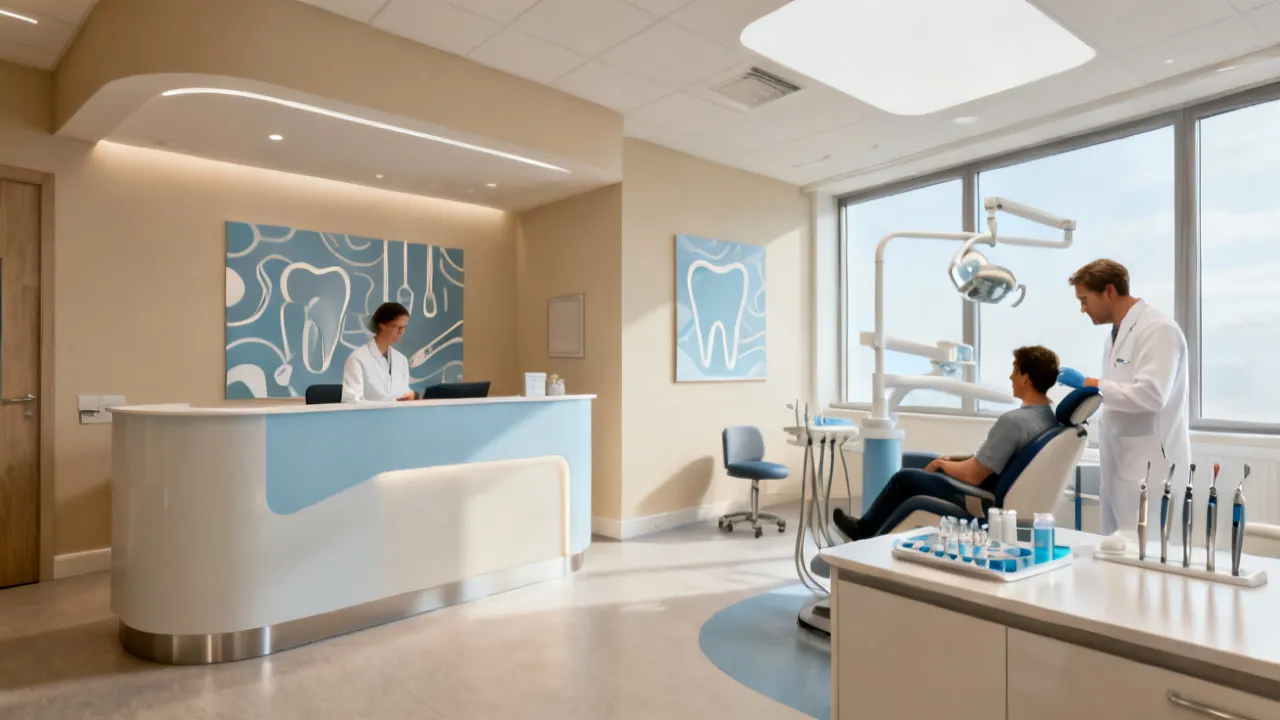
Understanding Oral Diseases and Prevention
This guide explains how 구강 질환, or oral diseases, develop, how warning signs should be assessed, and which prevention and treatment strategies are supported by dental evidence. Oral diseases include tooth decay, gum disease, oral infections, mucosal disorders, and oral cancer. Their causes may involve bacterial biofilm, tobacco or alcohol exposure, diet, medications, systemic illness, and limited access to dental care. Early professional evaluation remains important because symptoms can be mild while disease progresses.
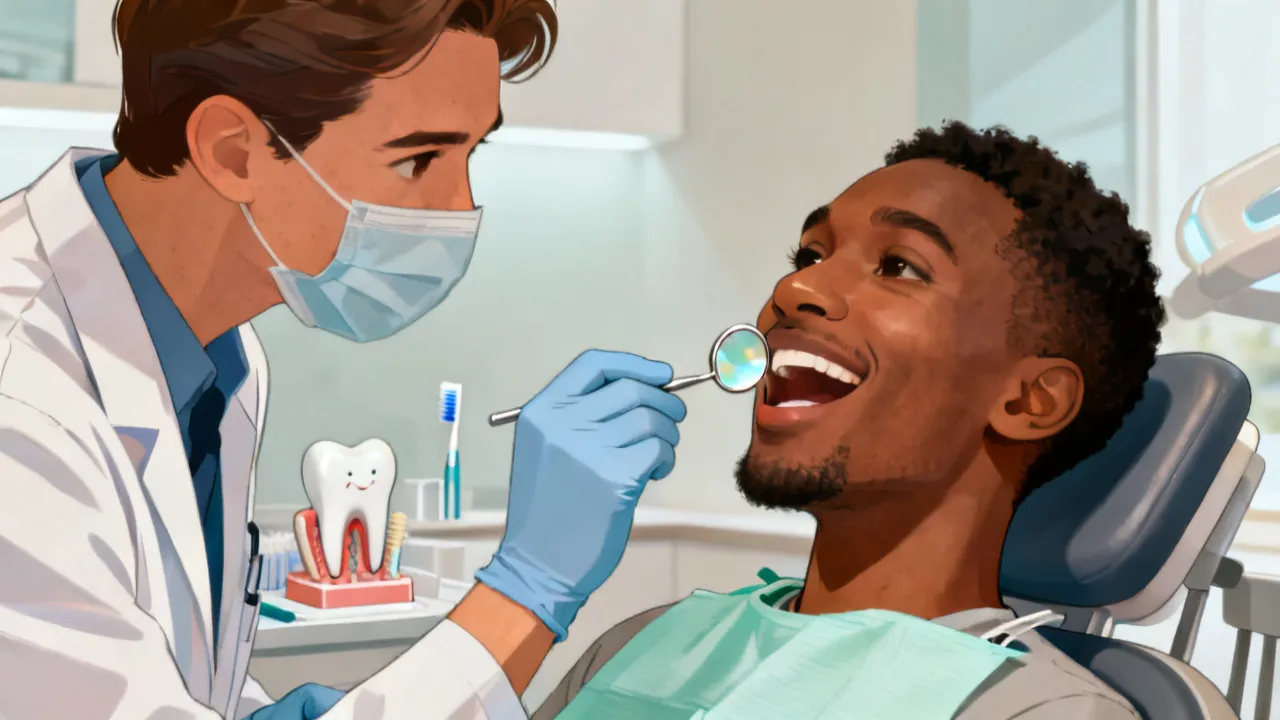
What Oral Diseases Mean for Everyday Health
구강 질환, the Korean term commonly translated as oral diseases, describes a broad group of conditions affecting the teeth, gums, supporting bone, tongue, cheeks, lips, salivary glands, jaw joints, and other tissues of the mouth. The category includes common problems such as dental caries and gingivitis, as well as more complex disorders such as periodontitis, oral fungal infections, temporomandibular disorders, developmental abnormalities, salivary gland disease, tooth wear, oral mucosal disorders, and cancers of the oral cavity.
Oral health influences much more than a person’s smile. The mouth is involved in eating, speaking, swallowing, breathing, facial expression, and social interaction. Pain or inflammation can interfere with sleep, concentration, nutrition, work, and school attendance. A missing or damaged tooth may alter chewing and speech, while poorly fitting dentures can make a person avoid certain foods. For children, untreated dental pain may affect learning and behavior. For older adults, difficulty chewing can contribute to reduced food intake and social isolation.
The most important practical conclusion is that persistent oral symptoms should be assessed by a qualified dental professional rather than managed only with household products. Pain, swelling, bleeding, changes in the mouth lining, sensitivity, loose teeth, or difficulty swallowing may have several possible causes. A clinician can distinguish between temporary irritation and disease requiring treatment while also considering medication use, pregnancy, diabetes, immune status, tobacco exposure, and other relevant factors.
From an industry expert’s perspective, oral health is best understood as a continuing process rather than a series of isolated appointments. Prevention depends on daily plaque control, appropriate fluoride exposure, balanced dietary habits, tobacco avoidance, and risk-based dental examinations. Treatment is most effective when it addresses both the visible problem and the factor that allowed it to develop. A filling may repair a cavity, for example, but preventing additional decay may require changes in fluoride exposure, diet, saliva management, brushing, or the treatment of an underlying medical issue.
Why Oral Diseases Develop
Many oral diseases begin with interactions among microorganisms, the tissues of the mouth, diet, saliva, behavior, genetics, and time. Dental plaque is a structured microbial biofilm that forms on tooth surfaces and along the gum margin. When plaque remains undisturbed, microorganisms can produce acids and inflammatory substances. These can contribute to enamel mineral loss, gum irritation, and destruction of the tissues supporting the teeth.
However, the presence of microorganisms alone does not explain every case. The mouth normally contains many microorganisms, and disease develops when the balance among the microbial community, host defenses, and environmental conditions is disrupted. A person’s susceptibility may be influenced by tooth shape, enamel development, immune function, genetics, saliva composition, nutrition, and access to dental care. Two people with apparently similar brushing habits may therefore have different levels of risk.
Saliva helps buffer acids, clear food particles, lubricate the mouth, and supply minerals that support enamel repair. A dry mouth can therefore increase the risk of decay, oral soreness, difficulty swallowing, and problems wearing dentures. Dryness may be associated with certain medicines, dehydration, radiation treatment, autoimmune conditions, mouth breathing, diabetes, anxiety, or aging-related changes. The cause should be investigated before a long-term management plan is selected.
Diet is another important factor. Frequent exposure to fermentable carbohydrates gives acid-producing bacteria repeated opportunities to lower the pH at the tooth surface. The total pattern of eating and drinking may matter more than a single food. Repeated sipping of sweetened beverages, for example, can expose teeth to acid and carbohydrate over extended periods. Acidic foods and drinks may also contribute to erosion, which differs from bacterial decay because it involves chemical wear rather than primarily microbial activity.
Meal timing can also influence risk. A person who consumes a sweet food once with a main meal may have a different risk profile from someone who grazes on sweet snacks throughout the day. This does not mean that every individual must eliminate all sweet or acidic foods. A practical plan usually focuses on reducing the frequency of exposure, choosing water between meals, and maintaining effective fluoride use.
Smoking and other forms of tobacco can damage oral tissues, stain teeth, delay healing, reduce the visible signs of gum inflammation, and increase the risk of gum disease and oral cancer. Alcohol can also contribute to oral cancer risk, especially when combined with tobacco exposure. A dental professional should discuss these factors in a respectful, confidential manner and direct patients toward evidence-based cessation support when appropriate. Nicotine products may help some adults reduce cigarette use, but they are not harmless to oral tissues and should not be presented as a universal solution.
Major Categories of Oral Diseases
Dental Caries
Dental caries, often called tooth decay, occurs when acids produced by plaque bacteria remove minerals from enamel and deeper tooth structures. Early lesions may appear as chalky white areas and may not cause discomfort. As mineral loss progresses, a cavity can form. When the lesion reaches dentin or the pulp, sensitivity and pain may become more noticeable.
Risk assessment includes tooth anatomy, oral hygiene, fluoride exposure, dietary frequency, saliva flow, previous decay, orthodontic appliances, exposed tooth roots, and certain medical conditions. A dentist may recommend topical fluoride, sealants, dietary changes, restorative treatment, or closer monitoring depending on the activity and depth of the lesion.
Decay can develop on chewing surfaces, between teeth, around fillings or crowns, and along exposed roots. Root caries is particularly relevant for people with gum recession or dry mouth because root surfaces are softer and less resistant to acid than enamel. People with braces, bridges, or other appliances may also have areas where plaque is difficult to remove and may require modified cleaning tools.
Gingivitis and Periodontitis
Gingivitis is inflammation of the gums, commonly associated with plaque accumulation. Typical signs include redness, swelling, tenderness, and bleeding during brushing or interdental cleaning. Gingivitis can often improve when plaque is removed consistently and professional deposits are addressed. Hormonal changes during puberty or pregnancy, certain medicines, and some systemic conditions can make gum tissues more reactive.
Periodontitis is more advanced and involves inflammation with loss of the tissues and bone supporting the teeth. It may cause gum recession, periodontal pockets, persistent bad breath, tooth mobility, pus, or changes in how teeth meet. The disease may progress with limited pain, which is one reason regular assessment matters. Treatment can include professional debridement, improved home care, management of risk factors, and specialist referral in complex cases.
Periodontal disease is not simply a result of poor personal discipline. Access to care, smoking, diabetes control, genetics, stress, dexterity, disability, and medication use can all influence the disease. Effective communication should identify barriers and offer realistic solutions rather than relying on blame. For some patients, a larger interdental brush, powered toothbrush, caregiver assistance, or a revised appointment schedule may make more difference than repeated general instructions.
Oral Infections
Oral infections may be bacterial, viral, fungal, or related to dental treatment complications. Candidiasis, sometimes called oral thrush, can produce white patches, redness, burning, altered taste, or discomfort when eating. It may be more likely after antibiotic use, inhaled corticosteroids, denture use, immune suppression, uncontrolled diabetes, or certain medical conditions. White material that can be removed is not automatically diagnostic of candidiasis, so professional examination is appropriate.
Viral infections can cause blisters, ulcers, fever, or localized irritation. The location, appearance, duration, associated symptoms, and medical history help determine whether a lesion is likely to be viral or caused by trauma, inflammation, or another process. Patients should avoid sharing personal oral-care items and should follow medical advice regarding contagious conditions.
Dental abscesses occur when infection develops in or around a tooth. Symptoms may include severe toothache, sensitivity, swelling, fever, or a bad taste. Facial swelling, difficulty breathing, inability to swallow, or rapidly worsening symptoms require urgent medical attention. Antibiotics do not replace treatment of the dental source, such as drainage, root canal treatment, or extraction when clinically indicated. Repeatedly using leftover antibiotics can mask symptoms while allowing the underlying infection to continue.
Tooth Wear and Sensitivity
Tooth wear may result from erosion, abrasion, attrition, or a combination of these processes. Erosion is chemical dissolution caused by acids from dietary sources or gastric reflux. Abrasion may be associated with forceful brushing, abrasive powders, occupational habits, or holding objects between the teeth. Attrition refers to tooth-to-tooth contact, which can be increased by grinding or clenching.
Sensitivity can occur when dentin becomes exposed. Cold drinks, sweet foods, touch, or airflow may trigger a short, sharp sensation. Persistent, spontaneous, or lingering pain should not be assumed to be ordinary sensitivity because it may indicate decay, a cracked tooth, pulp inflammation, gum recession, or another condition.
Management depends on the cause. A professional may recommend a desensitizing fluoride toothpaste, adjustment of brushing technique, treatment of decay, protection of an exposed root, dietary changes, or evaluation for grinding. Whitening products can temporarily increase sensitivity, especially when used too frequently or without considering existing enamel wear. Whitening should be postponed until active decay, gum inflammation, or unexplained pain has been assessed.
Temporomandibular Disorders and Jaw Pain
Temporomandibular disorders affect the jaw joints, chewing muscles, or both. Symptoms may include jaw pain, clicking, limited opening, headaches, facial fatigue, ear-related discomfort, or difficulty chewing. Clenching, grinding, stress, trauma, arthritis, unstable bites, and muscle overuse may contribute, although a clicking sound without pain or restricted movement does not always require treatment.
Assessment should consider the duration and severity of symptoms, changes in jaw movement, dental wear, sleep quality, and associated medical conditions. Conservative care may involve soft foods for a limited period, avoiding extreme jaw movements, physical therapy, stress-management techniques, and professionally guided appliances. Patients should be cautious about irreversible bite changes or extensive dental treatment proposed solely to treat jaw sounds without a clear diagnosis.
Oral Mucosal Disorders
The lining of the mouth can develop ulcers, white or red patches, blisters, pigmentation changes, and areas of thickening. Minor ulcers often resolve within a limited period, but the appearance and duration of a lesion are important. Recurrent or persistent lesions may relate to trauma, nutritional problems, medication effects, immune disorders, infection, inflammatory disease, or potentially serious disease.
People should arrange an examination for a mouth lesion that lasts longer than expected, repeatedly returns in the same location, bleeds without a clear cause, becomes firm, or is associated with a neck lump, unexplained weight loss, persistent hoarseness, or difficulty swallowing. The assessment may involve visual examination, palpation, medical history, and, when necessary, biopsy or referral.
Trauma is a frequent explanation for a localized lesion. A sharp tooth, fractured restoration, poorly fitting denture, orthodontic wire, or habitual cheek biting may repeatedly injure the same site. Removing the source of trauma is often an important part of care, but a lesion that persists after the irritation has been eliminated still requires reassessment.
Oral Cancer
Oral cancer can affect the lips, tongue, floor of the mouth, cheeks, gums, hard palate, soft palate, and related structures. Risk factors may include tobacco, alcohol, certain viral infections, sun exposure to the lips, age, and previous disease. Risk does not determine an individual diagnosis, and people without recognized risk factors can still develop suspicious changes.
Possible warning signs include a persistent ulcer, red or white patch, unexplained bleeding, numbness, a lump, difficulty moving the tongue, persistent sore throat, or a change in the fit of a denture. These signs have many non-cancerous explanations, but timely assessment improves the chance of identifying the cause at an earlier stage. A person should not wait for severe pain because early oral cancer may be painless.
Recognizing Symptoms That Need Attention
Symptoms should be considered in context. Mild gum bleeding after a long period without interdental cleaning may reflect inflammation, while frequent bleeding despite careful cleaning may require a periodontal evaluation. A short episode of sensitivity may be linked to exposed dentin, whereas lingering pain after hot or cold exposure can suggest deeper inflammation.
| Symptom or finding | Possible explanations | Recommended response |
|---|---|---|
| Bleeding gums | Gingivitis, periodontitis, trauma, or medication-related factors | Improve gentle plaque removal and arrange a dental assessment if bleeding persists |
| Toothache | Decay, pulp inflammation, cracked tooth, abscess, or gum disease | Seek dental evaluation, particularly when pain is severe or persistent |
| Facial or gum swelling | Dental abscess, infection, trauma, or another inflammatory process | Obtain prompt professional care; urgent help is needed with breathing or swallowing difficulty |
| White or red mouth patch | Trauma, infection, inflammation, tobacco-related change, or other mucosal disorder | Arrange examination when the change persists, enlarges, or recurs |
| Persistent dry mouth | Medication effects, dehydration, systemic illness, radiation treatment, or salivary gland dysfunction | Discuss the cause with a clinician and review medicines with the prescribing professional |
| Loose adult tooth | Periodontitis, injury, root damage, or other structural disease | Seek timely dental assessment rather than waiting for further movement |
| Difficulty opening the mouth | Jaw-joint disorder, muscle spasm, trauma, or spreading infection | Seek prompt evaluation, especially when fever or swelling is present |
This table is a general orientation, not a diagnostic tool. The same symptom can result from different conditions, and some oral diseases produce little or no discomfort. Diagnosis requires an examination and, when appropriate, radiographs or other investigations.
Evidence-Based Prevention
Daily Plaque Control
Brushing twice each day with a fluoride toothpaste is widely recommended by dental and public health organizations for most individuals. The brush should be positioned so that it reaches the gum margin without damaging the tissues. Brushing pressure should be controlled; excessive force does not improve plaque removal and may contribute to recession or abrasion.
Cleaning between the teeth is important because a toothbrush cannot reliably reach every interdental surface. Floss, interdental brushes, water flossers, or other devices may be suitable depending on the size of the spaces, orthodontic appliances, bridges, implants, dexterity, and gum condition. An oral health professional can demonstrate a technique that matches the individual’s anatomy. If the gums bleed when a person begins cleaning between the teeth, gentle consistency is often preferable to stopping immediately, although ongoing bleeding should be evaluated.
Toothbrushes should be replaced when bristles become worn. Electric and manual brushes can both be effective when used correctly. The more important issue is consistent technique and adequate coverage rather than the marketing label of a particular product. A two-minute target can help some people, but thoroughness and regularity matter more than timing alone.
Fluoride and Enamel Protection
Fluoride supports enamel remineralization and makes the tooth surface more resistant to acid attack. Its use may involve toothpaste, professionally applied products, mouth rinses, or community water systems, depending on local public health arrangements and individual risk. Children require age-appropriate supervision to reduce swallowing of toothpaste, and product instructions should be followed.
People with a history of repeated decay, exposed roots, dry mouth, or orthodontic appliances may need a stronger preventive plan. Such recommendations should come from a dental professional because fluoride needs vary by age, exposure, medical background, and risk level. More fluoride is not always better; products should be used as directed, and unusual exposure should be discussed with a clinician.
Dietary Habits
A practical dietary strategy is to reduce the frequency of sweetened or acidic exposures between meals. Water is generally a suitable beverage for routine hydration. When acidic foods or drinks are consumed, waiting before brushing may help avoid brushing immediately against a temporarily softened enamel surface. Rinsing with water and using a gentle brushing technique can be discussed with a dental professional.
Dietary counseling should not be reduced to a list of forbidden foods. A sustainable plan considers culture, budget, schedule, medical needs, and personal preferences. In Korean households, for example, meals may include acidic side dishes, sweetened beverages, or frequent tea and coffee. The relevant question is how often these exposures occur, whether sugar is added, and how they fit within the person’s overall oral hygiene routine.
Infants and young children may be particularly vulnerable to frequent exposure from bottles, cups, snacks, or sweetened medicines. Caregivers should ask a pediatric dental professional about feeding practices, fluoride use, and the timing of the first dental visit. The goal is to establish a protective routine early rather than waiting for visible cavities.
Tobacco, Alcohol, and Oral Cancer Prevention
Avoiding tobacco in all forms is an important oral health measure. People who use cigarettes, heated tobacco, chewing tobacco, or other nicotine products should receive nonjudgmental counseling about cessation. Alcohol consumption should also be considered in a broader health context, particularly when combined with tobacco exposure.
Lip protection can be relevant for people with frequent outdoor exposure. Dental appointments also provide an opportunity for visual and tactile assessment of oral tissues, although an examination cannot guarantee that every serious condition will be detected at an early stage. New or persistent changes should be reported rather than postponed until the next routine visit.
How Dental Professionals Diagnose Oral Diseases
Diagnosis begins with history taking. The clinician may ask when symptoms started, whether they are getting better or worse, what triggers them, and whether similar episodes occurred previously. Relevant information includes medical conditions, pregnancy, medicines, allergies, tobacco and alcohol use, diet, sleep-related grinding, dental procedures, and family history.
The clinical examination may assess the teeth, gums, tongue, cheeks, palate, floor of the mouth, jaw joints, muscles, and neck. Periodontal evaluation can include gum measurements and assessment of bleeding, plaque, recession, tooth mobility, and bone support. Dental radiographs are used when their expected diagnostic benefit justifies exposure and may help identify decay between teeth, bone loss, infection, or other changes not visible during a routine inspection.
Additional tests depend on the suspected condition. A lesion may require photography, laboratory testing, microbial assessment, salivary evaluation, or biopsy. A biopsy is not automatically an indication of cancer; it is a diagnostic procedure used to identify the nature of a tissue change. Patients should ask what the test is intended to determine, how results will be communicated, and what follow-up is expected.
Digital scanning, intraoral cameras, periodontal charts, and photographic records may help patients understand a diagnosis and allow clinicians to monitor changes over time. These technologies support clinical judgment but do not replace a physical examination. Marketing images or automated risk scores should be interpreted as aids rather than definitive diagnoses.
Treatment Principles for Common Oral Diseases
Managing Dental Caries
Early non-cavitated lesions may sometimes be managed through fluoride exposure, plaque control, dietary adjustment, and monitoring. Once a cavity has formed, restorative treatment may be required. The choice of material and technique depends on lesion size, location, moisture control, bite forces, appearance, allergies, and the long-term outlook for the tooth.
When decay reaches the pulp, treatment may include root canal therapy or extraction, depending on restorability, symptoms, infection, periodontal support, and patient preferences. Replacing a tooth is a separate decision that may involve a removable appliance, bridge, or implant. A complete plan should consider function, maintenance, cost, medical suitability, and expected longevity without promising a guaranteed result.
Repairing a tooth does not eliminate the biological cause of decay. After treatment, the patient and dental team should review fluoride use, dietary frequency, plaque retention, dry mouth, and recall needs. Otherwise, a person may experience new decay around an existing restoration or in other areas of the mouth.
Managing Gum Disease
Gingivitis management focuses on effective plaque removal and professional cleaning when deposits are present. Periodontitis treatment may require scaling and root surface instrumentation, behavior change, monitoring of pocket depths, and management of contributing factors. Some cases require periodontal surgery or referral to a specialist.
Maintenance is central. Even successful treatment does not make a patient permanently immune to recurrence. The appropriate recall interval depends on disease severity, response to treatment, home-care performance, smoking status, diabetes control, and other risk factors. A personalized maintenance schedule is more meaningful than a single interval applied to everyone.
Managing Dry Mouth
Dry mouth care begins with identifying potential causes. Patients should not stop prescribed medicines without consulting the relevant clinician. Management may include regular water intake, saliva-stimulating measures when appropriate, careful fluoride use, treatment of fungal infection when diagnosed, and avoidance of irritants. Frequent sweetened drinks can worsen decay risk and should not be used as the primary response to thirst.
People with dry mouth may find that alcohol-containing products, tobacco, very spicy foods, or excessive caffeine increase discomfort. Sugar-free gum or lozenges may stimulate saliva for some individuals, but products containing fermentable sugar may increase decay risk. A clinician can recommend substitutes suited to the patient’s teeth, swallowing ability, and medical history.
Managing Oral Lesions
Many mouth ulcers improve without complex intervention, but persistent or recurrent lesions need evaluation. Treatment may involve removing a sharp tooth edge, changing an irritating appliance, addressing an infection, treating an inflammatory condition, or referring for further investigation. Topical products should be selected carefully, particularly for children, pregnant patients, people taking anticoagulants, or those with allergies.
Photographs taken at the beginning of a lesion can help document changes, but home photographs are not a substitute for professional assessment. People should avoid repeatedly applying caustic substances, concentrated essential oils, or unapproved chemicals to oral tissue. Such practices may create burns that make the original lesion harder to evaluate.
Oral Health Across Different Life Stages
Children and Adolescents
Children’s oral health is influenced by tooth development, feeding patterns, fluoride exposure, parental support, and access to preventive care. Primary teeth are important for eating, speech, comfort, and guiding permanent tooth development. A child with tooth pain may have difficulty sleeping, eating, or concentrating, so symptoms should be taken seriously even when the affected tooth will eventually be replaced.
As permanent teeth emerge, sealants may be considered for grooves that retain plaque, particularly when caries risk is elevated. Orthodontic appliances require careful cleaning because brackets and wires create additional plaque-retention areas. Families should receive instructions that are practical for the child’s age and motor skills.
Children may not describe pain accurately. Changes such as avoiding one side while chewing, refusing certain textures, waking at night, touching the cheek, or becoming unusually irritable can signal an oral problem. Caregivers should inspect the mouth gently but should not force examination if the child is distressed. A pediatric dental team can use age-appropriate communication and behavior support.
Adults
Adults may face cumulative exposure to decay, periodontal disease, tooth wear, restorations, stress-related clenching, and medication-associated dry mouth. Work schedules can make regular care difficult, but postponing treatment may allow a manageable problem to become more complex. Risk-based planning can help prioritize urgent symptoms, disease control, maintenance, and elective procedures.
Adults who have avoided dental care because of cost, anxiety, or previous unpleasant experiences should tell the dental team. Options may include staged treatment, pain-control planning, shorter visits, written estimates, or referral for anxiety management. Fear should be treated as a legitimate care barrier, not as a reason for criticism.
Older Adults
Older adults may retain more natural teeth while also experiencing increased medication use, reduced dexterity, cognitive impairment, root exposure, and dry mouth. Caregivers may need to assist with brushing and interdental cleaning. Dentures should be cleaned according to professional guidance, removed for an appropriate period when advised, and assessed if they cause sores or no longer fit well.
People with limited mobility or memory problems may benefit from a simplified routine, larger-handled brushes, visual reminders, or assistance from a family member or care worker. Denture adhesives may improve comfort in selected situations, but they should not be used to compensate indefinitely for a denture that is damaged or poorly fitted.
Pregnancy
Pregnancy can change gum sensitivity and may make nausea, reflux, or brushing discomfort more prominent. Preventive dental care and evaluation of urgent symptoms remain important. Patients should inform both dental and medical professionals about pregnancy, medications, and any complications. Necessary diagnostic and treatment decisions should be individualized rather than based on fear or blanket avoidance.
Vomiting or reflux can expose teeth to acid. Rinsing with water or a suitable neutralizing solution may be discussed with a clinician, and brushing immediately after vomiting may not be ideal if enamel has been softened. A dental professional can provide advice that accounts for the patient’s symptoms and caries risk.
Oral Diseases and General Health
The mouth is connected to the rest of the body through blood vessels, nerves, immune pathways, nutrition, and daily behavior. Diabetes can influence periodontal risk and healing, while severe oral disease can make eating more difficult. Some medicines affect saliva, bleeding, taste, or bone metabolism. These relationships do not mean that every oral problem causes a systemic disease, nor that dental treatment alone manages a medical condition.
Good communication between dental and medical teams is especially important for patients receiving cancer treatment, taking anticoagulants or antiresorptive medicines, living with immune suppression, or preparing for major surgery. Patients should provide an up-to-date medicine list and disclose relevant diagnoses. Clinicians can then balance infection control, bleeding considerations, healing, and treatment timing.
Claims that a single oral product can prevent every systemic illness should be treated cautiously. Evidence-based oral care is valuable, but it works within a broader health plan that includes medical evaluation, nutrition, sleep, physical activity, and management of chronic disease. Associations between oral and general health are important, but an association does not automatically prove that one condition directly causes another.
Building a Practical Oral Health Routine
- Assess the current situation. Note pain, bleeding, swelling, sensitivity, dry mouth, loose teeth, ulcers, and changes in the mouth lining.
- Arrange professional evaluation. Do not wait for a routine appointment when symptoms are severe, persistent, or rapidly worsening.
- Brush carefully twice daily. Use fluoride toothpaste appropriate for the person’s age and clinical needs.
- Clean between teeth. Select floss, interdental brushes, or another device based on the spaces and dental appliances present.
- Review eating and drinking frequency. Reduce repeated exposure to sweetened or acidic products and choose water for routine hydration when suitable.
- Address tobacco and alcohol exposure. Request confidential cessation or risk-reduction support from a qualified professional.
- Review medicines and dry-mouth symptoms. Ask a clinician whether prescribed medicines may be contributing to oral discomfort.
- Follow the maintenance plan. Attend recalls based on individual risk and complete recommended treatment in stages when necessary.
This sequence reflects a risk-management approach. It does not imply that every patient needs the same product, treatment, or appointment schedule. A person with active periodontal disease may need a different plan from someone with stable oral health and low caries risk. The routine should also be adapted for children, people with disabilities, patients recovering from surgery, and those who rely on caregiver assistance.
Consistency is usually more useful than perfection. A person who cannot complete an elaborate routine may still achieve meaningful protection by establishing two dependable brushing times, adding an appropriate interdental method, keeping water available, and attending necessary appointments. Dental professionals can help identify the smallest changes likely to produce the greatest benefit.
When Urgent Care Is Appropriate
Urgent dental or medical assessment is appropriate for facial swelling, rapidly spreading infection, fever associated with dental pain, uncontrolled bleeding, trauma involving the jaw or teeth, or severe pain that prevents sleep or eating. Difficulty breathing, difficulty swallowing, swelling around the eye or neck, confusion, or inability to open the mouth normally can indicate a serious infection and should be treated as an emergency.
A knocked-out permanent tooth also requires prompt professional advice. The recommended handling and transport method can affect the possibility of preserving the tooth, and instructions vary according to the patient’s age and circumstances. A dental team or emergency service should be contacted immediately.
Urgent care is also appropriate when an oral lesion changes rapidly, when a denture or appliance causes a deep ulcer, or when bleeding continues after a procedure despite following the dental team’s instructions. Patients taking anticoagulants or medicines affecting immune function should receive individualized advice rather than stopping treatment independently.
Choosing Reliable Oral Health Information
Patients often encounter strong claims about supplements, whitening products, herbal preparations, antimicrobial rinses, and home devices. A responsible evaluation asks four questions: What condition is the product intended to address? What evidence supports that use? What side effects or interactions are possible? Does it delay diagnosis or proven treatment?
Official health agencies and professional dental organizations are generally more dependable sources than anonymous testimonials. The World Health Organization describes oral diseases as a significant public health concern and emphasizes prevention, access to care, and common risk factors. The U.S. National Institute of Dental and Craniofacial Research provides educational information on conditions such as caries, gum disease, oral cancer, and dry mouth. The Centers for Disease Control and Prevention also publishes oral health guidance and surveillance information. Local dental associations and public health authorities may provide recommendations suited to national regulations and available services.
Published statistics should be interpreted carefully. Prevalence estimates may differ by age group, diagnostic definition, survey method, and country. A statement from one population should not be used to predict an individual’s diagnosis. When reviewing a report, check the publication date, study population, methods, limitations, and whether the source is an official agency or peer-reviewed research publication.
Product reviews and social media posts may describe personal experiences, but an individual outcome does not establish effectiveness or safety for everyone. Before beginning a supplement, whitening regimen, high-strength rinse, or home treatment, patients should consider allergies, pregnancy, medicines, existing restorations, enamel condition, and the possibility that symptoms reflect a disease requiring examination.
Conditions and Requirements for Safe Self-Care
Self-care can support professional treatment when the condition is mild, the cause is reasonably understood, and symptoms improve as expected. It should not replace diagnosis when there is persistent pain, swelling, unexplained bleeding, a long-lasting lesion, or functional difficulty. Children, older adults, pregnant patients, and people with complex medical conditions may require additional guidance.
- Use oral products according to their labeled instructions and intended age range.
- Do not place aspirin or concentrated chemicals directly on gum tissue to manage tooth pain.
- Do not puncture a swelling or attempt to drain an abscess at home.
- Do not discontinue prescribed medicines because of dry mouth or bleeding without medical advice.
- Tell the dentist about allergies, pregnancy, chronic disease, and all medicines or supplements.
- Seek prompt help if symptoms worsen, spread, or interfere with breathing, swallowing, or consciousness.
Temporary comfort measures, such as rinsing with lukewarm water, choosing softer foods, avoiding obvious triggers, and using pain medicine according to professional or package directions, may be reasonable while arranging care. These measures should not be interpreted as treatment of the underlying cause. Topical anesthetics and over-the-counter products can be harmful when overused or swallowed, particularly by children.
Questions to Ask at a Dental Appointment
Clear questions can make treatment planning more collaborative. Patients may ask what the diagnosis is, what evidence supports it, whether the condition is active, what could happen without treatment, and which alternatives are reasonable. It is also useful to ask about expected follow-up, home-care technique, warning signs, and how the plan will change if symptoms do not improve.
For complex treatment, patients may request a written summary, relevant images, or referral to a specialist. A second professional opinion can be appropriate when the diagnosis is uncertain, the treatment is extensive, or the patient wants to compare options. The goal is not to delay necessary care but to support informed decision-making.
Patients can also ask how long a treatment is expected to last, what maintenance it requires, which risks are common or serious, and whether cost-effective alternatives exist. For implants, crowns, dentures, periodontal procedures, or orthodontic treatment, long-term maintenance is part of the decision. A treatment that appears convenient initially may require more frequent repairs or specialized cleaning later.
Frequently Asked Questions
What is the meaning of 구강 질환?
구강 질환 means oral diseases or conditions affecting the mouth. It includes diseases of the teeth, gums, jaw-supporting tissues, tongue, cheeks, lips, salivary glands, and oral mucosa. The term covers both common conditions, such as tooth decay and gingivitis, and less common conditions requiring specialist evaluation.
Can oral diseases exist without pain?
Yes. Early decay, gingivitis, periodontal disease, and some mucosal disorders may produce few noticeable symptoms. A lack of pain does not prove that the mouth is healthy. Regular examinations are useful because a clinician can identify changes that are difficult to see or feel at home.
Is bleeding during brushing normal?
Bleeding often indicates gum inflammation, although trauma, medication effects, and other causes are possible. Gentle daily plaque removal may improve mild inflammation, but bleeding that continues, increases, or occurs spontaneously should be assessed by a dental professional.
How can tooth decay be prevented?
Prevention generally combines fluoride toothpaste, thorough brushing, interdental cleaning, reduced frequency of sweetened or acidic exposures, and professional risk assessment. Children and adults with elevated caries risk may need additional fluoride measures or sealants according to clinical advice.
Does mouthwash replace brushing and interdental cleaning?
No. A mouth rinse may have a specific role, such as fluoride delivery or management of particular conditions, but it does not replace mechanical plaque removal. Some rinses may be unsuitable for certain patients or may cause staining or irritation when used improperly. Selection should be based on the intended purpose and professional advice.
When should a mouth ulcer be checked?
A lesion that does not heal within the expected period, repeatedly returns, becomes larger or firmer, bleeds, or occurs with a neck lump or swallowing difficulty should be examined. Many ulcers are benign, but persistence is a reason for assessment rather than reassurance based only on appearance.
Can an abscess be treated only with antibiotics?
Antibiotics may be appropriate when there are signs of spreading infection or systemic involvement, but they do not remove the source inside an infected tooth. Dental treatment such as drainage, root canal therapy, or extraction may be necessary. The decision must be made by a qualified clinician.
What should someone do about persistent dry mouth?
The cause should be investigated, particularly when dryness began after a medicine change or is accompanied by swallowing problems, mouth soreness, or repeated decay. Hydration, saliva-stimulating measures, careful fluoride use, and product changes may help, but medication adjustments should be discussed with the prescribing clinician.
Are oral diseases contagious?
Some infections affecting the mouth can be transmitted, while tooth decay and periodontal disease are not contagious in the same way as a respiratory infection. Transmission risk depends on the organism, route of exposure, symptoms, and individual susceptibility. Good hygiene, appropriate diagnosis, and professional treatment are more useful than assuming that every oral condition spreads through ordinary contact.
How often should a person visit a dentist?
There is no single interval suitable for everyone. Recall timing should reflect caries activity, periodontal status, age, medical history, tobacco exposure, dry mouth, orthodontic treatment, and previous findings. A dental professional can recommend a schedule based on risk rather than habit alone.
Is tooth loss an unavoidable part of aging?
No. Aging can bring changes that increase oral health challenges, but tooth loss is not an inevitable consequence of getting older. Prevention, periodontal care, treatment of decay, management of dry mouth, protection from trauma, and appropriate replacement of missing teeth can help preserve oral function throughout life.
Can natural or herbal products cure oral disease?
Some natural ingredients may have limited roles in symptom relief or plaque control, but “natural” does not automatically mean safe or effective. Products can irritate oral tissues, interact with medicines, stain teeth, or delay necessary treatment. A diagnosed condition should be managed according to reliable clinical evidence.
Conclusion
Oral diseases range from preventable biofilm-related conditions to complex disorders requiring multidisciplinary care. The most reliable strategy combines daily fluoride-based hygiene, cleaning between the teeth, thoughtful dietary habits, tobacco avoidance, attention to persistent symptoms, and individualized professional review. Early assessment is particularly important for swelling, severe pain, loose teeth, unexplained bleeding, and lasting changes in the mouth lining.
For readers searching for information about 구강 질환, the central lesson is straightforward: oral health is shaped by repeated daily exposures, personal medical circumstances, and access to appropriate care. No single product or routine replaces diagnosis. A well-informed conversation with a dentist or relevant medical professional can clarify the cause, establish priorities, and create a prevention and treatment plan suited to the individual.
Good oral health is also a practical public health goal. Affordable preventive services, fluoridated products or water where appropriate, tobacco-control policies, school-based education, accessible dental clinics, and coordination between medical and dental professionals can reduce avoidable disease. At the individual level, small consistent actions—brushing with fluoride toothpaste, cleaning between teeth, drinking water, limiting repeated sugar exposure, and responding promptly to warning signs—can protect comfort and function over many years.
Sources for Further Verification
- World Health Organization, oral health fact sheets and global oral health policy materials.
- U.S. National Institute of Dental and Craniofacial Research, educational resources on tooth decay, periodontal disease, dry mouth, oral cancer, and related conditions.
- Centers for Disease Control and Prevention, oral health guidance and public health surveillance resources.
- National and regional dental associations, public health authorities, and peer-reviewed clinical guidelines relevant to the patient’s location.