Periodontal Aftercare and Affordable Dental Implants
This guide explains 치주 후 처치, or periodontal post-treatment care, and its importance after gum therapy, tooth extraction, or dental implant placement. It outlines practical home-care measures, warning signs, follow-up planning, and ways to compare implant costs in English-speaking countries. It also reviews selected dental information websites and emphasizes that quoted prices are estimates requiring confirmation from a qualified dental professional.
What 치주 후 처치 Means in Dental Care
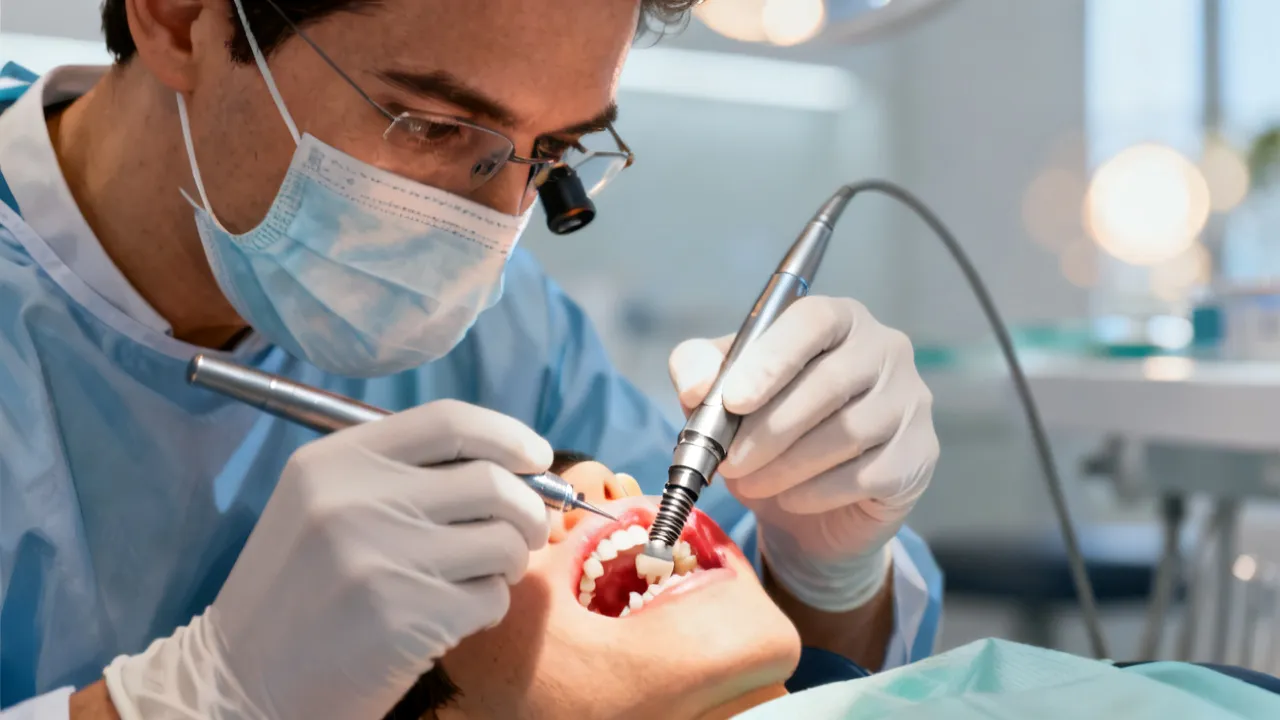
치주 후 처치 is a Korean term commonly translated as periodontal post-treatment care or aftercare following periodontal treatment. It describes the professional monitoring and daily habits required after procedures involving the gums, periodontal ligaments, jawbone, and other supporting tissues of the teeth. These procedures may include scaling and root planing, periodontal surgery, gum grafting, tooth extraction, bone grafting, treatment of periodontal pockets, or dental implant placement.
Periodontal aftercare is not a minor administrative step after treatment. It is an essential part of clinical success. Even when a procedure has been performed correctly, plaque accumulation, smoking, uncontrolled diabetes, poor oral hygiene, excessive biting forces, and missed review appointments can compromise healing. An industry-informed approach therefore treats aftercare as a continuing care pathway rather than a single instruction sheet given at the end of an appointment.
The most important principle is simple: follow the specific instructions provided by the treating dentist, periodontist, oral surgeon, or dental hygienist. General information can help patients prepare and ask useful questions, but it cannot replace an examination, radiographs, medical history review, or individualized advice. The correct aftercare routine depends on the procedure, the location of the treated area, the patient’s medical history, and the clinician’s assessment of healing.
Why Periodontal Aftercare Matters After Implant Treatment
Dental implants are placed into the jawbone and supported by surrounding soft tissue. They do not develop tooth decay in the same way as natural teeth, but the tissues around them can become inflamed. Plaque-related inflammation around an implant is often called peri-implant mucositis. If inflammation progresses and bone is lost around the implant, the condition may be described as peri-implantitis.
Natural teeth can also be affected by recurrent periodontal disease after treatment. The bacteria associated with gum inflammation may return if plaque control is inadequate. For that reason, periodontal aftercare supports both the implant and the remaining natural teeth. Keeping natural teeth healthy is important because they help maintain chewing function, speech, facial support, and the overall balance of the bite.
From a clinical perspective, successful treatment involves several connected stages:
- Controlling infection and inflammation before surgery or restoration.
- Allowing the gum and bone tissues to heal without unnecessary disturbance.
- Maintaining effective plaque removal at home.
- Attending professional reviews at intervals appropriate to the patient’s risk.
- Identifying bleeding, swelling, mobility, discomfort, or changes in the bite at an early stage.
- Managing medical and lifestyle factors that may affect healing.
- Maintaining records of the implant system, restoration, imaging, and previous treatment.
Patients should understand that implant treatment is not completed simply because the visible crown has been attached. Long-term maintenance is part of the treatment plan and should be included when comparing providers and total costs. A patient who receives an implant without a clear maintenance pathway may face unnecessary difficulty if inflammation, a loose component, or a damaged restoration develops later.
Immediate Steps After Periodontal Treatment or Implant Placement
The first several days require careful protection of the treated area. Instructions vary according to the procedure, but the following measures are commonly discussed with patients.
Protect the surgical site
Avoid touching the site with fingers, repeatedly moving the tongue over it, or inspecting it unnecessarily. If a dressing or sutures are present, do not pull or adjust them unless the dental team has instructed you to do so. Minor blood-stained saliva may occur after oral surgery, but persistent or heavy bleeding requires professional advice.
Patients should also avoid activities that create unnecessary pressure in the mouth, such as vigorous rinsing, forceful spitting, sucking through a straw, or repeatedly opening the mouth to check the wound. These actions may disturb a blood clot or irritate fragile tissue. If a removable appliance is near the treatment area, ask the dentist whether it should be worn immediately after the procedure.
Manage pressure and bleeding correctly
If the dentist has supplied gauze, place it over the area and apply steady pressure according to the instructions given. Repeatedly removing the gauze to check the site can interfere with clot formation. Patients taking anticoagulant or antiplatelet medication should not stop it without speaking with the prescribing clinician and dental surgeon.
If bleeding continues, sit upright and contact the dental practice for advice. Do not place aspirin directly on the gum because it can irritate the tissue and may increase bleeding. Patients with a known bleeding disorder should make sure that the dental practice has received complete medical information before treatment.
Use medication only as directed
Pain relievers, antimicrobial mouth rinses, and antibiotics should be used precisely as prescribed. Antibiotics are not required for every dental procedure, and they should not be obtained or taken without professional assessment. Patients should report rashes, breathing difficulty, severe diarrhea, facial swelling, or other suspected medication reactions promptly.
Do not combine prescription and over-the-counter pain medicines unless a health professional has confirmed that the combination is appropriate. Some products contain the same active ingredient under different brand names. Patients with stomach ulcers, kidney disease, liver disease, asthma, pregnancy, or medication allergies should ask for specific advice before using pain medication.
Use cold packs appropriately
After some surgical procedures, a cold pack placed on the outside of the cheek may help reduce discomfort and swelling during the first part of recovery. The pack should be wrapped in a cloth rather than applied directly to the skin. Use it for the time recommended by the dental team and allow the skin to rest between applications. Cold therapy is not appropriate for every patient or every stage of healing.
Choose suitable foods
Soft, moderate-temperature foods are generally easier to tolerate during the early healing period. Patients should avoid chewing directly over a surgical site and should limit very hot, hard, sharp, or sticky foods when advised by the dental team. Adequate nutrition and hydration support general recovery, although patients must follow any restrictions related to sedation, medical conditions, or surgery.
Examples of convenient foods may include yogurt, scrambled eggs, soft vegetables, oatmeal, soup that has cooled to a comfortable temperature, smoothies taken without a straw, and tender fish. Patients should avoid allowing hard particles such as nuts, seeds, or crisp food fragments to lodge around the surgical site. As healing progresses, the clinician can explain when a normal diet may resume.
Reduce factors that impair healing
Smoking and nicotine exposure can reduce blood flow and are associated with poorer healing outcomes. Alcohol may irritate tissues or interact with medication. The treating clinician should provide specific guidance on when these products can be resumed; in many cases, avoiding them during the early healing period is strongly recommended.
Heavy physical exertion may also increase throbbing or bleeding during the initial period after surgery. Patients should follow the surgeon’s recommendations regarding exercise, work, bending, and lifting. Rest does not mean remaining completely inactive, but it does mean avoiding activities that produce significant strain while the wound is vulnerable.
Daily 치주 후 처치 at Home
Home care must balance cleanliness with protection of healing tissues. Vigorous brushing over a fresh surgical site may cause trauma, while avoiding the area for too long can allow plaque to accumulate. The correct approach depends on the location and type of treatment.
Toothbrushing
Continue cleaning untreated teeth unless the dentist advises otherwise. Use a soft-bristled toothbrush and gentle movements. The clinician may recommend temporarily avoiding a specific incision or using a surgical brush in a particular way. Electric toothbrushes can be useful for many patients, but the device should not be pressed against a healing wound unless the dental team confirms that it is appropriate.
Patients sometimes stop brushing completely because they are worried about causing bleeding. However, plaque can accumulate quickly, and persistent plaque makes gum inflammation more likely. The better approach is usually to clean all areas that can be safely reached while protecting the treatment site as instructed. Ask the dental team to demonstrate the correct angle, pressure, and duration of brushing.
Interdental cleaning
Floss, interdental brushes, oral irrigators, or other aids may be recommended according to the size and shape of the spaces. After implant treatment, the correct cleaning method may differ from natural-tooth flossing. A dental hygienist can demonstrate how to clean beneath or around an implant-supported restoration without injuring the soft tissue.
There is no single interdental device that works equally well for every patient. Tight contacts may require floss or specialized tape, while larger spaces may be cleaned more effectively with interdental brushes. Bridges, implant crowns, and fixed retainers may need threaders, tufted brushes, or specially shaped instruments. Patients should replace worn interdental brushes and should not force a device into a space that is too small.
Mouth rinses
Prescribed rinses should be used for the recommended duration. Patients should not assume that stronger or more frequent use produces better results. Some rinses can stain teeth, alter taste, or irritate tissues when used for extended periods. Plain water or a clinician-approved rinse may be suggested during a particular healing stage.
Do not substitute a household product, concentrated essential oil, or undiluted antiseptic for a prescribed rinse. Home remedies may irritate a surgical site or interfere with healing. If a rinse causes burning, swelling, rash, or a significant change in taste, stop and contact the dental practice for guidance.
Diet and chewing
Once the clinician confirms that normal chewing can resume, patients should gradually return to a balanced diet. A patient who continues to avoid one side of the mouth for a prolonged period may develop discomfort in the jaw or uneven chewing habits. Any persistent pain when biting should be reported rather than ignored.
Patients with temporary crowns or provisional restorations may receive special instructions about sticky foods, hard foods, and chewing forces. A temporary restoration is designed to serve a purpose during treatment, but it may not have the same strength or contour as the final crown. Following these restrictions can help prevent avoidable damage.
Expected Symptoms and Warning Signs
Some tenderness, mild swelling, bruising, sensitivity, or a feeling of tightness can occur after periodontal procedures. Symptoms often vary according to the extent of surgery and the patient’s general health. The dental team should explain what is expected and how symptoms should change over time.
In many cases, discomfort is most noticeable during the first day or two and then gradually improves. A small amount of swelling may become more visible before it begins to subside. This pattern can vary, so patients should follow the specific instructions given by the treating clinician rather than relying only on general timelines.
Contact the dental practice promptly if any of the following occur:
- Bleeding that does not settle with the recommended pressure.
- Swelling that increases substantially after the initial recovery period.
- Fever, pus, a persistent bad taste, or worsening facial swelling.
- Severe or escalating pain that is not controlled by the recommended medication.
- Difficulty swallowing or breathing.
- New mobility of an implant, crown, bridge, or natural tooth.
- A sudden change in the bite or inability to bring the teeth together normally.
- Numbness that persists or develops unexpectedly.
- A surgical dressing or temporary restoration that comes out earlier than expected.
- Continued discharge or foul odor from the treatment area.
Difficulty breathing, rapidly spreading swelling, or signs of a serious allergic reaction should be treated as urgent medical concerns. Patients should use local emergency services when necessary. They should not wait for a routine dental appointment if swelling is affecting the airway or if they feel seriously unwell.
Follow-Up Appointments and Maintenance Intervals
Follow-up appointments allow the clinician to inspect the gums, evaluate plaque control, remove sutures when appropriate, assess the restoration, and review radiographs when clinically indicated. The schedule depends on the procedure, healing response, history of periodontal disease, smoking status, diabetes control, oral hygiene, and other risk factors.
There is no universally correct interval for every patient. Some people may need more frequent periodontal maintenance than those with stable gum health. A provider who offers a low initial price but does not explain maintenance, emergency access, or restoration follow-up may not be presenting the complete cost of care.
At a maintenance appointment, the dental team may assess:
- Bleeding during gentle periodontal probing.
- Plaque and calculus levels.
- Changes in pocket depth around natural teeth.
- Soft-tissue appearance around implants.
- Implant stability and the condition of the crown or other restoration.
- Occlusion, or how the upper and lower teeth meet.
- Patient comfort, cleaning technique, and satisfaction with function.
- Changes in radiographic bone levels when imaging is clinically justified.
Maintenance is particularly important for patients who have already experienced periodontitis. A history of gum disease does not automatically prevent implant treatment, but active disease should be controlled and long-term risk should be discussed before surgery. Patients should be told that maintenance is preventive care, not evidence that the implant treatment has failed.
How to Obtain Dental Implants at Lower Cost in English-Speaking Countries
Patients seeking lower-cost dental implants should compare the complete treatment pathway rather than selecting a provider solely by the advertised surgical fee. The following step-by-step process can help patients make a more informed decision in the United States, the United Kingdom, Australia, or Canada.
Step 1: Confirm that an implant is clinically appropriate
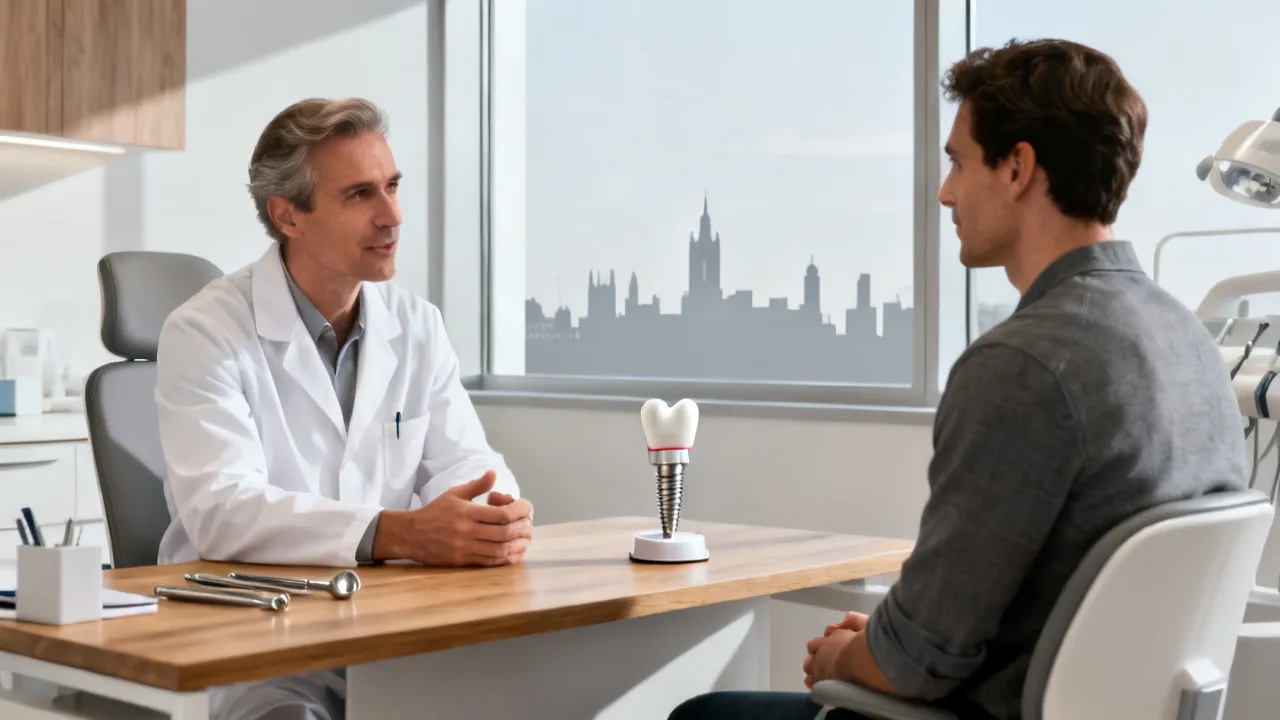
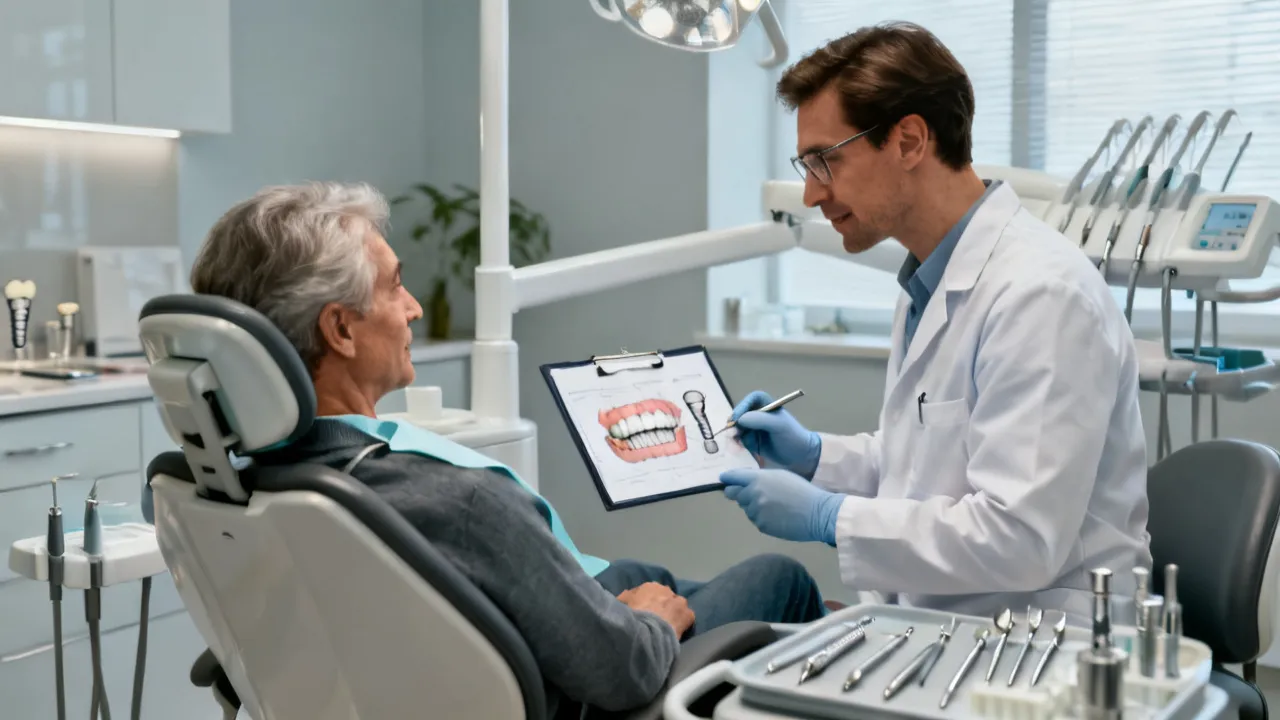
A missing tooth may sometimes be restored with a conventional bridge, removable partial denture, or another option. An implant is not automatically the most suitable treatment. The dentist should explain the alternatives, expected benefits, limitations, and likely maintenance requirements.
Factors affecting suitability may include bone volume, gum health, available space, the condition of neighboring teeth, bite forces, cosmetic expectations, general health, and the patient’s ability to maintain the restoration. A less expensive alternative may be appropriate in some cases, while an implant may offer advantages in others. The decision should be made after diagnosis rather than based on advertising.
Step 2: Obtain a comprehensive assessment
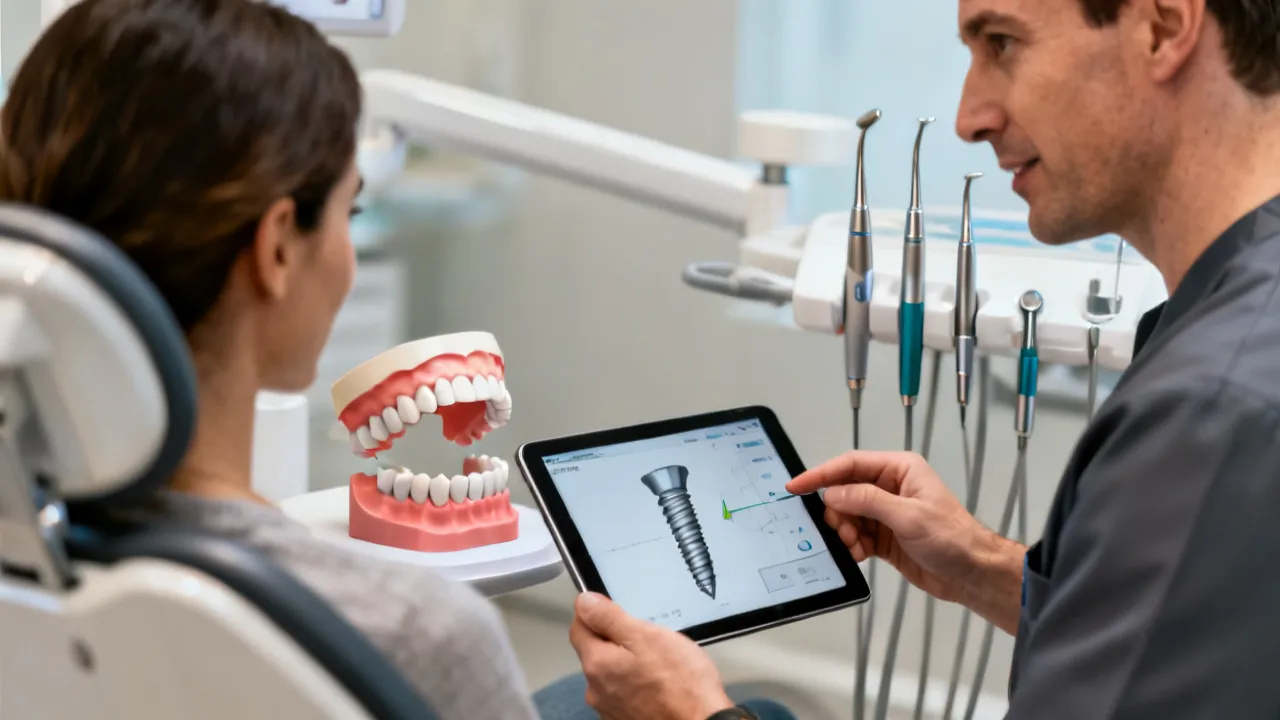
The assessment may include a medical history, periodontal examination, dental radiographs, and three-dimensional imaging when indicated. Bone volume, gum condition, bite forces, adjacent teeth, sinus anatomy, and cosmetic expectations can affect the plan.
Ask whether the diagnostic fee is separate from the surgical fee and whether imaging can be transferred if a second opinion is requested. A second opinion can be especially useful when treatment involves grafting, multiple implants, significant cosmetic demands, or a history of implant complications.
Step 3: Treat active periodontal disease first
Untreated gum inflammation can increase the risk of complications around natural teeth and implants. Scaling and root planing, improved home care, smoking cessation support, or periodontal referral may be required before implant placement. Attempting to shorten this stage can create higher costs later.
Stabilizing periodontal health also gives the patient an opportunity to learn cleaning techniques before the implant is placed. The same habits used to protect natural teeth are often important for protecting implant-supported restorations, although the instruments and technique may differ.
Step 4: Request a written, itemized estimate
The estimate should identify whether it includes:
- Consultation and diagnostic imaging.
- Tooth extraction, if needed.
- Bone grafting or sinus-related procedures.
- Implant fixture placement.
- Abutment components.
- Temporary and final crowns.
- Laboratory charges.
- Sedation or anesthesia.
- Postoperative reviews and periodontal maintenance.
- Management of complications or replacement terms.
- Taxes, facility charges, or other administrative fees.
“One implant” may refer only to the implant fixture, while a patient generally needs a complete restoration to replace the visible tooth. Asking for the total anticipated pathway makes comparisons more meaningful. Request separate figures for treatment that is confirmed, treatment that is possible, and optional treatment so that the estimate is easier to understand.
Step 5: Compare qualified providers
Check the clinician’s professional registration, relevant training, infection-control procedures, experience with the planned procedure, and access to specialist support. In the United States, patients can verify licensing through the appropriate state dental board. In the United Kingdom, registration can be checked through the General Dental Council. Australia and Canada use their respective national or provincial registration structures.
Patients should also ask who will perform each stage. In some practices, one clinician places the implant, another designs the restoration, and a hygienist provides maintenance. This team approach can be appropriate, but the patient should understand the responsibilities and communication process.
Step 6: Ask about implant systems and replacement parts
Implant systems differ in design, evidence base, availability of components, and laboratory support. A lower price is less helpful if replacement parts are difficult to obtain in the patient’s local area. Ask for the manufacturer and model, documentation, and information about future maintenance.
Keep the implant passport, treatment summary, and restoration details in a safe place. If the patient moves or needs emergency treatment elsewhere, these records can help another dentist identify the correct components and understand the original plan.
Step 7: Consider dental schools and supervised teaching clinics
University dental clinics may offer lower fees because treatment is delivered within an educational environment and supervised by experienced faculty. Appointments may take longer, and eligibility can depend on the complexity of the case and teaching requirements. Patients should ask about waiting times, stages of care, and who performs each part of treatment.
Teaching clinics may not be suitable for patients who need immediate treatment or highly specialized care, but they can be a useful option for eligible patients who are willing to attend multiple appointments. The clinic should explain its fees, supervision structure, and referral arrangements before treatment begins.
Step 8: Review insurance and payment arrangements carefully
Dental insurance may contribute to certain parts of implant treatment, but coverage varies widely. Some plans exclude implants, apply annual limits, impose waiting periods, or cover an alternative restoration rather than the implant itself. Patients should obtain written confirmation from the insurer and ask whether diagnostic imaging, grafting, anesthesia, and the final crown are treated separately.
Financing plans should also be reviewed carefully. Ask about interest, administrative charges, late-payment penalties, cancellation terms, and what happens if treatment changes after surgery. A monthly payment may appear affordable while the total repayment is substantially higher than the original clinical estimate.
Step 9: Compare nearby care with overseas treatment cautiously
Travel may appear to reduce the treatment fee, but flights, accommodation, time away from work, language support, local transportation, and follow-up visits add to the total. Complications may be more difficult to manage after returning home. A patient considering treatment abroad should confirm the clinician’s qualifications, regulatory oversight, sterilization procedures, implant brand, warranty conditions, and arrangements for urgent care.
Step 10: Protect the investment through aftercare
Regular professional maintenance and meticulous home cleaning can help identify problems before they become extensive. The cost of prevention is usually easier to manage than the cost of treating advanced infection, implant damage, or bone loss. A written maintenance plan should be part of the final discussion.
Estimated Cost of an Individual Dental Implant
The following figures are reference ranges for an individual dental implant in selected English-speaking countries. They should not be interpreted as guaranteed quotations. The final amount can change according to the clinic, region, materials, imaging, laboratory services, surgery complexity, grafting, restoration design, taxes, and follow-up requirements.
| Country | Currency | Reference price range |
|---|---|---|
| United States (US) | USD | $3,000–$6,000 |
| United Kingdom (GB) | GBP | £2,000–£2,500 |
| Australia (AU) | AUD | AU$3,500–AU$6,500 |
| Canada (CA) | CAD | CA$3,000–CA$5,500 |
These ranges are best used as a starting point for questions, not as a substitute for a treatment plan. Patients should also clarify whether the figures describe the complete implant-supported tooth or only one component. In everyday conversations, “implant price” may refer to the fixture, while the abutment and crown are billed separately.
Costs can rise when a patient needs an extraction, bone preservation, bone grafting, sinus augmentation, gum grafting, sedation, treatment of periodontal disease, or a temporary restoration. Costs may also vary depending on whether the crown is screw-retained or cement-retained and whether the patient requires a custom abutment. The most useful estimate is one that identifies both the expected total and the circumstances that could cause the total to change.
Comparison of Dental Information Websites
The websites below represent different types of dental information and service providers. They should be used for general orientation and comparison rather than as a replacement for a direct clinical assessment. Information, pricing, eligibility, and availability can change, so patients should verify current details with the organization concerned.
| Website or organization | Primary focus and useful features |
|---|---|
| Dental Views | Discusses lower-cost dental implants, treatment types, possible benefits, process-related questions, and cost considerations. |
| Atlantic Dental Group | Provides information about a broad range of dental services, including preventive care, implants, orthodontics, and urgent dental services. |
| DentaVacation | Explains dental tourism concepts, international treatment options, cost comparisons, and travel-related arrangements. |
| American Dental Health Plans | Offers information about dental plan options, coverage considerations, enrollment, and ways insurance may affect treatment expenses. |
| Rockville Dental Arts | Spanish-language dental information and clinic services, including implants, whitening, cleaning, orthodontics, and emergency care. |
| Cigna Dental Implant Guide | Spanish-language educational material explaining basic implant concepts and treatment considerations. |
| Rubi Odonto | Brazilian clinic information covering orthodontics, whitening, implants, and general dental services. |
| Odontologia Velasco | Information about implants, prosthodontics, cosmetic dentistry, and the use of contemporary dental technology in Brazil. |
Source: The comparison is based on the website descriptions and links supplied for this article. Patients should verify all clinical, financial, and regulatory information directly with each organization.
source: www.dentalviews.com/low-cost-dental-implants/
source: www.atlanticdentalgrp.com
source: www.dentavacation.com
source: rockvilledentalarts.com/es
source: unioncityminidentalimplants.com/es
source: www.cigna.com/es-us/knowledge-center/guide-to-dental-implants
source: www.rubiodonto.com.br
source: odontologiavelasco.com.br
source: dentalvidas.com.br
How to Evaluate a Low-Cost Implant Advertisement
A low advertised fee is not necessarily misleading, but it may represent only the first stage of treatment. An expert review should ask what is included and what assumptions support the quoted figure.
Look for a complete description
A responsible quotation identifies the implant brand or system, the restoration material, the number of appointments, the clinician responsible for surgery and restoration, and the likely maintenance schedule. Vague claims about a very low price should prompt further questions.
Separate necessary treatment from optional upgrades
Some clinics offer several crown materials, sedation choices, imaging packages, or cosmetic enhancements. Patients should ask which items are medically necessary, which are optional, and how each affects the total cost. This helps prevent patients from confusing an attractive promotional price with the cost of the treatment they actually require.
Ask about complications
Written policies should explain what happens if the implant fails to integrate, the crown fractures, infection develops, or a component requires replacement. No policy can eliminate clinical risk, but clear communication helps patients make informed decisions.
Ask whether the policy applies only when the patient attends scheduled maintenance and follows home-care instructions. Also ask whether travel costs, laboratory charges, or treatment by another dentist are excluded. These details can be particularly important when a clinic is located far from the patient’s home.
Check continuity of care
Patients should know who will provide periodontal aftercare, how urgent concerns are handled outside normal hours, and whether another dentist can access treatment records if the patient moves. This is particularly important for people who travel for treatment.
Periodontal Aftercare for Different Procedures
After scaling and root planing
Temporary sensitivity to cold, mild gum tenderness, and small amounts of bleeding may occur. The dentist or hygienist may recommend desensitizing toothpaste, improved interdental cleaning, and a review of brushing technique. Persistent bleeding is not a reason to stop cleaning altogether; it should be discussed with the dental team so the technique and disease status can be reassessed.
Scaling and root planing may make the teeth feel smoother and can expose areas that were previously covered by swollen gum tissue. Some patients notice that the teeth look slightly longer or that spaces appear larger after inflammation decreases. These changes should be discussed at the review appointment, particularly if sensitivity remains troublesome.
After periodontal surgery
Surgical sites may require a dressing, sutures, restricted brushing, or a prescribed rinse. Patients should attend the scheduled review even if symptoms improve, because healing tissues can require professional assessment. The timing for returning to normal brushing and interdental cleaning should come directly from the surgeon.
After gum grafting
The donor and recipient sites may have different care instructions. Avoid pulling the lip or cheek to inspect the graft, and follow dietary restrictions carefully. A graft that appears different from the surrounding tissue during early healing should not be manipulated; the clinician should assess it if the patient is concerned.
Patients should avoid creating tension at the graft site by stretching the lip, using vigorous facial movements, or brushing in an unapproved manner. The dentist may provide a protective appliance or specialized brush. Follow-up is important because the clinician must evaluate whether the graft is healing appropriately.
After extraction
Protecting the blood clot is important. Avoid vigorous rinsing, forceful spitting, smoking, and disturbing the socket during the period recommended by the dental team. Increasing pain several days after extraction, especially with an unpleasant taste or odor, warrants professional evaluation.
If the extraction was performed in preparation for an implant, the patient should ask whether the socket will be allowed to heal naturally, preserved with grafting material, or restored at a later stage. The timing of implant placement depends on infection, bone condition, soft-tissue health, and the clinician’s treatment plan.
After implant placement
The implant may be covered by gum tissue or connected to a temporary component. Patients should not assume that a lack of pain proves that healing is complete. The implant must be evaluated according to the planned clinical schedule before the final restoration is placed and normal function is encouraged.
Patients should report a loose temporary component, persistent swelling, or discomfort when the implant area is touched. They should not attempt to adjust a healing abutment, temporary crown, or denture themselves. Small mechanical problems can sometimes be corrected easily when treated promptly.
Medical Conditions That Should Be Discussed
Before periodontal treatment or implant surgery, tell the dentist about all medical conditions and medications. Relevant issues may include diabetes, osteoporosis therapy, immune disorders, bleeding conditions, heart disease, pregnancy, allergies, previous radiation treatment, and medications that affect clotting or bone metabolism.
Medical information is not a barrier to treatment in every case, but it can change timing, medication selection, surgical planning, and referral requirements. Patients should not conceal a diagnosis to obtain a lower quotation or faster appointment. A clinically appropriate plan is more important than a short-term reduction in cost.
Bring an updated medication list to the consultation. Include prescription medicines, nonprescription products, vitamins, herbal supplements, and injections. Some supplements may affect bleeding or interact with prescribed medication. The dentist may need to communicate with the patient’s physician before surgery, but patients should never alter essential medication without medical guidance.
Smoking, Diabetes, and Oral Hygiene
Smoking can adversely affect gum health and healing. Patients who smoke should receive clear, nonjudgmental advice about cessation or reduction and should understand how nicotine exposure may influence periodontal and implant outcomes.
Diabetes management is also relevant. Elevated or poorly controlled blood glucose can affect infection risk and tissue healing. Coordination between the dentist and medical clinician may be appropriate when diabetes is not stable. Patients can ask whether a recent medical review or blood glucose information is needed before elective surgery.
Oral hygiene is the daily foundation of aftercare. A useful routine may include brushing twice daily with fluoride toothpaste, cleaning between teeth or around implant restorations with the device recommended by the dental professional, and attending periodontal maintenance visits. The exact routine should be adapted to dexterity, orthodontic appliances, bridges, implants, and other oral conditions.
Patients with limited hand strength, arthritis, visual impairment, or other barriers may benefit from an electric toothbrush, enlarged handle, water flosser, mirror, or assistance from a caregiver. The goal is not to use the most expensive product; it is to establish a routine that the patient can perform consistently and safely.
Dental Tourism: Potential Benefits and Practical Risks
International dental care can be attractive because treatment fees may differ between countries. However, the decision involves more than comparing currencies. Patients should evaluate regulatory standards, communication, treatment records, travel timing, postoperative support, and the legal process for complaints.
Implant treatment commonly involves healing periods and multiple appointments. A short visit may be insufficient for assessment, surgery, review, and restoration. If a patient returns home soon after surgery, a local dentist may be reluctant to manage a complication involving an unfamiliar implant system or incomplete records.
Before traveling, obtain:
- A written diagnosis and proposed treatment sequence.
- The names and qualifications of the clinicians involved.
- A complete, itemized quotation.
- Information about implant and crown manufacturers.
- Details of anesthesia, infection control, and emergency arrangements.
- A plan for postoperative reviews.
- Copies of imaging and clinical records.
- A written explanation of warranties, exclusions, and revision treatment.
- Information about the language used for consent and aftercare instructions.
Patients should also consider the practical realities of returning to work, obtaining medication, attending local follow-up visits, and responding to unexpected swelling or pain. These factors may reduce the apparent financial advantage of overseas care. Travel insurance may not cover complications related to planned dental treatment, so patients should review the policy before departure.
Questions to Ask Before Treatment
Use the following questions during a consultation:
- Is active periodontal disease present, and must it be treated before implant placement?
- What alternatives are available for replacing the missing tooth?
- Does the estimate include the implant, abutment, crown, imaging, and follow-up?
- Will bone grafting or soft-tissue treatment likely be needed?
- Which clinician will place the implant and which will restore it?
- What implant system and crown material are being proposed?
- How long is the expected healing period?
- What symptoms should prompt an urgent call?
- How often will periodontal maintenance be required?
- What are the costs and arrangements if a complication develops?
- How can the restoration be cleaned at home?
- Can I receive copies of my records and radiographs?
- What happens if I move or need treatment from another dentist?
- Are there financing charges, cancellation fees, or warranty conditions?
- What is the estimated total cost if additional treatment becomes necessary?
Frequently Asked Questions
What is the best translation of 치주 후 처치?
치주 후 처치 can be translated as periodontal post-treatment care or periodontal aftercare. The phrase refers to care after gum treatment and may include professional reviews, medication instructions, oral hygiene, dietary guidance, and monitoring of healing.
Can I brush after periodontal surgery?
Usually, untreated areas should continue to be cleaned, but the surgical site may require modified brushing for a specified period. Follow the surgeon’s instructions rather than applying a general rule. Ask for a demonstration if you are uncertain.
How long does implant aftercare last?
Implant aftercare continues throughout the life of the implant. The early period focuses on wound healing and integration. Later maintenance focuses on plaque control, gum health, bite stability, restoration condition, and early detection of complications.
Is a low-cost implant always a better financial choice?
No. A lower initial quotation may exclude the crown, imaging, grafting, maintenance, or complication management. Compare the complete treatment pathway and the provider’s qualifications, not only the first advertised number.
Does dental insurance always cover implants?
No. Coverage depends on the plan, employer arrangement, waiting periods, exclusions, annual limits, and clinical criteria. Ask the insurer for written confirmation of what is covered and whether each component is assessed separately.
Can periodontal disease return after treatment?
Periodontal disease can recur or become active again when plaque control, risk-factor management, or maintenance is inadequate. Regular reviews and effective home care are important, especially for patients with a previous diagnosis of periodontitis.
Is bleeding after treatment normal?
Small amounts of bleeding may occur after some procedures, particularly during the early healing period. Heavy, persistent, or worsening bleeding should be reported to the dental practice. Use the pressure and care instructions provided by the clinician.
Can smokers receive dental implants?
Smoking does not produce the same risk profile for every patient, but it can negatively affect periodontal health and healing. The dental team should discuss the individual risk and provide cessation support before treatment.
What should I do if an implant feels loose?
Do not continue chewing on it or attempt to tighten it yourself. Contact the treating dentist promptly. Mobility may involve the crown, a screw, an abutment, or the implant itself, and these problems require clinical examination.
Are online dental implant prices reliable?
Online prices can provide a broad starting point, but they may not reflect regional differences, case complexity, taxes, laboratory fees, or the complete restoration. A written estimate after examination is more useful for decision-making.
Can I use a water flosser around an implant?
Some patients can use an oral irrigator around an implant, but the pressure setting and technique should be recommended by the dental team. An irrigator may help remove loose debris, but it does not replace brushing, interdental cleaning, or professional maintenance.
What if I miss a maintenance appointment?
Contact the dental practice and reschedule rather than waiting until symptoms appear. Maintenance visits are intended to detect changes before they become painful or expensive. If several appointments have been missed, the clinician may recommend a more detailed periodontal assessment.
Professional Perspective: Making Cost and Care Comparable
From an industry perspective, the most reliable comparison is not “clinic A versus clinic B” based on one headline fee. It is a comparison of treatment scope, clinical qualifications, materials, maintenance, and accountability. A patient should be able to identify what happens before surgery, during surgery, during healing, and after the final restoration.
The same principle applies to 치주 후 처치. A clinic that explains cleaning methods, review intervals, warning signs, and emergency access is providing more than a procedure; it is providing a continuity-of-care plan. Patients should consider this structure when evaluating both local clinics and dental tourism providers.
Cost-conscious care can be responsible when it includes a proper diagnosis, evidence-informed treatment, qualified professionals, transparent fees, and realistic follow-up. Cutting essential assessment or maintenance may create avoidable clinical and financial risks. The least expensive quote is not necessarily the least expensive treatment over time if it leads to repeated repairs, travel, retreatment, or loss of supporting bone.
Conclusion
치주 후 처치 is a central part of periodontal and implant care. Gentle protection of healing tissues, consistent plaque control, appropriate medication use, risk-factor management, and scheduled professional maintenance all contribute to a safer recovery. Patients considering affordable dental implants should request itemized estimates, verify clinician credentials, compare complete treatment pathways, and plan for long-term aftercare.
Reference prices can help patients begin a conversation, but they cannot determine whether treatment is appropriate or predict the exact final bill. The most dependable decision combines a qualified examination with transparent communication and a maintenance plan that protects both the implant and the natural teeth.
References and Links
The following links were supplied as reference resources for general dental service, implant, insurance, and dental tourism information. Their inclusion does not constitute an endorsement, clinical recommendation, or guarantee of accuracy.
- Dental Views: Low-Cost Dental Implants
- Atlantic Dental Group
- DentaVacation
- Rockville Dental Arts, Spanish-language website
- Union City Mini Dental Implants, Spanish-language website
- Cigna Spanish Dental Implant Guide
- Rubi Odonto
- Odontologia Velasco
- DentalVidas
Disclaimer: The above information comes from online resources, and the data is as of October 2023. Dental implant prices are for reference only and may vary by region, clinic and doctor. This article is educational and does not replace an examination, diagnosis, or treatment plan from a qualified dental professional.