치주 후 처치와 저비용 임플란트 가이드
This guide explains 치주 후 처치, or post-periodontal treatment care, with practical recommendations for protecting healing gums, controlling plaque, and recognizing complications. It also examines how periodontal health affects dental implant planning, compares informational websites, outlines ways to manage implant costs in English-, Spanish-, and Portuguese-speaking markets, and presents reference price ranges. Treatment fees are indicative and require confirmation from a qualified dental professional.
치주 후 처치: The Most Important Steps After Periodontal Treatment
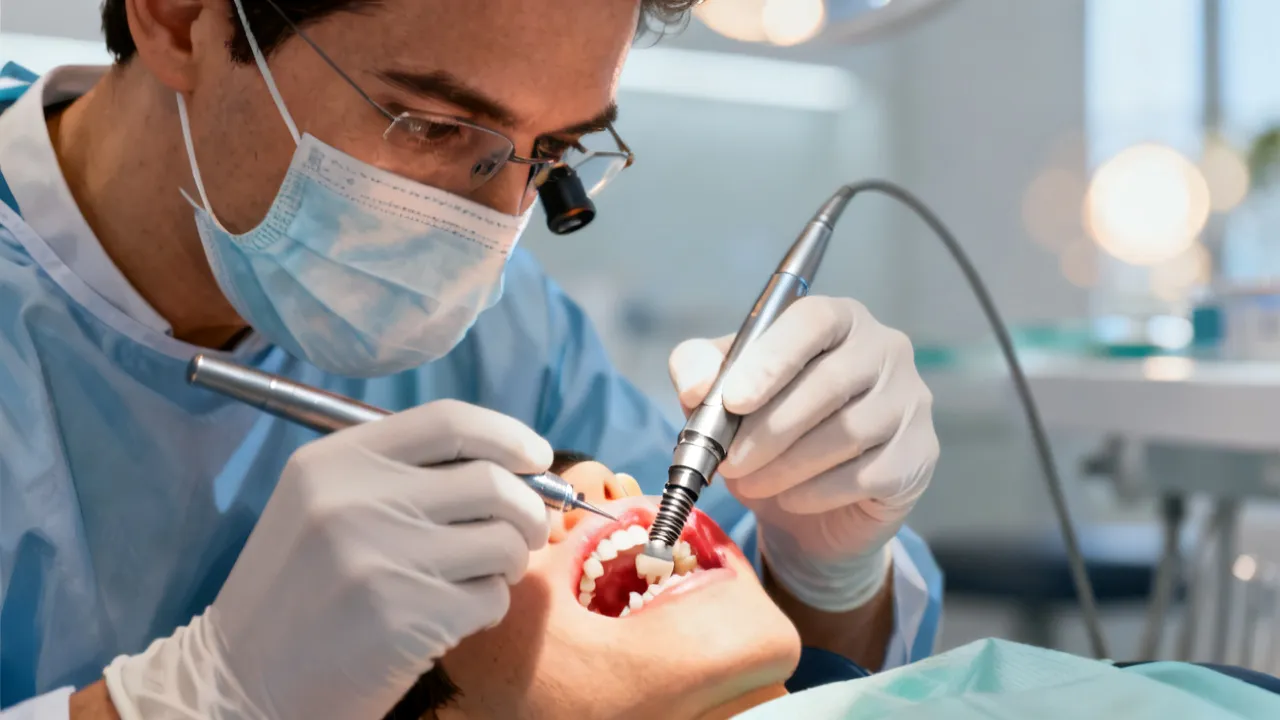
치주 후 처치 means post-periodontal treatment care. It covers the daily habits, professional monitoring, medication use, and behavioral precautions that help the gums and supporting bone recover after periodontal therapy. Whether treatment involved scaling and root planing, periodontal surgery, extraction, bone treatment, or preparation for a dental implant, aftercare is not a minor administrative step. It is an essential part of the treatment itself.
From an industry perspective, the most important factor after periodontal treatment is not a single product or a short-term mouthwash routine. It is the patient’s ability to maintain effective plaque control while attending the follow-up appointments recommended by the dental team. Gum disease can return when bacterial deposits accumulate around the gumline, between teeth, under bridges, or around implants. A stable result therefore depends on both clinical care and consistent home care.
Patients should follow the written instructions provided by their own dentist or periodontist because the appropriate routine varies according to the procedure. Mild tenderness, temporary bleeding, sensitivity, swelling, or altered eating habits may occur after treatment. However, rapidly increasing swelling, fever, difficulty swallowing, uncontrolled bleeding, severe pain, pus, or numbness that does not improve requires prompt professional assessment.
Aftercare also differs according to whether treatment was nonsurgical or surgical. Scaling and root planing may allow patients to return to ordinary activities quickly, although the gums can remain sensitive for a short period. Flap surgery, gum grafting, extraction, guided tissue regeneration, bone grafting, and implant placement generally require more detailed restrictions. The clinic’s written instructions should take priority over general information because the clinician has seen the treatment site and understands the patient’s medical history.
Immediate priorities after treatment
- Follow the clinic’s instructions about brushing, flossing, rinsing, medication, and physical activity.
- Do not disturb a surgical site with fingers, cotton swabs, or repeated tongue pressure.
- Choose foods that are easy to chew if the gums are tender, and avoid very hot foods immediately after procedures involving anesthesia.
- Do not stop prescribed antibiotics or other medication without discussing the decision with the prescribing clinician.
- Avoid smoking and nicotine exposure because they can impair healing and increase periodontal and implant-related risks.
- Attend the scheduled review even if symptoms appear to have improved.
- Use pressure, gauze, or other bleeding-control methods only as instructed by the dental team.
- Keep the treatment area clean according to the recommended schedule rather than avoiding oral hygiene entirely.
- Contact the clinic if instructions are unclear, a medication causes a concerning reaction, or symptoms change unexpectedly.
Aftercare should be viewed as a staged process. The first stage protects the treatment area. The second stage gradually restores normal cleaning. The third stage establishes long-term periodontal maintenance. This progression is particularly important when the patient is considering an implant, because active periodontal inflammation can compromise the tissues that must support the implant.
The first 24 hours
The first day is often focused on protecting the clot, dressing, sutures, graft, or other treated tissues. Patients may be asked to avoid vigorous rinsing, forceful spitting, strenuous exercise, or chewing directly on the surgical area. These restrictions are not intended to replace cleaning permanently; they are temporary measures designed to minimize irritation during the most vulnerable period.
Numbness from local anesthetic can continue for several hours. During this time, patients should take care not to bite the cheek, lip, or tongue and should be cautious with hot drinks. If a temporary restoration or dressing is present, sticky foods may dislodge it. A patient who is uncertain whether a dressing has shifted should contact the clinic rather than repeatedly touching it.
Some oozing can occur after oral surgery. If the dentist has recommended gauze pressure, it should be applied as directed. Persistent heavy bleeding, blood that does not slow with appropriate pressure, dizziness, or weakness requires urgent advice. Patients taking anticoagulants or antiplatelet medication should never change or stop it independently; the dental and medical teams must coordinate any medication decision.
The first week
During the first week, discomfort should generally become more manageable, although the exact pattern depends on the procedure. Swelling can sometimes reach its maximum after a delay rather than immediately. Medication should be taken only as prescribed or recommended, and patients should check whether over-the-counter products are safe with their existing medicines and health conditions.
Oral hygiene instructions may be different on the treated side. The clinician may permit gentle brushing away from the wound while asking the patient to avoid direct contact with sutures or a graft. In another case, a specialized brush or prescribed rinse may be introduced. Because treatment designs differ, patients should not copy another person’s postoperative routine.
If sutures are placed, the patient should know whether they are dissolvable and whether a removal appointment is required. A loose or missing suture is not always an emergency, but the clinic should be informed, especially when a graft, membrane, or implant site is involved. Early communication can prevent a minor concern from becoming a larger problem.
Why Periodontal Health Matters Before Dental Implants
A dental implant replaces the root portion of a missing tooth with a biocompatible fixture, usually made from titanium or another clinically accepted material. A crown, bridge, or denture component is then attached to restore function and appearance. Although implants can be an effective option for selected patients, they do not eliminate the need for oral hygiene. The tissues around an implant can develop inflammation, and more advanced disease may involve supporting bone.
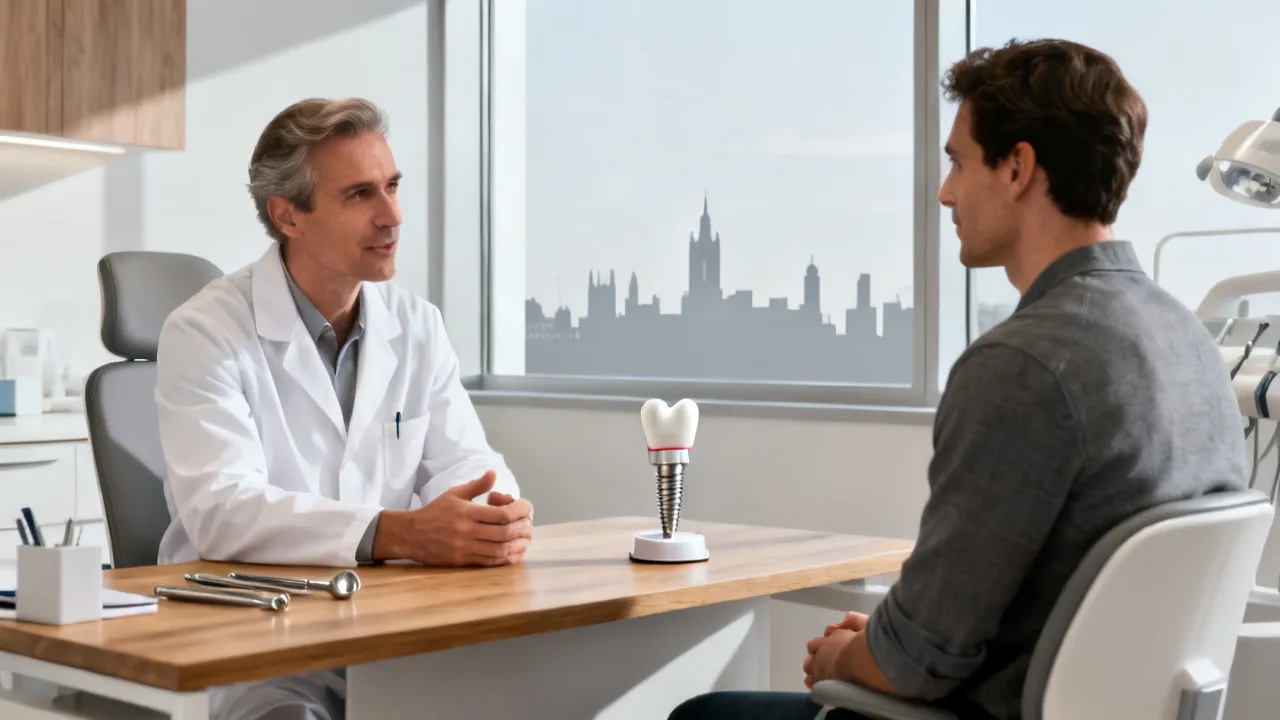
For that reason, implant planning should begin with an examination of the entire mouth rather than with a price quotation alone. A dentist may evaluate gum pocket depths, bleeding, tooth mobility, bone levels, existing restorations, bite forces, medical conditions, medication use, smoking status, and the patient’s ability to maintain daily plaque control.
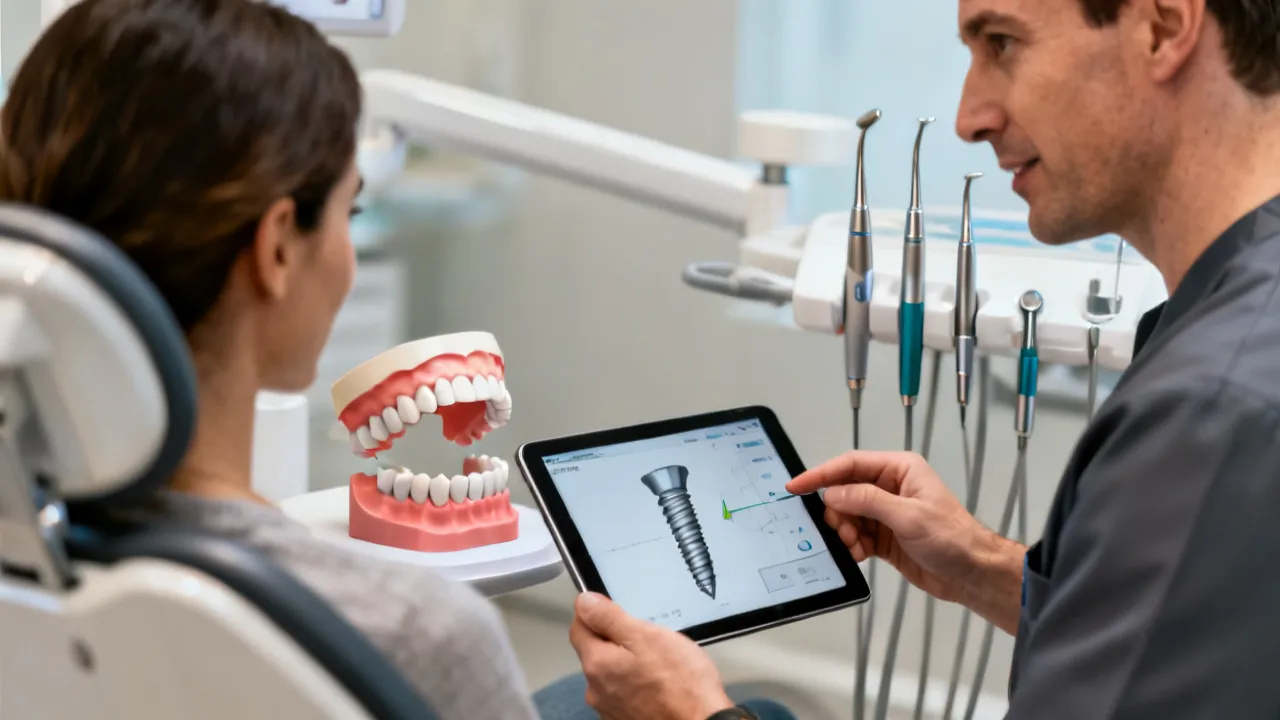
Patients with untreated periodontitis may need periodontal therapy before implant placement. The purpose is not to create a perfect mouth, which may be unrealistic, but to reduce active inflammation and establish a manageable maintenance plan. A professional may also recommend radiographs or three-dimensional imaging when the anatomy, bone volume, nerve position, sinus area, or surgical complexity requires further assessment.
Stabilization before implant treatment may involve several steps. A dental professional may treat deep periodontal pockets, remove hopeless teeth, improve home-care technique, adjust an overhanging filling, manage cavities, or provide a temporary replacement while the tissues heal. In some patients, a periodontist and restorative dentist work together. This coordinated approach helps ensure that the planned implant position, crown design, bite, and cleaning access are considered at the same time.
Key questions to ask before implant treatment
- Has active periodontal disease been controlled?
- What does the quoted price include: consultation, imaging, implant fixture, abutment, crown, temporary restoration, and follow-up care?
- Will bone grafting, sinus elevation, extraction, or treatment of adjacent teeth be necessary?
- Which implant system and restorative materials are being proposed?
- Who will provide surgical and restorative care, and how will communication be managed if different clinicians are involved?
- What happens if healing is delayed or the implant does not integrate as expected?
- What is the long-term periodontal maintenance schedule?
- How will the implant be cleaned, and will a hygienist demonstrate the technique?
- Will the patient receive the implant brand, model, and component information for future maintenance?
- How will medical conditions, smoking, grinding, or medications affect the treatment plan?
A Practical 치주 후 처치 Routine
Brushing
Most patients benefit from brushing twice daily with a soft-bristled toothbrush and fluoride toothpaste, unless the dental professional gives different instructions. The brush should be positioned toward the gumline without aggressive scrubbing. Excessive force can irritate healing tissues and contribute to abrasion or gum recession.
An electric toothbrush may help some patients improve consistency and pressure control, but the device itself does not guarantee effective cleaning. A manual brush can also be suitable when used carefully. The critical elements are coverage, gentle technique, appropriate duration, and regular replacement of worn bristles.
Patients should use a systematic pattern instead of brushing only the teeth that are easy to see. The outer, inner, and chewing surfaces should be cleaned, and the brush should be angled so that it reaches the margin where the tooth and gum meet. Around a surgical site, the clinician may recommend a modified technique until healing progresses. When normal brushing can resume, it should be reintroduced gradually and carefully.
Toothpaste sensitivity may occur after root-surface cleaning because previously covered areas can become exposed. A desensitizing fluoride toothpaste may help some patients, but persistent or severe sensitivity should be reported. It can sometimes indicate recession, root exposure, a cracked tooth, an altered filling, or another issue requiring examination.
Cleaning between teeth
Periodontal pockets and spaces between teeth often require more than brushing. Interdental brushes may be useful where there is enough space, while floss can be appropriate for tighter contacts. Water irrigators can support plaque disruption in selected cases, particularly around orthodontic appliances, bridges, or implants, but they should not automatically replace mechanical cleaning.
The correct size of an interdental brush matters. A brush that is too small may not contact the surfaces effectively; one that is too large may cause trauma. A dental hygienist can demonstrate sizes and angles for different areas of the mouth. Patients may need several sizes because the spaces between front teeth, back teeth, and around restorations are not always identical.
Floss should be moved gently along the side of each tooth rather than snapped into the gums. For bridges or implant-supported restorations, floss threaders, superfloss, or specially designed devices may improve access beneath the replacement tooth. Patients should ask the dental team to demonstrate the safest method, particularly when sutures or healing tissues are present.
Rinses and prescribed products
A clinician may prescribe an antimicrobial rinse for a limited period after surgery or during treatment of specific periodontal conditions. These products should be used according to professional instructions. Long-term self-directed use of strong antiseptic rinses may cause staining, taste changes, irritation, or other unwanted effects depending on the product.
Salt-water rinses may be recommended in particular situations, but patients should not assume that any home mixture is suitable after every procedure. The timing and strength of rinsing can matter, especially when a blood clot or surgical site needs protection. Patients should avoid adding aspirin, alcohol, hydrogen peroxide, or other substances to a rinse unless specifically advised by a qualified professional.
Mouthwash should be viewed as an adjunct rather than a replacement for physical plaque removal. A rinse may temporarily improve breath or reduce certain microorganisms, but it cannot reliably remove mature plaque deposits from the tooth surface. The most effective routine usually combines brushing, interdental cleaning, professional maintenance, and risk-factor management.
Eating and drinking
Soft foods may be more comfortable during early healing. Examples can include eggs, yogurt, soft vegetables, pasta, fish, or other foods selected according to the patient’s dietary needs. Chewing directly over a surgical site may be discouraged. Very hard, sharp, sticky, or highly spicy foods can irritate some treatment areas.
A balanced diet supports general health, but no particular food can substitute for periodontal treatment. Patients with diabetes or other systemic conditions should coordinate oral care with their medical management because healing and infection risk can be influenced by overall health.
Patients should maintain adequate hydration unless a medical condition requires fluid restriction. Water is generally preferable to frequent sugary or acidic drinks. Frequent snacking can increase the amount of time teeth are exposed to fermentable carbohydrates, which may raise the risk of decay around natural teeth and restorations.
After an extraction or implant procedure, patients should ask when ordinary chewing can resume. A temporary tooth may restore appearance but may not be designed for heavy chewing. Following the dentist’s instructions protects both healing tissues and temporary components.
Smoking and alcohol
Nicotine exposure is a significant concern in periodontal and implant care. Smoking can affect blood flow, wound healing, plaque behavior, and the long-term stability of treatment. Dental professionals may recommend a cessation plan before surgery and during the healing period. Alcohol may also interfere with medication use or irritate tissues, so patients should follow the clinic’s specific restrictions.
Vaping and smokeless tobacco should not automatically be considered harmless alternatives during healing. Nicotine and other chemicals may still affect tissues, and the mechanical or thermal effects can irritate the mouth. Patients who find cessation difficult can ask a physician, pharmacist, or dental professional about evidence-based support.
Physical activity and sleep
Strenuous activity can increase discomfort or bleeding after some procedures. Patients should ask when exercise, swimming, contact sports, and heavy lifting can resume. Sleeping with the head slightly elevated may be recommended during the early swelling period, but patients should follow the individualized instructions provided by the clinic.
Protective equipment may be important for patients who grind their teeth or participate in contact sports. A night guard should not be worn over a fresh surgical site unless the treating clinician has approved it. Once healing is complete, a properly designed appliance may help manage excessive forces in selected cases.
Follow-Up Care and Periodontal Maintenance
After active periodontal treatment, many patients enter a periodontal maintenance program. The interval is individualized. It may depend on the severity of disease, bleeding levels, pocket depth, bone loss, home-care performance, systemic health, smoking, and the presence of implants or complex restorations.
At maintenance visits, the dental team may review medical changes, measure periodontal tissues, examine bleeding or inflammation, remove deposits, inspect restorations, and reinforce home-care technique. These appointments are not simply routine cleanings. They are opportunities to identify relapse or localized problems before they become more difficult to manage.
Patients should report recurring bleeding, persistent bad breath, gum recession, tooth movement, sensitivity, changes in bite, or food trapping. Bleeding is not always an emergency, but it is a sign that deserves attention when it persists despite careful cleaning.
Maintenance visits may also include risk assessment. A patient’s health status, medication list, smoking behavior, stress, diet, dexterity, and cleaning tools can change over time. Older adults, patients with limited hand mobility, and people with vision problems may need adapted tools or assistance. The most effective plan is one that the patient can perform consistently and safely.
Missing a single appointment does not automatically mean treatment has failed, but repeated gaps can allow inflammation to progress unnoticed. If an appointment must be canceled, patients should reschedule rather than waiting until symptoms return. Periodontal disease may worsen without severe pain, so symptom-based attendance alone is unreliable.
치주 후 처치 Around Dental Implants
Implant aftercare combines ordinary oral hygiene with site-specific cleaning. The restoration’s shape, the spacing around it, and the patient’s gum anatomy determine which tools are most appropriate. An interdental brush, implant-safe floss, oral irrigator, or specialized brush may be recommended.
Patients should avoid assuming that an implant is immune to disease. The crown cannot decay in the same way as a natural tooth, but plaque can inflame the soft tissues around the implant. If inflammation progresses, supporting bone may be affected. Professional review is especially important when the patient notices bleeding, swelling, pus, looseness, or a change in the way the implant restoration feels.
Implants should also be assessed in the context of the remaining natural teeth. A patient can have a stable implant but continue to lose other teeth because periodontal disease remains active. A comprehensive maintenance plan protects the whole dentition rather than focusing only on the artificial tooth.
Cleaning around implants should be gentle but thorough. Some metal instruments can scratch certain implant or abutment surfaces, so professional teams may select instruments specifically designed for implant maintenance. Patients should not attempt to scrape deposits from the implant or restoration with household tools.
The design of the crown also affects long-term maintenance. An overcontoured restoration or an area with poor access may trap plaque and make cleaning unnecessarily difficult. If a patient repeatedly cannot pass the recommended cleaning device through an area, the restorative dentist should evaluate the design rather than simply blaming the patient’s technique.
Implant mobility is different from ordinary temporary sensitivity. A restoration may have a loose screw, while the implant fixture itself may have a more serious problem. Any movement should be evaluated promptly. Patients should avoid chewing hard foods on a mobile restoration and should not attempt to tighten or repair it themselves.
How to Obtain Dental Implants at Lower Cost in English-Speaking Countries
Lower-cost treatment should mean better planning and transparent comparison, not the removal of clinically necessary steps. The following process can help patients compare options responsibly in the United States, the United Kingdom, Australia, and Canada.
1. Confirm that an implant is clinically appropriate
Begin with a full examination. A lower initial quotation is not useful if the patient later needs urgent periodontal treatment, bone grafting, replacement of an unsuitable restoration, or correction of an implant complication. Ask for a written treatment plan that explains alternatives such as a conventional bridge or removable partial denture when clinically appropriate.
2. Request an itemized estimate
Compare the same components across clinics. A quote may include only the implant fixture while another may include the abutment, crown, imaging, temporary tooth, laboratory work, reviews, and applicable taxes. Written estimates should identify what is included and what may be charged separately.
3. Use dental insurance or employer benefits carefully
Dental insurance rules differ by plan. Some policies impose waiting periods, annual maximums, exclusions, missing-tooth clauses, or limitations on implant components. Patients should request a pre-treatment estimate from the insurer and ask whether periodontal therapy, imaging, surgery, and the final crown are treated separately.
4. Compare accredited clinics and clinician experience
Cost should be compared alongside qualifications, sterilization standards, emergency arrangements, implant system support, laboratory quality, and long-term follow-up. A clinic’s online presence can provide background information, but it should not replace verification with the relevant professional regulator or direct discussion with the treating clinician.
5. Ask about staged treatment
Some patients may need disease control, extraction, healing, implant placement, integration, and final restoration in separate stages. Staging can make the financial plan more manageable, but it must be based on biology and clinical judgment rather than an arbitrary schedule.
6. Consider dental schools and community programs where appropriate
Teaching clinics may provide treatment under supervision and may have different fee structures. The trade-off can include longer appointments, limited scheduling, and eligibility requirements. Patients should ask who performs each stage and what follow-up is available.
7. Evaluate financing agreements
Monthly payment arrangements can make a large expense easier to budget, but patients should review interest, administrative charges, cancellation rules, and the total amount payable. Financing should not encourage a patient to accept treatment without understanding the diagnosis.
8. Be cautious with overseas dental tourism
Travel may appear attractive when treatment fees are lower in another country, but the full cost includes transportation, accommodation, time away from work, repeat visits, translation, insurance, and management of complications after returning home. Implant treatment often requires several stages, so the number of trips is clinically important.
9. Keep records for continuity of care
Patients who change clinics should retain treatment plans, implant brand and model information, radiographs, laboratory details, surgical notes, and medication records. These documents can be valuable if maintenance or repair is needed later.
10. Compare access to emergency care
A clinic that is inexpensive but difficult to reach may be less economical if the patient needs urgent assistance. Ask who can be contacted after hours, whether the clinic has an emergency number, and how complications will be handled when the treating dentist is unavailable.
How to Obtain Dental Implants at Lower Cost in Spanish-Speaking Countries
Spanish-speaking markets include countries with different currencies, healthcare systems, professional regulations, urban-rural cost patterns, and laboratory expenses. A patient in Spain should not assume that the same process or price applies in Mexico, Chile, Colombia, Peru, or Argentina.
- Start with periodontal stabilization. Treat active gum disease and improve plaque control before implant placement.
- Compare complete treatment plans. Ask whether the quote includes the consultation, diagnostic imaging, extraction, implant, abutment, crown, temporary restoration, and aftercare.
- Verify the clinician’s credentials. Check the appropriate national or regional professional registry and ask about training in implant surgery and periodontal management.
- Request the implant brand and component details. Widely supported systems may make future maintenance easier, particularly if the patient moves between countries.
- Clarify laboratory arrangements. The quality and location of the dental laboratory can affect fit, appearance, repair, and delivery time.
- Ask about guarantees in writing. A guarantee should state its duration, conditions, exclusions, and whether it covers surgery, the implant fixture, the abutment, or the crown.
- Review payment stages. Payments may be divided between diagnosis, surgery, restoration, and final review. Patients should know what happens if treatment must be postponed.
- Consider local follow-up. A clinic located near the patient may be more practical than a distant provider if repeated reviews are needed.
- Request instructions in an understandable language. Clear information about medicines, cleaning, warning signs, and appointments is important for safe aftercare.
In Spanish-speaking communities, clear communication is especially important when patients use cross-border providers or receive care in a language different from their own. Patients should receive instructions in a language they understand, including medication directions and emergency contact information.
Patients should also ask whether the quoted price is in local currency and how exchange-rate changes affect payment. When a clinic advertises an unusually low fee, the patient should determine whether the price refers only to the implant fixture or to a complete restored tooth. A complete restored tooth generally involves diagnosis, imaging, surgery, healing, an abutment, laboratory work, and a crown, although the exact components vary.
How to Obtain Dental Implants at Lower Cost in Portuguese-Speaking Countries
Brazil and Portugal have different healthcare environments and fee structures, although both use Portuguese in clinical communication. In Brazil, patients may compare private clinics, dental plans, teaching institutions, and regional providers. In Portugal, patients may compare private practices and available insurance or health-plan arrangements. In both settings, the clinical completeness of the treatment plan remains more important than an advertised starting price.
- Confirm whether periodontal disease, cavities, failing fillings, or unstable teeth must be treated first.
- Ask whether the quoted amount covers both the surgical and restorative phases.
- Check whether diagnostic imaging is included or billed separately.
- Request details about the implant system, crown material, and laboratory.
- Verify professional registration and the clinic’s emergency policy.
- Ask how appointments will be scheduled if the treatment requires several months.
- Review the maintenance plan for both natural teeth and implants.
- Compare the total expected cost rather than only the surgical fee.
- Ask whether dental-plan discounts apply to all components or only to selected procedures.
Patients should also distinguish between a dental plan and comprehensive implant coverage. A plan may provide access to a network or discounts while excluding certain materials, laboratory fees, or surgical procedures. The written terms should be reviewed before treatment begins.
In either country, the patient should ask for a copy of the treatment plan and records. If the implant is placed by one clinician and restored by another, responsibility for each stage should be clear. This is particularly important when treatment is interrupted, when the patient relocates, or when a component requires repair several years later.
Indicative Price Ranges for One Dental Implant
The following ranges are presented for an individual dental implant. They are reference figures supplied for comparison and may not represent the complete cost of a finished tooth. In some markets, the implant fixture, abutment, crown, imaging, extraction, grafting, sedation, and maintenance are priced separately.
| Country | Currency | Indicative price range for one dental implant |
|---|---|---|
| United States | USD | $3,000–$6,000 |
| United Kingdom | GBP | £2,000–£2,500 |
| Australia | AUD | AU$3,500–AU$6,500 |
| Canada | CAD | CA$3,000–CA$5,500 |
| Spain | EUR | €1,500–€2,500 |
| Chile | CLP | CLP$800,000–CLP$1,500,000 |
| Mexico | MXN | $15,000–$25,000 MXN |
| Colombia | COP | $2,000,000–$4,000,000 COP |
| Peru | PEN | S/ 3,000–S/ 6,000 |
| Argentina | ARS | $80,000–$150,000 ARS |
| Brazil | BRL | R$3,000–R$8,000 |
| Portugal | EUR | €1,000–€2,000 |
| Germany | EUR | €2,000–€3,500 |
| France | EUR | €1,500–€2,500 |
| Italy | EUR | €1,500–€3,000 |
| Japan | JPY | ¥300,000–¥700,000 |
Because currencies, inflation, exchange rates, laboratory charges, and clinical complexity change over time, patients should not convert these figures mechanically or use them as a quotation. The appropriate comparison is the total treatment plan in the patient’s local currency.
Additional procedures can significantly change the cost. A patient may need extraction, ridge preservation, bone grafting, sinus elevation, soft-tissue grafting, sedation, a temporary replacement tooth, or treatment of neighboring teeth. The final crown may also vary in price according to material, laboratory, design, and aesthetic requirements.
Cost should therefore be separated into three questions: whether the treatment is clinically appropriate, what each stage costs, and how much long-term maintenance is expected. A low initial price may not represent good value if the restoration is difficult to clean, the implant system is unsupported locally, or follow-up is unavailable.
Websites Offering Dental Implant Information
The following websites represent clinics, insurers, dental service providers, and dental tourism resources. They can help readers understand procedures, service categories, coverage concepts, or treatment logistics. They should be used as starting points for questions rather than as substitutes for an examination.
| Website or organization | Main information or service focus |
|---|---|
| Dental Views | Low-cost dental implant information, treatment options, costs, and common questions. |
| Atlantic Dental Group | General and specialized dental services, including implants, orthodontics, hygiene, and emergency care. |
| DentaVacation | Dental tourism information, international treatment comparisons, and travel-related planning. |
| American Dental Health Plans | Dental insurance and coverage information intended to help patients manage dental expenses. |
| Rockville Dental Arts | Spanish-language information about implants, whitening, cleaning, orthodontics, and emergency dentistry. |
| Union City Mini Dental Implants | Information about mini dental implants and related treatment services in Spanish. |
| Cigna | Spanish-language educational material explaining dental implants and treatment considerations. |
| Rubi Odonto | Portuguese-language clinic information covering orthodontics, whitening, implants, and general care. |
| Odontologia Velasco | Portuguese-language information about implants, prostheses, aesthetic dentistry, and dental technology. |
| DentalVidas | Portuguese-language dental-plan information for individuals, families, and companies. |
source: [www.dentalviews.com](https://dentalviews.com/low-cost-dental-implants/)
source: [www.atlanticdentalgrp.com](https://www.atlanticdentalgrp.com/)
source: [www.dentavacation.com](https://www.dentavacation.com/)
source: [rockvilledentalarts.com](https://rockvilledentalarts.com/es/)
source: [unioncityminidentalimplants.com](https://unioncityminidentalimplants.com/es/)
source: [www.cigna.com](https://www.cigna.com/es-us/knowledge-center/guide-to-dental-implants)
source: [www.rubiodonto.com.br](https://www.rubiodonto.com.br/)
source: [odontologiavelasco.com.br](https://odontologiavelasco.com.br/)
source: [dentalvidas.com.br](https://dentalvidas.com.br/)
source: [rockvilledentalarts.com](https://rockvilledentalarts.com/es/)
How to Assess Online Dental Information
Online dental information varies in purpose. A clinic website may describe services from the perspective of a provider. An insurer may explain coverage and exclusions. A dental tourism website may emphasize travel coordination and international treatment. None of these formats alone establishes that a particular treatment is suitable for a specific patient.
Readers should look for the date of publication, the identity and qualifications of the author, the distinction between education and advertising, and the presence of clear limitations. Information about implant costs should be treated cautiously when it uses a starting price without explaining what is included.
Independent professional organizations, government health departments, and peer-reviewed clinical sources can provide additional context. Patients should also ask their dentist how general guidance applies to their medical history. Pregnancy, diabetes, osteoporosis medication, blood-thinning medication, immune conditions, previous radiation therapy, and smoking may affect planning and healing.
Patient reviews can provide information about communication, scheduling, and the general experience, but reviews cannot establish clinical quality by themselves. A large number of positive reviews does not prove that a particular implant system, surgical method, or treatment plan is suitable for every patient. Conversely, one negative review may reflect a complex case or an individual expectation that is not visible in the summary.
Patients should be cautious of websites that promise guaranteed success, immediate implants for everyone, permanent results without maintenance, or prices that omit most components. Responsible information usually explains limitations, alternatives, risks, and the need for diagnosis. It should also avoid suggesting that one brand or procedure is universally best.
Common Mistakes During 치주 후 처치
Stopping care when bleeding improves
Improvement is encouraging, but it does not prove that inflammation has been eliminated. Continuing the recommended maintenance routine is necessary to preserve the result.
Brushing too aggressively
Some patients respond to bleeding by scrubbing harder. This can traumatize the gum margin without removing plaque effectively. Gentle, systematic cleaning is generally more useful than force.
Using only mouthwash
Rinses can reach areas that are difficult to clean, but they do not replace brushing and interdental cleaning. The dental team should determine whether a particular rinse is appropriate.
Ignoring a loose temporary restoration
A loose temporary crown, bridge, or healing component can trap food and place stress on tissues. The clinic should be contacted rather than attempting a household repair.
Choosing a clinic based only on price
The lowest advertised fee may exclude essential components. Patients should compare diagnosis, materials, clinician qualifications, laboratory work, aftercare, and complication management.
Failing to disclose medication and health conditions
Accurate medical information helps the dental team plan safely. Patients should mention all prescription medicines, supplements, allergies, previous reactions to anesthesia, and relevant diagnoses.
Returning to smoking too soon
Some patients avoid smoking only on the day of surgery and then resume quickly. Healing and long-term risk may still be affected after the first day. The dental professional should explain the recommended nicotine-free period and support options.
Using improvised tools
Toothpicks, needles, fingernails, and sharp objects can damage gums, loosen components, or push food deeper into a surgical area. Purpose-designed cleaning tools are safer, and difficult access should be discussed with a dental professional.
When to Contact a Dental Professional
Professional advice is appropriate when pain is worsening rather than improving, swelling spreads, the patient develops fever, bleeding continues despite pressure, a surgical dressing becomes displaced, an implant component feels mobile, or a restoration fractures. Difficulty breathing or swallowing is urgent and requires immediate medical attention.
Persistent bad taste or discharge may suggest infection, although only an examination can determine the cause. Patients should not rely on pain intensity alone; some dental infections produce limited pain while still requiring treatment.
Other reasons to contact the clinic include a sudden change in the bite, progressive difficulty chewing, a gum area that remains ulcerated, a new opening near an implant, or a persistent feeling that food is trapped beneath a bridge or crown. These signs may have several possible causes, and early assessment is generally preferable to waiting.
Frequently Asked Questions
What does 치주 후 처치 mean?
치주 후 처치 is the Korean term for care after periodontal treatment. It includes home cleaning, dietary and behavioral precautions, medication instructions, follow-up visits, professional maintenance, and monitoring for recurrence or complications.
How long does post-periodontal care continue?
Immediate precautions may last several days or weeks depending on the procedure. Long-term periodontal maintenance can continue indefinitely because gum disease is a chronic condition for many patients. The interval between visits should be determined by the treating clinician.
Can I receive an implant immediately after periodontal treatment?
Sometimes, but not always. The decision depends on infection control, tissue condition, extraction findings, bone volume, esthetic requirements, medical history, and the type of periodontal treatment completed. A dentist or periodontist must assess whether the tissues are ready.
Is an implant cheaper than a bridge?
Initial and long-term costs vary. An implant may require surgery and several restorative components, while a bridge may involve preparation of neighboring teeth. The suitable option depends on oral health, anatomy, function, aesthetics, maintenance, and patient preference rather than price alone.
Does dental insurance cover implants?
Coverage depends on the policy and jurisdiction. Some plans cover part of the crown or related services but exclude the implant fixture, grafting, or certain laboratory charges. Patients should obtain written confirmation before beginning treatment.
Are dental tourism clinics always lower cost?
Not necessarily when the complete expense is considered. Travel, accommodation, repeat visits, missed work, exchange-rate changes, and follow-up care can increase the total. The quality of communication and access to local emergency care should also be considered.
How can I compare implant quotations?
Ask each clinic for an itemized plan using the same categories: examination, imaging, extraction, bone procedures, implant fixture, abutment, temporary restoration, final crown, laboratory work, sedation, medication, reviews, and maintenance. Compare the total expected cost and the clinical scope.
Do implants require special cleaning?
They require careful daily cleaning, particularly around the gumline and between the implant restoration and neighboring teeth. The precise tools depend on the restoration design and tissue anatomy. A hygienist can demonstrate an implant-specific routine.
Can periodontal disease return after treatment?
Yes. Periodontal disease can recur when plaque accumulates, maintenance is missed, smoking continues, or systemic and behavioral risk factors change. Regular professional review and effective home care reduce the likelihood of unnoticed progression.
What is the safest way to reduce implant costs?
The safest approach is to obtain a complete diagnosis, compare itemized plans from appropriately qualified providers, review insurance or dental-plan terms, consider teaching clinics where suitable, and avoid removing clinically necessary diagnostic or maintenance steps.
Should I wait until my gums stop bleeding before seeking care?
No. Persistent bleeding should be discussed with a dental professional even when discomfort is minimal. Bleeding can indicate inflammation, and early assessment may prevent more extensive treatment later.
Can I use an electric toothbrush after periodontal surgery?
Possibly, but the timing and brushing mode depend on the surgical site. Some patients are instructed to avoid direct vibration over a graft or wound for a period of time. The treating clinician should confirm when and how the device can be used.
What if I cannot afford the recommended maintenance visits?
Discuss the difficulty openly with the dental team. The clinic may be able to suggest a different appointment schedule, a teaching clinic, a community service, a dental plan, or a staged approach. Patients should not quietly discontinue maintenance without understanding the risks.
Conclusion
Effective 치주 후 처치 protects the tissues that support natural teeth and dental implants. The central principles are gentle but thorough plaque control, adherence to clinical instructions, smoking avoidance, appropriate nutrition, medication awareness, and scheduled maintenance. When implants are being considered, periodontal stability should be addressed before treatment and preserved afterward.
Patients seeking lower-cost dental implants should compare complete treatment plans rather than isolated promotional figures. Language, location, professional regulation, laboratory arrangements, insurance rules, and access to follow-up can all influence the true value of care. A transparent consultation with a qualified dental professional remains the most reliable basis for choosing treatment.
The goal of aftercare is not merely to get through the first few days without discomfort. It is to create conditions in which the gums remain healthy, natural teeth remain functional, and any implant restoration can be cleaned and monitored over time. Patients who understand the reason behind each instruction are often better able to follow the routine consistently. Asking questions, reporting changes early, and maintaining a realistic long-term plan are practical ways to protect the investment made in periodontal and restorative treatment.
Disclaimer
1. The information above was compiled from online resources, and the data is as of October 2023.
2. Dental implant prices are for reference only and may vary by region, clinic, doctor, treatment complexity, materials, laboratory fees, imaging, insurance coverage, and exchange rates. This article is educational and does not replace an examination, diagnosis, or individualized advice from a qualified dental professional.
3. General aftercare instructions cannot account for every surgical technique, medical condition, medication, or restorative design. Patients should follow the direct instructions of their dentist, periodontist, oral surgeon, or physician. In an emergency involving breathing, swallowing, severe swelling, or uncontrolled bleeding, seek urgent medical assistance.