Post-Periodontal Care and Affordable Dental Implants
This guide explains 치주 후 처치, or post-periodontal treatment care, and examines how careful maintenance, clinical assessment, and cost comparison influence dental implant outcomes. It covers healing expectations, hygiene routines, warning signs, implant planning, insurance considerations, dental tourism, and reference price ranges across selected English-, Spanish-, Portuguese-, German-, French-, Italian-, and Japanese-speaking markets. Prices are general reference figures and do not replace a personalized evaluation.
What 치주 후 처치 Means in Modern Dental Care
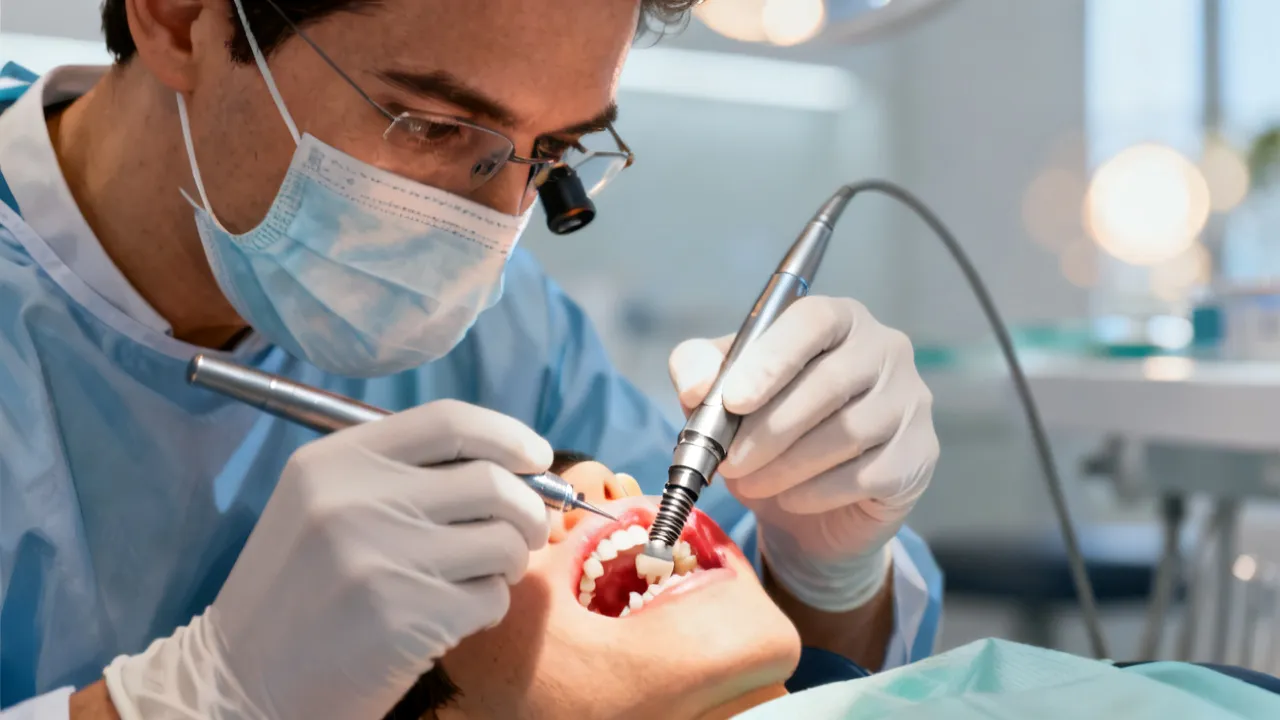
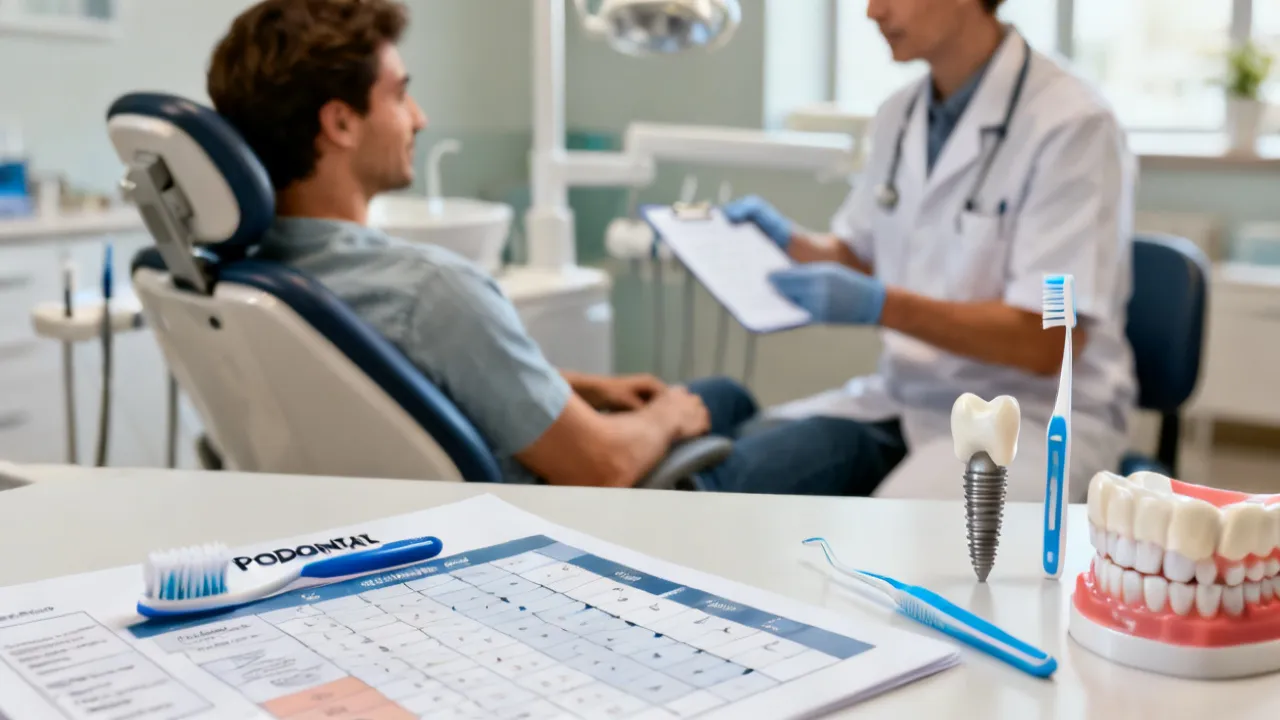
치주 후 처치 can be translated as post-periodontal treatment care or aftercare following periodontal treatment. The phrase generally describes the clinical monitoring and daily habits required after treatment for gum disease, including scaling and root planing, periodontal surgery, gum grafting, extraction, or implant-related procedures. It is not a single procedure. Rather, it is an ongoing phase of care designed to control inflammation, protect healing tissues, and reduce the likelihood of recurrent periodontal disease.
Periodontal treatment may remove bacterial deposits, reshape infected tissues, reduce periodontal pockets, restore gum contours, or create healthier conditions for future restorative work. However, treatment cannot permanently eliminate the patient’s susceptibility to gum disease. Plaque and calculus begin to accumulate again after professional cleaning, and bacteria can recolonize areas that have previously been affected. This is why aftercare is not an optional addition to treatment. It is part of the treatment itself.
From an industry perspective, post-periodontal care is one of the most important determinants of long-term dental stability. A technically well-executed implant, crown, or periodontal procedure can still experience complications if plaque control is poor, follow-up appointments are missed, or risk factors such as smoking and uncontrolled diabetes are not addressed. Patients considering low-cost dental implants should therefore assess the entire care pathway, not simply the initial treatment quotation.
The most important principle is straightforward: the lowest quoted price is not necessarily the lowest total cost. A reliable comparison includes diagnosis, imaging, periodontal stabilization, implant components, surgery, restoration, aftercare, contingency planning, and the ability to receive follow-up care. These factors are especially important when treatment is performed in another region or country.
Aftercare also has an educational purpose. Patients learn how to recognize early inflammation, use interdental cleaning devices, manage a temporary restoration, and communicate effectively with the dental team. A patient who understands the reason behind each instruction is often more likely to follow it consistently. For this reason, a good clinic should provide clear written instructions, demonstrate cleaning techniques, and explain what symptoms are expected and what symptoms require an urgent review.
Immediate Priorities After Periodontal Treatment
Instructions vary according to the procedure and the patient’s medical history. The treating dental professional’s written guidance should take priority over general information. In many cases, the first 24 to 72 hours are focused on protecting the surgical area and controlling discomfort.
- Protect the treated area: Avoid repeatedly touching the site with fingers or the tongue. If a periodontal dressing or sutures are present, do not pull or adjust them.
- Manage bleeding appropriately: Mild oozing may occur after surgery. A clean gauze pad may be used with gentle, continuous pressure when recommended by the clinic. Persistent or heavy bleeding requires prompt professional advice.
- Choose suitable foods: Soft, cool, or lukewarm foods are commonly easier during early healing. Patients may need to avoid hard, sharp, sticky, spicy, or very hot foods near the treated region.
- Follow medication directions: Use prescribed antibiotics, pain medication, or antimicrobial rinses only as directed. Antibiotics are not appropriate for every patient or every dental condition.
- Avoid tobacco and nicotine exposure: Smoking and other nicotine products can impair healing and increase periodontal risk. A clinician can provide a medically appropriate cessation plan.
- Maintain general oral hygiene: Untreated areas should usually continue to be brushed carefully. The treated area may require a modified technique until the clinician confirms that normal cleaning can resume.
- Attend the review appointment: Follow-up allows the dentist or periodontist to inspect healing, remove sutures when necessary, assess plaque control, and adjust the care plan.
- Rest while monitoring symptoms: Physical exertion may increase bleeding or throbbing during the early recovery period. Patients should follow the clinic’s advice about exercise, bending, and strenuous activity.
- Use cold packs only as instructed: External cooling may help with early swelling, but ice should not be placed directly against the skin for prolonged periods.
Swelling may not reach its maximum immediately. In some cases, it becomes more noticeable on the second or third day before beginning to improve. Bruising can also occur, particularly after surgical procedures. These changes are not automatically signs of infection, but a patient should contact the clinic if symptoms become severe, continue worsening, or are accompanied by fever, pus, or difficulty opening the mouth.
What to Expect During the First Week
The first week after periodontal treatment is a period of adjustment. The gum tissue may feel different when the patient brushes, and treated teeth may temporarily become more sensitive to cold. Following gum treatment, the teeth can sometimes appear longer because swollen tissue has reduced or the gum margin has changed. This appearance should be discussed with the clinician if it causes concern.
Patients should avoid testing the area repeatedly by pressing on it, chewing hard foods, or pulling on a dressing. A temporary decrease in chewing efficiency is normal after treatment, especially when multiple teeth have been treated. A balanced diet remains important for healing, so patients should choose soft foods that provide adequate protein, vitamins, and fluids rather than relying only on sugary or highly processed foods.
Cleaning instructions can differ substantially. After nonsurgical scaling and root planing, careful brushing and interdental cleaning may usually continue, although the tissues may be tender. After surgery, the clinician may recommend avoiding direct brushing over the wound for a limited period while cleaning nearby areas. Some patients receive a special brush, antimicrobial rinse, or syringe for a specific stage of healing. These products should be used according to the instructions rather than applied more frequently in the belief that extra use will accelerate healing.
During follow-up, the clinician may evaluate bleeding, tissue color, swelling, plaque accumulation, suture stability, and the response of periodontal pockets. This appointment is also an opportunity to ask whether the patient can resume normal brushing, use an electric toothbrush, return to sports, or eat a wider range of foods.
How Post-Periodontal Care Supports Implant Treatment
Dental implants replace the root portion of a missing tooth with a biocompatible fixture, which is later connected to an abutment and crown or another restoration. The process depends on healthy surrounding tissues. Active periodontal inflammation, inadequate bone volume, or poor plaque control may complicate treatment planning and raise the risk of disease around the implant.
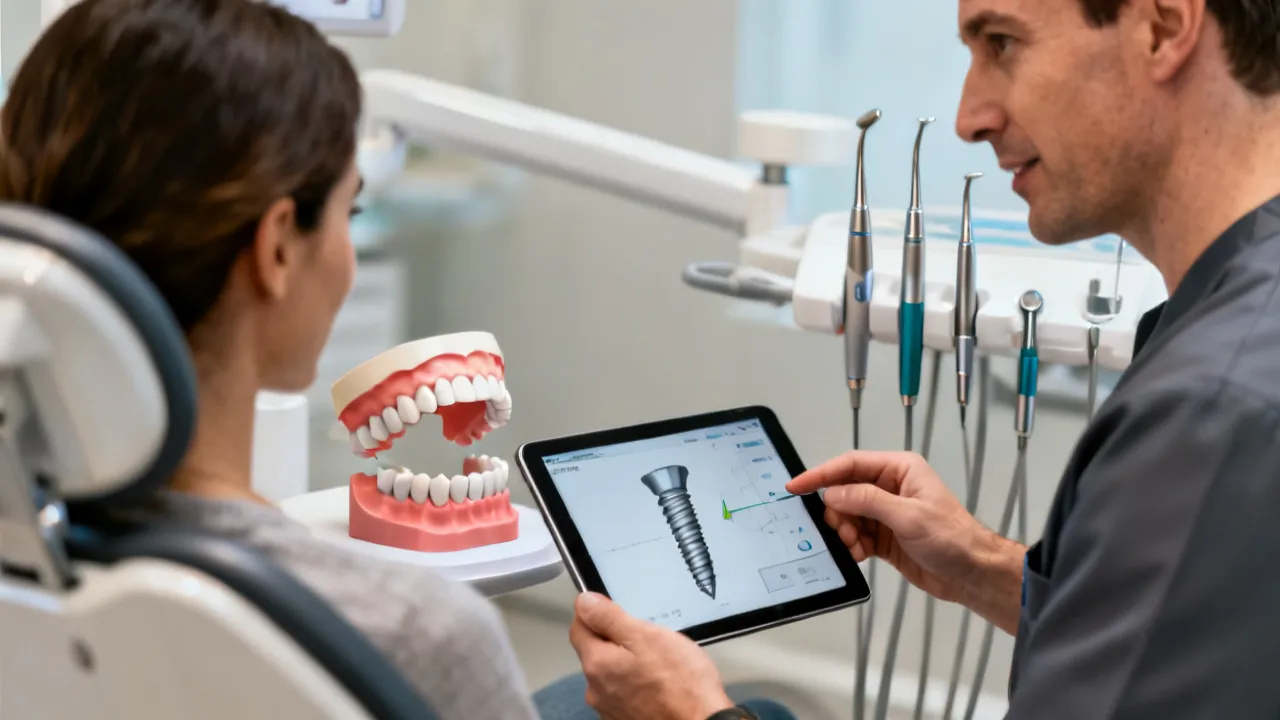
For this reason, clinicians commonly evaluate the gums before implant placement. The assessment may include periodontal probing, radiographs, three-dimensional imaging where clinically justified, a review of systemic health, and discussion of previous dental treatment. Bone grafting or soft-tissue procedures may be considered when anatomy requires them, although these additions affect treatment time and cost.
After placement, the implant site needs protection while the surrounding bone undergoes healing and integration. The exact timeline differs according to bone quality, implant position, surgical technique, loading protocol, and the patient’s overall health. A patient should not assume that a low-cost package includes every stage. The written treatment plan should identify whether the quoted amount covers the implant fixture, abutment, temporary restoration, definitive crown, imaging, laboratory work, sedation, medications, and follow-up appointments.
Patients with a history of periodontitis may require particularly careful monitoring around implants. The same risk factors that contributed to gum disease can affect the tissues around an implant. A dental implant does not decay like a natural tooth, but the crown can fracture, loosen, or develop wear, while the surrounding gum and bone can become inflamed. Implant treatment therefore replaces one part of the tooth system; it does not remove the need for oral hygiene.
When an implant is placed after extraction, the sequence may include removal of the tooth, preservation or reconstruction of the socket, a healing period, implant placement, another healing period, and finally restoration. In other cases, immediate implant placement may be considered. The appropriate approach depends on infection, bone condition, gum thickness, tooth position, and the clinician’s assessment. Patients should be cautious about promises of a same-day tooth when the clinical circumstances require a slower staged process.
Symptoms That Require Professional Attention
Some tenderness, swelling, sensitivity, or minor bleeding may be expected after periodontal treatment or implant surgery. Symptoms should generally improve rather than intensify. Contact the treating clinic if pain becomes increasingly severe, swelling continues to expand, fever develops, pus or an unpleasant taste appears, a temporary restoration becomes unstable, or the implant area feels mobile.
Urgent medical attention may be required when there is difficulty breathing or swallowing, rapidly spreading facial swelling, uncontrolled bleeding, or signs of a serious allergic reaction. Patients receiving treatment abroad should obtain an emergency contact number and identify a nearby dental or medical facility before traveling home.
A persistent bad taste or odor can have several causes, including trapped food, a healing wound, a loose temporary component, or infection. The symptom should not be diagnosed through online information alone. Similarly, numbness, tingling, or altered sensation after surgery should be reported, especially if it persists beyond the period described by the clinician.
A loose implant-supported crown does not necessarily mean that the implant itself has failed. The crown or abutment screw may have loosened. Nevertheless, continued chewing on a loose restoration can damage components or surrounding tissues. Prompt examination allows the dentist to determine whether the problem is mechanical, biological, or related to the fit of the restoration.
Professional Assessment Before Choosing Low-Cost Dental Implants
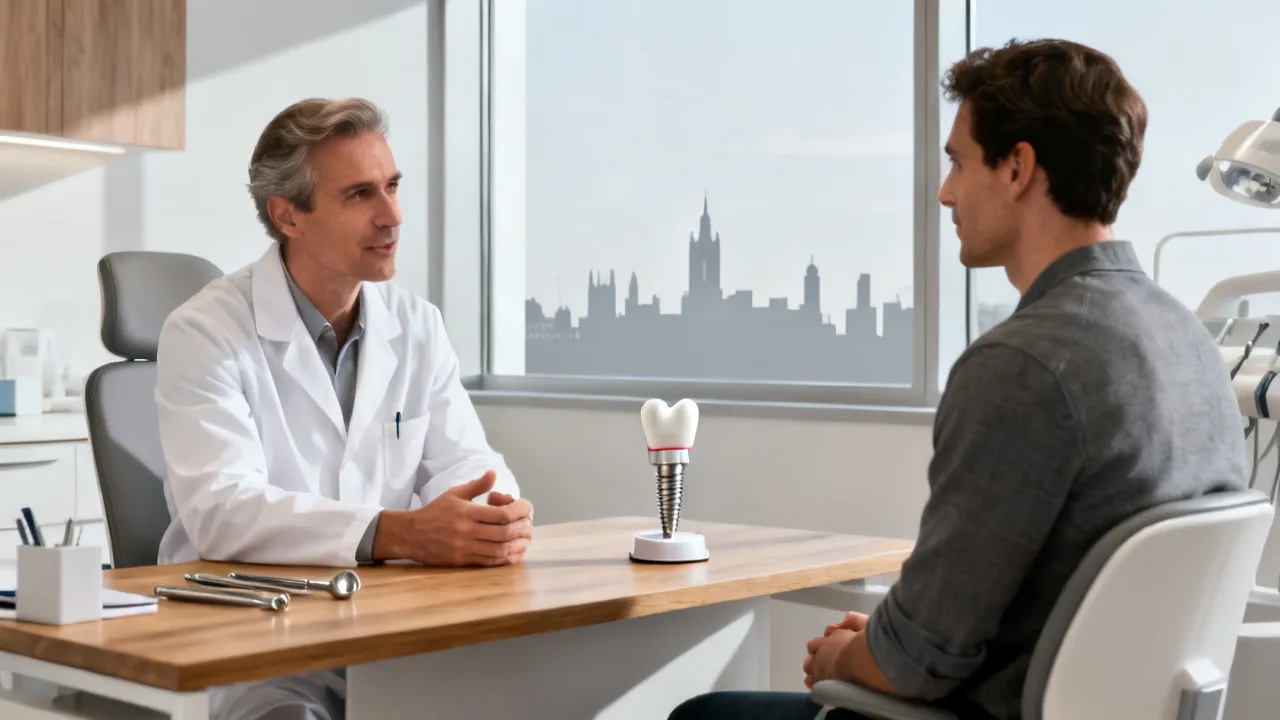
An expert comparison begins with diagnosis rather than advertising. A responsible clinic should explain the reason an implant is recommended, discuss alternatives, identify periodontal and medical risks, and provide a written estimate. The clinician should also explain who will perform each phase and how complications will be managed.
Key clinical questions
- Is periodontal disease active, or has it been stabilized?
- How many teeth are missing, and is an implant the most appropriate option?
- Is there sufficient bone for the proposed implant, or might grafting be needed?
- What type and brand of implant system will be used?
- Who will place the implant and who will design and fit the restoration?
- What temporary solution will be provided during healing?
- How many visits are expected, and how long will the process take?
- What happens if the implant does not integrate or the crown requires adjustment?
- What maintenance schedule will be recommended after completion?
- Can the patient obtain implant records for a future dentist?
- What are the alternatives, such as a bridge, removable partial denture, or no immediate replacement?
- How will the proposed treatment affect the neighboring teeth and the patient’s bite?
Patients should request copies of relevant radiographs, implant identification details, laboratory information, and treatment notes. These documents are valuable when a patient relocates, changes dentists, or needs care after returning from dental travel.
A second opinion can be particularly useful when the proposed procedure involves multiple implants, bone grafting, sinus augmentation, full-arch rehabilitation, or treatment of advanced periodontal disease. The purpose of a second opinion is not necessarily to find a lower price. It is to confirm that the diagnosis, sequence, risks, and alternatives have been considered appropriately.
Detailed Steps for Obtaining Dental Implants at Lower Cost
Cost-conscious treatment is most reliable when it is planned systematically. The following process can help patients compare options in English-speaking countries and other international markets while preserving clinical safety.
Step 1: Stabilize periodontal health first
Patients with bleeding gums, periodontal pockets, loose teeth, or a history of gum disease should seek a periodontal assessment before implant planning. Treating active inflammation first may add time, but it can improve the environment in which an implant is placed. A treatment estimate that excludes periodontal therapy may not represent the final expense.
Step 2: Obtain an itemized diagnostic plan
Ask for a written breakdown of consultation fees, radiographs, three-dimensional imaging, extraction, bone grafting, implant placement, abutment, temporary crown, final crown, sedation, medication, and aftercare. “Individual implant” prices can refer to the fixture alone or to a completed tooth. These are materially different quotations.
Step 3: Compare qualified providers rather than promotional claims
Review the dentist’s credentials, scope of practice, experience with periodontal and implant cases, sterilization procedures, laboratory arrangements, and patient communication process. A clinic’s website can help explain its services, but it should not be treated as an independent clinical endorsement. Patients may also ask whether the practitioner belongs to a recognized professional body in the relevant jurisdiction.
Step 4: Compare total treatment cost
Include travel, accommodation, local transportation, time away from work, diagnostic appointments, medication, food, and possible additional visits. A treatment performed at a lower headline price may become more expensive if a complication requires a second journey. Domestic care may offer easier access to reviews, while international care may have lower quoted fees but greater logistical complexity.
Step 5: Confirm the implant system and laboratory arrangements
Implants are manufactured by different companies and use different components. The patient should receive the implant brand, model, dimensions, and lot information where available. The final crown may be made by an in-house or external laboratory. The material, shade, warranty terms, and repair process should be explained before treatment.
Step 6: Understand insurance and payment limitations
Dental insurance may cover some diagnostic procedures, extractions, periodontal treatment, or restorative components, but coverage for implants varies considerably. Some plans apply annual limits, waiting periods, exclusions for pre-existing conditions, or restrictions on treatment performed outside the plan’s network. Patients should request written confirmation from the insurer rather than relying only on a clinic’s verbal estimate.
Step 7: Consider accredited clinics and transparent dental tourism
Travel-based treatment requires additional checks. Confirm the clinic’s legal status, the clinician’s professional registration, language support, infection-control procedures, emergency arrangements, and post-treatment communication. A reasonable itinerary should allow time for assessment and healing; a compressed schedule can be inappropriate when periodontal treatment, grafting, or staged implant placement is required.
Step 8: Plan post-treatment maintenance near home
Before leaving, identify a nearby dentist or periodontist willing to provide maintenance and urgent assessment. Not every clinician will assume responsibility for an implant placed elsewhere, particularly when records are incomplete. A written maintenance plan can reduce uncertainty and help protect the long-term investment.
Step 9: Obtain a written warranty and complication policy
Warranty language should specify what is covered, for how long, and under which conditions. It should also explain whether travel costs, laboratory fees, replacement components, and treatment by another dentist are included. No warranty eliminates biological risk, and terms may be invalid if scheduled maintenance is not completed.
Step 10: Allow time for informed decision-making
Patients should be wary of pressure to pay a deposit or begin irreversible treatment immediately after a brief consultation. A meaningful decision requires time to review the diagnosis, understand alternatives, ask questions, and consider the financial and travel implications. Promotions with an expiration date may be legitimate marketing, but they should not replace informed consent.
Cost Ranges for One Individual Dental Implant
The following figures are reference ranges for an individual dental implant in selected countries. They should not be interpreted as a universal price for a completed implant tooth. Depending on the source and clinic, a quoted amount may cover only implant placement or may include some restorative components. Currency values are retained as provided for clarity.
| Country and code | Currency and reference range for one implant |
|---|---|
| United States (US) | USD $3,000–$6,000 |
| United Kingdom (GB) | GBP £2,000–£2,500 |
| Australia (AU) | AUD AU$3,500–AU$6,500 |
| Canada (CA) | CAD CA$3,000–CA$5,500 |
| Spain (ES) | EUR €1,500–€2,500 |
| Chile (CL) | CLP CLP$800,000–CLP$1,500,000 |
| Mexico (MX) | MXN $15,000–$25,000 |
| Colombia (CO) | COP $2,000,000–$4,000,000 |
| Peru (PE) | PEN S/ 3,000–S/ 6,000 |
| Argentina (AR) | ARS $80,000–$150,000 |
| Brazil (BR) | BRL R$3,000–R$8,000 |
| Portugal (PT) | EUR €1,000–€2,000 |
| Germany (DE) | EUR €2,000–€3,500 |
| France (FR) | EUR €1,500–€2,500 |
| Italy (IT) | EUR €1,500–€3,000 |
| Japan (JP) | JPY ¥300,000–¥700,000 |
Source: The country ranges supplied for this article’s comparison brief. They are presented for orientation and require confirmation from a licensed clinic and insurer.
Exchange rates can change, and currency symbols may be used differently in local advertising. For example, a quotation may be expressed in local currency without clearly stating whether it includes taxes, laboratory fees, or imported components. Patients should request the final estimate in writing and confirm the currency, payment schedule, and refund terms.
How to Read Implant Prices Correctly
Dental implant terminology is not fully standardized in consumer advertising. “Implant cost” may mean the surgical fixture only, while “implant tooth” may include the fixture, abutment, and crown. Some clinics quote a package price; others separate each stage. Patients should ask which of the following items are included:
| Cost element | Why it matters |
|---|---|
| Consultation and diagnosis | Determines whether an implant is suitable and identifies periodontal or medical risks. |
| Imaging | Shows bone anatomy, adjacent structures, and the proposed implant position. |
| Extraction | May be necessary when a damaged tooth remains in the proposed implant site. |
| Bone or soft-tissue treatment | May be required to improve support or tissue contour. |
| Implant fixture | Replaces the tooth root and is surgically placed in the jawbone. |
| Abutment and crown | Connect the implant to the visible replacement tooth. |
| Follow-up and maintenance | Supports healing, early detection of inflammation, and long-term function. |
| Temporary restoration | Provides appearance and function while the implant or graft heals. |
| Sedation and medication | May create separate charges depending on the procedure and patient preference. |
From a financial planning standpoint, a transparent estimate is more valuable than a low introductory figure. Patients can ask the clinic to provide two totals: the expected cost under uncomplicated conditions and the possible additional cost if extraction, grafting, sedation, or treatment of periodontal disease becomes necessary.
Patients should also ask whether the price includes adjustments after the crown is fitted. A crown may require minor refinement to improve the bite or contact with neighboring teeth. These adjustments are often part of routine care, but the policy can differ between clinics. The estimate should distinguish ordinary postoperative review from additional treatment caused by a complication.
Country and Language Considerations
English-speaking markets
In the United States, the United Kingdom, Australia, and Canada, patients often encounter a distinction between the surgeon’s fee and the restorative dentist’s fee. Dental insurance and employer-sponsored plans may have different rules for each component. Patients should ask whether the implant is placed by a general dentist, periodontist, oral surgeon, or another appropriately trained provider, and whether the crown will be delivered by the same practice.
English-speaking clinic websites may provide extensive educational material, appointment forms, financing information, and emergency instructions. Patients should still verify local professional registration, the scope of the advertised service, and the terms of any payment plan. A financing arrangement changes the timing of payment, not the clinical suitability of treatment.
Spanish-speaking markets
Spain, Chile, Mexico, Colombia, Peru, and Argentina have different regulatory systems, currencies, and regional cost structures. Spanish-language patient materials can make it easier to understand consent documents, medication instructions, and maintenance requirements. Patients traveling within Latin America should account for differences between major urban centers and smaller communities, as well as currency conversion and local transport.
When reviewing a Spanish-language service page, patients should look for information about implant brands, warranty conditions, professional credentials, and emergency access. A clinic that serves international patients should explain who will coordinate records and follow-up after the patient returns home.
Portuguese-speaking markets
Brazil and Portugal use Portuguese but operate in different healthcare and regulatory environments. In Brazil, patients may compare private clinics, dental plans, and specialist practices. In Portugal, patients should clarify whether the estimate is expressed in euros and whether it covers the surgical and prosthetic phases. Language compatibility is valuable, but it does not replace verification of clinical qualifications or aftercare arrangements.
Local cultural context can influence appointment scheduling and communication style. In large Brazilian cities, patients may find many practices offering implant services, whereas the most important distinction remains the quality of diagnosis, documentation, laboratory work, and follow-up rather than the number of advertised procedures.
German-, French-, Italian-, and Japanese-speaking markets
Patients considering treatment in Germany, France, Italy, or Japan should request translated explanations when they are not fluent in the local language. Consent forms should be understood before signing. In Japan, the price range is expressed in yen and may be affected by the relationship between public health coverage and private implant treatment. In European markets, patients should ask how insurance, supplementary coverage, laboratory fees, and reimbursement rules apply to implant dentistry.
In every market, the same practical questions apply: Is periodontal disease controlled? What is included in the quotation? Who will provide maintenance? How can the patient access records? What is the plan if a complication occurs?
Websites and Services for Comparing Dental Implant Information
The following websites represent different types of information sources, including clinic pages, educational resources, dental tourism information, and dental plan material. They should be used as starting points for questions rather than as substitutes for an independent clinical examination. The comparison is intentionally limited to two columns, and no links are placed inside the table.
| Website or service | Relevant features for cost and treatment research |
|---|---|
| Dental Views | Discusses low-cost dental implants, treatment types, potential benefits, process information, and cost considerations for patients comparing affordable options. |
| Atlantic Dental Group | Provides information about a broad range of dental services, which may help readers compare implant care with general, emergency, orthodontic, and preventive services. |
| DentaVacation | Focuses on dental tourism, international treatment options, cost comparisons, and travel-related planning for patients considering care abroad. |
| ADHP / Rockville Dental Arts | Offers information connected with dental plans and clinic services, helping readers consider coverage, benefits, and potential out-of-pocket expenses. |
| Rockville Dental Arts en español | Spanish-language clinic information covering services such as implants, whitening, cleaning, orthodontics, and emergency dental care. |
| Union City Mini Dental Implants | Specializes in mini dental implant information and may be relevant when discussing narrower treatment indications and alternative implant approaches. |
| Cigna dental implant guide | Provides Spanish-language educational information about dental implants, including general treatment concepts and insurance-related considerations. |
| Rubi Odonto | Brazilian clinic information covering orthodontics, whitening, implants, and general dental services, with an emphasis on patient care and professional experience. |
| Odontologia Velasco | Brazilian practice information relating to implants, prostheses, aesthetic dentistry, and the use of contemporary dental technology. |
| DentalVidas | Provides information about dental plans for individuals, families, and companies, including network access and emergency-service features. |
source: www.dentalviews.com/low-cost-dental-implants/
source: www.atlanticdentalgrp.com
source: www.dentavacation.com
source: rockvilledentalarts.com/es
source: unioncityminidentalimplants.com/es
source: www.cigna.com/es-us/knowledge-center/guide-to-dental-implants
source: www.rubiodonto.com.br
source: odontologiavelasco.com.br
source: dentalvidas.com.br
Conditions and Requirements for Cost-Conscious Treatment
Low-cost implant planning should remain conditional on clinical appropriateness. A patient may require additional assessment when any of the following applies:
- There is active gum bleeding, periodontal pocketing, tooth mobility, or recurrent oral infection.
- The patient has poorly controlled diabetes or another condition that may affect healing.
- The patient takes medicines that influence bleeding, bone metabolism, or immune response.
- There is significant bone loss, an inadequate restorative space, or an unfavorable bite.
- The patient smokes or uses nicotine products.
- The proposed treatment is based on a remote quotation without a clinical examination.
- The patient is being encouraged to complete complex surgery during an unusually short trip.
- The clinic has not clearly explained the implant system, crown material, treatment stages, or follow-up plan.
Medical history should be disclosed accurately. Patients should not stop prescribed medicines without guidance from the prescribing clinician. Pregnancy, anticoagulant therapy, allergy history, immune conditions, and previous complications should all be discussed during the consultation.
Bone density and anatomy are also relevant. A patient may have enough bone for one implant position but require augmentation for another. The visible gap does not always reveal the condition of the underlying bone. This is one reason why photographs or a remote video consultation cannot replace clinical examination and appropriate imaging.
Periodontal Maintenance After the Implant Crown Is Fitted
Post-periodontal care does not end when the crown is delivered. The tissues around an implant can develop inflammation associated with plaque accumulation. The patient may not experience pain at an early stage, so professional maintenance and daily cleaning are important.
A maintenance visit may include a review of brushing and interdental cleaning, examination of the gums, assessment of the bite, evaluation of the implant-supported restoration, and radiographic monitoring when clinically indicated. The interval should be individualized according to periodontal history, home care, smoking status, systemic health, and the complexity of the restoration.
Daily home-care principles
- Brush twice daily with a soft toothbrush and fluoride toothpaste unless a clinician recommends another approach.
- Clean between teeth with floss, interdental brushes, or another device selected for the restoration’s shape.
- Use an implant-specific cleaning method if the crown contours make ordinary floss ineffective.
- Do not force a cleaning device beneath the gum or around the implant.
- Use antimicrobial products only when recommended, since prolonged or inappropriate use may cause irritation or staining.
- Inspect the area periodically for bleeding, swelling, odor, or changes in the fit of the crown.
- Wear a prescribed night guard when indicated, especially if clenching or grinding may overload the restoration.
The best tool is the one the patient can use correctly and consistently. A hygienist or periodontist can demonstrate technique and select an interdental brush size that fits without traumatizing the tissue.
Electric toothbrushes can be helpful for some patients, particularly those who have difficulty controlling brushing pressure or reaching posterior teeth. However, the device should be used with a gentle technique. More force does not mean better plaque removal. Patients with gum recession or thin tissue may need advice about brush selection and pressure.
Balancing Dental Tourism With Continuity of Care
Dental tourism can make treatment more accessible in some circumstances, but it introduces clinical and logistical considerations. The patient may need to travel for diagnosis, surgery, healing review, and restoration. Flights soon after surgery can be uncomfortable, and a return trip may be needed if a temporary crown fractures or the implant site develops a problem.
Before booking travel, ask for the expected number of appointments and the minimum interval between stages. Confirm whether the clinic provides an emergency contact outside business hours. Request the complete treatment plan in writing and verify whether it is available in a language the patient understands. Patients should also determine whether their home dentist is prepared to monitor healing.
A lower fee can be reasonable when it reflects local operating costs, but cost should not be reduced by omitting essential diagnosis, sterilization, appropriate components, or postoperative review. Patients should be cautious when a clinic refuses to identify the implant manufacturer, cannot provide treatment records, or pressures them to make an immediate decision.
Travel insurance may not cover complications associated with elective dental treatment. Patients should examine policy exclusions before departure and consider whether they need separate medical or travel coverage. They should also carry medication information, emergency contacts, copies of relevant records, and a clear plan for contacting the treating clinic.
Insurance, Dental Plans, and Financing Questions
Dental plans differ substantially. Some assist with preventive care and periodontal treatment but offer limited support for implants. Others may provide an allowance for the crown or prosthetic component while excluding the surgical fixture. Patients should read exclusions, annual maximums, waiting periods, network rules, and preauthorization requirements.
Questions for an insurer or dental plan provider include:
- Is implant treatment included, and which components qualify?
- Does periodontal treatment need to be completed before implant approval?
- Is preauthorization required?
- Does the plan restrict treatment to participating clinics?
- Are overseas procedures eligible for reimbursement?
- What annual limit, deductible, or co-payment applies?
- Are replacement crowns, repairs, or complications covered?
Financing agreements should be reviewed separately from clinical consent. Patients should understand interest, administrative fees, cancellation conditions, and the payment obligation if treatment is delayed or modified.
When a clinic offers a package discount for several implants, patients should ask whether all implants are clinically necessary and whether the discount applies to future adjustments. A discounted full-arch package may involve a different treatment concept from replacing one missing tooth. The patient should not accept additional implants solely because a package appears cheaper per unit.
Common Mistakes That Increase the Final Cost
- Comparing incomplete quotations: A fixture-only estimate may appear attractive but exclude the abutment and crown.
- Ignoring gum disease: Implant placement before periodontal stabilization can create avoidable biological risk.
- Choosing a clinic based only on testimonials: Patient experiences can be useful, but they do not replace credentials, diagnosis, or transparent records.
- Scheduling too little recovery time: Complicated treatment may require staged appointments.
- Failing to plan maintenance: The absence of regular reviews can allow inflammation or mechanical problems to progress.
- Not asking about components: Unidentified or difficult-to-source components may complicate future repairs.
- Overlooking travel expenses: Transport, accommodation, and additional visits can materially change the total budget.
- Assuming a warranty covers every problem: Biological complications, trauma, missed maintenance, and unrelated dental disease may be excluded.
- Delaying treatment of a failing tooth: Waiting too long can allow infection or bone loss to increase the complexity of later replacement.
- Failing to ask about alternatives: A bridge or removable prosthesis may be more appropriate in some clinical or financial circumstances.
Expert Perspective: What Represents Real Value?
From an expert standpoint, real value in implant dentistry is the combination of appropriate case selection, predictable surgical planning, durable restorative design, clear communication, and accessible maintenance. A clinic that spends more time assessing periodontal status may produce a higher initial quotation, but that assessment is part of responsible care rather than an unnecessary addition.
Patients should also distinguish between an implant’s survival and the health of the surrounding tissues. An implant can remain physically present while the gums and supporting bone experience inflammation. Long-term success therefore requires both biological monitoring and mechanical maintenance. The patient’s role is central: brushing, interdental cleaning, tobacco avoidance, attendance at reviews, and prompt reporting of changes all contribute to the outcome.
When several clinics appear clinically comparable, patients can compare laboratory quality, accessibility, communication, component availability, and aftercare. These practical issues often matter more than a modest difference in the initial advertised price.
Real value also includes the quality of the patient’s experience. Clear explanations can reduce misunderstandings about healing and cost. A clinic that responds promptly to questions and provides accessible records is better positioned to support continuity of care. This is particularly important for international patients, who may not be able to return quickly for an in-person appointment.
FAQs About 치주 후 처치 and Affordable Implants
What is 치주 후 처치?
치주 후 처치 refers to care after periodontal treatment. It includes protecting the treated site, controlling plaque, following medication instructions, attending reviews, and maintaining the gums over time. The exact instructions depend on whether the patient received nonsurgical periodontal therapy, surgery, extraction, grafting, or implant treatment.
Can dental implants be placed while gum disease is active?
Active periodontal disease should be assessed and generally managed before implant placement. The dentist or periodontist will determine whether inflammation is controlled sufficiently for surgery. Implant suitability also depends on bone anatomy, general health, oral hygiene, and the condition of neighboring teeth.
Does a low-cost implant quotation usually include the crown?
Not always. Some quotations cover only the implant fixture or surgical placement. Others include the abutment and crown. Patients should request an itemized estimate that identifies every component and possible additional procedure.
Are the prices in this guide guaranteed?
No. The listed figures are general reference ranges supplied for comparison. Actual fees vary by region, clinic, clinician, implant system, laboratory, diagnostic needs, exchange rates, and treatment complexity.
Is treatment abroad always less expensive?
No. A lower clinical quotation may be offset by travel, accommodation, time away from work, currency conversion, and additional visits. The quality and continuity of care must be evaluated alongside price.
How can I reduce implant costs without compromising care?
Start with a complete diagnosis, compare itemized estimates, ask about dental plan benefits, treat periodontal disease early, obtain more than one qualified opinion when appropriate, and confirm the maintenance and complication policy. Avoid selecting a provider solely on the basis of the lowest advertised figure.
What should I do if my implant feels loose?
Contact a dental professional promptly. A loose crown, abutment, or implant can have different causes and should not be ignored. Avoid chewing hard foods on that side until the area has been examined.
How long does post-periodontal care continue?
It is an ongoing maintenance phase rather than a short recovery period. The first review may occur soon after treatment, followed by individualized periodontal maintenance visits. The schedule depends on disease history, oral hygiene, systemic risk, and the type of restoration.
Should I stop medication before implant surgery?
No medication should be stopped without instructions from the prescribing clinician and dental provider. Anticoagulants, diabetes medicines, and other treatments require individualized coordination.
What records should I request after treatment?
Request diagnostic images, the treatment plan, implant brand and model, component information, laboratory details, surgical notes, medication instructions, warranty conditions, and recommended maintenance schedule. These records support continuity of care.
Are mini dental implants the same as conventional implants?
Mini implants are narrower and may be appropriate in selected situations, such as support for certain removable appliances. They are not automatically interchangeable with conventional implants. The choice depends on bone anatomy, the intended restoration, biting forces, and the clinician’s assessment.
Can periodontal treatment make teeth sensitive?
Temporary sensitivity can occur after deposits are removed and inflamed tissue heals. The clinician may recommend a desensitizing toothpaste or other measures. Persistent, severe, or localized sensitivity should be evaluated to exclude decay, cracks, exposed root surfaces, or another condition.
Practical Checklist Before Treatment
- Confirm that periodontal disease has been assessed and stabilized.
- Receive a written diagnosis and proposed alternatives.
- Ask whether the estimate covers surgery, restoration, imaging, grafting, and follow-up.
- Verify the dentist’s professional registration and relevant experience.
- Identify the implant manufacturer and component system.
- Clarify the number of appointments and expected healing intervals.
- Review insurance, dental plan, financing, and cancellation terms.
- Plan transportation, accommodation, recovery time, and emergency access if traveling.
- Arrange nearby maintenance after the procedure.
- Keep copies of all clinical and laboratory records.
- Ask what symptoms are expected and whom to contact after hours.
- Confirm whether the crown, abutment, temporary restoration, and adjustments are included.
- Discuss smoking, diabetes, medications, allergies, grinding, and previous treatment complications.
- Allow adequate time to understand consent documents before signing.
Sample Questions to Ask at the Consultation
Patients sometimes leave a consultation with a quotation but without understanding the proposed sequence. Writing questions in advance can make the appointment more productive. Ask the clinician to explain the treatment using plain language and, where helpful, diagrams or imaging.
- What problem is the implant intended to solve?
- What could happen if the tooth is not replaced immediately?
- Are there teeth or gums that should be treated first?
- Will the implant be placed immediately after extraction or later?
- Is bone grafting expected, possible, or unnecessary?
- How long will the temporary tooth be used?
- What foods and activities should be avoided during healing?
- Who will be responsible for the restoration and future maintenance?
- How will the clinic communicate with my dentist if I return home?
- What is the estimated total cost if the treatment proceeds as planned?
- What additional fees could occur if the treatment needs to change?
A patient does not need to understand every technical detail, but should understand the purpose, sequence, alternatives, main risks, expected recovery, and total financial commitment. If these points remain unclear, another appointment or second opinion may be appropriate before surgery.
Conclusion
치주 후 처치 is the foundation of responsible care after periodontal treatment and an important part of the dental implant journey. Patients seeking lower-cost treatment should compare complete care pathways rather than isolated promotional prices. A sound decision combines periodontal assessment, qualified clinical care, transparent itemization, appropriate implant components, realistic scheduling, and long-term maintenance.
Whether treatment is obtained in an English-speaking market, a Spanish- or Portuguese-speaking country, or another international setting, the same questions remain essential: Is the diagnosis complete? Is the quotation comprehensive? Are the clinician and laboratory appropriately qualified? What happens after the patient returns home? Answering these questions before treatment can reduce avoidable expenses and support a healthier, more predictable result.
Affordable dental care should mean efficient, transparent, and clinically appropriate care—not care with essential steps removed. Patients can reduce unnecessary expense by treating periodontal disease early, comparing complete written plans, understanding insurance limitations, and arranging maintenance before the implant is placed. The long-term value of an implant depends not only on the surgical appointment but also on the quality of planning and aftercare that surrounds it.
References and Links
- Dental Views: Low-Cost Dental Implants
- Atlantic Dental Group
- DentaVacation
- ADHP / Rockville Dental Arts
- Union City Mini Dental Implants
- Cigna: Guide to Dental Implants in Spanish
- Rubi Odonto
- Odontologia Velasco
- DentalVidas
Disclaimer
1. The above information comes from online resources, and the data is as of October 2023.
2. Dental implant prices are for reference only and may vary by region, clinic and doctor.
3. This content is for general educational purposes and does not replace an examination, diagnosis, treatment plan, or individualized advice from a licensed dentist, periodontist, oral surgeon, physician, or other qualified healthcare professional.
4. Patients should follow the specific postoperative instructions provided by their treating clinic and seek prompt professional attention when symptoms are severe, worsening, or unusual.