Periodontal Aftercare and Affordable Dental Implants
This guide explains 치주 후 처치, or periodontal aftercare, and shows how careful maintenance influences healing, implant longevity, and total treatment costs. It covers post-treatment instructions, warning signs, preparation for implant therapy, ways to compare clinics in English-speaking countries, and reference price ranges for individual implants across selected markets. Prices are indicative only and should be confirmed directly with a qualified dental professional.
What 치주 후 처치 Means in Dental Care
치주 후 처치 is a Korean term commonly translated as periodontal aftercare, post-periodontal treatment care, or follow-up care after gum treatment. It describes the professional reviews and daily home-care measures used after treatment for gingivitis, periodontitis, periodontal inflammation, gum surgery, or related procedures. Depending on the patient’s condition, aftercare may also be relevant before and after tooth extraction, bone grafting, sinus-related procedures, or dental implant placement.
Periodontal aftercare is not a single appointment and does not consist of one standard checklist that applies to every patient. It is a continuing process that may include clinical examinations, periodontal measurements, professional plaque and calculus removal, medication guidance, evaluation of gum healing, radiographs, oral hygiene instruction, and adjustments to a patient’s daily routine. The precise plan depends on the procedure performed, the severity of periodontal disease, the condition of the teeth and bone, the patient’s medical history, medication use, smoking status, and ability to maintain regular dental visits.
From an industry and clinical perspective, aftercare is one of the most important factors affecting the predictability and long-term value of dental treatment. A technically well-performed procedure can still develop problems if plaque accumulates around the gums, a patient misses review appointments, a restoration is not cleaned correctly, or an underlying condition such as diabetes remains poorly controlled. This is especially relevant to dental implants. Implants do not develop tooth decay in the same way natural teeth do, but the surrounding gums and bone can become inflamed or infected.
The objective of 치주 후 처치 is therefore broader than simply reducing discomfort after a procedure. It aims to maintain a stable oral environment, preserve natural teeth, support the healing of treated tissues, identify complications early, and help patients understand how their habits affect the outcome. Good aftercare also gives the dental team an opportunity to detect changes that may not yet cause pain or other obvious symptoms.
Immediate Priorities After Periodontal Treatment
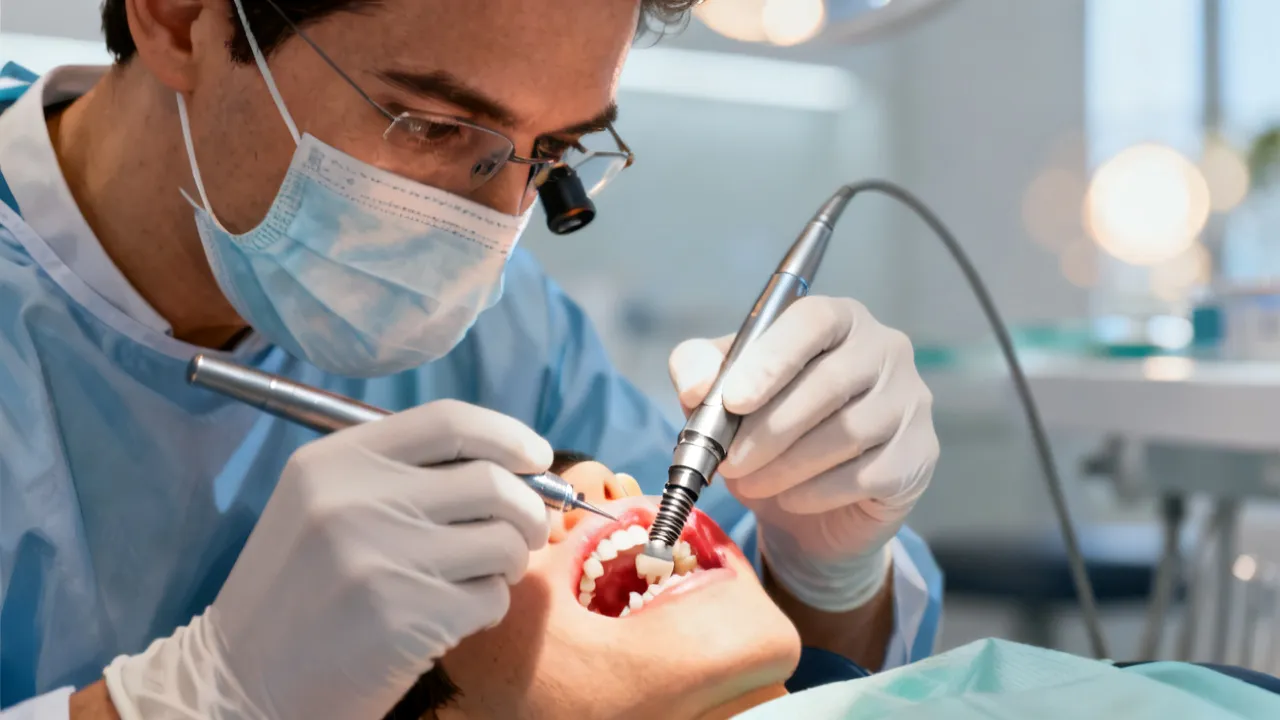
The first priority after periodontal treatment is to protect the treated area while maintaining appropriate oral cleanliness. Patients should follow the written instructions supplied by their own dentist or periodontist because advice varies according to whether treatment involved scaling and root planing, gum surgery, a periodontal dressing, extraction, bone grafting, implant placement, or another procedure.
- Control bleeding according to the clinic’s instructions. Mild oozing can occur after gum treatment or surgery. Gentle pressure with gauze may be recommended. Persistent, heavy, or rapidly increasing bleeding requires prompt contact with the treating clinic.
- Protect the surgical site. Avoid probing the area with fingers, toothpicks, fingernails, or the tongue. If sutures, a periodontal dressing, membrane, or temporary restoration is present, do not disturb it.
- Use prescribed medicines exactly as directed. Antibiotics, antimicrobial rinses, analgesics, anti-inflammatory medicines, or other products should be used only as prescribed. Patients should disclose allergies, pregnancy, chronic conditions, and current medicines before treatment.
- Choose appropriate foods. Soft, moderate-temperature foods may be easier to tolerate during the initial healing period. Hard, sharp, sticky, or very hot foods can irritate a healing site or become trapped around a dressing.
- Avoid tobacco and nicotine exposure. Smoking and other nicotine products can interfere with healing and are associated with poorer periodontal and implant outcomes. A dental or medical professional can recommend an appropriate cessation plan.
- Limit activities when instructed. Some procedures require temporary limits on strenuous exercise, bending, heavy lifting, or activities that increase bleeding and swelling.
- Keep review appointments. Follow-up allows the clinician to assess healing, remove sutures when necessary, check inflammation, evaluate the bite, and modify home-care instructions.
These measures should not be interpreted as a substitute for personalized advice. The treating clinician knows which tissues were affected, whether bone was involved, whether an implant or graft was placed, and which cleaning tools are safe at each stage.
Recognizing Normal Healing and Warning Signs
Some tenderness, mild swelling, sensitivity, or light bleeding may occur after periodontal treatment. Symptoms should generally be monitored rather than judged in isolation. A patient who feels that discomfort is worsening, persisting beyond the period described by the clinic, or interfering with eating and sleeping should contact the dental office for guidance.
After a surgical procedure, swelling may not reach its maximum immediately. It can increase during the first few days before gradually improving. Bruising may also occur, particularly after more extensive surgery. These changes can be normal, but patients should compare their symptoms with the instructions they received and contact the clinic if the pattern appears unusual.
Important warning signs can include:
- Bleeding that does not settle with appropriate pressure;
- Rapidly increasing swelling of the gums, face, or jaw;
- Fever, chills, or a general feeling of illness;
- Pus, a persistent unpleasant taste, or significant drainage;
- Severe pain that is not controlled by the recommended medication;
- Difficulty breathing or swallowing;
- A loose temporary crown, bridge, denture, implant component, or dressing;
- Increasing mobility of a natural tooth;
- Numbness or altered sensation that does not improve as expected;
- A sudden change in the way the teeth meet.
Difficulty breathing or swallowing, rapidly spreading facial swelling, or signs of a serious systemic reaction should be treated as urgent medical concerns. Patients should seek emergency help according to local healthcare procedures rather than waiting for a routine dental appointment. A dental clinic may provide an emergency telephone number, but emergency medical services should be used when airway or general health is threatened.
Why Periodontal Aftercare Matters Before Dental Implants
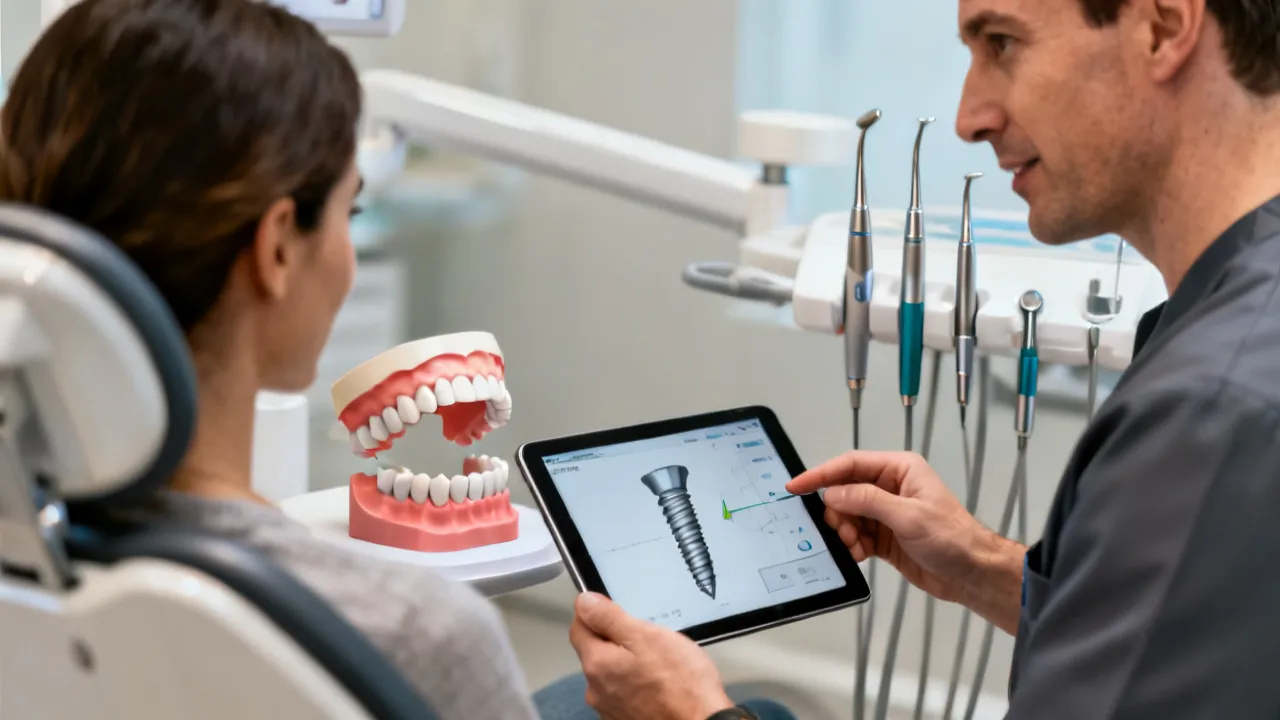
Dental implants replace the root portion of a missing tooth with a biocompatible fixture, usually made from titanium or another implant material, and support a crown, bridge, or denture. Implant treatment is often described as a restorative procedure, but its success also depends on the health of the surrounding gums and bone.
Active periodontal inflammation can complicate implant planning. Bacteria associated with gum disease can remain around neighboring teeth and may affect the tissues surrounding a new implant. In addition, untreated periodontitis may indicate that a patient needs additional instruction or a more frequent maintenance schedule. Treating the disease before surgery can help the clinical team establish a healthier baseline and determine which teeth are realistically maintainable.
Before surgery, a dental team may assess:
- The depth and bleeding of periodontal pockets;
- Plaque and calculus levels;
- Gum recession and the amount of attached tissue;
- Tooth mobility and the condition of neighboring teeth;
- Available bone volume and density;
- Existing infection or untreated decay;
- Smoking or nicotine use;
- Medical conditions that may influence healing;
- Medication use, including drugs affecting bleeding or bone metabolism;
- The patient’s ability to attend maintenance appointments;
- The expected bite forces and functional demands on the restoration.
A clinician may recommend periodontal treatment before implant placement when gum disease is active. This approach is intended to create a more stable oral environment and to identify teeth that may require treatment before the implant plan is finalized. Periodontal aftercare then continues after surgery because inflammation around an implant can lead to peri-implant mucositis or peri-implantitis.
Peri-implant mucositis generally refers to inflammation of the soft tissue around an implant without demonstrable progressive loss of supporting bone. If the inflammation progresses and bone is lost, the condition may be described as peri-implantitis. Early evaluation does not guarantee that every problem will be avoided, but it can improve the chance of managing inflammation before more complex treatment is required.
Professional organizations such as the American Academy of Periodontology and the European Federation of Periodontology emphasize the importance of regular supportive periodontal care for patients with a history of gum disease. The interval between appointments is individualized. Some patients may be reviewed every few months, while others may require less frequent appointments after demonstrating stable health and excellent plaque control. The schedule should not be selected solely on the basis of a promotional package or a price comparison.
Core Components of 치주 후 처치
1. Professional reassessment
A follow-up examination may include visual inspection, periodontal measurements, assessment of bleeding, evaluation of plaque control, and radiographs when clinically appropriate. A clinician may compare current findings with earlier records to identify changes in pocket depth, gum recession, bone levels, tooth mobility, or inflammation.
After implant placement, the clinician may also examine the implant crown, surrounding tissue, bite, contact points, access for cleaning, and signs of inflammation. The restoration should be checked for wear, fracture, looseness, or an overcontoured shape that makes hygiene difficult. A good maintenance appointment is not limited to polishing visible surfaces; it evaluates whether the entire oral environment remains stable.
2. Personalized plaque control
Brushing twice daily with a fluoride toothpaste is a common foundation of oral hygiene, although the exact technique may need to be modified after surgery. Interdental brushes, dental floss, oral irrigators, or specialized single-tuft brushes may be recommended depending on the spaces between the teeth and the shape of an implant restoration.
Patients should not assume that stronger brushing provides better cleaning. Excessive pressure can traumatize the gums and contribute to recession. The clinician or dental hygienist should demonstrate the correct size of interdental brush and explain when it is safe to use near a surgical site. An interdental brush that is too small may fail to clean effectively, while one that is too large may cause unnecessary trauma.
Some patients find visual aids useful. Disclosing tablets can temporarily color dental plaque and reveal areas that are being missed. These products do not replace professional instruction, but they can help patients understand the difference between believing an area is clean and actually removing the plaque from it.
3. Professional removal of plaque-retentive deposits
Calculus cannot be removed reliably with ordinary brushing. Professional cleaning helps control deposits that support bacterial accumulation. Implant restorations require instruments and techniques selected to avoid unnecessary damage to the restoration or implant components.
The frequency and type of professional cleaning depend on the patient’s risk profile. A person with deep periodontal pockets, a history of rapid disease progression, diabetes, or difficulty cleaning around an implant may need more frequent care. The purpose of these visits is not merely cosmetic. They provide an opportunity to remove deposits from areas that are difficult to access at home and to reinforce the maintenance plan.
4. Management of risk factors
Periodontal stability may be influenced by tobacco use, poorly controlled diabetes, inadequate oral hygiene, stress, certain medicines, dry mouth, and irregular dental attendance. This does not mean that every patient with one of these factors will experience treatment failure. It means that risk should be discussed openly and addressed as part of the treatment plan.
Medical conditions should not be concealed because a dentist needs accurate information to plan safely. Changes in health after treatment should also be reported. A patient who begins a new medicine, receives a diagnosis of diabetes, or undergoes treatment affecting the immune system may require additional communication between the dental and medical teams.
5. Long-term maintenance
Maintenance is essential after active periodontal treatment and implant therapy. A patient may feel no pain even when inflammation is developing. Regular clinical review can detect changes before they become more difficult or costly to manage.
Long-term maintenance should include a written or clearly explained schedule. It may identify the timing of periodontal charting, radiographs, professional cleaning, restoration checks, and home-care reassessment. Patients should also know which symptoms justify an earlier visit rather than waiting for the next scheduled appointment.
Periodontal Aftercare Following Common Procedures
Scaling and root planing
Scaling and root planing removes bacterial deposits and calculus from above and below the gumline. Temporary sensitivity is possible, particularly when previously covered root surfaces become exposed as inflammation decreases. A dentist may recommend desensitizing toothpaste, a softer brushing technique, fluoride treatment, or a review if discomfort is persistent.
Patients should continue cleaning the teeth as instructed. Avoiding all brushing because the gums bleed can allow plaque to accumulate and may prolong inflammation. Instead, the dental team should explain how to clean gently and effectively. Bleeding can decrease as inflammation improves, although persistent bleeding should still be assessed.
Periodontal surgery
After gum surgery, instructions may address diet, oral rinsing, physical activity, swelling, pain relief, and the protection of sutures. Some patients receive a periodontal dressing, while others do not. A patient should not remove a dressing or attempt to adjust sutures unless directed to do so.
Patients should avoid comparing their recovery too closely with another person’s experience. The amount of swelling or discomfort depends on the number of teeth treated, the surgical technique, the presence of grafting, individual healing, and general health. The treating clinician’s instructions are more relevant than a generic timetable found online.
Tooth extraction
Following extraction, the blood clot is important for healing. Vigorous rinsing, forceful spitting, smoking, and drinking through a straw may be discouraged during the initial period because they can disturb the clot. The treating dentist should provide the exact instructions and explain when normal brushing can resume near the extraction site.
If a tooth is removed because of advanced periodontal disease, the patient may need a broader plan for the remaining teeth. Extraction addresses one tooth but does not automatically eliminate the bacterial and behavioral factors associated with gum disease. Evaluation of the adjacent teeth and a plan for replacing the missing tooth may be discussed after the tissues have healed sufficiently.
Bone grafting or sinus-related procedures
When bone volume is insufficient for an implant, grafting may be considered. Some procedures involve additional precautions, such as restrictions on nose blowing, strenuous activity, pressure changes, or the use of certain oral hygiene products. These instructions are procedure-specific and should be followed carefully.
Patients should ask how the graft will be monitored and what happens if healing is delayed. A graft may need time to mature before implant placement, and the planned timeline may change according to clinical findings. A change in timing is not necessarily a sign that treatment has failed; it may reflect an effort to place the implant under more favorable conditions.
Implant placement
After implant surgery, the patient may receive instructions concerning swelling, diet, oral hygiene, temporary teeth, and follow-up imaging. The implant may be left to integrate with the bone before the final restoration is attached, although immediate or early loading may be appropriate in selected cases. Timing depends on stability, bone conditions, the restoration plan, and the clinician’s assessment.
Patients should avoid placing excessive force on a temporary implant-supported restoration unless the dentist specifically approves normal function. A temporary restoration may be designed primarily for appearance and may not tolerate the same chewing forces as the final crown. The patient should also report a bite that feels uneven, because excessive loading may affect comfort and the restoration.
How to Reduce the Overall Cost of Dental Implants in English-Speaking Countries
Reducing the total cost of implant care is best approached as a planning exercise rather than a search for the lowest advertised figure. The headline price may exclude consultation, diagnostic imaging, extraction, bone grafting, sedation, the abutment, the crown, temporary teeth, maintenance, treatment of periodontal disease, or management of complications.
- Obtain a complete written treatment plan. Ask whether the quote covers the implant fixture, abutment, crown, imaging, laboratory work, temporary restoration, surgical appointments, and follow-up.
- Confirm the diagnosis before comparing prices. A lower price for a simple single-tooth case cannot be compared directly with the price of a case requiring extraction, grafting, sinus treatment, or control of active gum disease.
- Address periodontal disease early. Treating gum inflammation before implant surgery may reduce the likelihood of additional procedures later. It also supports the health of natural teeth that may be retained.
- Compare qualified providers, not only advertisements. Check professional registration, education, implant experience, emergency arrangements, and the clinic’s process for managing complications.
- Ask about payment timing and insurance. Dental insurance may exclude implants, limit annual benefits, or impose waiting periods. Obtain written confirmation from the insurer rather than relying solely on a clinic’s estimate.
- Consider staged treatment when clinically suitable. In some cases, treatment can be divided into phases, such as disease control, extraction, healing, implant placement, and restoration. Staging must be based on clinical needs, not only on budget.
- Protect the investment through maintenance. Regular periodontal aftercare, good home care, and a properly fitted restoration may help reduce the risk of avoidable complications.
- Ask about alternatives. A conventional bridge, removable partial denture, or preservation of a restorable natural tooth may be considered depending on the clinical situation. Each option has different benefits, limitations, maintenance needs, and costs.
- Review travel-related treatment carefully. Dental tourism can involve lower procedure prices in some markets, but travel, accommodation, follow-up visits, language barriers, and management of complications may increase the total financial and clinical burden.
- Request a second opinion for complex cases. A second opinion from a qualified dentist, prosthodontist, periodontist, or oral surgeon can clarify whether grafting, multiple implants, or other procedures are necessary.
Patients should be cautious about offers that guarantee a result, omit the identity of the treating clinician, or pressure them to make an immediate payment. A sound treatment plan explains alternatives and risks as well as expected benefits. It should also make clear which services are optional, which are clinically necessary, and which costs might arise if the treatment plan changes.
Understanding What an Implant Quote Includes
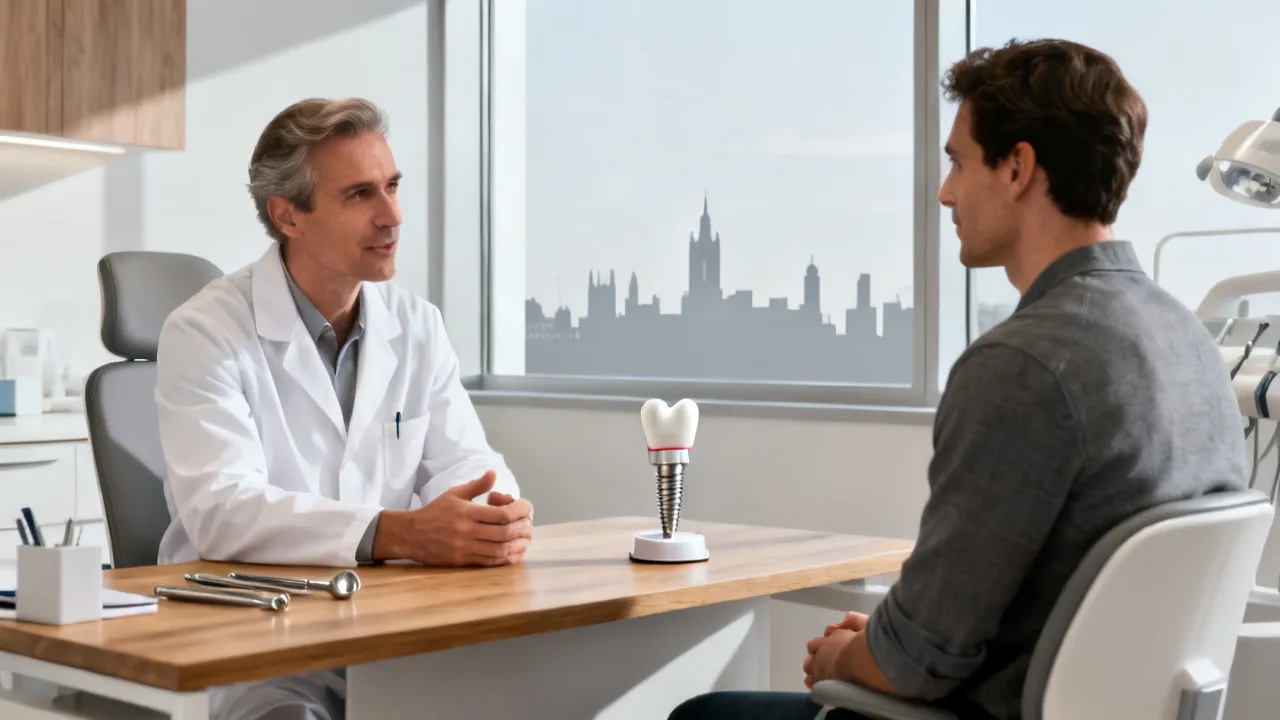
One reason implant prices are difficult to compare is that clinics may use the word “implant” to describe different parts of treatment. In ordinary conversation, a patient may mean the entire replacement tooth. In a financial estimate, however, the implant may refer only to the fixture surgically placed into the bone.
A complete single-tooth implant restoration may involve:
- The initial examination and consultation;
- Periodontal evaluation and disease control;
- Radiographs or three-dimensional imaging;
- Extraction of a damaged tooth, if necessary;
- Bone preservation or bone grafting;
- The implant fixture;
- The surgical placement appointment;
- A healing abutment or temporary component;
- A temporary tooth or provisional restoration;
- The final abutment;
- The laboratory-made crown;
- Occlusal or bite adjustment;
- Postoperative reviews and radiographs;
- Long-term periodontal and implant maintenance.
Some quotes combine several of these items, while others list them separately. Patients should request clarification in writing. They should also ask whether the quoted fee applies only when treatment proceeds without complications. If grafting, additional imaging, or a replacement temporary crown becomes necessary, the clinic should explain how those costs are calculated.
Comparing Information Sources for Low-Cost Dental Implants
The following websites represent different types of dental information sources. They should be used to understand services, questions to ask, and general treatment concepts—not as a substitute for an examination or an independently verified treatment plan.
| Website or organization | Features and practical use |
|---|---|
| Dental Views | Discusses low-cost dental implants, treatment categories, potential benefits, implant types, cost considerations, and common patient questions. |
| Atlantic Dental Group | Clinic-based information covering general dental services and potentially including implants, hygiene care, orthodontics, and emergency appointments. |
| DentaVacation | Dental-tourism information concerning treatment abroad, destination comparisons, travel planning, and overseas dental care. |
| American Dental Health Plans | Information about dental insurance plans, coverage considerations, enrollment, and ways insurance may affect dental expenses. |
| Rockville Dental Arts | Spanish-language clinic information concerning services such as implants, whitening, cleaning, orthodontics, and emergency dental care. |
| Union City Mini Dental Implants | Information focused on mini dental implants and the types of cases for which a clinician may consider them. |
| Cigna Dental Implant Guide | Spanish-language educational material explaining general implant concepts and treatment considerations from an insurance-provider perspective. |
| Rubi Odonto | Portuguese-language clinic information from Brazil concerning orthodontics, whitening, implants, and other dental services. |
| Odontologia Velasco | Portuguese-language information about implants, prostheses, aesthetic dentistry, and the use of contemporary clinical technologies. |
| DentalVidas | Information about dental plans, provider networks, individual and family options, business plans, and emergency service availability. |
Source: www.dentalviews.com/low-cost-dental-implants; www.atlanticdentalgrp.com; www.dentavacation.com; rockvilledentalarts.com/es; unioncityminidentalimplants.com/es; www.cigna.com/es-us/knowledge-center/guide-to-dental-implants; www.rubiodonto.com.br; odontologiavelasco.com.br; dentalvidas.com.br
Conditions and Requirements to Review Before Choosing a Clinic
A responsible implant consultation should address both clinical eligibility and practical requirements. Patients may wish to prepare the following information before an appointment:
- A complete medical history, including diabetes, heart conditions, immune disorders, osteoporosis, and previous radiation treatment;
- A list of prescription medicines, over-the-counter medicines, supplements, and allergy information;
- Details about smoking, vaping, alcohol use, and other factors that may affect healing;
- Previous dental records and radiographs when available;
- The location and duration of tooth loss;
- Current symptoms such as bleeding gums, bad taste, swelling, pain, or loose teeth;
- Insurance details and annual benefit limitations;
- Questions about the implant system, laboratory, warranty terms, and maintenance schedule.
Clinics may require a clinical examination, periodontal charting, panoramic imaging, or three-dimensional imaging. These tests help determine whether there is enough bone, whether an adjacent tooth is healthy, and whether anatomical structures such as the sinus or mandibular nerve require special consideration.
Patients should also ask who will provide each stage of care. In some practices, one dentist performs the surgery and another completes the restoration. This arrangement can be appropriate, but communication and responsibility should be clear. The patient should know whom to contact if pain, swelling, a loose component, or a bite problem develops after treatment.
Indicative Prices for Individual Dental Implants
The following ranges are supplied for reference and represent an individual dental implant in selected countries. They should not be interpreted as a universal quotation or as a like-for-like comparison. The meaning of “individual implant” can differ: one clinic may describe the surgical implant fixture only, while another may include the abutment and crown. Additional treatment may include extraction, periodontal care, bone grafting, sedation, imaging, temporary teeth, laboratory charges, and follow-up.
| Country and currency | Indicative price range for one dental implant |
|---|---|
| United States — USD | $3,000–$6,000 |
| United Kingdom — GBP | £2,000–£2,500 |
| Australia — AUD | AU$3,500–AU$6,500 |
| Canada — CAD | CA$3,000–CA$5,500 |
| Spain — EUR | €1,500–€2,500 |
| Chile — CLP | CLP$800,000–CLP$1,500,000 |
| Mexico — MXN | $15,000–$25,000 MXN |
| Colombia — COP | $2,000,000–$4,000,000 COP |
| Peru — PEN | S/ 3,000–S/ 6,000 |
| Argentina — ARS | $80,000–$150,000 ARS |
| Brazil — BRL | R$3,000–R$8,000 |
| Portugal — EUR | €1,000–€2,000 |
| Germany — EUR | €2,000–€3,500 |
| France — EUR | €1,500–€2,500 |
| Italy — EUR | €1,500–€3,000 |
| Japan — JPY | ¥300,000–¥700,000 |
Currency values, exchange rates, clinic fees, laboratory costs, and insurance rules can change. Patients should obtain a current, itemized estimate in the local currency and ask whether taxes, consultations, diagnostics, and aftercare are included. An estimate should not be understood as a guarantee that the final cost will remain unchanged if the diagnosis changes or additional treatment becomes necessary.
How Language and Location Affect Implant Planning
English-speaking countries offer a wide range of general dental practices, specialist clinics, insurance products, and educational resources. In the United States and Canada, patients may need to examine annual insurance limits, waiting periods, deductibles, and exclusions. In the United Kingdom and Australia, public or private arrangements may affect access and eligibility, while implant treatment is often subject to specific coverage conditions.
Spanish-speaking patients may find Spanish-language educational material useful when comparing terminology and preparing questions. Clinics serving Spanish-speaking communities can support communication about medical history, consent, medications, and aftercare. However, language accessibility should not be confused with clinical quality. Patients should still verify credentials, treatment responsibility, sterilization procedures, and follow-up arrangements.
In Portuguese-speaking markets, including Brazil and Portugal, patients may compare private clinics, dental plans, and specialist services. A dental plan may assist with routine services but may have different provisions for implant surgery, prosthetic components, or periodontal maintenance. The details should be reviewed in writing.
For patients considering travel, cultural familiarity and local landmarks may make a destination appealing, but tourism should not determine the clinical plan. A patient visiting Barcelona, São Paulo, Lisbon, Sydney, or another major city should consider the availability of postoperative reviews, emergency dental care, and communication with the treating team after returning home. Long-distance travel soon after surgery may also be unsuitable in some cases.
Dental Tourism: Questions That Deserve Clear Answers
Dental tourism websites can help patients identify destinations and services, but overseas treatment requires additional due diligence. Before booking, ask:
- Who is the licensed treating dentist or surgeon?
- What professional body regulates the clinician?
- Which implant manufacturer and model will be used?
- Will the patient receive implant identification records?
- What happens if the implant does not integrate or the crown fractures?
- How many follow-up visits are included?
- Who pays for accommodation, return travel, and treatment of complications?
- Can the patient communicate with the clinic in a language they understand?
- Are diagnostic images reviewed by the clinician who will perform surgery?
- What infection-control standards and emergency facilities are available?
The implant system matters because future maintenance may depend on access to compatible components. Patients should retain copies of treatment records, radiographs, prescriptions, invoices, implant labels, and laboratory details. These documents can be important if follow-up care is needed in another country.
Patients should also understand that traveling for treatment may make the timing of care more complicated. A surgical visit may be followed by a review appointment, but healing can be unpredictable. If a patient must return home immediately, a local dentist may be unwilling or unable to manage a complex problem involving an unfamiliar implant system. The cost of an additional trip can substantially reduce the apparent financial advantage of overseas treatment.
Maintaining Natural Teeth and Implants Together
A common misconception is that implant placement eliminates the need for periodontal care. In reality, many implant patients still have natural teeth that require routine hygiene and monitoring. The gums around natural teeth and the tissues around implants should be examined as part of the same maintenance program.
Daily care may include:
- Brushing the natural teeth and implant restoration with a suitable brush;
- Cleaning between teeth and beneath bridgework where instructed;
- Using an interdental brush of the correct dimensions;
- Inspecting the gums for redness, swelling, bleeding, or changes in contour;
- Following the recommended schedule for professional maintenance;
- Limiting frequent exposure to sugary foods and drinks;
- Seeking advice when a restoration feels loose or the bite changes.
Bleeding during brushing is not a reason to abandon cleaning. It can indicate inflammation, although a clinical examination is needed to determine the cause. Persistent bleeding, bad breath, gum recession, or a change around an implant should be reported to the dental team.
Implant crowns may have shapes that differ from natural teeth. The correct cleaning method may therefore be different from ordinary flossing around natural teeth. Some patients need floss designed for bridges, while others obtain better access with an interdental brush or oral irrigator. The appropriate choice depends on the restoration’s contours and the patient’s tissue condition.
Nutrition, Habits, and Healing
During the early healing period, patients may find it easier to eat soft foods that require limited chewing. A balanced diet supports general health, but no particular food or supplement can guarantee implant success. Patients should discuss supplements with their healthcare provider because some may interact with prescription medicines or influence bleeding.
Nicotine exposure deserves particular attention. Smoking can impair blood supply and healing, and it may make oral hygiene more difficult. Patients who smoke should tell the dentist honestly so that the treatment plan can reflect the relevant risk. A clinician may recommend cessation support before surgery or during the healing period.
Alcohol may interact with medicines and can be inappropriate during certain stages of recovery. Patients should follow the clinic’s instructions and ask when normal activities can resume. Vigorous exercise may also need temporary modification after surgery, particularly if swelling or bleeding is present.
Dry mouth can increase plaque accumulation and discomfort. It may be associated with medications, dehydration, mouth breathing, or medical conditions. Patients who experience persistent dryness should mention it during follow-up. The dental team may recommend hydration strategies, saliva substitutes, or an evaluation of the medicines contributing to the problem.
Insurance, Dental Plans, and Payment Questions
Insurance and dental plans differ substantially. A plan may cover examinations and preventive care while offering limited or no benefits for implant surgery. Some policies apply annual maximums, waiting periods, exclusions for pre-existing conditions, or separate rules for major restorative treatment.
Before consenting to treatment, ask the insurer or plan administrator:
- Whether implants, abutments, crowns, grafting, and extractions are covered separately;
- Whether a waiting period applies;
- Whether a referral or preauthorization is required;
- What annual maximum, deductible, or patient contribution applies;
- Whether treatment must be provided within a specific network;
- Whether replacement or repair is covered;
- What documentation the insurer requires.
Clinics should provide an itemized financial estimate. Patients should distinguish between the cost of controlling active periodontal disease and the cost of implant restoration. Combining them into one unexplained figure makes comparisons difficult and can obscure necessary care.
Financing arrangements should also be reviewed carefully. Patients should understand the total amount payable, interest, fees, cancellation terms, and what happens if treatment must be delayed or altered. A monthly payment that appears affordable may still represent a high total cost over time. Financial decisions should not pressure a patient into accepting treatment before obtaining a diagnosis and considering alternatives.
Common Mistakes in Periodontal and Implant Aftercare
- Using price as the only selection criterion. An inexpensive initial quote may not include essential diagnostic or restorative services.
- Skipping maintenance because there is no pain. Gum inflammation and early peri-implant disease may not cause obvious symptoms.
- Cleaning too aggressively. Excessive force can damage the gums and restoration surfaces.
- Using unapproved tools around an implant. Metal instruments, sharp objects, or unsuitable products may injure soft tissues.
- Ignoring a loose component. A loose crown or abutment should be assessed promptly rather than repeatedly tightened at home.
- Failing to disclose medical information. Medication and health conditions can affect surgery, bleeding, and healing.
- Travelling without a follow-up plan. Treatment abroad requires clear arrangements for reviews and complications.
- Assuming mini implants are interchangeable with conventional implants. Implant design and indication depend on bone, loading demands, restoration type, and diagnosis.
- Stopping all oral hygiene after surgery. Temporary protection of a surgical site does not mean that the rest of the mouth should be neglected.
- Using leftover antibiotics. Antibiotics should not be started, stopped, or shared without professional advice.
Questions to Ask at an Implant Consultation
A well-prepared consultation should be a two-way discussion. The following questions can help the patient evaluate the plan:
- Is active periodontal disease present?
- Can the natural tooth be restored or retained?
- What alternatives to an implant are clinically reasonable?
- Will an extraction, bone graft, or sinus procedure be required?
- Which parts of the treatment are included in the estimate?
- Who will perform surgery and who will provide the final restoration?
- What implant brand and components will be used?
- What are the main risks in this individual case?
- How should 치주 후 처치 be performed during each healing stage?
- How often will periodontal and implant maintenance be required?
- What is the procedure if the implant or restoration develops a problem?
- What records will the patient receive after treatment?
- How long is the estimate valid?
- What happens if healing takes longer than expected?
FAQs
What is the English meaning of 치주 후 처치?
치주 후 처치 generally means periodontal aftercare or post-periodontal treatment care. It includes professional follow-up, oral hygiene instruction, monitoring of gum healing, and management of risk factors after periodontal treatment.
Is periodontal aftercare necessary after a dental implant?
Yes. Implant patients require ongoing care because inflammation can affect the soft tissues and bone surrounding an implant. They may also have natural teeth that remain vulnerable to periodontal disease.
How soon can normal brushing resume?
The answer depends on the procedure. Some areas can be brushed gently soon after treatment, while a surgical site may require temporary modification. The patient should follow the specific instructions provided by the treating dentist or periodontist.
Does a lower implant price mean lower quality?
Not necessarily, but price alone does not establish quality. Differences may reflect location, clinic overhead, laboratory arrangements, implant components, treatment complexity, and what is included in the quote. Patients should compare itemized plans, qualifications, materials, follow-up, and emergency arrangements.
Are dental implants covered by insurance?
Coverage varies by policy and country. Some plans exclude implants, while others provide limited benefits for selected components or related procedures. Written confirmation from the insurer is more reliable than a general advertisement.
Can gum disease be treated at the same time as implant placement?
Sometimes, but the decision depends on the severity and location of the disease, the condition of the proposed implant site, and the overall treatment plan. Active infection may need to be controlled before implant surgery.
Are mini dental implants appropriate for everyone?
No. Mini implants may be considered in selected circumstances, but suitability depends on bone anatomy, the intended restoration, bite forces, medical history, and the clinician’s diagnosis. They should not be chosen solely because the initial price appears lower.
What should a patient do if an implant feels loose?
Contact the treating clinic promptly. A loose crown, abutment, or implant requires professional assessment. Patients should not attempt to tighten, glue, or adjust the component themselves.
Is treatment abroad always less expensive overall?
Not always. A lower clinic fee may be offset by flights, accommodation, time away from work, additional visits, exchange-rate changes, and the cost of managing complications after returning home.
How can a patient maintain periodontal health after treatment?
Use the cleaning method demonstrated by the dental team, attend scheduled maintenance visits, avoid tobacco, manage relevant medical conditions, and report changes such as bleeding, swelling, pain, bad taste, or mobility.
Can an implant last forever?
No dental treatment can be guaranteed to last forever. Implant longevity depends on bone and gum health, plaque control, bite forces, smoking, medical conditions, restoration design, and maintenance. The implant fixture and the visible crown may also have different service lives.
Professional Perspective on Value and Long-Term Planning
From an expert clinical perspective, the most meaningful measure of affordability is not the lowest initial fee. It is the relationship between the treatment’s clinical appropriateness, expected maintenance, transparency of the quote, and access to follow-up care. A treatment plan that ignores periodontal disease may appear economical at first but can create additional appointments and expenses later.
Patients should therefore evaluate implant care in stages: diagnosis, disease control, surgical planning, implant placement, restoration, and long-term 치주 후 처치. At every stage, the central questions are whether the procedure is necessary, whether alternatives exist, what risks apply, and how complications will be managed.
Reliable dental care does not promise that every patient will have the same result. It explains uncertainty, documents consent, and adapts treatment to the individual. A patient who understands the plan, maintains communication with the clinic, and follows a personalized maintenance schedule is better positioned to protect both oral health and the financial investment in treatment.
Good aftercare also depends on the relationship between the patient and dental team. Patients should feel able to report concerns without embarrassment, especially concerning smoking, missed cleanings, medication changes, or difficulty using a particular cleaning tool. Honest communication allows the team to modify the plan before a small problem becomes a major one.
Conclusion
치주 후 처치 is an essential part of periodontal and implant care. It combines professional review, careful plaque control, appropriate healing precautions, risk-factor management, and long-term maintenance. For patients comparing affordable dental implants in English-speaking countries or considering treatment in another language market, the most useful approach is to compare complete treatment plans rather than isolated prices.
Before proceeding, confirm the diagnosis, verify the clinician’s qualifications, request an itemized estimate, understand insurance conditions, and establish a clear follow-up plan. Dental implant prices can vary widely, but informed decision-making and consistent aftercare remain central to safe, sustainable treatment.
Patients should remember that the value of a dental implant is not determined only by the day of surgery. It is also shaped by the health of the surrounding tissues, the quality of the final restoration, the ability to clean the area, the availability of professional maintenance, and the speed with which problems are addressed. A lower initial cost may be reasonable when the treatment is complete and transparent, but it should never require compromising diagnosis, infection control, qualifications, or access to follow-up care.
Disclaimer
1. The information above comes from online resources, and the data is as of October 2023.
2. Dental implant prices are for reference only and may vary by region, clinic, and doctor. The information does not replace an examination, diagnosis, treatment plan, or personalized advice from a qualified dental professional.
3. Treatment recommendations, healing times, maintenance schedules, insurance benefits, and legal requirements differ among countries and individual patients. Readers should confirm current information directly with a licensed dental professional, insurer, or relevant regulatory organization.
References and Links
- Dental Views — Low-Cost Dental Implants
- Atlantic Dental Group
- DentaVacation
- Rockville Dental Arts — Spanish Website
- Union City Mini Dental Implants — Spanish Website
- Cigna — Spanish Dental Implant Guide
- Rubi Odonto
- Odontologia Velasco
- DentalVidas
- American Academy of Periodontology
- European Federation of Periodontology