When a Temporary Filling Falls Out
This guide explains what to do when a temporary filling falls out, when urgent dental care is necessary, and how to protect the tooth until an appointment. Temporary fillings are designed to protect teeth during staged treatment, but they can loosen through chewing pressure, decay, moisture, or normal wear. The article also reviews low-cost dental implant planning, regional price ranges, clinic comparison methods, and questions to ask before treatment.
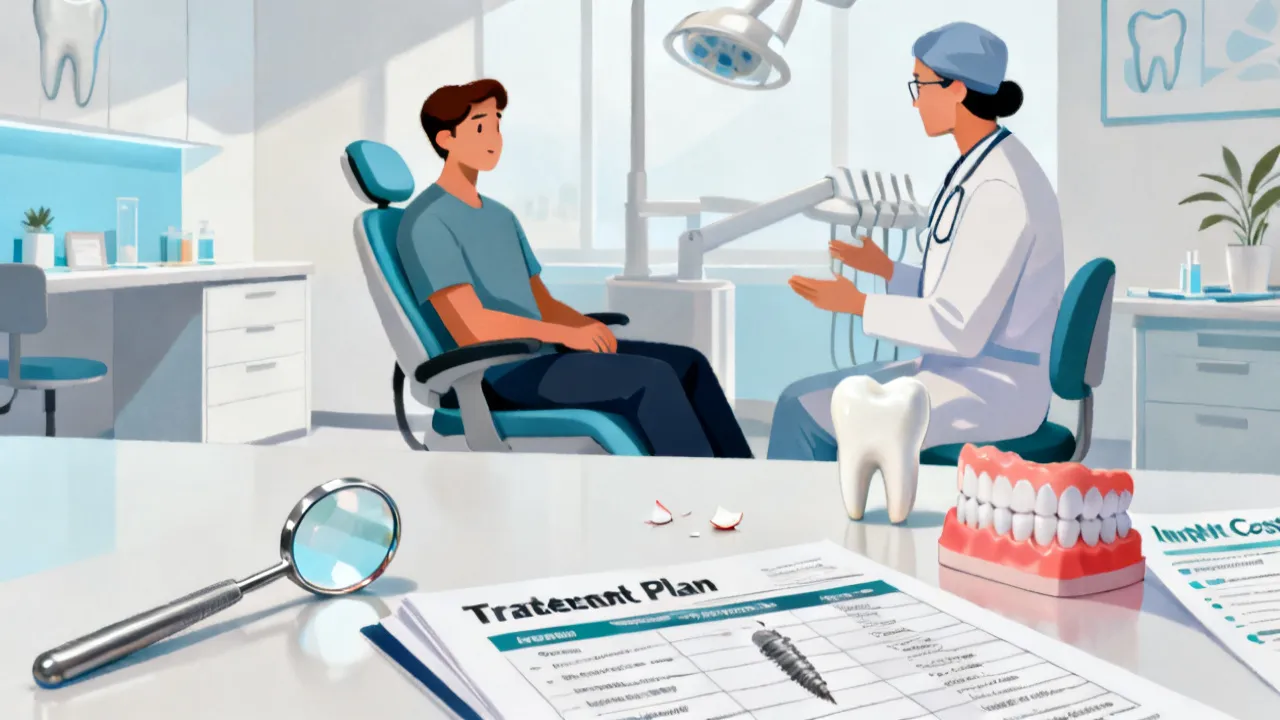
Immediate Priorities When a Temporary Filling Falls Out
When a temporary filling falls out, the most important step is to contact a dentist promptly, even if the tooth does not hurt. A temporary filling is usually placed to protect exposed tooth structure between appointments, after root canal treatment, during an emergency visit, or while a permanent restoration is being prepared. Once it is missing, the tooth may become more sensitive and vulnerable to food debris, bacterial contamination, fracture, or further decay.
The Korean expression 임시 충전재 떨어짐 means that a temporary filling has fallen out. It does not automatically indicate that the entire treatment has failed. In many cases, a dentist can replace the temporary material or proceed with the planned restoration. The appropriate response depends on why the filling was placed, how much tooth structure remains, whether the tooth has had root canal treatment, and whether there are signs of infection.
- Call the dental office. Explain when the filling came out, whether the tooth is painful, and whether the tooth was being treated for decay, a root canal, trauma, or preparation for a crown.
- Keep the area clean. Brush gently around the tooth and rinse with lukewarm water after eating. Avoid vigorous probing with a toothpick or sharp object.
- Reduce chewing pressure. Chew on the opposite side and avoid hard, sticky, crunchy, or very chewy foods until the dentist evaluates the tooth.
- Protect the exposed surface. A pharmacy dental repair material may sometimes be used as a short-term protective measure, but it should not replace professional treatment. Follow the product instructions and do not push material deeply into a cavity or root canal opening.
- Seek urgent care for warning signs. Facial swelling, fever, difficulty swallowing, difficulty breathing, uncontrolled bleeding, severe pain, or rapidly worsening symptoms require urgent dental or medical assessment.
Do not use household glue, adhesive tape, or unsterile materials inside the mouth. Do not attempt to cement the filling back in with products intended for non-dental use. These actions can irritate tissue, trap bacteria, interfere with the dentist’s examination, or damage the tooth.
What to Do During the First Few Hours
If the filling has just fallen out, first look at the area in a well-lit mirror without poking it. Check whether the restoration is completely missing or whether only a small piece has chipped. A temporary filling can sometimes wear down gradually, leaving a shallow depression, while in other cases the entire material may come out and expose a deeper opening.
Rinse gently with lukewarm water to remove loose food particles. Avoid very hot or very cold rinses because exposed dentin may react sharply to temperature. If there is mild bleeding from the gum, apply gentle pressure with clean gauze for several minutes. Bleeding that does not stop, bleeding caused by significant injury, or bleeding in a person taking blood-thinning medication should be discussed promptly with a dental professional.
Write down when the filling came out and what you were doing at the time. Information such as biting into hard food, using dental floss, waking after nighttime grinding, or noticing a crack can help the dentist understand why the restoration was lost. If the filling or a fragment is available, place it in a clean container and bring it to the appointment. It may not be reusable, but it can help identify the material and confirm what was lost.
Why Temporary Fillings Are Used
Temporary fillings are not intended to perform exactly like permanent restorations. They are commonly made from materials that can be placed quickly and removed or replaced during the next stage of care. Their purpose may include sealing a tooth after decay removal, protecting medication placed inside the tooth, covering an opening between root canal visits, or allowing the dentist to monitor symptoms before choosing a definitive restoration.
A temporary restoration may be appropriate when the dentist needs to observe whether symptoms improve. For example, a tooth with deep decay may require time for the pulp and surrounding tissues to respond after the inflamed material has been removed. In another situation, a root canal may be completed but the final crown must be fabricated separately. The temporary filling or temporary crown protects the tooth during that interval.
Because these materials are designed for interim use, they may be less resistant to wear than a laboratory-made crown, ceramic inlay, cast restoration, or permanent composite restoration. Their purpose is usually to provide a short-term seal and protection rather than to withstand years of heavy chewing. The dentist normally gives instructions about how long the material is expected to remain and which foods or habits may shorten its service period.
Temporary materials are also useful when the dentist needs flexibility. If symptoms become worse, the dentist may need to reopen the tooth, change medication, perform additional testing, or revise the diagnosis. A material that can be removed relatively easily may therefore be safer than placing a definitive restoration before the tooth’s condition is understood.
Common Reasons for 임시 충전재 떨어짐
1. Chewing pressure
Molars absorb substantial forces during chewing. Hard foods, ice, nuts, hard candy, and certain seeds can place concentrated pressure on a temporary filling. Clenching and grinding may also increase the likelihood of loosening, especially when the temporary material covers a large area or when the surrounding tooth walls are thin.
Even normal chewing can dislodge a temporary restoration if the cavity is wide, deep, or shaped in a way that gives the material limited mechanical retention. This does not necessarily mean that the dentist placed it incorrectly. Temporary materials are often selected for convenience, removability, or their ability to work in a moist environment rather than for maximum strength.
2. Sticky foods
Chewing gum, caramel, taffy, gummy sweets, and sticky dried foods can pull at a temporary restoration. Even when the filling remains in place, repeated tugging can create a marginal gap. Patients who have recently received a temporary filling should follow the dentist’s dietary instructions carefully.
Sticky foods can be especially troublesome when the temporary filling is located between teeth or under a temporary crown. If the restoration catches on floss, patients should not forcefully pull upward. They should follow the office’s instructions or contact the dental team for advice.
3. Moisture and limited bonding
Some temporary materials are selected because they can be placed under conditions where moisture control is difficult. Their retention may depend more on the shape of the cavity than on strong adhesive bonding. Saliva, fluid seepage, or contamination during placement can also affect retention.
Materials used inside a tooth during staged root canal treatment may be designed to seal the access opening but may not bond as strongly as a permanent adhesive restoration. If the seal is lost, bacteria from saliva and food can enter the treated space. For this reason, temporary fillings placed during root canal treatment should be checked promptly when they become loose or disappear.
4. Extensive tooth damage
If a tooth has lost a significant amount of its structure, there may not be enough healthy enamel or dentin to hold an interim filling securely. A crown, onlay, or another protective restoration may eventually be needed. A missing temporary filling can therefore reveal the need for the next stage of treatment rather than simply a problem with the material.
A tooth with thin walls may also fracture while the temporary filling is in place or after it is lost. A fracture may cause a sharp edge, pain when biting, sensitivity when releasing the bite, or movement of a portion of the tooth. Some cracks are difficult to see, so symptoms should be evaluated even when the tooth looks intact.
5. Delayed follow-up
Temporary restorations are often placed with a planned review date. Delaying the permanent restoration allows the temporary material to remain exposed to chewing, saliva, temperature changes, and bacterial activity for longer than intended. Patients should contact the clinic if they cannot attend the scheduled visit.
A missed appointment does not mean that treatment should be abandoned. Dental offices can often provide a new appointment, replace the temporary material, or explain how to protect the tooth until the definitive procedure. Patients should tell the office if transportation, cost, work obligations, or fear of treatment has caused a delay; the clinic may be able to discuss practical options.
6. Recurrent decay or leakage
A temporary filling can loosen because the underlying tooth is still structurally compromised. If decay extends beneath the restoration or the tooth develops a crack, replacement alone may not solve the problem. The dentist may need to take radiographs, test the tooth, or modify the treatment plan.
7. Changes in the bite
If the temporary filling is slightly too high, it may receive excessive contact each time the patient closes the mouth. This can cause tenderness when biting and may gradually loosen the material. A simple bite adjustment may reduce the force on the restoration, although the dentist must first confirm that the discomfort is not caused by infection, a crack, or another problem.
8. Oral habits and nighttime grinding
Biting fingernails, chewing pens, opening packages with the teeth, and chewing ice can damage temporary restorations. Nighttime clenching or grinding may be less obvious because it occurs during sleep. Morning jaw soreness, headaches, worn tooth surfaces, or repeated restoration failure can be reasons to ask the dentist whether bruxism is contributing.
Symptoms That Need Prompt Dental Assessment
Some patients notice only a rough edge or a small depression. Others experience cold sensitivity, pain when biting, throbbing, or an unpleasant taste. The absence of pain does not prove that the tooth is safe; a previously treated tooth may have reduced sensation, and infection can sometimes progress without dramatic symptoms.
| Finding | Recommended response |
|---|---|
| Small missing area without pain or swelling | Contact the dentist soon, keep the tooth clean, and avoid chewing on that side. |
| Strong sensitivity to cold, heat, or sweets | Arrange a prompt appointment and avoid triggers until evaluated. |
| Pain when biting or a sharp fractured edge | Seek timely dental care because a crack or weakened tooth may be present. |
| Swelling, fever, pus, facial asymmetry, or difficulty swallowing | Seek urgent dental or medical care. |
Other symptoms that deserve attention include a bad taste that returns after rinsing, a pimple-like bump on the gum, persistent pressure, a feeling that the tooth is loose, or pain that wakes the patient during sleep. These findings do not identify a specific diagnosis by themselves, but they can indicate inflammation or infection and should not be managed indefinitely with pain medication alone.
When to Seek Emergency Care
A dental office should be contacted urgently when swelling is spreading into the cheek, jaw, eye area, or neck. Difficulty breathing or swallowing can indicate a serious infection and requires immediate medical assessment. A high fever, confusion, severe weakness, or rapidly increasing facial swelling also warrants emergency care.
Trauma may require emergency evaluation even if the temporary filling is the only visible problem. A blow to the mouth can fracture the tooth, injure the root, damage neighboring teeth, or affect the supporting bone. If a permanent tooth has been knocked out, displaced, or fractured, the patient should seek emergency dental care immediately and avoid touching the root surface.
Severe pain that is not controlled by ordinary over-the-counter measures should not be treated by placing unapproved substances in the cavity. Emergency dentists can assess whether the tooth needs a temporary seal, drainage, medication, root canal care, extraction, or another intervention.
What a Dentist May Do at the Appointment
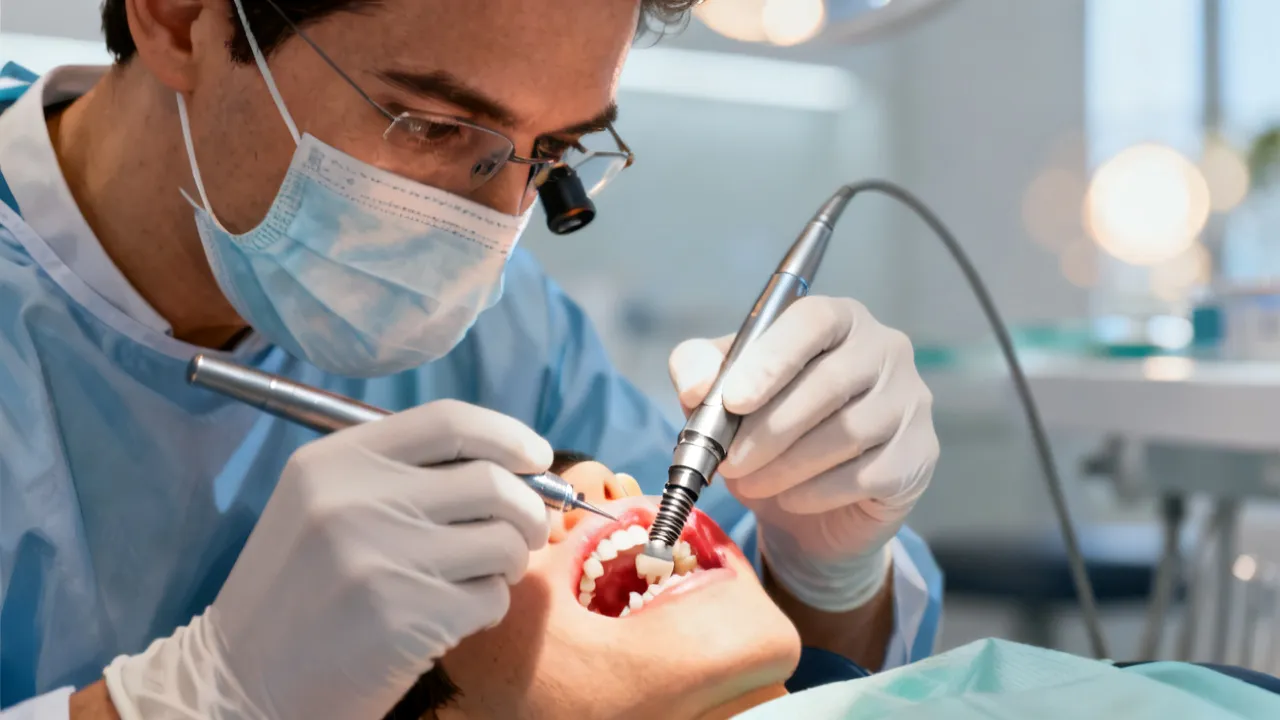
The dentist will usually examine the tooth, the missing restoration, the surrounding gum, and the bite. Depending on the original diagnosis, an X-ray or other imaging may be indicated. The dentist may ask whether the temporary filling fell out during eating, whether symptoms changed afterward, and whether the patient has been clenching or grinding.
The examination may include testing the tooth’s response to temperature, tapping, biting, or gentle pressure. The dentist may inspect neighboring teeth because pain can occasionally be referred from another source. If the tooth was undergoing root canal treatment, the clinician will assess whether the access opening is contaminated and whether treatment can continue as planned.
Possible treatments include:
- Replacing the temporary filling when the tooth remains suitable for interim protection.
- Completing the planned permanent filling, inlay, onlay, or crown if the tooth is ready.
- Adjusting the bite if excessive contact is contributing to repeated loss.
- Continuing or revising root canal treatment when the temporary material was sealing an endodontic opening.
- Removing additional decay or repairing a fractured portion of the tooth.
- Discussing extraction and tooth replacement when the tooth cannot be predictably restored.
A dentist should not assume that a lost restoration is merely a cosmetic issue. The treatment decision depends on the tooth’s prognosis. Repeatedly replacing material without addressing a crack, infection, heavy bite, or inadequate tooth structure may only postpone the necessary care.
If the dentist recommends a crown after a temporary filling has fallen out, the reason may be structural rather than cosmetic. Root canal-treated back teeth, teeth with large existing fillings, and teeth with weakened cusps may need coverage to reduce the risk of fracture. The dentist should explain how much tooth structure remains and why a particular restoration is being recommended.
How to Protect the Tooth Before the Visit
Use a soft-bristled toothbrush and fluoride toothpaste. Clean around the tooth carefully, but do not force floss into a large opening. If floss catches beneath a temporary crown or restoration, pull it out through the side rather than snapping it upward, unless the dentist has given different instructions.
Choose soft foods and moderate temperatures. Avoid chewing directly on the affected tooth. If sensitivity is present, a desensitizing toothpaste may provide limited comfort, although it does not repair the missing filling. Over-the-counter pain medicine may help some adults when used according to the label and personal medical advice. People with ulcers, kidney disease, anticoagulant use, pregnancy, allergies, or other health conditions should ask a pharmacist or clinician before taking medication.
Do not place aspirin directly on the gum or tooth. It can irritate or chemically burn soft tissue. Do not drain swelling yourself. If the tooth was treated with a temporary filling after a root canal, do not delay the scheduled follow-up because the seal is particularly important during staged treatment.
If the dentist’s office recommends an over-the-counter temporary dental cement, use only a product intended for oral use and follow the directions precisely. Such products should be regarded as short-term protection, not a permanent repair. Do not use them if there is significant swelling, uncontrolled bleeding, suspected facial trauma, or an opening that appears to extend deeply into the tooth.
Special Considerations After Root Canal Treatment
A temporary filling after root canal treatment has an important sealing function. Although the nerve tissue inside the tooth may have been removed, the tooth can still become contaminated if saliva and bacteria enter the root canal system before treatment is complete or before the final restoration is placed. The tooth may also be structurally weak and at risk of fracture.
Patients should contact the endodontist or general dentist who performed the treatment and explain that the temporary seal is missing. The office may advise a same-day or next-available appointment. Do not assume that the lack of nerve pain means no action is needed; the issue may involve contamination or structural weakening rather than sensitivity.
After a root canal, avoid chewing hard foods on the affected tooth until the permanent restoration is completed. If a temporary crown rather than a temporary filling is involved, the dentist may provide specific instructions about flossing and eating. A crown that feels loose should be reported even if it has not completely fallen out.
When a Missing Temporary Filling Leads to Tooth Replacement Decisions
A temporary filling does not itself mean that a dental implant is required. Implants are considered when a tooth is missing or must be removed because it cannot be predictably restored. The decision may involve the amount of remaining tooth structure, root fracture, periodontal support, infection control, bone volume, general health, and the patient’s preferences.
When extraction becomes necessary, the dentist should explain alternatives such as a conventional bridge, removable partial denture, or implant-supported restoration. Each option has different surgical, maintenance, time, and cost considerations. A patient should not select an implant solely because a temporary filling was lost.
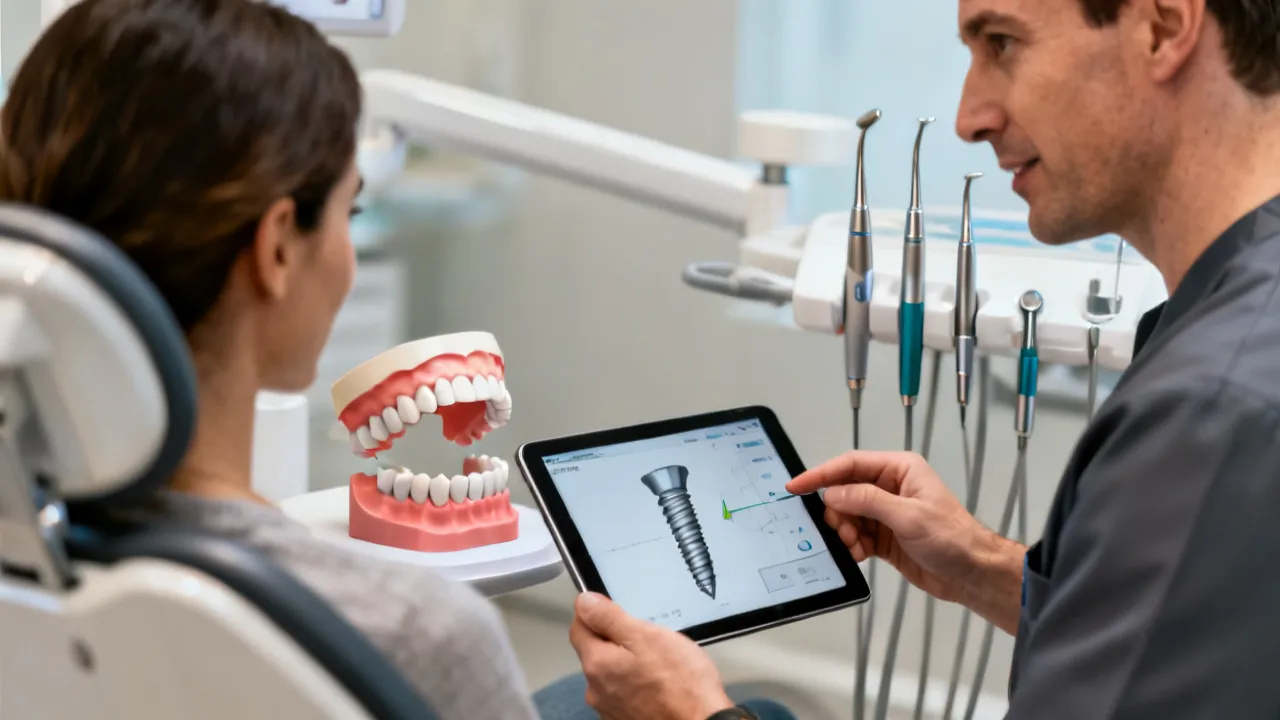
Dental implant treatment generally involves several stages: examination and imaging, removal of a non-restorable tooth when necessary, healing or bone preservation, implant placement, a period of integration, placement of an abutment or connector, and delivery of the visible crown. In some cases, bone augmentation or soft-tissue treatment is needed. The price of an “individual dental implant” may refer only to the implant fixture or may be used informally to describe a larger treatment package, so written clarification is essential.
Preserving a natural tooth may be preferable when it has a sound root, adequate supporting bone, and enough remaining structure for predictable restoration. Root canal treatment followed by a suitable restoration can sometimes retain the tooth for many years. However, a tooth with a vertical root fracture, severe loss of support, or insufficient remaining structure may have a poor prognosis. The decision should be based on examination and imaging rather than on the temporary restoration alone.
Comparison of Websites Discussing Dental Implants and Dental Care Costs
The following websites represent different types of information sources. Some focus on low-cost implant discussions, some are clinic websites, one is associated with dental tourism, and another provides dental plan information. Their descriptions should be reviewed critically because a clinic or commercial website may present services from its own perspective. Patients should verify licensing, clinician credentials, treatment inclusions, aftercare, and local regulations before making a decision.
| Website or organization | Primary information and comparison point |
|---|---|
| Dental Views | Discusses low-cost dental implants, treatment types, benefits, process considerations, and possible cost factors. |
| Atlantic Dental Group | Clinic-based information covering general dentistry, orthodontics, implants, and emergency dental care. |
| DentaVacation | Dental tourism information, international treatment planning, travel considerations, and cost comparisons. |
| American Dental Health Plans | Dental plan information intended to help consumers review coverage and manage treatment expenses. |
| Rockville Dental Arts | Spanish-language clinic information covering implants, hygiene, whitening, orthodontics, and emergency services. |
| Union City Mini Dental Implants | Information about mini dental implant services and their possible use in selected tooth-replacement situations. |
| Cigna dental implant guide | Educational material explaining dental implants and related treatment considerations for Spanish-speaking readers. |
| Rubi Odonto | Portuguese-language clinic information from Brazil covering orthodontics, whitening, implants, and general dental care. |
| Odontologia Velasco | Brazilian clinic information concerning implants, prostheses, aesthetic dentistry, and technology-supported services. |
| DentalVidas | Portuguese-language dental plan information for individuals, families, and organizations, including network-based care. |
Source: [www.dentalviews.com/low-cost-dental-implants/](https://dentalviews.com/low-cost-dental-implants/)
Source: [www.atlanticdentalgrp.com/](https://www.atlanticdentalgrp.com/)
Source: [www.dentavacation.com/](https://www.dentavacation.com/)
Source: [rockvilledentalarts.com/es/](https://rockvilledentalarts.com/es/)
Source: [unioncityminidentalimplants.com/es/](https://unioncityminidentalimplants.com/es/)
Source: [www.cigna.com/es-us/knowledge-center/guide-to-dental-implants](https://www.cigna.com/es-us/knowledge-center/guide-to-dental-implants)
Source: [www.rubiodonto.com.br/](https://www.rubiodonto.com.br/)
Source: [odontologiavelasco.com.br/](https://odontologiavelasco.com.br/)
Source: [dentalvidas.com.br/](https://dentalvidas.com.br/)
How to Obtain Dental Implants at Lower Cost in English-Speaking Countries
Lower-cost treatment should mean better value and transparent planning, not the removal of clinically necessary steps. Patients in English-speaking regions can reduce avoidable expenses by comparing complete treatment plans rather than selecting the lowest advertised number.
-
Confirm whether an implant is the right treatment.
Ask whether the tooth can be restored with a filling, crown, root canal, or periodontal treatment. A second opinion can be useful when extraction is being proposed, especially if the diagnosis is complex.
-
Request an itemized estimate.
The estimate should identify the consultation, imaging, extraction, implant fixture, abutment, temporary tooth, final crown, grafting, sedation, laboratory work, follow-up, and any expected maintenance. Ask which items are included and which are conditional.
-
Compare qualified providers.
Review the dentist’s registration, surgical training, experience with the relevant case, infection-control practices, implant system, and emergency arrangements. Professional regulation differs between jurisdictions, so use the applicable official dental board or regulator.
-
Ask about staged treatment.
Some clinics divide treatment into medically appropriate stages. This can help with budgeting, but the timing must remain clinically safe. Patients should understand what happens if healing is slower than expected or if grafting becomes necessary.
-
Investigate dental insurance and employer plans.
Coverage may be limited, subject to waiting periods, annual maximums, exclusions, or preauthorization. A plan may cover an examination or extraction but not the implant fixture or crown. Confirm benefits in writing before treatment.
-
Consider university or teaching clinics.
Dental schools and supervised teaching clinics may offer selected procedures at reduced rates. Availability, eligibility, waiting times, and case complexity vary. Treatment is performed under professional supervision, but appointments may require more time.
-
Ask about financing carefully.
Monthly payment arrangements can make treatment easier to budget, but patients should review interest, administration charges, cancellation terms, and the total amount payable. A lower monthly payment does not necessarily mean a lower overall cost.
-
Compare implant systems and warranties responsibly.
A reputable clinic should identify the implant manufacturer and explain the maintenance policy. A warranty may be subject to hygiene visits, smoking status, medical conditions, or attendance at follow-up appointments. It is not a substitute for clinical quality.
-
Evaluate overseas treatment cautiously.
Dental tourism can involve lower quoted prices, but travel, accommodation, translation, follow-up, complications, and return visits add cost and logistical risk. Patients should establish who will manage complications after returning home and whether records will be supplied.
-
Protect the investment after treatment.
Daily plaque control, professional maintenance, management of gum disease, and a night guard when clinically indicated can support long-term function. Smoking and uncontrolled systemic conditions may increase complications, so these issues should be discussed before surgery.
Conditions and Requirements Before Implant Treatment
Implant planning requires more than a price quote. The dentist will evaluate oral hygiene, gum health, bone volume, bite, adjacent teeth, existing restorations, and medical history. Imaging may include a panoramic radiograph or three-dimensional imaging when necessary for surgical planning. The clinician should explain benefits, limitations, alternatives, foreseeable complications, and the expected number of visits.
Active periodontal disease should generally be controlled before implant placement. Untreated infection, poor oral hygiene, uncontrolled diabetes, heavy smoking, certain medications, and inadequate bone support can affect the risk profile. These factors do not automatically exclude treatment, but they may require additional preparation or specialist input.
Patients should provide a complete medication list and disclose conditions affecting healing or bleeding. People taking anticoagulants should never stop them without instructions from the prescribing clinician. Pregnancy, immune disorders, previous radiation therapy, and medications affecting bone metabolism should also be discussed.
Mini implants may be suitable in selected circumstances, but they are not a universal substitute for conventional implants. Their use depends on the location of the missing tooth, available bone, loading demands, and the restorative plan. A consultation should explain why a particular implant design is recommended.
Reference Price Ranges for an Individual Dental Implant
The ranges below are reference figures supplied for an individual dental implant in the listed countries and currencies. They should not be interpreted as a universal quote or as a complete treatment package. The meaning of “individual dental implant” varies: some estimates include only the implant fixture, while others may include the abutment and crown. Bone grafting, extraction, sedation, imaging, temporary restorations, laboratory charges, and aftercare may be separate.
| Country | Currency | Reference price range |
|---|---|---|
| United States (US) | USD | $3,000–$6,000 |
| United Kingdom (GB) | GBP | £2,000–£2,500 |
| Australia (AU) | AUD | AU$3,500–AU$6,500 |
| Canada (CA) | CAD | CA$3,000–CA$5,500 |
| Spain (ES) | EUR | €1,500–€2,500 |
| Chile (CL) | CLP | CLP$800,000–CLP$1,500,000 |
| Mexico (MX) | MXN | $15,000–$25,000 MXN |
| Colombia (CO) | COP | $2,000,000–$4,000,000 COP |
| Peru (PE) | PEN | S/ 3,000–S/ 6,000 |
| Argentina (AR) | ARS | $80,000–$150,000 ARS |
| Brazil (BR) | BRL | R$3,000–R$8,000 |
| Portugal (PT) | EUR | €1,000–€2,000 |
| Germany (DE) | EUR | €2,000–€3,500 |
| France (FR) | EUR | €1,500–€2,500 |
| Italy (IT) | EUR | €1,500–€3,000 |
| Japan (JP) | JPY | ¥300,000–¥700,000 |
Prices can change substantially over time because of inflation, currency exchange rates, laboratory fees, implant brand selection, local wages, and differences in healthcare regulation. A quotation from one country should not be converted directly into another country’s expected fee without accounting for what the package includes.
How to Compare Implant Quotes Properly
A quote should be compared line by line. One clinic may advertise the fixture alone, while another may present a package containing the fixture, abutment, crown, imaging, and review visits. Comparing these figures as though they describe the same service can be misleading.
| Quote question | Why it matters |
|---|---|
| Does the amount include the abutment and final crown? | These components are essential to the visible replacement tooth and may be billed separately. |
| Is extraction included? | Removal of a damaged tooth may be required before implant placement. |
| Is bone grafting included if needed? | Insufficient bone may require an additional procedure and healing period. |
| Who provides the laboratory crown? | Laboratory quality, material, and warranty terms can affect durability and cost. |
| What follow-up is included? | Reviews help detect healing problems, bite issues, and inflammation. |
| What happens if the implant fails? | The patient should understand clinical responsibilities and possible additional costs. |
Patients should also ask how the clinic manages urgent problems outside normal hours. If treatment is performed abroad, obtain copies of radiographs, implant brand and model information, operative notes, and the final restoration details. These records help another dentist provide safe maintenance or emergency care.
It is also useful to ask whether the estimate is valid for a specific period and whether the clinic requires a deposit. Patients should understand cancellation and refund policies before paying. If financing is offered, request the cash price and financed price separately so that the total cost can be compared accurately.
Dental Tourism: Potential Benefits and Practical Risks
Dental tourism websites may compare treatment costs across regions and assist with travel planning. Lower local operating costs can contribute to a lower quotation, but the decision requires more than a currency conversion. Travel after surgery may be uncomfortable, and multiple visits may be necessary. If the implant is placed but the crown is delivered later, the patient may need to return or find a local dentist willing to continue the work.
Before selecting overseas treatment, confirm the clinic’s legal authorization, dentist credentials, sterilization procedures, emergency support, communication arrangements, and informed-consent process. Ask whether the treatment plan is based on recent imaging reviewed by the operating dentist. Be cautious when a clinic promises a fixed result without examination or presents a very low figure that excludes essential procedures.
Travel insurance may exclude planned dental treatment and complications arising from it. Medical insurance may also have limited coverage outside the patient’s usual healthcare system. Patients should examine these terms before booking travel.
Language and documentation are important practical issues. Patients should be able to understand the consent form, risks, alternatives, medication instructions, and postoperative restrictions. They should request records in a format that can be shared with a dentist at home. Implant systems use different components, and a local clinician may need the exact manufacturer, model, diameter, length, and restorative information to provide maintenance.
Maintenance After a Permanent Restoration
Implants cannot develop tooth decay in the same way as natural teeth, but the surrounding gum and bone remain vulnerable to inflammation. A permanent crown also can chip, loosen, wear, or become affected by excessive bite forces. Regular professional reviews help assess hygiene, tissue health, occlusion, and the condition of the restoration.
Daily cleaning may include a toothbrush, interdental brushes, floss designed for implant restorations, or a water flosser when recommended. The correct method depends on the shape of the crown and the patient’s gum anatomy. Abrasive products and aggressive brushing can damage restorative surfaces or irritate tissue.
Patients who grind their teeth may need a professionally designed night guard. Smoking cessation, control of diabetes, and management of gum disease may improve the oral environment. Any persistent bleeding, swelling, bad taste, mobility, or discomfort around an implant should be reported to a dentist.
Maintenance is also important for a natural tooth that receives a permanent crown or large restoration. The gumline should be cleaned carefully, and the patient should return if the crown feels high, loose, cracked, or uncomfortable. Preserving the health of the tooth and its supporting tissues can reduce the need for repeated restorative procedures.
Frequently Asked Questions
Is a temporary filling falling out an emergency?
It is usually a prompt dental issue rather than an emergency when there is no swelling, fever, severe pain, or trauma. Contact the dental office as soon as possible. Emergency assessment is appropriate when symptoms suggest infection, airway compromise, uncontrolled bleeding, or significant injury.
Can I leave the tooth without a filling overnight?
A short delay may not cause immediate damage, but the tooth should be kept clean and protected from chewing pressure. Contact the dentist and follow the clinic’s instructions. A tooth that was sealed after root canal treatment may need particularly prompt attention.
Can I eat normally after 임시 충전재 떨어짐?
Use the opposite side for chewing and select softer foods. Avoid sticky and hard foods until the restoration is replaced or the dentist confirms that the tooth is ready for definitive treatment.
Can a pharmacy temporary dental material solve the problem?
It may provide short-term surface protection in some situations, but it does not diagnose decay, cracks, infection, or bite problems. Use it only as directed and arrange professional evaluation.
Does a lost temporary filling mean I need a dental implant?
No. Most temporary fillings are part of restorative or root canal treatment and can be replaced or followed by a permanent restoration. An implant is considered only when a tooth is missing or cannot be predictably restored.
How long can a temporary filling last?
There is no single duration that applies to every material or tooth. Some are intended for a short interval, while others may remain for a longer planned period. The dentist’s instructions and the reason for placement determine the expected timeframe.
Why does my tooth hurt after the temporary filling came out?
The tooth may be sensitive because dentin is exposed, the pulp is inflamed, the bite has changed, or bacteria have entered the opening. Severe or persistent pain requires examination rather than repeated self-treatment.
Can I brush and floss normally?
Brush gently with fluoride toothpaste. Clean around the tooth, but avoid forcing floss into an open cavity. If a temporary crown is involved, ask the dental office how to remove floss without dislodging it.
How can I lower the cost of dental implants?
Obtain an itemized plan, compare qualified providers, review insurance or dental plans, ask about supervised teaching clinics, and clarify whether the quote includes the crown, abutment, imaging, extraction, grafting, and follow-up. Do not remove clinically necessary stages solely to reduce the initial quotation.
Are overseas implants always less expensive overall?
Not necessarily. Travel, accommodation, additional visits, exchange-rate changes, translation, complications, and follow-up in the patient’s home region can increase total expenditure. Compare the complete treatment pathway rather than the advertised procedure alone.
What should I ask before accepting an implant quote?
Ask who will perform surgery, what implant system is used, what the treatment includes, what additional procedures may be needed, how long treatment will take, what aftercare is available, how complications are handled, and whether all clinical records will be provided.
Should I save a temporary filling that fell out?
If it is clean and available, place it in a small container and bring it to the dental appointment. Do not attempt to reinsert it with glue or non-dental cement. The dentist may use it only for identification because a contaminated or damaged restoration may not be suitable for reuse.
What if I cannot afford the replacement appointment?
Tell the dental office directly rather than waiting until the tooth worsens. Ask about emergency examination fees, payment arrangements, public dental services, dental school clinics, community clinics, or a staged treatment plan. Financial concerns should be discussed early because delaying treatment can increase both clinical complexity and eventual expense.
Professional Perspective
From an oral healthcare planning perspective, the safest approach is to resolve the immediate problem first and then assess the tooth’s long-term prognosis. A missing temporary filling is a signal to reconnect with the treating dentist, not a reason to make an immediate implant decision. Cost planning becomes more reliable after diagnosis, imaging, and a written treatment sequence.
Patients can reduce financial uncertainty by asking precise questions, comparing equivalent treatment packages, verifying professional credentials, and budgeting for maintenance. The most economical clinically sound option may be a permanent restoration that preserves the natural tooth, while an implant may be appropriate when preservation is no longer predictable. The correct choice depends on examination findings rather than advertising language or the initial price alone.
Conclusion
임시 충전재 떨어짐, or a fallen temporary filling, should be managed with cleanliness, reduced chewing pressure, and timely dental contact. Avoid household adhesives and do not ignore swelling or severe pain. If tooth loss becomes unavoidable, dental implants can be assessed alongside bridges and removable replacements. Patients seeking lower-cost care should compare complete, itemized plans; confirm what each price includes; evaluate insurance, teaching clinics, and staged treatment; and consider the practical consequences of overseas care. Clear communication and appropriate follow-up are central to both oral safety and responsible cost control.
Disclaimer
1. The information above comes from online resources, and the data is as of October 2023.
2. Dental implant prices are for reference only and may vary by region, clinic, and doctor. The figures do not replace an examination, diagnosis, treatment plan, or personalized advice from a licensed dental professional.