What to Do When a Temporary Filling Falls Out
This guide explains what to do when a temporary filling falls out, how urgently to contact a dentist, and which symptoms require same-day care. Temporary fillings protect weakened teeth between appointments, but they can loosen through chewing pressure, decay, moisture, or normal wear. The article also reviews short-term precautions, treatment costs, affordable dental implant planning, and reliable ways to compare clinics in English-, Spanish-, and Portuguese-speaking markets.
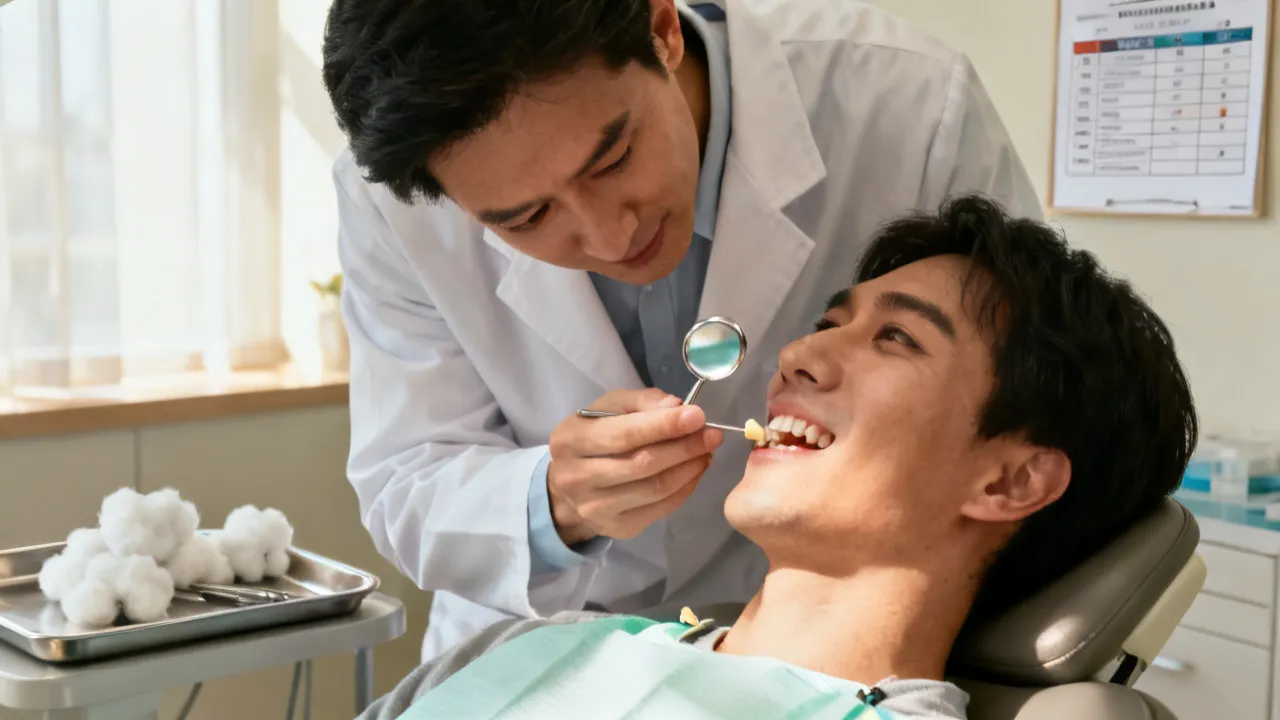
Immediate Steps When a Temporary Filling Falls Out
When a temporary filling falls out, the most important action is to protect the exposed tooth and contact a dental clinic promptly. A lost temporary filling does not always constitute a medical emergency, but it can leave the tooth vulnerable to sensitivity, food impaction, bacterial contamination, and further fracture. The appropriate response depends on why the temporary material was placed, how much of it has been lost, and whether symptoms such as severe pain, swelling, fever, or difficulty swallowing are present.
- Remove any loose material from your mouth. Do not attempt to push a detached piece back into the tooth if it is contaminated, cracked, or if doing so causes pain.
- Rinse gently with lukewarm water. This can help clear food particles. Avoid vigorous swishing if the tooth is bleeding or extremely sensitive.
- Keep the area clean. Brush carefully with a soft-bristled toothbrush. Clean around the tooth without forcing floss into an open space.
- Avoid chewing on that side. Hard, sticky, very hot, or very cold foods may irritate the tooth or cause additional damage.
- Call the dentist who placed the filling. Explain when it came out, whether the tooth is painful, and whether you have a scheduled follow-up appointment.
- Seek urgent dental care for warning signs. Facial swelling, fever, uncontrolled bleeding, severe spontaneous pain, pus, difficulty breathing, or difficulty swallowing should not be postponed.
Patients sometimes search for the Korean phrase 임시 충전재 떨어짐, which translates approximately to “temporary filling fell out.” The phrase describes a common dental concern rather than a specific diagnosis. The next step depends on the underlying treatment: a temporary filling may have been placed after root canal therapy, during treatment of deep decay, after a temporary crown was prepared, or while a permanent restoration was being made.
What to Do During the First Few Hours
The first few hours are mainly about preventing additional irritation and gathering useful information for the dental office. Notice whether the entire filling came out or whether only a small surface layer chipped away. Temporary materials sometimes wear down gradually, and a shallow depression does not necessarily mean that the entire seal has been lost. However, a visible opening, a sharp edge, a loose piece, or a sudden change in sensitivity should be reported.
If food becomes trapped, rinse gently with lukewarm water after eating. Do not probe deeply into the opening. A soft toothbrush can be used around the area, but aggressive brushing may enlarge a weakened edge. If the tooth was treated as part of a root canal procedure, do not place cotton, tissue, or other loose material into the opening because fibers may remain inside the cavity.
It may be helpful to take a clear photograph of the tooth before contacting the clinic, especially if the appointment is with a different dentist or if the office requests an image for triage. Keep the detached filling or crown in a clean container and bring it to the appointment. The dentist may not reuse it, but its shape can provide information about how it failed.
Why Temporary Fillings Are Used
A temporary filling is designed to protect a tooth for a limited period. It may seal the tooth between treatment stages, reduce exposure to saliva and food, or provide a short-term covering while the dentist evaluates symptoms. Temporary materials are generally easier to remove than definitive restorations, which allows the dentist to continue treatment efficiently.
Common situations include:
- Root canal treatment: The tooth may receive a temporary seal between appointments while the canals are cleaned, shaped, medicated, or reviewed.
- Deep dental decay: A dentist may place a temporary material to protect the pulp and observe whether symptoms improve before completing a permanent restoration.
- Emergency treatment: A temporary filling can cover a cavity or broken area until comprehensive care is available.
- Temporary crown or bridge preparation: The tooth may be protected while a laboratory-made restoration is being fabricated.
- Diagnostic treatment: A temporary seal may help determine whether pain is caused by the tooth, the bite, or another structure.
- Medication delivery: In some cases, medication is placed inside the tooth and covered with a temporary material before the next appointment.
- Protection after trauma: A temporary material may cover a fractured or injured tooth while the dentist determines whether the pulp can recover.
Because temporary restorations are not usually intended for long-term chewing forces, they may wear down or detach more easily than permanent fillings. Their expected service period varies according to the material, the size and location of the cavity, the patient’s bite, and whether the tooth is exposed to grinding or clenching.
A temporary filling may also be deliberately softer or less tightly bonded than a permanent restoration. This does not necessarily indicate poor workmanship. The material may have been selected so that it can be removed easily at the next stage of treatment. Even so, it should remain sufficiently intact to protect the tooth during the period recommended by the dentist.
How Urgent Is a Lost Temporary Filling?
The need for treatment is usually urgent in the practical sense, meaning that the patient should contact a dentist soon, but not every case requires an emergency department. A tooth with no pain and no swelling may be assessed during the next available dental appointment. Nevertheless, postponing care for several weeks can increase the chance of contamination, sensitivity, recurrent decay, or fracture.
| Symptoms or situation | Recommended response |
|---|---|
| No pain, small area exposed, no swelling | Contact the dental clinic promptly and protect the tooth until examined. |
| Sensitivity to cold or pressure | Arrange a dental review soon; avoid triggers and chew on the opposite side. |
| Persistent or worsening pain | Request an urgent appointment because the nerve or surrounding tissues may be inflamed. |
| Swelling, fever, pus, or a bad taste | Seek same-day dental assessment for possible infection. |
| Uncontrolled bleeding after injury | Contact an emergency dental service or seek immediate medical advice. |
| Difficulty breathing or swallowing | Seek emergency medical assistance immediately. |
An industry-informed approach is to treat the event as a change in the tooth’s condition rather than merely a missing piece of material. The dentist must determine whether the tooth remains restorable, whether the temporary filling was intentionally left in place for observation, and whether the original treatment plan should be modified.
Urgency can also depend on the treatment stage. A temporary seal placed between root canal appointments may be especially important because it helps prevent new contamination of the cleaned canals. A temporary filling placed over a shallow cavity may have somewhat different implications. Patients should therefore tell the clinic exactly what procedure was performed and when it occurred.
Warning Signs That Require Prompt Attention
Severe pain is not the only sign that a tooth needs urgent care. Increasing tenderness when biting, a pimple-like bump on the gum, a persistent unpleasant taste, or swelling around the tooth may indicate infection or inflammation. Swelling that spreads toward the cheek, eye, jaw, neck, or floor of the mouth is particularly concerning.
Difficulty opening the mouth, speaking, swallowing, or breathing requires immediate attention. These symptoms can indicate that an infection is extending into tissues near the airway. Emergency departments can help manage serious swelling or systemic symptoms, but dental treatment is still needed to address the source.
Likewise, uncontrolled bleeding, a major fracture, or an injury involving the jaw should not be managed solely with home remedies. Place gentle pressure with clean gauze if bleeding occurs and seek professional guidance. Do not place aspirin directly on the gum or socket.
What Not to Do at Home
Home care is intended only as a short-term protective measure. It cannot replace an examination, radiograph, or definitive restoration when those are clinically indicated.
- Do not use household glue, craft adhesive, wax, or unapproved chemicals inside the tooth.
- Do not scrape the cavity with a needle, pin, toothpick, or sharp instrument.
- Do not place aspirin directly on the gum or tooth. It can irritate soft tissue and does not repair the filling.
- Do not assume that the absence of pain means the tooth is healthy. Some dental problems remain symptomless at first.
- Do not continue eating hard or sticky foods on the affected side.
- Do not delay a scheduled root canal, crown, or restorative appointment without speaking to the dental office.
- Do not use another person’s prescription antibiotics or pain medicine.
- Do not repeatedly push food, cotton, or paper into the opening.
Some pharmacies sell temporary dental repair products intended for short-term use. If a dentist or pharmacist recommends such a product, the patient should follow the package instructions closely and understand that it is not a permanent restoration. These products should not be used when there is swelling, severe pain, a suspected fracture, or an allergy to an ingredient.
Commercial temporary repair material can sometimes be used as a brief protective measure when professional care is not immediately available, but it must never be used to conceal symptoms for a long period. The material may interfere with the dentist’s ability to inspect the tooth, and an incorrectly placed product can trap debris or alter the bite.
Managing Pain and Sensitivity
Mild sensitivity may occur because the inner layers of the tooth are more exposed after the temporary filling is lost. Avoiding cold drinks, hot foods, sweets, and pressure on the tooth may reduce discomfort. Over-the-counter pain medicine can be considered if it is suitable for the individual’s health history and is taken according to the product label or a clinician’s advice.
Patients should check with a healthcare professional before using analgesics if they are pregnant, have kidney or liver disease, have a history of stomach ulcers or bleeding, take anticoagulants, or have medication allergies. Children require age-appropriate guidance. Antibiotics are not a substitute for dental treatment and should not be taken unless prescribed for a diagnosed indication.
Do not place a heating pad directly against facial swelling, as heat may worsen discomfort in some situations. A cool compress applied externally for short intervals may provide temporary relief, but it does not treat infection or repair a fracture. If pain prevents sleep, is present without stimulation, or continues to worsen despite ordinary pain relief, request urgent dental care.
What Information to Give the Dental Clinic
When calling, provide the name of the tooth if known, the date of the original procedure, and the type of treatment that was planned. Explain whether the material fell out while eating, whether the tooth was struck, and whether a temporary crown or another restoration is also loose.
Useful details include:
- Whether the entire temporary filling or only part of it was lost.
- Whether the tooth is sensitive to cold, heat, sweets, air, or biting.
- Whether pain is constant, intermittent, throbbing, or triggered only by chewing.
- Whether there is swelling, bleeding, pus, or a bad taste.
- Whether the patient has fever or feels generally unwell.
- Whether the patient is taking blood thinners, immunosuppressive medication, or bone-related medication.
- Whether there is a scheduled follow-up appointment.
Providing this information helps the dental team decide whether to offer advice by telephone, move an appointment forward, or arrange same-day treatment.
What the Dentist May Do
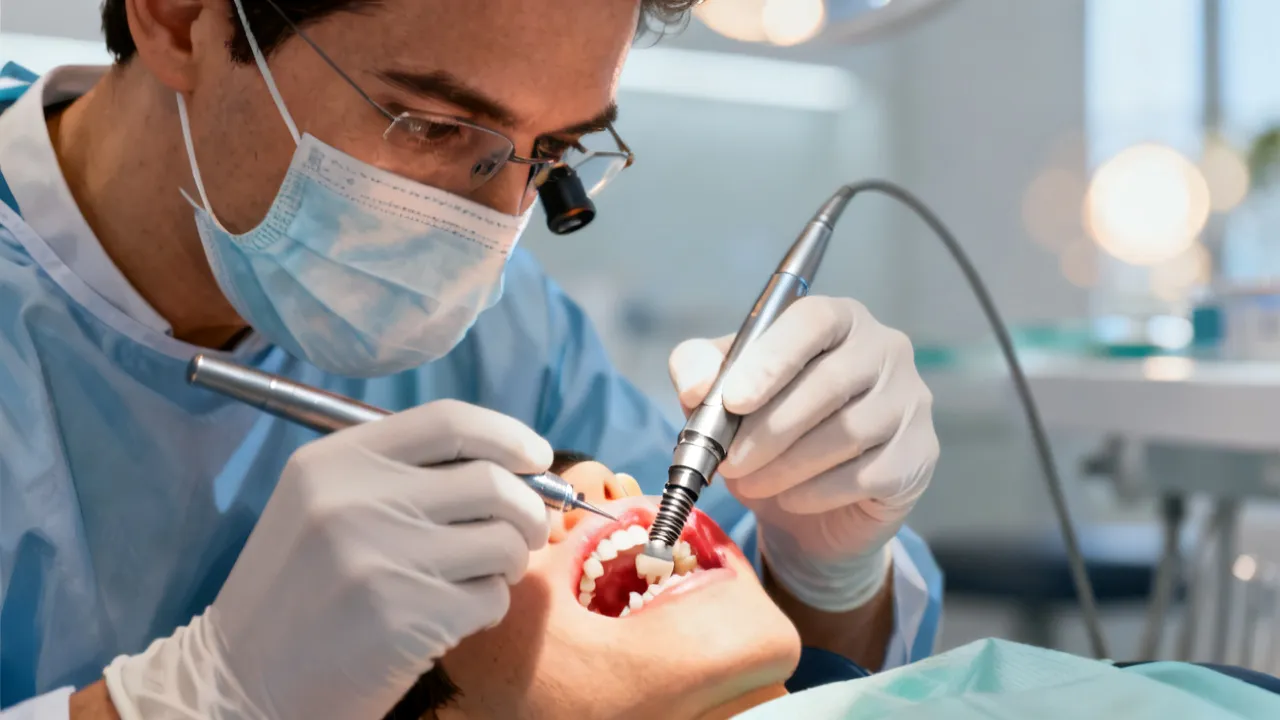
At the appointment, the dentist will usually ask when the filling came out, whether the tooth was recently treated, and whether symptoms have changed. The tooth may be examined visually and with dental instruments. A radiograph may be recommended when there is concern about deep decay, root canal progress, a fracture, or infection.
The dentist may also check the patient’s bite. A high spot can place excessive force on a temporary restoration and may explain why it fractured or detached. The surrounding gums may be examined for swelling, drainage, bleeding, or signs of periodontal disease. If the tooth is difficult to assess because of pain or limited access, additional imaging may be needed.
Possible treatments include:
- Replacing the temporary filling when the tooth is otherwise stable.
- Placing a stronger temporary restoration until the next treatment stage.
- Completing a permanent filling if the tooth no longer requires temporary protection.
- Continuing or revising root canal treatment.
- Preparing a crown or another indirect restoration when the tooth has lost substantial structure.
- Managing a crack, recurrent decay, or infection if the examination identifies one.
- Removing a filling fragment or other foreign material that has become lodged in the gum.
The final recommendation depends on the tooth’s structure and prognosis. A temporary filling that falls out once does not automatically mean that the tooth must be extracted or replaced with an implant. Dental implants are generally considered only when a tooth is missing or cannot be predictably restored. Preserving a natural tooth is often the first clinical objective when a reasonable restorative option remains.
Temporary Filling Versus Temporary Crown
Patients may use the words “filling” and “crown” interchangeably, but they describe different restorations. A temporary filling usually occupies a cavity or access opening. A temporary crown covers much or all of a prepared tooth. If a temporary crown becomes loose, the dentist may need to check the fit, the condition of the prepared tooth, and the bite. The crown should not be recemented with household adhesive.
If the temporary crown is still intact, keep it in a clean container and take it to the appointment. Some clinicians may recommend temporarily seating it with a dental product, but this should be done only with professional guidance, especially after root canal treatment or when the tooth is highly sensitive.
A temporary crown that is completely off may expose a prepared tooth to movement, sensitivity, or fracture. Patients should avoid chewing on that side and should not force the crown back into position. If the crown is partly attached, do not pull on it; call the clinic for instructions.
Preventing Another Temporary Filling From Falling Out
Prevention begins with understanding the mechanical demands placed on the restoration. Molars absorb substantial chewing forces, while front teeth may be exposed to biting and tearing. Sticky sweets, chewing gum, ice, hard nuts, and biting pens can dislodge temporary material. Night-time grinding or clenching may also contribute.
Useful precautions include:
- Choose softer foods until the definitive restoration is placed.
- Chew on the opposite side when possible.
- Maintain regular brushing while using a gentle technique around the treated tooth.
- Ask the dentist how to floss near the temporary material. In some cases, pulling floss upward may dislodge it, whereas sliding it out sideways may be safer.
- Attend the planned follow-up appointment even if symptoms disappear.
- Discuss a night guard if grinding or clenching is suspected.
- Avoid chewing ice, opening packages with the teeth, or biting hard objects.
Good oral hygiene remains important because plaque and food debris can irritate the gums and contribute to decay around the exposed area. Cleaning should be gentle but consistent. If a patient is uncertain about how to clean around a temporary restoration, the dental team can demonstrate an appropriate brushing and interdental technique.
When a Missing Tooth Leads to Implant Discussion
A temporary filling problem and a dental implant are separate issues, but they can become connected when a tooth is judged unrestorable. An implant replaces the root portion of a missing tooth and normally supports an abutment and crown. Treatment may involve extraction, healing, imaging, implant placement, a healing period, and final restoration. Bone grafting or soft-tissue procedures may be recommended in selected cases.
Patients should not choose extraction solely because a temporary filling fell out. A second opinion may be appropriate when the proposed treatment is extensive, the diagnosis is uncertain, or the patient is considering treatment in another country. A qualified dentist should explain the expected benefits, risks, alternatives, maintenance requirements, and total estimated cost.
Other possible replacements include a conventional fixed bridge, a resin-bonded bridge, or a removable partial denture. The best option depends on the condition of neighboring teeth, available bone, gum health, cosmetic expectations, general health, and budget. An implant may preserve bone in some circumstances, but it involves surgery and long-term maintenance. It is not automatically the least invasive or least expensive choice.
How Dental Implants Are Usually Structured
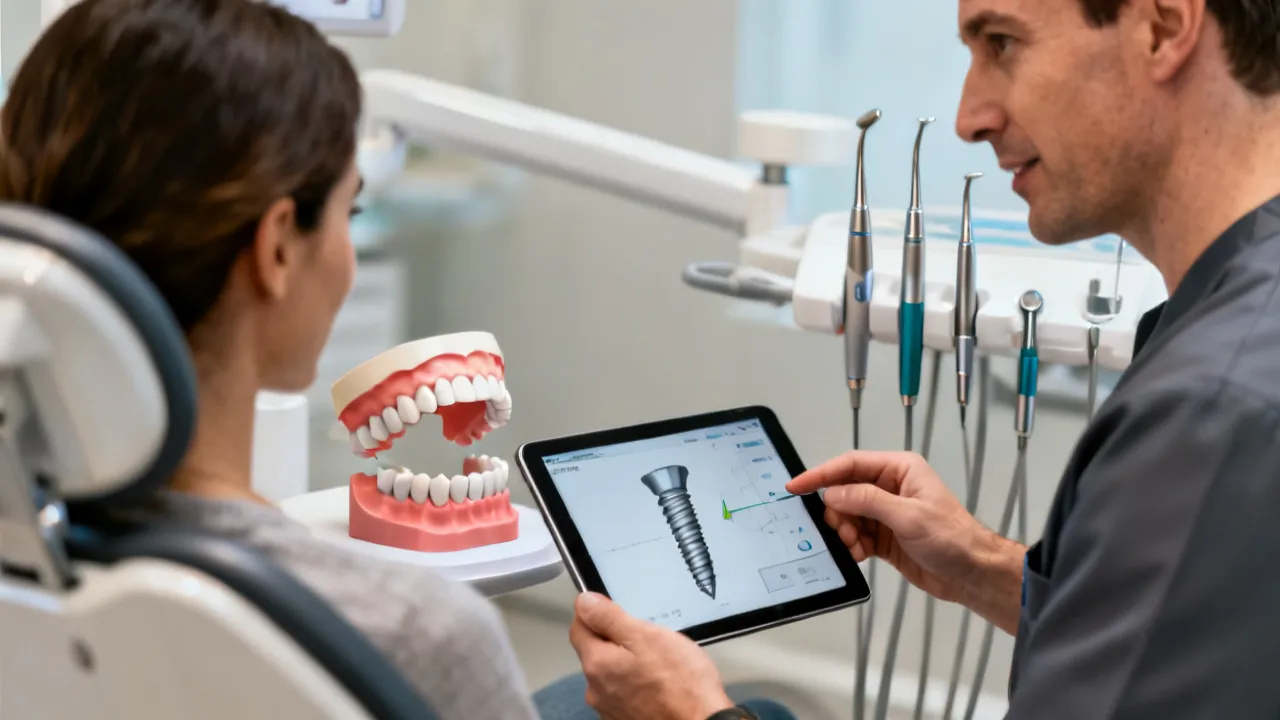
A conventional implant restoration generally has several components. The implant fixture is placed in the jawbone and functions as an artificial root. After healing or integration, an abutment connects the implant to the visible restoration. The crown, bridge, or denture is the part that replaces the visible tooth structure.
Each component can affect the total price. A quote that mentions only the implant may exclude the abutment and crown. Some plans include a temporary tooth while the implant heals; others do not. Bone grafting, sinus augmentation, sedation, extraction, digital planning, and follow-up imaging may also be separate charges.
Patients should ask whether the final restoration is screw-retained or cement-retained, what material will be used, and how repairs will be handled. These technical details do not determine suitability by themselves, but they help patients understand what they are paying for and how future maintenance may work.
How to Seek Dental Implants at Lower Cost in English-Speaking Countries
Affordability should be assessed by total treatment value rather than by the lowest advertised number. A low initial quote may exclude the consultation, three-dimensional imaging, extraction, bone augmentation, abutment, crown, sedation, follow-up visits, or treatment of complications. The following process can help patients compare options responsibly in English-speaking markets.
- Confirm that an implant is clinically necessary. Ask whether the tooth can be restored with a filling, onlay, crown, bridge, or root canal. The least expensive safe treatment is not always an implant.
- Request a written treatment plan. The plan should identify the implant system, surgical steps, restoration type, expected timeline, and items included in the quoted price.
- Compare complete packages. Obtain separate prices for consultation, imaging, extraction, grafting, implant placement, abutment, crown, temporary prosthesis, and follow-up care.
- Check professional credentials. In the United States, patients can verify licensing through the relevant state dental board. In the United Kingdom, registration can be checked through the General Dental Council. Comparable regulatory bodies operate in Canada, Australia, and New Zealand.
- Ask about the implant manufacturer. A widely supported system may make future maintenance easier, particularly if the patient relocates.
- Review financing and insurance conditions. Dental plans may have waiting periods, annual limits, exclusions, or different benefits for surgical and restorative components.
- Consider dental schools and community clinics. Teaching clinics may offer supervised care at reduced institutional rates, although waiting times and eligibility requirements can apply.
- Evaluate travel costs. Treatment in another city or country may add transportation, accommodation, translation, repeat-visit, and emergency-care expenses.
- Ask who provides follow-up care. The original provider should explain how complications, loose components, or warranty questions will be handled.
- Get a second clinical opinion. Comparing two qualified assessments can clarify whether grafting, immediate placement, or an alternative restoration is genuinely needed.
In the United States, university dental centers, community health programs, dental savings arrangements, and staged payment plans may provide cost-management options. In Canada, provincial differences are significant, and patients should ask the clinic and insurer how implant-related services are categorized. In the United Kingdom and Australia, public dental systems generally do not cover every implant indication, so eligibility and private fees should be confirmed directly with the relevant provider.
Patients should also ask about emergency access after surgery. A distant clinic may be inexpensive initially but difficult to reach if an implant component loosens or swelling develops. The cost of a local dentist’s examination and repair should be included in the financial comparison.
How to Seek Dental Implants at Lower Cost in Spanish-Speaking Countries
Spanish-speaking countries differ considerably in regulation, currency, healthcare access, and private-clinic pricing. Patients should not assume that a clinic located in a country with lower average fees will provide the same total cost for every case. The following steps are useful in Spain, Mexico, Chile, Colombia, Peru, Argentina, and other Spanish-speaking markets.
- Use a local-language consultation. Ask for a treatment explanation in Spanish, including the distinction between the implant body, abutment, and crown.
- Verify professional registration. Confirm that the dentist and any surgeon involved are authorized to practise in the relevant jurisdiction.
- Request diagnostic records. A panoramic radiograph or three-dimensional scan may be necessary for planning, but the imaging requirement should be justified clinically.
- Separate surgical and restorative costs. Some advertisements quote only implant placement and exclude the final crown.
- Ask about materials and laboratory work. The crown’s material, the laboratory’s location, and the warranty conditions can affect both cost and long-term maintenance.
- Clarify the appointment schedule. Patients travelling from another region may need several visits over months, particularly when bone healing is required.
- Check payment terms and receipts. Written documentation helps patients understand what has been paid and what remains due.
- Plan for complications. Ask whether the clinic provides follow-up if the implant fails to integrate, the crown fractures, or the patient develops infection.
- Use independent reviews cautiously. Reviews can describe communication and scheduling, but they do not replace clinical credentials or a personalized examination.
In Spain, patients may compare private clinics with university dental services where available. In Mexico, Colombia, Peru, Chile, and Argentina, local residents may find that regional clinics and dental networks have different payment structures. Cross-border patients should account for currency changes, travel insurance exclusions, and the possibility that a local dentist may be reluctant to revise treatment performed elsewhere.
Language access is part of informed consent. A patient should understand the risks of nerve injury, sinus involvement, infection, implant failure, gum recession, and restoration fracture before consenting. If technical information is difficult to understand, an independent interpreter may be preferable to relying on a family member.
How to Seek Dental Implants at Lower Cost in Portuguese-Speaking Countries
Brazil and Portugal are major Portuguese-speaking markets with different healthcare structures and professional regulations. A patient seeking lower-cost implant care should compare the complete treatment rather than relying on a headline price.
- Confirm the dentist’s professional registration. In Brazil, patients can ask for the dentist’s registration information with the appropriate regional dental council. In Portugal, patients should verify the professional’s authorization through the applicable professional authority.
- Ask whether the quoted amount includes the crown. The implant fixture alone does not restore chewing function or appearance.
- Check the imaging and laboratory components. Cone-beam computed tomography, surgical guides, provisional teeth, and laboratory-made crowns may be billed separately.
- Compare implant brands and replacement availability. A common system may be easier to service if the patient later moves.
- Review installment terms carefully. Understand cancellation policies, deposits, and charges for additional procedures.
- Ask for maintenance instructions. Implant-supported teeth require professional cleaning and daily home care.
- Consider university and teaching clinics. These may have structured appointments and supervision, although treatment can take longer.
Rubi Odonto, Odontologia Velasco, and DentalVidas illustrate different types of online dental information in the Portuguese-speaking market: a clinic providing general and implant-related services, a practice presenting restorative and aesthetic dentistry, and a company offering dental plans. Their websites may help patients understand service categories, but each patient should verify current fees, clinical suitability, and coverage directly with the relevant provider.
Comparison of Websites Providing Dental Implant Information
The following comparison is based on the stated focus of each website. It is intended to help readers identify the type of information available, not to rank providers or endorse a particular treatment plan.
| Website or organization | Primary information focus |
|---|---|
| Dental Views | Low-cost dental implants, treatment types, implant benefits, costs, and common questions. |
| Atlantic Dental Group | General dental services, implants, orthodontics, preventive care, and emergency appointments. |
| DentaVacation | Dental tourism, international treatment comparisons, travel planning, and overseas dental care. |
| American Dental Health Plans | Dental plan information, coverage concepts, enrollment, and strategies for managing dental expenses. |
| Rockville Dental Arts | Spanish-language information about implants, cosmetic dentistry, cleaning, orthodontics, and emergency care. |
| Union City Mini Dental Implants | Spanish-language information focused on mini dental implants and related treatment services. |
| Cigna | Spanish-language educational guidance about dental implants, treatment stages, and insurance considerations. |
| Rubi Odonto | Portuguese-language clinic information covering orthodontics, whitening, implants, and patient care. |
| Odontologia Velasco | Portuguese-language information about implants, prostheses, aesthetic dentistry, and dental technology. |
| DentalVidas | Portuguese-language dental plans, provider networks, and emergency-service information. |
Source: The websites listed below are the sources used for the comparison.
source: www.dentalviews.com/low-cost-dental-implants/
source: www.atlanticdentalgrp.com
source: www.dentavacation.com
source: rockvilledentalarts.com/es/
source: unioncityminidentalimplants.com/es/
source: www.cigna.com/es-us/knowledge-center/guide-to-dental-implants
source: www.rubiodonto.com.br
source: odontologiavelasco.com.br
source: dentalvidas.com.br
Reference Price Ranges for One Dental Implant
The ranges below are supplied reference figures for an individual dental implant in selected language markets. They should not be interpreted as a universal quote. The phrase “individual dental implant” can refer to different components depending on the source, so patients should confirm whether the figure includes the implant fixture, abutment, crown, imaging, extraction, grafting, anesthesia, and follow-up.
| Country | Currency | Reference price range |
|---|---|---|
| United States | USD | $3,000–$6,000 |
| United Kingdom | GBP | £2,000–£2,500 |
| Australia | AUD | AU$3,500–AU$6,500 |
| Canada | CAD | CA$3,000–CA$5,500 |
| Spain | EUR | €1,500–€2,500 |
| Chile | CLP | CLP$800,000–CLP$1,500,000 |
| Mexico | MXN | $15,000–$25,000 |
| Colombia | COP | $2,000,000–$4,000,000 |
| Peru | PEN | S/ 3,000–S/ 6,000 |
| Argentina | ARS | $80,000–$150,000 |
| Brazil | BRL | R$3,000–R$8,000 |
| Portugal | EUR | €1,000–€2,000 |
| Germany | EUR | €2,000–€3,500 |
| France | EUR | €1,500–€2,500 |
| Italy | EUR | €1,500–€3,000 |
| Japan | JPY | ¥300,000–¥700,000 |
Prices are influenced by local labor costs, laboratory fees, implant brand, clinician experience, facility standards, imaging requirements, bone density, anesthesia, and the complexity of the case. A patient with a recently extracted tooth and adequate bone may require a different sequence from a patient with infection, bone loss, gum disease, or a long-standing missing tooth.
Currency values can change significantly, particularly in countries experiencing inflation or exchange-rate volatility. Patients comparing international quotes should record the date of each quote, ask whether taxes are included, and avoid assuming that a foreign-currency price will remain unchanged throughout a treatment lasting several months.
Questions to Ask Before Accepting an Implant Quote
- Does the price include the consultation and diagnostic imaging?
- Is tooth extraction included if it is necessary?
- Does the quote cover bone grafting or sinus augmentation if required?
- Are the implant fixture, abutment, temporary restoration, and final crown all included?
- Which implant manufacturer and crown material will be used?
- Who will perform the surgical and restorative stages?
- How many appointments are expected?
- What happens if the implant does not integrate with the bone?
- What maintenance visits are recommended after treatment?
- Are travel, translation, accommodation, or repeat-visit expenses involved?
- Is the warranty written, and what does it exclude?
- Will the clinic provide copies of radiographs and treatment records?
- Who is responsible if a component becomes loose after the patient returns home?
- Are emergency consultations included during the healing period?
A transparent provider should be willing to explain the estimate without pressuring the patient to make an immediate decision. A quote that cannot identify the restoration stage or the provider responsible for follow-up should be treated cautiously.
Patients should be wary of promises of guaranteed success, immediate treatment for every case, or prices that are dramatically lower than all comparable quotes without a clear explanation. A responsible provider will discuss limitations and may recommend treating gum disease, improving oral hygiene, or allowing an extraction site to heal before implant placement.
Dental Tourism: Potential Advantages and Practical Risks
Dental tourism can appear financially attractive because treatment fees, laboratory charges, or operating costs may be lower in another country. However, the economic calculation must include flights, accommodation, meals, local transport, time away from work, insurance limitations, and the cost of returning if a complication develops.
Implant treatment also involves biological healing. The implant may require several months to integrate with the jawbone before the final crown is attached. A short holiday may therefore be insufficient for the complete process. Some clinics coordinate staged visits, while others use provisional restorations and ask patients to complete later steps locally. The patient should obtain a written plan describing who is responsible for every stage.
Travel soon after oral surgery can be uncomfortable and may complicate access to care. Patients should ask about infection control, emergency arrangements, communication after returning home, and the availability of compatible components in their own region. These considerations are particularly important for patients with diabetes, immune-system conditions, uncontrolled gum disease, smoking habits, or a history of poor healing.
Before travelling, obtain copies of the proposed treatment plan, consent documents, medical instructions, radiographs, and implant labels when available. Tell the home dentist what treatment is planned rather than waiting until a problem occurs. If the provider refuses to share records or will not identify the implant system, comparing alternatives may be prudent.
Insurance, Dental Plans, and Payment Planning
Dental insurance and dental plans do not necessarily cover the same services. Insurance may apply annual limits, waiting periods, exclusions for pre-existing conditions, or separate rules for implants and crowns. A discount plan may reduce the participating provider’s fee but may not pay the clinic directly. Patients should request a written benefit estimate before scheduling surgery.
When treatment is staged, ask whether the clinic requires payment at each stage or a deposit at the beginning. Confirm the cancellation policy and understand what happens if imaging reveals a need for grafting or if the treatment plan changes. A financially responsible plan leaves room for clinically necessary variations rather than presenting an unrealistically fixed total.
Medical financing can make treatment accessible, but patients should review interest rates, deferred-interest conditions, late-payment fees, and the total amount repaid. Patients should never feel pressured to accept financing before they understand the diagnosis and alternatives. In some cases, treating urgent infection or stabilizing remaining teeth first may be more important than beginning implant treatment immediately.
Conditions That May Affect Implant Eligibility
Implant suitability is determined individually. Healthy bone and gums are important, but they are not the only considerations. The dentist may review:
- Active tooth decay or gum disease.
- Smoking or tobacco use.
- Diabetes control and general healing capacity.
- Medication history, including drugs affecting bone metabolism or blood clotting.
- Jawbone volume and the position of nerves or sinus spaces.
- Oral hygiene and the ability to attend maintenance visits.
- Grinding, clenching, and bite forces.
- Expectations about appearance, chewing, and treatment time.
- Previous radiation treatment or surgery in the jaw region.
Some conditions can be managed rather than treated as absolute exclusions. For example, improving gum health, controlling blood glucose, stopping tobacco use, or modifying the treatment sequence may improve predictability. The dentist should explain the risks in understandable terms and document alternatives.
Implant treatment is usually elective once an infection or acute dental problem has been controlled. Patients should have enough time to consider the recommendation, ask questions, and seek another opinion. An urgent temporary filling problem should not automatically lead to an irreversible extraction decision without an appropriate examination.
Long-Term Care After Implant Treatment
An implant is not immune to disease. Plaque can affect the gum tissue around an implant, and inflammation may progress to bone loss if it is not managed. Daily brushing, appropriate interdental cleaning, professional maintenance, and regular examinations are therefore essential.
The type of cleaning aid depends on the restoration and the patient’s anatomy. Options may include interdental brushes, floss designed for implant-supported restorations, oral irrigators, or specialized instruments recommended by a dental professional. Patients should report bleeding, swelling, persistent bad taste, looseness, or changes in their bite.
The same principle applies after a temporary filling falls out: symptoms should not be ignored merely because discomfort is mild. Early assessment often allows a simpler intervention and helps protect the remaining tooth structure.
Patients with implant-supported teeth should continue routine care for their natural teeth as well. Decay, gum disease, and clenching can affect the overall function of the mouth even when the implant itself is stable. Regular examinations allow the dentist to inspect the implant, crown, bite, gums, and neighboring teeth together.
Frequently Asked Questions
Can I leave the tooth open overnight if the temporary filling falls out?
Contact a dental clinic as soon as possible and keep the area clean. One night may not cause serious harm in every case, but the risk depends on the tooth and the treatment underway. Avoid chewing on it and follow any instructions provided by the dentist.
Can I put the temporary filling back?
Do not reinsert a contaminated or broken piece without professional advice. A dentist may recommend a temporary dental material in selected circumstances, but household adhesives should never be used.
Why does the tooth hurt after the filling comes out?
The exposed dentin may respond to temperature or pressure. Pain can also indicate inflammation, recurrent decay, a crack, or a problem related to root canal treatment. Persistent, spontaneous, or worsening pain requires dental evaluation.
Does a lost temporary filling mean I need a root canal?
No. The filling may have been placed for many reasons. The need for root canal treatment depends on the condition of the pulp and surrounding tissues, not simply on the fact that the temporary material detached.
Can I eat normally?
Choose soft foods and chew on the opposite side until the tooth is assessed. Avoid sticky foods, hard foods, ice, and extreme temperatures if they increase sensitivity.
Is a dental implant always the best replacement for a missing tooth?
No. A bridge, removable partial denture, or another restoration may be appropriate depending on bone, gum health, adjacent teeth, medical history, cost, and personal preference. A dentist should compare the alternatives.
How can I compare low-cost implant providers?
Compare complete written treatment plans, professional credentials, implant components, follow-up arrangements, and the total expected cost. A lower initial fee is not necessarily lower overall if important stages are excluded.
Are the prices in this guide guaranteed?
No. The figures are reference ranges supplied for comparison. Actual prices vary by region, clinic, dentist, materials, diagnostic findings, and the services included.
Should I take antibiotics after a temporary filling falls out?
Not routinely. Antibiotics are prescribed for specific clinical indications and do not replace cleaning, drainage, restoration, or root canal treatment. Contact a dentist if swelling, fever, pus, or systemic illness develops.
Can a temporary filling fall out because the dentist did something wrong?
Not necessarily. Temporary materials can fail because of moisture, chewing forces, bruxism, the size of the opening, or the limited retention of the tooth. The dentist should still examine the restoration and determine whether the design, bite, material, or treatment plan needs adjustment.
Practical Decision Checklist
Before leaving the dental office, confirm whether the temporary filling was intended to last until a specific date. Record the clinic’s contact details and ask what symptoms should trigger an urgent call. If the tooth is being treated in stages, keep every appointment and request copies of relevant records.
For patients comparing implant treatment, the safest sequence is clinical diagnosis first, written options second, and financial comparison third. Starting with an advertised price can obscure whether the proposed treatment is appropriate. A careful assessment may show that preserving the natural tooth is possible, or that a different replacement would provide better value and function.
A simple checklist can help:
- Identify whether the missing material was a filling, crown, bridge component, or medication seal.
- Check for pain, swelling, fever, bleeding, pus, and difficulty swallowing or breathing.
- Rinse gently and brush carefully without probing the opening.
- Avoid chewing on the affected side.
- Contact the treating dentist and follow the clinic’s interim instructions.
- Attend the review even if the tooth feels normal.
- If extraction or an implant is proposed, ask about restoration alternatives and obtain a written estimate.
- Compare the total cost, credentials, materials, timeline, and follow-up arrangements.
Conclusion
A temporary filling that falls out should be treated as a prompt reason to contact a dentist, not as a problem to solve with household materials. Gentle cleaning, avoidance of pressure, and attention to warning signs can reduce short-term risk while professional care is arranged. If tooth loss later leads to implant planning, patients should compare complete treatment costs, verify credentials, understand follow-up responsibilities, and consider local as well as international options.
Reliable online information can help patients prepare questions, but it cannot replace an examination and individualized treatment plan. Whether care is obtained in an English-, Spanish-, or Portuguese-speaking market, the central priorities remain the same: an accurate diagnosis, appropriate infection control, transparent pricing, informed consent, and dependable long-term maintenance.
Disclaimer
1. The information above comes from online resources, and the data is as of October 2023.
2. Dental implant prices are for reference only and may vary by region, clinic, and doctor. The price ranges do not constitute a quotation, diagnosis, treatment recommendation, insurance determination, or guarantee of outcome. A qualified dental professional should evaluate each patient before treatment.
3. Emergency symptoms such as facial or neck swelling, difficulty breathing or swallowing, uncontrolled bleeding, or severe systemic illness require urgent professional assessment. Online information should not be used to delay emergency care.