Understanding Ultrasonic Tartar Removers Safely
This guide explains how 초음파 치석 제거기 devices work, where they may fit within oral-care routines, and why professional assessment remains important. Ultrasonic tartar removers use high-frequency mechanical vibration to loosen deposits from tooth surfaces, but consumer models differ substantially from dental-clinic equipment in power, control, design, and safety features. Readers will learn about appropriate use, limitations, maintenance, purchasing considerations, and situations requiring dental care.
What 초음파 치석 제거기 Is Designed to Do
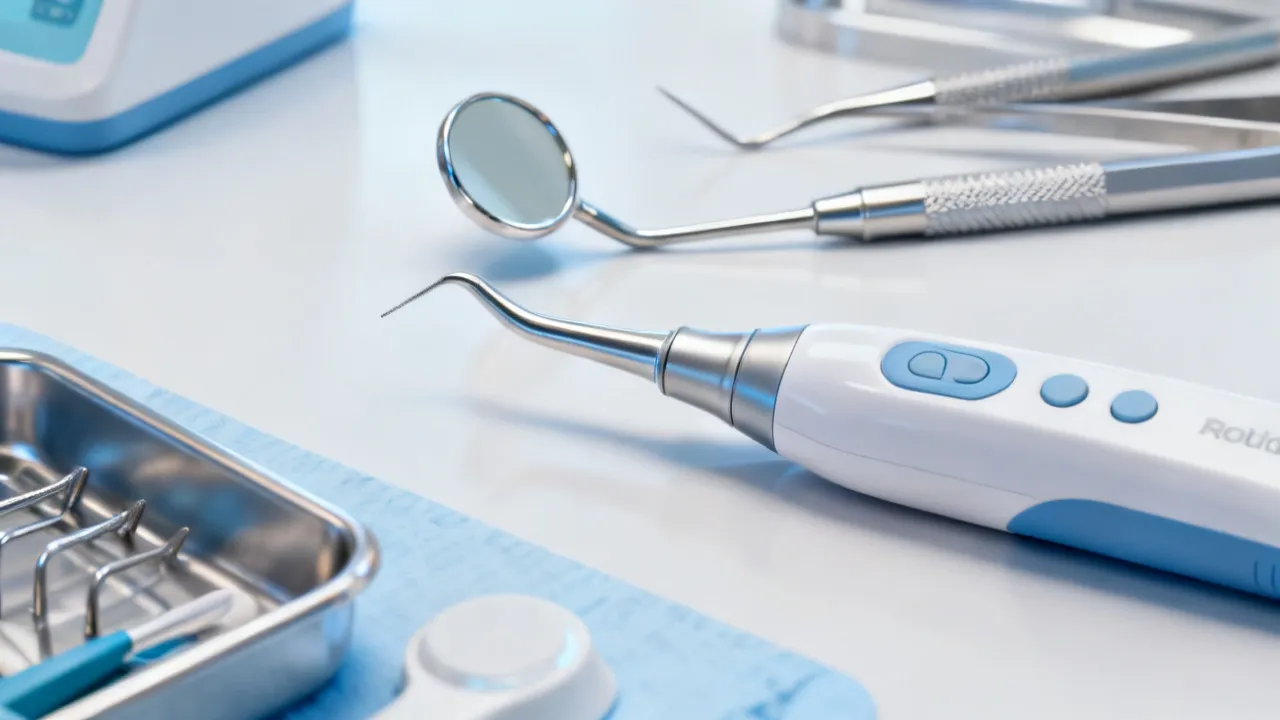
초음파 치석 제거기, translated as “ultrasonic tartar remover,” refers to a device that uses high-frequency vibration to help disrupt or remove deposits from tooth surfaces. In professional dentistry, ultrasonic scalers are established clinical instruments used by trained dental professionals during periodontal maintenance, prophylaxis, and other procedures. Consumer products marketed under similar terminology are generally smaller, lower-powered, and intended for limited home use.
The most important distinction is that tartar, also called dental calculus, is not the same as soft plaque. Plaque is a sticky microbial film that can often be reduced through brushing, interdental cleaning, and other routine hygiene practices. When plaque remains on teeth and mineralizes, it becomes calculus. Hardened calculus adheres firmly to enamel, fillings, crowns, and areas near the gumline. It usually cannot be removed effectively with an ordinary toothbrush.
A home ultrasonic device may appear convenient because its metal or polymer tip can vibrate against a visible deposit. However, the appearance of a simple handheld tool can be misleading. The mouth contains delicate gum tissue, root surfaces, restorations, orthodontic components, and areas that are difficult to see without professional lighting and mirrors. Incorrect pressure, angle, or movement may cause injury even when the device seems easy to operate.
From an industry perspective, the central question is not whether a device vibrates. It is whether the user can identify the deposit accurately, control the instrument precisely, avoid vulnerable structures, and recognize when the underlying condition requires diagnosis. A device may assist with limited surface care, but it does not replace periodontal examination, professional scaling, radiographs when indicated, or treatment planning.
The word “ultrasonic” can also create unrealistic expectations. In advertising, it may suggest that a device is automatically gentle, highly effective, or comparable to professional equipment. In reality, the term primarily describes the operating principle. It does not tell a consumer how the device performs on different types of calculus, whether the tip is suitable for restorations, or whether the user can safely reach the intended surface. Performance and safety depend on the entire system, including the motor, tip, control settings, irrigation, visibility, and technique.
How Ultrasonic Scaling Technology Works
Ultrasonic scalers generate rapid mechanical oscillations at the working tip. These vibrations can help fracture or loosen mineralized deposits. Many clinical systems also use a water spray. The water cools the tip, flushes away debris, and can contribute to the disruption of material around the instrument. Professional units are designed for controlled clinical procedures, and their performance depends heavily on tip selection, power settings, angulation, and operator technique.
Consumer 초음파 치석 제거기 products may use a piezoelectric mechanism, a magnetostrictive mechanism, or another form of electrically driven vibration. Product descriptions often emphasize several operating modes, LED lighting, rechargeable batteries, or water-resistant construction. Those features may improve convenience, but they do not by themselves establish clinical effectiveness or safe use for every individual.
The working tip should generally remain in light contact with the intended surface rather than being forced into the tooth or gum. Excessive pressure can reduce the efficiency of vibration while increasing the likelihood of scratches, sensitivity, or soft-tissue trauma. A user who cannot see the tip clearly may also move it into the gum sulcus, against a restoration margin, or over an exposed root surface.
Professional ultrasonic scaling also involves continuous assessment. A dental hygienist or dentist considers the patient’s gum condition, deposit hardness, tooth anatomy, restorations, implants, orthodontic appliances, and medical history. A home user may not have the training or visibility needed to make those judgments. This is why a technical explanation of vibration should not be interpreted as a recommendation for unsupervised removal of all visible calculus.
Ultrasonic vibration does not function like a magic polishing action. The tip must be positioned so that the vibrating working surfaces interact with the deposit. If it is held incorrectly, the user may apply more pressure to compensate, which can increase risk without improving results. Professional operators learn how to use short, controlled strokes and how to change tips for different anatomical areas. A home user should not attempt to reproduce advanced periodontal techniques based only on a product video.
Water management is another important difference between professional and consumer systems. In a dental office, water flow and suction help control heat, aerosol, saliva, and debris. Some consumer products operate dry, while others use a limited water-resistant design rather than a true irrigation system. A dry device may be easier to handle, but the absence of irrigation can affect comfort, visibility, and debris removal.
Plaque, Calculus, Staining, and Tooth Damage
One of the most common purchasing mistakes is treating every discoloration as tartar. Brown or yellow areas may represent calculus, extrinsic staining from coffee or tea, tobacco-related staining, food pigment, a decayed area, an old restoration, or a surface defect. These conditions require different approaches.
Soft plaque has a biofilm structure and is best managed through daily mechanical cleaning. Calculus is hardened mineralized material. Surface stains may sometimes be reduced by professional polishing, but aggressive scraping can damage the surface beneath the stain. A dark area near the gumline may also be associated with gum inflammation or a cavity and should not be treated as a cosmetic deposit without evaluation.
Enamel is hard, yet it is not invulnerable. Root surfaces are more susceptible to wear because cementum and dentin are softer than enamel. Dental restorations can also be scratched or chipped by unsuitable tools. A device that removes a deposit rapidly may also remove or mark part of the underlying structure if the operator cannot distinguish between calculus and tooth material.
An industry expert would therefore recommend a diagnostic-first approach: identify what is being observed before selecting a mechanical tool. If the deposit is extensive, located below the gumline, associated with bleeding, or accompanied by pain or mobility, home scraping is not an appropriate substitute for dental care.
Calculus may also be present in places that are not visible in a bathroom mirror. Deposits can form between teeth, behind lower front teeth, along crowded areas, or beneath swollen gum tissue. The portion that is visible may be only the outer edge of a larger deposit. Removing the exposed fragment can leave a sharp or rough remainder, and the user may then continue scraping in an attempt to smooth the area. That cycle increases the possibility of damaging the tooth or gum.
Another source of confusion is the sensation of roughness. A tooth can feel rough because of calculus, a chipped enamel edge, an overhanging filling, recession exposing the root, or a normal anatomical contour. Touching the area with a metal tip does not reliably identify the cause. A dental examination is especially important when roughness appears suddenly or is associated with biting discomfort.
Professional Equipment Versus Home Devices
| Category | Professional Ultrasonic Scaler | Consumer 초음파 치석 제거기 |
|---|---|---|
| Primary user | Dentist or dental hygienist with clinical training | Individual consumer |
| Power and control | Broad, adjustable clinical control with specialized tips | Usually limited settings and a compact control interface |
| Visibility | Clinical lighting, mirrors, suction, and assistance | Self-directed viewing with limited access and visibility |
| Water management | Integrated irrigation and clinical suction when required | May have no water system or only basic water resistance |
| Tip selection | Designed for specific deposit locations and procedures | Often supplied with a small number of general-purpose tips |
| Infection control | Operated under regulated clinical sterilization procedures | Depends on user cleaning, storage, and manufacturer instructions |
| Clinical assessment | Integrated with examination and treatment planning | Usually used without a formal oral assessment |
| Best use case | Professional removal of deposits and periodontal maintenance | Limited home care only when the product is appropriate and the user understands its restrictions |
This comparison does not mean that every consumer product is ineffective or that every professional procedure is identical. It illustrates the surrounding system. Scaling is not only a matter of contact between a vibrating tip and a deposit. It includes diagnosis, access, tissue protection, infection control, post-treatment review, and the ability to respond to complications.
Professional equipment is also supported by a broader clinical workflow. Before scaling, the practitioner may inspect the mouth, review medical history, check for bleeding risks, assess periodontal pocket depths, and identify areas requiring special care. During treatment, the clinician can change instruments, adjust power, use local anesthesia when appropriate, and stop when a surface appears vulnerable. After treatment, the patient can receive instructions for preventing recurrence.
A home device usually lacks these safeguards. The user may have no assistant to retract the cheek, control saliva, hold a mirror, or alert them when the tip is entering soft tissue. This difference in access and feedback is one reason that a consumer appliance should be regarded as a limited adjunct rather than a miniature dental office.
Potential Benefits of a Home Ultrasonic Tartar Remover
Some consumers consider a 초음파 치석 제거기 because they want to manage visible deposits between dental appointments. In selected circumstances, a device may offer practical benefits:
- It may help a user address a small, clearly visible surface deposit when the device is used conservatively.
- Vibration may require less manual scraping force than a rigid hand instrument.
- Built-in lighting can improve visibility compared with an ordinary household tool.
- Rechargeable operation may make the device convenient for occasional use.
- A user may become more attentive to plaque control after observing deposits and gumline areas more closely.
- Some users may find the device easier to store and access than a larger oral-care appliance.
These possible advantages should be understood as limited. A device does not automatically improve oral health merely because it removes a visible fragment. If the user continues to miss the gumline, ignores interdental spaces, or delays treatment for bleeding and pain, the overall benefit may be small. Oral health outcomes depend more on consistent daily hygiene and appropriate professional assessment than on the possession of a single appliance.
It is also important to avoid judging a product by dramatic before-and-after images. Photographs can be affected by lighting, moisture, camera angle, polishing, and selective presentation. They do not establish that a device is safe for all users or that it can treat periodontal disease.
Convenience can be a genuine benefit when it encourages better habits. For example, a consumer may notice that deposits form repeatedly behind the lower front teeth and become more consistent with interdental cleaning and dental visits. That behavioral benefit is different from claiming that the device itself prevents gum disease. The most useful role of any home tool is to support—not replace—fundamental preventive care.
Important Risks and Limitations
The most significant risk is accidental injury to the gums. The tip can cut, puncture, or abrade soft tissue if it is directed into the gumline or used with excessive pressure. A minor injury may cause temporary bleeding, while repeated trauma can contribute to recession or persistent irritation.
Another concern is tooth sensitivity. Overuse or excessive force may expose or irritate dentin, especially near receding gums. Users with existing sensitivity may experience discomfort when the tip contacts exposed root surfaces or when vibration is applied near a restoration.
Surface damage is also possible. Enamel, composite fillings, ceramic restorations, veneers, crowns, and implant components have different physical properties. A tool designed for one surface may be unsuitable for another. Scratches can create areas that retain plaque and may be difficult to repair without replacing or polishing the restoration.
Home devices may also create a false sense of completion. Removing a visible piece of calculus does not necessarily remove deposits below the gumline. Periodontal pockets can conceal calculus and inflammation. A user may feel that the mouth looks cleaner while disease activity continues beneath the tissue.
There are practical hygiene concerns as well. A tip that is not cleaned and dried correctly can retain biological material. Sharing a device or tip is inappropriate unless the manufacturer provides a validated reprocessing method suitable for that purpose. A water-resistant rating does not necessarily mean that the complete unit can be submerged, sterilized, or exposed to disinfectants.
Aerosol and splatter may be another consideration for products that generate vibration with water or saliva. Professional dental settings use protective procedures and environmental controls for instruments that create spray. Consumers should follow the product instructions and avoid using a device in a way that creates unnecessary splashing or contamination of nearby surfaces.
There is also a risk of overuse driven by cosmetic expectations. Some users may repeatedly treat normal tooth contours because they want an exceptionally smooth sensation. Teeth are not intended to feel artificially polished after every meal, and repeated mechanical contact can gradually irritate the gumline. The goal should be healthy, comfortable tissues and effective plaque control, not the removal of every natural irregularity.
Who Should Avoid Unsupervised Use?
People with certain oral or medical circumstances should seek professional advice before using an ultrasonic tartar remover. The following situations warrant particular caution:
- Active gum bleeding, swelling, pus, or persistent bad breath
- Loose teeth, significant gum recession, or known periodontal pockets
- Severe tooth sensitivity or exposed root surfaces
- Recent oral surgery, tooth extraction, implant placement, or gum treatment
- New crowns, veneers, bridges, fillings, or orthodontic appliances
- Cracked teeth, suspected cavities, or unexplained tooth discoloration
- Difficulty controlling hand movement or seeing the treatment area clearly
- Medical conditions or medications associated with unusual bleeding concerns
- Children and adolescents who cannot reliably control the device
Individuals with implanted electronic medical devices should follow the advice of both their dental clinician and the device manufacturer. Modern dental equipment is used in many clinical settings, but compatibility depends on the specific medical device, scaler design, and clinical protocol. It is not appropriate to generalize from one product to another.
Pregnancy itself is not a reason to ignore oral symptoms or postpone needed dental advice. However, pregnant patients should discuss symptoms and treatment timing with their dental professional. The correct response to bleeding or swelling is assessment, not aggressive home instrumentation.
People with reduced vision may have difficulty confirming that the tip is touching calculus rather than gum or tooth. Individuals with arthritis, tremor, nerve conditions, or limited hand strength may also find it difficult to maintain precise control. This is not a criticism of the user; it is a practical limitation of self-directed instrumentation in a small, poorly visible space.
Parents should be particularly cautious with children. A child may move suddenly, swallow a loose component, or interpret discomfort as a reason to press harder. Routine brushing and age-appropriate interdental cleaning are generally more suitable for children unless a dental professional gives specific instructions.
Step-by-Step Guide for Safer Consideration
The following guide is intended to support informed decision-making, not to replace professional instruction. If a dentist or hygienist has advised against home scaling, that advice should take priority.
Step 1: Clarify the objective
Decide whether the goal is plaque control, stain reduction, removal of a hard deposit, or relief from a symptom. Brushing and interdental cleaning are usually better suited to plaque. A professional polish may be more appropriate for certain external stains. Pain, swelling, and bleeding require evaluation rather than cosmetic treatment.
Step 2: Inspect the area without scraping
Use adequate lighting and a clean mirror. Look for the location, color, and texture of the material, but do not assume that a hard or dark area is calculus. If the area lies under the gumline, surrounds a crown, or is difficult to see, stop and arrange a dental assessment.
Step 3: Review the product documentation
Check the intended use, operating modes, tip materials, charging instructions, water-resistance rating, cleaning method, replacement schedule, and warnings. Confirm whether the product is designed for oral use in the relevant market and whether the manufacturer provides traceable customer support. Marketing language alone is not a substitute for documentation.
Step 4: Check personal contraindications
Consider gum disease, dental restorations, implants, orthodontic appliances, sensitivity, recent procedures, bleeding concerns, and hand-control limitations. When uncertain, ask a dentist or dental hygienist to review the device and explain whether it is suitable.
Step 5: Prepare a clean environment
Wash hands, clean the device according to the manual, and use a well-lit mirror. Do not share the tip. Keep the device away from standing water unless the instructions specifically permit the relevant exposure. Remove jewelry or objects that could interfere with control.
Step 6: Use the lowest appropriate setting
If a professional has approved use, begin with the lowest setting and light contact. Avoid digging, levering, or repeatedly passing over one location. The tip should not be directed into the gum tissue. Stop immediately if there is sharp pain, unexpected bleeding, significant sensitivity, or a feeling that the tooth surface is being altered.
Step 7: Avoid hidden and vulnerable areas
Do not attempt to reach below the gumline, between tightly contacting teeth, around implant components, or underneath orthodontic wires without clear professional guidance. These locations require specialized visibility and technique. A consumer device cannot compensate for an inaccessible field of view.
Step 8: Clean and store the device
Follow the manufacturer’s cleaning and drying instructions. Do not assume that alcohol, boiling water, ultraviolet storage, or household disinfectants are suitable. Inspect the tip for deformation, sharp edges, corrosion, or residue. Replace components according to the manual rather than continuing to use visibly damaged parts.
Step 9: Monitor the mouth afterward
Short-lived mild sensitivity may occur, but continuing pain, swelling, bleeding, ulceration, tooth looseness, or temperature sensitivity should prompt professional advice. Do not continue using the device in an attempt to correct a symptom that began after use.
Step 10: Record recurring problems
If the same area repeatedly develops deposits, bleeding, or bad taste, note when the problem appears and discuss it at a dental appointment. Recurrence may relate to tooth position, a restoration margin, dry mouth, medication, smoking, diet, or periodontal disease. Repeated home removal treats the appearance of the problem without necessarily addressing its cause.
How to Evaluate Product Quality
When comparing a 초음파 치석 제거기, shoppers often focus on vibration frequency, the number of modes, battery capacity, or the appearance of the tip. Those details may matter, but they should be considered alongside safety and documentation.
Regulatory status and intended use: Determine how the product is classified in the market where it is sold. A device marketed for cosmetic home care may not have the same evidence, quality controls, or intended purpose as professional dental equipment. Avoid assuming that a registration, conformity mark, or platform listing proves clinical superiority. Verify what the designation actually covers.
Instructions and warnings: Clear instructions should explain which surfaces may be treated, which users should avoid the product, how to clean it, how to charge it, and when to seek professional help. Vague manuals are a meaningful warning sign.
Tip design: Examine whether tips are smooth, securely attached, and replaceable. A sharp or poorly finished edge can increase the chance of gum injury. The material should be identified, and replacement parts should be obtainable through a reliable channel.
Control: A device should allow predictable starting and stopping. A visual indicator for charging or operation can be useful, but simple controls may be safer than an overly complex interface. If the device activates unexpectedly or the switch is difficult to operate, it should not be used in the mouth.
Water resistance: A water-resistance rating describes a specific test condition. It does not necessarily authorize rinsing every component under a tap or immersing the handle. Read the technical explanation instead of relying on a general waterproof claim.
Support and traceability: The product should have a recognizable manufacturer, model number, batch or serial information where applicable, and a method for reporting defects. These details are especially important for products that contact body tissues.
Evidence: Look for transparent information about testing and intended use. Testimonials can describe personal experiences, but they cannot substitute for controlled evaluation or professional guidance. Be cautious with claims that promise complete removal of disease, permanent whitening, or universal suitability.
Noise and vibration behavior: A product that produces sudden surges, unusual rattling, excessive heat, or inconsistent vibration may have a mechanical or electrical fault. Consumers should not continue using a device simply because it still turns on. Unpredictable motion makes precise control more difficult.
Return and warranty policies: Oral-care products may be subject to hygiene-related return restrictions. Read the policy before opening the package. A warranty should explain whether defects in the motor, battery, charger, and tip connection are covered. The absence of meaningful support can be more important than a small difference in purchase price.
Routine Oral Care Still Comes First
The foundation of tartar prevention is reducing plaque before it mineralizes. The U.S. Centers for Disease Control and Prevention describes brushing and interdental cleaning as central elements of oral hygiene, while professional organizations such as the American Dental Association emphasize regular brushing with fluoride toothpaste and cleaning between teeth. Local public-health recommendations may vary in detail, but the basic principle is consistent: daily plaque control is more important than occasional scraping.
Brush all tooth surfaces with a soft-bristled brush and a fluoride toothpaste appropriate for the user’s age and needs. Pay attention to the gumline without pressing aggressively. Clean between teeth with floss, interdental brushes, or another method recommended by a dental professional. People with bridges, implants, braces, or larger spaces may need specialized tools.
Dietary habits can influence plaque accumulation and the risk of tooth decay. Frequent exposure to sugary foods and drinks may increase the challenge of maintaining oral health. Tobacco and certain beverages can contribute to staining. These factors do not mean that every stain is dangerous, but they do explain why cosmetic concerns and disease prevention should be considered separately.
Routine dental visits allow a clinician to identify calculus, periodontal inflammation, cavities, defective restorations, and other conditions that are difficult to assess at home. The appropriate interval differs among individuals. Someone with a history of periodontal disease may need a more structured maintenance plan than a person at lower risk.
The sequence of care matters. Brushing disrupts plaque on accessible tooth surfaces, interdental cleaning addresses spaces that a toothbrush cannot reach, and professional maintenance removes deposits that have hardened or extended below the gumline. A home ultrasonic product, when appropriate, occupies only a narrow part of this sequence. It should not displace fluoride use, interdental cleaning, or appointments.
For many people, improving technique produces greater benefits than adding another device. A soft brush should be replaced when bristles become frayed. Brushing should be systematic rather than limited to the front teeth. Interdental tools should fit the space without being forced. A dental professional can demonstrate these methods and recommend sizes or alternatives.
Cleaning, Maintenance, and Infection Control
A home device used in the mouth should be treated as a personal hygiene instrument. Before and after use, follow the manufacturer’s procedure for removing residue. If the tip is detachable, clean it only by the method specified. Allow components to dry fully before storage, because persistent moisture can support microbial growth and may damage electronics.
Do not share tips or handles casually. If more than one person in a household owns the same model, each person should use a separately identified tip where the manufacturer permits replacement. Avoid storing the device loose in a damp bathroom drawer. A ventilated, clean container is generally more suitable, provided the manual does not require another method.
Inspection is part of maintenance. Look for pitting, corrosion, cracks, looseness, discoloration, or a change in vibration. A damaged tip may behave unpredictably and should be replaced. Batteries should be charged using the supplied or approved method, and a device showing swelling, overheating, or electrical damage should be removed from use.
Clinical dental instruments undergo procedures that are substantially more rigorous than ordinary household rinsing. A consumer appliance should not be described as sterile unless the manufacturer provides a validated sterilization method and the product is designed for it. “Clean,” “sanitized,” and “sterile” are not interchangeable terms.
If blood or visible tissue material contacts a component, the user should follow the manufacturer’s instructions and seek advice if the component cannot be adequately cleaned. Household products may not be compatible with strong disinfectants. Using an unapproved chemical can weaken plastic, dull a tip, damage seals, or leave residues that irritate oral tissues.
When Professional Scaling Is the Better Choice
Professional scaling is preferable when deposits are extensive, firmly attached, below the gumline, or associated with inflammation. A clinician can use direct vision, mirrors, periodontal measurements, suction, irrigation, and appropriate instrumentation. If needed, the care plan may include localized treatment, polishing, radiographic evaluation, or referral to a periodontal specialist.
Professional care is also more appropriate when the user has multiple restorations or implants. The clinician can select compatible instruments and avoid surfaces that may be damaged by unsuitable contact. This is particularly relevant for implant crowns, ceramic veneers, bonded orthodontic attachments, and exposed root surfaces.
Another reason to choose professional assessment is uncertainty. If a person cannot determine whether a deposit is calculus, stain, decay, or a restoration margin, attempting removal may destroy useful diagnostic evidence or create damage. A short examination can be more efficient than repeated trial and error with a household device.
Bleeding gums deserve attention. Bleeding may arise from inflammation caused by plaque, trauma from aggressive cleaning, medication-related factors, or other conditions. It should not automatically be interpreted as proof that the device is working. Continuing to scrape bleeding tissue can worsen irritation and delay appropriate care.
Professional cleaning also provides an opportunity for prevention planning. A clinician may identify areas where plaque accumulates, discuss brushing pressure, recommend an interdental brush, adjust a restoration, or explain why calculus is recurring. This educational component is often more valuable than simply removing one deposit.
Signs That Require Prompt Dental Attention
Stop using the device and seek professional advice if any of the following occurs:
- Bleeding that does not settle after gentle pressure
- Increasing pain, swelling, or facial tenderness
- Pus, persistent unpleasant taste, or worsening odor
- A tooth that feels loose or changes position
- A chipped filling, crown, veneer, or orthodontic component
- New or worsening sensitivity to hot, cold, or biting
- A cut or ulcer that does not heal normally
- Difficulty opening the mouth, swallowing, or breathing
Facial swelling, difficulty breathing, or difficulty swallowing can indicate a serious dental infection or another urgent condition. Such symptoms require immediate medical attention rather than further home treatment.
A fever combined with dental swelling, rapidly spreading redness, or severe weakness should also be treated as urgent. A home tartar remover cannot treat an abscess or infection. Delaying care while attempting additional scraping may allow a serious condition to worsen.
Cost, Value, and Purchasing Decisions
Prices for 초음파 치석 제거기 products vary according to brand, motor system, tips, lighting, battery design, water resistance, warranty, and distribution channel. A higher price does not guarantee better clinical performance, while a lower price does not automatically indicate poor quality. The meaningful comparison is between documented specifications, safe construction, support, replacement-part availability, and the product’s intended use.
Consumers should calculate the full ownership cost. Include replacement tips, charging accessories, warranty limitations, shipping, returns, and any required cleaning components. A product that appears inexpensive at purchase may become less practical if replacement parts are unavailable or if the warranty excludes the core operating mechanism.
Purchasing from an established supplier can improve traceability and customer support. Buyers should retain the receipt, model information, instructions, and safety notices. Products with unclear manufacturer details or contradictory specifications deserve caution, especially when they are advertised for medical or dental purposes.
Value should also be compared with the cost of prevention. A suitable toothbrush, interdental cleaning tools, fluoride toothpaste, and periodic professional care address the causes and consequences of plaque more directly than a device aimed at visible deposits alone. The best purchase is the one that supports an appropriate oral-care routine without encouraging risky self-treatment.
Consumers should be skeptical of claims that a device will eliminate the need for dental visits, reverse gum disease, whiten teeth permanently, or remove all calculus without discomfort. Such promises simplify a complex clinical process. Transparent advertising should state limitations as clearly as benefits.
Common Misunderstandings
“The device can remove every type of tartar.”
No. Deposits differ in hardness, location, and attachment. Subgingival calculus and deposits around restorations may require professional instruments and visibility. A home device should not be treated as a universal scaling system.
“A stronger setting cleans more effectively.”
Not necessarily. Higher power can increase discomfort and the risk of damage. Clinical effectiveness depends on the correct tip, angle, movement, irrigation, and operator control. More intensity is not a substitute for technique.
“Bleeding means the deposit is coming off.”
Bleeding usually indicates tissue irritation or inflammation, although the precise cause varies. It should not be used as a success marker. Persistent bleeding warrants evaluation.
“A smooth-looking tooth is healthy.”
Surface appearance cannot reveal all problems. Gum disease, decay between teeth, root-surface lesions, and defective restorations may not be visible in a mirror. Visual improvement does not equal a complete oral assessment.
“A home device replaces dental appointments.”
It does not. Dental visits can identify conditions that a consumer tool cannot diagnose or reach. Home care and professional care serve different purposes.
“If the device is advertised as painless, it cannot cause harm.”
No device is risk-free. A user may not feel immediate pain even while applying excessive pressure or irritating tissue. Sensation can be reduced by inflammation, sensitivity differences, or poor visibility. Safe operation depends on appropriate use, not on an absolute marketing promise.
Environmental and Practical Considerations
Rechargeable devices contain batteries and electronic components that should be handled according to local disposal rules. When the device reaches the end of its service life, do not place it in ordinary waste if local regulations provide a battery or electronics collection system. Packaging claims should be considered separately from actual durability and repairability.
Durability has a safety dimension. A stable handle, secure tip connection, and reliable switch reduce the chance of sudden movement. Devices that become hot, produce an unusual odor, lose power unpredictably, or show battery damage should be disconnected from charging and removed from use.
Bathroom storage also deserves attention. Humidity, splashes, and shared surfaces can affect both hygiene and electronics. A clean, dry storage location away from children and pets is sensible. Keep the operating instructions available so that future users do not rely on memory or assumptions.
Packaging should not be used as a substitute for product testing. A device may have attractive branding, multiple accessories, and professional-looking images while providing little information about tip composition, electrical safety, cleaning, or intended users. Responsible purchasing involves examining the details that are less visible in advertisements.
Source-Based Perspective
The guidance in this article reflects established principles from public-health and professional dental sources, including information published by the U.S. Centers for Disease Control and Prevention, the American Dental Association, the U.S. Food and Drug Administration’s general approach to medical-device oversight, and professional periodontal guidance. These organizations distinguish daily plaque control from professional management of calculus and periodontal disease. Product-specific safety depends on the manufacturer’s instructions, applicable regulations, and the user’s dental condition.
Readers should check the relevant health authority in their own jurisdiction for local requirements. Device classifications, labeling rules, electrical safety standards, and advertising restrictions can differ between countries. A regulatory listing should be interpreted in context: it may confirm a product category or market authorization without proving that the device is suitable for every person or every oral condition.
Evidence should also be interpreted according to the exact product and intended use. Research on professional ultrasonic scalers cannot automatically be transferred to a low-powered consumer appliance. Conversely, a consumer device’s operating principle may resemble professional technology without having the same output, durability, irrigation, tip geometry, or operator controls. Product evaluation should therefore avoid both exaggerated praise and overly broad comparisons.
Expert Recommendations in Brief
- Use daily brushing and interdental cleaning as the primary defense against plaque and calculus formation.
- Do not assume that every dark, rough, or yellow area is tartar.
- Choose a 초음파 치석 제거기 only after reviewing intended use, warnings, tip design, cleaning instructions, and support information.
- Use the lowest appropriate setting and light contact only when professional guidance indicates that home use is suitable.
- Never force the tip below the gumline or around vulnerable restorations and implants.
- Stop if pain, bleeding, sensitivity, or tissue damage develops.
- Arrange professional scaling when deposits are extensive, hidden, recurrent, or associated with gum symptoms.
- Consider professional assessment the safer and more efficient option when the diagnosis is uncertain.
- Do not share tips, use unapproved disinfectants, or assume that water resistance means sterilizability.
- Evaluate the complete product system rather than choosing solely by price, vibration claims, or online testimonials.
FAQs
What does 초음파 치석 제거기 mean?
It means “ultrasonic tartar remover.” The term is used for devices that apply high-frequency vibration to help loosen deposits. Some products are professional dental scalers, while others are consumer appliances intended for limited home use. Their power, controls, tips, water systems, and safety requirements are not equivalent.
Can a home ultrasonic tartar remover replace professional cleaning?
No. It cannot replace examination, professional scaling, periodontal measurements, or treatment of disease. It may be considered for limited surface care in appropriate circumstances, but professional care remains important for deposits below the gumline, extensive calculus, restorations, implants, and unexplained symptoms.
Is ultrasonic scaling painful?
Sensation varies with deposit amount, tooth sensitivity, gum condition, instrument settings, and technique. Professional clinicians can adjust the procedure and investigate the cause of discomfort. Pain during home use is a reason to stop rather than increase pressure or power.
Can the device remove stains?
It may dislodge some material that looks like a stain, but it is not primarily a whitening or polishing device. Scraping a stain without identifying its cause may damage enamel or a restoration. Professional polishing or dental evaluation may be more suitable.
Can it be used on dental implants?
Do not assume that a general consumer device is safe for implants. Implant crowns, abutments, and surrounding tissues require material-specific care. Ask the treating dentist which instruments and home-care tools are appropriate for the particular implant system.
Can it be used with braces?
Orthodontic brackets and wires create additional surfaces where the tip can catch or cause damage. A dental professional or orthodontist should provide specific instructions. Interdental brushes and other orthodontic hygiene tools are often more appropriate for routine plaque control.
How often should a home device be used?
There is no universal schedule that is safe for everyone. Frequency depends on the product instructions and the user’s oral condition. Repeated scraping of the same area can cause injury, so routine use should not be based solely on the desire to remove every visible irregularity.
Why do my gums bleed when I use it?
Bleeding may result from gum inflammation, excessive pressure, an incorrect angle, or contact with delicate tissue. It is not a reliable indication that the device is removing tartar correctly. Stop use and seek dental advice if bleeding persists or recurs.
What should I look for in a reliable product?
Look for clear manufacturer identification, a specific model number, detailed instructions, meaningful warnings, appropriate tip construction, predictable controls, cleaning guidance, replacement parts, warranty information, and traceable customer support. Be cautious with unsupported claims of complete disease treatment or universal safety.
Can I sterilize a consumer device at home?
Only use the cleaning or disinfection method specified by the manufacturer. Many consumer handles and tips are not designed for clinical sterilization. Boiling, chemical immersion, or exposure to high heat may damage the product or create a safety hazard.
What if a piece of tartar falls off and the tooth feels rough?
A rough area may be residual calculus, exposed root structure, a restoration margin, or a chipped tooth surface. Do not continue scraping to smooth it. Arrange a dental examination, particularly if the area is sensitive, sharp, or near the gumline.
Is a higher-priced device always safer?
No. Price is only one purchasing factor. Construction quality, documentation, intended use, controls, maintenance requirements, support, and suitability for the individual are more meaningful indicators. A higher price cannot compensate for inappropriate use.
What is the safest overall strategy?
Maintain consistent plaque control, attend dental appointments according to professional advice, and treat home ultrasonic equipment as a limited-use tool rather than a replacement for diagnosis. When symptoms or uncertainty are present, professional evaluation is the safer strategy.
Can a tartar remover whiten teeth?
It should not be considered a whitening treatment. Removing a deposit or some external material may make the tooth appear cleaner, but it does not change the intrinsic color of enamel or dentin. Whitening procedures involve different products, indications, and risks.
What should I do if the device is uncomfortable but there is no bleeding?
Stop and reassess rather than increasing power or pressure. Discomfort may indicate sensitivity, contact with a restoration, an incorrect tip position, or an underlying dental problem. If discomfort continues after stopping, contact a dental professional.
Conclusion
A 초음파 치석 제거기 can be attractive to consumers who want a convenient way to address visible deposits, but its value depends on realistic expectations and careful handling. Ultrasonic vibration may loosen selected surface material, yet the device cannot identify disease, reach every deposit, protect every restoration, or reproduce the clinical environment of a dental practice.
The most responsible approach is to distinguish plaque from calculus, stains from disease, and surface deposits from hidden periodontal problems. Use established daily hygiene methods, review product documentation carefully, avoid aggressive scraping, and seek professional advice when bleeding, pain, recession, restorations, implants, or uncertainty are involved. In oral care, controlled prevention and timely diagnosis generally provide greater long-term value than forceful removal of a visible deposit.
For consumers considering such a device, the final decision should be based on suitability rather than novelty. A well-designed appliance may have a narrow role for selected users, but no handheld tool eliminates the need for healthy daily habits and professional oversight. When the mouth is painful, bleeding, swollen, unusually sensitive, or difficult to inspect, the safest action is to stop experimenting and arrange an examination.