Understanding Ultrasonic Tartar Removers Safely
This guide explains how an ultrasonic tartar remover, known in Korean as 초음파 치석 제거기, works, where it may fit within oral-care routines, and why professional assessment remains important. These devices use high-frequency mechanical vibration to help disrupt deposits on tooth surfaces. Their suitability depends on device quality, technique, dental conditions, and the user’s ability to avoid injury to enamel, gums, restorations, and sensitive areas.
Introduction: What an Ultrasonic Tartar Remover Is
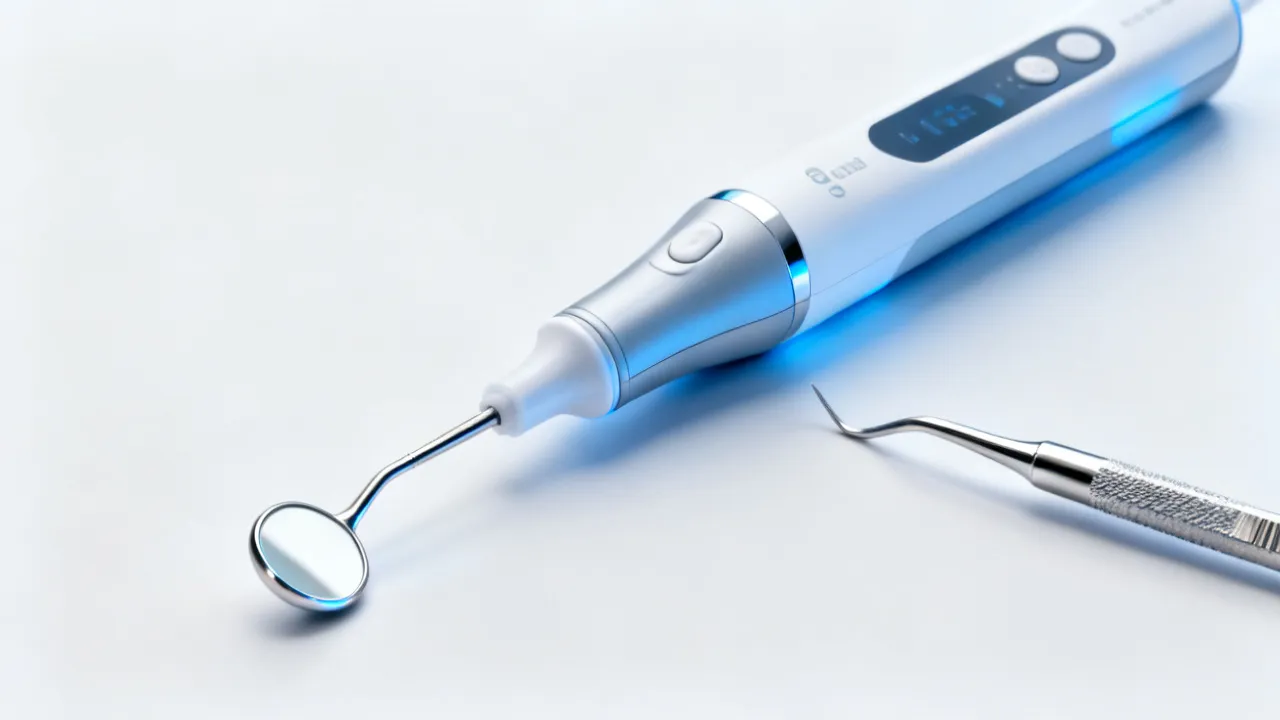
An ultrasonic tartar remover, referred to in Korean as 초음파 치석 제거기, is a device designed to use rapid mechanical vibration at or near the tip of an instrument to help loosen deposits from tooth surfaces. The concept is related to ultrasonic scalers used by dental professionals, although consumer products can differ substantially in power, design, control systems, cooling, tip geometry, and clinical oversight.
The most important point is straightforward: hardened tartar is not the same as soft dental plaque. Plaque is a developing bacterial film that can often be controlled through consistent brushing, interdental cleaning, and professional advice. Tartar, also called dental calculus, is mineralized plaque that adheres firmly to teeth. Removing it safely may require carefully controlled instrumentation, appropriate visibility, and an assessment of the gums and supporting tissues.
For this reason, a home ultrasonic tartar remover should not be treated as a replacement for a dental examination or professional scaling. It may appear simple to operate, but the mouth contains delicate gum tissue, exposed root surfaces, fillings, crowns, veneers, orthodontic components, and areas that are difficult to see in a mirror. A device used with excessive pressure, an unsuitable tip, or poor positioning can cause irritation or damage.
From an industry perspective, the quality of a product is only one part of safe use. The complete risk profile also includes the user’s oral condition, training, instructions, maintenance habits, and willingness to stop when discomfort or bleeding occurs. A well-designed product cannot eliminate the need for judgment.
Key Takeaways Before Purchase or Use
- Do not assume every product labeled 초음파 치석 제거기 performs like a professional ultrasonic scaler. Product categories vary widely.
- Professional evaluation comes first when there is persistent bleeding, swelling, pain, loose teeth, deep gum pockets, or significant calculus.
- Light pressure matters. Scraping harder does not necessarily improve cleaning and may increase the risk of gum trauma or surface wear.
- Restorations require caution. Crowns, veneers, composite fillings, implants, retainers, and braces may need specific instructions from a dental professional.
- Do not use the device as a substitute for daily plaque control. Brushing with fluoride toothpaste and cleaning between teeth remain central to oral hygiene.
- Product instructions and local regulatory information should be reviewed before use, especially when the device is marketed for medical or dental applications.
- Stop when something feels wrong. Sharp pain, unusual heat, persistent sensitivity, swelling, or continued bleeding should not be ignored.
How Ultrasonic Scaling Works
Professional ultrasonic scalers generally operate by converting electrical energy into rapid movement at a narrow instrument tip. That movement can help disrupt mineralized deposits. Water irrigation is commonly used with professional equipment to cool the tip, flush away debris, and improve the working environment.
Some ultrasonic systems also produce fluid movement around the tip. In clinical settings, this effect can assist with disrupting deposits and reducing heat generated during operation. The exact mechanism depends on the instrument design, operating frequency, power level, tip shape, water flow, and the clinician’s technique.
Consumer products marketed as ultrasonic tartar removers may use different engineering approaches. Some rely on vibration, some combine vibration with visible lighting, and others include multiple operating modes or automatic shutoff functions. Product descriptions may use technical language that is difficult for a purchaser to interpret. A higher number in a specification sheet does not automatically indicate better performance or greater safety.
Two devices can have similar advertising language yet behave differently in the mouth. One may have a narrow metal tip intended for carefully controlled contact, while another may be designed primarily for surface-level cleaning. The presence of a light or vibration does not prove that the device is suitable for removing substantial calculus.
Professional ultrasonic scalers are also used within a broader clinical system. The operator has training in tooth anatomy, gum anatomy, instrument angulation, tactile sensitivity, and infection control. They can adjust the instrument when a deposit is hard, when the tip approaches a restoration, or when a patient reports sensitivity. A home user normally does not have the same visual access or tactile feedback, which is why the two settings should not be treated as equivalent.
Plaque, Tartar, and Surface Stains: Important Differences
Understanding the material being removed is essential. Plaque is a soft, sticky biofilm that forms continuously on teeth. If it is not disrupted through brushing and interdental cleaning, it can contribute to tooth decay and gum inflammation. Tartar forms when plaque becomes mineralized. It can develop above the gumline and, in some cases, below it.
Surface stains are another category. Coffee, tea, tobacco, certain foods, and other substances may discolor the outer surface of teeth. A device intended to disrupt calculus is not necessarily appropriate for polishing or whitening. Attempting to remove stains aggressively can roughen surfaces or irritate the gums without addressing the underlying cause.
A user may also mistake natural tooth anatomy for a deposit. Grooves, enamel contours, filling margins, and exposed root surfaces can look irregular in a mirror. Scraping an area that is not tartar may create unnecessary trauma. Dental professionals use lighting, magnification, instruments, radiographs when appropriate, and clinical experience to distinguish deposits from tooth structure and restorations.
Calculus can vary in color and texture. Newer deposits may appear pale yellow or off-white, while older deposits can be brown, gray, or dark because of food pigments, tobacco, or blood products. Color alone cannot confirm what a spot is. A dark line may represent staining, calculus, a defective filling, decay, or a normal anatomical feature. Treating every discoloration as removable tartar is unsafe.
There is also an important distinction between deposits above the gumline and deposits below it. Above-gum deposits may be visible, but below-gum deposits are often associated with periodontal pockets and cannot be assessed accurately at home. Attempting to reach into a pocket with a powered metal instrument may injure the tissue or push debris deeper rather than providing meaningful treatment.
Potential Benefits of an Ultrasonic Tartar Remover
When used appropriately and within its intended limits, an ultrasonic tartar remover may offer several practical benefits. The device may help a user understand the importance of deposit control and encourage more attentive oral-care habits. Some people may find that a built-in light improves visibility around the front teeth, although a mirror and lighting do not provide the same view available to a clinician.
Vibration-based operation may also reduce the need for forceful manual scraping. That can be useful in principle because excessive pressure is one of the common problems associated with home instruments. However, the benefit depends on whether the user applies the tip correctly, selects an appropriate setting, and avoids sensitive or damaged areas.
For individuals who have received professional instruction, a device may be considered for limited maintenance in areas that a dental professional has identified as suitable. Such use should remain conservative. The objective is not to make every tooth feel polished in a single session. The objective is to support a safe, sustainable oral-care routine.
It is also important to separate convenience from clinical effectiveness. A convenient device may be easy to charge, clean, and store, but convenience does not establish that it can safely remove deposits below the gumline. Claims about deep cleaning should be interpreted carefully unless supported by clear instructions, appropriate regulatory information, and professional guidance.
Some people may appreciate the ability to inspect their teeth more closely. That increased awareness can be beneficial if it leads to better brushing, improved interdental cleaning, or a timely dental appointment. In this sense, the device may function partly as an educational prompt. The benefit comes from encouraging responsible behavior, not from assuming that every visible deposit should be independently removed.
Limitations and Risks
The principal limitation of a home device is visibility and access. Areas between teeth, behind molars, under the gumline, and around crowded teeth are difficult to inspect accurately. A user may therefore miss calculus while repeatedly working on visible areas that need little attention.
There is also a risk of damaging soft tissues. The gumline can bleed or become sore when contacted by a vibrating tip. Repeated irritation may contribute to inflammation and can make it more difficult to distinguish a minor injury from an existing gum problem.
Hard contact with enamel, exposed dentin, cementum, or restorations may create another concern. Although tooth enamel is highly mineralized, it is not a surface that should be treated as indestructible. Root surfaces are less resistant than enamel, and restorative materials may respond differently to mechanical contact. A product designed for general consumer use may not provide the control required around delicate margins.
There is also a behavioral risk: the device may create a false sense of completion. A person may remove a visible fragment and assume that the mouth is healthy, even when there is gum inflammation, decay, an abscess, or disease beneath the gumline. Visible cleanliness and oral health are related but not identical.
Another possible problem is excessive frequency. A user who believes the instrument should be used every day may repeatedly disturb the same areas. This can cause cumulative irritation, particularly if the individual already has gum recession, enamel wear, dry mouth, or sensitivity. More frequent use is not automatically better, and a routine should be based on professional advice and the product’s stated purpose.
Improper cleaning can introduce a hygiene concern. The tip may become contaminated with saliva, plaque, blood, and microorganisms. If it is stored while wet or shared between people, the device can become an unnecessary source of contamination. Maintenance instructions therefore matter as much as operating instructions.
Who Should Seek Dental Advice First?
Professional advice should come before using a 초음파 치석 제거기 when any of the following conditions apply:
- Bleeding occurs regularly during brushing or interdental cleaning.
- The gums are swollen, tender, receding, or persistently red.
- There is tooth pain, sensitivity that is worsening, facial swelling, or a bad taste that does not resolve.
- A tooth feels loose or the bite has changed unexpectedly.
- There is a known history of periodontal disease or deep gum pockets.
- There are extensive crowns, veneers, bridges, implants, bonding, or composite restorations.
- The user has braces, a permanent retainer, or another orthodontic appliance.
- The person has recently undergone oral surgery or a dental procedure.
- The user takes medication or has a medical condition that affects bleeding, healing, or infection risk.
- The person is unsure whether a visible area is tartar, tooth structure, or a restoration.
People with implanted electronic medical devices should also consult the device manufacturer and their healthcare professional when considering dental equipment that generates electrical or vibrational energy. The relevant issue depends on the equipment design, not merely on the marketing label.
People with diabetes, immune-system conditions, a history of poor wound healing, or active cancer treatment may also require individualized advice. This does not mean that every such person is prohibited from using a personal oral-care device. It means that the consequences of tissue injury or infection may be more significant, so self-treatment should not be assumed to be harmless.
How to Evaluate Product Quality
Product evaluation should begin with documentation rather than appearance. A polished housing, bright display, or attractive packaging does not reveal whether the device has been engineered for controlled oral use. Look for a clearly identified manufacturer, a traceable model number, complete operating instructions, cleaning guidance, warranty terms, and appropriate regulatory information for the market in which the product is sold.
Instructions should state the intended use, contraindications, recommended operating duration, cleaning method, charging requirements, and replacement schedule for tips or accessories. If the manual is vague about safety, does not explain how to avoid soft-tissue contact, or promises results that sound unrealistic, caution is appropriate.
Useful design features may include adjustable intensity, a responsive pressure-control system, an automatic shutoff, a clearly shaped tip, a stable grip, adequate visibility, and a sealed body that can be cleaned according to the manufacturer’s instructions. These features are not guarantees of safety, but they may support better control.
Battery claims should also be viewed practically. Long battery life can be convenient, but charging performance is less important than reliable operation and safe cleaning. A device that cannot be properly disinfected or that has an unclear replacement-tip policy may create more problems than it solves.
Consider the design of the tip carefully. A very sharp, pointed, or thin tip may appear effective because it can enter narrow spaces, but it may also be less forgiving when the user’s hand moves unexpectedly. A blunt or rounded working end may reduce some contact risk, although its suitability depends on the product’s intended function. The user should never reshape a tip to make it more aggressive.
Customer support is another meaningful quality indicator. A responsible supplier should be able to answer questions about compatibility, cleaning, replacement parts, charging, and use around restorations. If the seller cannot identify the manufacturer or provide a manual before purchase, the buyer has limited ability to evaluate risk.
Questions to Ask Before Buying
- Is the product intended for consumer oral care, professional dental use, or both?
- Does the manufacturer provide a complete user manual in a language the user understands?
- What surfaces and dental materials is the tip designed to contact?
- How does the device control pressure, temperature, and operating time?
- Can the removable parts be cleaned according to a clear procedure?
- Are replacement tips available through an identifiable supplier?
- What conditions prevent use?
- Does the product carry the required conformity or regulatory information for the relevant market?
- Are performance claims supported by credible technical or clinical documentation?
- Can the manufacturer be contacted after purchase?
- Is the device water-resistant in the specific way required for its cleaning procedure?
- Does the warranty cover normal use and provide a clear process for reporting defects?
Price alone is not a dependable indicator. A low price may reflect a simpler design, limited accessories, or reduced after-sales support, while a higher price may reflect branding rather than superior clinical performance. A sensible purchase decision weighs documentation, construction, serviceability, and suitability for the user’s actual oral condition.
Reviews should also be interpreted carefully. A purchaser may report that a device removed a visible flake, but that experience does not demonstrate that the device is safe for every mouth or effective against all forms of calculus. Reviewers may not know whether a tooth was natural or restored, whether the gums were healthy, or whether an apparent deposit was actually a filling fragment or tooth structure.
Safe Preparation Before Use
If a dental professional has indicated that limited home use is appropriate, preparation should be deliberate. Read the complete manual before turning on the device. Inspect the tip for bending, sharp edges, corrosion, cracks, or residue. Do not use a damaged accessory.
Wash the hands and clean the device according to the manufacturer’s instructions. Prepare a well-lit space with a stable mirror and a comfortable posture. Avoid using the instrument when visibility is poor, when the user is rushed, or when hand control is compromised.
Do not share personal tips or accessories unless the manufacturer explicitly provides a validated reprocessing method. Even then, oral-care instruments should be treated as personal items. Store the device dry and protected from contamination.
Users should identify a conservative starting setting. The lowest effective intensity is generally preferable to immediately selecting the strongest mode. A strong sensation is not evidence that the device is working better. Pain, heat, sharp vibration, or persistent sensitivity are signals to stop.
It is useful to plan a short session rather than attempting to treat the entire mouth. Focusing on one clearly visible area reduces fatigue and may help the user maintain better control. Do not use the instrument while walking, lying in an unstable position, or engaging in another activity that could cause a sudden hand movement.
Step-by-Step Guide for Cautious Use
The following guide is general educational information and does not replace individualized dental instruction.
Step 1: Confirm That the Device Is Appropriate
Review the manual and consider whether the user has any condition listed in the contraindications. If there is active pain, unexplained bleeding, swelling, recent surgery, or extensive dental work, postpone use and seek professional advice.
Step 2: Inspect the Tip and Device
Check that the tip is firmly attached and free of damage. Confirm that the device is charged according to the instructions. Do not modify the tip, sharpen it, bend it, or attach an accessory from another model unless compatibility is explicitly confirmed.
Step 3: Improve Visibility
Use strong, comfortable lighting and a clean mirror. Begin only with areas that can be seen clearly. Working blindly around the back teeth or below the gumline increases the likelihood of contacting soft tissue or a restoration.
Step 4: Start at the Lowest Setting
Activate the device according to the instructions and begin at a low intensity. Keep the grip relaxed. Avoid pressing the tip into the tooth. The hand should guide the instrument rather than force it against the surface.
Step 5: Use Gentle, Controlled Contact
If the manual permits tooth contact, keep the tip aligned with the surface and use brief, controlled movements. Do not dig into grooves, push toward the gum, or remain in one location for an extended period. The goal is controlled disruption of a visible deposit, not aggressive scraping.
Step 6: Monitor Sensation and Tissue Response
Stop immediately if there is sharp pain, unusual heat, prolonged sensitivity, significant bleeding, swelling, or a damaged-looking surface. Mild unfamiliar vibration is different from pain, but users should not attempt to tolerate discomfort in pursuit of a visibly cleaner tooth.
Step 7: Rinse and Reassess
After a short session, rinse the mouth and inspect the area. Do not continue repeatedly because a small deposit does not detach immediately. A firmly attached deposit may require professional instrumentation, particularly if it lies near or below the gumline.
Step 8: Clean and Store the Device
Follow the manufacturer’s cleaning procedure. Do not immerse the entire unit unless the instructions specifically permit it. Dry removable components as directed and store the device in a clean location.
Step 9: Record Any Unusual Response
If sensitivity, bleeding, or gum soreness occurs, note when it started and how long it lasts. This information can help a dental professional determine whether the reaction is consistent with minor irritation or suggests a separate oral-health problem. Do not use repeated sessions to test whether an injured area has recovered.
Areas Requiring Special Caution
Gumlines and Exposed Roots
The gumline is not a safe target for forceful scraping. Receding gums may expose root surfaces that are more vulnerable to abrasion and sensitivity. A user may also mistake a hard root contour for calculus. Professional examination is particularly important in these areas.
Dental Implants
Implant restorations and the surrounding tissues require individualized care. The materials used in an implant crown, abutment, or prosthetic structure may differ from natural tooth enamel. The clinician who placed or maintains the implant should provide specific cleaning instructions.
Crowns, Veneers, and Bonding
Restorations have margins and surfaces that can be affected by unsuitable instruments. Veneers and composite bonding may be especially sensitive to scratching or edge disruption. A user should not assume that a tip safe for natural enamel is safe for every restorative material.
Braces and Retainers
Orthodontic brackets, wires, elastic components, and retainers can obstruct visibility and catch an instrument. Damage may complicate treatment. Patients should follow the orthodontist’s instructions instead of attempting to clean around appliances with an unapproved powered tool.
Children and Older Adults
Children may have difficulty controlling pressure and understanding when to stop. Older adults may have root exposure, restorations, reduced dexterity, or medication-related considerations. Supervision or professional guidance may be necessary, and a home ultrasonic tartar remover may not be appropriate for every person in these groups.
Sensitive Teeth and Enamel Wear
People with tooth sensitivity, enamel erosion, abrasion, cracks, or recent bleaching may experience a stronger response to vibration. The source of sensitivity should be identified rather than masked. Contact with an exposed dentin area can produce a sudden, uncomfortable sensation and may lead the user to apply more pressure or change the angle in an unsafe way.
Why Daily Plaque Control Remains More Important
Calculus removal is only one part of oral care. Plaque begins forming again after it is removed, so long-term protection depends on consistent daily habits. A soft-bristled toothbrush, fluoride toothpaste where appropriate, and cleaning between teeth can help reduce the accumulation that later mineralizes.
Brushing technique matters more than simply brushing harder. The brush should reach the gumline gently, and all accessible surfaces should receive attention. Interdental brushes, floss, or other aids may be recommended based on the size of the spaces and the condition of the gums.
Mouthwash can serve a supporting role in some routines, but it does not mechanically remove established tartar. Similarly, whitening products do not substitute for plaque control or periodontal care. A device should be viewed as one possible tool within a broader oral-health plan, not as the central solution.
Preventive care is especially important because calculus is not simply a cosmetic issue. Its rough surface can retain plaque and make daily cleaning more difficult. Removing a deposit without changing the habits that allowed it to form may lead to recurrence. A dental professional can help identify whether the main contributing factors are brushing technique, interdental access, diet, dry mouth, smoking, orthodontic appliances, or another issue.
Professional Scaling Compared With Home Devices
| Consideration | Professional Scaling | Consumer Ultrasonic Tartar Remover |
|---|---|---|
| Assessment | Performed alongside an examination of the teeth and gums. | Usually relies on the user’s own visual judgment. |
| Visibility | Uses clinical lighting, instruments, and positioning designed for oral care. | Limited by a household mirror and the user’s access. |
| Below-gumline care | Can be planned and performed according to periodontal findings. | Not suitable for blind or aggressive use below the gumline. |
| Instrument control | Performed by trained personnel using calibrated clinical equipment. | Depends on the product design and the user’s technique. |
| Restorations | Can be evaluated before treatment. | May present a risk if the user does not know the material or margin design. |
| Follow-up | Can include diagnosis, preventive advice, and referral when needed. | Usually offers no clinical interpretation of bleeding, pockets, or lesions. |
This comparison does not mean that every consumer device is without value. It means the products occupy different positions in the care pathway. Professional scaling includes assessment and clinical judgment, while a home device generally provides a mechanical action without diagnosis.
Professional care may also include polishing, periodontal charting, instructions for interdental cleaning, radiographs, or treatment planning. These services address questions that a home instrument cannot answer. For example, a dental professional can determine whether a tooth is sensitive because of recession, decay, a cracked restoration, excessive brushing, or another cause. A vibrating tip cannot make that distinction.
Signs That a Product Claim Requires Caution
Marketing language should be evaluated critically when it suggests that a device can replace dental visits, eliminate all tartar, treat gum disease, whiten teeth substantially, or clean safely in every situation. Oral anatomy and dental materials vary too widely for universal promises to be reliable.
Claims based only on testimonials, dramatic before-and-after images, or unspecified technical numbers should not be treated as clinical proof. A responsible manufacturer should explain the intended use and limitations as clearly as the benefits.
Terms such as “professional strength,” “deep cleaning,” or “advanced ultrasonic technology” require context. The phrase may refer to a general operating principle rather than equivalence with regulated clinical equipment. Buyers should examine the complete instructions and the product’s official status in their jurisdiction.
Consumers should be cautious with claims that promise pain-free removal for all users. Sensitivity varies substantially, and a lack of immediate discomfort does not prove that tissue or a restoration is being protected. Similarly, claims that a device “repairs” gums, removes infection, or reverses periodontal disease go beyond the ordinary function of a mechanical deposit-removal tool and should be treated with skepticism.
Cleaning, Maintenance, and Hygiene
Maintenance is essential because the tip may contact saliva, plaque, blood, and debris. Follow the manufacturer’s instructions for rinsing, disinfecting, drying, and storage. Avoid household chemicals that could damage the device or leave residues unless they are specifically approved.
Replace worn or damaged tips according to the manufacturer’s schedule. A worn tip may behave unpredictably and may not provide the intended control. Keep charging components dry, and inspect the cable or charging base for damage.
If the device becomes unusually hot, emits an abnormal sound, loses power unpredictably, or develops a cracked housing, stop using it. Contact the manufacturer or supplier through an identifiable support channel. Do not attempt improvised repairs to an instrument used in the mouth.
Cleaning should take place after every use unless the instructions specify another validated schedule. Rinsing alone may not remove all residue, while aggressive scrubbing or boiling may damage components. If the device has removable tips, allow them to dry fully before storage. A closed case that traps moisture can encourage microbial growth.
What to Do After Accidental Irritation
If the gums are mildly irritated, stop using the device and return to gentle routine oral care. Avoid repeatedly examining or scraping the area. If bleeding continues, pain increases, swelling appears, or the tissue does not settle, arrange a dental evaluation.
Urgent care may be appropriate when there is facial swelling, difficulty swallowing or breathing, fever associated with dental pain, uncontrolled bleeding, or a visibly damaged tooth. These symptoms should not be managed with a home tartar remover.
A small piece of calculus breaking away does not necessarily mean the underlying area is healthy. Roughness, bleeding, or a persistent unpleasant taste may indicate remaining deposits or gum disease. Professional assessment can determine whether further treatment is needed.
If a restoration becomes loose, chipped, or rough after contact with the instrument, discontinue use and contact a dentist. Do not attempt to smooth the restoration with the device. A temporary change in bite or a sharp edge may require prompt repair to prevent additional irritation to the tongue, cheek, or opposing tooth.
Storage and Travel Considerations
Users who travel with a 초음파 치석 제거기 should protect the tip from contact with other objects. A ventilated case may help the device dry between uses, provided the manufacturer allows that storage method. Avoid leaving the unit in a hot vehicle, near standing water, or in a humid bathroom where it may remain wet for long periods.
International travelers should check charger compatibility and local electrical requirements. Regulatory labeling and warranty coverage may differ between markets. A product purchased from an unfamiliar overseas seller may have limited support, incomplete instructions, or accessories that are difficult to replace.
When traveling by air, rechargeable batteries and electronic equipment should be carried according to current airline and airport rules. Keep the manual or a digital copy available in case the device needs troubleshooting. Do not pack a wet or contaminated tip in a sealed bag, since moisture and residue may remain in contact with the working surface.
Regulatory and Evidence Considerations
Dental devices may be subject to different rules depending on their intended use and the country where they are sold. Buyers should review the applicable information from the relevant national health-product or medical-device authority. Regulatory clearance, registration, or conformity information can help identify the product’s legal status, but it does not mean that the device is appropriate for every individual.
Evidence should also be interpreted carefully. Research on professional ultrasonic scaling cannot automatically be transferred to every consumer device. The equipment, operating parameters, training, patient selection, and clinical setting may be different. A credible review therefore considers the specific product and the specific use case.
For general oral-health guidance, sources such as national dental associations, public health agencies, university dental schools, and recognized periodontal organizations are more dependable than anonymous product pages. The American Dental Association, the National Health Service, the Centers for Disease Control and Prevention, and professional periodontal organizations publish educational material on plaque, gum disease, preventive care, and dental treatment. Their guidance should be considered alongside advice from a local dental professional.
Consumers should distinguish between a product being legally sold and a product having strong evidence for every advertised benefit. Regulatory systems may evaluate manufacturing quality, electrical safety, labeling, or a defined intended use. They do not necessarily confirm that a device can safely remove every type of tartar in every user’s mouth. Reading the exact intended-use statement is therefore important.
Industry Expert Perspective: Where These Devices Fit
From an industry expert’s perspective, the most responsible way to position an ultrasonic tartar remover is as a specialized personal-care product with defined limits. It can support awareness and, in selected circumstances, help manage visible deposits under guidance. It should not be marketed as a diagnostic instrument or a universal substitute for scaling.
Product developers should prioritize controlled energy delivery, ergonomic handling, clear contraindications, hygienic design, and transparent performance claims. Retailers should provide accurate product documentation rather than relying on sensational language. Consumers should prioritize suitability and support over visual appeal or aggressive specifications.
The industry also benefits when products encourage professional consultation instead of discouraging it. A device that explains when to stop and when to seek dental care is more responsible than one that implies every oral problem can be solved at home. Trust is built through accurate limitations, not through exaggerated promises.
Good design should account for predictable user behavior. Many people will press harder when a deposit does not move, use the strongest setting because it appears more powerful, or continue working after bleeding starts. Instructions, pressure feedback, automatic time limits, and clear warnings can reduce these behaviors, but no feature fully compensates for lack of training or poor judgment.
Manufacturers should also consider accessibility. Buttons should be easy to distinguish, the grip should remain stable when wet, and instructions should explain the correct orientation without relying solely on technical diagrams. If the product is intended for users with limited dexterity or reduced vision, those limitations should be addressed honestly rather than implied away by a built-in light.
Conditions and Requirements for Responsible Use
| Requirement | Why It Matters |
|---|---|
| Clear user instructions | Helps the user understand settings, contact limits, cleaning, and contraindications. |
| Stable lighting and visibility | Reduces the chance of contacting gums, restorations, or areas that are not deposits. |
| Low-pressure technique | Limits unnecessary trauma to enamel, root surfaces, restorations, and soft tissue. |
| Undamaged, compatible tips | Supports predictable contact and reduces the risk associated with improvised accessories. |
| Professional advice for dental disease | Ensures that bleeding, pain, periodontal pockets, or infection are not overlooked. |
| Proper cleaning and storage | Helps maintain hygiene and preserve device function. |
| Ability to stop promptly | Prevents a minor problem from becoming a more serious injury. |
| Realistic expectations | Reduces the temptation to continue using force when a deposit does not detach. |
Common Mistakes to Avoid
- Using maximum power immediately: Stronger operation can increase discomfort without improving control.
- Pressing the tip into a tooth: Mechanical force may be more harmful than helpful.
- Working below the gumline without training: Poor visibility makes this especially risky.
- Using the device on every irregularity: Not every rough or dark area is tartar.
- Ignoring bleeding: Bleeding may reflect injury or underlying inflammation.
- Using one tip indefinitely: Wear can affect performance and hygiene.
- Sharing accessories: Personal oral instruments should be handled with strict hygiene.
- Expecting whitening results: Tartar removal and tooth whitening are separate objectives.
- Skipping dental appointments: A visible improvement does not rule out disease.
- Modifying the device: Sharpening or bending a tip can make contact less predictable and increase injury risk.
- Using it while fatigued or distracted: Reduced concentration makes sudden contact with gums or restorations more likely.
How to Build a Balanced Oral-Care Routine
A practical routine begins with twice-daily brushing using a suitable toothbrush and fluoride toothpaste, unless a dental professional has recommended an alternative. The brush should be held gently and directed along the gumline. Cleaning between teeth should be performed with an aid that fits comfortably and does not force the tissue.
Regular dental examinations allow professionals to evaluate gum health, detect decay, identify defective restorations, and remove deposits that cannot be safely managed at home. The appropriate interval varies by individual risk and should be determined with a dental professional.
Dietary habits also influence oral health. Frequent exposure to sugary or acidic foods and beverages may increase the risk of decay or erosion. Water, balanced meals, and attention to the timing of acidic or sugary consumption can support preventive care, although these habits do not replace brushing or clinical treatment.
Smoking and tobacco use can affect gum health and stain teeth. People who use tobacco may benefit from cessation support and more individualized dental monitoring. Persistent dry mouth, whether caused by medication or another condition, should also be discussed with a healthcare professional because reduced saliva can alter the risk of decay and discomfort.
A balanced routine should be realistic enough to maintain. A person who brushes carefully, cleans between teeth, attends recommended appointments, and responds promptly to symptoms is generally better protected than someone who uses an advanced device occasionally but neglects basic care. Technology can support consistency, but it cannot replace it.
Frequently Asked Questions
Is 초음파 치석 제거기 the same as the device used by a dentist?
Not necessarily. The Korean term 초음파 치석 제거기 translates broadly as ultrasonic tartar remover, but consumer products and clinical ultrasonic scalers can differ in power, irrigation, tip design, control, intended use, and professional oversight. A similar operating principle does not establish equivalent performance or safety.
Can a home ultrasonic tartar remover remove all tartar?
No device should be assumed to remove all tartar. Deposits below the gumline, deposits around crowded teeth, and deposits near restorations can be difficult to see and access. Some calculus may require professional scaling, and persistent deposits may be associated with gum disease.
Does the device whiten teeth?
Its primary purpose is generally associated with disrupting deposits rather than changing the natural color of tooth structure. Removing some external debris may alter appearance, but this is not the same as professional or home whitening treatment.
Why do my gums bleed when I use it?
Bleeding may result from direct mechanical irritation, excessive pressure, inflamed gums, or an underlying periodontal problem. Stop using the device and seek dental advice if bleeding is repeated, heavy, painful, or persistent.
Can I use it around a dental implant?
Do not assume that general instructions apply to an implant. Implant restorations and surrounding tissues require care tailored to the materials and clinical situation. Ask the implant dentist or dental hygienist for specific instructions before using any powered instrument.
Can it be used on veneers and crowns?
Use around veneers and crowns only with explicit professional guidance and in accordance with the manufacturer’s instructions. The margins and restorative materials may be vulnerable to scratching or edge disruption.
Is a higher vibration setting better?
Higher intensity is not automatically more effective. It may increase discomfort and the risk of soft-tissue or surface injury. Begin with the lowest appropriate setting and follow the product instructions.
How often should I use an ultrasonic tartar remover?
There is no universal schedule that is appropriate for every person or device. Frequency depends on the product design, oral condition, professional recommendations, and the presence of restorations or gum sensitivity. Repeated unsupervised scraping is not a substitute for routine dental care.
Can children use an ultrasonic tartar remover?
Children may not have the dexterity, judgment, or need for this type of instrument. Parents should consult a pediatric dentist before considering use. A soft toothbrush, fluoride toothpaste, and age-appropriate interdental care are usually the foundation of a child’s routine.
What should I do if the tip touches my gum?
Stop and inspect the area. If there is mild irritation, avoid further contact and maintain gentle oral hygiene. Persistent bleeding, swelling, pain, or a noticeable injury warrants professional evaluation.
How do I know whether a hard spot is tartar?
It is difficult to identify every hard spot accurately with a household mirror. It may be calculus, tooth anatomy, a filling margin, a crown, or another condition. A dental professional can examine it safely and determine the appropriate treatment.
Are inexpensive products safe?
Price does not determine safety by itself. Assess the manufacturer’s identity, instructions, regulatory information, warranty, tip quality, cleaning guidance, and customer support. An inexpensive product with poor documentation may present more uncertainty than its price suggests.
Can an ultrasonic tartar remover treat gum disease?
It should not be considered a treatment for gum disease. Gum disease may involve inflammation, periodontal pockets, bone loss, infection, or other conditions that require examination and professional management. Removing a visible deposit cannot diagnose or reverse those problems on its own.
Why did a deposit not come off after several attempts?
The deposit may be firmly attached, positioned in an inaccessible area, or not be tartar at all. Continuing to apply pressure can injure the tooth or gum. Stop the attempt and have the area evaluated by a dental professional.
Final Assessment
An ultrasonic tartar remover can be appealing because it promises a more targeted approach to visible dental deposits. The technology may have a useful place in personal oral care when the product is properly designed, the user understands its limits, and a dental professional has addressed relevant risks. However, the device should be approached as a controlled accessory rather than a replacement for examination and professional scaling.
The safest strategy is to distinguish plaque from tartar, avoid aggressive contact, protect gums and restorations, maintain a strong daily routine, and seek care when symptoms are present. Buyers should evaluate documentation and support rather than relying on dramatic claims or technical-sounding language. When used with realistic expectations, 초음파 치석 제거기 may complement oral-care habits; when used as a substitute for diagnosis or treatment, it may delay necessary care or cause preventable injury.
In practical terms, the best purchase is not necessarily the device with the strongest vibration, the largest number of accessories, or the most dramatic advertising. It is the product whose intended use is clear, whose limitations are honestly described, whose components can be maintained hygienically, and whose use fits the individual’s dental situation. If there is uncertainty about a deposit, gum condition, restoration, or symptom, professional advice is the safer next step.