Understanding Ultrasonic Tartar Removers Safely
This guide explains how the Korean term 초음파 치석 제거기 relates to ultrasonic dental scalers, including their operating principles, clinical uses, limitations, purchasing considerations, and safety requirements. Ultrasonic instruments use high-frequency mechanical vibration and water irrigation to disrupt and remove calculus during professional dental cleaning. Their safe application depends on patient history, device design, infection-control procedures, and the operator’s training, so household products should not be treated as substitutes for dental diagnosis or clinical care.
What 초음파 치석 제거기 Means in Dental Care
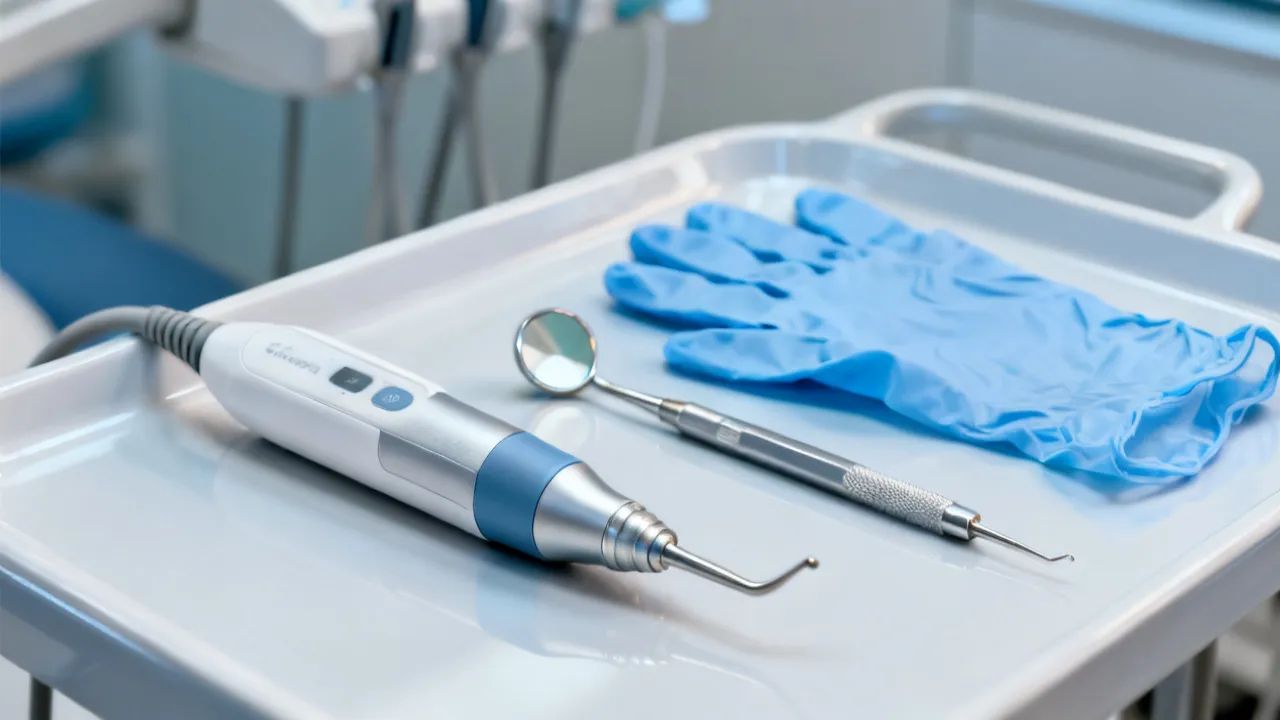
The Korean term 초음파 치석 제거기 is commonly translated as “ultrasonic tartar remover” or “ultrasonic dental scaler.” It generally refers to an instrument that uses high-frequency vibration to loosen and remove dental calculus, also called tartar, from tooth surfaces. In professional dentistry, the device is usually part of a broader oral-hygiene procedure that includes examination, periodontal assessment, scaling, polishing when appropriate, and individualized home-care advice.
The most important point is that an ultrasonic scaler is not simply a stronger toothbrush. Tartar is hardened mineralized plaque. Once plaque calcifies, ordinary brushing cannot reliably remove it. A powered scaler may help detach deposits, but correct use requires control of the instrument tip, water flow, pressure, angulation, and exposure time. It also requires an understanding of tooth anatomy, gum tissues, restorations, implants, and the patient’s medical history.
Consumer products marketed under the Korean keyword may look similar to professional instruments, but their construction, power delivery, tip geometry, water management, and safety controls can vary substantially. Some products are designed for professional dental clinics, while others are promoted for household use. These categories should not be confused. A device that vibrates effectively may still be unsuitable for unsupervised use around the gumline or on dental restorations.
From an industry expert’s perspective, the correct question is not merely whether an ultrasonic tartar remover “works.” The more useful questions are:
- What type of deposit is being treated?
- Who is operating the device?
- Does the operator understand periodontal anatomy?
- Can the device be cleaned, disinfected, or sterilized as required?
- Does the patient have implants, crowns, orthodontic appliances, exposed roots, or medical conditions that change the risk profile?
- What clinical assessment has been completed before instrumentation?
These questions place the technology in its proper context. Ultrasonic scaling can be highly useful when selected and operated appropriately, but it is not a universal solution for every discoloration, stain, sensitivity complaint, or gum problem.
How Ultrasonic Scaling Works
Ultrasonic scalers generate rapid mechanical oscillation at the working tip. The vibration helps fracture or disrupt calculus while water irrigation cools the tip and flushes away loosened debris. In some systems, the movement of water also produces small bubbles and fluid activity that can assist with debris removal. The exact effect depends on the device, insert or tip, power setting, deposit hardness, and operator technique.
Professional devices commonly fall into two broad categories: magnetostrictive and piezoelectric systems. Magnetostrictive units create tip movement through a magnetically driven stack, while piezoelectric units use ceramic elements that change shape when electrically stimulated. Their movement patterns differ, and each system requires compatible tips and a technique suited to that movement.
The working tip is not intended to be pressed forcefully against a tooth. Excessive lateral pressure may reduce the effectiveness of vibration and increase heat or discomfort. Clinicians generally use light, controlled contact with constant movement. The specific operating method depends on the manufacturer’s instructions and the treatment site.
Water irrigation is a critical component rather than a decorative feature. The tip can generate heat during operation, and adequate fluid flow helps manage temperature. If a device has poor water delivery, an obstructed line, or an incorrectly fitted reservoir, the risk of discomfort and tissue injury may increase. Some household products use a small water tank or intermittent spray, which may not provide the same fluid management as a clinical unit.
Ultrasonic scalers are primarily intended to remove calculus and deposits that cannot be removed by routine brushing. They do not repair cavities, reverse gum recession, replace missing enamel, or diagnose periodontal disease. They also do not eliminate the causes of plaque accumulation. After a deposit is removed, daily plaque control remains necessary.
Calculus, Plaque, and Surface Staining Are Different
Many purchasing decisions begin with a visual concern: a yellow or brown area near the gumline. However, visible discoloration may have several causes. Plaque is a soft bacterial biofilm that can often be disturbed with brushing and interdental cleaning. Calculus is hardened plaque that adheres more firmly to teeth. Extrinsic stains may result from coffee, tea, tobacco, certain foods, or other exposures. Intrinsic color changes originate within the tooth and are not removed by scaling.
This distinction matters because an ultrasonic tartar remover is not a general-purpose whitening instrument. It may remove some external deposits when used properly, but it cannot safely be used to scrape away all discoloration. Aggressive instrumentation against a surface that is actually sound enamel, a composite restoration, or exposed root structure can create damage without addressing the underlying concern.
| Condition or Deposit | Typical Characteristics | Role of Ultrasonic Scaling |
|---|---|---|
| Plaque | Soft, sticky biofilm that develops continuously | Usually managed through brushing and interdental cleaning; professional instrumentation may address associated deposits |
| Calculus or tartar | Hardened mineralized deposit attached to tooth surfaces | May be removed with professional scaling using appropriate instruments |
| External stain | Surface discoloration associated with dietary or environmental exposure | May be reduced during professional cleaning, depending on its type and location |
| Intrinsic discoloration | Color change within the tooth structure | Not corrected by ultrasonic scaling |
| Cavity or enamel defect | Structural damage, sensitivity, or a localized lesion | Requires dental evaluation rather than scraping or polishing alone |
Professional Clinical Use Versus Household Use
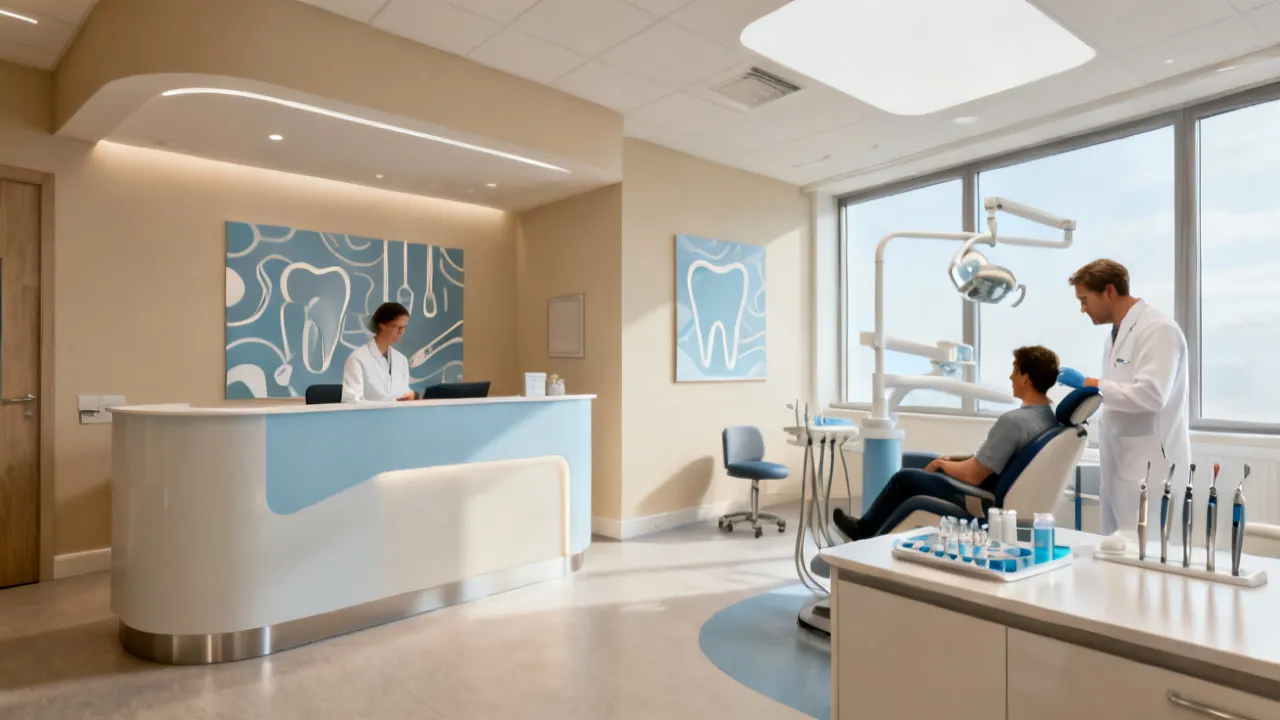
In a dental clinic, ultrasonic scaling is performed as part of a controlled process. The clinician examines the mouth, identifies calculus and inflammation, selects an appropriate tip, adjusts the power, maintains irrigation, and monitors the patient’s response. Instruments are processed according to applicable infection-control requirements, and disposable components are handled according to manufacturer guidance and local regulation.
A household device is used in a very different environment. The user may not be able to distinguish calculus from a filling margin, cement, enamel irregularity, or exposed root. Visibility is also limited, especially on the tongue-facing surfaces of the lower front teeth and the back surfaces of molars. A mirror can improve visibility but does not provide the tactile control or clinical training required for safe instrumentation.
Some retail products are marketed with terms such as “professional,” “dental-grade,” or “deep cleaning.” These descriptions should not be accepted as evidence of clinical equivalence. A professional-looking design does not confirm that a device has been evaluated for the intended use, that its output is appropriate, or that its accessories can be hygienically processed.
Consumers should review the product’s intended user, regulatory status in the relevant market, instructions, warranty, replacement-tip availability, water-system design, cleaning requirements, and contraindications. If the product documentation is vague about these points, caution is warranted.
For many people, the safer and more efficient approach is to have calculus removed by a dental professional and then focus on prevention. This is especially important for individuals with gum bleeding, periodontal pockets, dental implants, orthodontic appliances, significant sensitivity, or a history of extensive restorative treatment.
Potential Benefits of Ultrasonic Dental Scalers
When used appropriately, ultrasonic scalers offer several practical benefits in professional care.
- Efficient deposit disruption: Vibration can help break up tenacious calculus, particularly in areas where hand instrumentation alone may be slower.
- Water-assisted flushing: Irrigation helps clear loosened particles and keeps the tip cool.
- Access to selected areas: Slim tips may assist with deposits around certain tooth surfaces, although access depends on anatomy and periodontal conditions.
- Reduced operator fatigue: In clinical settings, powered instrumentation may reduce the physical effort required for some scaling tasks.
- Adaptability: Different tips and power levels allow clinicians to tailor treatment to the deposit and site.
These benefits do not mean that higher power is always better. A lower setting with correct technique may be more appropriate around delicate tissues or certain restorations. The objective is controlled deposit removal with minimal unnecessary contact, not maximum vibration.
Patient comfort also varies. Some people notice a cool spray, vibration, or a high-pitched sound. Others may experience sensitivity, particularly where roots are exposed or inflammation is present. Communication during treatment is important. The operator should be able to pause, adjust the procedure, and investigate pain rather than treating discomfort as an unavoidable part of the process.
Risks and Limitations
The risks of an ultrasonic tartar remover are influenced by the instrument, technique, duration, pressure, tip condition, water supply, and patient characteristics. Potential problems include soft-tissue irritation, sensitivity, aerosol generation, damage to restorations, and thermal discomfort if irrigation is inadequate.
Improper contact can scratch or roughen some restorative materials. Crowns, veneers, bridges, fillings, implant components, and orthodontic appliances may require special instruments or settings. The compatibility of a scaler tip with a particular material should be determined by a trained dental professional and the relevant manufacturer instructions.
Another limitation is incomplete visibility. A person using a household device may remove a small visible deposit while missing calculus below the gumline. More importantly, the visible deposit may be a sign of gingivitis or periodontitis. Removing the surface material does not automatically treat inflammation, pocketing, bone loss, or infection.
Ultrasonic instrumentation can also produce aerosols. Clinical settings manage this concern through ventilation, personal protective equipment, high-volume evacuation where indicated, instrument processing, and established infection-control procedures. Household users may not have equivalent controls. This does not mean that every use produces a serious hazard, but it does mean that hygiene and environmental conditions deserve careful consideration.
A damaged or worn tip is another concern. Tip wear can alter performance and may lead the operator to apply more pressure. Accessories should be inspected and replaced according to manufacturer instructions. Improvised tips, incompatible attachments, and devices with damaged insulation or frayed cables should not be used.
Who Should Seek Dental Advice Before Use?
Dental assessment is particularly important before any attempt to use an ultrasonic tartar remover for people with:
- Dental implants or implant-supported restorations
- Porcelain veneers, crowns, bridges, or extensive composite restorations
- Orthodontic braces or retainers
- Exposed roots, enamel erosion, or significant tooth sensitivity
- Bleeding gums, persistent swelling, pus, loose teeth, or bad breath that does not improve
- Known periodontal disease or deep periodontal pockets
- Recent oral surgery, tooth extraction, or gum treatment
- Pacemakers or other implanted electronic medical devices, where device-specific guidance is necessary
- Conditions requiring special infection-prevention planning
- Limited hand control, poor vision, or difficulty maintaining a stable operating position
The presence of a pacemaker or other implanted device should not be interpreted through generic online advice. Compatibility depends on the specific dental scaler and the medical device. The patient should provide both product details to the dentist and, where appropriate, the treating physician or device specialist.
Children and adolescents also require special consideration. Their teeth, gums, orthodontic appliances, and cooperation level differ from those of adults. A household scaler should not be used on a child merely because a deposit is visible. A pediatric dental assessment is more appropriate.
How to Evaluate a Product Before Purchase
Search results for 초음파 치석 제거기 may include clinical equipment, personal-care devices, replacement tips, and unrelated electric cleaning products. A careful evaluation should begin with product identity rather than advertising language.
1. Identify the intended user
Determine whether the product is intended for licensed dental professionals, trained operators, or household consumers. The intended-use statement should be clear. If the product description alternates between clinical and home use without defining the limits, treat that ambiguity as a significant concern.
2. Check regulatory information
Look for the applicable market authorization, registration, or conformity information. Regulatory markings do not mean a device is suitable for every person or every purpose, but missing or unverifiable information is a reason to investigate further. Claims should be checked against official regulatory databases where available.
3. Review technical specifications
Relevant specifications may include operating frequency, power range, water delivery method, foot control, tip compatibility, electrical requirements, and cleaning instructions. Specifications should be presented consistently in the manual and product listing. Unsupported claims about superior performance should not replace verifiable information.
4. Examine infection-control requirements
Find out which parts are reusable, which are disposable, and how each component must be processed. A product that cannot be adequately cleaned at the points where fluid and debris collect may be unsuitable for repeated use. Instructions should address reservoirs, handpieces, tubing, tips, and external surfaces.
5. Consider service and replacement parts
Replacement tips, seals, tubing, batteries, and chargers should be available through an identifiable supplier. A low initial price can become less attractive if essential parts are difficult to obtain. Supplier transparency, warranty terms, technical support, and return conditions are practical indicators of product reliability.
6. Assess ergonomics
The handpiece should be stable, appropriately weighted, and easy to control. Button placement, visibility, water adjustment, and cable or battery management affect safe handling. A device that is difficult to hold steadily is not improved by having a large number of power modes.
7. Review the labeling and user manual
A credible manual should explain setup, operating limits, cleaning, storage, troubleshooting, warnings, and the intended treatment area. It should identify whether tips are single-use or reusable and explain how they are attached. Instructions that consist only of promotional illustrations are not sufficient for a device that contacts oral tissues.
8. Look for realistic claims
Claims such as “removes visible deposits” or “supports professional cleaning” are more realistic than statements promising complete tartar removal, permanent whitening, or treatment of gum disease. Unrealistic claims may indicate that the seller is emphasizing sales appeal rather than safe use.
Comparison of Ultrasonic Scalers and Other Cleaning Tools
No single tool replaces all other forms of oral hygiene. Each has a different purpose, and the appropriate choice depends on whether the goal is daily plaque control, removal of external stain, or professional treatment of calculus.
| Tool | Primary Purpose | Main Strength | Important Limitation |
|---|---|---|---|
| Manual toothbrush | Daily plaque removal | Accessible and simple to control | Cannot remove established calculus |
| Powered toothbrush | Daily plaque removal | May assist consistent brushing technique | Not a substitute for professional scaling |
| Interdental brush | Cleaning between teeth | Useful where spaces permit access | Requires correct size and technique |
| Dental floss | Cleaning tight contact areas | Can reach spaces unsuitable for larger brushes | Technique-sensitive and not ideal for every interdental space |
| Water flosser | Fluid-based interdental cleaning | May be helpful for selected users and appliances | Does not mechanically remove hardened calculus |
| Hand scaler | Professional calculus removal | Provides tactile feedback to trained clinicians | Requires training and appropriate instrument processing |
| Ultrasonic scaler | Professional removal of calculus and deposits | Vibration and irrigation can improve clinical efficiency | Incorrect use may injure tissues or affect restorations |
This comparison supports a practical conclusion: daily home care should focus on plaque disruption, while established calculus should be assessed and removed through appropriate professional care. A household device does not convert a consumer into a dental clinician.
Step-by-Step Guide to a Safe Decision
The following process is designed to help readers decide whether they need a product, a dental appointment, or a change in daily hygiene. It is not a substitute for clinical instructions.
Step 1: Describe the concern accurately
Note whether the issue is a hard deposit, soft film, bleeding, sensitivity, discoloration, swelling, or pain. A photograph may help a dentist understand the concern, but it cannot replace an examination. Do not assume that every yellow area is tartar.
Step 2: Review medical and dental history
List implants, crowns, veneers, braces, recent surgery, gum disease, medications, implanted electronic devices, and conditions that affect healing or bleeding. This information can change the appropriate instrument and treatment plan.
Step 3: Arrange an oral examination when symptoms are present
Bleeding, swelling, persistent bad breath, loose teeth, recession, or pain should be assessed rather than covered up with cosmetic cleaning. A dental professional can evaluate the gums and determine whether radiographs or periodontal measurements are needed.
Step 4: Confirm the product category
If researching 초음파 치석 제거기, separate clinical ultrasonic scalers from household scraping gadgets. Read the intended-use section, not only the marketing headline. Confirm whether the product is a regulated medical device in the market where it will be used.
Step 5: Read all contraindications and warnings
Pay attention to information about implants, restorations, electronic medical devices, pregnancy-related care instructions, children, and damaged oral tissues. If a warning is unclear, contact the manufacturer or a dental professional before use.
Step 6: Evaluate hygiene and maintenance
Check whether the water path can be drained and cleaned, whether tips can be processed as required, and whether replacement components are available. Follow the manufacturer’s cleaning and storage instructions precisely.
Step 7: Choose professional treatment when uncertainty remains
If the deposit is difficult to see, located below the gumline, associated with bleeding, or close to a restoration, professional treatment is the safer choice. The cost and convenience of a device should not outweigh the risk of damaging a tooth or delaying diagnosis.
Step 8: Maintain daily plaque control after treatment
Brush twice daily using a suitable fluoride toothpaste where appropriate, clean between teeth with a method suited to the individual, and attend dental appointments according to professional advice. Prevention is more dependable than repeatedly attempting to remove hardened deposits at home.
Conditions and Requirements for Professional Use
Professional use requires more than possession of the handpiece. The operator should have appropriate education, familiarity with periodontal anatomy, and training in the specific device. The dental office should also maintain written procedures for instrument processing, waterline management, personal protective equipment, and equipment maintenance.
The clinical setting should provide suitable lighting and patient positioning. Clear visibility allows the operator to distinguish deposits from tooth structure and restorations. High-volume evacuation or another appropriate method may be used to manage water and aerosols. The patient should be informed about what the procedure involves and should have a way to signal discomfort.
The instrument tip must match the unit and the treatment objective. A tip intended for general supragingival scaling may not be suitable for a periodontal pocket, implant surface, or delicate restorative margin. Tip selection is a clinical decision, not merely a purchasing preference.
Power should be adjusted to the deposit, anatomy, and tip. Higher settings may be useful in selected circumstances, but they can also increase noise, vibration, water spray, and the possibility of discomfort. The operator should use light pressure and continuous movement rather than remaining in one location for an extended period.
After treatment, the dentist or hygienist may recommend polishing, fluoride care, desensitizing measures, interdental cleaning, or periodontal follow-up. These recommendations are part of the overall treatment, not optional accessories.
Cleaning, Disinfection, and Maintenance
Maintenance affects both performance and safety. The user should follow the exact instructions for the unit rather than relying on general assumptions about rinsing. Water reservoirs may require emptying, flushing, or drying after use. Tubing and internal pathways may have specific procedures, particularly where stagnant water could remain.
Reusable tips and instruments should be processed according to the manufacturer’s validated instructions and applicable professional standards. Surface wiping is not equivalent to cleaning and sterilization. If the instructions require heat processing, chemical processing, or a particular packaging method, the practice must have the equipment and procedures to carry this out correctly.
Household users should never share a tip or handpiece that comes into contact with oral tissues unless the product has been specifically designed for safe reprocessing and the instructions are followed completely. Even within a household, cross-contamination remains possible.
Before use, inspect the tip for deformation, cracks, corrosion, or excessive wear. Check the cable, battery compartment, water line, and housing. Unusual heat, electrical odor, unstable vibration, or inconsistent water flow are reasons to stop using the device and seek technical guidance.
Patient Comfort and Sensitivity Management
Some sensitivity during scaling may occur because calculus can cover exposed root surfaces or inflamed tissues. However, pain should not be dismissed. The clinician can modify water temperature, power, tip selection, contact, and treatment sequence. In selected cases, desensitizing products or local anesthesia may be considered by the dental professional.
Patients should tell the operator about sensitivity before treatment begins. A hand signal can be agreed upon so the procedure can stop promptly. This is particularly useful for people who are anxious, have a strong gag reflex, or have difficulty describing discomfort during instrumentation.
After professional scaling, temporary sensitivity may occur, especially where deposits had covered root surfaces. The duration and severity vary. Persistent or severe symptoms should be reported because they may indicate an unrelated dental problem rather than a normal response to cleaning.
What Ultrasonic Scaling Cannot Do
Understanding limitations prevents unrealistic expectations. An ultrasonic tartar remover cannot:
- Diagnose cavities, cracks, periodontal disease, or oral lesions
- Replace brushing and interdental cleaning
- Reverse bone loss caused by periodontal disease
- Whiten teeth in the same way as a professional bleaching procedure
- Repair damaged enamel or defective restorations
- Guarantee removal of deposits beneath the gumline
- Prevent calculus from returning without improved plaque control
- Determine whether a dark area is stain, decay, or another condition
It is also important not to interpret a smoother tooth surface as proof that oral disease has been resolved. A person may have less visible buildup while inflammation continues below the gumline. Periodontal health requires assessment of bleeding, pocket depth, attachment, tooth mobility, and other findings as appropriate.
Evidence-Based Oral Hygiene Context
Major dental and public-health organizations consistently emphasize mechanical plaque removal, fluoride use where appropriate, interdental cleaning, and regular professional assessment. The American Dental Association describes dental scaling as a professional procedure for removing plaque and calculus, while public-health guidance from organizations such as the National Health Service emphasizes regular brushing and attention to gum symptoms. Guidance may differ by country, age, risk profile, and clinical diagnosis, so patients should follow advice from their own dental team.
Industry claims should be separated from clinical evidence. Terms such as “deep clean,” “instant whitening,” or “removes all tartar” are not clinical diagnoses. When reviewing performance data, look for a clearly identified device, a defined patient population, a transparent method, and a credible source. A demonstration video or customer review may show appearance or usability, but it cannot establish clinical safety or effectiveness.
Professional recommendations should also be interpreted carefully. A device may be useful in a clinic without being appropriate for household use. Evidence concerning one ultrasonic system cannot automatically be applied to every product sold under the same general keyword.
Additional Factors That Affect Scaling Outcomes
The amount and location of calculus vary from person to person. Saliva composition, the position of salivary glands, tooth crowding, oral-hygiene habits, smoking, diet, medications, and systemic health can all influence deposit formation. Calculus often accumulates more heavily behind the lower front teeth and on the cheek-facing surfaces of upper molars because these areas are close to major salivary ducts.
Tooth position also affects access. Crowded teeth, rotated teeth, deep grooves, partially erupted wisdom teeth, and fixed orthodontic appliances create areas that are difficult to see and clean. A device may appear to remove a deposit from one part of the mouth while leaving deposits in less accessible regions. This is one reason a professional cleaning includes an assessment of the entire mouth rather than attention only to the most visible area.
Gum inflammation can alter the patient’s experience. Inflamed tissue may bleed easily and may be more sensitive to water spray or vibration. Bleeding is not necessarily caused by the instrument alone; it can indicate pre-existing inflammation. Repeatedly scraping the same area without identifying the cause may increase irritation.
Restorative history is equally relevant. A person with a natural tooth surface may require a different approach from someone with a porcelain crown, a resin restoration, an implant-supported crown, or a bonded orthodontic attachment. Material-specific care protects the longevity and appearance of dental work.
Understanding Subgingival Deposits and Periodontal Assessment
One of the most important differences between cosmetic cleaning and periodontal treatment is the location of the deposit. Supragingival calculus is visible above the gumline. Subgingival calculus is located below the gumline and may be hidden from ordinary inspection. Its presence can be detected through periodontal probing, careful instrumentation, and, when indicated, radiographic evaluation.
Subgingival disease cannot be assessed by looking at a mirror image alone. A person may have little visible tartar but still have deep periodontal pockets or attachment loss. Conversely, a prominent deposit above the gumline may coexist with relatively limited disease. The visual size of the deposit does not reliably indicate the severity of the condition.
Professional periodontal care may involve a treatment plan that includes scaling and root surface debridement, oral-hygiene instruction, monitoring, and follow-up. In advanced cases, referral to a periodontist may be appropriate. An ultrasonic scaler can be one instrument within this plan, but it is not the plan itself.
Use Around Dental Implants and Restorations
Implant maintenance deserves special attention. The surfaces of implant components and the materials used in implant restorations can differ from natural enamel and dentin. Some conventional metal tips may be unsuitable for particular implant surfaces or components. Special implant-compatible instruments may be recommended, depending on the clinical situation and manufacturer guidance.
Crowns and bridges also have margins where plaque and calculus can collect. A user may mistake the edge of a restoration for tartar and attempt to remove it mechanically. Excessive force can affect the restoration, the cement margin, or the surrounding gum. Veneers and composite restorations may be vulnerable to scratching or alteration from inappropriate instruments.
Orthodontic brackets and wires create additional retention sites for plaque. Using a hard metal tip around brackets can dislodge attachments or damage surfaces. Orthodontic patients should receive appliance-specific cleaning instructions from their dentist or orthodontist rather than improvising with a household scaler.
Why Prevention Matters More Than Repeated Removal
Calculus forms when plaque remains on a tooth and absorbs minerals from saliva. The exact speed of formation differs among individuals, but the prevention principle is consistent: reduce plaque accumulation before it mineralizes. Brushing alone may not reach every contact area, particularly when teeth are crowded or spaces are larger. Interdental brushes, floss, or water-based devices may be recommended according to the shape of the spaces and the patient’s dexterity.
A fluoride toothpaste can support protection against decay, while a soft or appropriately designed toothbrush can reduce unnecessary abrasion at the gumline. Brushing too aggressively does not remove tartar more effectively and may contribute to gum recession or tooth wear. The objective is consistent, gentle coverage of all tooth surfaces.
Dietary and lifestyle habits also influence oral health. Frequent exposure to fermentable carbohydrates can increase plaque activity, while smoking and tobacco use are associated with gum disease and staining. Dry mouth caused by medications or medical conditions may increase discomfort and deposit formation. These factors should be discussed with a dental professional when relevant.
Professional cleanings are useful because they remove deposits that home care cannot remove and provide an opportunity to identify early problems. However, the interval and need for supportive care should be based on risk rather than a fixed promise that every person needs the same schedule.
Consumer Safety Practices for Approved Home-Use Products
If a product is specifically labeled and authorized for home use, the user should still follow conservative safety practices. Read the entire manual before operating the device. Do not use it over open sores, recently treated tissue, or an area that is painful without obtaining professional advice. Use only the supplied or approved accessories, and do not modify the power system or attach sharp household objects.
Work in a well-lit area and avoid rushing. Do not operate the device while driving, walking, or attempting to reach areas that cannot be seen clearly. If the device requires water, use the type and amount specified by the manufacturer. Keep electrical components away from standing water and inspect charging equipment regularly.
Stop immediately if there is significant pain, prolonged bleeding, unusual heat, a burning sensation, a cracked tooth, a loose restoration, or damage to the gum. Do not continue simply because the product advertisement suggests that discomfort is evidence of effectiveness. A safe cleaning procedure should not rely on injury as a measure of success.
Questions to Ask a Dental Professional
A short conversation with a dentist or dental hygienist can clarify whether a device is appropriate. Useful questions include:
- Is the deposit actually calculus, or could it be stain, a restoration, or tooth damage?
- Is there evidence of gingivitis or periodontitis?
- Are there periodontal pockets or deposits below the gumline?
- Which instruments are safe around my crowns, implants, veneers, fillings, or braces?
- Could my sensitivity be caused by exposed roots, decay, cracks, or another condition?
- How often should I receive professional maintenance?
- Which toothbrush and interdental-cleaning method suits my mouth?
- Are there medical conditions or medications that affect treatment planning?
These questions shift attention from the device alone to the patient’s actual oral-health needs. In many cases, the most valuable result of a dental visit is not merely deposit removal but a clearer explanation of why the deposit formed and how to reduce recurrence.
Consumer Questions About Price and Supplier Quality
Price is often the first comparison point, but it should not be the only one. A product’s total cost may include the main unit, compatible tips, maintenance supplies, shipping, service, replacement batteries, and professional training. A lower purchase price may provide limited value if the device lacks reliable support or cannot be maintained hygienically.
Supplier quality is equally important. A responsible supplier should identify the manufacturer, intended use, warranty, technical specifications, safety information, and replacement-part policy. Product documentation should be available in a language the user can understand. Customer support should be able to answer practical questions about cleaning, compatibility, and faults rather than repeating promotional claims.
Buyers should be cautious when a listing uses medical terminology but provides no traceable manufacturer or no clear operating manual. They should also be careful with accessories described as “universal,” because tip compatibility is not guaranteed across brands or models.
For clinics, procurement should include staff training, preventive maintenance, water management, infection-control workflow, and service response time. For consumers, the more appropriate financial comparison may be the price of a professional examination and cleaning versus the potential cost of treating damage caused by improper instrumentation.
Frequently Asked Questions
Is 초음파 치석 제거기 the same as a professional dental scaler?
The term can refer generally to an ultrasonic scaler, but products sold under that keyword are not automatically equivalent to clinical equipment. Professional systems are used with trained operators, compatible tips, controlled irrigation, and established infection-control procedures. Product identity and intended use must be verified.
Can I use an ultrasonic tartar remover at home?
Some products are marketed for home use, but marketing does not eliminate the risks of incorrect contact, missed disease, damage to restorations, or inadequate cleaning. If you have visible hard deposits, gum bleeding, implants, restorations, or sensitivity, a dental examination is the safer first step.
Does ultrasonic scaling hurt?
Many patients tolerate professional scaling well, but vibration, water spray, sound, and sensitivity can occur. Discomfort may be greater around inflamed gums or exposed roots. Tell the operator immediately so technique, power, water temperature, or treatment planning can be adjusted.
Can ultrasonic scaling whiten teeth?
It may remove some external deposits or stains during professional cleaning, which can make teeth look cleaner. It does not change the internal color of teeth and should not be considered a substitute for a clinically supervised whitening procedure.
Can the device damage crowns or fillings?
Improper use or an unsuitable tip may affect certain restorative materials or margins. The risk depends on the material, instrument, power, pressure, and technique. A dentist should determine how restorations and implant components should be managed.
Is a higher power setting more effective?
Not necessarily. Effective scaling depends on tip selection, adaptation, movement, irrigation, and controlled pressure. Excessive power can increase discomfort and may raise the risk of unwanted surface or tissue effects.
Can ultrasonic scaling remove tartar below the gums?
Professional ultrasonic instruments may assist with subgingival debridement in selected cases, but access and treatment depth depend on periodontal anatomy and diagnosis. A household user should not assume that visible operation has treated disease below the gumline.
How often should I have professional scaling?
There is no single interval suitable for everyone. The schedule depends on plaque and calculus accumulation, periodontal findings, medical history, smoking status, orthodontic treatment, home care, and prior disease. Follow an interval recommended after an examination.
Can I share a household scaler with another person?
Sharing is not advisable unless the device and components are specifically designed for safe reprocessing and the manufacturer’s instructions can be followed completely. Oral-contact parts may transfer microorganisms if handled improperly.
What should I do if my gums bleed while using a device?
Stop the procedure and arrange a dental assessment, particularly if bleeding is recurrent or accompanied by swelling, pain, or persistent bad breath. Continued scraping may irritate tissue without addressing the cause.
Are ultrasonic scalers compatible with pacemakers?
Compatibility depends on the specific scaler and implanted medical device. Obtain advice based on the exact model from a dentist and, when appropriate, the physician or specialist managing the implanted device.
What is the most important feature when selecting a device?
Clear intended use, credible safety documentation, appropriate water management, compatible tips, maintenance instructions, supplier support, and suitability for the operator are more important than a large number of power modes or dramatic advertising language.
Reliable Sources and Professional Reference Points
Readers researching ultrasonic scaling should consult recognized dental and public-health organizations rather than relying solely on retail listings. Useful reference points include the American Dental Association’s patient education materials, the U.S. Food and Drug Administration’s medical-device information, the U.K. National Health Service guidance on oral health, and infection-prevention guidance issued by relevant national dental authorities.
Regulatory information should be checked in the official database for the country where the device will be purchased and used. A product’s registration status, intended use, and labeling should correspond. Clinical staff should also consult the manufacturer’s current instructions for use and the infection-control requirements applicable to their jurisdiction.
These sources do not endorse every product sold under the term 초음파 치석 제거기. Instead, they provide a framework for evaluating claims, understanding professional scaling, and recognizing when a dental examination is necessary.
Practical Decision Checklist
Before purchasing or operating an ultrasonic tartar remover, use the following checklist:
- Is the product’s intended user clearly identified?
- Is the manufacturer traceable and supported by complete documentation?
- Is the device appropriately registered or authorized for its stated market and use?
- Are compatible tips and replacement components available?
- Are cleaning, disinfection, and storage procedures explicit?
- Does the user understand the difference between plaque, calculus, stain, and tooth damage?
- Are there implants, restorations, braces, exposed roots, or electronic medical devices?
- Are bleeding, swelling, pain, mobility, or persistent bad breath present?
- Can the user maintain clear visibility and stable control?
- Would a dental examination provide a safer and more informative solution?
If several answers raise concern, professional care should take priority over device experimentation. The purpose of oral-care technology is to support appropriate treatment, not to bypass diagnosis.
Conclusion
초음파 치석 제거기 describes technology that can be valuable in professional dental scaling when its vibration, irrigation, tip, and power are used correctly. Its effectiveness is closely tied to operator skill, patient assessment, infection control, and maintenance. The same principle explains why a clinical ultrasonic scaler should not automatically be treated as a household cleaning tool.
Consumers should distinguish hardened calculus from ordinary plaque and surface stain, review medical and dental conditions, examine supplier documentation, and avoid claims that promise universal whitening or complete disease treatment. When deposits are visible, symptoms are present, or restorations and implants are involved, a dental examination is the most responsible starting point. Good daily plaque control and individualized professional care remain the foundation of long-term oral health.