Dental Plans and Low-Cost Dental Implants Guide
This guide explains how www.dentalplans.com and related resources help people compare dental implant options, understand typical cost drivers, and plan next steps. It also summarizes low-cost information sources (including dental tourism and insurance guidance), outlines practical steps to reduce implant costs, and provides country-based reference ranges for single-implant pricing.
1) Why this guide matters for dental implant planning
If you’re evaluating low-cost dental implants, the decision isn’t only about finding the lowest advertised price. It’s about aligning clinical suitability, treatment sequencing, and total out-of-pocket expectations—especially when you are comparing information from marketplaces and specialist clinics. Many people begin their search with terms like “dental plans,” “implant financing,” “affordable implants,” or “cheap implants,” only to discover that the cheapest option may not be the safest or most complete when the case requires extra steps.
This article connects that practical need to what people typically look for when searching “dental plans,” including insurer guidance, clinic transparency, and structured pathways for affordability. The goal is to help you understand what to verify before you commit, so your spending matches your actual treatment needs—not just a headline number.
You’ll see this theme repeatedly across online resources such as www.dentalplans.com, alongside educational and service websites focused on implants, affordability, and coverage. Rather than treating cost as a standalone number, the guide shows how patients can approach implant planning systematically—then compares notable online sources that discuss lower-cost implant strategies.
In other words: it’s not simply “how much is a single implant?” but “what exactly am I paying for, what’s included, what’s excluded, and how will the plan hold up if my clinical situation doesn’t match the assumptions behind a low quote?”
2) What “dental plans” usually mean in real-world decisions
In everyday use, “dental plans” can refer to three broad categories. Understanding which category you’re looking at is crucial, because each category affects what you pay, when you pay, and how you verify reimbursement.
- Dental insurance plans (managed coverage for diagnostic and treatment services, sometimes including portions of implants or related procedures).
- Discount dental programs (membership-style pricing where the patient pays negotiated rates directly to participating providers).
- Patient navigation services (tools that help you compare providers, understand documents, or evaluate coverage eligibility).
Across English-speaking and multilingual markets, the practical goal is similar: reduce uncertainty and improve predictability. Websites like www.dentalplans.com are commonly used by patients as a starting point to understand plan structures, eligibility, and next-step actions—before they contact a clinic for an individualized treatment plan.
In practice, many patients do not realize that an “implant quote” may be influenced by the type of plan you have. For example:
- If you have insurance, you might still face a substantial out-of-pocket cost for the surgical components, and you may need prior authorization for certain parts.
- If you’re using a discount program, you may get a lower price for services at participating clinics—but the clinic may still charge separately for imaging, additional surgeries, or the final restoration.
- If you’re using navigation services, you may reduce administrative confusion—yet still need a clinically accurate quote for the implant itself, the abutment, and the crown or bridge.
Because these categories work differently, “low-cost” can mean different things: lower administrative friction, lower negotiated pricing, or true reductions in clinical scope. Your job is to distinguish those meanings so you can judge whether a plan is a real affordability pathway or a marketing shortcut.
3) Key clinical context: why implant costs vary so widely
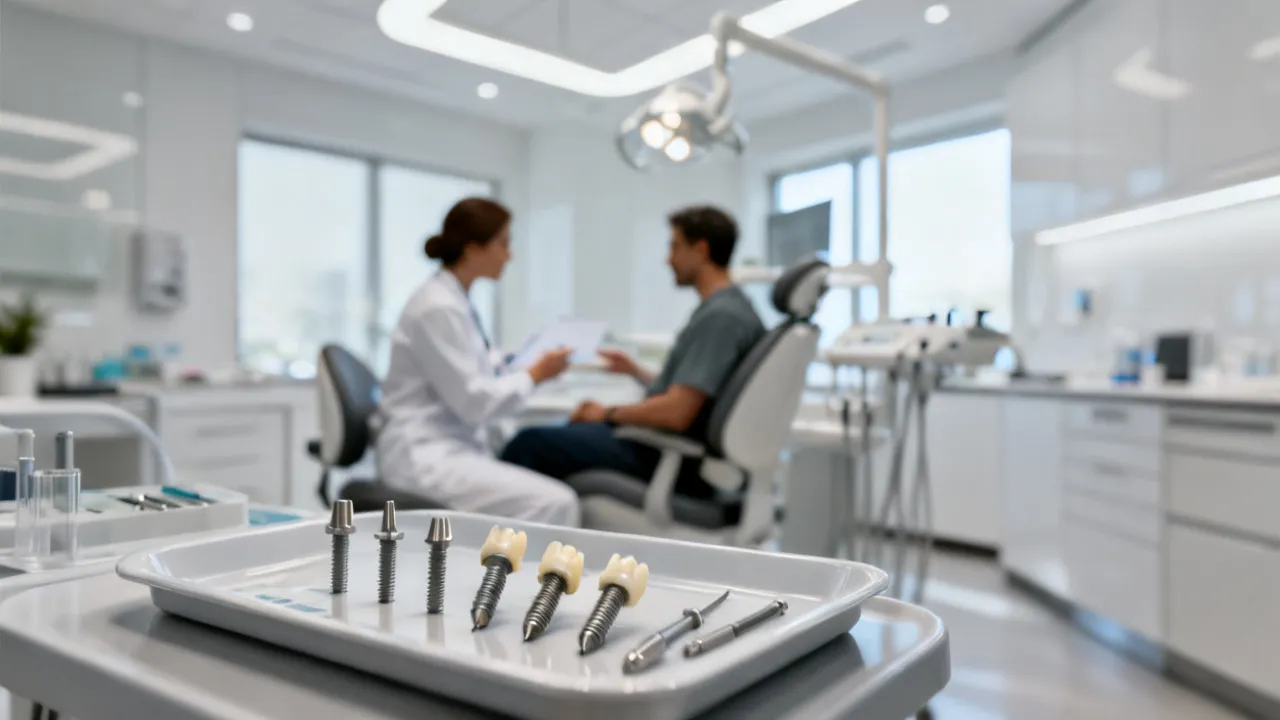
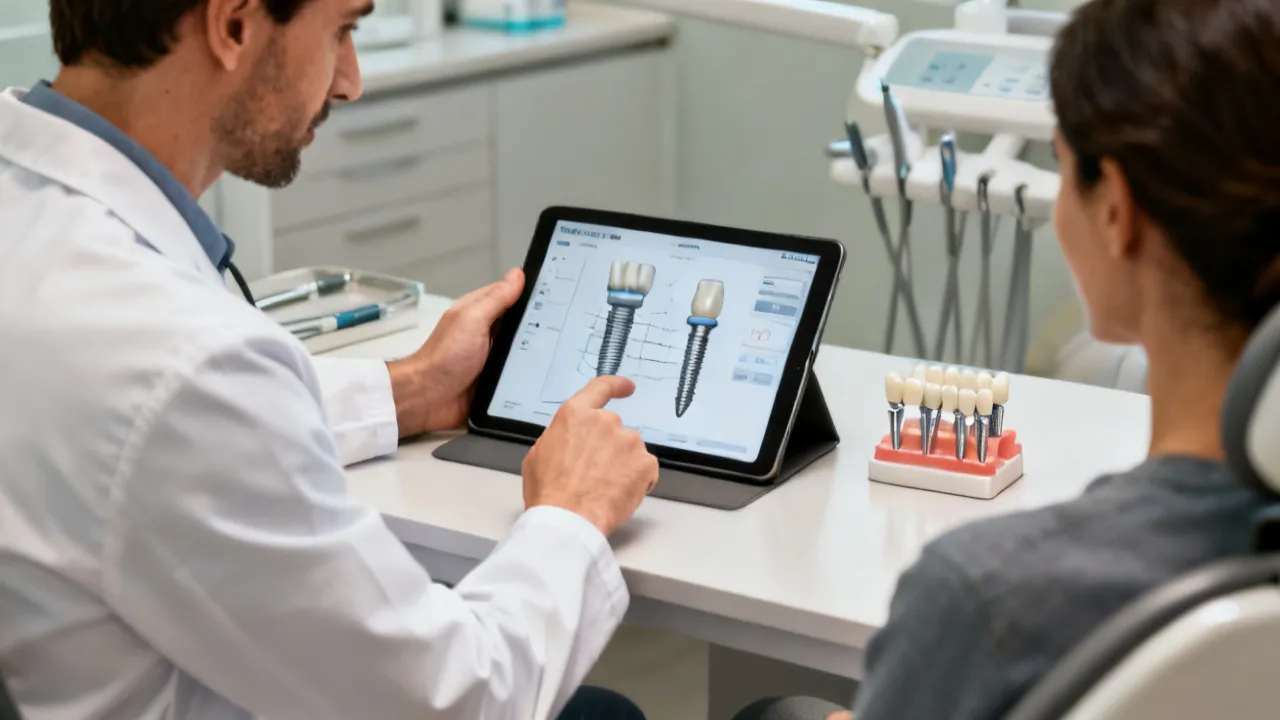
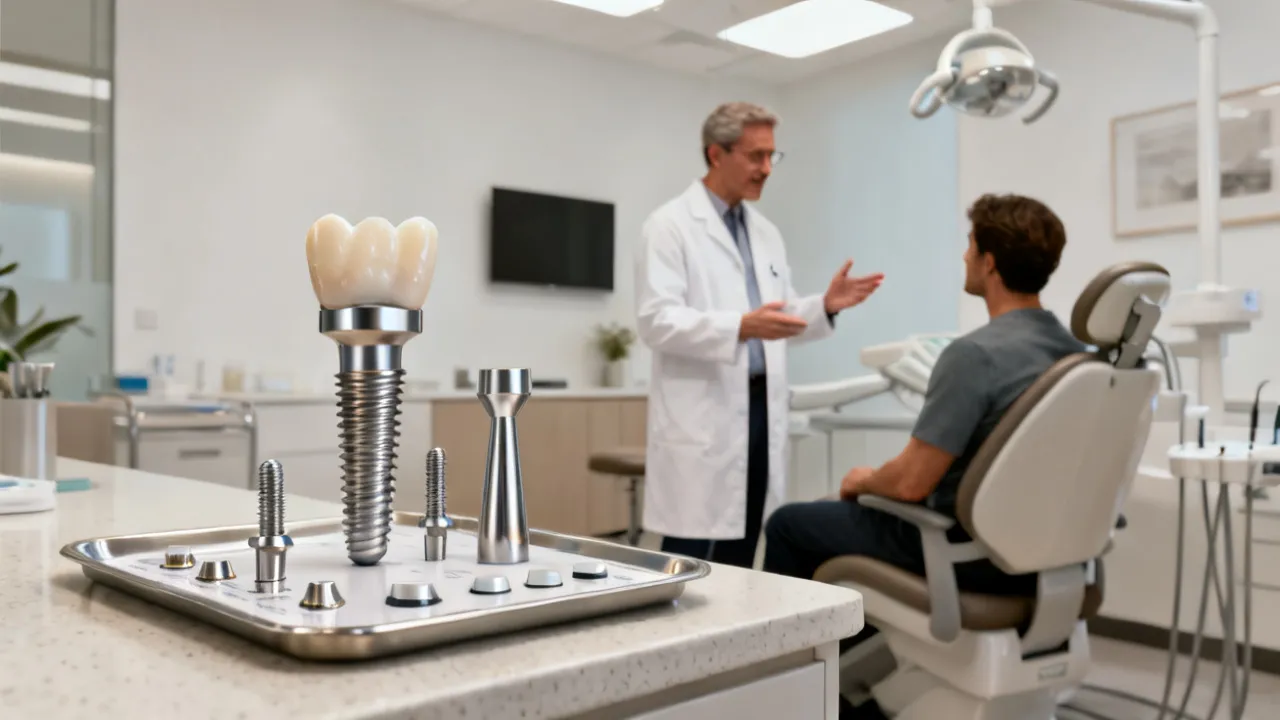
Dental implants are surgical restorations that depend on multiple variables. Even when patients compare “single implant” pricing, the total cost can shift dramatically based on clinical needs, provider protocol, and restoration design.
Dental implants are often described as a simple component (a titanium post inserted into bone), but the treatment pathway includes many supporting elements. Those elements may be priced differently across clinics, bundled into “packages,” or treated as separate line items.
When comparing low-cost dental implants, it helps to know the major drivers of price:
- Bone availability and whether grafting or additional procedures are required (for example, sinus lift or ridge augmentation in the posterior jaw or after bone loss).
- Implant system selection (brand, surface technology, design features, and how well the system fits the planned restoration).
- Restoration complexity (e.g., crown only vs. implant-supported multi-unit restorations such as bridges or full-arch restorations).
- Imaging and planning (CBCT scans, diagnostic workups, and surgical guides for precision).
- Professional fees and facility overhead (surgery center vs. clinic setting, and regional pricing norms).
- Follow-up care including checkups, prosthetic adjustments, and complication management.
Because these factors are patient-specific, professional guidance typically emphasizes individualized assessment. For example, implant-focused educational resources from major health insurance providers (including Cigna’s implant guidance) aim to explain the components of treatment so patients can ask better questions during consultations.
To make this more tangible, consider how two patients with the same missing tooth might receive different treatment pathways:
- Patient A has good bone height, healthy gums, and sufficient space for a straightforward crown on a single implant. Their total cost may align more closely with an advertised single-implant package.
- Patient B has bone loss, inflammation, or prior extraction complications. They may need grafting and prolonged healing. Their “single implant” quote may expand into a broader treatment plan that includes additional surgical steps and longer timelines.
When you compare low-cost options without understanding these variables, you may mistakenly assume the implant itself is the main cost driver. In many cases, the surrounding procedures and restoration components determine the real total expense.
4) A structured look at affordability approaches
Patients who pursue low-cost dental implants generally follow one or more strategies. Each strategy has benefits, trade-offs, and specific questions you should ask. The aim is to reduce your risk of unexpected costs or mismatch between clinical needs and the “deal” you found online.
Common affordability approaches include:
- Negotiating within a dental network or program (insurance coordination or discount plans).
- Comparing clinic packages that bundle diagnostics, surgery, and restoration (often marketed as affordability programs).
- Exploring dental tourism where treatment and travel may be combined to reduce overall spending (noting that travel introduces scheduling and risk-management considerations).
- Choosing appropriate treatment types based on clinical needs (for instance, mini implant discussions for certain cases, when clinically appropriate).
- Scheduling timing intentionally (some practices offer structured timelines designed to reduce repeat visits or streamline prosthetic appointments).
Crucially, the “lowest quote” should not be the only deciding factor. Even if a lower price appears to be clinically appropriate, you should still confirm:
- Whether key diagnostics are included (or billed separately).
- Whether you’re paying for the implant only, or for the full restoration pathway.
- Whether follow-up visits are fully included.
- What happens if your case does not follow the standard healing assumptions.
An experienced clinic should generally explain what is included, what is not, and the clinical indicators that determine whether a lower-cost approach is suitable. If a clinic cannot explain inclusion/exclusion logic clearly, that uncertainty is often part of the “hidden cost” of choosing a low quote.
5) Cross-market educational sources: low-cost implants and how information is presented
In English-speaking contexts and other language markets, online websites often play different roles. Some provide general education (what implants are, how the process works, and what typical cost components look like). Others focus on booking, clinic listings, or tourism logistics. Still others focus on insurance coverage navigation or language-specific outreach in Spanish or Portuguese.
This matters because patients interpret information differently depending on how it is presented. A site that emphasizes education may help you ask better questions, while a clinic-oriented site may help you identify services and availability. A tourism-focused site may show pricing comparisons but can underemphasize continuity-of-care risks. Insurance education pages may explain components and eligibility criteria but may not help you locate specific low-cost providers.
Below is a comparison table of websites that provide information related to low-cost dental implants. It is designed to highlight how each source frames affordability (e.g., education, insurance, or travel) so readers can choose the right kind of resource before contacting clinics.
| Website focus (low-cost-related) |
|---|
| DentalViews (Low Cost Dental Implants) — educational overview of benefits, implant process, common FAQs, and cost considerations for patients comparing affordability options. |
| Atlantic Dental Group — clinic-services oriented information (cleaning, orthodontics, implants, emergency care) that can support local planning and appointment scheduling. |
| DentaVacation — dental tourism framing: cost comparisons and travel arrangements for patients considering cross-border treatment to manage expenses. |
| American Dental Health Plans (ADHP) — insurance-plan guidance that can help patients understand coverage options, how to apply, and how insurance may reduce dental spending. |
| Rockville Dental Arts (Spanish) — Spanish-language clinic information emphasizing accessible communication and a broad services catalog including implants. |
| Union City Mini Dental Implants (Spanish) — specialized content on mini dental implants, typically relevant to particular anatomical situations and clinical criteria. |
| Cigna (Spanish implant guide) — insurer education for understanding implant treatment components and considerations from a patient-readability perspective. |
| Rubi Odonto (Portuguese) — Portuguese clinic overview describing services such as orthodontics, whitening, and implant options for local patients. |
| Odontologia Velasco (Portuguese) — Portuguese clinic profile highlighting implant and prosthetics services and use of current technologies. |
| DentalVidas (Portuguese) — dental plan oriented offering with an emphasis on networks and emergency availability, often relevant for planning and access. |
Source references used in this comparison:
When you browse such sites, a helpful mindset is to assign each site a “job”:
- Education sites: help you understand components and questions.
- Clinic sites: help you understand services, communication style, and availability.
- Insurance sites: help you interpret coverage logic and terminology.
- Tourism sites: help you understand logistical considerations and typical packages.
This division reduces the risk of misunderstanding what a price represents because you’re using each site for its intended purpose.
6) Step-by-step: how to pursue low-cost dental implants in widely spoken language markets
Below is a practical, expert-oriented pathway for obtaining low-cost implants in English-, Spanish-, and Portuguese-speaking contexts. The steps emphasize clinical appropriateness, documentation quality, and transparent budgeting—elements that often determine whether a “low-cost” plan actually stays low-cost.
Throughout the steps, you should maintain a central principle: treat any low-cost quote as a provisional estimate until diagnostics confirm your real needs. This is the difference between a “bargain” and a “budget trap.”
Step 1: Start with eligibility and treatment fit
- Request a full assessment and imaging (commonly including CBCT or equivalent diagnostics when indicated).
- Confirm whether you are a candidate for the implant approach being priced (standard implants vs. mini implants, staged protocols, or grafting needs).
- Ask whether the quote assumes a specific bone condition or whether grafting is included.
Expert note: A quote that excludes bone-related procedures can look inexpensive initially but increase substantially if additional steps are required.
To make this step more actionable, ask for:
- A written diagnosis summary in plain language (especially helpful in Spanish or Portuguese if that is your primary language).
- A description of the intended implant position and how it affects the restoration.
- Information about your periodontal health (gum stability). If you have active gum disease, implants may require stabilization before surgery.
Also consider systemic health factors that can affect implant planning and timing—such as diabetes control, smoking status, certain medications, and previous radiation therapy. Clinics that discuss these factors early are often doing better risk management, which supports long-term value.
Step 2: Identify what the “package price” includes
- Clarify components: implant placement, abutment, crown, imaging, surgical guide (if used), and follow-up.
- Ask about the “day after” and “post-op review” schedule—some costs hide in additional visits.
- Confirm replacement policy if complications occur and what is considered within warranty-like terms.
In many low-cost scenarios, patients are surprised by which items are missing. A complete affordability check typically requires itemized billing or at least a clear package breakdown. Ask questions like:
- Does the quoted price include the temporary restoration (if you need one while healing)?
- Are anesthesia and sedation included or billed separately?
- Is prescription medication (antibiotics, pain control, rinse solutions) included or not?
- Are post-op x-rays included in the follow-up?
When a clinic cannot clarify these points, you may end up paying separately for what would be expected as part of standard implant care. That is one reason why low-cost advertisements can lead to higher totals.
Step 3: Use dental plan tools to reduce friction
- If available, evaluate insurance or dental discount programs through resources such as www.dentalplans.com to compare plan structures.
- Where language support matters, prioritize providers or resources with patient-friendly explanations (e.g., Spanish or Portuguese content) so informed consent and pre-op instructions are understood clearly.
- Check whether your clinic is in-network or whether benefits can be reimbursed out-of-network.
A strong affordability strategy often includes both clinical and administrative planning. The “best deal” is not always the lowest billed amount; it may be the option that maximizes your benefits without undermining continuity of care.
To use plan tools effectively, consider preparing the following before your consultation:
- Your plan documents (or a clear screenshot of summary benefits).
- Any pre-authorization requirements for implant-related services.
- A list of questions about reimbursement timelines and which procedure codes are used.
- A checklist of items that must be itemized for insurance submissions.
Patients who take these steps often avoid delays and reduce paperwork back-and-forth. In addition, language clarity improves adherence to post-op care, which can indirectly protect your investment.
Step 4: Compare multiple clinics using the same checklist
- Prepare a short list of identical questions for each clinic.
- Request itemized estimates so you can compare “apples to apples.”
- Request documentation of materials and procedures (implant system type, expected timeline, and restoration design).
Expert note: Clinically, similar-looking plans can include different implant platforms or different prosthetic quality levels—so comparing final outcomes is safer than comparing only the headline cost.
To deepen this step, use a comparison grid. For each clinic, write down:
- Implant type (standard vs. mini), including brand/system if disclosed.
- Bone graft plan (yes/no, and which graft type if applicable).
- Imaging (CBCT or not) and whether it’s included.
- Prosthetic plan (material type: zirconia, porcelain-fused-to-metal, etc., when applicable).
- Timeline to the final crown and number of appointments.
- Follow-up commitments after surgery and during prosthetic adjustments.
- Complication and re-treatment policy (what happens if an implant fails or if the crown needs repeated remakes).
This grid reduces confusion because clinics sometimes price differently by bundling or separating services. When you compare line items consistently, low cost becomes measurable rather than assumed.
Step 5: If considering dental tourism, evaluate risk management
- Ask how complications are handled if they occur after travel.
- Confirm how records are transferred for follow-up care in your home country.
- Assess whether travel schedules match the clinical timeline (especially for staged healing and prosthetic appointments).
Resources like DentaVacation generally frame dental tourism as a cost-saving approach by combining treatment with travel logistics. A patient still needs to evaluate clinical governance and continuity of care.
Dental tourism can be appropriate for some people but introduces unique risks. To manage those risks responsibly, verify:
- Whether the clinic provides complete written documentation (diagnostics, implant details, procedure codes if applicable).
- Whether the clinic offers a defined warranty or follow-up policy for complications.
- Whether a home-country provider is willing to continue care (many will, but some will require specific documentation).
- Whether the travel timeline aligns with required healing phases.
From a practical standpoint, the most important variable is not the travel itself but whether you will have safe clinical continuity after you return home. If you lack a clear follow-up pathway, your overall risk increases.
Step 6: Plan timing and budget for “adjacent needs”
- Many implant cases require preparatory work such as tooth extraction, periodontal therapy, or temporary solutions.
- Budget for maintenance after restoration (implants still require hygiene and periodic evaluation).
Adjacent needs can include restorative adjustments, occlusion checks (bite alignment), and periodic maintenance visits. Patients often treat implants like “set and forget” appliances, but implants require long-term care to prevent complications such as peri-implantitis.
When planning a budget, consider:
- Estimated maintenance visit frequency (often every 3–6 months initially depending on gum health, then individualized).
- Potential costs for professional cleaning, periodontal maintenance, and dental imaging over time.
- Replacement cycles of prosthetic components (for example, crowns can have their own wear and replacement timeline separate from the implant).
Budgeting for long-term maintenance helps you evaluate true affordability over years—not only at the point of surgery.
7) Reference cost ranges for a single dental implant (by country)
Because implant pricing is highly dependent on case specifics, the values below are presented as reference ranges for a single implant in the requested language markets. Treat these ranges as initial budgeting signals, not as guaranteed quotes.
In addition to clinical variability, pricing differences often reflect market maturity, labor and facility costs, and the typical standard of imaging and follow-up included in “implant package” offers. Some clinics include a crown in the headline number; others quote implant placement only. That is why the same country range can still yield wide variation between clinics.
| Country | Currency | Price range (single implant) |
|---|---|---|
| United States | USD | $3,000 - $6,000 |
| United Kingdom | GBP | £2,000 - £2,500 |
| Australia | AUD | AU$3,500 - AU$6,500 |
| Canada | CAD | CA$3,000 - CA$5,500 |
| Spain | EUR | €1,500 - €2,500 |
| Chile | CLP | CLP$800,000 - CLP$1,500,000 |
| Mexico | MXN | $15,000 - $25,000 |
| Colombia | COP | $2,000,000 - $4,000,000 |
| Peru | PEN | S/ 3,000 - S/ 6,000 |
| Argentina | ARS | $80,000 - $150,000 |
| Brazil | BRL | R$3,000 - R$8,000 |
| Portugal | EUR | €1,000 - €2,000 |
| Germany | EUR | €2,000 - €3,500 |
| France | EUR | €1,500 - €2,500 |
| Italy | EUR | €1,500 - €3,000 |
| Japan | JPY | ¥300,000 - ¥700,000 |
When interpreting these ranges, ask yourself: does the clinic mean “implant placement only,” “implant plus crown,” or “implant plus crown and specific imaging”? If the estimate is not explicit, your budgeting may be inaccurate.
8) Interpreting “low cost” responsibly: what to verify before committing
From an industry-expert perspective, the very common reasons “low-cost dental implants” don’t translate into low total costs are not always obvious at first glance. They include:
- Incomplete scope: the implant may be priced, but the crown, abutment, or imaging may not be included.
- Excluded pre-surgical needs: periodontal therapy, extractions, or bone grafting can be necessary.
- Follow-up and adjustment costs: new restorations often require fine-tuning.
- Material differences: prosthetic components and materials may differ in quality or longevity.
To mitigate these risks, ask each provider for written estimates and a clear timeline. If the provider cannot explain the rationale for inclusions and exclusions, that is itself a signal. In responsible low-cost planning, transparency is a clinical and financial safeguard.
To verify responsibly, request answers to these specific points:
- What’s the total number of appointments? And are they included in the quoted cost or billed separately?
- What is the healing timeline? Specifically, when do you receive the final crown and how many prosthetic visits occur?
- What are the contingency pathways? If additional grafting is needed, will there be an updated quote? Is there a defined price difference?
- What’s the maintenance plan? Does it include follow-up x-rays and professional checkups, and for how long?
A low-cost approach is not necessarily bad; the issue arises when low cost is achieved by removing important parts of care without informing you fully. That misalignment is how patients experience surprise expenses.
9) Country-language context: how messaging and access can affect outcomes
Affordability is not only about price; it is also about comprehension and access. In Spanish- and Portuguese-speaking environments, many patients value patient-friendly communication that supports informed decisions, especially around surgery instructions and post-op care.
For instance:
- Spanish-language clinics and resources (such as Rockville Dental Arts and implant education pages from insurers) often present implant information in a way intended to be easily understood by Spanish-speaking patients, which can improve adherence to post-op guidance.
- Portuguese-focused clinics and dental plan providers (such as Rubi Odonto, Odontologia Velasco, and DentalVidas) often support local access and service navigation, reducing the “translation gap” that can otherwise lead to missed steps.
Expert note: Clear communication can reduce avoidable errors—such as delayed follow-up or incorrect medication use—indirectly protecting the overall value of an implant investment.
When comparing low-cost providers in different language contexts, consider whether the clinic explains:
- What to eat and avoid after surgery.
- How to rinse, clean, and avoid disturbing the implant site.
- Red-flag symptoms that require urgent contact (e.g., uncontrolled swelling, persistent fever, severe pain).
- Medication instructions and when to stop or continue.
A clinic that provides clear post-op instructions in the patient’s primary language is likely to improve outcomes. That doesn’t just affect comfort—it can influence long-term success and reduce the likelihood of costly retreatments.
10) Inverted-pyramid “quick take”: the very critical questions to ask first
If you take only one approach from this guide, let it be this checklist used at the earliest consultation stage. These questions help you filter out quotes that look low because important parts of care are excluded.
- Is my case suitable for the low-cost implant approach being offered?
- What is included in the price (implant, abutment, crown, imaging, surgical guide, follow-up)?
- What is not included (grafting, extractions, temporaries, additional appointments)?
- What is the timeline from surgery to final restoration?
- How are complications handled and what is the follow-up plan?
- How does a dental plan apply (in-network, out-of-network, reimbursement, or discount structures)?
If you’re using plan navigation resources such as www.dentalplans.com, you can also use these questions to guide how you interpret coverage or discount rules. A plan that reduces cost for one component but not another can still be valuable, but only if you understand where the savings truly apply.
11) FAQs about low-cost dental implants and dental plan navigation
FAQ 1: Can dental insurance cover dental implants?
Sometimes. Coverage varies widely by plan design, eligibility, and clinical necessity. Insurance may cover diagnostic work, certain dental services, or portions related to restorative components; however, implant-specific coverage is often limited or requires specific criteria. Using plan navigation tools (including resources that explain dental insurance structures, such as those associated with ADHP and similar providers) can help you understand what is likely covered. Always confirm in writing with your insurer or plan administrator.
To improve the odds of a smoother process, ask your insurer (or plan administrator) the following:
- Which procedure codes are eligible for reimbursement?
- Whether prior authorization is required.
- Whether you must use an in-network provider.
- What documentation is needed for submission (itemized invoices, diagnostic reports, x-rays).
FAQ 2: Why do low-cost implant prices differ so much between clinics?
Implant quotes often differ because they reflect case complexity, the level of imaging and surgical planning, the implant and prosthetic components used, and whether pre-surgical or follow-up care is included. A “low” price may represent only a subset of the total steps needed for successful outcomes.
Additionally, the way clinics structure their pricing matters. Some may advertise a “starting price” that applies only to specific cases. Others may bundle the final crown and necessary adjustments. To compare fairly, request an itemized estimate and ensure the scopes match.
FAQ 3: Are mini dental implants a lower-cost alternative?
Mini implants may be considered in select cases, but suitability depends on anatomy, bone condition, bite forces, and restoration requirements. A clinic specializing in mini dental implant evaluation (for example, resources such as Union City Mini Dental Implants in Spanish) typically discusses when mini implants may be clinically relevant. The “top cost” is the option that is appropriate for the patient’s clinical situation and expected longevity.
It’s also useful to discuss expectations. Mini implant solutions may be lower in cost or faster in some scenarios, but they are not automatically “better deals.” Ask about:
- Whether the mini implant is planned for a stable environment.
- How occlusion (bite) will be managed.
- What the maintenance or replacement expectations are.
FAQ 4: What should I request in a written estimate?
Request an itemized breakdown or a clear package description covering: diagnostics/imaging, implant placement, abutment and crown/restoration, temporaries (if applicable), post-op visits, and any anticipated additional procedures (such as grafting). This helps you compare quotes fairly and avoid surprise costs.
Written estimates should also include:
- A timeline for surgery and final restoration
- Clear language about optional vs. required procedures
- Details about prosthetic materials and the component brands if disclosed
- What warranty or remake policy applies to the crown/bridge
FAQ 5: Does dental tourism always reduce costs?
Dental tourism can reduce out-of-pocket expenses for some patients, but it introduces additional factors: travel scheduling, recovery time, and post-treatment continuity of care. If considering this pathway, evaluate whether follow-up complications can be managed safely and how your home providers will receive records. Educational and booking-focused websites such as DentaVacation generally explain cost-comparison concepts and logistics, but clinical suitability still must be verified.
In a responsible tourism decision, you should also consider:
- Whether you can obtain and bring complete records home (imaging reports, procedure notes, implant serial numbers when available).
- Whether you have a plan for maintenance visits after returning.
- Whether travel is compatible with the staged healing process.
FAQ 6: How can I use www.dentalplans.com effectively?
Use the site as a starting point to understand plan types and to locate coverage information. Then translate that understanding into action: confirm in-network providers, ask what documents are required for approval, and ensure you know what parts of implant treatment are included or excluded. The goal is to convert plan knowledge into a concrete plan for your consultation and budget.
To make your use more effective, treat your research like preparation for a negotiation or a submission process. Have your clinic provide documentation that matches how your plan reimburses or discounts services.
FAQ 7: What is the typical timeline for implant treatment?
Timelines vary by whether extractions, grafting, and staged healing are required. In general terms, implants require a healing period before the final crown is fitted. Many clinics provide a staged schedule, and low-cost quotes should also reflect the timeline for when you’ll receive the final restoration.
To reduce uncertainty, ask:
- When you can expect the implant to be uncovered or when the next stage occurs.
- Whether you will have a temporary restoration and how it will be managed.
- How appointments are scheduled and whether you might need to return for additional adjustments.
FAQ 8: What are the good maintenance responsibilities after placement?
Implants require ongoing hygiene and periodic evaluations, similar in importance to natural teeth. Maintenance is essential for good success. Your clinic should provide specific post-op and maintenance instructions, including cleaning tools and follow-up schedule.
Patients can protect long-term value by focusing on daily hygiene (brushing and flossing/interdental cleaning as recommended), attending maintenance appointments, and contacting the clinic quickly if symptoms develop (swelling, bleeding, persistent discomfort around the implant site).
12) Conditions and practical requirements when comparing low-cost options
When people search for “low-cost dental implants,” they often focus on price alone. In practice, cost optimization is constrained by clinical and logistical requirements. A plan is only low-cost if it stays aligned with the care required for successful outcomes.
Key constraints include:
- Clinical suitability: implant site anatomy, bone quality, periodontal status, and overall health.
- Material and restorative compatibility: the implant system must match the proposed restoration design.
- Documentation: imaging and treatment records that support informed consent and future follow-up.
- Continuity of care: particularly for tourism routes or when multiple providers are involved.
- Budget transparency: clear written inclusion/exclusion criteria for pre-op and post-op phases.
Educational sources—such as insurer implant guides (including Cigna’s Spanish-language resource) and patient-centered clinic sites—are helpful because they equip patients to ask the right questions instead of accepting vague pricing.
In addition, consider that “low cost” can sometimes come from:
- Faster appointment scheduling that reduces time off work costs.
- Discounts applied to certain components rather than the entire implant pathway.
- Bundled restoration packages that reduce repeated lab remakes when treatment planning is accurate.
However, these forms of savings only matter if the clinical planning is correct. Otherwise, a low-cost entry price may lead to repeated adjustments or restorative remakes that increase the overall total.
13) Practical conclusion: how to move from curiosity to an actionable implant plan
Low-cost dental implants are achievable for many patients, but the “top deal” is usually the one that is clinically appropriate, transparently priced, and supported by a realistic timeline and follow-up plan. Start with structured information gathering (including plan navigation resources like www.dentalplans.com), compare providers using the same inclusion checklist, and confirm how any dental plan—insurance or discount—applies to the specific procedures in your case.
Use the country reference ranges above as budgeting guardrails, then verify your actual quote through an individualized assessment. That approach helps you avoid common pitfalls where a low headline price expands once grafting, temporaries, or restorative components are added.
To turn this into an actionable plan, consider following a short workflow before you choose:
- Collect your imaging and medical history.
- Request itemized estimates from at least 2–3 clinics using the same checklist.
- Clarify what’s included in the package and what’s conditional based on diagnostics.
- Confirm your dental plan’s role (in-network status, prior authorization, reimbursement method, or discount membership terms).
- Decide based on total scope, timeline, and follow-up—not only the lowest number.
When you do this, “affordability” becomes a structured goal rather than a gamble. You gain predictability, and you protect the long-term value of the implant process.
Disclaimer
1) The above information comes from online resources, and the data is as of October 2023. 2) Dental implant prices are for reference only and may vary by region, clinic and doctor.
Reference links
[www.dentalplans.com](www.dentalplans.com)
[https://dentalviews.com/low-cost-dental-implants/](https://dentalviews.com/low-cost-dental-implants/)
[https://www.atlanticdentalgrp.com/](https://www.atlanticdentalgrp.com/)
[https://www.dentavacation.com/](https://www.dentavacation.com/)
[https://rockvilledentalarts.com/es/](https://rockvilledentalarts.com/es/)
[https://unioncityminidentalimplants.com/es/](https://unioncityminidentalimplants.com/es/)
[https://www.cigna.com/es-us/knowledge-center/guide-to-dental-implants](https://www.cigna.com/es-us/knowledge-center/guide-to-dental-implants)
[https://www.rubiodonto.com.br/](https://www.rubiodonto.com.br/)
[https://odontologiavelasco.com.br/](https://odontologiavelasco.com.br/)
[https://dentalvidas.com.br/](https://dentalvidas.com.br/)