Dentalplans.com Guide to Low-Cost Dental Implants Worldwide
This guide explains how Dentalplans.com helps consumers think through dental coverage and costs when searching for low-cost dental implants. It also contrasts implant-information sources across English-, Spanish-, and Portuguese-speaking countries, outlines practical steps to reduce out-of-pocket expense, and provides country-by-country implant cost ranges for planning.
Why low-cost dental implants planning matters now
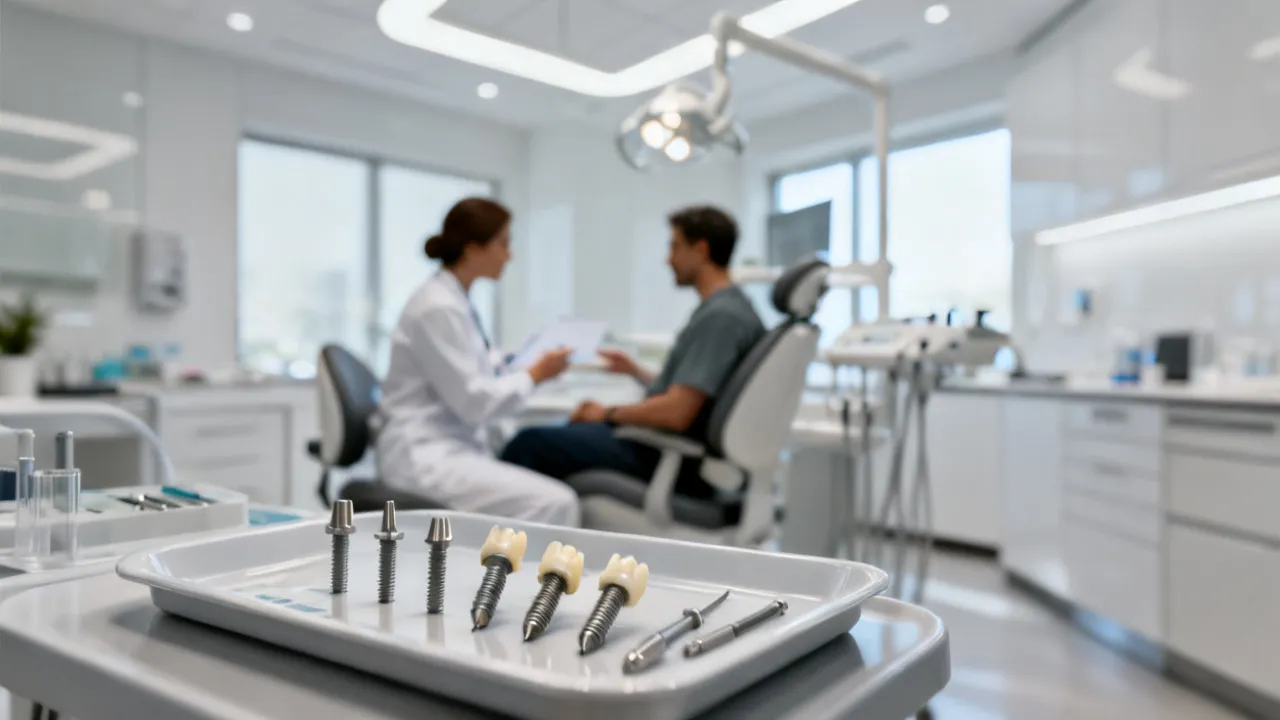
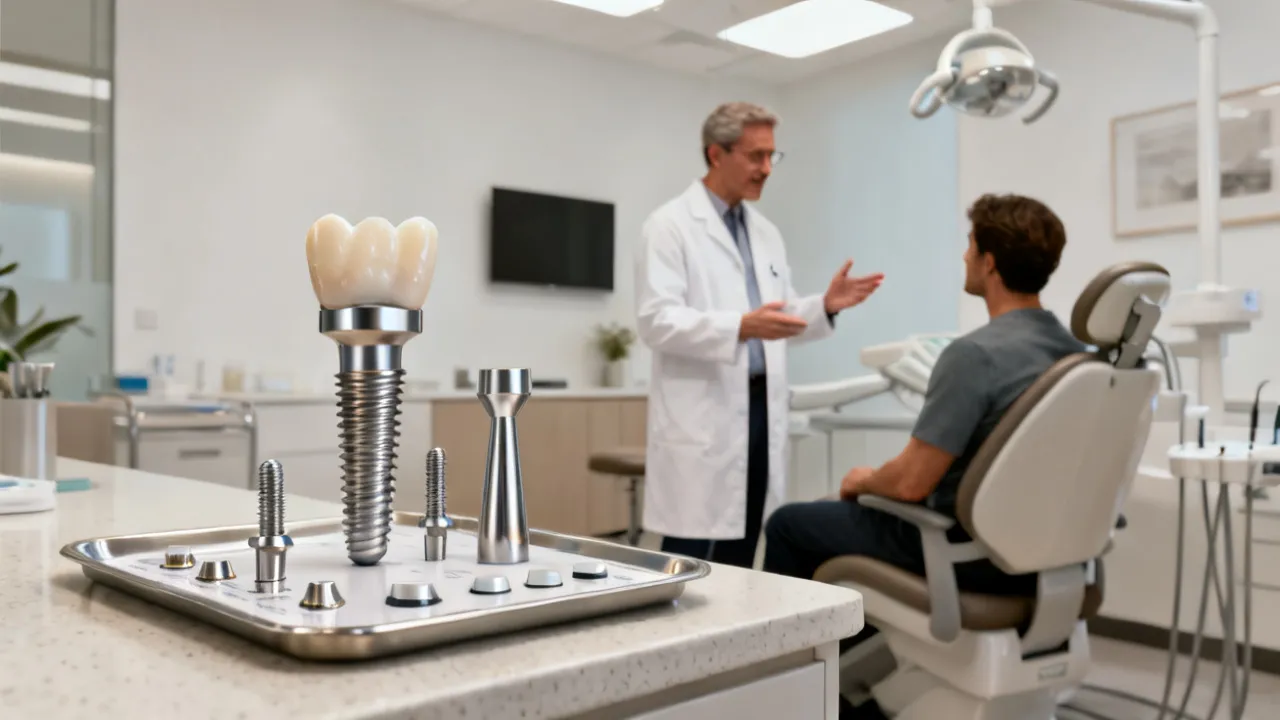
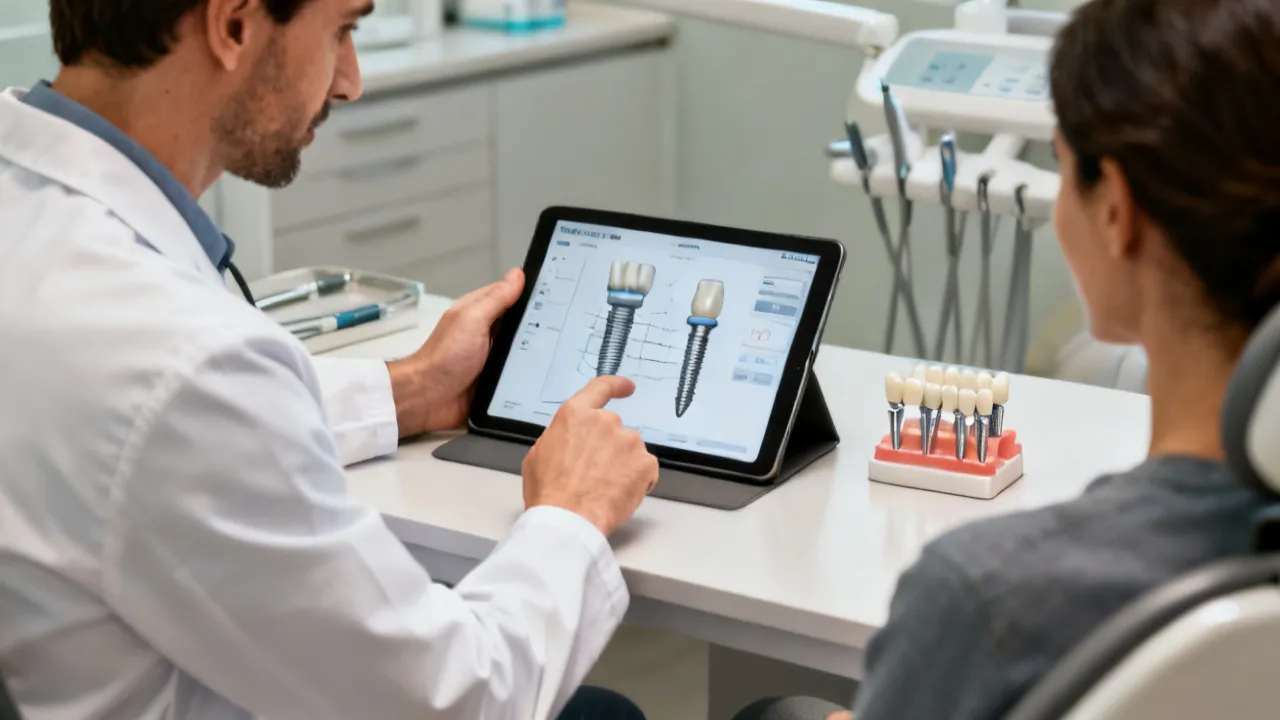
Dental implants are among the very reliable good solutions for missing teeth, but the total expense can feel unpredictable because it depends on clinical factors (bone quality, number of teeth, treatment stages) and on administrative factors (insurance rules, plan networks, and clinic pricing models). This is exactly where Dentalplans.com becomes useful for many readers: it can help you compare coverage approaches and organize what you need to ask before committing to a treatment timeline.
Below, you’ll find an objective, industry-oriented overview of how low-cost implant information is presented across multiple markets, how dental insurance and plan guidance commonly works in English-, Spanish-, and Portuguese-speaking countries, and what cost ranges can look like when planning for an implant-only case.
Quick context: what “low cost” usually means for dental implants
In very countries, “low-cost dental implants” does not typically mean a shortcut in the biological process. Instead, it usually reflects one or more of the following:
- Lower overall treatment bundle cost (for example, simplified planning for suitable candidates).
- Clinic operational pricing differences (overhead, staffing model, and equipment amortization).
- Insurance alignment (where the plan covers some portion of restorative care or follow-up visits, even if implant components are treated differently).
- Staged or hybrid workflows (e.g., separating consultation, imaging, and surgical steps across appointments).
- Dental tourism or cross-border purchasing (for readers who compare prices internationally and evaluate travel logistics).
Because each pathway affects risk, eligibility, and the final clinical outcome, careful preparation is essential. Treat “low cost” as a starting point for structured evaluation, not as a proxy for quality.
It’s also worth noting a common misconception: many people see a headline “implant price” and assume the number includes the entire implant experience. In reality, implant care usually has multiple cost centers—diagnostic imaging, the surgical procedure, the abutment, the final crown/bridge, and often maintenance visits. When “low cost” only applies to one portion, your overall out-of-pocket total may not be as low as expected.
What Dentalplans.com typically helps with (and what it doesn’t)
Dentalplans.com is commonly used by consumers to explore dental plan options and understand how coverage can reduce out-of-pocket spending. From an expert standpoint, the very practical value is often organizational:
- Clarifying coverage categories: Many dental plans distinguish between routine care, diagnostics, and major services.
- Network planning: If a plan uses a provider network, staying in-network can change your final cost profile.
- Budget forecasting: Even when an implant itself is only partially covered (or not covered), visits, exams, imaging, and certain restorative steps may still be impacted by plan rules.
- Decision support through comparisons: Readers often compare plan structures rather than comparing implant clinics on a single number.
However, insurance guidance cannot replace a clinical assessment. A dentist or oral surgeon must evaluate bone volume, periodontal health, and the restorative plan. Your final implant outcome hinges on clinical suitability—not just pricing or coverage marketing.
In addition, plan guidance is not the same as treatment planning. Some readers mistakenly treat plan eligibility checks as a substitute for clinical diagnostics. Even if you have coverage, you may still require additional procedures (for example, bone grafting or periodontal stabilization) that are determined after imaging and clinical examination.
Finally, coverage language matters. Dental plans may define implant-related services in ways that don’t map cleanly to what you need clinically. For example, a plan might cover “prosthetics” but exclude “implants,” or it might cover diagnostics broadly while limiting major restorative services. That difference can be meaningful for budgeting.
Low-cost implant information across markets: what websites tend to emphasize
Across English-, Spanish-, and Portuguese-speaking countries, websites focused on affordability and dental implants usually emphasize similar themes: procedural explanations, patient education content, and cost transparency frameworks. Still, they may differ in emphasis—some focus on clinical pathways and FAQs, while others focus on tourism planning or insurance education.
When you read implant affordability pages, look for the presence (or absence) of details that support accountability. Websites that merely promote a low price without clarifying scope, eligibility, and follow-up obligations can increase the chance of confusion later. Conversely, websites that discuss diagnostics, eligibility criteria, and what’s included in the offer usually help consumers ask better questions.
| Website (topic focus) | What you can learn from it | Typical relevance to “low-cost” decisions |
|---|---|---|
| dentalviews.com (low-cost implant education) | Implant types, general benefits, and cost discussions | Helps you build question lists for clinics and compare treatment routes |
| atlanticdentalgrp.com (clinic service range) | Service categories like cleaning, orthodontics, implants, and scheduling | Useful for understanding what a full-service clinic typically includes during planning |
| dentavacation.com (dental tourism) | Cross-border treatment planning, comparisons, and logistics | Useful if you consider international options to manage costs and time |
| rockvilledentalarts.com (insurance-adjacent education in Spanish) | Educational implant guidance adapted for Spanish readers | Supports informed discussions with Spanish-speaking providers |
| rubiodonto.com.br (Brazil clinic services) | Local clinic offerings such as orthodontics, whitening, and implants | Useful for mapping local pathways in Brazil’s clinic landscape |
| dentalvidas.com.br (plans model in Portuguese) | Plan-oriented approach, network concept, and urgent care availability | Highlights how plan structures can influence costs beyond surgery alone |
source: [www.dentalviews.com](www.dentalviews.com) [www.atlanticdentalgrp.com](www.atlanticdentalgrp.com) [www.dentavacation.com](www.dentavacation.com) [rockvilledentalarts.com](rockvilledentalarts.com) [www.rubiodonto.com.br](www.rubiodonto.com.br) [dentalvidas.com.br](dentalvidas.com.br)
Step-by-step: how to get low-cost dental implants in English-, Spanish-, and Portuguese-speaking countries
Below is a practical process that fits multiple healthcare systems. It is written for consumers who want to manage both clinical risk and budget risk. Local regulations vary, so treat this as a structured checklist you tailor with a licensed professional.
Step 1: Confirm your candidacy through diagnostics (not just price quotes)
Ask for more than “the implant cost.” You want the clinical data that supports whether a low-cost pathway is appropriate. Many low-cost offers are only low-cost because they are designed for patients with favorable conditions—adequate bone, stable gums, and a restorative plan that doesn’t require additional complexity.
- Ask for CBCT imaging or equivalent 3D imaging where appropriate.
- Request an assessment of bone volume and whether you may need bone augmentation.
- Have a dentist evaluate periodontal health (gum disease can change success rates).
To further reduce surprises, consider asking for a written “diagnostic summary” after your exam. Many clinics can document key measurements or observations—such as bone height estimates, proximity to anatomical structures (like the sinus floor or inferior alveolar nerve), and the status of neighboring teeth. Even if your clinic uses different terminology, a written summary improves continuity if you get second opinions.
Also be realistic about healing constraints. If you have untreated periodontal disease, or if you still have active tooth decay, an implant plan may not be eligible yet. In many cases, initial periodontal treatment or tooth extraction and infection control must happen first. That may not be “implant-only,” but it can be essential to making the implant portion low-risk.
Step 2: Separate “implant surgery” from “restorative finalization”
Many budget comparisons fail because they compare different scopes. In practice, “implant cost” may or may not include:
- Implant placement surgery
- Abutments
- Final crowns/bridges/dentures
- Imaging, exams, and lab fees
- Prosthetic adjustments over healing
When you request quotes, ask for a scope-of-work breakdown to compare like-for-like. This is also where plan-based guidance (including resources associated with Dentalplans.com) can help you understand what may be included under certain plan categories.
A practical budgeting technique is to ask for two separate estimates: (1) the surgical phase and (2) the prosthetic phase. If the clinic only provides a single blended number, request how each phase is priced. This makes it easier to see what insurance might touch (often diagnostics and certain restorative visits) and what is likely out-of-pocket.
When you evaluate “low-cost implant packages,” also ask what happens if the plan changes. For example, if imaging shows you need a bone graft, will they provide a revised quote without penalty? Are the lab fees for a crown included in the low-cost number, or will those be priced later?
Step 3: Use insurance and plan strategy to reduce the out-of-pocket total
In many markets, insurance does not always treat implants as a routine covered service. Still, plans frequently reduce related expenses such as:
- Exams and diagnostics
- Some restorative visits depending on plan wording
- Preventive maintenance that supports good implant stability
Practical approach:
- Call the plan provider or use an official plan resource to confirm coverage categories.
- Ask whether your clinic is in-network.
- Request an explanation of benefits (EOB) style breakdown when possible.
Coverage strategy should be proactive. Rather than waiting until you have a treatment plan in hand and then asking “does it cover implants,” ask what the plan covers for the procedure codes that typically map to implant care (diagnostics, surgery, crowns/bridges, follow-up care). Even without knowing the exact codes ahead of time, plan representatives can often explain coverage in a general way (for example, “implant placement is excluded, but major prosthetics are covered at 50%”).
Also check waiting periods. Many plans have waiting periods for major services or prosthetics, meaning you may need to budget a timeline accordingly. If your clinic is offering low-cost implants, confirm whether the low cost assumes immediate scheduling or whether there are delays.
Another overlooked issue is the difference between dental insurance coverage and flexible spending arrangements. Some readers are able to use certain benefits (depending on their country/employer) for specific categories of dental treatment. While the structure differs widely, asking the plan administrator or employer benefits manager can sometimes reduce the cash burden. The goal is not to “game” coverage but to understand the rules so you can plan.
Step 4: Seek “quality signals” beyond the headline number
Low-cost can exist alongside high quality, but you must verify process indicators. Consider requesting:
- Surgeon/oral surgeon credentials
- System information for implant components
- Planned follow-up schedule
- Expected healing timeline for your specific case
If a clinic cannot explain the plan clearly, that is often a higher-risk signal than a slightly higher price.
Quality signals are not only about the implant brand or the surgeon’s résumé. They also include sterile protocol, documentation quality, and responsiveness to complications. For example, ask how they handle:
- Peri-implantitis risk (maintenance frequency, cleaning approach, and what tools they recommend)
- Unexpected healing delays (what happens if osseointegration is slower than expected)
- Prosthetic complications (screw loosening, crown fit issues, or occlusal adjustments)
Even if you’re paying less, you should still expect clear follow-up plans. A low-cost offer should still include a realistic post-op schedule and instructions. If it doesn’t, the “savings” may be temporary and could cost more later.
From a technical standpoint, ask whether they use guided surgery or other planning tools when appropriate. Guided surgery can improve accuracy for certain cases, though it is not mandatory for every situation. The key is understanding why their approach is suitable for your anatomy.
Step 5: Compare clinics using structured questions (create a scoring rubric)
To reduce decision fatigue across multiple locations, use the same question set for each clinic. Example rubric categories:
- Clinical evaluation quality (imaging, bone plan, periodontal plan)
- Transparency (itemized costs, what’s included)
- Restorative plan credibility (bite, occlusion, tooth position goals)
- Follow-up clarity (maintenance plan, complication pathway)
This approach helps you avoid “apples-to-oranges” pricing.
To make this rubric even more practical, add numeric scoring. For example, assign 1–5 points to each category and require a minimum threshold (like “no less than 4 points for transparency” before you consider signing). Low-cost implants are often decided quickly by consumers, but a scoring rubric forces consistent evaluation.
Here is a more detailed set of structured questions you can copy into your notes:
- Diagnostics: What imaging will you use (2D vs 3D)? What measurements will you assess?
- Eligibility: Am I a candidate for the low-cost pathway as-is, or will I likely need grafting/periodontal stabilization?
- Implant placement: What system or components are used? Are there warranties or guarantees on components?
- Prosthetic phase: What type of crown/bridge (materials)? When will you fabricate the final restoration?
- Time and appointments: How many visits, and what happens if appointments shift due to healing?
- Aftercare: What instructions do you provide? Who do I contact if pain/swelling persists beyond a normal window?
- Maintenance: How often should I return for cleanings? Do you schedule peri-implant maintenance?
- Adjustments: Is occlusal adjustment included after the crown is placed?
- Complications: What is your management plan if integration fails or if bone loss occurs?
If a clinic struggles to answer these questions, that’s not automatically a “no,” but it should lower your confidence in the low-cost offer’s completeness.
Step 6: If considering dental tourism, treat it as project management
Some consumers consider dental tourism to lower costs by comparing international pricing and arranging travel. If you take this route, your budget should include:
- Travel and accommodation
- Time off work
- Post-procedure follow-up plan after returning home
- Documented aftercare instructions
- Clear contingency steps if adjustments or complications are needed
Dental tourism can reduce expenses for some people, but it adds complexity. For many readers, pairing plan education (for example, using resources like Dentalplans.com) with a disciplined clinical verification process is a safer strategy than choosing purely on price.
To reduce the chance of miscommunication across borders, require copies of key documents. Ask the clinic to provide:
- Baseline imaging files (CBCT DICOM files if available, or equivalent reports)
- A written treatment plan and timeline
- Details of the implant system used (models, serial numbers if possible)
- Procedure notes and post-op care instructions
- Scheduled follow-ups and who is responsible for them
In addition, clarify warranty coverage across locations. Some warranties are honored only in the country of placement or only through the original clinic. If you plan to return home, ask whether your home dentist will be able to perform maintenance and adjustments on the specific implant system.
Also account for regulatory differences. Some cross-border offers may be less transparent about who will perform surgery (surgeon vs supervised provider) or about the sterile protocols and facility standards. You don’t need to “assume worst case,” but you should verify to protect your long-term outcomes.
Step 7: Confirm written requirements before you proceed
Very reputable clinics will require standard pre-operative preparation. Common requirements include:
- Updated dental and medical history
- Blood pressure or medical clearance where indicated
- Smoking status discussion (and cessation recommendations where appropriate)
- Oral hygiene regimen prior to surgery
- Medication review
One key planning step is to schedule and complete any pre-op periodontal therapy before your implant date if indicated. Many implant failures (in hindsight) can be traced to unresolved gum inflammation or uncontrolled risk factors. If you’re shopping for low cost, it can be tempting to skip early stabilization, but that can increase the likelihood that you’ll pay more later for remediation.
Ask what baseline dental hygiene expectations are. For instance, will you need a deep cleaning prior to surgery? Will they assess for active bleeding on probing? What toothpaste or mouth rinses do they recommend? Even small differences in the pre-op regimen can influence healing quality.
Also clarify antibiotic and pain management plans if appropriate. Not every case needs the same regimen, but you should receive a clear written plan for what you take, when you take it, and what side effects are expected versus red flags that require urgent contact.
Cost ranges for implant-only budgeting in English-, Spanish-, and Portuguese-speaking countries
The ranges below are intended for planning purposes for individual dental implants only. Final costs depend heavily on diagnostics and scope. Use these figures to frame your first budgeting conversation, then replace them with an itemized quote.
| Country | Currency | Price range (implant only) |
|---|---|---|
| United States | USD | $3,000 - $6,000 |
| United Kingdom | GBP | £2,000 - £2,500 |
| Australia | AUD | AU$3,500 - AU$6,500 |
| Canada | CAD | CA$3,000 - CA$5,500 |
| Spain | EUR | €1,500 - €2,500 |
| Chile | CLP | CLP$800,000 - CLP$1,500,000 |
| Mexico | MXN | $15,000 - $25,000 |
| Colombia | COP | $2,000,000 - $4,000,000 |
| Peru | PEN | S/ 3,000 - S/ 6,000 |
| Argentina | ARS | $80,000 - $150,000 |
| Brazil | BRL | R$3,000 - R$8,000 |
| Portugal | EUR | €1,000 - €2,000 |
It’s useful to interpret these numbers carefully. An “implant-only” cost can still include different degrees of what consumers often expect. For budgeting, it helps to define your own “all-in” number: the implant surgery plus imaging plus abutment plus the final crown (or bridge). If the clinic price is “implant-only,” the difference between that and your true all-in number can be large. The more you can translate each quote into your own all-in definition, the less likely you’ll encounter confusion later.
Also consider exchange rates and inflation when comparing across countries. A low-cost offer from abroad can look appealing, but currency fluctuations and additional fees (consultations, extra scans, or shipping of prosthetics lab work) may change the effective total.
Expert conditions and requirements to expect before scheduling
When clinics price “low-cost” implant pathways, they typically do so under eligibility conditions. While policies vary, the following considerations are widely common across markets:
- Sufficient bone support: If you need significant grafting, costs may increase.
- Oral hygiene readiness: Active gum disease can require stabilization first.
- Medical considerations: Certain systemic conditions can affect healing; your clinician will review your medical history.
- Restorative complexity: Single-tooth implants generally differ from multi-tooth reconstructions.
- Follow-up commitments: Post-op care and monitoring are crucial; skipping follow-ups can raise complications risk.
To make those categories more concrete for real-life planning, consider how each factor can affect your timeline and expenses:
- Bone quality and quantity: If you have reduced bone height or width, a low-cost offer may not apply. Even if a clinic can still place an implant, they may recommend additional staged procedures, which adds appointment costs.
- Soft tissue and aesthetic zone: For front teeth, soft tissue shape and aesthetics become more important. Low-cost offers might assume a less aesthetic-critical area or a simplified restorative approach.
- Opposing bite condition: If your bite is unstable or if you have significant wear, you may need additional bite adjustment or a restorative design strategy. That changes prosthetic cost.
- Risk factors: Smoking, uncontrolled diabetes, or certain medications may change healing expectations. Even if price is low, success depends on risk management.
- Oral hygiene and compliance: Implant success is not only surgical; it depends on daily and professional maintenance. Clinics may require proof of hygiene practices before proceeding.
When you ask about low cost, ask also about what you must do to keep the cost low. For example: “If I need grafting, does the price change? If I need periodontal therapy, does that shift my surgical appointment?” The answers determine whether your low-cost plan is truly reachable.
FAQs about low-cost dental implants and plan guidance
1) Are low-cost dental implants safe?
Safety depends on clinical suitability, implant system selection, surgical technique, sterile protocol, and aftercare—not solely on price. “Low cost” can be legitimate if the treatment scope is appropriate for your anatomy and the clinic maintains rigorous clinical standards.
In practical terms, “safe” is measurable. Ask whether the clinic uses documented diagnostic criteria, whether it follows standard sterile and procedural protocols, and whether it provides a clear aftercare schedule. A safe low-cost pathway is usually a pathway that is narrow in indications (only certain patients), not a pathway that compromises fundamental care.
2) Does Dentalplans.com cover dental implants?
Dentalplans.com is generally associated with helping consumers compare dental plan options. Coverage varies by plan and policy wording. Many plans treat implants differently than preventive services, so you should confirm what your plan covers for diagnostics, restorative work, and follow-ups.
Because plan structures vary widely, it’s best to use resources like Dentalplans.com to understand the plan categories and then verify coverage details directly with the plan provider. Think of it as a two-step process: (1) understand your options, then (2) confirm your specific procedure coverage.
3) Why do quotes for the same implant vary so much?
Implant quotes can differ because of item scope (implant placement vs. crown/bridge), imaging requirements, lab work, bone graft need, anesthesia approach, and clinic overhead. Ask for itemized estimates to ensure you’re comparing equivalent packages.
Also consider the difference between “advertised” and “final” pricing. Some clinics advertise a starting price for eligible patients. If you don’t meet eligibility criteria (for example, you require additional procedures), you may receive a revised quote. That’s normal in healthcare but frustrating for consumers who assume the headline number is guaranteed.
Finally, differences in prosthetic material selection can drive price variation. Some clinics include higher-end materials in the low-cost plan while others price them separately. Without an itemized breakdown, it can look like two offers are the same when they aren’t.
4) What’s the top way to ask about “implant-only” pricing?
Ask the clinic to itemize: surgical placement fee, implant component cost (if disclosed), abutment cost, imaging and exam fees, and the final restoration (crown/bridge). If they provide a “starting at” price, request a full breakdown based on your scans.
To make your comparison even more accurate, ask for the timeline assumptions. Some “implant-only” prices might assume a delayed approach (two-stage healing) while others may offer an immediate approach (subject to eligibility). The timeline difference can affect costs for temporary restorations and follow-up visits.
5) Is dental tourism a good option for reducing implant costs?
It can be financially attractive for some patients, but it adds complexity to continuity of care. If you pursue it, prioritize written treatment plans, documented aftercare instructions, and a realistic follow-up path after you return home.
Dental tourism can also affect your ability to quickly address complications. If your home region dentist can’t readily support the implant system used abroad, you might face additional travel or fees. Before traveling, confirm who will manage follow-ups and which records will be provided.
6) How can I lower implant costs without compromising quality?
Use insurance plan strategy for eligible visits, compare clinics with structured questions, ensure full diagnostic workups, and request itemized quotes. Then choose based on clinical fit and transparency, not only on the lowest number.
A helpful principle is to identify what you’re actually “buying.” If the low-cost provider cannot show you what’s included, the cost reduction might reflect missing components rather than true efficiency. Efficiency in healthcare should still be explained—patients deserve clarity.
7) What if my bone isn’t sufficient for a standard implant?
Many patients require additional procedures such as bone augmentation. This can increase cost and alter the timeline. Your clinician should provide options, expected healing periods, and success-risk considerations for your specific case.
For budgeting, ask whether augmentation is included in the low-cost number or priced separately. A common surprise is that “implant-only” pricing excludes graft materials, membranes, fixation screws, or additional surgical time. If the clinic offers a staged package, request the total cost for both stages.
Also ask about alternative approaches. In some cases, clinicians may discuss different implant types or placement strategies that may reduce the need for extensive grafting. Not every option fits every anatomy, but the availability of options affects your cost range.
8) How do I verify a clinic’s professionalism during price negotiations?
Look for clear communication: written consent processes, explained imaging, sterile protocol adherence, and a follow-up schedule. Professional clinics should be able to describe complications management and maintenance plans.
Professional clinics also typically provide documentation you can take with you. That includes diagnostic imaging reports, treatment plan documents, and aftercare instructions. If a clinic is reluctant to provide written information, that can be a red flag—even if the price seems attractive.
9) Can insurance help if implants are considered a “major service” or excluded?
Even if implants themselves are excluded, insurance can still reduce some associated costs depending on policy terms. Many consumers reduce spending by ensuring coverage for diagnostics, preventive maintenance, and specific restorative services when applicable.
Insurance may also cover interim steps. For example, some plans cover extractions, periodontal treatment, or x-rays. Even if implant placement is excluded, covered related services can reduce the overall burden.
However, be careful: some policies exclude “anything related to implantology” beyond diagnostics. That’s why you should ask your plan representative for a clear statement about related procedures. Get it in writing if possible.
10) What maintenance should I plan for after receiving implants?
Implant longevity is strongly tied to good oral hygiene and professional maintenance. Plan for routine checkups and cleaning, and follow personalized guidance for peri-implant health.
Maintenance is not simply “regular dental cleanings.” Peri-implant tissues require attention, and your clinician may recommend specific monitoring intervals, cleaning techniques, and home care tools. Ask about:
- How often you should return for professional maintenance
- Whether they monitor probing depths around implants
- What cleaning methods they use for implant surfaces
- What symptoms should prompt an earlier visit
If you neglect maintenance, implant complications can increase. While that is a general statement, it’s especially important when you’ve paid for a low-cost implant pathway; it becomes even more crucial to follow the care plan that protects the investment.
Putting it all together: an objective decision framework
If you’re considering low-cost dental implants, treat the decision as a two-layer problem:
- Budget layer: Understand your plan rules (including how resources like Dentalplans.com can help you structure coverage comparisons), ask for itemized quotes, and confirm what’s included.
- Clinical layer: Validate candidacy with appropriate diagnostics and ensure the restorative plan matches your bite and good maintenance needs.
In practice, patients who succeed in reducing out-of-pocket spending usually do so by combining education (what to ask), structured comparison (itemized scope), and verification (credentials and diagnostics). That approach supports both financial control and clinical safety.
To make this even more actionable, consider building your own “decision file.” Include: your diagnostic imaging report(s), the clinic’s written treatment plan, the itemized quote for surgical and prosthetic phases, insurance plan documents showing coverage rules, and your maintenance schedule. If you pursue second opinions, having a consistent decision file makes comparison easier and prevents repeated imaging or conflicting plans.
Also remember that low cost can sometimes mean lower cost over time rather than immediately. A clinic might charge slightly more upfront but include prosthetic adjustments, maintenance visits, or a structured follow-up that reduces long-term rework. When you compare options, include the likely number of visits and the expected maintenance costs in your personal budget.
Scenario planning: turning the checklist into realistic expectations
Because low-cost implant decisions depend on patient-specific variables, it helps to think in scenarios. Below are common scenarios consumers encounter and how to plan for them more accurately.
Scenario A: You’re a straightforward single-tooth candidate
If you have good bone volume and stable gums, a low-cost implant offer is more likely to remain low-cost. Your quotes should be easier to compare if you ask for the full scope: implant placement plus abutment plus crown. In this scenario, your main risks are:
- Misunderstanding whether the quote includes the crown
- Not clarifying what follow-up visits are included
- Assuming insurance covers implants without confirming diagnostics and restorative components
How to reduce risk: request a complete itemized list and a timeline with appointment counts. Confirm which parts are included in the low-cost package and which are separate.
Scenario B: You need minor bone support adjustments
If you require a small graft or minor augmentation, the cost can increase—but not necessarily dramatically. Still, the clinic should explain whether grafting is likely and whether it’s included in the “low-cost” pathway.
- Ask whether grafting is included in the baseline price or priced separately.
- Confirm the healing timeline and whether additional interim visits are expected.
- Ask if temporary restorations are included.
How to reduce risk: treat “implant-only” prices as provisional. Use your diagnostic imaging to estimate whether grafting is likely and request a revised quote range.
Scenario C: You have gum disease or periodontal risk
Gum health can strongly affect implant outcomes. Clinics that offer low-cost implants might require stabilization first. If you skip the stabilization, success rates can decline, and you could end up paying again for remediation.
- Confirm if periodontal therapy is included or priced separately.
- Ask for a periodontal assessment summary.
- Request a plan for maintenance frequency after implant placement.
How to reduce risk: schedule a periodontal evaluation early and ask for written evidence that your gums are stable enough for implant surgery.
Scenario D: You’re considering cross-border treatment
If you plan to travel, costs can be reduced for the surgical phase but increase for travel and continuity. The main risks are administrative and clinical continuity: mismatch of implant systems, incomplete records, and limited local support.
- Ask for full documentation and imaging reports.
- Confirm warranties and who honors them after you return home.
- Identify a local provider willing to manage follow-ups on the specific implant system.
How to reduce risk: ensure you have a home-base clinician for follow-up care before you travel.
Scenario E: Insurance covers some related services but not implants
Many plans may not cover implant placement but may cover x-rays, consultations, and certain restorative procedures. The key is to understand exactly which categories are covered.
- Ask your insurer which procedure categories are covered.
- Confirm in-network status.
- Ask for written coverage rules or a coverage estimate where possible.
How to reduce risk: align your treatment plan with what’s covered. Sometimes, staging can be scheduled to maximize covered visits without delaying essential clinical steps.
Dentalplans.com and plan education: turning insurance into a planning advantage
Insurance is often treated as a binary answer—covered or not covered. In reality, most plans behave as systems with multiple categories. Even when implants themselves are excluded, other parts of implant care may still receive partial coverage or reduced rates through network arrangements.
Using a planning tool or comparison site can help you understand those categories and structure your inquiries. For example, you might discover that a plan covers diagnostics and major services but excludes implants. That does not mean you get nothing. It means you should aim to have covered visits occur at the correct time and ensure that the restorative phase codes are eligible.
In Spanish- and Portuguese-speaking markets, similar logic applies. Plans and networks might be structured differently, but consumers still face common challenges: unclear coverage details, the difference between routine dentistry and major services, and variable acceptance of providers.
For practical action, ask your plan representative or clinic billing department for:
- A coverage summary relevant to implant-related diagnostic imaging
- Whether the clinic is in-network and what “in-network” means for you
- Which restorative steps are covered if implants are excluded
- Expected patient responsibility ranges (even rough estimates help planning)
How to read “low-cost” marketing without falling into common traps
Low-cost dental implant ads can be informative, but they can also hide important details. Consumers often experience the following traps:
- Trap 1: Assuming the price includes the crown. Many “implant starting at” offers exclude the final restoration.
- Trap 2: Assuming the offer applies to all patients. Many offers are limited to those who do not need grafting or additional periodontal stabilization.
- Trap 3: Assuming insurance approval is automatic. Pre-authorization and coverage verification can be needed depending on plan structure.
- Trap 4: Ignoring maintenance obligations. Post-op and long-term maintenance are central to implant success.
- Trap 5: Confusing implant cost with total treatment cost. Implant care is multi-phase.
How to respond: require itemized quotes, ask for diagnostic-based ranges, confirm what’s included in follow-ups, and ensure you have a plan for the restorative phase and maintenance.
Cost control checklist you can bring to your first consultation
When you meet a clinic, use this checklist to keep the conversation grounded in measurable details:
- Bring or request your most recent dental records and imaging.
- Ask for CBCT or equivalent 3D imaging if appropriate.
- Request a written diagnostic summary including bone and periodontal findings.
- Ask for an itemized quote separating surgical and prosthetic phases.
- Ask whether grafting is included or priced separately.
- Confirm what follow-up visits are included (timing and number of visits).
- Ask about warranties for components and what they cover.
- Ask how the clinic manages complications.
- If using insurance, confirm in-network status and coverage categories for diagnostics and prosthetics.
- If considering travel, request full documentation and a written aftercare plan.
Putting it all together: objective next steps
For most people, low-cost dental implants planning becomes successful when you treat the decision like an organized project: gather diagnostics, request itemized scope breakdowns, align those details with your insurance plan rules, and validate clinical fit through credentials and follow-up planning.
This is where plan education tools such as Dentalplans.com can be helpful—not by replacing clinical judgment, but by helping you structure the coverage questions and compare plan approaches so that your out-of-pocket spending is based on verified rules rather than assumptions.
Disclaimer
1) The above information comes from online resources, and the data is as of October 2023. 2) Dental implant prices are for reference only and may vary by region, clinic and doctor.
Reference links
Dentalplans.com
dentalviews.com/low-cost-dental-implants
www.atlanticdentalgrp.com
www.dentavacation.com
rockvilledentalarts.com/es
www.rubiodonto.com.br
odontologiavelasco.com.br
dentalvidas.com.br