How Dentalplans.com Helps Compare Dental Implant Costs
This guide explains how Dentalplans.com can support cost planning for dental implants by connecting consumers with dental plan information and implant-related education. It reviews trusted dental clinics and insurance resources across English-, Spanish-, and Portuguese-speaking markets, outlines practical steps for pursuing lower-cost implant care, and provides region-based cost ranges with clear decision criteria.
Executive overview: what Dentalplans.com can do for implant cost planning
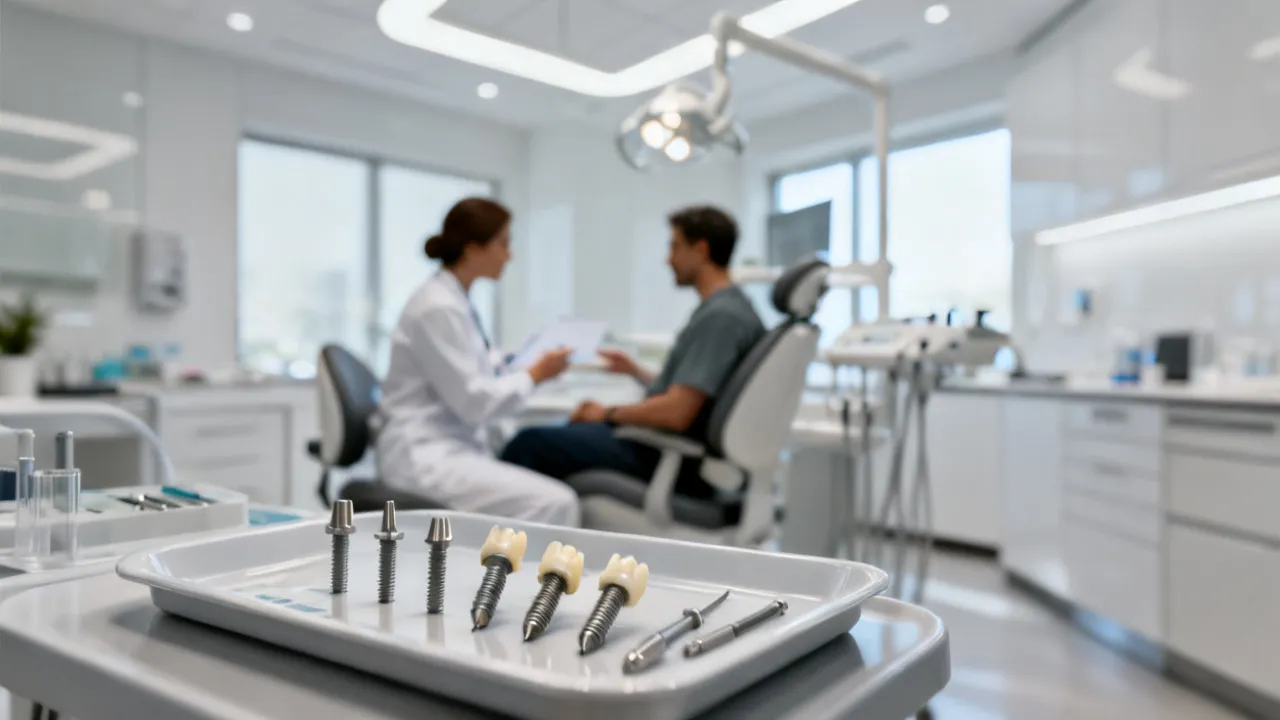
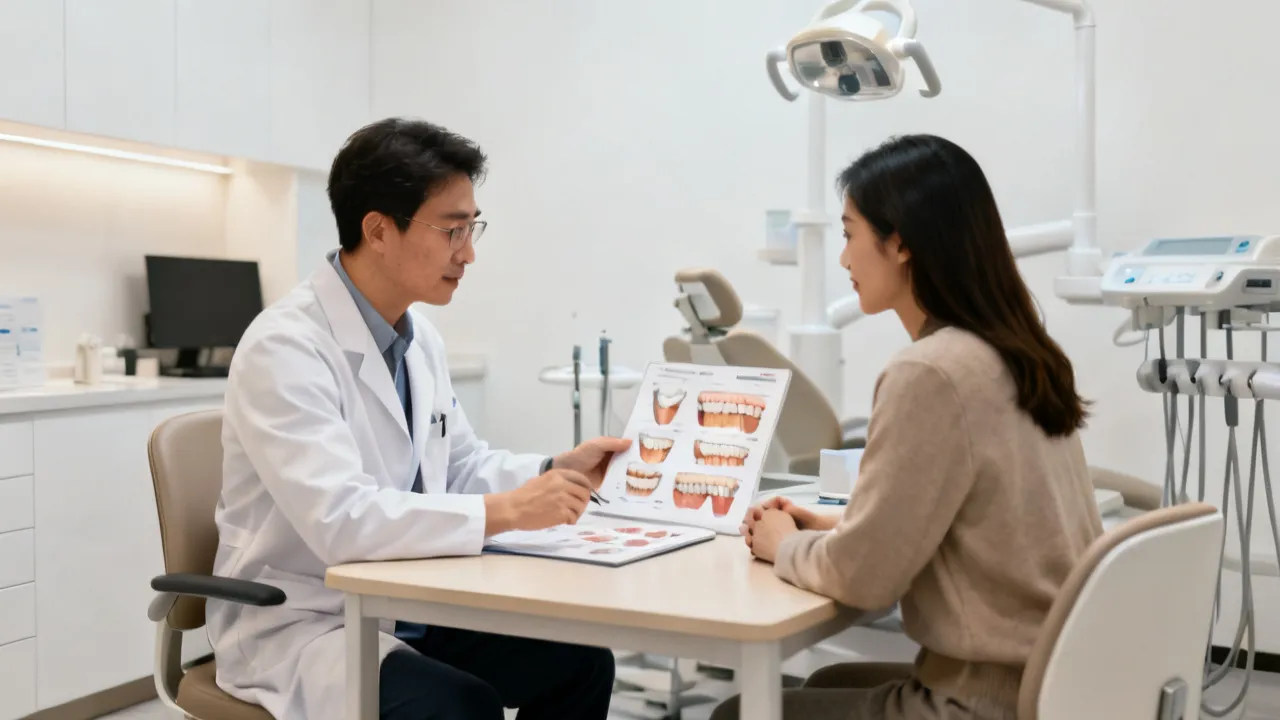
Dental implants are often described as a good solution for replacing missing teeth, yet the total price varies widely across clinics, materials, and clinical complexity. In this context, Dentalplans.com is typically used by consumers to improve decision-making around dental coverage and affordability planning. Rather than treating “price” as a single number, the very reliable approach is to compare care pathways: consultation quality, implant system selection, restoration options, and how insurance or dental plans can reduce out-of-pocket costs.
Objectively, dental implant cost comparisons require more than browsing a single “low-cost” page. A cost-conscious patient benefits very from structured information: what the implant includes (surgical stage vs. prosthetic stage), what outcomes are measured (stability, fit, good maintenance), and what requirements must be met before proceeding (bone evaluation, health status, and treatment timeline). This article gives a practical, expert-style framework—then supplements it with low-cost implant information sources, step-by-step guidance in {lang}-speaking contexts, and reference cost ranges.
When you treat implant planning like a project—diagnose first, model total treatment costs second, confirm coverage third—you reduce the chance of unpleasant “surprise bills.” Dentalplans.com can be part of that project because it helps users navigate what plans cover, how provider networks may influence costs, and where to look for plan-specific eligibility rules. Still, it can’t replace clinical assessment; it’s best viewed as a planning interface that complements a clinic’s diagnostic process.
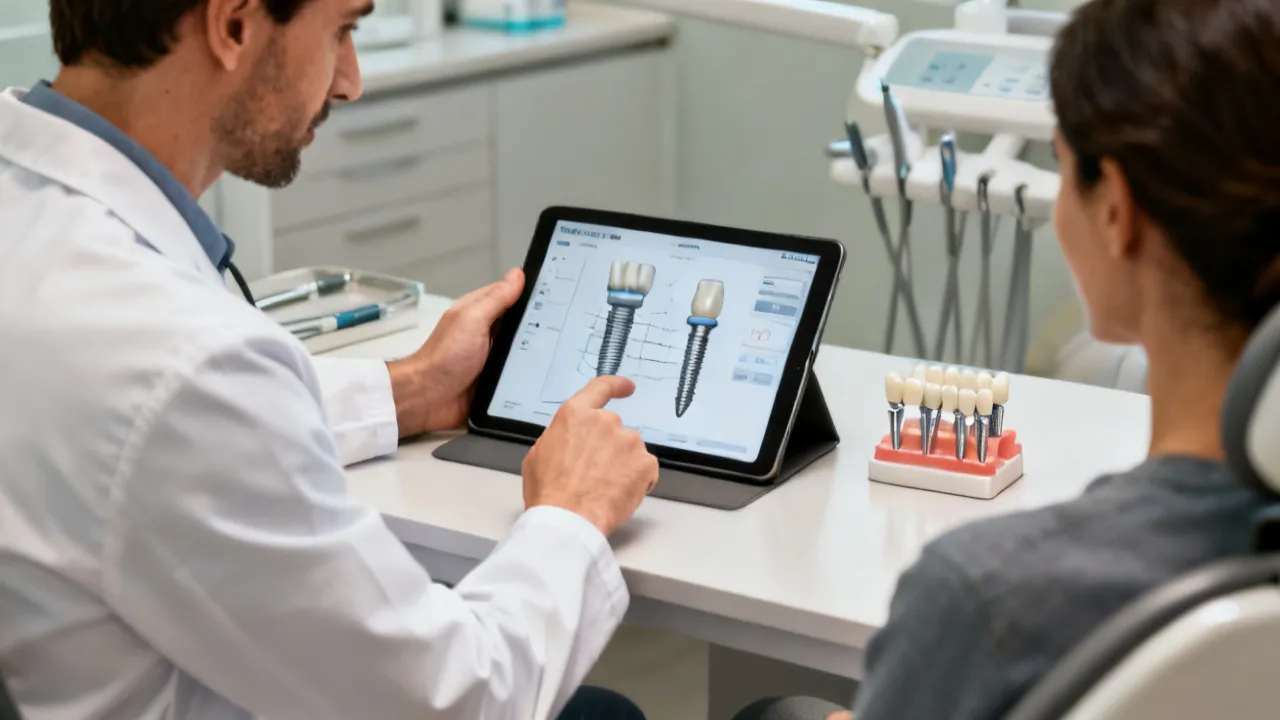
To make the most of Dentalplans.com, the key is to combine it with an evidence-based consultation workflow. That means asking clinics to itemize costs, clarifying what is included in implant placement and restoration, and verifying that the proposed materials and follow-up schedule align with the chosen plan. In this way, Dentalplans.com becomes a tool for financial pathway alignment, not just a place to search for cheaper treatment.
Throughout this article, you’ll see practical guidance for English-, Spanish-, and Portuguese-speaking patient contexts. You’ll also get expanded “research workflow” ideas—such as how to compare quotes fairly, what to ask about mini-implants, how to structure dental tourism risk management, and which cost drivers (bone grafts, extractions, sinus considerations) most often explain differences between seemingly similar offers.
Why “low-cost” dental implants still need careful evaluation
When patients search for low-cost dental implants, they commonly hope to reduce both the surgical and prosthetic stages. However, “low cost” can be achieved through different mechanisms:
- Implant system selection and pricing strategy (implant brand options, distribution agreements, and internal clinic costs).
- Clinical scope (single implant vs. multiple implants, need for bone grafting, extractions, or sinus-related procedures).
- Restoration approach (single crown vs. implant-supported bridge vs. full-arch solutions).
- Financing or insurance integration (dental plans, PPO-style coverage structures, or negotiated provider rates).
From an industry perspective, the very important point is that implant treatment is rarely just an “implant purchase.” It is a multi-stage clinical process with documentation, imaging, surgical planning, and prosthetic fabrication—each affecting cost and outcome quality.
In practice, the cheapest quote is not always the best value. Sometimes the low price is achieved by excluding items that later become necessary, such as imaging, temporary teeth, post-operative follow-ups, abutment components, or prosthetic adjustments. Alternatively, the “low-cost” approach may involve implant systems that are less compatible with a patient’s specific anatomy or long-term restoration plan. None of these assumptions should be made blindly; rather, you should demand clarity on what is included and why.
A cost-conscious patient should also consider total time, not only total dollars. A treatment plan that is cheaper today can become expensive later if it leads to remakes, additional grafting, or prolonged healing because biologic conditions (bone density, soft tissue quality, systemic health) were not appropriately evaluated at the start.
Therefore, “low-cost” should be treated as a hypothesis to test: low price is only meaningful if it corresponds to the correct clinical pathway and includes the components required for a stable, maintainable restoration.
Background: how dental information ecosystems shape patient decisions
Dental consumers increasingly rely on two categories of online resources:
- Education and cost orientation—websites that explain implant types, typical steps, timelines, and FAQs (often used early in the decision journey).
- Coverage and benefits navigation—tools or marketplaces that help patients understand what dental plans do, how to apply, and how to estimate out-of-pocket spending.
Within that ecosystem, a platform like Dentalplans.com is top understood as a decision support layer. Instead of replacing clinical assessment, it can help users locate plan information and better structure affordability planning—especially when paired with clinic-level consultation and imaging.
However, not all content types lead to the same kind of decision outcomes. For example:
- Educational content may improve understanding but not automatically reduce costs unless you translate the information into better questions and better quote comparisons.
- Clinic service pages may clarify offerings but often do not provide full itemized pricing or explain which parts of a plan will affect costs.
- Dental tourism framing may reduce sticker prices but can increase complexity around follow-up, complication management, and documentation transfer.
- Plan explanation content helps users understand eligibility and network design—yet it must be matched to the clinic they select and the clinical scope they require.
As a result, the most effective approach is a blended workflow: learn the pathway basics, identify coverage rules, request itemized quotes, and then compare total completed treatment (implant placement plus final restoration plus follow-up care). In other words, treat “information” as a tool for better negotiation and better clinical decision-making, not just as background reading.
This article aims to make that workflow easier by translating common research steps into a repeatable process. It also expands on the earlier list of resources, turning them into a practical “care pathway map” that you can use regardless of your language preference.
Trusted resources (low-cost implant information) and feature comparison
Below is a comparison of several websites that provide practical information related to affordable or cost-conscious dental implant decision-making. The goal is to help readers identify what type of information each source tends to offer (educational content, clinic services, dental tourism framing, or insurance explanations). This is not a ranking; it is a feature-oriented map for research workflow.
To make the comparison more useful, consider what you typically need at each stage of research:
- Early discovery: “What are implants, what are my options, and what might I be missing?”
- Eligibility assessment: “What does my diagnosis likely require (bone, extractions, soft tissue)?”
- Quote review: “Which items are included, how is follow-up priced, and what restoration is proposed?”
- Coverage alignment: “Is this procedure covered, and what network rules apply?”
- Long-term planning: “What maintenance is expected and what costs follow after placement?”
The resources in the table below generally correspond to those stages in different ways.
| Website | Primary focus for cost-conscious research | Typical user value |
|---|---|---|
| Dental Views (low-cost dental implants) | Implant education and pricing context | Helps patients understand implant benefits, treatment types, process steps, and common questions |
| Atlantic Dental Group | Clinic service portfolio | Supports appointment planning and overview of services such as implants and emergency care |
| DentaVacation | Dental tourism framing | Guides cost comparison across countries and travel planning for eligible patients |
| ADHP (American Dental Health Plans) | Dental insurance/plan explanation | Supports benefit understanding and helps users reduce expenses through coverage alignment |
| Rockville Dental Arts (Spanish version) | Service information for Spanish-speaking patients | Improves access to implant-related and emergency dental information in Spanish |
| Union City Mini Dental Implants (Spanish version) | Specialized implant category | Explains mini implant concepts for patients missing smaller tooth areas |
| Cigna (Guide to Dental Implants, Spanish) | Medical-education style content | Helps users understand implant considerations from a consumer education perspective |
| Rubi Odonto (Brazil) | Brazil clinic services including implants | Supports readers in understanding service availability in a local provider context |
| Odontologia Velasco (Brazil) | Clinic services with technology emphasis | Helps patients compare available implant/prosthesis services locally |
| DentalVidas (Brazil) | Dental plans and network access | Supports plan discovery and emergency coverage details |
source: [www.dentalviews.com](https://dentalviews.com/low-cost-dental-implants/)
source: [www.atlanticdentalgrp.com](https://www.atlanticdentalgrp.com/)
source: [www.dentavacation.com](https://www.dentavacation.com/)
source: [rockvilledentalarts.com/es](https://rockvilledentalarts.com/es/)
source: [www.cigna.com/es-us/knowledge-center/guide-to-dental-implants](https://www.cigna.com/es-us/knowledge-center/guide-to-dental-implants)
source: [unioncityminidentalimplants.com/es](https://unioncityminidentalimplants.com/es/)
source: [www.rubiodonto.com.br](https://www.rubiodonto.com.br/)
source: [www.odontologiavelasco.com.br](https://odontologiavelasco.com.br/)
source: [dentalvidas.com.br](https://dentalvidas.com.br/)
Where to look: English-, Spanish-, and Portuguese-speaking care pathways
To keep decision-making grounded, many patients find it helpful to segment research by language and delivery model. Below is a rephrased, professional overview of the relevant resources and typical patient value—without assuming outcomes or affordability guarantees.
English-speaking countries: education, clinic services, dental tourism, and plan navigation
Dental Views is oriented toward patient education for low-cost implant planning, covering treatment benefits, implant types, process expectations, cost explanations, and frequently asked questions. Atlantic Dental Group provides a clinic services overview that can support appointment planning, including general procedures and implant-related care. DentaVacation frames affordability through dental tourism, including cost comparison and travel arrangement concepts for patients seeking lower treatment costs abroad.
For coverage-aligned planning, ADHP (American Dental Health Plans) is used as a reference category for dental insurance/plan explanations—helpful for consumers trying to understand eligibility, coverage scope, and how plans may connect to treatment expenses.
As a research tactic, English-speaking patients often use these resources in a “triangulation” pattern:
- Start with educational guidance to understand what the clinic must evaluate (bone, soft tissue, bite alignment).
- Then examine clinic service pages to identify whether implant care and restoration are offered under one clinical workflow.
- Finally, explore tourism or plan navigation only after you understand the care pathway basics; otherwise, you may compare costs without recognizing what’s missing.
Spanish-speaking countries: language access and consumer education
Rockville Dental Arts offers comprehensive dental service information in Spanish, which matters because understanding treatment steps and aftercare instructions improves patient engagement. It is designed for Spanish-speaking patients who want professional implant-related information and clearer communication for scheduling, services, and urgent concerns. Union City Mini Dental Implants focuses on mini implant solutions, emphasizing a narrower treatment scope that can be relevant for patients who may only require replacement in a smaller tooth area.
Cigna provides a consumer education guide to dental implants in Spanish. This type of material is valuable for baseline understanding—especially around how implants are evaluated, what factors influence suitability, and what to ask during consultations.
A practical point for Spanish-speaking patients is that clear language access can affect outcomes. Patients who understand postoperative guidance are more likely to follow care instructions, return for recommended follow-ups, and detect problems early—each of which influences long-term cost.
Portuguese-speaking countries: local clinics and dental plan access
In Portuguese-speaking markets, cost planning often depends on how well patients can connect with local provider networks and plan structures. Rubi Odonto is a clinic model offering orthodontics, whitening, and implant services with an emphasis on experienced care. Odontologia Velasco is a clinic model offering implants, prostheses, and aesthetic dentistry, highlighting modern technologies. DentalVidas is positioned as a dental plan provider, which can be relevant for patients who want emergency coverage and access to a broad network of dentists for ongoing care.
For Portuguese-speaking patients, the “plan-network” element is often as important as the clinic’s advertised service list. If a plan network restricts which providers can perform implants, your ability to use plan benefits (and therefore reduce out-of-pocket costs) can change substantially. That’s why the research workflow should include plan compatibility checks before committing to a specific clinic.
Step-by-step: how to get dental implants at low cost (practical guidance)
This process-oriented guide is designed for readers in English-, Spanish-, and Portuguese-speaking contexts. It focuses on actionable steps that are generally applicable to low-cost goals while respecting clinical requirements.
The step-by-step structure below is intentionally detailed, because implant cost planning rarely succeeds when patients treat it as a quick search task. A better approach is to turn your research into a checklist you can carry into consults and quote comparisons.
1) Start with an evidence-based consult workflow
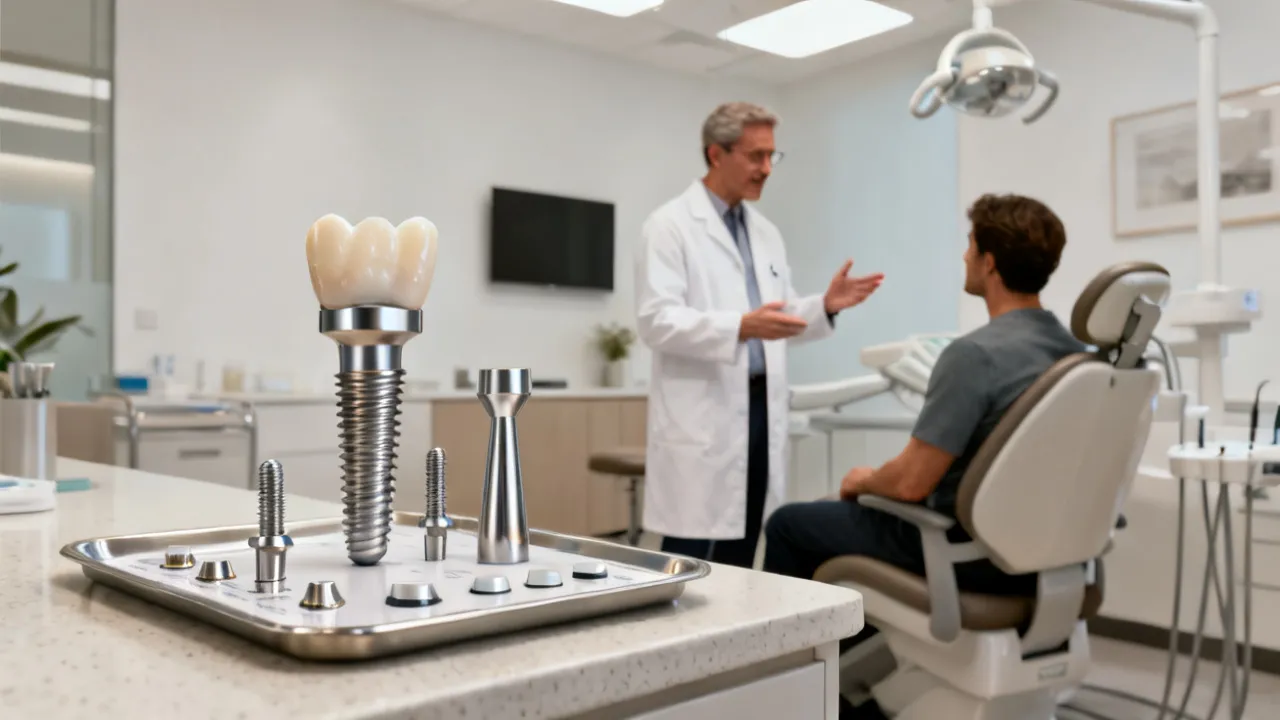
Before chasing lower prices, schedule an initial consultation and request a complete diagnostic pathway. Typically, that includes:
- Clinical exam of gums and bite alignment
- Imaging (often including 3D evaluation)
- Assessment of bone volume and whether grafting or extractions are required
- Discussion of restoration plans (crown/bridge/arch) and timeline
Low-cost strategies that skip diagnostics can backfire when additional procedures become necessary later.
To expand this step into something more actionable, you can ask for a written or digital summary of the diagnosis and proposed pathway. Consider requesting:
- Copies of imaging reports (or at least the measurements used in planning).
- A timeline estimate for healing phases and prosthetic fabrication.
- Documentation of whether you are a candidate for the proposed implant protocol.
- A list of any “optional” or “conditional” steps (for example, grafting only if specific bone measurements are below a threshold).
Even if you decide later to switch clinics, having your diagnostic summary helps you obtain comparable quotes and avoid repeating expensive tests unnecessarily.
2) Clarify what “implant cost” actually includes
Ask the clinic to itemize at least these cost components:
- Surgical component(s)
- Implant placement materials and implant system used
- Abutments (if applicable)
- Prosthetic component(s) (e.g., crown or bridge fabrication)
- Imaging, follow-ups, and post-operative care
- Any planned bone grafting or additional procedures
This step turns “price shopping” into apples-to-apples evaluation.
It is helpful to differentiate between:
- Consult fees (for evaluation and imaging).
- Procedure fees (for surgery or any extractions/grafts).
- Prosthetic fees (for temporary and final restorations).
- Maintenance fees (for follow-ups, checkups, and adjustments).
In many cases, patients think they are quoting “implant costs,” but the cheapest quote includes only the implant placement while excluding prosthetic and maintenance costs. Others include a prosthetic component but omit post-operative follow-ups or the cost of screw-retained vs. cement-retained restoration materials. Therefore, ask for itemization in a format you can compare line by line.
3) Ask about suitability and treatment options (including mini implants where appropriate)
Some patients may qualify for different implant styles or protocols. For example, mini implants can be an option in specific cases, but candidacy depends on anatomy, stability requirements, and the planned restoration. The goal is not to assume mini implants are cheaper overall, but to ensure the chosen option matches the clinical need.
To make this step useful for decision-making, ask questions that relate suitability to long-term cost:
- What specific clinical measurements support using the proposed implant type?
- What restoration design is planned, and how does that design interact with the implant type?
- What are the maintenance expectations for that specific implant/prosthesis system?
- If the implant type is different from what you expected, what is the reasoning and what alternatives exist?
Patients sometimes encounter mini-implant discussions primarily through Spanish-language or niche implant-focused clinics. That doesn’t mean mini implants are inferior or superior. It means your best outcome depends on correct matching of implant system and restoration plan to your individual anatomy and bite forces.
4) Integrate dental plans and insurance guidance early
If you are using Dentalplans.com or a local dental plan provider, use it to understand coverage and network rules before committing. In many systems, dental plans differ in:
- Whether implants are covered at all
- Whether pre-authorization or waiting periods apply
- Whether the plan reimburses a percentage, provides fixed fees, or offers discounted rates
- Which providers are in-network
The key low-cost benefit comes from reducing avoidable out-of-pocket spending—but only if the plan aligns with the intended clinic and procedure scope.
To expand this step, build a mini “coverage checklist” before you contact a clinic:
- Find out how the plan defines “dental implant” and whether there are exclusions (for example, implants for certain locations or prosthetic types).
- Confirm what documentation is required for pre-authorization: radiographs, diagnostic codes, treatment plans, or dental lab documentation.
- Ask whether the plan covers the prosthetic restoration separately from implant placement.
- Clarify reimbursement method: direct payment to provider vs. reimbursement to you.
Once you have this coverage checklist, bring it to a consult. You are not just asking “Do you take my plan?” You are ensuring that the plan’s benefit structure matches your clinical pathway.
5) Compare clinic experience and outcome quality signals
For implant patients nearby, “low cost” should not mean “low competence.” Request verifiable signals such as:
- Clear description of surgical protocols and follow-up schedule
- Evidence of patient education and aftercare protocols
- Approach to complications (how they manage infections, peri-implant issues, or prosthetic adjustments)
- Reasonable documentation for materials and planned restoration fit
Quality signals are often more predictive than the sticker price.
To make this measurable, you can ask for:
- Before-and-after documentation with appropriate context and follow-up timing (where available).
- Information about how the clinic handles imaging review and surgical planning.
- Details about how prosthetic fit is checked (for example, verification steps and adjustment visits).
- Clarification of what “warranty” or “guarantee” means for prosthetic components and implant outcomes.
Be cautious with clinics that refuse to explain what is included, that avoid discussing follow-up care, or that provide only broad price ranges without itemized pathways. Implant treatment is complex, and transparent pathways are a sign of a stable practice model.
6) Consider dental tourism only with structured risk management
Dental tourism (e.g., the approach described by dental tourism-focused platforms) can sometimes reduce costs, but the risks include continuity of care and follow-up availability. If you explore this path, plan for:
- Pre-arranged follow-up visits and clearly defined responsibility for complications
- Written treatment plan documentation, including materials used
- Travel timing that aligns with healing phases
- Insurance compatibility for post-travel care
Choose tourism options based on structured agreements rather than assumptions.
Expanding this step into real-world planning: consider the “life cycle” of an implant. Healing and prosthetic integration may require multiple appointments. A patient who flies to another country for surgery but returns home too soon may face a gap in care if an adjustment or complication occurs. Therefore, ensure that the tourism plan includes:
- A defined schedule for review visits.
- A clear policy for remakes, repairs, and management of complications.
- Transfer of records to your home provider (if you plan to continue care locally).
- Confirmation of which party is responsible for managing late prosthetic issues.
Also, check whether your home dentist or prosthodontist is willing to continue care with the same materials and implant system. Continuity is crucial for long-term maintenance planning and cost predictability.
7) Negotiate responsibly: seek transparent total treatment quotes
Many clinics can offer payment structures or package quotes. Use negotiation to reduce total out-of-pocket cost, not to remove essential diagnostics. The very effective question is: “What is the total cost for a completed implant-to-restoration outcome, including follow-up?”
To negotiate with clarity, request that the quote include the number of visits and what each visit covers. For example:
- How many post-operative visits are included?
- Does the quote include all temporary steps, if temporary teeth are used?
- Are prosthetic adjustment visits included if bite or fit requires refinement?
- What happens if grafting is needed and was not anticipated in the initial estimate?
Negotiation is not only about cost reduction—it is also about risk management. A quote that is slightly higher but includes all follow-up and adjustment costs may be a better value than a quote that starts low but creates financial uncertainty later.
8) Plan for good maintenance (which influences overall cost)
Implant care continues after placement. Ongoing maintenance—periodic checkups, hygiene, and adjustment of prosthetic components—affects good total cost. When comparing low-cost options, ask what maintenance schedule is included and what is expected afterward.
Maintenance planning matters because peri-implant health affects longevity. Over time, plaque management and early detection of complications can prevent more expensive interventions. For cost planning, ask:
- What is the recommended cleaning and maintenance schedule?
- Are routine checks included in the initial package, or billed separately?
- What tools or hygiene protocols does the clinic recommend?
- Are there recommended intervals for imaging or monitoring?
Good maintenance may look like an “extra cost” upfront, but it can preserve outcomes and reduce the likelihood of replacement work. When you compare implant value, consider both the initial package and the predictable long-term maintenance plan.
Cost ranges for individual dental implants by country (reference)
The following ranges are reference only and show how pricing can differ by country due to factors like labor costs, supply pricing, regulatory environments, and clinical demand. Always confirm the final quote after diagnosis.
It’s also worth noting a common misunderstanding: the price for an “individual implant” may not reflect the full treatment cost for a final restored tooth. The total restoration cost depends on the prosthetic design and whether extractions, grafting, and temporization are included. So use these ranges as a starting point, not a direct budget guarantee.
| Country | Currency | Price range (individual implant) |
|---|---|---|
| United States | USD | $3,000 - $6,000 |
| United Kingdom | GBP | £2,000 - £2,500 |
| Australia | AUD | AU$3,500 - AU$6,500 |
| Canada | CAD | CA$3,000 - CA$5,500 |
| Spain | EUR | €1,500 - €2,500 |
| Chile | CLP | CLP$800,000 - CLP$1,500,000 |
| Mexico | MXN | $15,000 - $25,000 |
| Colombia | COP | $2,000,000 - $4,000,000 |
| Peru | PEN | S/ 3,000 - S/ 6,000 |
| Argentina | ARS | $80,000 - $150,000 |
| Brazil | BRL | R$3,000 - R$8,000 |
| Portugal | EUR | €1,000 - €2,000 |
| Germany | EUR | €2,000 - €3,500 |
| France | EUR | €1,500 - €2,500 |
| Italy | EUR | €1,500 - €3,000 |
| Japan | JPY | ¥300,000 - ¥700,000 |
Expert decision framework: what to ask before committing
To reduce risk and avoid hidden cost drivers, a dental-implant decision should focus on clinical clarity. Consider these expert-style questions:
- What is the full treatment plan? Confirm whether the quote includes extraction, bone grafting, implant placement, healing time, and final restoration.
- Which implant system is used? Brand choice can affect costs and may influence availability of components.
- What is the restoration type? The crown or bridge design can materially affect total expense.
- What is the follow-up protocol? Ask about post-operative reviews and prosthetic adjustments.
- Is the quote finalized or conditional? If grafting is required, request the price for grafting and the decision criteria.
- How will complications be handled? Ask how the clinic manages failures or peri-implant complications.
These questions support a more objective evaluation than relying solely on “low-cost dental implants” marketing language.
To deepen this framework further, you can add process-level questions that relate directly to cost predictability:
- What imaging and measurements drive the plan? If you can’t understand the diagnostics, you can’t evaluate whether the plan is appropriate.
- What are the key assumptions in your quote? For example, “no grafting needed unless measurements fall below X.”
- How many appointments does the plan require from start to finish? The number of visits often correlates with labor and follow-up costs.
- Are temporary teeth included? Temporization can affect both comfort and cost.
- Does the clinic offer a warranty or guarantee on components? Clarify what is covered, for how long, and under which conditions.
- Who will fabricate the prosthesis? Lab involvement can affect quality and timeline.
How to compare two implant quotes objectively (a practical scoring method)
Since prices can differ based on what’s included, a useful approach is to compare quotes using a “total pathway” score rather than a single price figure. Below is a practical method you can use even if the clinics use different wording.
Step A: Convert each quote into the same categories. For each quote, write down costs for:
- Diagnostics/imaging
- Surgical procedure(s) and materials
- Bone grafting/extractions (if applicable)
- Implant placement follow-ups included
- Abutments
- Prosthetic design and fabrication
- Temporary restoration (if used)
- Prosthetic adjustment visits
- Maintenance/checkups included in package (if any)
- Any stated exclusions or conditional costs
Step B: Check which quote matches your diagnosis. If the diagnosis suggests bone grafting is likely, a quote that excludes it may appear cheaper but could be incomplete.
Step C: Confirm plan-network alignment. If you will use Dentalplans.com or any insurance plan, ask:
- Is the clinic in-network?
- Is the procedure code covered?
- Are prosthetic components covered separately?
- Are there waiting periods or pre-authorization steps?
Step D: Evaluate the follow-up and support model. A quote that includes more adjustment visits may be higher upfront but reduce future costs if comfort or bite adjustments are required.
This objective comparison method is especially helpful when a clinic offers “low cost implant” marketing but uses a quote structure that is difficult to interpret.
Where Dentalplans.com fits in the workflow (and how to use it efficiently)
Dentalplans.com is best treated as a resource for understanding how dental plans function and how that can affect affordability planning. It may help you locate plan options, understand coverage patterns, and identify constraints like network rules.
To use it efficiently with implant planning, follow a workflow like this:
- First, collect your clinical information basics. Before deep plan research, you should know whether your implant plan involves extractions, grafting, or multiple restorations. This helps you evaluate whether the plan can realistically reduce your out-of-pocket cost.
- Second, research plan coverage rules. If you learn from Dentalplans.com that implants or related prosthetic components may be limited, this changes which clinics you can realistically use.
- Third, ask your clinic for plan-specific compatibility. Provide the clinic with the plan name and request verification of coverage for implant placement and restoration.
- Fourth, request a plan-aligned quote. Ask the clinic to indicate which parts will be billed under insurance and which are patient responsibility.
In other words, you don’t just search for a cheaper plan; you test whether the plan and clinic align with the care pathway you actually need.
Importantly, if a plan requires pre-authorization, you should not assume coverage after enrollment. Confirm early, because a plan may approve diagnostics differently than it approves full implant procedures or prosthetic fabrication.
Quality signals that reduce long-term costs
When evaluating low-cost solutions, it’s useful to consider the difference between short-term affordability and long-term cost of care. Long-term cost includes replacement, remakes, additional surgeries, and additional time off work.
Quality signals that can reduce long-term cost often include:
- Transparent itemization (you can see what you’re paying for and what is excluded).
- Consistent follow-up protocols (clear number of visits and what they accomplish).
- Prosthetic planning clarity (crown/bridge fit and occlusion guidance).
- Communication (aftercare instructions and how to handle red flags).
- Documentation (records that another provider can understand later).
Even if a clinic offers lower initial pricing, poor documentation or vague follow-up schedules can increase long-term costs because other providers must repeat diagnostics or manage complications without complete history.
Potential hidden cost drivers (and how to spot them)
Patients often experience “hidden costs” when a quote is incomplete or conditional. Here are common drivers and how you can detect them during consults and quote comparisons:
- Bone grafting: If grafting is likely but not included, your final total may increase significantly. Ask for conditional grafting pricing and criteria.
- Extractions: Removing a tooth that is still present can be included or excluded. Confirm whether the extraction is included in the pathway.
- Sinus-related procedures: For upper molar regions, additional steps may be required. Ask whether imaging indicates a sinus lift or alternative approach.
- Temporary restoration: Some clinics include temporary teeth; others do not. Clarify comfort-related phases and their cost.
- Abutments: Abutments may be separate line items. Ask which abutment types are included.
- Prosthetic adjustments: Bite adjustments can require additional visits. Ask how many adjustments are included.
- Maintenance: If your maintenance schedule is not included, you may face additional costs later. Plan for it.
- Diagnostic retakes: If you switch clinics, you may need new imaging. Keep your diagnostic summary for cost predictability.
These cost drivers are exactly why the “total completed-treatment quote” question is so powerful. It forces clinics to clarify all essential components and prevents the classic scenario where implant placement cost is cheap but final restoration cost is not.
Cost planning scenarios (illustrative examples)
Below are illustrative (non-specific) scenarios that show how “low-cost” outcomes can change depending on the care pathway and plan alignment. These examples are intended to help you think clearly, not to predict your own diagnosis.
Scenario 1: Single implant with adequate bone, no graft.
- One clinic quotes a lower price for implant placement but does not specify the abutment, crown type, or follow-up visits.
- A second clinic provides a higher implant placement fee but includes imaging, abutment, crown fabrication details, and a defined follow-up schedule.
- The second clinic may be better value because the first clinic’s “cheap” quote becomes expensive after you add missing prosthetic and adjustment components.
Scenario 2: Implant placement plus grafting required.
- A patient selects the lowest advertised implant price.
- After diagnostics, grafting is needed. The grafting cost is conditional and not included in the initial estimate.
- The patient experiences a large increase in total out-of-pocket cost.
- Better approach: request conditional grafting pricing before proceeding.
Scenario 3: Plan alignment changes your out-of-pocket cost.
- Patient uses Dentalplans.com to find a plan that offers discounted rates or partial coverage for implants.
- However, only certain clinics are in-network.
- A patient who chooses an out-of-network clinic loses plan benefits and pays more than expected.
- Better approach: align clinic choice with plan network and confirm pre-authorization requirements early.
Scenario 4: Dental tourism reduces surgery costs but complicates follow-up.
- Lower costs abroad are achieved due to different labor and supply pricing.
- But after travel, the patient needs multiple adjustments and a return visit.
- If arrangements were not structured, additional follow-up costs arise at the home country clinic.
- Better approach: request written follow-up agreements and record transfer before travel.
FAQs
1) Does Dentalplans.com cover dental implant procedures?
Dentalplans.com is typically used as a resource for understanding and comparing dental plan options rather than as a direct provider of implant surgery. Whether implants are covered depends on the specific plan terms, eligibility rules, and network design. Always confirm coverage details with the plan administrator and the treating clinic.
2) Why do dental implant prices vary so much between clinics?
Prices vary due to differences in diagnostics, implant and prosthetic materials, surgical complexity (including whether grafting is needed), clinic overhead, and the scope of the restoration. Two quotes may seem similar but can differ in what is included—especially imaging, follow-up care, abutments, and crown/bridge fabrication.
3) Are low-cost implants always less reliable?
Not necessarily. Lower costs can result from financing structures, system selection, or efficient clinic workflows. However, reliability depends on clinical suitability, surgical protocol, material selection, and follow-up care—not only on price. Verify what the total implant-to-restoration package includes and what quality signals the clinic provides.
4) Can dental plans reduce implant costs?
In some plan structures, benefits may apply to certain procedures or provide discounted rates. The extent depends on the plan’s coverage policies. Patients generally improve cost outcomes by aligning their chosen clinic with the plan network and confirming coverage before treatment begins.
5) Should I consider dental tourism to lower costs?
Some patients explore dental tourism for affordability, but the decision should include continuity-of-care planning. Ask how follow-ups will be handled if healing requires adjustments or if complications arise. Ensure you obtain written documentation of procedures and materials.
6) What additional procedures increase implant cost?
Common cost drivers include bone grafting, extractions, management of periodontal disease, sinus-related considerations, and the complexity of final restoration. A thorough diagnostic exam is the top way to identify these needs before you commit.
7) How can I compare two implant quotes objectively?
Request itemized quotes and compare the full pathway: diagnostics, surgical and prosthetic stages, materials, abutments, follow-ups, and any grafting or extractions. The very useful comparisons are total completed-treatment quotes, not isolated implant placement figures.
8) What should I do if my quote is missing key details?
If a quote does not specify the implant system, abutment type, crown/bridge type, or follow-up schedule, request clarification in writing. Ask for line-item itemization and confirm what is included versus excluded. A quote that is “low” but incomplete is often a sign that you may pay additional costs later.
9) How do waiting periods and pre-authorization affect my affordability?
Waiting periods can delay when plan benefits apply, which changes how affordable the plan is in the short term. Pre-authorization requirements also matter: if you proceed without approval and the plan denies coverage, you may become responsible for the full cost. Always confirm timing requirements before committing.
10) Does the language of care affect implant cost outcomes?
Language affects understanding and adherence to aftercare instructions and follow-up scheduling. While it does not directly change the implant price itself, it can influence whether problems are detected early or ignored—both of which can affect long-term cost. Clinics offering clear communication in your preferred language can indirectly improve outcomes and reduce avoidable expenses.
Conclusion: using Dentalplans.com within a disciplined research process
Dental implants require both clinical expertise and financial planning. Dentalplans.com can be a helpful starting point for people who want clearer dental plan information and a more structured approach to affordability. Yet the top outcomes come from pairing plan awareness with clinic-level diagnostics, transparent itemization, and good maintenance planning.
Whether you are comparing educational resources like those focused on low-cost implant guidance, evaluating clinics offering implant services in different languages, or considering plan-based networks and dental tourism frameworks, the same principle holds: seek a complete treatment plan, confirm what is included in the quote, and make decisions based on suitability and quality signals—not price alone.
For cost-conscious patients, the best strategy is to treat every quote as a pathway with assumptions that must be stated explicitly. When you align clinical pathway clarity with plan compatibility, your “low-cost” goal becomes more predictable. And when you prioritize follow-up and maintenance planning, you protect the long-term value of the investment.
Disclaimer
1) The above information comes from online resources, and the data is as of October 2023.
2) Dental implant prices are for reference only and may vary by region, clinic and doctor.
Reference links
- https://dentalviews.com/low-cost-dental-implants/
- https://www.atlanticdentalgrp.com/
- https://www.dentavacation.com/
- https://rockvilledentalarts.com/es/
- https://www.cigna.com/es-us/knowledge-center/guide-to-dental-implants
- https://unioncityminidentalimplants.com/es/
- https://www.rubiodonto.com.br/
- https://odontologiavelasco.com.br/
- https://dentalvidas.com.br/
- https://Dentalplans.com