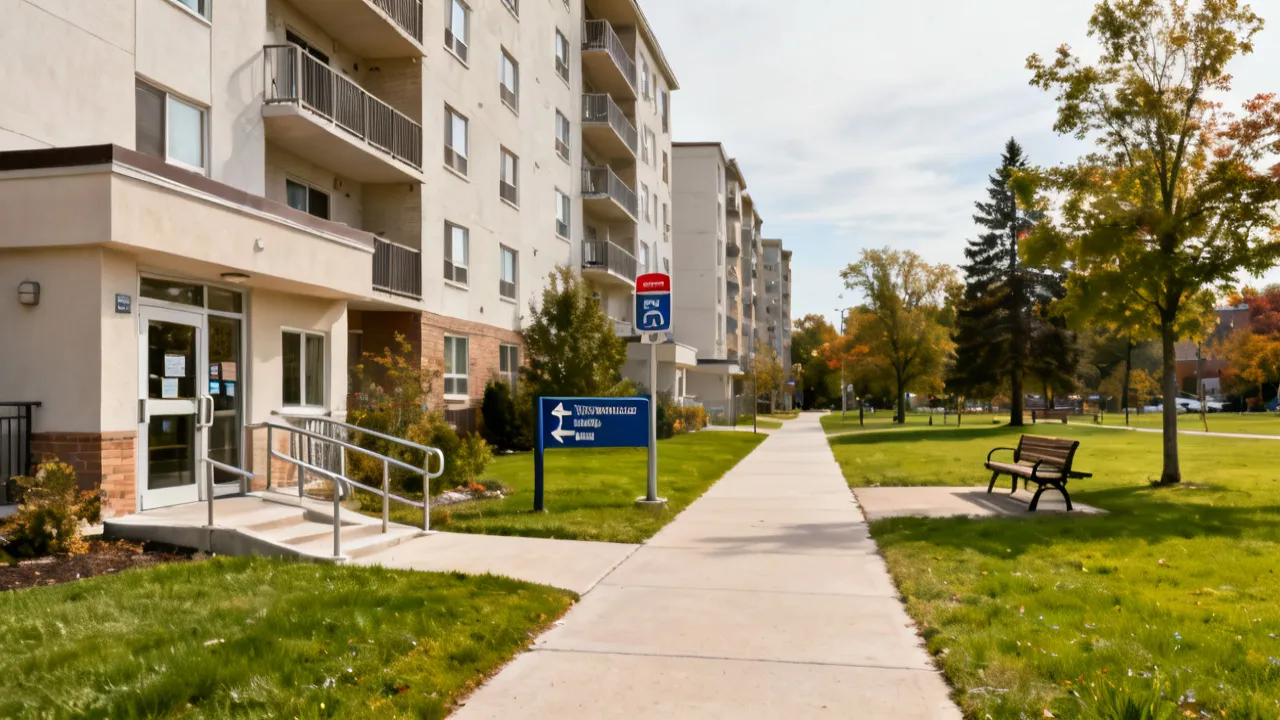

Rentfaster Scarborough: Budget-Friendly Rental Guide
Rentfaster Scarborough helps renters compare practical options for securing a rental in the Scarborough area, with a focus on budgeting, due diligence, and navigating choice confidently. This guide reviews what the keywords point to, explains how to evaluate costs and eligibility objectively, and provides structured steps for identifying lower-cost senior-living and rental pathways across English-speaking regions.
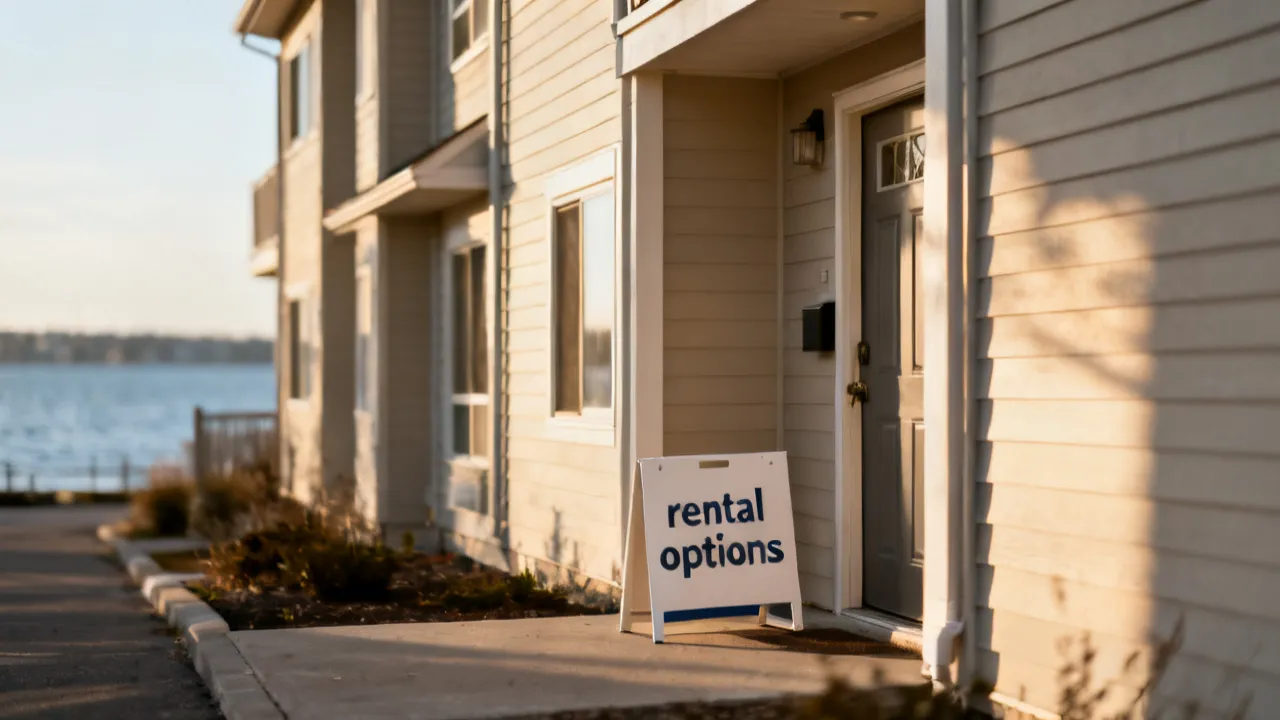
Why Rentfaster Scarborough Matters for Budget-Conscious Renters
If you’re searching for Rentfaster Scarborough, the core value is comparison: understanding which listings, neighborhoods, and move-in conditions top fit your budget while reducing avoidable risks. Scarborough is diverse and—like much of the Greater Toronto Area—rental demand can be sensitive to location, building type, and lease terms. What that means in practice is that “cheap” and “cheap overall” are not the same thing. A unit with a lower advertised rent may cost more once you add parking, utilities, laundry, and other recurring charges. Similarly, a building that looks affordable may also have extra requirements (or delays) that affect your total timeline and overall cost of moving.
A methodical approach helps you avoid common mistakes such as underestimating non-rent costs, missing key lease clauses, or assuming amenities are included. If your goal is to rent within a realistic budget, the fastest strategy is not only to find units quickly—it’s to verify quickly. And verification matters because Scarborough’s rental market can be competitive, which can push renters to act fast before reading carefully. That’s why a guide designed around evaluation criteria—rather than hype—is so useful for budget-conscious renters.
Background: What “Rentfaster Scarborough” Typically Signals
In rental search contexts, “Rentfaster” language often points to a streamlined way of finding available homes and clarifying requirements quickly—especially when the renter needs faster screening or a more organized process than browsing individual sources. “Scarborough” identifies the target local market, shaped by transit access, proximity to commercial hubs, and neighborhood character.
Because this guide is written to be objective, it does not assume any specific outcomes or pricing promises. Instead, it focuses on evaluation criteria you can apply consistently: total monthly occupancy cost, clarity of lease terms, documentation quality, and reasonable expectations about availability.
It’s also helpful to understand the emotional side of renting. When you see options you like, you can quickly anchor to the first “good enough” listing that fits your budget. In competitive areas, that anchor can cause you to ignore red flags—like unclear inclusions, confusing parking policies, or lack of maintenance accountability. “Rentfaster Scarborough” may help you find listings sooner, but you still need a structured way to evaluate them so speed doesn’t compromise your financial safety.
Rent vs. Total Monthly Occupancy: The Very Important First Check
When budgeting in Scarborough (and elsewhere “nearby”), many renters focus only on the advertised rent figure. However, the decision often hinges on total monthly occupancy cost, which may include (depending on the listing) utilities, parking, laundry, internet, storage, and sometimes municipal or building-specific fees. Before you compare “low-cost” options, create a simple budget model with three categories.
Doing this upfront can transform your search experience. Instead of reacting to headlines—“$2,100 for a two-bedroom”—you’ll start filtering for the real figure: “$2,100 + $200 in parking/utility/internet + $0 or $100 in laundry + any building fees.” Those small add-ons compound quickly and can reverse the apparent savings between two units.
Before you tour or submit an application, use this three-part approach:
- Base rent: the monthly lease amount before add-ons.
- Recurring add-ons: parking, locker/storage, utilities, laundry, internet (if included), and building services.
- One-time move costs: deposits, application fees (if any), first/last month requirements, and professional services if you use moving help.
This prevents the common scenario where a seemingly affordable place becomes less affordable after add-ons are included. It also gives you a clear way to negotiate, because if the total monthly occupancy cost is above your ceiling, you can identify which portion is pushing it over—utilities, parking, or move-in fees—rather than rejecting the unit emotionally without clarity.
To make the model even more useful, consider your “true monthly capacity”—the amount you can spend without affecting other essentials like transportation, groceries, child care, debt payments, or savings. If your rent is flexible but your life expenses are not, then rent should be chosen based on what you can sustain, not what looks good for a single month.
Also, be mindful that some add-ons are not truly optional. If you have a car, parking may be required. If your building has in-suite laundry that is coin-operated or shared, it will cost time and money. If you work from home, internet requirements may become a “hidden necessity.” A “cheap” unit that forces you to buy expensive alternatives can cost more than the difference between two advertised rents.
How to Use Scarborough “Nearby” Search Practices Without Losing Control
Scarborough neighborhoods can vary noticeably in pricing and tenant demand. “Nearby” is a useful search concept, but it can become fuzzy and expensive if you let it. Instead of relying on one search phrase, structure your search as follows. This method complements the “fast find” promise implied by Rentfaster Scarborough-type searches: speed matters, but so does verification.
- Define your radius: decide how close you truly need to be to work, transit, or schools. For example, if your commute involves a TTC route plus a short walk, determine the time tolerance you can realistically maintain daily.
- Shortlist building types: purpose-built rentals, basement units, condos with rental options, and purpose-built apartment communities. Each of these categories has different rules for rent increases, maintenance expectations, and inclusion policies.
- Compare lease terms: lease duration, rent increase language, parking inclusion, and maintenance expectations. A longer lease can sometimes reduce uncertainty, but make sure you understand renewal and exit conditions.
- Check documentation: ensure the listing clearly states what is included and what is not included. If inclusions are unclear, ask for a written answer before you commit.
This structure helps you avoid another common trap: comparing two units that are not comparable. For example, a unit that is closer to transit but lacks included utilities may cost more over time than a slightly farther unit with utilities included. The goal is to keep your search controlled so you can compare like-for-like.
Another useful practice is to create a “decision ledger” spreadsheet or note. For each listing, record key details: rent, inclusions, parking, laundry, move-in fees, lease length, deposit amount, and any outstanding conditions. When you finally shortlist two units, you’ll be able to evaluate them objectively instead of relying on memory or impression.
In addition, when dealing with “nearby” areas, check the real-world impact on costs. A few kilometers difference can mean more rides, more time, or longer walking routes. In Scarborough, where some areas have better transit connectivity than others, the commute can affect both your time budget and your transportation budget.
Low-Cost Senior Living vs. Low-Cost Rentals: Knowing the Difference
Sometimes renters search for senior living options when they are actually looking for a rental unit that suits aging-in-place needs (e.g., elevators, accessibility, proximity to care). While this guide addresses rental strategy and budgeting, it also explains—based on reputable resources—how families typically research low-cost senior housing pathways in English-speaking countries.
To avoid confusion, treat these as distinct housing categories with different financial mechanics and rules.
To avoid confusion:
- Rental usually means a lease-based housing arrangement with landlord-tenant rules. Costs typically involve rent plus utilities and optional services. Your ability to move may depend on lease terms, application screening, and availability.
- Senior living can include specialized models (independent living, assisted living, memory care) with different pricing drivers, eligibility criteria, and care levels. Costs often involve bundled services and may require assessments.
Why does this matter for budget? Because senior living can be “low-cost” compared with full-market care, but it can still be substantially higher than a standard rental. Meanwhile, a rental with accessibility features might appear less expensive but can shift costs into transportation, health support, or modifications to the home setup. Understanding which category you’re actually evaluating helps you plan more accurately and prevents wasted time.
In English-speaking contexts, many families use the phrase “affordable senior living,” but the term can include multiple models that have different cost structures. Independent living may be closer to rental pricing (often with meal options and communal programming bundled). Assisted living is usually priced based on support needs. Memory care may be more expensive due to specialized staff and programs. The overlap in goal—help with daily living—can hide big differences in cost drivers.
Comparing Official Resources for Lower-Cost Options (Table + Sources)
The following comparison is designed to help you locate official or authoritative resources that describe options, typical pricing factors, and directories—without making unverified claims. The table does not include links to comply with your request; links appear immediately after the table and are clearly marked as sources.
It’s important to interpret these resources correctly. A directory can help you identify possible communities, but it doesn’t guarantee availability or specific pricing at your exact timeframe. Educational resources help you understand how to interpret the pricing structure (what’s included vs. not included), which is especially relevant when you’re trying to avoid “surprise costs.” Legal advocacy can help you understand rights and typical issues, which may matter if you run into delays, contract confusion, or eligibility problems.
| Resource Type | What It Helps With | Geographic Scope (General) |
|---|---|---|
| Senior living directory + education | Browse communities, understand types of care, and review pricing-related factors | United States |
| Senior planning guidance | Explain planning steps and senior living categories for older adults | United States |
| Legal advocacy with housing/care relevance | Inform families about rights and issues that may arise in senior housing | United States |
source links (information source):
source: www.seniorliving.org
source: www.aarp.org
source: www.nsclc.org
Step-by-Step: How to Find Lower-Cost Senior Living Options in English-Speaking Countries
Families often describe the search process as stressful, mainly because they are balancing price, location, and care needs simultaneously. The steps below are structured to make the process more controlled and comparable. Even though your original focus may be rental strategy in Scarborough, these steps help when you—or a family member—need an accessibility-friendly environment where support can be provided.
In practice, “lower-cost” is rarely just about the lowest advertised number. It’s about finding the best match between care needs and service scope while understanding which costs are bundled and which costs are extra. A “low-cost” option that doesn’t meet the person’s needs can lead to expensive add-ons or moving again sooner than expected. That’s why the process needs to be systematic.
Below are structured steps you can use to approach English-speaking pathways.
-
Clarify the level of support needed
Determine whether the person’s needs align with independent living, assisted living, or other service models. This reduces mis-targeting and protects your budget. For example, if support with medication management is required, an “independent living” model may not be appropriate—even if the rent-like base cost seems appealing.
Also consider the functional timeline. Sometimes needs increase gradually. If you anticipate near-term escalation, you may need to choose a model that can support progression without forcing an immediate move to a higher-care setting.
-
Set a realistic budget ceiling
Use a total monthly cost approach, including expected fees that can differ between communities. If you’re comparing rental-like affordability, confirm how services are bundled. Ask specifically whether meals, transportation, housekeeping, and basic care coordination are included in the advertised base.
When budgeting, include a buffer for unexpected but common items like one-time move fees, deposits, and initial service start-up costs. Even when base pricing is similar, total cost differences can appear in the fine print.
-
Use reputable directories and educational resources
Directories help you compile options. Educational resources help you understand how pricing typically works and which questions to ask during tours. The key is to use directories as leads and education resources as a framework for evaluating those leads.
It’s especially useful to create a list of “standard questions” before calling. That way you can compare multiple communities in a consistent way instead of being distracted by marketing language.
-
Shortlist with location logic
Choose a location that supports family visits and everyday access. If you’re “nearby” to supportive services (medical, transit, daily needs), that can reduce indirect costs like commuting or emergency travel.
Location also affects availability. Certain areas may have longer waitlists, making a “close but unattainable soon” option less cost-effective than a slightly farther option you can move into sooner.
-
Ask for a detailed fee breakdown
Even when base pricing appears similar, communities may differ in what’s included: meals, housekeeping, transportation, activities, and care coordination. Ask whether utilities are included, whether there is an additional charge for additional support hours, and what “basic care” means in their contract.
Request fee schedules for different levels of support if they use a tier system. That will help you plan for the future and avoid budget shocks.
-
Confirm occupancy rules and eligibility constraints
Some options prioritize availability and may have waiting lists. Others may require assessments. Confirm how quickly a move can realistically happen. Ask about current vacancy timelines, the admissions process, and whether there are temporary arrangements while waiting.
If eligibility depends on assessments, ask who performs them and when they occur. Clarify whether the assessment is required prior to touring or after you express interest.
-
Document the decision trail
Keep notes from calls and tours. This helps when you compare final offers and clarifies what was promised versus what was documented. If possible, request written materials after conversations—brochures, policy documents, or a fee sheet.
For high-stress decisions, documentation is not bureaucracy; it’s protection. It reduces confusion later and helps you avoid misunderstandings during contract discussions.
Rental Cost Ranges by City Type in English-Speaking Countries (Rental Only)
The table below presents rental cost ranges only for the included countries. These are broad planning ranges and may vary by neighborhood, building age, accessibility features, and lease terms. Use them as a starting point for budgeting—not as a guarantee.
When you read these ranges, keep in mind that “city type” is a simplification. Within any city, specific neighborhoods can have dramatically different rent levels. Accessibility features can also shift rent; for instance, elevators, ground-floor units, or renovated kitchens may cost more. Lease terms can shift cost too—month-to-month arrangements typically cost more than longer leases.
| Country | City Type | Price Range |
|---|---|---|
| United States | Large cities (e.g., New York, San Francisco) | About $2,000–$4,000 per month |
| United States | Smaller cities | About $1,000–$2,000 per month |
| United Kingdom | Large cities (e.g., London) | About £1,500–£3,000 per month |
| United Kingdom | Smaller cities | About £800–£1,500 per month |
| Australia | Large cities (e.g., Sydney, Melbourne) | About AUD 2,000–AUD 3,500 per month |
| Australia | Smaller cities | About AUD 1,200–AUD 2,000 per month |
| Spain | Large cities (e.g., Madrid, Barcelona) | About €800–€1,500 per month |
| Spain | Smaller towns | About €400–€800 per month |
| Peru | Large cities (e.g., Lima) | About PEN 1,500–PEN 3,000 (roughly $400–$800) per month |
| Peru | Smaller towns | About PEN 800–PEN 1,500 (roughly $200–$400) per month |
| Argentina | Large cities (e.g., Buenos Aires) | About ARS 30,000–ARS 60,000 (roughly $300–$600) per month |
| Argentina | Smaller towns | About ARS 15,000–ARS 30,000 (roughly $150–$300) per month |
| Mexico | Large cities (e.g., Mexico City) | About MXN 10,000–MXN 20,000 (roughly $500–$1,000) per month |
| Mexico | Smaller towns | About MXN 5,000–MXN 10,000 (roughly $250–$500) per month |
| France | Paris | About €1,200–€2,500 per month |
| France | Other cities | About €600–€1,200 per month |
| Germany | Large cities (e.g., Berlin, Munich) | About €1,000–€2,000 per month |
How This Applies to Rentfaster Scarborough in Practice
Even though the table above covers multiple countries and city types, the same budgeting logic applies to Rentfaster Scarborough searches:
- Decide the acceptable city type (big-city pricing versus more moderate pricing patterns). In Scarborough, “city type” might translate more to “Scarborough submarket vs. central Toronto,” but the mental model is the same: understand which cost category you’re shopping in.
- Use a cost ceiling and eliminate listings that exceed it once utilities and required add-ons are included. If you’re comparing a few units, calculate the total monthly occupancy for each, then sort by affordability and stability.
- Request clarity on lease inclusions so your comparisons are apples-to-apples. For example, compare units with similar inclusions first; then compare those with different inclusions only after you calculate the net total cost.
In Scarborough, “nearby” commuting and transit patterns can influence how much you should spend monthly. If you select a unit slightly farther from daily destinations, you may be able to redirect some of that savings toward accessibility needs (e.g., elevator access, safer entryways, or closer parking). This is especially relevant for anyone who prioritizes reduced walking distances, fewer stairs, or easier routes for daily routines.
It can also be relevant for caregivers and family members. If you’re paying attention to someone’s day-to-day support needs, the location affects how manageable visits are and whether you’ll be using more paid transportation over time. A slightly higher rent near key services might be cheaper overall than a lower rent that forces frequent trips for necessities.
Another practical point: in a fast-moving rental search, the “first available unit” may not be the cheapest. Speed can have value, but it’s still your job to make sure the unit is affordable on a total basis. “Rentfaster” should be treated like a search acceleration tool, not a substitute for due diligence.
English-Speaking Countries vs. French-Speaking Pathways: A Comparable Research Mindset
When families expand research beyond one country, the very useful transferable skill is the ability to ask consistent questions across systems: availability, fee breakdowns, eligibility requirements, and service scope. Even when the platforms differ in language and market structure, the decision logic stays similar.
For French-speaking contexts, resources such as Senioriales, Retraite Plus, and FNAQPA often emphasize community living models, advisory services for suitable care homes, and quality improvement in elder services. These themes can be used to inform how you conduct due diligence: whether you’re evaluating rental-adjacent living arrangements or more specialized senior living communities.
From a renter’s perspective, the comparable mindset is the same: focus on what is actually included, what the rules say, what the contract requires, and what the transition timeline looks like. Regardless of language, you want clarity that reduces uncertainty.
In practical terms, when you cross borders or compare systems, treat each option like a product with a feature list. Your “feature list” could include:
- Base cost and recurring fees
- What’s bundled vs. billed separately
- How maintenance and support are handled
- Eligibility, documentation, and assessment processes
- Timing: availability, waitlists, and move-in steps
- Contract clarity: renewals, rent changes, exit conditions
This kind of consistent questioning is what prevents confusion and helps you make comparisons that are meaningful.
Quality and Legitimacy: Conditions to Verify Before You Proceed
To further reduce risk when searching broadly, use the following checklist. This “conditions/requirements” section is intentionally practical: it focuses on what you should confirm before committing time or money.
Many renters (and many families seeking senior housing) lose money not because they didn’t try, but because they acted before confirming critical details. Deposits or application fees can become difficult to recover if a listing doesn’t match its description. Even if there’s no fraud, incomplete information creates financial uncertainty and delays.
| Condition to Verify | Why It Matters | What to Look For |
|---|---|---|
| Clear inclusion list | Prevents budget surprises | Utilities, parking, laundry, internet, and accessibility features stated explicitly |
| Lease clauses and rent increase language | Impacts good cost | Documented terms on renewals and any expected changes |
| Maintenance and response process | Affects daily living quality | Documented maintenance channels and typical timelines |
| Eligibility and occupancy rules (if applicable) | Some options require assessments | Clear requirements and steps to transition |
| Tour and assessment scheduling | Realistic move planning | Documented next steps and whether there is a waitlist |
To make this checklist even more actionable, consider the difference between “verbal clarity” and “written clarity.” A verbal promise like “utilities are included” can be correct, but written clarity ensures you can reference it later. When possible, ask the landlord or property manager for a written inclusions statement or a document that describes maintenance responsibilities.
If you’re dealing with older adults’ housing needs, the same verification principle applies, but you may need more focus on the assessment process and the scope of services. Ask what happens if needs change during your stay. Does the contract allow adjustments? What are the fees if increased support is needed?
Expert Questions to Ask During a Viewing or Screening Call
Industry practitioners often emphasize that the top time to ask detailed questions is early—before you emotionally anchor to a single listing. Here are questions that remain relevant whether you’re evaluating a typical rental or a senior living-adjacent option:
- What is included in the rent? Ask for a written inclusions summary.
- What are the actual monthly costs? Request an estimate that includes utilities and recurring fees.
- What are the lease renewal expectations? Learn how changes are communicated.
- How are maintenance requests handled? Ask for examples of service response.
- Are there accessibility features? Elevators, step-affordable entrances, unit layout suitability.
- Is there a transition timeline? If the move is time-sensitive, confirm availability windows.
To turn these into a more thorough script, add questions tailored to your situation. For example:
- If you have a car: Is parking included or available? Is it assigned or first-come? Is there an extra fee for winter storage?
- If you work from home: What internet providers are available and is there a typical speed range? Who pays for internet?
- If noise is a concern: What is the building’s typical noise profile? Are windows insulated? Are there construction schedules?
- If you have mobility needs: Are there step-free entrances? Are doorways wide enough? Are elevators reliable?
- If you need frequent deliveries: Is there a package room or safe drop-off policy?
The more you can predict your daily routine, the easier it becomes to identify what details matter. When you ask the right questions early, you can quickly decide whether the listing fits your lifestyle and budget.
FAQs
1) Is Rentfaster Scarborough only for senior-related housing?
No. “Rentfaster Scarborough” is generally used in rental search contexts, but renters may also connect it with aging-in-place needs. Always confirm whether a specific listing is a standard rental unit or a specialized senior living arrangement.
2) How can I compare rentals without being misled by headline rent?
Ask for a total monthly occupancy estimate and ensure utilities, parking, laundry, and any required building fees are included or clearly excluded. Compare like-for-like units (similar square footage, same floor level, and similar amenity sets).
In addition, compare lease flexibility. Some low-rent units are cheaper because they’re less flexible in terms of lease break options or because they require move-in costs that are difficult to recover. A fair comparison should account for both costs and flexibility.
3) What should I prioritize if my budget is tight in Scarborough?
Prioritize location utility (transit and daily needs), lease stability (clear clauses), and included-cost transparency. If you spend less on rent but face higher non-rent costs or frequent issues, the savings may disappear.
It can help to list your “must-haves” and “nice-to-haves.” Must-haves might include transit access, a safe entry route, included utilities, or in-suite laundry. Nice-to-haves might include upgraded finishes or specific amenities. When budgets are tight, focus on must-haves to reduce the risk of committing to a unit that fails your day-to-day requirements.
4) Where can I find reliable low-cost senior living research in English-speaking countries?
Use established directories and educational resources, and pair them with planning or rights-focused organizations. The goal is to learn how options are categorized and what questions to ask before tours or assessments.
Also consider how you evaluate “low-cost.” Look for information that explains what’s bundled, what costs vary with care levels, and what eligibility constraints might create delays. The most useful educational material typically clarifies these topics so you can interpret pricing realistically.
5) Are the rental price ranges by country guaranteed?
No. The ranges are planning-level estimates for budgeting and comparison. Actual costs can vary based on neighborhood, building quality, and lease terms.
In addition to neighborhood and building quality, lease terms can significantly affect “effective monthly cost.” For example, some leases include promotional discounts for the first few months; the long-term monthly rent can be higher. Others may require extra fees for parking, storage, or mandatory memberships. Always confirm the ongoing cost, not only the initial advertised price.
Disclaimer
1) The above information comes from online resources, and the data is as of October 2023. 2) For more information, please refer to the official website.