Understanding Amianto: A Comprehensive Guide
The term "Amianto," according to Wordreference, refers to a group of naturally occurring silicate minerals that are known for their thin fibrous crystals. The material has historically been used in construction and manufacturing due to its durability and heat resistance. This guide delves into the properties, risks, and regulations surrounding amianto, offering insights from industry experts.
What is Amianto?
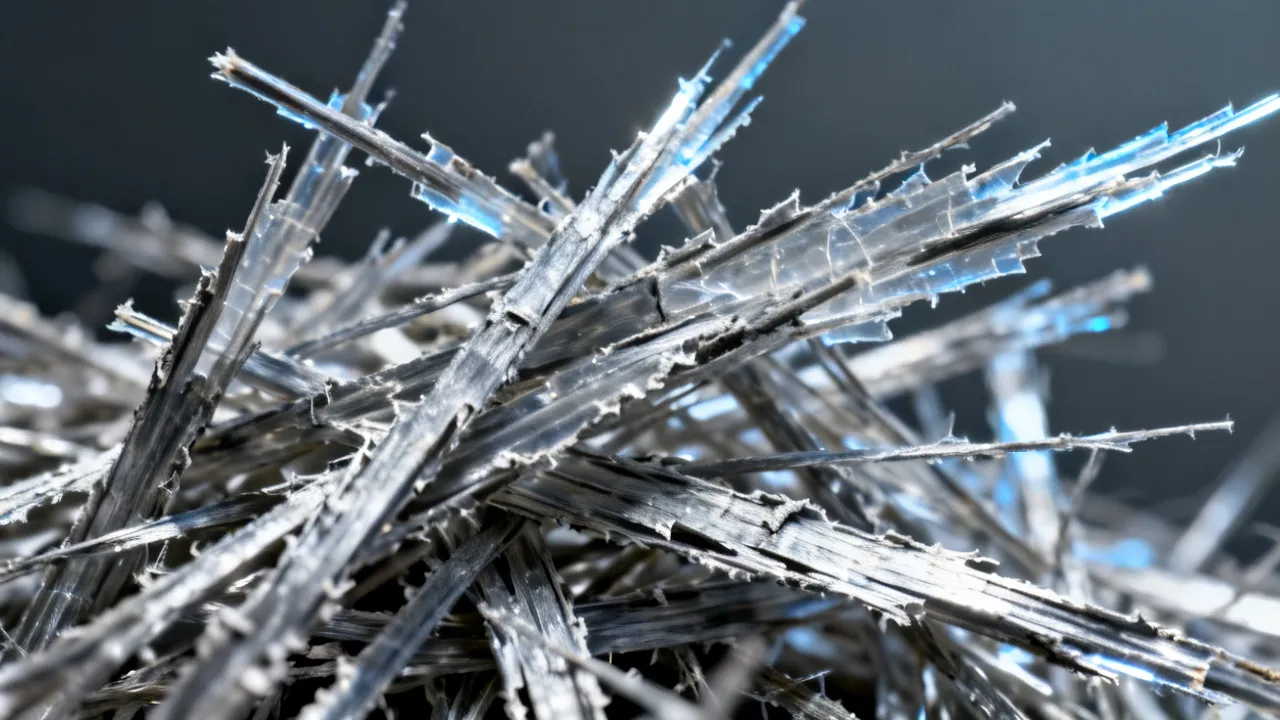
Amianto is a term used to describe a group of naturally occurring minerals that are comprised of fine, durable fibers. Renowned for their heat resistance, flexibility, and tensile strength, these fibers have been extensively utilized in various industries, particularly in construction and manufacturing. The information gathered from Wordreference highlights the multi-faceted nature of amianto, known colloquially as asbestos in English. Commonly, it is found in six types of minerals, which include chrysotile (white asbestos), amosite (brown asbestos), crocidolite (blue asbestos), tremolite, anthophyllite, and actinolite, each exhibiting unique properties and applications.
Historical Use of Amianto
Historically, amianto was celebrated for its versatility and robust physical properties. It was commonly used in building materials such as insulation, roofing shingles, and floor tiles. Its resistance to heat also made it a popular component in automotive parts, such as brake pads and clutches. The use of amianto surged in the mid-20th century, largely driven by a booming construction industry and rising demand for fire-resistant materials. However, extensive research has underscored the health risks associated with exposure to amianto fibers, leading to stringent regulations in many countries. In some contexts, amianto was viewed as a 'miracle mineral', due to its fireproof qualities and the strength it imparted to various products.
Health Risks Associated with Amianto
Amianto poses significant health risks, primarily when its fibers become airborne and are inhaled. The fine fibers can become lodged in the lungs, leading to serious diseases such as asbestosis, lung cancer, and mesothelioma, a rare form of cancer that affects the lining of the lungs, chest, abdomen, and heart. These conditions often take years, if not decades, to arise after initial exposure, complicating the connections between amianto exposure and health issues. For instance, workers in industries that utilized amianto without proper safety measures are often the hardest hit, facing a higher risk of developing lung disease. Additionally, secondary exposure can occur when family members of workers bring home fibers on clothing and equipment, further broadening the scope of health risks. These health concerns have led to rigorous control measures and the phasing out of amianto in many products globally.
Regulations and Bans
The recognition of the health hazards posed by amianto has resulted in strict regulations and bans on its use in many parts of the world. For instance, European Union members and many other countries have implemented comprehensive bans on the mining, use, and sale of all forms of amianto. In the United States, the Toxic Substances Control Act (TSCA) provides a framework for regulating amianto, although loopholes and exemptions exist where some products may still contain it under specific conditions. Other nations like Canada also followed suit, formally banning all forms of amianto in 2018. In regions where the use is still prevalent, strict guidelines mandate the safe handling and disposal of amianto-containing materials. The implementation of these regulations reflects growing awareness and responsiveness to public health concerns, but challenges remain in enforcement and compliance in various jurisdictions.
Managing Existing Amianto
Management of existing amianto-containing materials requires careful planning and execution. It is often recommended to leave amianto undisturbed if it is in good condition. This approach minimizes the risk of fiber release. However, if removal is necessary, only trained professionals using specialized equipment should undertake this task to minimize exposure risks. Risk assessment processes often involve testing for the presence of amianto and evaluating the condition of the material. Adherence to local regulations and employing best practices in handling amianto is crucial in these scenarios. Moreover, building owners and employers must maintain an up-to-date inventory of amianto-containing materials, informing and training employees about associated risks and safety protocols. Continuous monitoring and periodic reassessment of the conditions of amianto materials in older buildings are also essential components of effective management.
Comparison of Amianto Management Practices
| Country | Regulations | Practices |
|---|---|---|
| Italy | Comprehensive ban since 1992 | Strict controls on removal and disposal; dedicated programs to manage legacy materials |
| United States | Regulated under TSCA, CAA | Permissible in certain conditions, requires abatement; ongoing advocacy for more stringent regulations |
| Australia | Banned fully since 2003 | Professional removal and public awareness campaigns; community education on risks and management strategies |
| Canada | Ban effective as of 2018 | Implementation of stringent regulations and education programs aimed at preventing exposure |
| United Kingdom | Asbestos Regulations 2012 | Comprehensive guidelines for management, including training for workers and safe disposal methods |
FAQs on Amianto
- Is amianto still used in construction today?
No, the use of amianto in construction has been banned in many countries due to health risks associated with its fibers. However, older buildings built before these bans may still contain amianto.
- What should I do if I suspect my home contains amianto?
It's important to contact a professional specialized in handling amianto to assess and manage the material safely. They can provide guidance on whether to leave the material intact or initiate removal.
- How are amianto fibers detected?
Specialized testing by accredited laboratories can determine the presence of amianto fibers in materials, often employing methods such as polarized light microscopy (PLM) or transmission electron microscopy (TEM).
- What are the symptoms of asbestos-related diseases?
Symptoms may include persistent coughing, chest pain, shortness of breath, and in advanced cases, significant weight loss and fatigue. Early medical evaluation is crucial for anyone potentially exposed to amianto.
- Can amianto exposure occur in the home?
Yes, exposure can occur in homes, particularly those built before the 1980s that may have used amianto-containing materials in insulation, roofing, or flooring. Regular inspections are recommended in such cases.
Conclusion
Understanding the historical uses and associated risks of amianto, or asbestos, allows us to better appreciate the measures taken to protect public health. While its use is heavily restricted or outright banned in many places, the legacy of amianto still necessitates careful management of existing structures containing this material. Through continued education and diligent application of regulatory standards, the dangers posed by amianto can be effectively mitigated. Communities must foster a culture of awareness and vigilance, encouraging proper reporting of suspected amianto and supporting initiatives for safe removal and management. Future policies and public health interventions should aim to protect vulnerable populations, particularly workers and their families, from the long-lasting impacts of past amianto exposure, ensuring a safer and healthier environment for all.