Comprehensive Guide to Occlusal Treatment
This article delves into the concept and importance of occlusal treatment in dentistry. ''교합 치료'' or occlusal treatment focuses on correcting bite-related issues, ensuring optimal biting function and alleviating associated pain. This guide explains the intricacies of occlusal treatment, supported by expert insights, cost analysis, and essential patient guidelines, providing a robust resource for those considering such dental procedures.

Understanding Occlusal Treatment in Dentistry
Occlusal treatment, known as ''교합 치료'' in Korean, plays a pivotal role in contemporary dental practice. It involves diagnosing and treating issues related to misaligned bites, which can lead to discomfort, pain, and long-term dental complications. This treatment is essential not only for oral health but also for overall well-being, as a misaligned bite can cause headaches, jaw pain, and even affect speech. As a discipline, occlusal treatment has evolved significantly, utilizing advanced technologies and philosophies aimed at restoring balance and function to the stomatognathic system, which is integral for effective eating, speaking, and other daily activities.
Importance of Correct Occlusion
Correct occlusion is the harmonious alignment of the upper and lower teeth. This alignment is crucial for efficient biting and chewing functions, as well as maintaining overall oral health. When teeth do not align properly, it can result in a range of issues including tooth wear, temporomandibular joint disorders (TMD), and chronic headaches. Proper occlusion supports optimized forces during chewing, minimizes wear on teeth surfaces, and fosters healthy relationships between teeth, gums, and bone structure.
Furthermore, a correct bite can contribute significantly to aesthetic considerations. Individuals with properly aligned teeth often exhibit better facial symmetry, which greatly enhances their overall appearance. Social interactions can be dramatically influenced by a person’s smile, further underscoring the importance of dental occlusion not just for health but for psychological well-being and self-esteem.
Treatment Techniques
Occlusal treatment typically involves several techniques, including:
- Occlusal Adjustment: This process includes minor reshaping of the teeth to enhance their fit when the jaws are closed. Today, dentists also employ computer-assisted technology to analyze occlusion accurately, allowing for targeted adjustments that increase patient comfort and function.
- Orthodontics: Utilizing appliances such as braces or aligners, orthodontics guides the teeth into proper alignment over time. This procedure may involve the use of traditional metal braces, ceramic braces, or clear aligners, which cater to varying aesthetic preferences and comfort levels.
- Oral Appliances: Custom-made devices such as bite guards or splints are designed specifically to correct the bite or protect teeth from grinding. These devices can alleviate pressure on the jaw and help prevent further alignment issues, enhancing an individual's quality of life.
- Restorative Procedures: Sometimes, achieving a correct bite may require restorative procedures such as crowns, bridges, or veneers. By restoring the shape, size, and alignment of the teeth, these treatments can create a more functional and aesthetic occlusion.
The integration of technology has greatly improved the effectiveness of these techniques. For instance, digital imaging and 3D printing allow for precise fabrication of custom appliances aimed at correcting occlusal discrepancies. This level of customization helps make treatment more effective and comfortable, enhancing patient satisfaction.
Cost and Accessibility
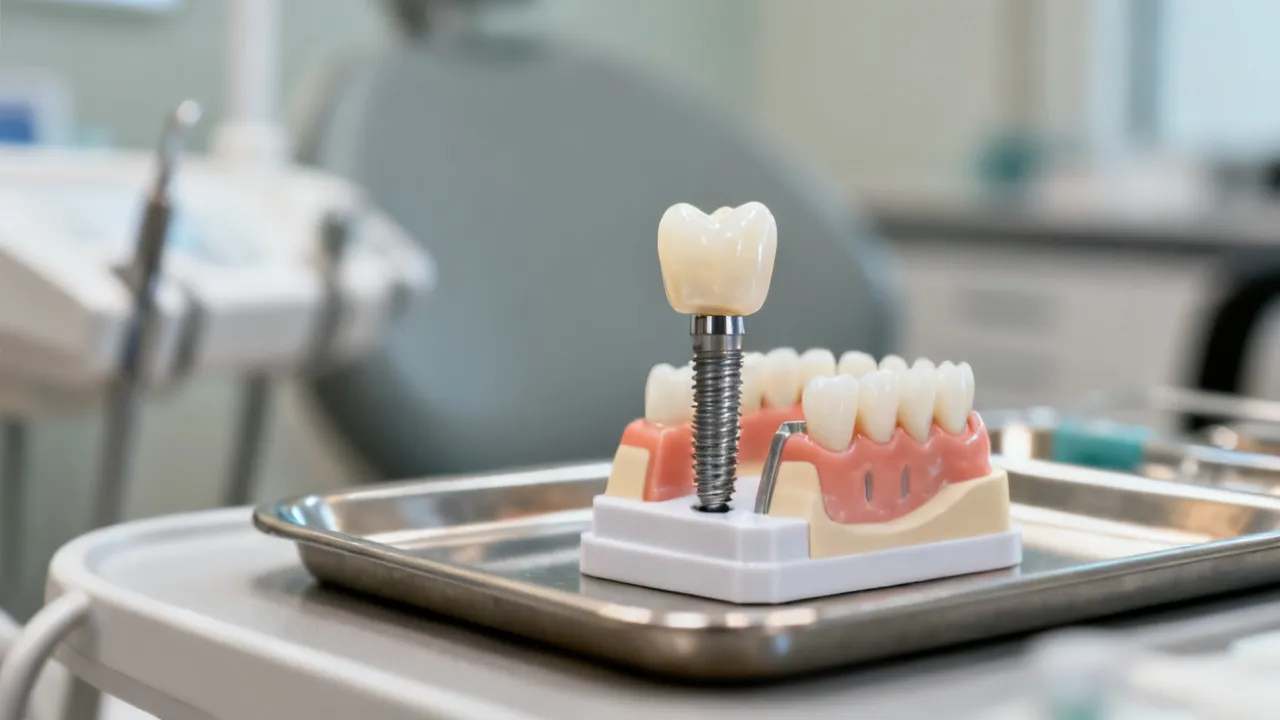
The cost of occlusal treatment can vary significantly based on the complexity of the case and the techniques employed. In English-speaking countries, here’s a comparative table of costs for various dental treatments with an emphasis on affordability:
| Country | Price Range for Dental Implants |
|---|---|
| United States | $3,000 - $6,000 USD |
| United Kingdom | £2,000 - £2,500 GBP |
| Australia | AU$3,500 - AU$6,500 AUD |
| Canada | CA$3,000 - CA$5,500 CAD |
For more details, visit these sources: Dental Views, Atlantic Dental Group, DentaVacation, and ADHP.
Obtaining Low-Cost Dental Implants in English-speaking Countries
To procure dental implants affordably, individuals should consider several avenues including dental schools, community health clinics, and dental tourism. Dental schools often offer procedures at reduced rates as part of student training, supervised by experienced faculty members who ensure quality care. This benefit not only allows for budget-friendly options but also contributes to the education of future dentists. Community health clinics might provide sliding-scale fees based on income, aiming to make dental care accessible to underserved populations. These clinics frequently work in partnership with local health organizations to facilitate broader access to necessary services.
Exploring dental tourism options—where individuals opt to travel abroad for dental care to countries with lower costs—can also significantly reduce expenses. Countries such as Mexico, Costa Rica, and Thailand have become popular destinations due to their specialized clinics that offer high-quality dental treatments at a fraction of the cost encountered in more developed nations. Before committing to dental tourism, thorough research is recommended to ensure that the chosen clinic meets international safety and quality standards.
Expert Insights
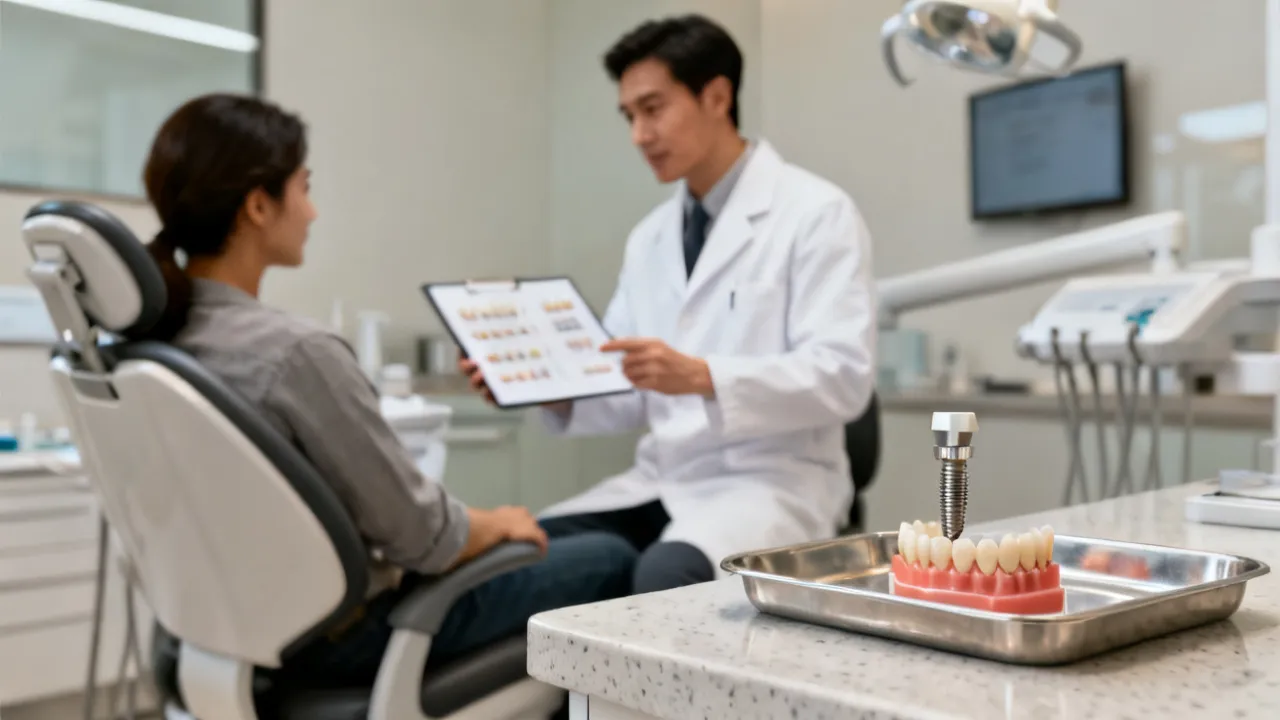
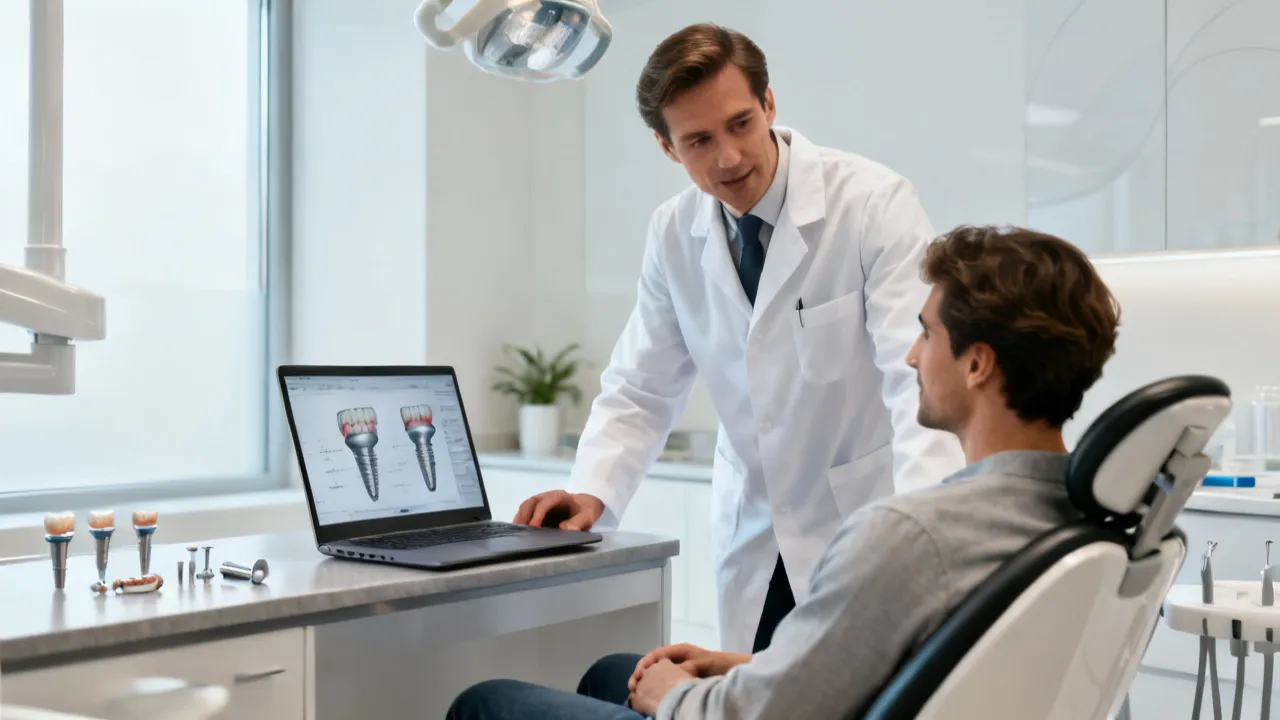
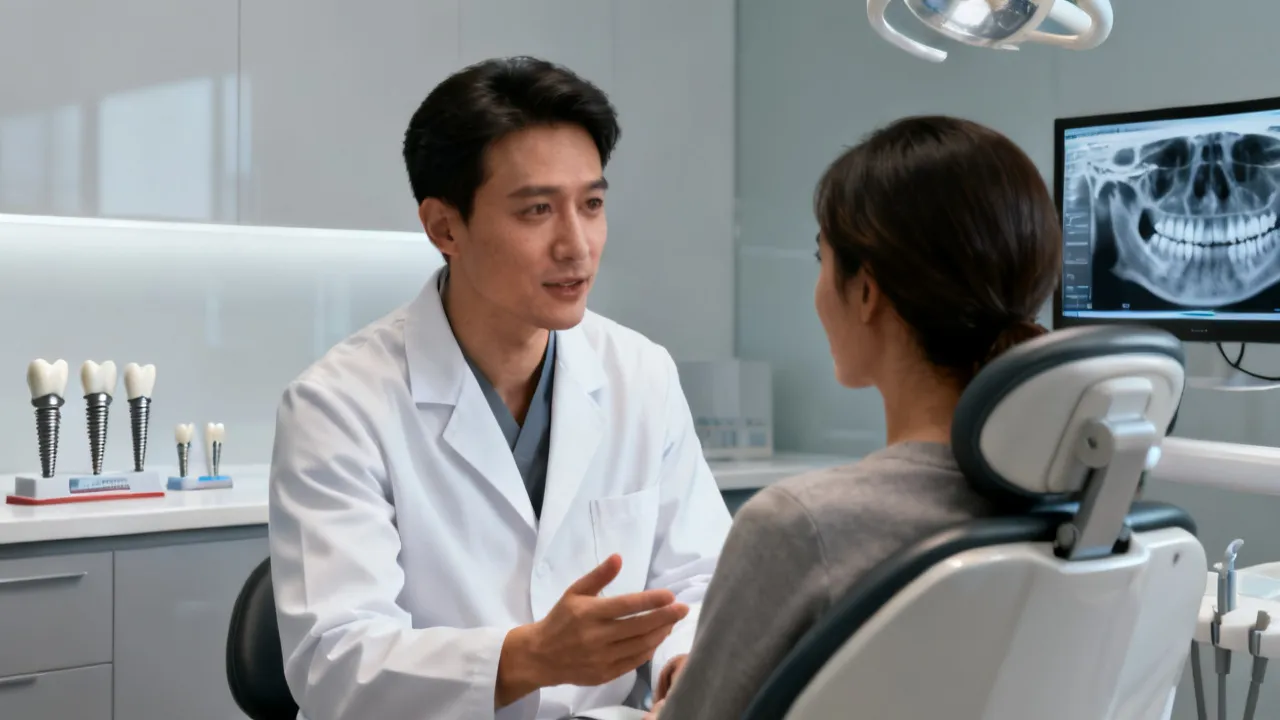
Occlusal treatment requires an expert’s evaluation to customize a plan that suits individual needs. An initial assessment typically includes a detailed examination of the jaw, facial muscles, and teeth alignment. Based on these findings, a tailored treatment plan is developed, leveraging advanced diagnostic tools such as digital imaging, pressure mapping, and 3D models.
Clinicians focus not only on the teeth but also on the broader context of dental occlusion, evaluating how jaw position and muscle function interact. Treatment may also involve collaboration with other healthcare professionals, such as physical therapists or orthodontists, to address underlying issues that could contribute to occlusal problems. A multidisciplinary approach can enhance the overall effectiveness of treatment and ensure comprehensive care.
An essential part of occlusal treatment is patient education. Educating patients about their dental health, the importance of preventive care, and the available treatment options can empower them to make informed choices about their dental care. Regular follow-ups are also crucial to monitor progress and make necessary adjustments to the treatment plan.
Common Symptoms Indicating Occlusal Issues
Individuals experiencing occlusal issues may notice several common symptoms:
- Jaw Pain: Discomfort in the jaw, particularly in the morning or after prolonged periods of clenching.
- Headaches: Frequent headaches, especially tension-type headaches or migraines, can be associated with occlusal problems.
- Teeth Grinding: Known as bruxism, this condition can worsen due to misaligned teeth, potentially leading to further wear and problems.
- Difficulty Chewing: Uneven teeth alignment can make chewing uncomfortable or difficult.
- Ear Pain: Referred pain from jaw issues might feel like discomfort in the ears, even causing tinnitus in some cases.
These symptoms can often be misattributed to other conditions, emphasizing the importance of a thorough evaluation by a dental professional to accurately identify and address occlusal problems early on.
FAQs
- What causes occlusal issues? Misaligned jaws, missing teeth, genetics, and dental habits such as thumb sucking or prolonged pacifier use in childhood can lead to improper occlusion.
- How long does occlusal treatment take? The duration of treatment varies depending on the case's complexity; a simple adjustment might take one visit, while orthodontic care can span months to years. Comprehensive assessments help set realistic expectations for treatment timelines.
- Is occlusal treatment covered by insurance? Many insurance plans cover occlusal treatments, especially if they are deemed medically necessary. It's essential to verify coverage details with your provider to understand the specific circumstances under which these treatments are covered.
- What are the long-term benefits of occlusal treatment? Beyond the immediate relief from pain and discomfort, successful occlusal treatment can lead to improved oral function, enhanced aesthetic appearance, and better overall health outcomes. This includes reduced risk for dental problems such as tooth decay or periodontal disease due to balanced forces during chewing.
- Can occlusal problems lead to other health issues? Yes, misalignment can contribute to various systemic health issues, including chronic pain conditions, sleep apnea, and even cardiovascular problems. Maintaining good dental alignment can have far-reaching consequences for overall health.
Conclusion
Occlusal treatments are a vital aspect of dental care, addressing both aesthetic and functional concerns. For those experiencing bite-related discomfort or looking to enhance their overall dental health, consulting with a dental professional can provide clarity and a pathway to relief.
The conversation around occlusal treatment is broad and multifaceted, encompassing advances in technology, multidisciplinary approaches, and growing awareness of dental health's impact on overall wellness. As research continues in this area, the importance of addressing occlusal discrepancies will likely only increase, helping both individuals and dental care professionals prioritize interventions that can lead to healthier, more functional smiles.
Furthermore, staying informed about the latest advancements in treatments, as well as understanding the broader implications of dental health on life quality, is invaluable for making informed decisions in dental care. A proactive approach can lead to significantly improved long-term outcomes for patients.
Disclaimer: The above information comes from online resources, and the data is as of October 2023. Dental implant prices are for reference only and may vary by region, clinic, and doctor.
References: Dental Views, Atlantic Dental Group, DentaVacation, ADHP