Comprehensive Guide to Dental Occlusion Treatment
This guide provides a detailed exploration of dental occlusion treatment, focusing on its significance in dental health. Dental occlusion, or the alignment of teeth when the jaws close, is critical for oral function and aesthetics. Problems with occlusion can lead to various dental issues, necessitating precise interventions for correction.
Introduction to Dental Occlusion
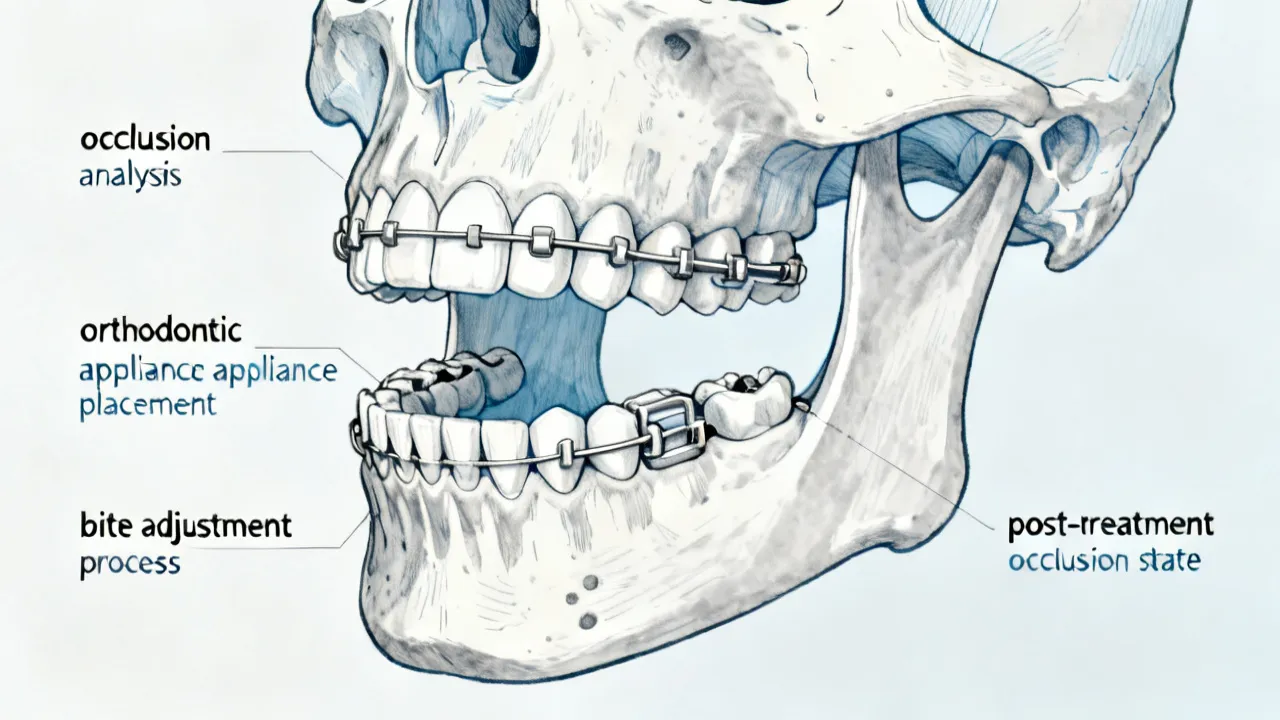
Dental occlusion refers to the alignment and contact relationship between the teeth on opposing dental arches. This relationship is more than just a matter of aesthetics; it is crucial for overall dental health, functionality, and even psychological well-being. Proper alignment enables the effective chewing of food, facilitates clear speech, and allows the jaw to function efficiently without excessive strain. Correct occlusion allows for efficient mastication, even distribution of bite forces, and prevents temporomandibular disorders (TMD), which can significantly affect quality of life.
The Biological Basis of Occlusion
The human dentition is designed in such a way that when the upper and lower teeth come together, they should ideally create a harmonious arrangement. The dental arch shapes, tooth sizes, and the angles at which teeth are positioned all contribute to occlusion. During the developmental phase, any disruption—be it genetic, environmental, or a result of habits such as thumb sucking or prolonged pacifier use—can lead to malocclusion. Understanding the biological underpinnings of occlusion helps dental professionals devise treatment plans tailored to individual needs.
Importance of Occlusion Treatment
Problems associated with dental occlusion can lead to an array of issues, including speech difficulties, premature wear of teeth, jaw pain, and even chronic headaches. Misalignment may cause certain teeth to bear more pressure than others, resulting in uneven wear and potential fractures. Furthermore, improper bite can lead to discomfort in the jaw joints and muscles, predisposing individuals to conditions like TMD. Properly addressing occlusal problems through structured treatment plans is essential not only to maintain oral health but also to enhance overall life quality. Dental professionals utilize various methods, including bite adjustments, orthodontics, and restorative treatments, to manage these issues effectively.
Common Symptoms of Occlusal Issues
Patients experiencing occlusal problems might not always connect their symptoms to an issue with their bite. Here are some common signs that indicate a possible occlusal dysfunction:
- Jaw Pain or Muscle Fatigue: Regular pain in the jaw or tiredness of the facial muscles, especially after chewing, can suggest abnormal bite dynamics.
- Headaches: Patients may experience frequent headaches or migraines, which are often mistaken for tension headaches.
- Tooth Sensitivity: Teeth may become sensitive due to uneven wear that exposes dentin.
- Clicking or Popping Sounds: Noises from the jaw when opening or closing the mouth can be a sign of joint dysfunction related to bite issues.
- Difficulty Chewing: Patients may notice that biting and chewing become uncomfortable or uncoordinated.
- Worn or Fractured Teeth: Uneven pressure may cause some teeth to wear down faster than others, leading to chips or fractures.
Popular Methods in Occlusion Treatment
The treatment for dental occlusion varies based on the underlying problem. Common approaches include:
- Bite Adjustment: Removal or reshaping of enamel on misaligned teeth allows better contact and fit. This procedure is typically quick and can often provide immediate relief from discomfort.
- Orthodontic Intervention: Use of braces or aligners to guide teeth into proper alignment. This method improves not just the aesthetics of the smile, but importantly, it enhances the functional relationship between the upper and lower dental arches over time.
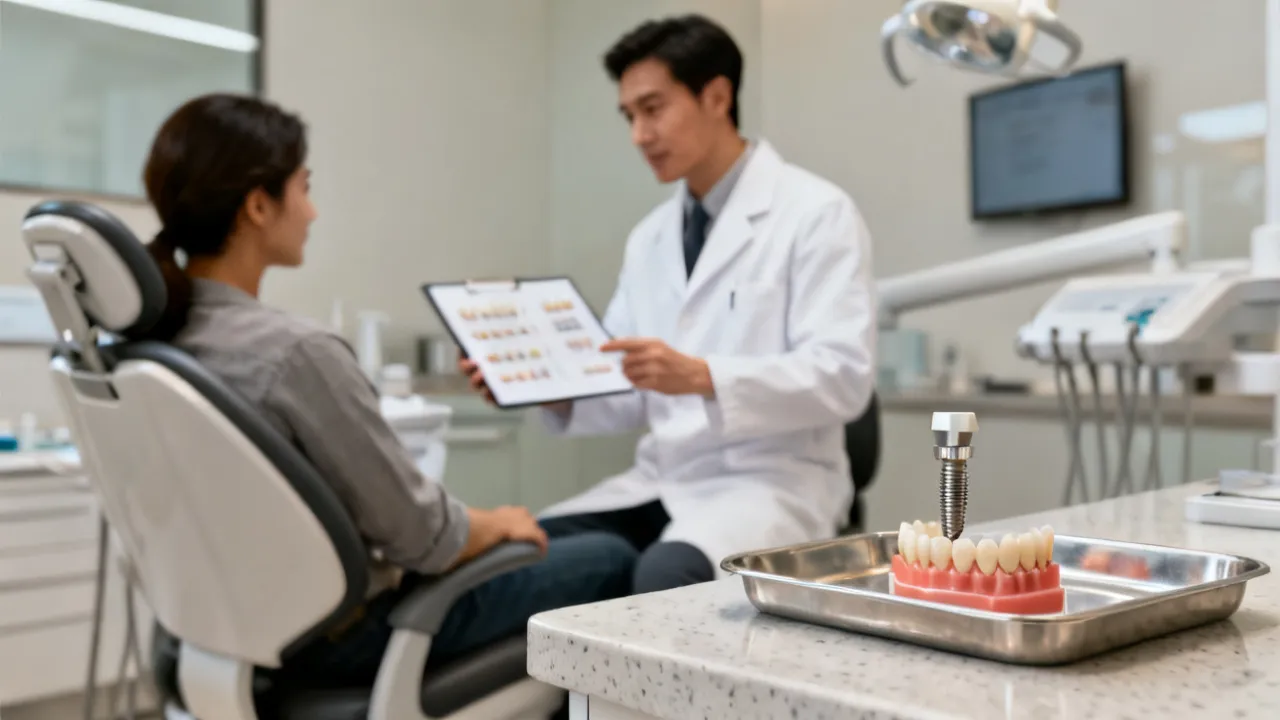
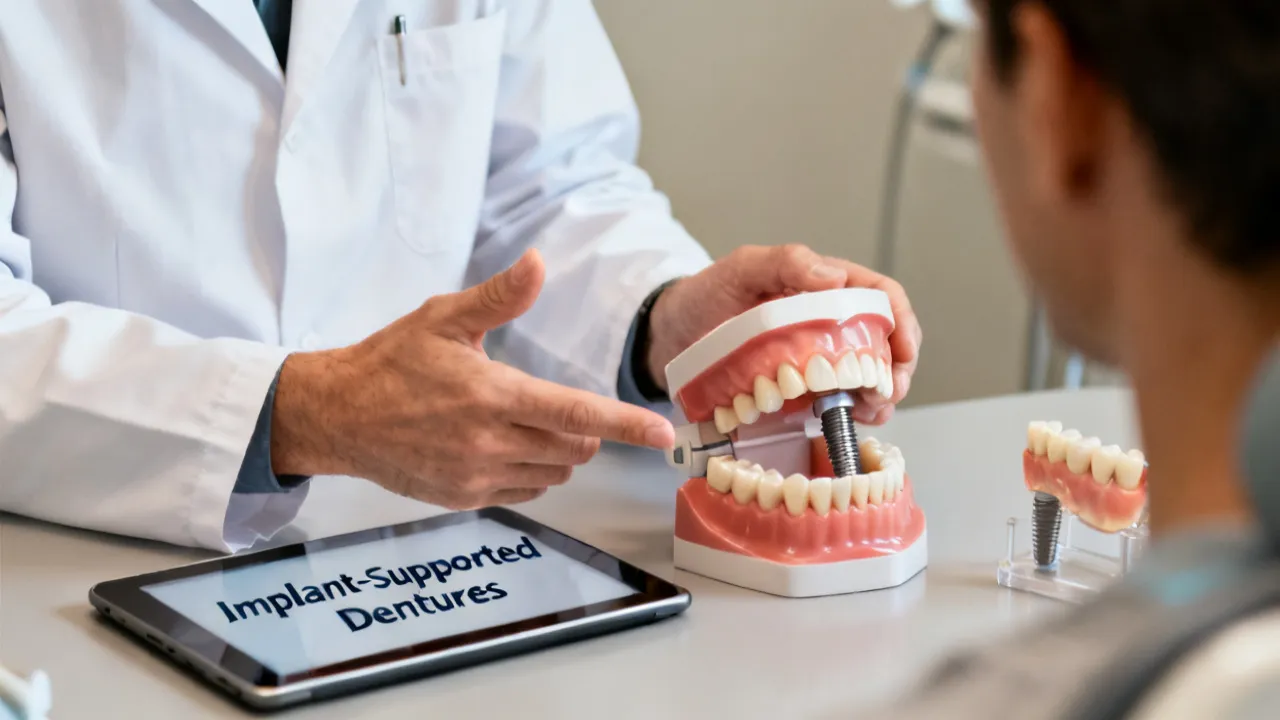
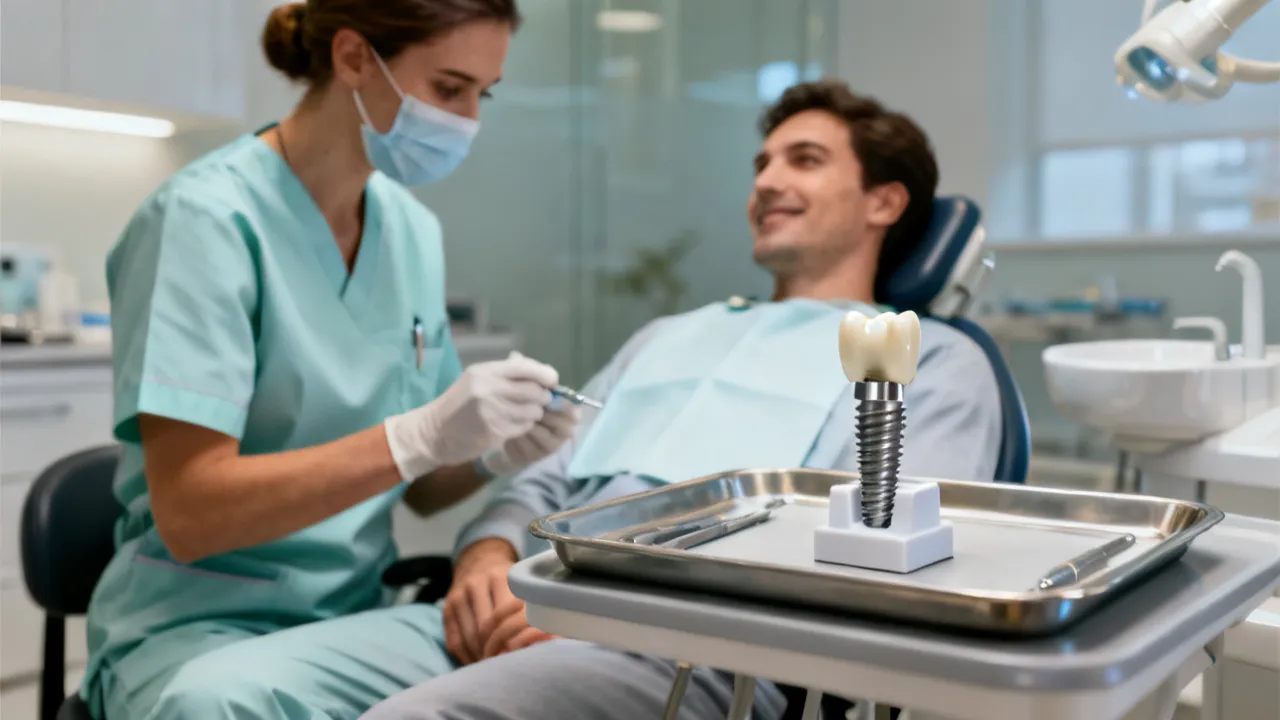
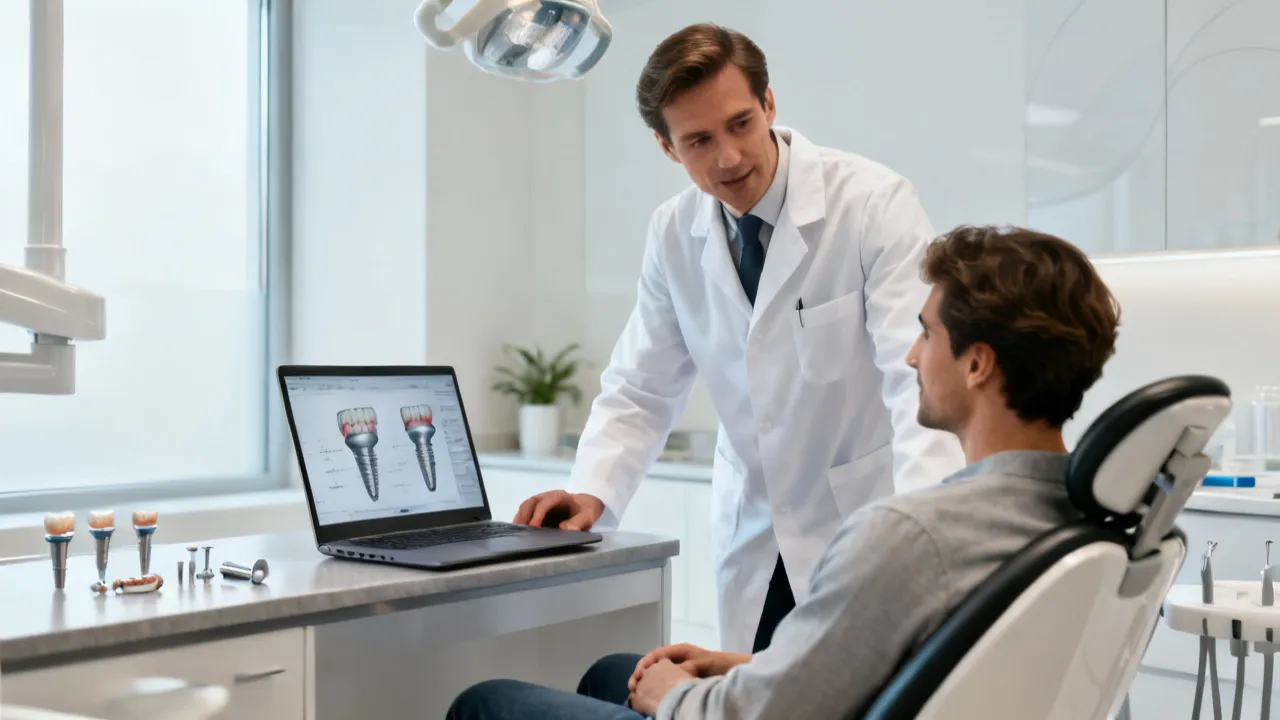
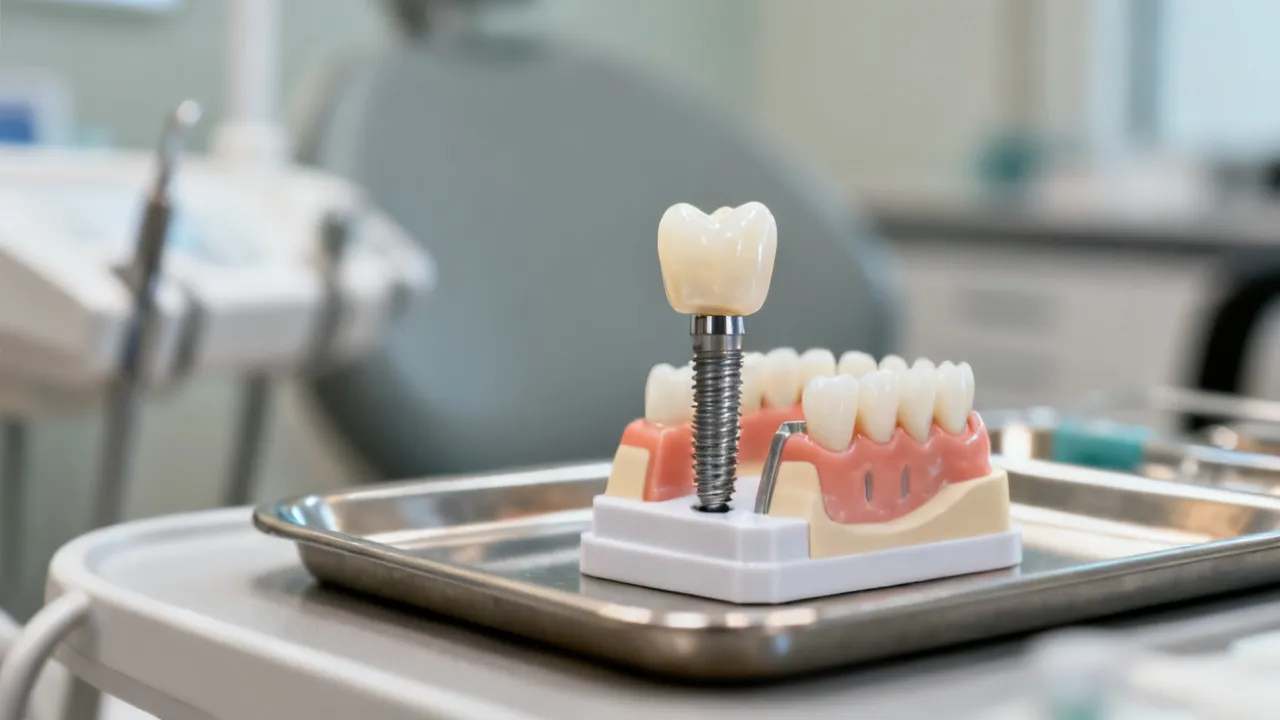
- Restorative Procedures: Crowns, bridges, and implants are utilized to correct the bite and restore function. These treatments often involve collaboration among different dental specialists, particularly in complex cases where multiple teeth are involved.
- Functional Appliances: These orthodontic devices are used to modify the growth of the jaw and improve the alignment of the teeth. They can be particularly useful during the growth phase in children and adolescents.
Advanced Techniques in Occlusion Treatment
Recent advancements in dentistry have introduced several innovative treatment options that improve the effectiveness of occlusion treatment:
- Digital Occlusal Analysis: This technology enables precise measurement of occlusal forces through digital means, allowing dental professionals to understand the nuances of a patient's bite.
- 3D Printing in Dental Appliances: Custom dental appliances can now be created using 3D printing technology, ensuring a better fit and increased comfort for patients.
- Temporary Anchorage Devices (TADs): These devices provide stable and strategic anchorage for tooth movement in orthodontic treatments. TADs allow dentists to correct malocclusion without lengthy treatment times.
- Grind Guards: For patients who suffer from bruxism (tooth grinding), dental professionals can prescribe custom-fit mouthguards to protect teeth during sleep.
Expert Insights on Treatment Protocols
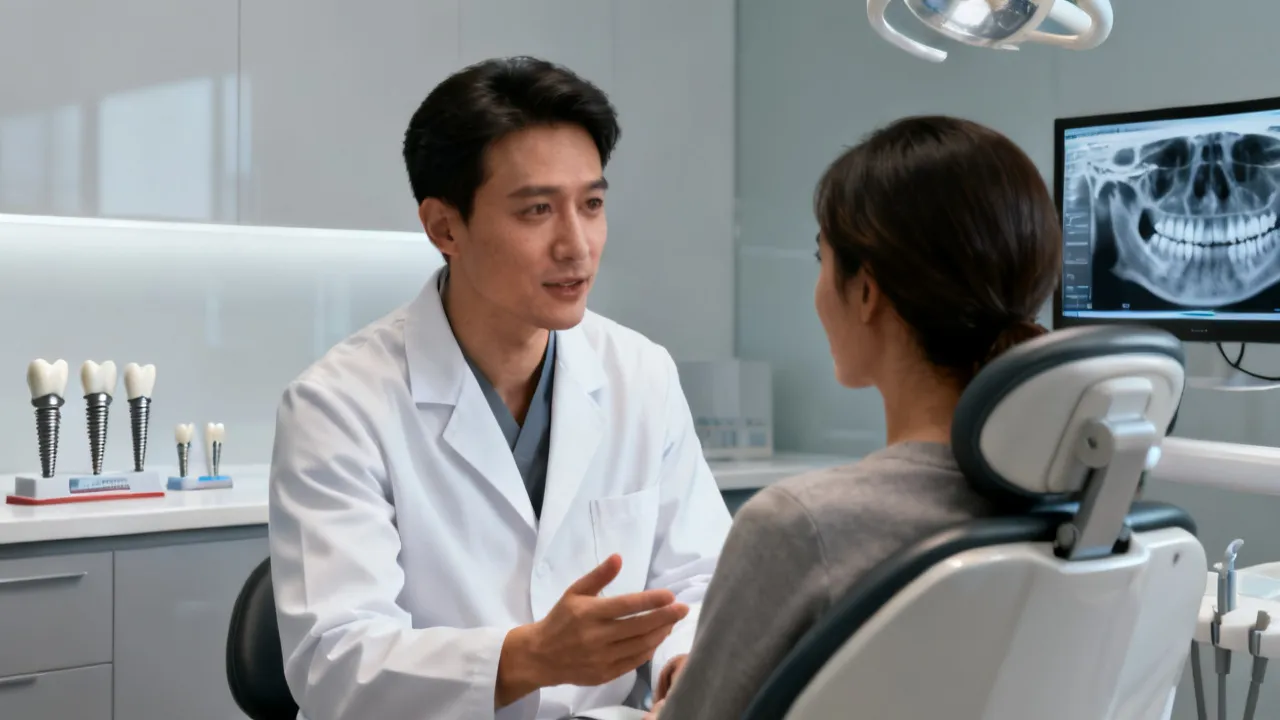
Experts highlight the necessity of a comprehensive dental examination before commencing occlusion treatment. This assessment typically involves x-rays, dental impressions, and a thorough analysis of the patient's dental and medical history. Assessing the occlusal relationship accurately is essential for designing an effective treatment plan.
Collaboration among different dental specialists, such as orthodontists, prosthodontists, and oral surgeons, is often required for effective treatment. Complex cases particularly benefit from team approaches, ensuring that every aspect of a patient’s dental health is considered.
Cost of Occlusion Treatments in Different Regions
Understanding the financial aspect of occlusion treatments is crucial for patients. The cost of these treatments can vary significantly depending on the type of treatment required, the complexity of the case, and the region. Below is a breakdown of general cost ranges for common treatments in different parts of the world:
| Country | Currency | Cost Range |
|---|---|---|
| United States | USD | $2,000 - $5,000 |
| United Kingdom | GBP | £1,500 - £3,500 |
| Australia | AUD | AU$2,500 - AU$6,000 |
| Canada | CAD | $2,000 - $5,000 |
Note that these costs are average estimates and can vary based on specific case requirements, the provider’s expertise, and regional market factors.
Insurance and Financing Options
Many patients are concerned about the affordability of necessary dental treatments. Most dental insurance plans offer some level of coverage for occlusion-related issues, although the specifics can vary widely:
- Insurance Plans: Generally, dental insurance may cover a portion of orthodontic treatments or restorative procedures, but limitations and exclusions may apply. Always verify coverage with your provider and dental office.
- Payment Plans: Many dental offices provide financing options that allow patients to pay for their treatments over time, making it more manageable.
- Health Savings Accounts (HSAs): Patients may consider using HSAs or Flexible Spending Accounts (FSAs) to pay for dental treatments, as these accounts allow pre-tax dollars to cover qualified medical expenses.
FAQs about Occlusion Treatment
- What is occlusion in dentistry?
Occlusion refers to how the upper and lower teeth meet when biting, with an emphasis on how this relationship affects chewing and speaking. - What are common symptoms of occlusal issues?
Symptoms include jaw pain, recurring headaches, pain in neck and shoulders, and abnormal tooth wear. - How long does occlusion treatment take?
The duration depends on the treatment type, ranging from a few appointments for simple bite adjustments to several months for comprehensive orthodontic treatment. - Can occlusion issues resolve without treatment?
While some minor issues may resolve with time or adjustment, professional evaluation is crucial to avoid complications and ensure proper dental health. - Are there benefits to early intervention in occlusion issues?
Yes, addressing occlusal problems early—especially in children—can lead to simpler treatment modalities and more efficient outcomes.
Comparing Low-Cost Dental Implant Resources
For those exploring dental implants as part of occlusion treatment, several resources offer insights into low-cost options. Dental implants may sometimes be part of an overall occlusal correction strategy. Here's a comparative overview of some useful resources:
| Website | Main Offering |
|---|---|
| Dental Views | Low-cost dental implants and treatment information. They provide extensive resources on financing and treatment options available across different regions. |
| Atlantic Dental Group | Comprehensive dental services including implants, cosmetic dentistry, and preventive care, with a focus on patient-centered practices. |
| DentaVacation | Facilitates dental tourism for affordable care abroad, providing options for high-quality treatment at reduced costs in countries like Mexico, Costa Rica, and Turkey. |
Source: [Dental Views](https://dentalviews.com/low-cost-dental-implants/), [Atlantic Dental Group](https://www.atlanticdentalgrp.com/), [DentaVacation](https://www.dentavacation.com/)
Getting Affordable Dental Implants in English-speaking Regions
If opting for dental implants as part of your occlusion treatment strategy, consider the following strategies to reduce costs:
- Consult Multiple Providers: Getting quotes from different clinics is vital. It helps you compare services, understand treatment options, and find the most competitive pricing.
- Evaluate Dental Tourism: Investigate dental tourism options as treatment abroad may offer significant savings. Destinations like Mexico or Costa Rica have numerous skilled professionals offering high-quality services at lower prices.
- Insurance Coverage: Check if your insurance plan covers a part of the implant procedures. Some plans may allow coverage for chipped or broken teeth leading to necessary restorative work.
- Be Flexible with Timing: Some clinics offer discounts during off-peak times or promotional packages that include multiple treatments at a lower overall cost. Scheduling around these times can result in substantial savings.
- Look for Financing Options: Many offices provide financing plans or lease-to-own options to make payments manageable.
Conclusion
Understanding dental occlusion and its treatment options is essential for optimal oral health. A well-aligned bite contributes to functionality and aesthetics, influencing eating habits and self-confidence. By considering cost-effective resources, proper treatment strategies, and personalized care strategies, individuals can manage occlusion issues efficiently while maintaining good oral health. Weekly consultations and reviews of your dental health, along with prompt treatment for any arising issues, remain paramount. It is always advisable to seek professional guidance from qualified dental practitioners to determine the best course of action tailored to one’s specific dental needs, ensuring both functional and aesthetic goals are met.
Future Outlook on Dental Occlusion
As the field of dentistry continues to evolve, one can expect even more advanced technologies and methodologies for diagnosing and treating occlusion problems. Emerging techniques such as augmented reality (AR) in simulation and treatment planning, artificial intelligence (AI) in diagnostics, and biocompatible materials for repairs are paving the way for optimized patient care.
Moreover, a growing trend of preventive approaches in dentistry is emphasizing the importance of early detection and intervention. This holistic view ensures that individuals receive continuous support throughout their dental health journey, addressing potential occlusal issues before they develop into more significant problems.
The integration of interdisciplinary care—incorporating insights from orthodontics, periodontics, and oral surgery—will further contribute to comprehensive treatment plans focused on each patient's unique needs. Therefore, staying informed about advancements in dental care and maintaining regular dental appointments will help individuals achieve optimal outcomes for their occlusion and overall oral health.
Disclaimer
The above information comes from online resources and is accurate as of October 2023. Dental implant prices are for reference only and may vary by region, clinic, and provider qualifications.
References used in compiling this guide include: [Dental Views](https://dentalviews.com/low-cost-dental-implants/), [Atlantic Dental Group](https://www.atlanticdentalgrp.com/), [DentaVacation](https://www.dentavacation.com/), and [ADHP](https://rockvilledentalarts.com/es/), among others as detailed within the article.